Easy Chicken Pakora
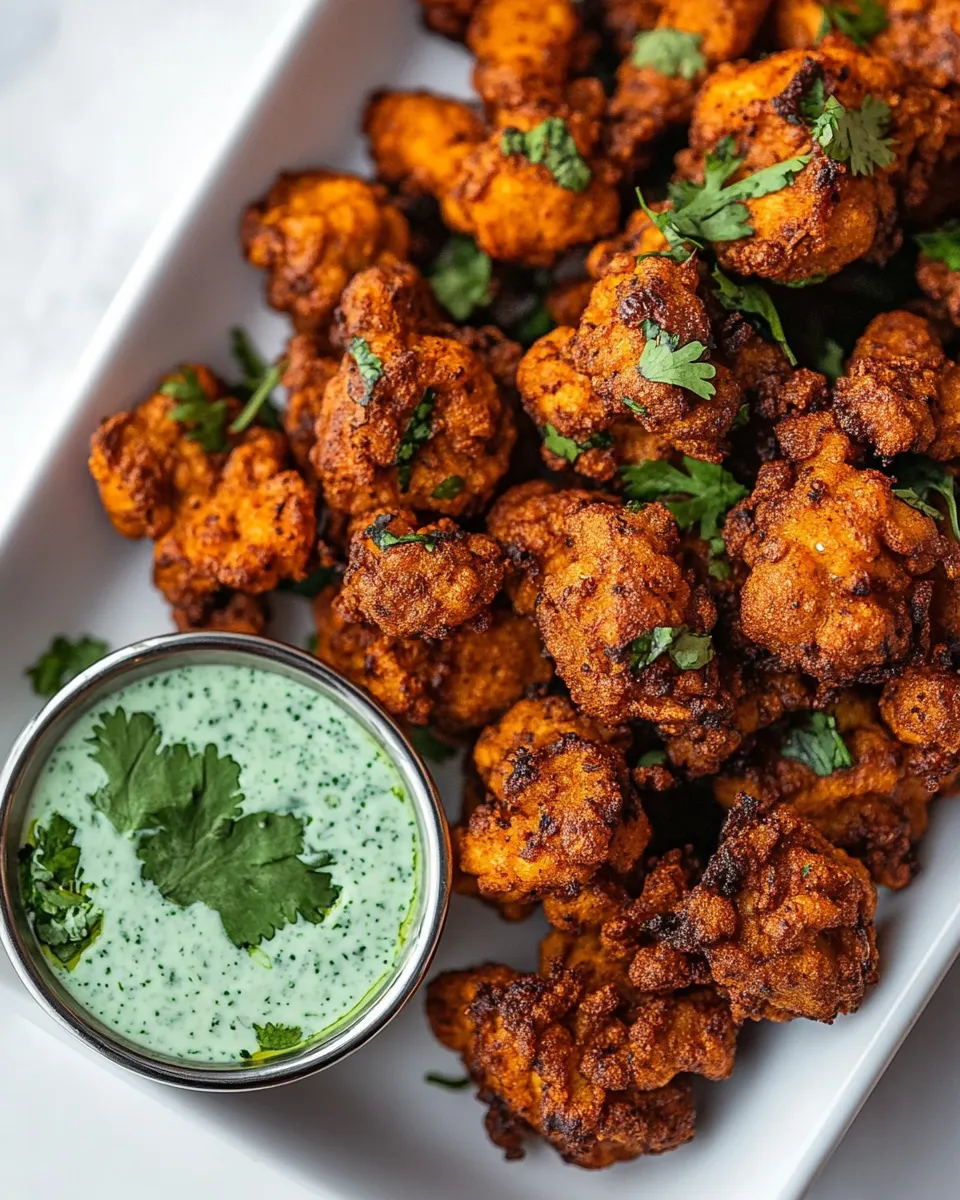
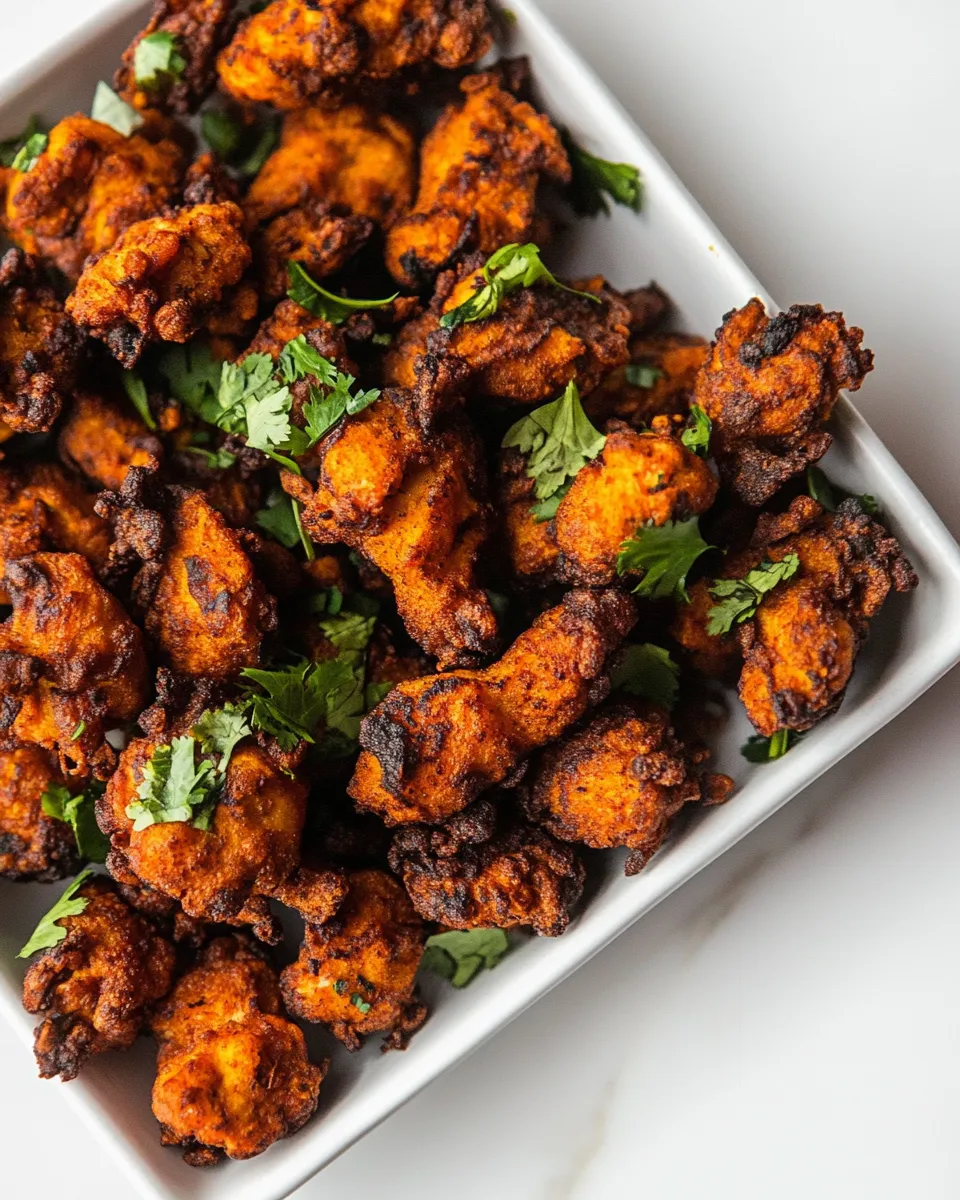
I make chicken pakora when I want something crunchy, bright, and truly crowd-pleasing with very little fuss. This version marries a spiced, tangy marinade with a chickpea batter so the pieces crisp up around the edges while staying juicy inside. I rely on simple pantry spices, chickpea (besan) flour, and a quick double-dip of cooling raita and vibrant green chutney to keep the plate balanced.
There’s no complicated prep, no long marination, and no special equipment beyond a heavy pot and a thermometer. You can have these on the table in under an hour if you stay organized. I’ll walk you through exact steps, what to watch for while frying, common slip-ups, and practical swaps — all the things I wish every home cook knew before their first batch.
These pakoras work as party bites, weeknight protein, or a plated appetizer. They travel well too, so I often pack leftovers into salads or wraps the next day. Read on for the ingredient checklist, step-by-step directions, and my best tips for consistent results.
Ingredients at a Glance
- 1.25 pounds chicken breast (cut into 1 inch pieces) — the main protein; cut uniform so pieces cook evenly.
- 2 teaspoons salt — seasons the chicken and the sauces; split between marinade and raita as instructed.
- 2 teaspoons ground cumin — adds warm, earthy flavor to the marinade.
- 1 1/2 teaspoons ground kashmiri chile (or 1 tsp paprika + 1/2 tsp cayenne) — gives color and moderate heat; substitute combo included to match pantry options.
- 1 teaspoon garlic powder — keeps the marinade dry-friendly and concentrated.
- 1 teaspoon onion powder — rounds out savory notes without extra fresh onion in the marinade.
- 1 teaspoon garam masala — adds aromatic depth and a subtle warmth.
- 1 teaspoon ground ginger — bright, slightly peppery backbone for the spice mix.
- 1/2 teaspoon ground turmeric — for color and a mild earthy bitterness.
- 2 egg whites — help bind the marinade to the chicken before chickpea flour is added.
- 1/3 cup fresh lemon juice — acid to tenderize and brighten flavors.
- 1/4 cup chopped cilantro — fresh herb in the marinade for lift.
- 1 cup chickpea flour (gram or besan flour) — the coating that crisps up into pakora batter.
- oil for frying (I like peanut oil for this recipe.) — neutral, high-heat oil; choose one you tolerate and that fries well.
- 1 cup plain Greek-style yogurt — base for the raita; thick and tangy.
- 1/4 cup chopped onion — folded into the raita for crunch and bite.
- 2 tablespoons lemon juice — acid for the raita; brightens and balances yogurt.
- 1-2 tablespoons granulated sugar — balances yogurt and lemon; optional to taste.
- 1 tablespoon chopped cilantro — herb to finish the raita.
- 1/4 teaspoon salt — seasons the raita.
- 1/4 teaspoon ground cumin — toasted flavor note in the raita.
- 1 large bunch cilantro (stems and leaves) — primary herb for the green chutney; stems blend fine.
- 1/4 cup chopped onion — chutney onion for structure and flavor.
- 3 tablespoons fresh mint leaves — cool herbal lift in the chutney.
- 3 tablespoons fresh lemon juice — acid to brighten the chutney.
- 3 tablespoons plain Greek-style yogurt — adds creaminess and mellows heat in the chutney.
- 1/2 – 1 whole serrano pepper, stem removed — controls chutney heat; remove seeds or use half if sensitive.
- 2 cloves garlic — raw for pungency and savory depth in the chutney.
- 1 inch piece fresh ginger — spicy-sweet bite in the chutney.
- 1/4 teaspoon salt — seasons the chutney.
Step-by-Step: Chicken Pakora
- Combine the marinade: In a large mixing bowl place 1.25 pounds chicken breast (cut into 1-inch pieces). Add 2 teaspoons salt, 2 teaspoons ground cumin, 1 1/2 teaspoons ground Kashmiri chile (or 1 teaspoon paprika + 1/2 teaspoon cayenne), 1 teaspoon garlic powder, 1 teaspoon onion powder, 1 teaspoon garam masala, 1 teaspoon ground ginger, 1/2 teaspoon ground turmeric, 2 egg whites, 1/3 cup fresh lemon juice, and 1/4 cup chopped cilantro. Mix thoroughly so each piece is well coated. Set aside to marinate at least 10 minutes. (If you are sensitive to heat, use 1/2–1 teaspoon Kashmiri chile or remove seeds from any substitute chiles.)
- Make the raita: In a blender combine 1 cup plain Greek-style yogurt, 1/4 cup chopped onion, 2 tablespoons lemon juice, 1 tablespoon granulated sugar (start with this amount), 1 tablespoon chopped cilantro, 1/4 teaspoon salt, and 1/4 teaspoon ground cumin. Cover and blend until smooth. Taste and add the remaining sugar (up to a total of 1–2 tablespoons) if you want it sweeter. Transfer to a bowl and refrigerate until serving.
- Make the green chutney: Without washing the blender (optional), add 1 large bunch cilantro (stems and leaves), 1/4 cup chopped onion, 3 tablespoons fresh mint leaves, 3 tablespoons fresh lemon juice, 3 tablespoons plain Greek-style yogurt, 1/2–1 whole serrano pepper (stem removed; if sensitive, use half and remove seeds), 2 cloves garlic, 1 inch fresh ginger, and 1/4 teaspoon salt. Blend until smooth, stopping to scrape down the sides as needed. Adjust heat by using only half the serrano or removing its seeds if desired. Transfer to a bowl and set aside.
- Heat the oil: Place a large, heavy-bottomed pot or deep skillet over medium heat. Clip a cooking thermometer to the side and pour in 1 1/2–2 inches of your chosen high-heat oil. Heat the oil to 350–360°F (177–182°C).
- Prepare the chickpea batter: When the oil is nearing temperature, add 1 cup chickpea (besan) flour to the marinated chicken in the same bowl. Mix thoroughly so the flour coats the chicken and forms a thick, pasty batter that will stick to the pieces. If the mixture seems excessively dry, incorporate small amounts of the existing marinade liquid (a tablespoon at a time) until the batter reaches a thick, clingy consistency. Do not add other liquids beyond those listed in the ingredient list.
- Fry the pakoras: Line a large plate or tray with paper towels for draining. Working in 3–4 small batches (do not overcrowd the pot), carefully drop the coated chicken pieces into the hot oil one at a time. Use a spider skimmer or slotted spoon to separate and flip pieces immediately so they don’t stick to the bottom. Once you have about a quarter of the total chicken in the pot, fry each batch 3–4 minutes, or until pieces are a rich golden brown and cooked through. Monitor and keep the oil temperature around 350–360°F, adjusting the heat as needed.
- Drain and repeat: Remove cooked pakora to the paper towel–lined plate to drain. Repeat frying with the remaining batches until all chicken is cooked.
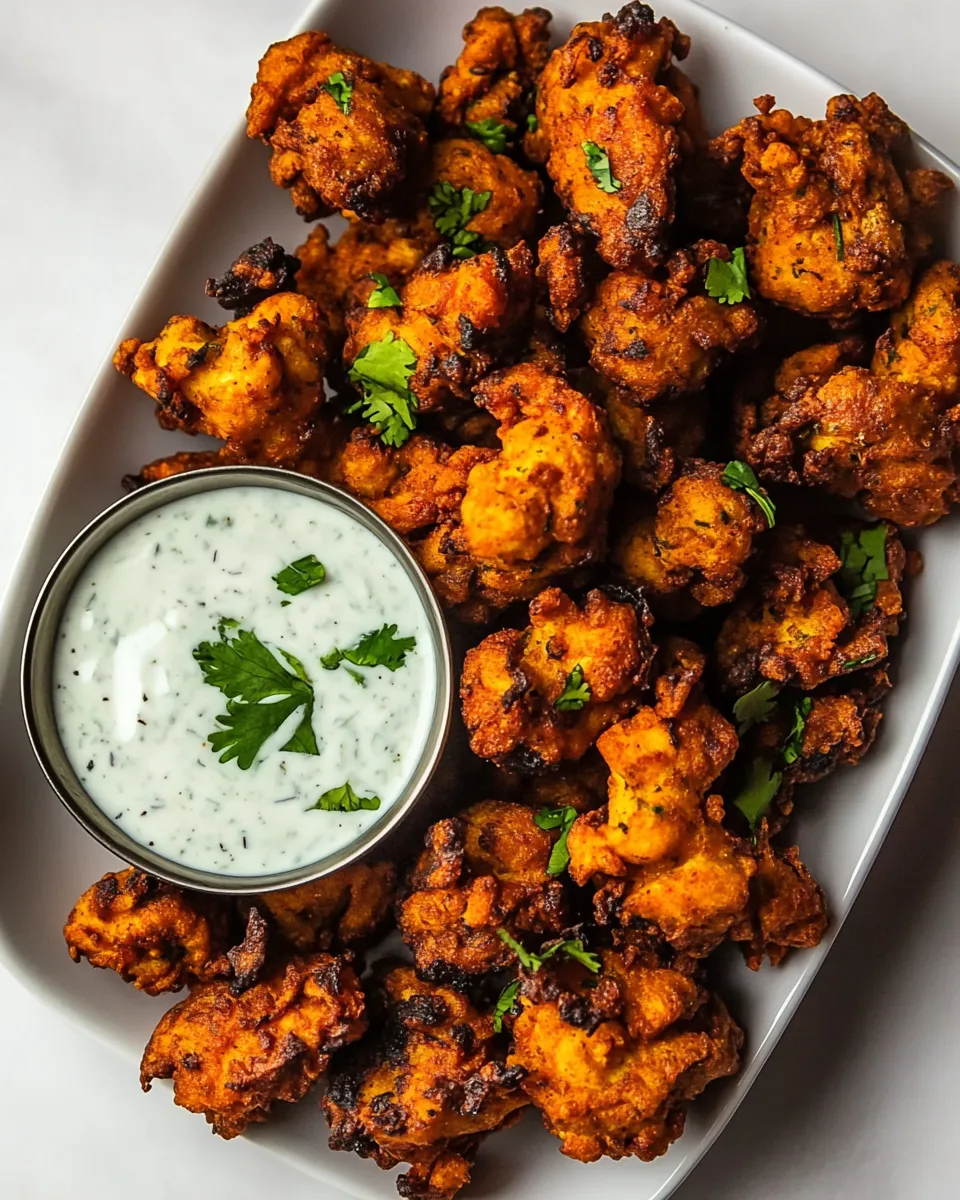
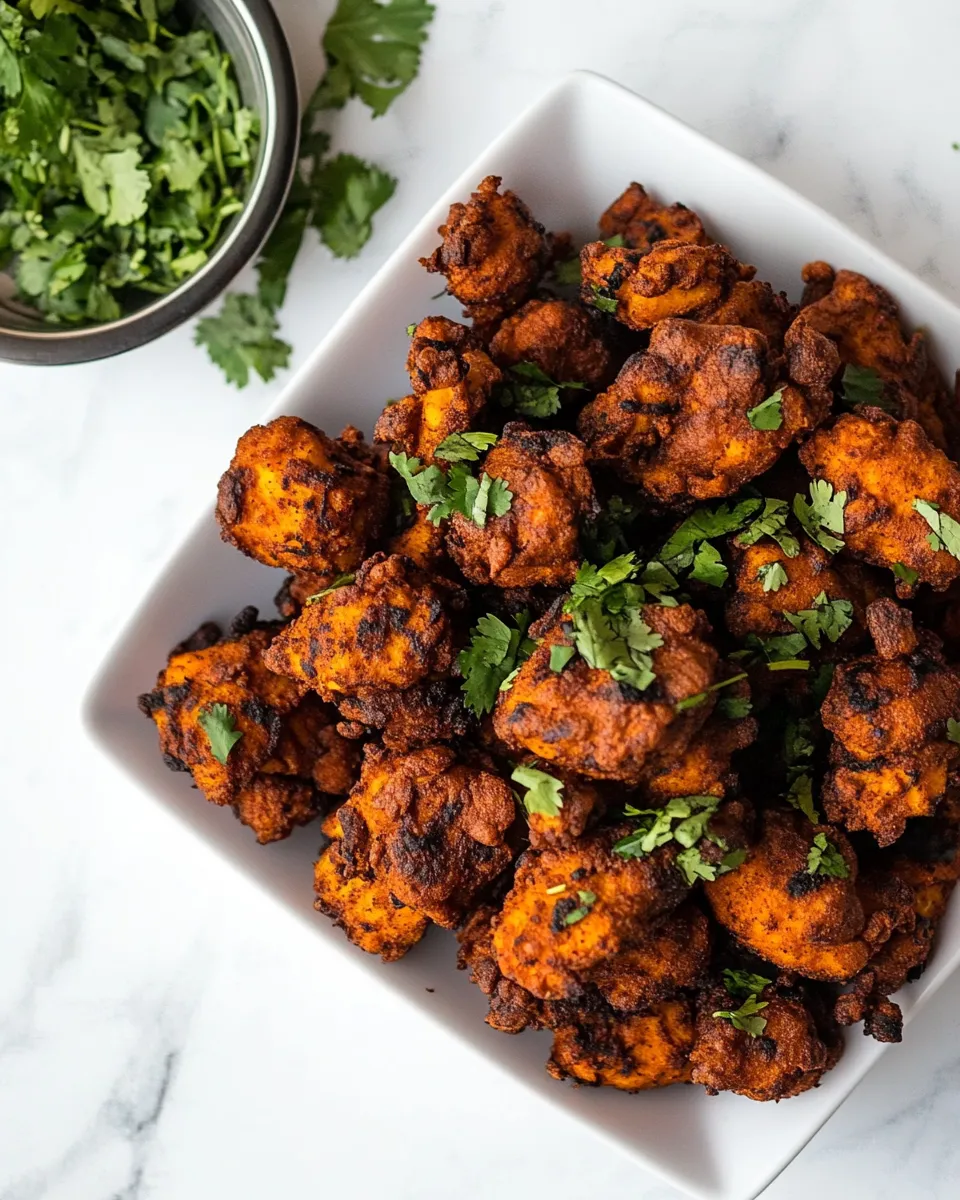
- Serve: Transfer the chicken pakora to a serving platter and serve warm with the chilled raita and green chutney on the side.
Why Cooks Rave About It
Chicken pakora hits several satisfying checkpoints: crisp exterior, juicy interior, and an interplay of tang and heat. The chickpea flour batter crisps differently than wheat flour — it gives a nutty, golden crust that stays pleasant even after a short rest. The marinade is concentrated so the chicken is seasoned through without needing long overnight time.
Pairing two condiments — a sweet-tangy raita and a herb-heavy green chutney — lets people tailor each bite. One dip cools and soothes spicy pieces; the other lifts them with herbaceous brightness. For hosts, that flexibility keeps guests happy with different heat tolerances.
Ingredient Flex Options
I keep the core ingredients as written, but here are safe, practical swaps if you’re missing something.
- Kashmiri chile substitute: The recipe already lists paprika + cayenne as a swap. Use less cayenne if you want color without intense heat.
- Chickpea flour: Besan is essential for authentic texture. If you absolutely can’t source it, a mix of rice flour and a small amount of cornstarch can crisp, but results will differ.
- Oil: Use any neutral oil with a high smoke point — peanut, canola, sunflower, or refined avocado. I prefer peanut for flavor.
- Yogurt: Greek-style provides thickness for both raita and chutney. If yours is thinner, let it drain briefly in a sieve for a firmer finish.
What You’ll Need (Gear)
- Large mixing bowl — for the marinade and batter.
- Blender — for both raita and green chutney; you can blend raita by hand but the blender smooths it quickly.
- Heavy-bottomed pot or deep skillet — helps hold steady oil temperature.
- Cooking thermometer — essential. Frying at 350–360°F keeps the outside crisp without overcooking the inside.
- Spider skimmer or slotted spoon — for safe handling and flipping pieces.
- Paper towels and a tray — to drain excess oil.
Slip-Ups to Skip
Don’t overcrowd the pot. Dropping too many pieces lowers oil temperature and makes soggy pakora. Work in 3–4 small batches as the recipe directs.
Avoid adding extra liquids beyond the marinade. The chicken batter is designed to stick as a thick paste once chickpea flour is added. Adding water or too much extra lemon will loosen it and it won’t cling.
Keep a close eye on oil temperature. Too hot and the outside burns before the chicken cooks through. Too cool and the pieces absorb oil and go greasy. Adjust heat promptly and let oil recover between batches.
Dietary Customizations
Gluten-free: The recipe is naturally gluten-free if your chickpea flour and other ingredients are certified GF.
Dairy considerations: The yogurt-based raita and chutney include dairy. For a dairy-free plate, replace plain Greek-style yogurt with thick coconut yogurt in the sauces; the texture and cooling effect remain good, though flavor shifts slightly.
Lower-heat option: Reduce the Kashmiri chile amount to 1/2–1 teaspoon in the marinade and use half a serrano (de-seeded) in the chutney to keep things mild.
Recipe Notes & Chef’s Commentary
I’m deliberate about the short marination time — 10 minutes is enough here because the lemon juice and spices penetrate small, 1-inch pieces of chicken quickly. If you prefer, you can marinate up to an hour; I don’t recommend much longer because the lemon can begin to firm the surface.
Egg whites are used instead of whole eggs to keep the coating light and crunchy. They give structure without extra fat.
Chickpea flour absorbs moisture faster than wheat. When you add it, mix thoroughly and assess texture. The batter should be thick and pasty, clinging to pieces; add only a tablespoon at a time of the existing marinade liquid if it feels too dry. Never add milk, water, or any other liquid not listed.
Make Ahead Like a Pro
You can prepare the raita and green chutney up to 24 hours ahead; keep them chilled in airtight containers. Flavors meld and often taste better after a short rest. The marinade stage can be done 30–60 minutes before frying; beyond that, the lemon begins to change the chicken’s texture.
Coated chicken (after adding chickpea flour) is best fried right away. If you must hold it, place the coated pieces on a tray in a single layer in the fridge for up to 30 minutes. Let them sit at room temperature for 10 minutes before frying so they heat through evenly and the oil temperature doesn’t drop too fast when you add them.
Troubleshooting Q&A
Why did my pakora absorb too much oil?
Most likely the oil wasn’t hot enough or you overcrowded the pan. Confirm 350–360°F and fry in small batches, allowing oil to return to temperature between batches.
Why are pieces undercooked inside but golden outside?
Oil too hot. Lower the heat slightly to bring the outside color down and allow the interior to reach safe temperature. Smaller pieces cook faster — keep them to about 1 inch for predictable timing.
My batter fell off the chicken while frying. What went wrong?
The batter may have been too wet or the pieces damp. Pat chicken dry before marinating; after adding chickpea flour ensure the batter is thick and clingy. If too loose, add a little more chickpea flour, not liquid.
Can I bake these instead of frying?
Baked versions won’t have the same deep, blistered crust. You can try baking at a high temperature with an oil spray for a lighter result, but frying delivers the classic texture described here.
Final Thoughts
Chicken pakora is a forgiving, high-reward recipe when you respect a few small rules: steady oil temperature, proper batter consistency, and small, uniform chicken pieces. The double-sauce format (cool raita and herb chutney) gives every bite a chance to shift flavor profiles, so guests can choose their favorite pairing.
I reach for this recipe when I want something impressive without hours of work. Follow the steps, keep an eye on heat, and don’t be afraid to adjust the chutney heat to suit your table. Serve hot, watch them disappear, and enjoy the compliments.
Easy Chicken Pakora
Ingredients
Equipment
Method
- Combine the marinade: In a large mixing bowl place 1.25 pounds chicken breast (cut into 1-inch pieces). Add 2 teaspoons salt, 2 teaspoons ground cumin, 1 1/2 teaspoons ground Kashmiri chile (or 1 teaspoon paprika + 1/2 teaspoon cayenne), 1 teaspoon garlic powder, 1 teaspoon onion powder, 1 teaspoon garam masala, 1 teaspoon ground ginger, 1/2 teaspoon ground turmeric, 2 egg whites, 1/3 cup fresh lemon juice, and 1/4 cup chopped cilantro. Mix thoroughly so each piece is well coated. Set aside to marinate at least 10 minutes. (If you are sensitive to heat, use 1/2–1 teaspoon Kashmiri chile or remove seeds from any substitute chiles.)
- Make the raita: In a blender combine 1 cup plain Greek-style yogurt, 1/4 cup chopped onion, 2 tablespoons lemon juice, 1 tablespoon granulated sugar (start with this amount), 1 tablespoon chopped cilantro, 1/4 teaspoon salt, and 1/4 teaspoon ground cumin. Cover and blend until smooth. Taste and add the remaining sugar (up to a total of 1–2 tablespoons) if you want it sweeter. Transfer to a bowl and refrigerate until serving.
- Make the green chutney: Without washing the blender (optional), add 1 large bunch cilantro (stems and leaves), 1/4 cup chopped onion, 3 tablespoons fresh mint leaves, 3 tablespoons fresh lemon juice, 3 tablespoons plain Greek-style yogurt, 1/2–1 whole serrano pepper (stem removed; if sensitive, use half and remove seeds), 2 cloves garlic, 1 inch fresh ginger, and 1/4 teaspoon salt. Blend until smooth, stopping to scrape down the sides as needed. Adjust heat by using only half the serrano or removing its seeds if desired. Transfer to a bowl and set aside.
- Heat the oil: Place a large, heavy-bottomed pot or deep skillet over medium heat. Clip a cooking thermometer to the side and pour in 1 1/2–2 inches of your chosen high-heat oil. Heat the oil to 350–360°F (177–182°C).
- Prepare the chickpea batter: When the oil is nearing temperature, add 1 cup chickpea (besan) flour to the marinated chicken in the same bowl. Mix thoroughly so the flour coats the chicken and forms a thick, pasty batter that will stick to the pieces. If the mixture seems excessively dry, incorporate small amounts of the existing marinade liquid (a tablespoon at a time) until the batter reaches a thick, clingy consistency. Do not add other liquids beyond those listed in the ingredient list.
- Fry the pakoras: Line a large plate or tray with paper towels for draining. Working in 3–4 small batches (do not overcrowd the pot), carefully drop the coated chicken pieces into the hot oil one at a time. Use a spider skimmer or slotted spoon to separate and flip pieces immediately so they don’t stick to the bottom. Once you have about a quarter of the total chicken in the pot, fry each batch 3–4 minutes, or until pieces are a rich golden brown and cooked through. Monitor and keep the oil temperature around 350–360°F, adjusting the heat as needed.
- Drain and repeat: Remove cooked pakora to the paper towel–lined plate to drain. Repeat frying with the remaining batches until all chicken is cooked.
- Serve: Transfer the chicken pakora to a serving platter and serve warm with the chilled raita and green chutney on the side.
Notes
Make Ahead?
Chicken Pakora is actually pretty amazing as a leftover. You can make and rewarm in the oven 1-2 days in advance.
If you want to make it an hour or two before serving, you can turn the oven on the lowest heat (usually around 175-200) and place the chicken in the oven to keep it warm and crisp.
Gluten-Free!
Because chicken pakora is made with chickpea flour, instead of wheat flour, this recipe is completely gluten-free.