Easy Homemade Hot Fudge Sauce
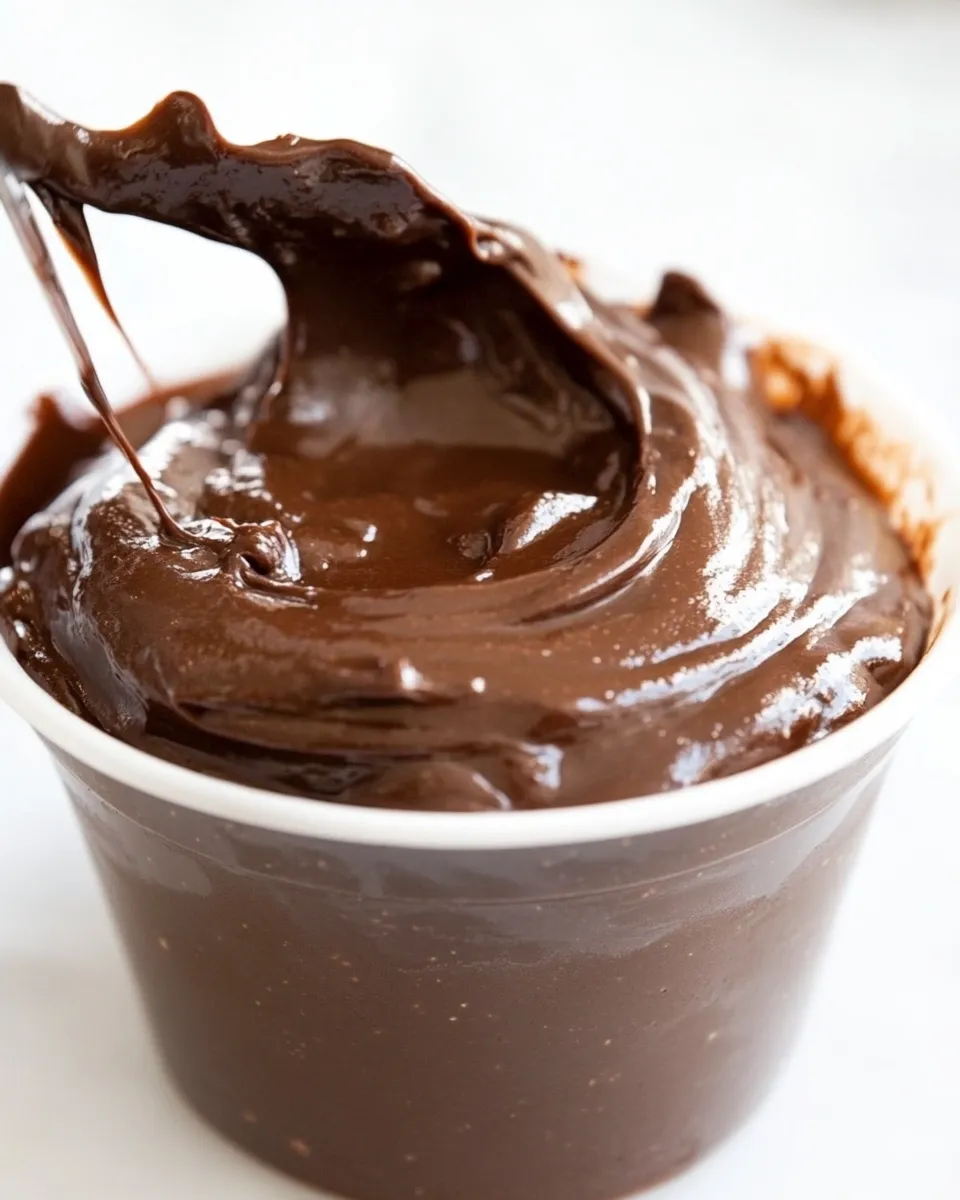
This is the kind of recipe I keep ready in my head for dessert emergencies. It’s pantry-friendly, fast, and forgiving. You end up with a glossy, pourable hot fudge that clings to ice cream, drips down warm brownies, and rescues a late-night sundae without fuss.
No candy thermometer. No tempering. The method is straightforward: melt, bring to a gentle boil, stir for a set time, then cool just enough to thicken. Small, deliberate steps make this reliably smooth and shiny every time.
You’ll find notes on why the ingredients behave the way they do, what to avoid, and sensible serving ideas. Follow the steps exactly for the first batch, then tweak texture and finish to fit your preferences.
Gather These Ingredients
Ingredients
- 2 cups (240 g) powdered sugar — provides sweetness and body; helps the sauce thicken as it cools.
- 1 12‑ounce (340.2 ml) can evaporated milk — adds concentrated creaminess and keeps the sauce smooth without heavy cream.
- ½ cup (113.5 g) salted butter — cut into pieces; contributes gloss, richness, and mouthfeel.
- ¾ cup (135 g) semisweet chocolate chips — the chocolate flavor base and melting component; semisweet keeps the sauce balanced.
Mastering Homemade Hot Fudge Sauce: How-To
- Add 2 cups (240 g) powdered sugar, 1 12‑ounce (340.2 ml) can evaporated milk, ½ cup (113.5 g) salted butter (cut into pieces), and ¾ cup (135 g) semisweet chocolate chips to a medium saucepan.
- Stir or whisk over low heat just until the sugar is moistened and the butter begins to melt (about 1–2 minutes) so the ingredients start to combine and the chocolate softens.
- Increase heat to medium and stir constantly with a heatproof spatula or whisk. Bring the mixture to a gentle boil (small bubbles around the edges), watching closely to prevent it from boiling over.
- Once it reaches a gentle boil, maintain that gentle boil and continue stirring constantly for 8 minutes, adjusting the heat as needed to avoid scorching or rapid foaming.
- Remove the saucepan from the heat and stir briefly until smooth. Let the sauce cool slightly (about 5–10 minutes) before serving; it will thicken as it cools.
- Store any leftovers in an airtight container in the refrigerator for up to 1 month. Reheat gently as needed (for example, over low heat in a saucepan or in short intervals in the microwave), stirring until smooth.
Why It Works Every Time
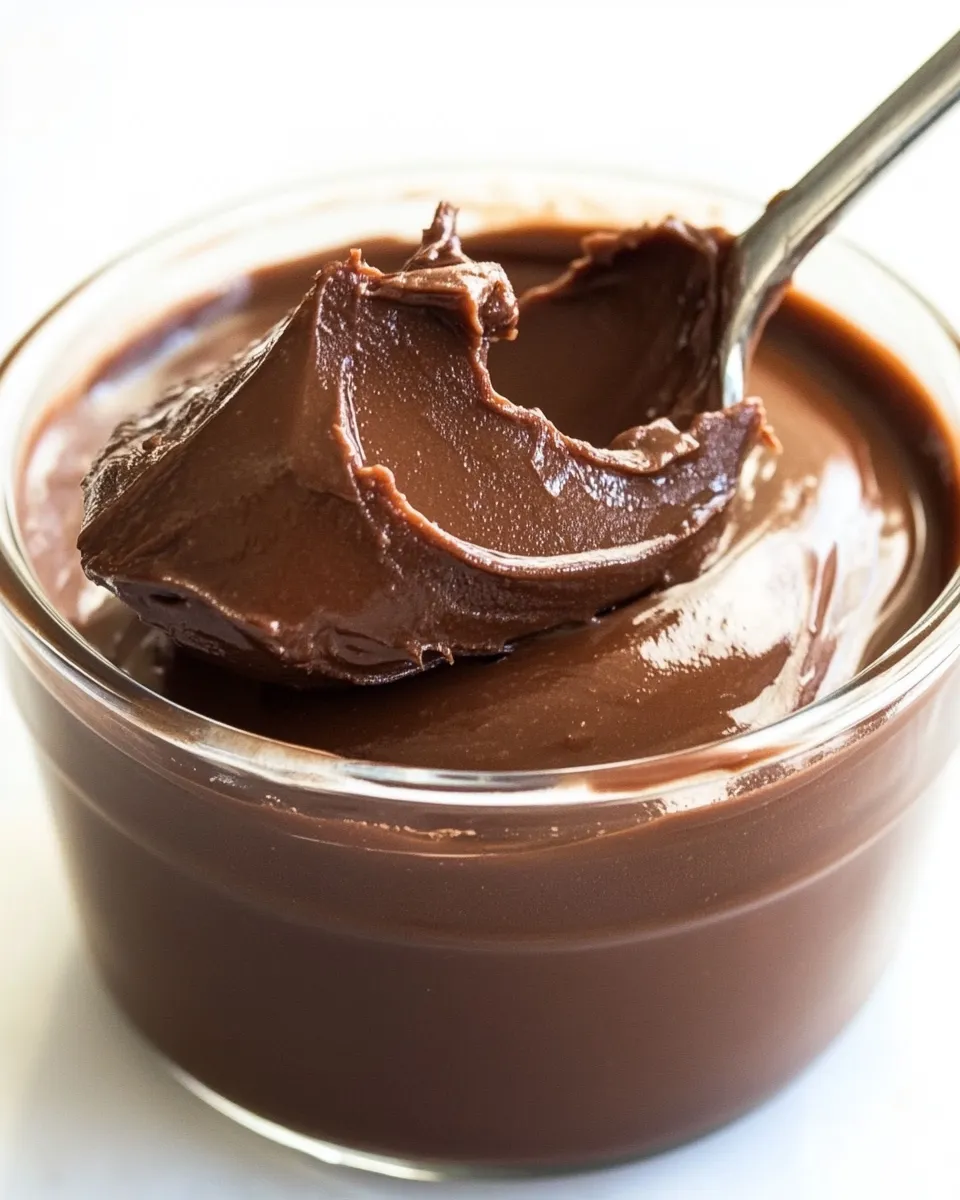
There’s a simple chemistry behind a glossy, smooth hot fudge. Powdered sugar delivers not only sweetness but also cornstarch (most powdered sugars contain a small amount), which helps stabilize and thicken the sauce without graininess. Evaporated milk brings concentrated dairy solids that give body and creaminess while keeping the mixture from becoming too thin.
Salted butter supplies both fat and salt for flavor; the fat helps carry flavor and creates the silky mouthfeel we expect from hot fudge. Semisweet chips are formulated to melt evenly, and combined with steady heat and constant stirring they emulsify into a cohesive sauce.
The technique matters as much as the ingredients. Start low to soften the chocolate and dissolve the sugar, then move to a controlled gentle boil. That sustained, gentle agitation for 8 minutes builds a stable emulsion and prevents separation or scorch spots. Remove from heat and give the sauce a final stir to smooth out any remaining pieces.
Ingredient Flex Options
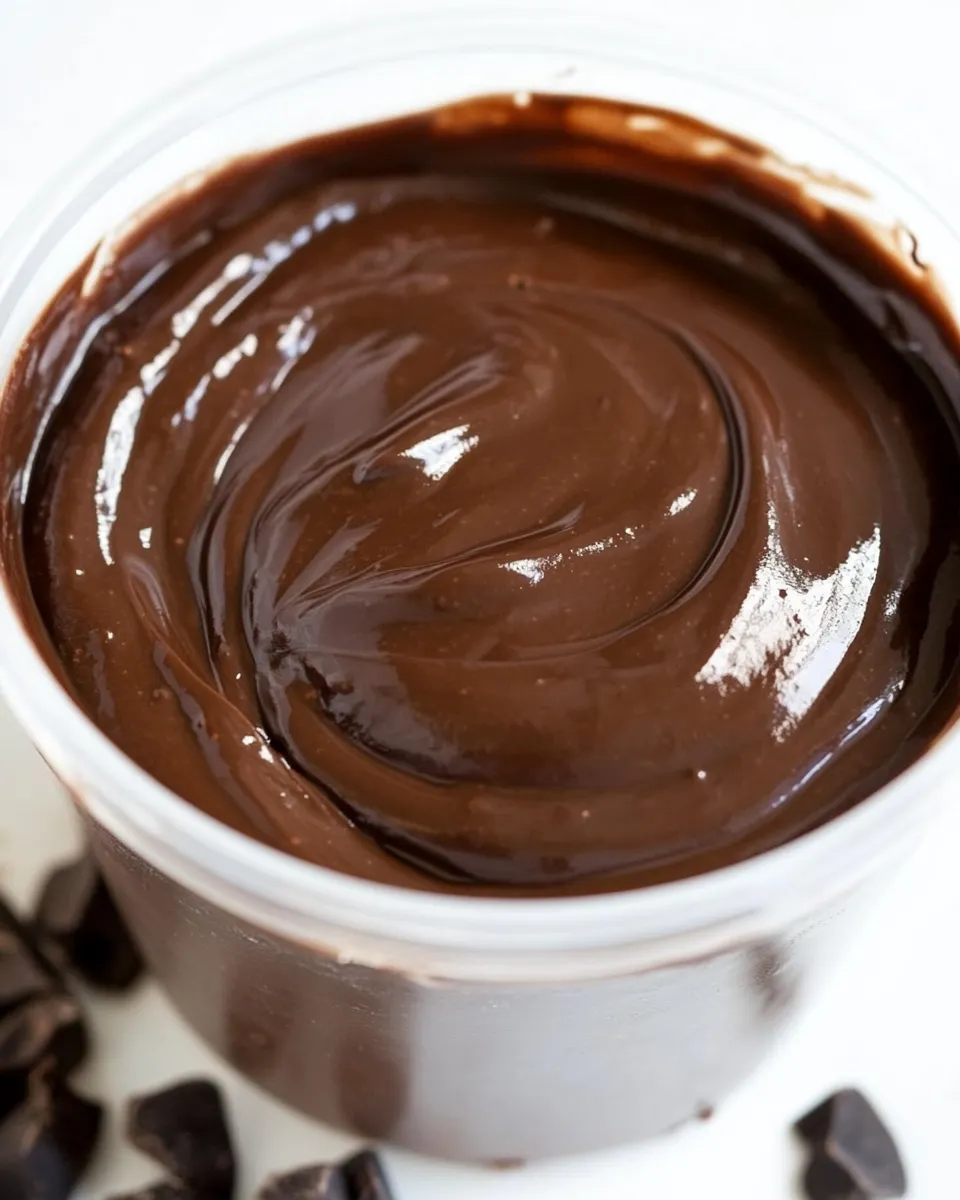
This recipe is intentionally short on moving parts, which makes small swaps easy if your pantry dictates. Keep the total chocolate weight consistent; changing form affects melt time but not the final flavor if you match the weight.
- Chocolate format: If you prefer, chop a semisweet chocolate bar instead of using chips — use the same weight (135 g) so melting behavior remains predictable.
- Butter type: The recipe calls for salted butter. If you must use unsalted, the sauce will still work; taste after it’s warmed and add a tiny pinch of salt if it reads flat to you.
- Sugar texture: Powdered sugar dissolves quickly and contributes body. Swapping in granulated sugar changes texture and dissolution time, so stick with powdered sugar for the same result.
Before You Start: Equipment
- Medium saucepan — wide-bottomed is best so heat distributes evenly and you can stir without trapping air.
- Heatproof spatula or whisk — for constant stirring during the gentle boil.
- Accurate measuring cups and a kitchen scale — the powdered sugar and chocolate are sensitive to volume vs. weight; scale measurements keep results consistent.
- A heatproof container for cooling and storage — a jar with an airtight lid or a shallow container works well.
Steer Clear of These
There are a few common traps that turn a good attempt into a gritty or separated one. Watch for them.
- High heat at the wrong moment — bring to a gentle boil only after the ingredients are combined; a rolling boil will cause rapid foaming and uneven cooking.
- Not stirring constantly — the sauce needs constant motion during the boil to prevent scorching and to form a stable emulsion.
- Undercooking the 8-minute stage — that sustained gentle boil develops the right texture; cutting it short can leave the sauce loose or prone to separation as it cools.
- Overcooking past the recommended time — too long and the sauce can darken or become overly thick and pasty as moisture reduces.
Seasonal Serving Ideas
Hot fudge is versatile. In summer, spoon it warm over a bowl of fresh berries or a scoop of cold vanilla ice cream for contrast. In colder months, pour it über a warm brownie or fold it into a bread pudding for extra richness. Use it as a finishing drizzle for coffee drinks, on top of baked apples, or alongside pancakes for a decadent weekend brunch.
Think temperature contrast: warm sauce, cold ice cream. Think texture contrast: glossy sauce with something crunchy or lightly aerated. Those contrasts create the most satisfying bites.
Behind the Recipe
I learned a version of this in a busy diner kitchen where speed and consistency mattered. The idea was to turn pantry staples into a dependable sauce that could be made to order. That taught me to keep the method simple and the timing strict — a short, controlled boil is the secret.
Over time I adjusted ingredient proportions so the sauce holds up when spooned into containers, keeps gloss after cooling, and reheats without separating. It’s practical, repeatable, and forgiving if you follow the technique.
Freezer-Friendly Notes
If you want to keep sauce beyond refrigeration windows, freezing single-serve portions in small, airtight containers is practical. Thaw overnight in the refrigerator and reheat gently. When reheating, do it slowly and stir often to restore smoothness; the sauce may tighten when chilled and needs gentle warming to loosen without breaking.
Label containers with the date so you can rotate through batches. Reheat slowly over low heat or in short microwave bursts, stirring between intervals until the sauce is uniform and glossy again.
Homemade Hot Fudge Sauce Q&A
Q: My sauce turned grainy — what happened?
A: Graininess often means the sugar wasn’t fully dissolved before the boil or the heat was too high. Start over but pay attention to the first low-heat step: make sure the powdered sugar is moistened and chocolate is soft before you ramp to medium heat.
Q: Can I double the recipe?
A: Yes. Use a larger saucepan and maintain the same technique. A wider pan helps the mixture boil gently and evenly, and you’ll still need to stir constantly during the 8-minute boil.
Q: How do I reheat without burning?
A: Reheat very gently. On the stove, use the lowest heat and stir constantly until the sauce loosens. In the microwave, heat in short 10–15 second bursts, stirring between each interval.
Q: Will the sauce thicken too much when cold?
A: It will thicken as it cools — that’s normal. Warm it gently before serving to return it to pouring consistency.
Let’s Eat
Make this sauce when you want a fast, reliable finish for a dessert. Measure, follow the steps exactly for your first go, and you’ll have a glossy, crowd-pleasing hot fudge every time. Store extras in the fridge and reheat gently; the sauce tolerates reheating well if you take it slow.
When guests come over, keep a jar warm in a thermos or reheat a small amount on the stove. Drizzle, dunk, and enjoy—simple, effective, and delicious.
If you try it, tell me how you served it and any small tweaks you made. I love hearing practical adjustments that work in real kitchens.
Easy Homemade Hot Fudge Sauce
Ingredients
Equipment
Method
- Add 2 cups (240 g) powdered sugar, 1 12‑ounce (340.2 ml) can evaporated milk, ½ cup (113.5 g) salted butter (cut into pieces), and ¾ cup (135 g) semisweet chocolate chips to a medium saucepan.
- Stir or whisk over low heat just until the sugar is moistened and the butter begins to melt (about 1–2 minutes) so the ingredients start to combine and the chocolate softens.
- Increase heat to medium and stir constantly with a heatproof spatula or whisk. Bring the mixture to a gentle boil (small bubbles around the edges), watching closely to prevent it from boiling over.
- Once it reaches a gentle boil, maintain that gentle boil and continue stirring constantly for 8 minutes, adjusting the heat as needed to avoid scorching or rapid foaming.
- Remove the saucepan from the heat and stir briefly until smooth. Let the sauce cool slightly (about 5–10 minutes) before serving; it will thicken as it cools.
- Store any leftovers in an airtight container in the refrigerator for up to 1 month. Reheat gently as needed (for example, over low heat in a saucepan or in short intervals in the microwave), stirring until smooth.
Notes
Nutritional values are based on one cup of sauce