Easy Lebanese Tabbouleh Recipe
Tabbouleh is one of those salads that feels like a small celebration every time you toss the bowl. Bright lemon, soft bulgur, and a mountain of chopped parsley come together quickly and cleanly. It’s forgiving, fresh, and endlessly useful—you can eat it as a side, a light lunch, or as part of a mezze spread.
I make this version when I want dinner on the table fast without skimping on flavor. The technique is simple: hydrate fine bulgur, chop the vegetables and herbs very fine, dress, and let the flavors meld. It’s a short list of straightforward steps that reward precision more than fuss.
Below I’ll walk you through the ingredients, the exact method I use, small gear notes, fix-it tips, and ideas to keep this salad interesting through the seasons. Read through the whole post once, then jump to the parts you need while you work—this is meant to be practical and useful.
What’s in the Bowl
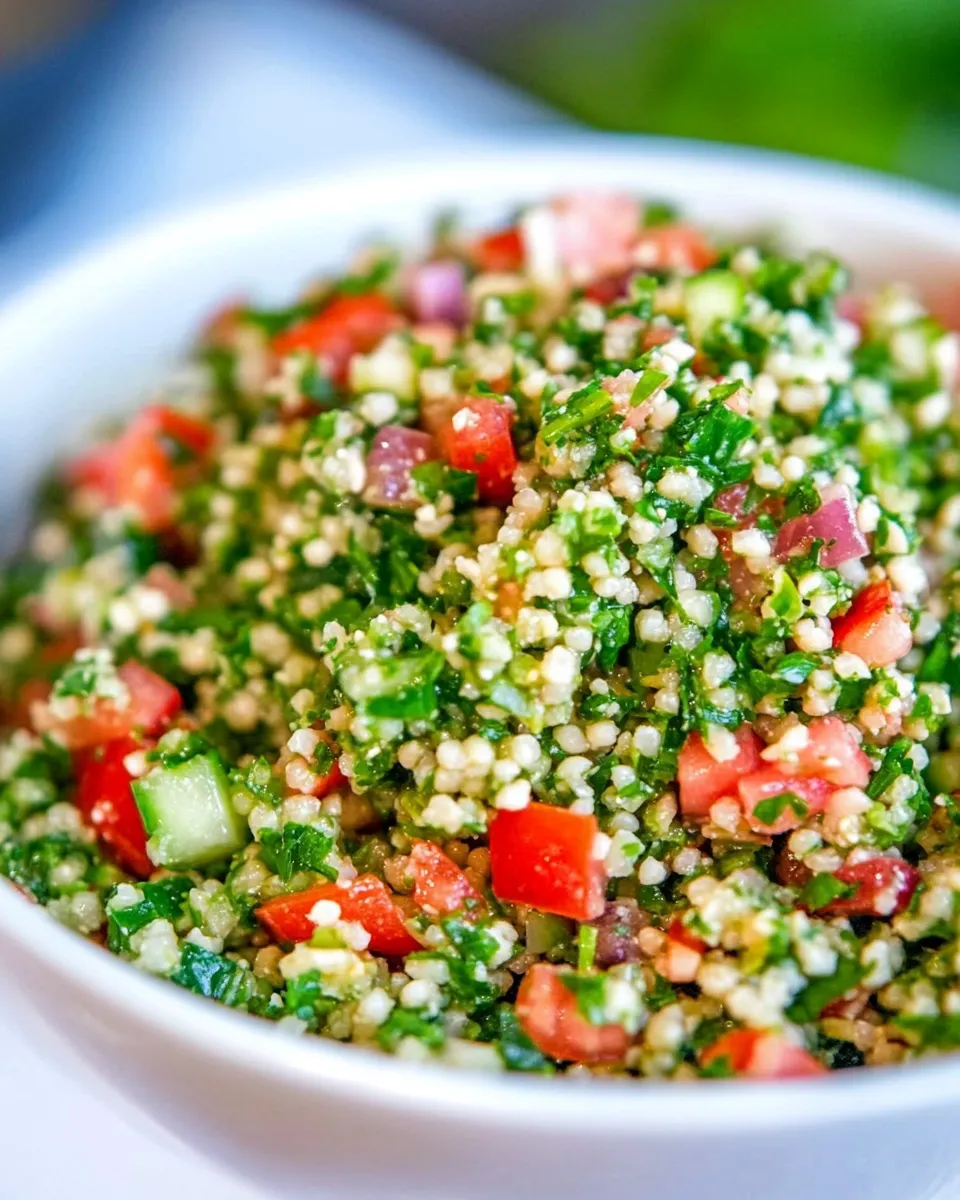
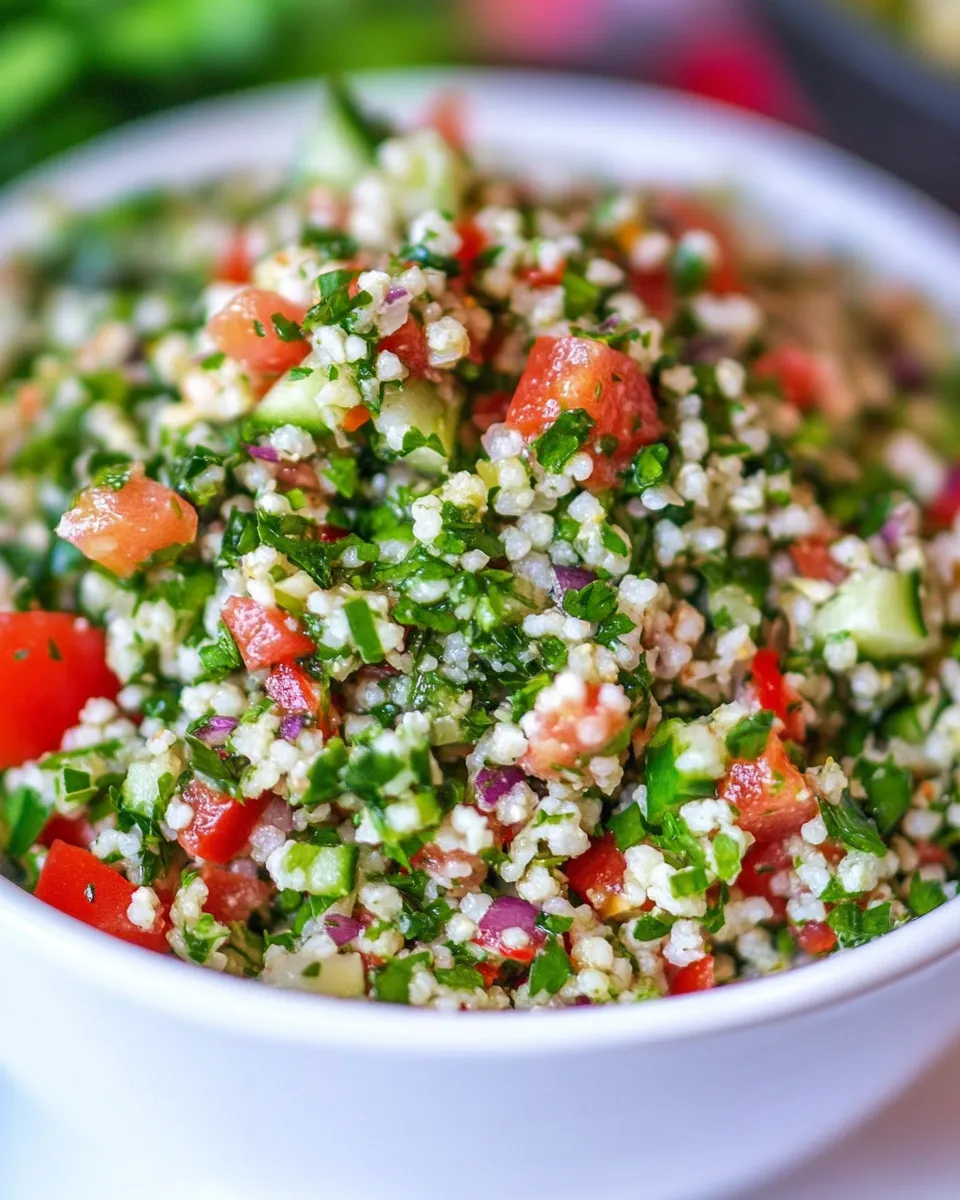
At its heart, this salad balances three things: a tender grain (extra fine bulgur), fresh herbs (lots of parsley and mint), and acidic brightness (lemon juice). Tomatoes and cucumber add texture and cooling contrast, while green onions lift the savory notes. Olive oil rounds and binds the ingredients into a cohesive, silky salad.
Ingredients
- 1 cup extra fine bulgur wheat — the base: absorbs liquid quickly and contributes gentle chew.
- 2 cups boiling water very hot — to soften the bulgur; hot water finishes it without cooking.
- 2 tablespoons olive oil — mixed with the bulgur while it hydrates to keep grains separate and add richness.
- 6 Roma tomatoes very finely chopped — juicy and less seedy than other tomatoes; chop finely to keep the salad balanced.
- 1 English cucumber seedless and very finely chopped — cool crunch; seedless keeps the salad from getting watery.
- 2 bunches parsley — the dominant herb; finely chopped to release flavor and ensure even bites.
- 1/4 cup fresh mint leaves — bright counterpoint to parsley; remove stems and chop finely.
- 1/4 cup green onions finely chopped — mild onion flavor; slice thin for even distribution.
- 4 tablespoons lemon juice — primary acid for brightness; adjust to taste at the end.
- 4 extra virgin olive oil — finishing oil to coat ingredients and add mouthfeel.
- Salt to taste — essential for balance; add gradually and taste after chilling.
The Method for Lebanese Tabbouleh
- Rinse the 2 bunches of parsley and the 1/4 cup fresh mint leaves under cold water; shake or pat dry. Remove thick parsley stems and all mint stems, then very finely chop the parsley and mint. Finely chop the 1/4 cup green onions, the 6 Roma tomatoes, and the seedless English cucumber.
- Place 1 cup extra fine bulgur wheat and the 2 tablespoons olive oil in a heatproof bowl. Pour the 2 cups very hot/boiling water over the bulgur, stir once, cover tightly with plastic wrap, and let stand 15–20 minutes until the bulgur is softened.
- Drain the soaked bulgur in a fine-mesh sieve, pressing gently with the back of a spoon to remove excess liquid. Transfer the drained bulgur to a large mixing bowl.
- Add the chopped parsley, chopped mint, chopped tomatoes, chopped cucumber, and chopped green onions to the bulgur. Add the 4 tablespoons lemon juice, the 4 extra virgin olive oil, and salt to taste.
- Toss everything gently but thoroughly to combine. Cover and refrigerate for about 30 minutes to allow the flavors to meld.
- Stir again before serving and adjust salt or lemon juice if desired.
Reasons to Love Lebanese Tabbouleh
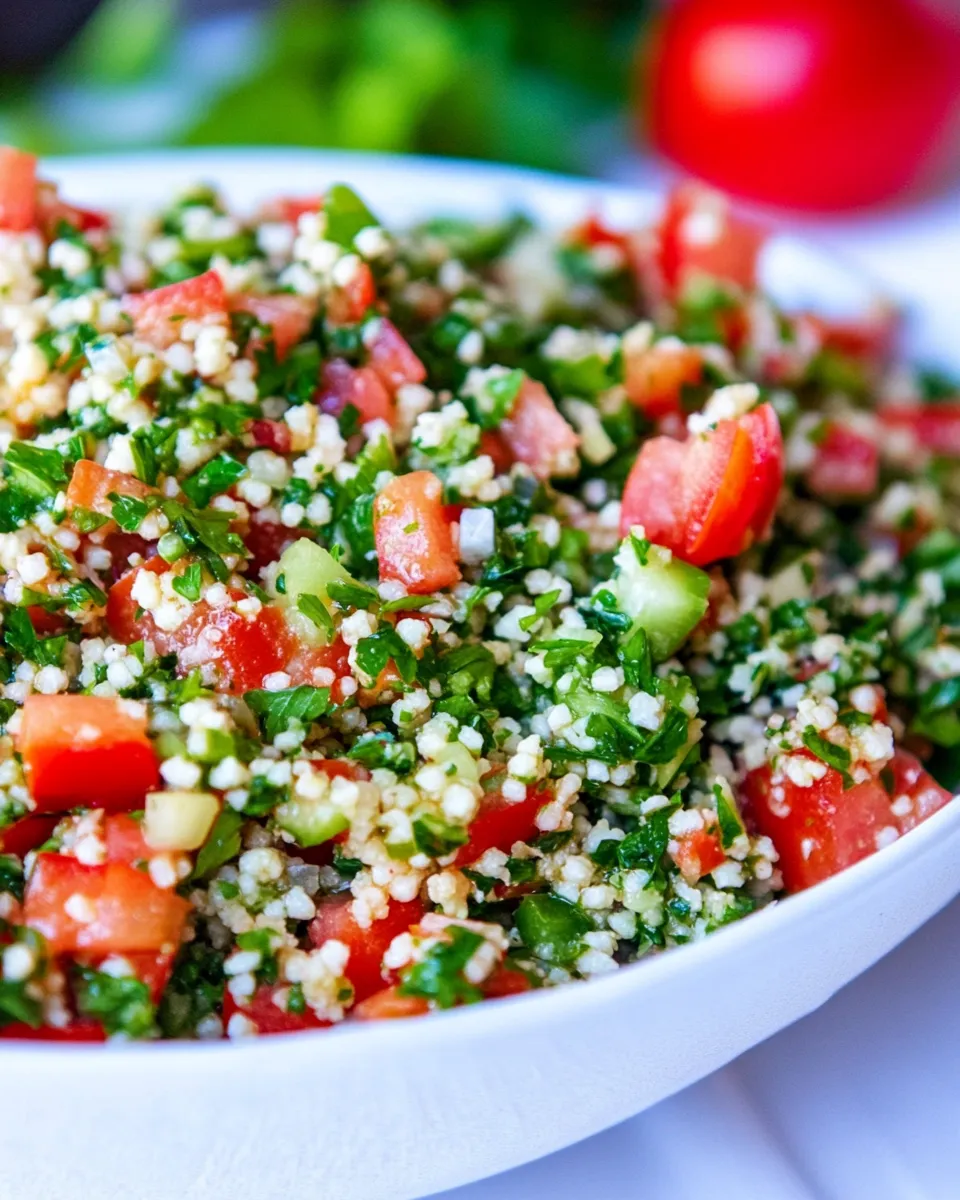
This salad is fast without feeling rushed. It’s herb-forward, which means it tastes bright and green rather than heavy. The texture is layered: tender bulgur, soft tomatoes, crisp cucumber, and finely chopped herbs that create a fine, even mouthfeel.
It’s also versatile. Serve it with grilled meats, flatbreads, or as part of a mezze board. It plays well with other strong flavors—sumac-dusted chicken, smoky eggplant, or tangy labneh—because it refreshes the palate between bites.
Finally, tabbouleh stores reasonably well when chilled and lightly oiled, so it’s a good make-ahead option for weeknight dinners or weekend gatherings. The flavors actually improve a bit after a short resting time.
What to Use Instead
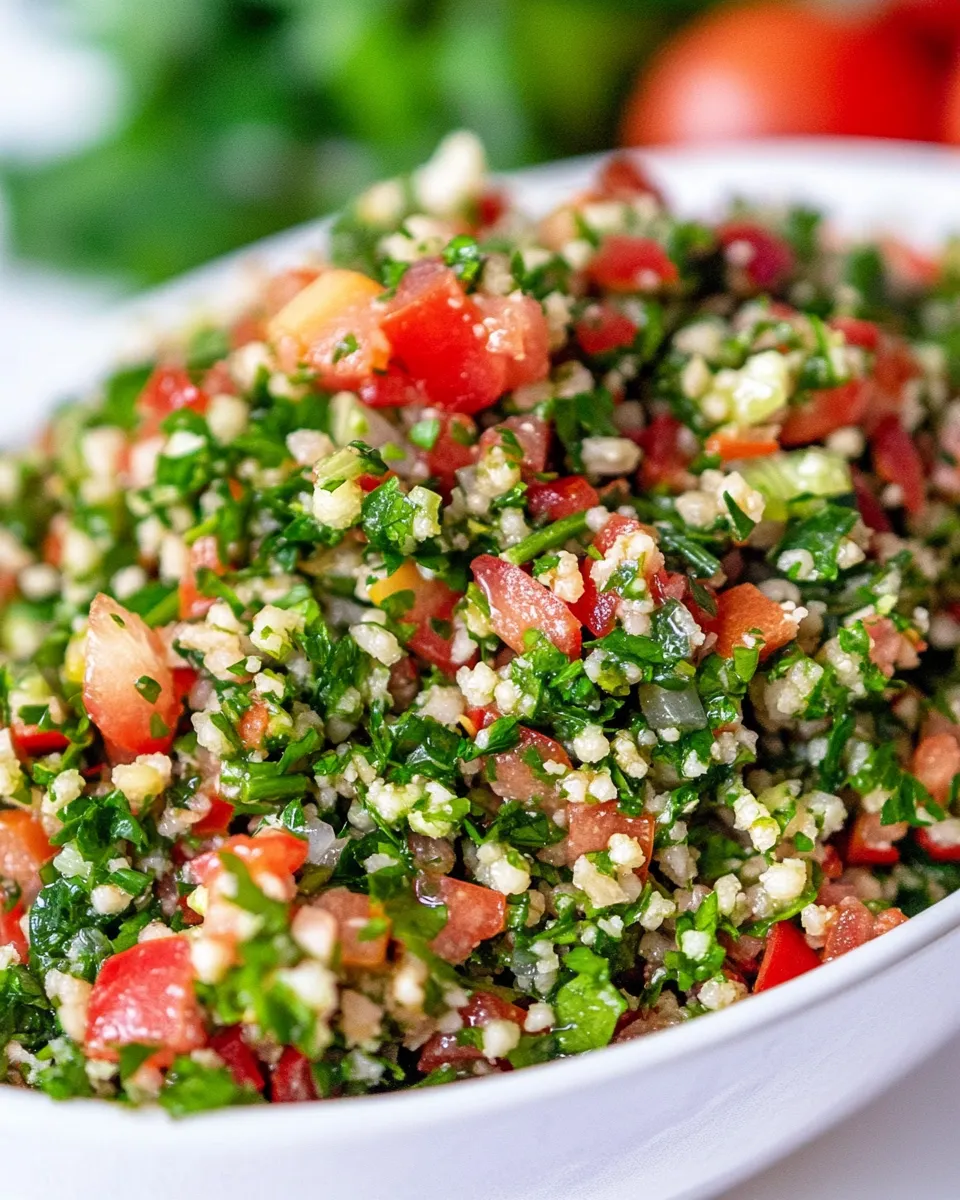
If you don’t have extra fine bulgur, the closest swaps are fine bulgur (slightly chewier) or very small cracked wheat. Cooked couscous or quick-cooking cracked bulgur can work in a pinch, but they will change the texture and hydration method. If you must use a rice or grain, use fine couscous or small-grain bulgur and adjust the water and resting time.
For herbs, if mint is unavailable, increase parsley by a small amount and add a pinch of dried mint only as a last resort. If Roma tomatoes aren’t in season, use very ripe claw or plum tomatoes and drain some of the juices before chopping so the salad doesn’t become watery.
Olive oil is central to the flavor; if you need a neutral option, use a light-flavored oil but add a drizzle of good extra virgin olive oil right before serving.
Gear Checklist
- Large mixing bowl — big enough to toss everything without spilling.
- Heatproof bowl and cover — for hydrating the bulgur.
- Fine-mesh sieve — to drain and press the bulgur without losing grains.
- Sharp chef’s knife — for very finely chopping parsley, mint, tomatoes, and cucumber.
- Cutting board — sturdy and wide; you’ll need space to work with a lot of herbs.
- Measuring cups and spoons — for accurate bulgur, water, oil, and lemon juice.
- Plastic wrap or lid — to tightly cover the bulgur while it hydrates.
Troubleshooting Tips
If the bulgur is gummy or underdone
Gummy: you may have added too much water or not drained it well. Drain through a fine sieve and press gently, then spread on a towel to air for a few minutes. Underdone: soak a few extra minutes with hot water, then drain again.
If the salad is watery
Drain excess tomato juices before adding them to the bowl. Use seedless cucumber or scoop and discard seeds. After tossing, you can let the salad rest in a sieve for 5–10 minutes to release extra liquid, then transfer back to the bowl.
If the salad tastes flat
Add small increments of lemon juice and salt, tasting after each addition. Sometimes a final splash of good extra virgin olive oil brightens everything.
If the herbs seem overpowering
Fine chopping helps distribute the herb flavor evenly. If you already have big herb pieces, mash some bulgur into the herbs to calm their intensity, or add more tomato and cucumber to balance.
Fresh Takes Through the Year
Spring: double the mint and add thinly sliced radish for peppery crunch. The herbs are at their brightest in spring, so lean into them.
Summer: use the juiciest, ripest tomatoes you can find and reduce bulgur slightly for a lighter mix. A small handful of diced bell pepper adds sweetness and color if you like.
Fall: stir in a few toasted pine nuts or a small amount of pomegranate seeds for a sweet-tart crunch. Swap some lemon for pomegranate molasses for a regional twist.
Winter: if local parsley is less vibrant, increase lemon and add a teaspoon of finely grated preserved lemon rind to add lift. Use English cucumber sparingly when out of season.
Cook’s Commentary
I make this tabbouleh more often than I expected. When I first learned it, I tried to overcomplicate it with too many vegetables and heavy dressing. The turning point was admitting that the herbs are the star and everything else should support them.
Two small habits make a noticeable difference: chopping the herbs very finely and giving the salad a short chill before serving. The fine chop integrates the herbs so each bite is balanced; the chill lets the lemon and oil settle into the bulgur and herbs.
One more note: use a good-quality extra virgin olive oil. It doesn’t need to be expensive, but clean, fruity notes will come through in every bite. And don’t be afraid of salt. Tabbouleh needs it to sing.
Best Ways to Store
Store tabbouleh in an airtight container in the refrigerator. It will keep well for 2–3 days; beyond that herbs start to darken and the texture softens. If you plan to store it longer, keep the dressing (olive oil and lemon) separate and toss before serving to preserve texture.
To revive slightly limp tabbouleh: give it a gentle toss with an extra drizzle of lemon and olive oil, and let it sit at room temperature for 10–15 minutes before serving. Avoid freezing; the fresh herbs and vegetables won’t survive thawing well.
Handy Q&A
Q: Can I make tabbouleh ahead? A: Yes. Make it up to a day ahead and chill; wait to add final salt or lemon until serving if you’re unsure. A half-hour chill after mixing is ideal for melding flavors.
Q: Is bulgur necessary? A: Traditional tabbouleh uses bulgur. For a gluten-free option, use very fine cooked quinoa, though it changes the texture and hydration method.
Q: How fine should the herbs be chopped? A: Very fine—think small confetti rather than large leaves. Small pieces distribute better and avoid big herb-dominant bites.
Q: Can I adjust lemon and olive oil amounts? A: Yes—4 tablespoons lemon juice and 4 extra virgin olive oil are a great starting point. Taste and adjust to your preference; some like it brighter, some richer.
The Takeaway
Lebanese Tabbouleh is a simple, herb-forward salad that rewards precise chopping and balanced seasoning. Use fine bulgur, chop parsley and mint very finely, hydrate the bulgur with hot water, and finish with lemon juice, extra virgin olive oil, and salt. Letting it rest for a short time helps all the flavors come together.
It’s a versatile, fresh dish that complements many meals and fits every season with small adjustments. Once you get the basic technique down, feel free to tweak the herb and veg ratios to match your taste—and enjoy a bright, healthy bowl every time.
Easy Lebanese Tabbouleh Recipe
Ingredients
Equipment
Method
- Rinse the 2 bunches of parsley and the 1/4 cup fresh mint leaves under cold water; shake or pat dry. Remove thick parsley stems and all mint stems, then very finely chop the parsley and mint. Finely chop the 1/4 cup green onions, the 6 Roma tomatoes, and the seedless English cucumber.
- Place 1 cup extra fine bulgur wheat and the 2 tablespoons olive oil in a heatproof bowl. Pour the 2 cups very hot/boiling water over the bulgur, stir once, cover tightly with plastic wrap, and let stand 15–20 minutes until the bulgur is softened.
- Drain the soaked bulgur in a fine-mesh sieve, pressing gently with the back of a spoon to remove excess liquid. Transfer the drained bulgur to a large mixing bowl.
- Add the chopped parsley, chopped mint, chopped tomatoes, chopped cucumber, and chopped green onions to the bulgur. Add the 4 tablespoons lemon juice, the 4 extra virgin olive oil, and salt to taste.
- Toss everything gently but thoroughly to combine. Cover and refrigerate for about 30 minutes to allow the flavors to meld.
- Stir again before serving and adjust salt or lemon juice if desired.