Easy Oatmeal Cookies
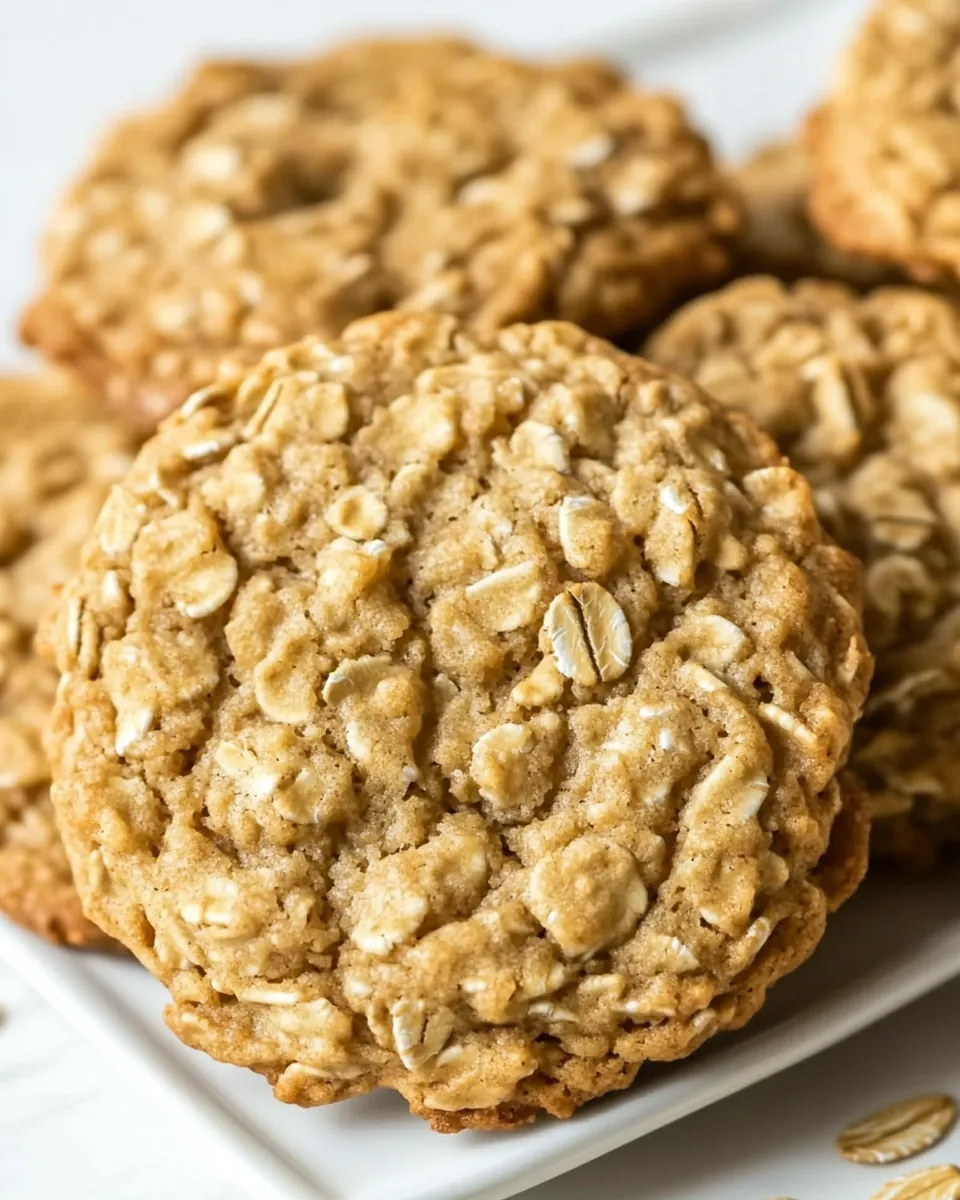
I make these oatmeal cookies on repeat because they’re forgiving, quick, and almost everyone asks for the recipe. No special equipment beyond a mixer and baking sheet, and the dough behaves itself — tacky, not sticky, and easy to hand-roll. They come out tender at the center with lightly crisp edges, exactly the texture I want when I’m craving something simple and comforting.
What I like most is how honest this recipe is: straightforward ingredients, predictable bake times, and a little room to adjust if your dough needs a tweak. I’ll walk you through the exact steps I use, what each ingredient does, and the small adjustments that keep these cookies reliable whether you’re a beginner or someone who bakes a lot.
Below you’ll find the ingredient breakdown, step-by-step method, swap ideas for allergies, gear notes, common mistakes to avoid, and a short Q&A. Read the whole method before you start, and you’ll have a batch of warm cookies in just about 25 minutes from now.
Ingredient Breakdown
Ingredients
- ¾ cup unsalted butter, room temperature — provides fat for tenderness and flavor; room temperature ensures it creams well with the sugar.
- 1½ cups brown sugar — for sweetness and moisture; the molasses in brown sugar keeps cookies chewy and deeply flavored.
- 1 egg — binds the dough and adds structure; don’t skip it unless using an appropriate substitute.
- 2 teaspoons vanilla extract — flavor enhancer; real vanilla rounds out the oats and brown sugar.
- 1½ cups all-purpose flour — the base of the cookie; provides structure. If you need to firm the dough, add this sparingly, 1 tablespoon at a time.
- ½ teaspoon baking soda — light leavening for a slightly higher rise and tender crumb.
- ½ teaspoon baking powder — works with the baking soda to give balanced lift and a gentle crumb.
- ½ teaspoon salt — enhances all flavors and balances sweetness; don’t omit unless required for dietary reasons.
- 2¼ cups old-fashioned oats — bulk, texture, and chew. Old-fashioned oats keep the structure and chewiness these cookies are known for.
Method: Oatmeal Cookies
- Preheat the oven to 325°F (163°C). Line one or more baking sheets with parchment paper.
- In the bowl of a stand mixer fitted with the paddle (or in a large bowl with an electric mixer), add the ¾ cup unsalted butter (room temperature) and 1½ cups brown sugar. Beat on medium speed until the mixture is light and fluffy, about 2 minutes.
- Add 1 egg and 2 teaspoons vanilla extract. Beat until fully incorporated, about 1 minute.
- Add 1½ cups all-purpose flour, ½ teaspoon baking soda, ½ teaspoon baking powder, and ½ teaspoon salt to the bowl. Mix on low speed just until the dry ingredients are combined into the batter.
- Add 2¼ cups old-fashioned oats and mix on low just until evenly distributed. Do not overmix.
- The dough will be slightly tacky but should be firm enough to handle. If it is too sticky to roll, add additional all-purpose flour 1 tablespoon at a time, mixing briefly after each addition, until the dough can be rolled by hand.
- Roll the dough into balls about 1 to 1½ inches in diameter. Place the balls on the prepared baking sheet, spacing them about 2 inches apart.
- Bake in the preheated oven for 10 to 14 minutes, until the edges begin to brown and the centers are set.
- Remove the baking sheet from the oven and transfer the cookies to a wire rack. Let the cookies cool completely on the wire rack.
Why I Love This Recipe
There’s honesty to these cookies. They don’t hide behind extra add-ins or complicated techniques — the oats, butter, brown sugar, and vanilla do the heavy lifting. The result is a cookie that’s simultaneously nostalgic and dependable.
They’re forgiving, which is crucial on busy days or when teaching someone in the kitchen. The dough allows a small margin for error: if it’s a touch sticky you can add a tablespoon of flour at a time. If you’re short on time, the recipe still performs. If you want to dress them up, a handful of mix-ins won’t ruin the foundation.
And finally, they freeze beautifully. Make a big batch, freeze half the dough balls, and you’ll always have fresh-baked cookies on demand — a tiny luxury that feels homemade every time.
Allergy-Friendly Substitutes
- Dairy-free — replace unsalted butter with a 1:1 plant-based butter stick. Choose one labeled for baking so it contains similar fat content.
- Egg-free — use a commercial egg replacer or 3 tablespoons of aquafaba (chickpea liquid) whisked until slightly frothy; results are slightly different but work for binding.
- Gluten-free — swap the 1½ cups all-purpose flour for a gluten-free 1:1 baking flour blend that includes xanthan gum. Confirm your oats are labeled gluten-free.
- Lower sugar — reduce brown sugar by ¼ cup and add a touch of pureed apple or mashed banana if you need moisture; flavor and texture will shift.
What You’ll Need (Gear)
- Stand mixer with paddle attachment — ideal, but a handheld electric mixer and a large bowl work fine.
- Measuring cups and spoons — accurate measuring keeps the dough predictable.
- Mixing bowl — if not using a stand mixer.
- Baking sheet(s) — rimmed, for even airflow and easy handling.
- Parchment paper — prevents sticking and helps cookies bake evenly.
- Wire rack — for cooling so bottoms don’t steam and soften.
- Scoop or small spoon — for forming uniform balls 1 to 1½ inches in diameter.
Steer Clear of These
Don’t overmix after adding the oats. Once the oats are combined, stop. Overmixing will develop the gluten in the flour and can make cookies tougher than you want.
Avoid using instant oats in place of old-fashioned oats unless you accept a change in texture. Instant oats absorb more liquid and can yield a softer, less chewy cookie.
Don’t skip chilling the dough if your kitchen is very warm. Warm dough spreads more and can produce flatter cookies. If the dough seems too loose, a brief 20–30 minute chill fixes that quickly.
Warm & Cool Weather Spins
Warm weather: If your kitchen is hot, the butter softens faster and the dough can become too loose. Refrigerate the rolled dough balls for 15–30 minutes before baking; this reduces spread and helps maintain a thicker cookie. Also consider shorter bake times to avoid over-browning.
Cool weather: In a chilly kitchen the butter might not cream fully and the dough can feel stiff. Bring the butter to true room temperature (soft but not greasy) before creaming. You can also give the dough a couple of minutes on medium speed to ensure full incorporation of butter and sugar.
Seasonal flavor spins: In autumn, fold in a teaspoon of cinnamon into the dry mix or toss in ½ cup chopped toasted pecans. In summer, add a handful of dried fruit for chew and brightness.
Insider Tips
- Room temperature butter — press with your finger; it should yield but not collapse. This ensures it traps air when creamed with sugar.
- Brown sugar tips — if your brown sugar has hardened, microwave it briefly with a damp paper towel inside a bowl (10–15 seconds) or wrap it with a slice of apple in an airtight container overnight.
- Rolling consistency — aim for dough balls about 1 to 1½ inches. If they’re wildly different sizes, adjust bake time by a minute or two for the larger/smaller ones.
- Bake sheets — rotate the sheet halfway through baking if your oven has hotspots.
- Doneness check — centers should be set and edges lightly browned. They’ll firm up as they cool on the rack.
Save It for Later
To freeze baked cookies: cool completely, then layer between sheets of parchment in an airtight container for up to 2 months. Thaw at room temperature for 20–30 minutes. For a warm cookie, microwave for 10–12 seconds.
To freeze dough: roll into balls, place on a tray to freeze solid, then transfer to a zip-top bag. Bake from frozen, adding 1–2 minutes to the bake time, or thaw in the fridge overnight and bake as directed.
Make-ahead option: Prepare the dough and keep it chilled for up to 48 hours before baking. The flavors deepen slightly and the texture stays reliable.
Oatmeal Cookies Q&A
Q: Can I use quick oats instead of old-fashioned oats?
A: Quick oats will work but the texture changes — expect a softer, less chewy cookie. I prefer old-fashioned for that toothsome bite.
Q: My cookies spread too much. What happened?
A: Likely the butter was too soft or the oven too hot in spots. Chill the dough briefly before baking and ensure you’re using room-temperature, not overly warm, butter. Also check your oven temperature with a thermometer — ovens can run hot.
Q: Can I add mix-ins?
A: Yes. If you want nuts, chocolate chips, or dried fruit, add about ½ to 1 cup total after the oats are mixed in. Fold gently to distribute without overworking the dough.
Q: How do I get crisp edges and chewy centers?
A: Bake at 325°F and aim for the 10–14 minute window. Remove when edges are set and lightly browned, centers should still look a bit soft. They finish setting on the cooling rack.
Q: Any tips for measuring flour?
A: Spoon the flour into the measuring cup and level it off with a knife. Packing flour into the cup adds extra and can dry out the cookies.
The Last Word
These Oatmeal Cookies are a small, reliable joy: simple ingredients, forgiving dough, and a texture that hits the sweet spot between chewy and crisp. Follow the method, keep an eye on dough consistency, and you’ll have batches that please everyone who tries them.
I encourage you to make one batch as written first. Once you’re comfortable, experiment with a modest handful of mix-ins or one of the swaps above. Baking is equal parts science and heart — this recipe gives you the science so you can add the heart.
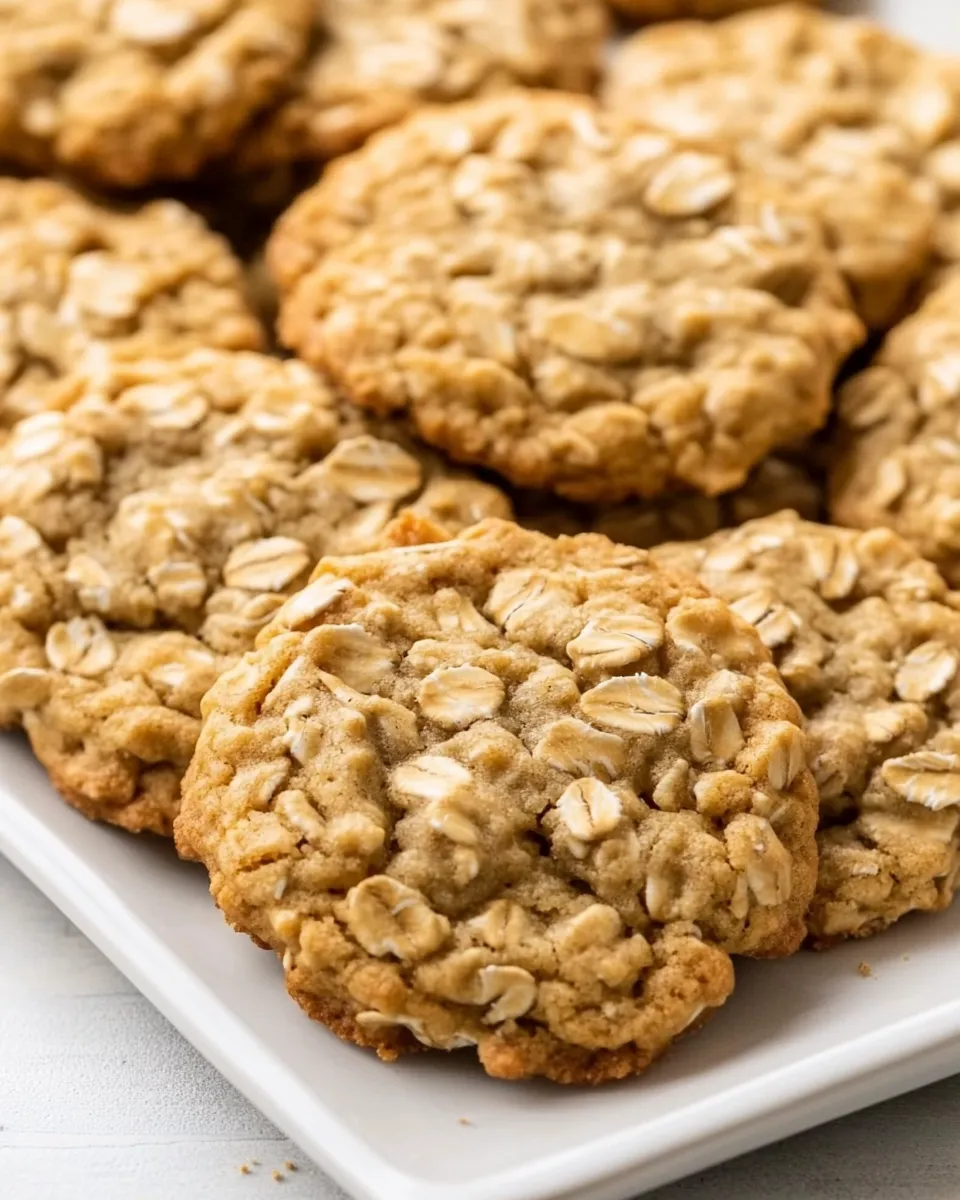
Easy Oatmeal Cookies
Ingredients
Equipment
Method
- Preheat the oven to 325°F (163°C). Line one or more baking sheets with parchment paper.
- In the bowl of a stand mixer fitted with the paddle (or in a large bowl with an electric mixer), add the ¾ cup unsalted butter (room temperature) and 1½ cups brown sugar. Beat on medium speed until the mixture is light and fluffy, about 2 minutes.
- Add 1 egg and 2 teaspoons vanilla extract. Beat until fully incorporated, about 1 minute.
- Add 1½ cups all-purpose flour, ½ teaspoon baking soda, ½ teaspoon baking powder, and ½ teaspoon salt to the bowl. Mix on low speed just until the dry ingredients are combined into the batter.
- Add 2¼ cups old-fashioned oats and mix on low just until evenly distributed. Do not overmix.
- The dough will be slightly tacky but should be firm enough to handle. If it is too sticky to roll, add additional all-purpose flour 1 tablespoon at a time, mixing briefly after each addition, until the dough can be rolled by hand.
- Roll the dough into balls about 1 to 1½ inches in diameter. Place the balls on the prepared baking sheet, spacing them about 2 inches apart.
- Bake in the preheated oven for 10 to 14 minutes, until the edges begin to brown and the centers are set.
- Remove the baking sheet from the oven and transfer the cookies to a wire rack. Let the cookies cool completely on the wire rack.
Notes
While plain oatmeal cookies are divine, we often add chopped nuts, raisins, or chocolate chips to the dough.
The butter needs to be at room temperature. Too cold, and it won’t mix in well. Too warm, and the cookies will spread flat in the oven.