Easy Sheet Pan Lasagna
This sheet pan lasagna is the sort of weeknight rescue I reach for when I want lasagna flavor without a whole-day commitment. It keeps the core comforts—meaty marinara, melted cheeses, creamy ricotta and spinach—while skipping the tray-by-tray building and long bake times. The result is familiar, fast, and easy to portion for a crowd or a couple of hungry people needing leftovers.
I love that this recipe leans on pantry-friendly jarred sauce and broken lasagna noodles to speed things up, and still gives you browned, bubbly cheese on top. It’s practical: you sauté the greens, brown the meat, toss everything together, spread it on a sheet pan, and bake. Clean-up is nicer than a deep-dish lasagna, too.
Below you’ll find the ingredient breakdown, the exact step-by-step guide I use, troubleshooting notes, and sensible swaps if something’s missing in your pantry. I write these recipes for busy cooks who want good food without drama—no fluff, just the how and why so you get it right the first time.
What We’re Using
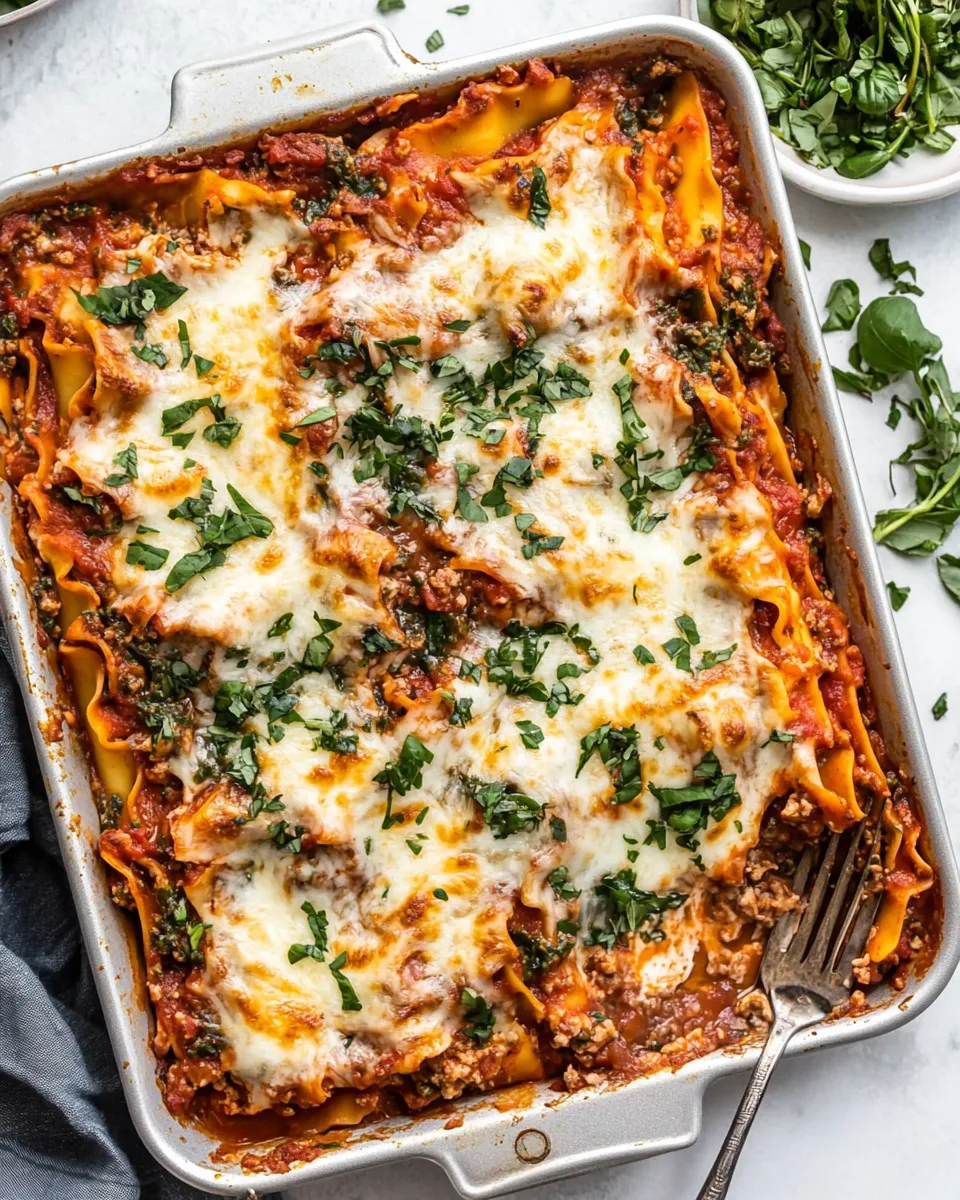
This version leans on classic Italian flavors: beef and sausage for a savory base, jarred marinara for convenience, and a trio of ricotta, mozzarella, and Parmesan for creamy, melty texture. Spinach folds into the ricotta to add brightness and cut the richness. The broken lasagna noodles give you the layered feel without the fuss of stacking sheets.
Tools and timing are modest: a skillet or two, a sheet pan, a quick boil for the noodles, and about 35 minutes in the oven to get the cheese brown and bubbly. The method is forgiving, and the ingredients are easy to find at most grocery stores.
Ingredients
- 16ounceslasagna noodlesbroken into 2-inch pieces — the base; breaking them makes a lasagna-like texture without layering.
- 1tablespoonolive oil — for browning the meat and softening aromatics.
- 1shallot,diced — adds a mild onion flavor; sweats quickly so it doesn’t overpower.
- 2garlic cloves,minced — aromatic backbone; add with the shallot.
- 1poundground beef — provides savory depth and body to the sauce.
- 1/2poundItalian sausage — adds seasoning and a hint of fat for richness.
- 4cupsjarred marinara sauce — convenient tomato base; choose your favorite style.
- 1tablespoonItalian seasoning — dried herb mix to round the sauce.
- salt and pepper to taste — essential final seasoning for the sauce and ricotta mix.
- 2cupsspinach, — wilted and folded into ricotta for color and balance.
- 2cupsricotta cheese — makes the dish creamy and provides a mild tang.
- 2cupsmozzarella cheeseshredded and divided — gooey, melty topping and mixed into the filling.
- 1cupparmesan,grated — adds salty nuttiness and helps with browning.
- fresh basilchopped — for garnish and a fresh finish.
Sheet Pan Lasagna: Step-by-Step Guide
- Preheat the oven to 350°F. Spray a 12×17-inch sheet pan with nonstick cooking spray.
- Break 16 ounces lasagna noodles into 2-inch pieces. Boil the noodles according to the package instructions for al dente. Drain and set aside.
- In a medium skillet over medium heat, add 2 cups spinach and sauté until wilted, about 2–3 minutes. Transfer to a medium bowl.
- Add 2 cups ricotta cheese to the bowl with the cooked spinach. Season with salt and pepper to taste and stir to combine. Set the ricotta–spinach mixture aside.
- In a large skillet, heat 1 tablespoon olive oil over medium-high heat. Add 1 pound ground beef and 1/2 pound Italian sausage and cook, breaking up the meat, until no longer pink.
- Add 1 shallot (diced) and 2 garlic cloves (minced) to the meat and cook until the shallot is tender, about 2–3 minutes. Drain any excess grease from the skillet.
- Stir in 4 cups jarred marinara sauce, 1 tablespoon Italian seasoning, and salt and pepper to taste. Heat until warmed through and combined.
- In a large bowl or the skillet, combine the meat sauce with the cooked lasagna noodle pieces and stir to coat the noodles evenly. Stir in 1 cup of the shredded mozzarella (reserve the remaining 1 cup).
- Pour the meat-and-noodle mixture onto the prepared sheet pan and spread it evenly into a single layer.
- Drop spoonfuls of the ricotta–spinach mixture evenly over the top of the noodles.
- Sprinkle the remaining 1 cup shredded mozzarella and 1 cup grated Parmesan evenly over the top.
- Bake uncovered in the preheated oven for 35 minutes, or until the cheese is browned and bubbly.
- Allow the lasagna to cool for a few minutes, then garnish with chopped fresh basil and serve.
Why It’s Crowd-Pleasing
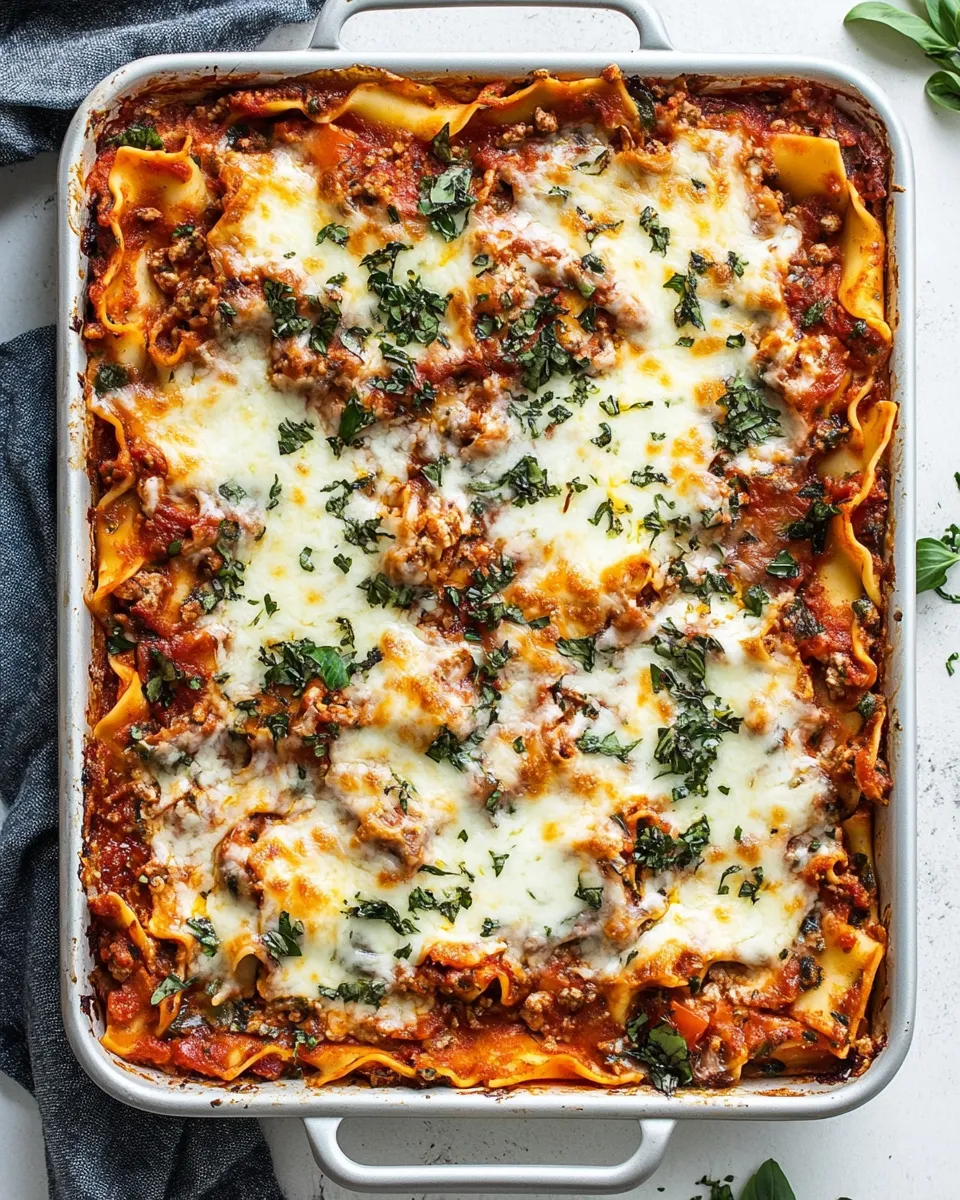
Sheet Pan Lasagna hits the familiar notes people expect from classic lasagna—meaty sauce, creamy ricotta pockets, and a bubbly, browned cheese top—while being fast and easy to serve. Guests get generous, approachable portions and the texture they love without you having to layer sheets and fuss. It’s also highly forgiving: flavors meld while baking, and the broken noodles make every forkful a mix of sauce, cheese, and tender pasta.
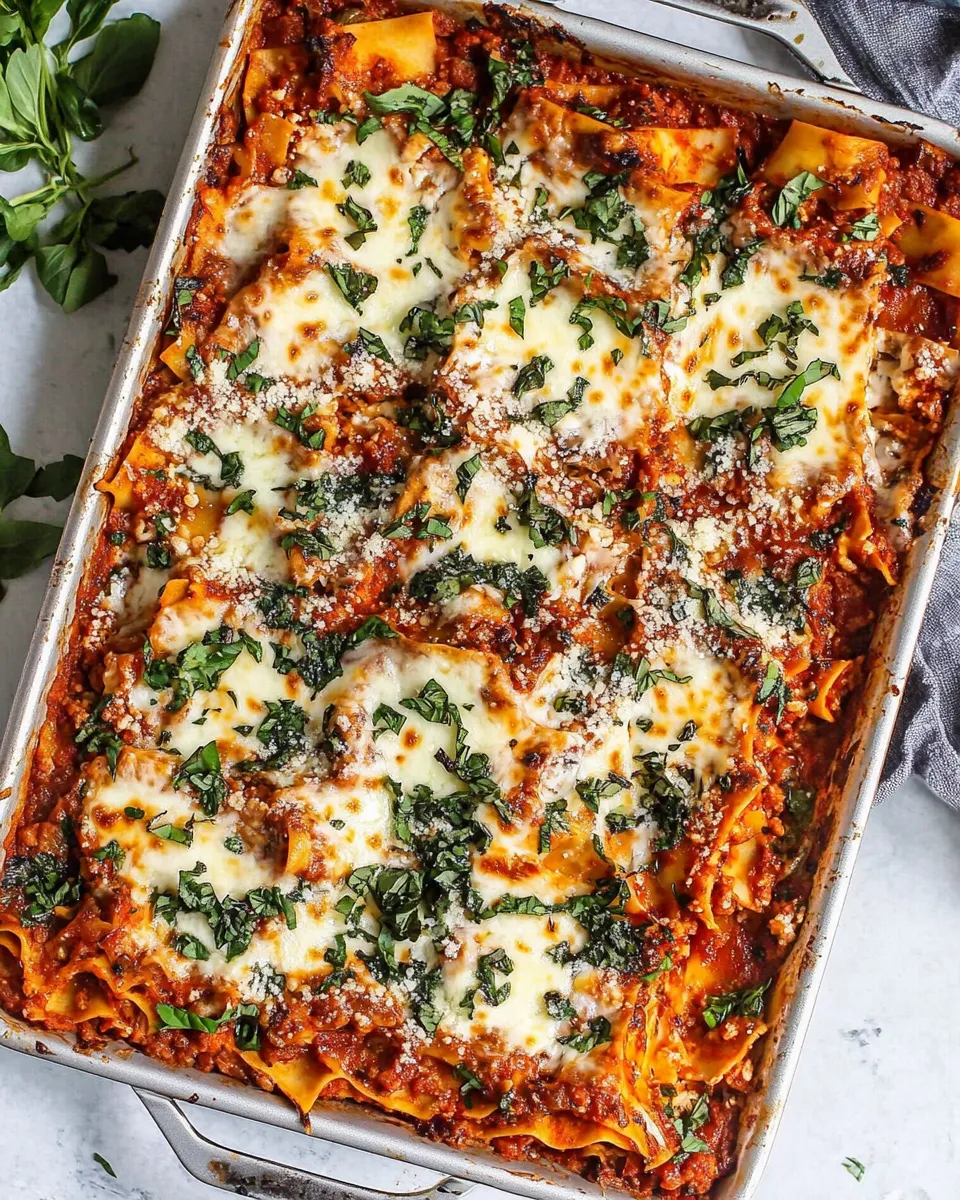
The visual appeal matters, too. A golden, bubbling top with flecks of basil signals home-cooked comfort. For groups, it’s simple to scale: a second sheet and another tray in the oven gives you twice the yield with nearly the same amount of hands-on time.
Budget & Availability Swaps
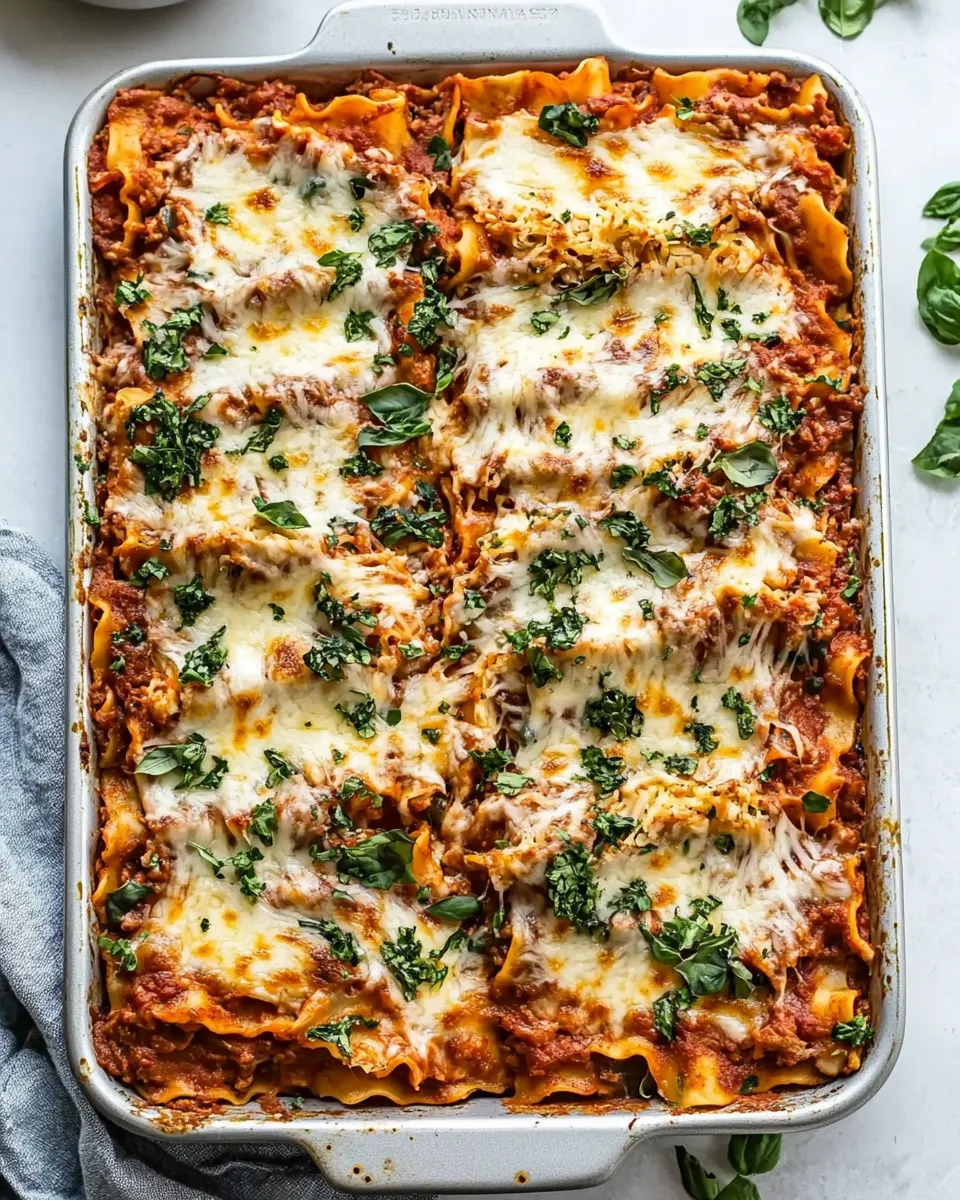
Built-in flexibility is one of this method’s strengths. If you’re short on Italian sausage, you can use only the ground beef and increase seasoning slightly. If you prefer a less fatty dish, use leaner ground beef and reduce or omit the sausage.
If one cheese is low, you can adjust the mozzarella/Parmesan ratio—just keep the total cheese volume close to what’s listed so the texture stays creamy and the top browns nicely. If you don’t have fresh basil for garnish, a sprinkle of dried Italian seasoning can add a finishing touch.
Essential Tools for Success
- 12×17-inch sheet pan — the foundation of this recipe; gives you the single-layer lasagna effect.
- Two skillets (or one large and one medium) — one to brown the meat and one to wilt the spinach, though you can reuse a single skillet in stages.
- Large pot — for boiling the lasagna noodles.
- Colander — to drain noodles well so the mixture isn’t too watery.
- Spoons and spatulas — for mixing and spreading the noodle-meat mixture and dolloping the ricotta.
Troubleshooting Tips
- Watery pan after baking: If the lasagna releases liquid, it’s usually from under-drained noodles or a very loose sauce. Ensure you drain the noodles well and heat the sauce until it’s not overly thin before combining.
- Cheese not browning: If the top is bubbly but pale, switch the oven to broil for 1–2 minutes, watching closely to avoid burning. Do this at the very end.
- Undercooked noodles: Cook the noodles to al dente on the stovetop as instructed; because they’re already cooked before baking, they’ll finish properly in the oven.
- Too dry: If the filling seems tight, stir in a splash of reserved pasta cooking water or a little extra marinara before spreading on the sheet pan.
Customize for Your Needs
Make it cheesier by folding all the mozzarella into the noodle mixture rather than saving a cup for the top. Want more green? Increase the spinach in the ricotta, but be sure to squeeze out excess moisture after wilting. Prefer a stronger herb presence? Add more Italian seasoning to the sauce or fold chopped basil into the ricotta before dolloping.
If you need to simplify steps for a time crunch, brown the meat and sauté the shallot and garlic in one skillet, then wilt the spinach in the same pan briefly before transferring—just be mindful to drain any excess liquid so the ricotta isn’t watery.
Behind-the-Scenes Notes
Breaking lasagna noodles changes the assembly logic. Instead of building layers, you get many short pasta pieces coated evenly in sauce so each bite is a balanced mix of pasta, meat, and cheese. That also reduces baking time because heat penetrates more evenly than in a deep dish lasagna.
Folding spinach into the ricotta does two things: it stretches the ricotta to cover more surface and adds a bright, almost herbaceous contrast that keeps the dish from feeling one-note. Using jarred marinara speeds the process and gives consistent flavor—just pick a brand you like.
Storage & Reheat Guide
Cool the lasagna to room temperature (no more than two hours at room temperature), then cover the sheet pan tightly with foil or transfer portions to airtight containers. Refrigerate for up to 4 days. For longer storage, freeze in portions up to 3 months; wrap tightly and label.
To reheat refrigerated portions: cover with foil and bake at 350°F until warmed through, about 15–20 minutes for a single serving, longer for larger pieces. For frozen portions, thaw in the refrigerator overnight and follow the same reheating steps. You can also reheat single servings in the microwave until hot, but the oven restores texture better.
Sheet Pan Lasagna Q&A
Q: Can I make this ahead?
A: Yes. Assemble the dish up to the point of baking, cover tightly, and refrigerate for up to 24 hours. Add a few extra minutes to the bake time if baking straight from the fridge.
Q: Can I use fresh lasagna noodles?
A: Fresh noodles are delicate and can be used if you break them similarly and cook them per package instructions, but dry broken noodles as listed will hold up better during mixing and baking.
Q: How do I prevent the ricotta from being grainy?
A: Stir it well with the wilted spinach and season it. If your ricotta seems grainy, a quick whisk with a spoon or fork will smooth it out; full-fat ricotta tends to be creamier.
Q: Is it possible to make this vegetarian?
A: Replace both meats with extra vegetables or a plant-based ground substitute. Increase the sautéed vegetables and season well so the sauce stays robust.
See You at the Table
This Sheet Pan Lasagna is everything I want from a comfort-dinner: familiar flavors, simpler steps, and household-friendly cleanup. It’s dependable dinner fuel for a busy week or a relaxed weekend gathering. Try it once with the recipe as written, then tweak the cheese or herbs to make it your own—this method is forgiving and welcomes personalization.
If you make it, tell me how you adjusted it—did you go cheesier, swap meats, or add extra greens? I’m always taking notes from readers who tweak recipes to fit their kitchens. See you at the table.
Easy Sheet Pan Lasagna
Ingredients
Equipment
Method
- Preheat the oven to 350°F. Spray a 12×17-inch sheet pan with nonstick cooking spray.
- Break 16 ounces lasagna noodles into 2-inch pieces. Boil the noodles according to the package instructions for al dente. Drain and set aside.
- In a medium skillet over medium heat, add 2 cups spinach and sauté until wilted, about 2–3 minutes. Transfer to a medium bowl.
- Add 2 cups ricotta cheese to the bowl with the cooked spinach. Season with salt and pepper to taste and stir to combine. Set the ricotta–spinach mixture aside.
- In a large skillet, heat 1 tablespoon olive oil over medium-high heat. Add 1 pound ground beef and 1/2 pound Italian sausage and cook, breaking up the meat, until no longer pink.
- Add 1 shallot (diced) and 2 garlic cloves (minced) to the meat and cook until the shallot is tender, about 2–3 minutes. Drain any excess grease from the skillet.
- Stir in 4 cups jarred marinara sauce, 1 tablespoon Italian seasoning, and salt and pepper to taste. Heat until warmed through and combined.
- In a large bowl or the skillet, combine the meat sauce with the cooked lasagna noodle pieces and stir to coat the noodles evenly. Stir in 1 cup of the shredded mozzarella (reserve the remaining 1 cup).
- Pour the meat-and-noodle mixture onto the prepared sheet pan and spread it evenly into a single layer.
- Drop spoonfuls of the ricotta–spinach mixture evenly over the top of the noodles.
- Sprinkle the remaining 1 cup shredded mozzarella and 1 cup grated Parmesan evenly over the top.
- Bake uncovered in the preheated oven for 35 minutes, or until the cheese is browned and bubbly.
- Allow the lasagna to cool for a few minutes, then garnish with chopped fresh basil and serve.