Easy Sugar-Free, No-Bake Keto Cheesecake Recipe For One
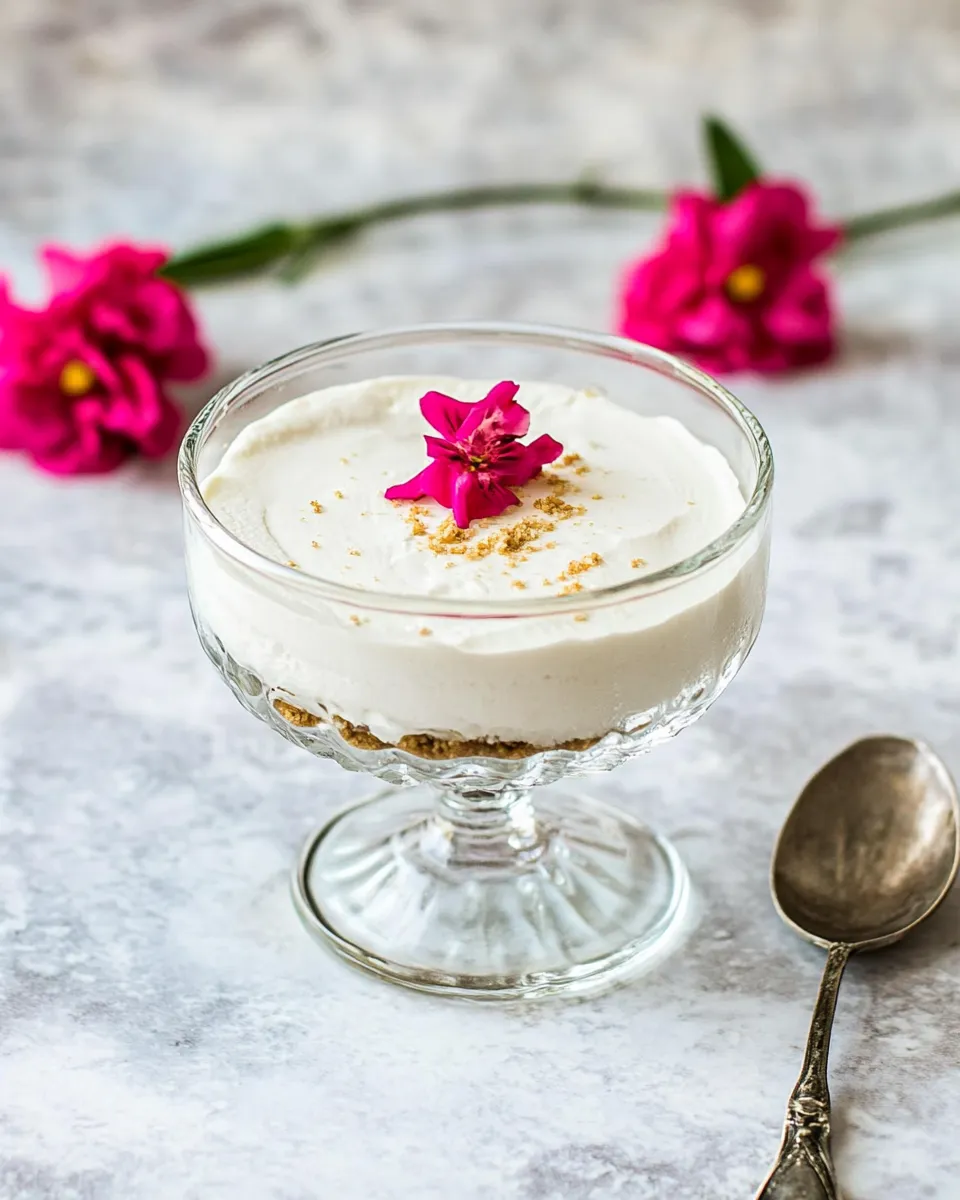
I make single-serve desserts all the time—especially when I want something indulgent but quick, without a lot of fuss or waste. This little no-bake keto cheesecake does exactly that: tiny, satisfying, and kind to a low-carb plan. It’s sugar-free, simple to pull together, and chilling does most of the work.
There’s comfort in a recipe that lives up to its name. You don’t need a springform pan, you don’t preheat an oven, and you don’t have to measure for a crowd. I wrote this to be practical: clear steps, reliable texture, and easy fixes if you need them. Make it for yourself tonight and keep the rest of your evening free.
The Essentials
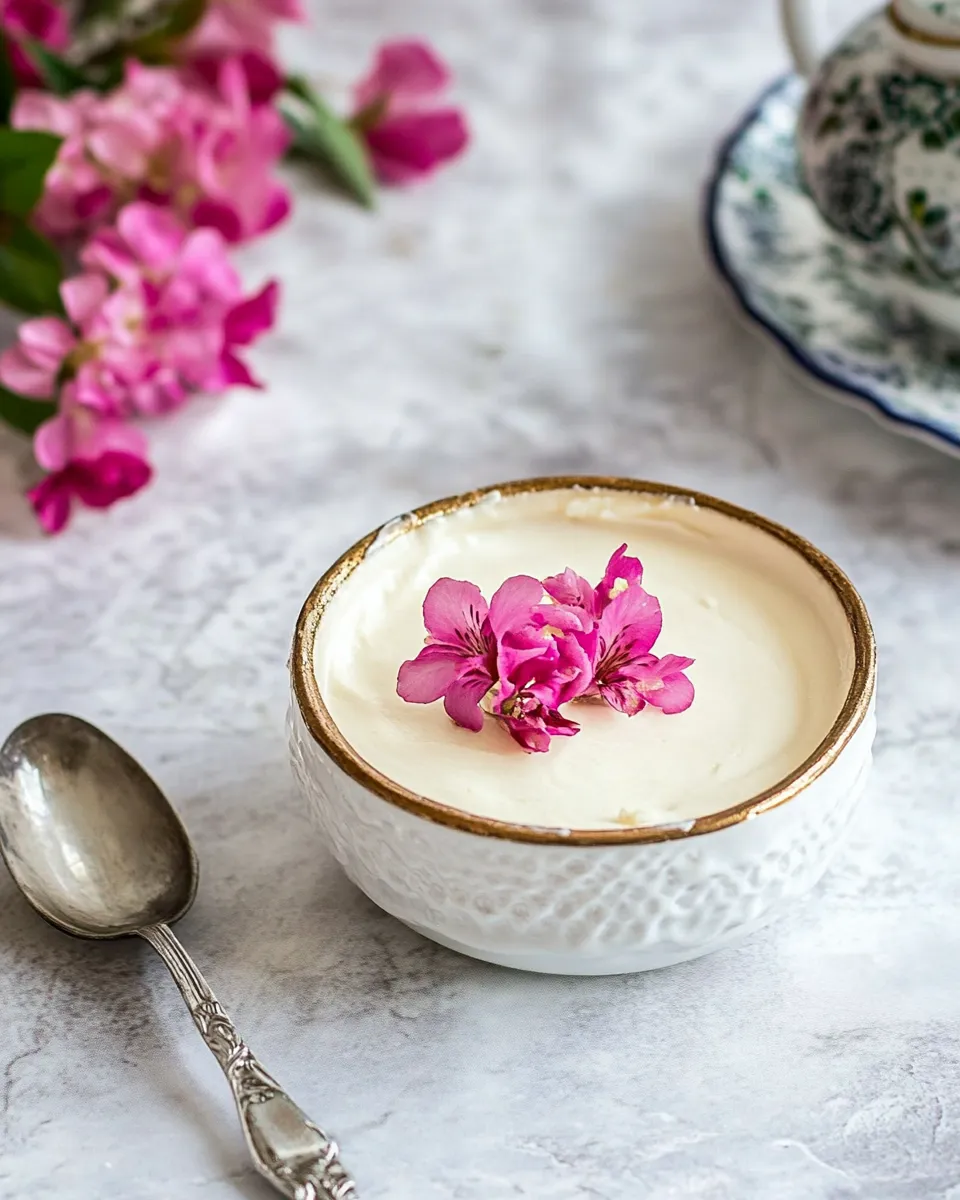
This is a single-serving, no-bake cheesecake built for a keto or low-carb approach. It uses almond flour for the crust, a little ghee to bind, and a sweetener-friendly cream cheese filling made smooth with Greek yogurt. It chills in the fridge rather than baking, so timing mostly depends on how long you let it set.
Plan for at least 2 hours of refrigeration. Prep takes under 10 minutes. The finished cheesecake is creamy, slightly tangy, and lightly sweetened—exactly the kind of portion control I love when dessert calls.
Ingredients
- 1 1/2 tablespoons almond flour, packed — the base of the crust; provides a nutty, low-carb crumb.
- 1/2 teaspoon powdered erythritol sweetener (I used Swerve) — adds a touch of sweetness to the crust without sugar.
- 1 teaspoon ghee or butter, melted — binds the crust crumbs so they press together and hold.
- 1/4 cup cream cheese, softened to room temperature — the rich, tangy body of the filling; room temp ensures a smooth whip.
- 4-6 teaspoons powdered erythritol sweetener to taste — sweetens the filling; start at 4 teaspoons and add more if you prefer it sweeter.
- 2 tablespoons 2% plain Greek yogurt — lightens the cream cheese and adds a pleasant tang and silkiness.
- 1/4 teaspoon vanilla extract — rounds and brightens the filling’s flavor.
Method: Sugar-Free, No-Bake Keto Cheesecake Recipe For One
- In a small bowl, combine 1 1/2 tablespoons packed almond flour and 1/2 teaspoon powdered erythritol.
- Add 1 teaspoon melted ghee or butter and stir until the mixture is crumbly and holds together when pressed.
- Press the crumb mixture firmly into the bottom of a small ramekin or glass using the back of a spoon or the bottom of a small cup to form an even crust.
- In a medium bowl, place 1/4 cup softened cream cheese and 4 teaspoons powdered erythritol. Using an electric hand mixer, beat until smooth. Taste and, if you want it sweeter, add up to 2 more teaspoons powdered erythritol (for a total of 4–6 teaspoons), beating briefly after each addition.
- Add 2 tablespoons 2% plain Greek yogurt and 1/4 teaspoon vanilla extract to the cream cheese mixture. Beat with the hand mixer until fully combined and smooth, stopping to scrape down the sides of the bowl as needed.
- Spoon the filling over the crust and spread it evenly and smoothly with a spatula or the back of a spoon.
- Refrigerate for at least 2 hours to firm up the cheesecake before serving.
Why It’s My Go-To
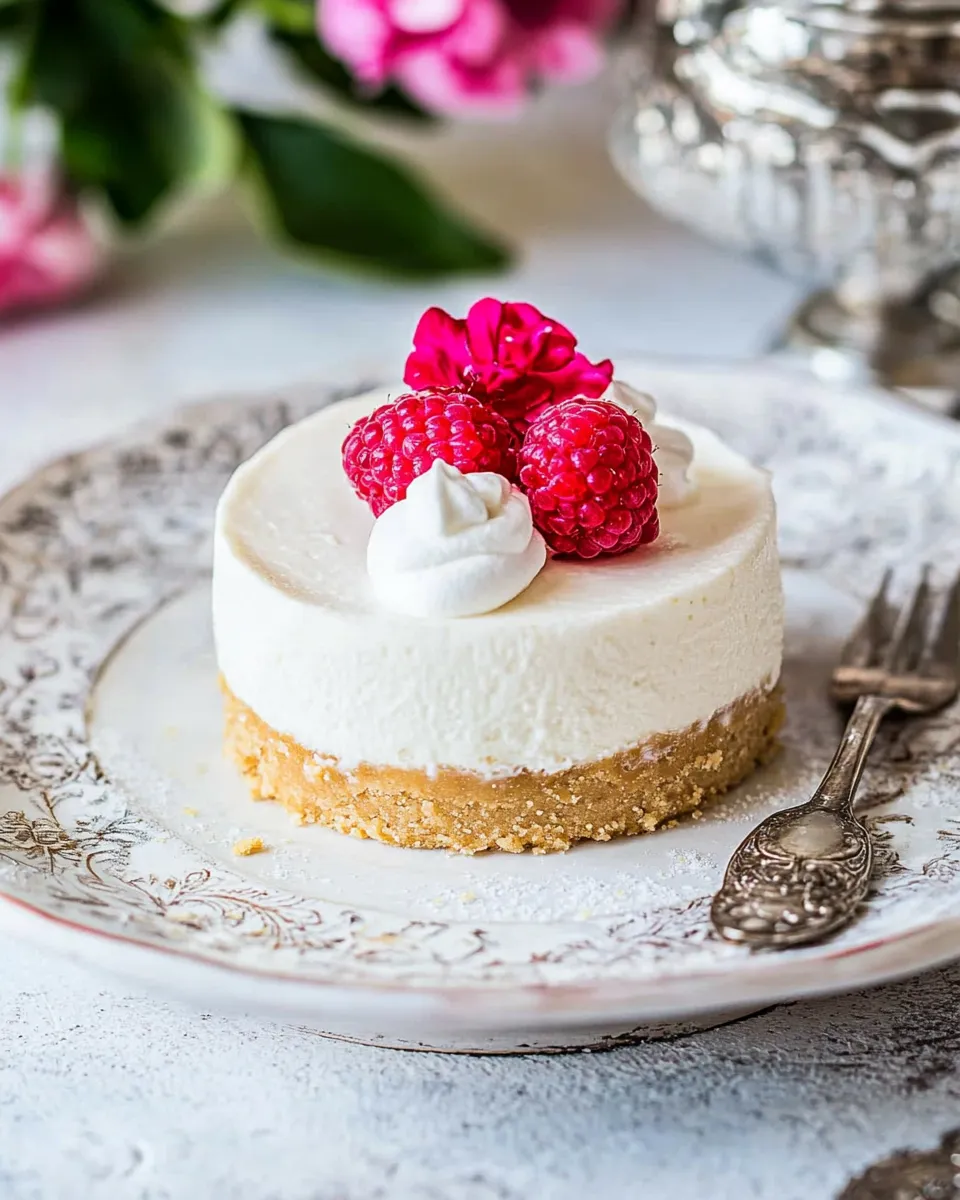
This recipe hits three things I always look for: speed, portion control, and reliable texture. It’s fast enough for a same-night craving, and the single-serve format removes the temptation to overindulge. The crust is crisp enough to provide contrast, and the filling sets firm without becoming dense. That balance makes it feel like a treat rather than a diet concession.
I also love its predictability. With just a few ingredients and a clear sequence, the chance of a flop is minimal. If you’re juggling a busy evening or want to prep a dessert for one after dinner, this gives you the payoff with almost no cleanup.
Ingredient Swaps & Substitutions
Small swaps can be helpful if you’re out of something or prefer a different profile. Below are safe alternatives that preserve texture and keto-friendliness.
- Almond flour — substitute finely ground pecan or walnut flour for a deeper, richer nut flavor. Texture will be similar but slightly oilier.
- Powdered erythritol — you can use another powdered sweetener suitable for baking (like powdered monk fruit) in a 1:1 ratio. If using granular erythritol, pulse in a spice grinder to avoid grittiness.
- Ghee or butter — avocado oil won’t bind as well; stick to melted butter for best crust cohesion. Clarified butter or ghee gives the cleanest flavor.
- 2% Greek yogurt — use full-fat Greek yogurt for a richer filling, or a plain dairy-free yogurt if you need lactose-free; note texture may shift slightly.
- Cream cheese — full-fat is best for stability and mouthfeel; lower-fat versions can work but may need extra chilling time to firm up.
Tools & Equipment Needed
Keep it minimal. The recipe is intentionally low-tech.
- Small bowl for the crust.
- Medium bowl for the filling.
- Electric hand mixer (or a sturdy whisk and some elbow grease).
- Small ramekin or glass to assemble the cheesecake.
- Spatula or the back of a spoon for pressing and smoothing.
- Refrigerator space for at least 2 hours.
Mistakes Even Pros Make
Even experienced home cooks can stumble on small details that alter the final texture. Here are things to watch for.
- Using cold cream cheese: If the cream cheese isn’t properly softened, you’ll get lumps. Let it come to room temperature for a smoother whip.
- Skipping the press: Not pressing the crust firmly results in a loose base that falls apart when spooned. Press it until it feels compact and holds together when tapped.
- Overbeating with a high-speed mixer: Excessive whipping can introduce too much air, making the filling unstable. Beat until smooth, then stop.
- Undersweetening before chilling: Chilled desserts taste less sweet than when warm. Taste and adjust sweetness before refrigerating, not after.
- Rushing the chill time: Cutting into the cheesecake too soon gives you a soft, floppy center. Wait the full 2 hours for best results.
Better-for-You Options
If you want to nudge this recipe toward different health goals, you can tweak a few elements while keeping the basic method intact.
- Lower saturated fat: Use a lighter butter alternative or reduce the ghee slightly in the crust, though flavor and binding may be a touch reduced.
- Higher protein: Use Greek yogurt that’s higher in protein or add a small scoop (1 teaspoon) of unflavored whey protein to the filling—mix carefully to avoid graininess.
- Lower dairy: Swap cream cheese for a full-fat dairy-free cream cheese and use a compatible yogurt alternative; chilling time may increase a bit.
- Lower erythritol impact: If you prefer, split the sweetening between erythritol and a natural flavor like a touch of lemon zest to enhance perceived sweetness without upping sweetener volume.
Cook’s Notes
Little details make a big difference here. I always bring the cream cheese to room temperature before starting. If I’m in a hurry, I cut it into small cubes and let those sit for 10–15 minutes to speed softening. Scraping down the bowl during mixing ensures an even texture and no pockets of unmixed cream cheese.
Texture after chilling should be scoopable but stable. If you find it’s still too soft after the initial chill, give it another hour. For the cleanest presentation, run a warmed knife around the rim of the ramekin before serving; it helps release the edges.
Keep-It-Fresh Plan
Store any leftover cheesecake covered in the refrigerator for up to 3 days. I keep single serves in small airtight containers or wrap the ramekin tightly with plastic wrap. The crust can soften slightly over time, so for best texture eat it within the first 48 hours.
Do not freeze this dessert; the texture changes on thawing and the filling can become grainy. If you must freeze, freeze only the crust separately (if you plan ahead) and assemble fresh when you’re ready to enjoy.
Questions People Ask
Can I make this ahead of time?
Yes. Make it up to a day ahead and keep it covered in the fridge. The flavors meld well with a short overnight chill.
Is powdered erythritol really necessary?
Powdered erythritol blends smoother in this small, creamy filling. If you only have granulated erythritol, blitz it briefly in a spice grinder to powder it; otherwise you might notice slight grittiness.
Can I double the recipe?
Yes. Multiply ingredients and use a small baking dish or multiple ramekins. If you scale up, chilling time may increase slightly depending on the dish’s depth.
What if my filling is too sweet?
If you oversweeten, you can temper sweetness with a teaspoon of lemon juice or a pinch of salt, mixed in carefully. Add a little at a time and taste as you go.
Any serving ideas?
Top with a few fresh raspberries or a light dusting of cocoa powder. Fresh berries add bright acidity that complements the cream cheese and keeps carbs relatively low.
The Takeaway
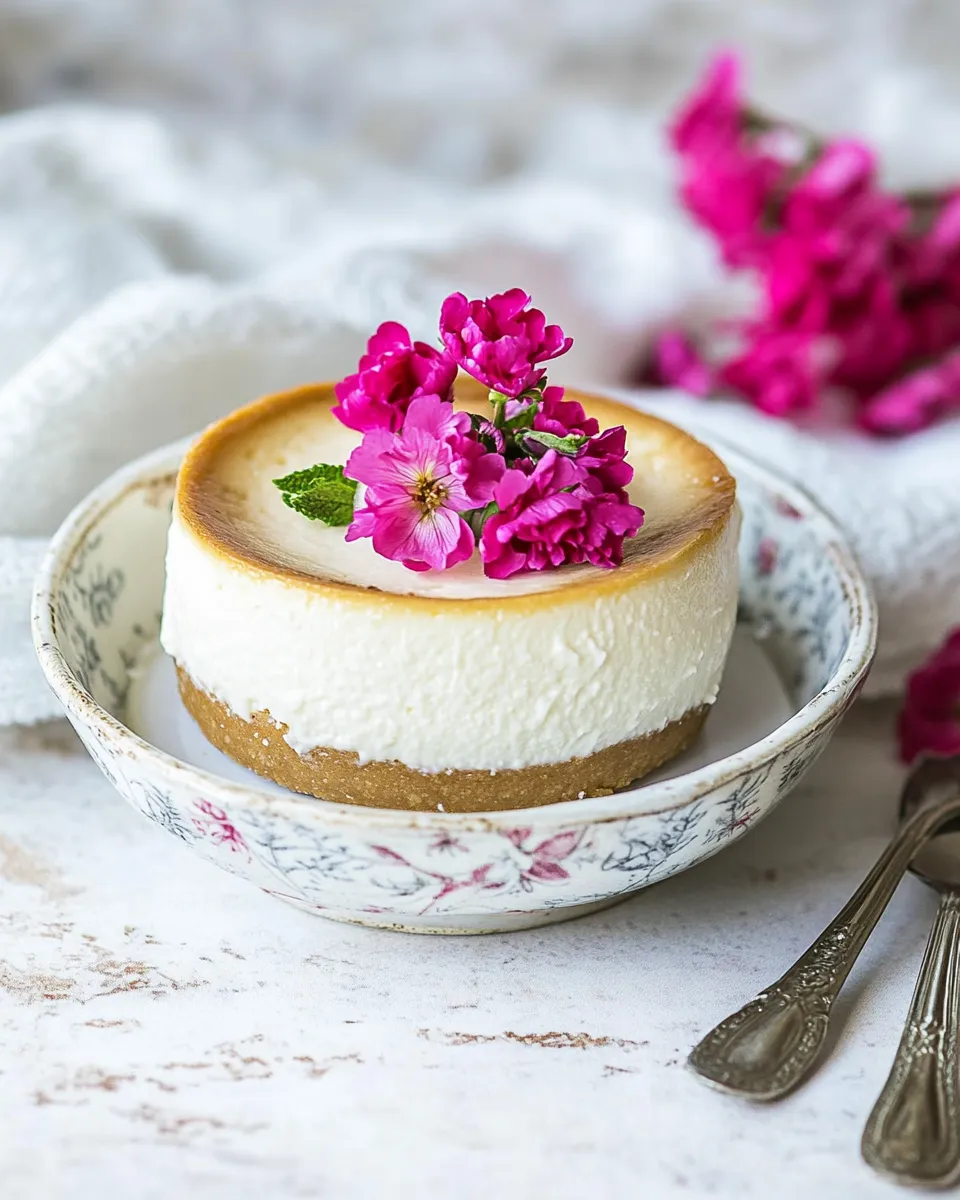
This single-serve, sugar-free, no-bake keto cheesecake is a solid go-to when you want dessert without the ceremony. It respects portion control, uses pantry-friendly ingredients, and delivers the creamy texture that makes cheesecake a favorite. Follow the steps, allow adequate chill time, and you’ll have a dependable, satisfying treat for one in under 10 minutes of active prep.
Make it your own with small swaps, but keep the soft cream cheese, the pressed nut crust, and the patience to chill. Those are the real keys to success.
Easy Sugar-Free, No-Bake Keto Cheesecake Recipe For One
Ingredients
Equipment
Method
- In a small bowl, combine 1 1/2 tablespoons packed almond flour and 1/2 teaspoon powdered erythritol.
- Add 1 teaspoon melted ghee or butter and stir until the mixture is crumbly and holds together when pressed.
- Press the crumb mixture firmly into the bottom of a small ramekin or glass using the back of a spoon or the bottom of a small cup to form an even crust.
- In a medium bowl, place 1/4 cup softened cream cheese and 4 teaspoons powdered erythritol. Using an electric hand mixer, beat until smooth. Taste and, if you want it sweeter, add up to 2 more teaspoons powdered erythritol (for a total of 4–6 teaspoons), beating briefly after each addition.
- Add 2 tablespoons 2% plain Greek yogurt and 1/4 teaspoon vanilla extract to the cream cheese mixture. Beat with the hand mixer until fully combined and smooth, stopping to scrape down the sides of the bowl as needed.
- Spoon the filling over the crust and spread it evenly and smoothly with a spatula or the back of a spoon.
- Refrigerate for at least 2 hours to firm up the cheesecake before serving.
Notes
Adjust sweetness to taste, up to 6 teaspoons total powdered erythritol.