Easy Szechuan Beef
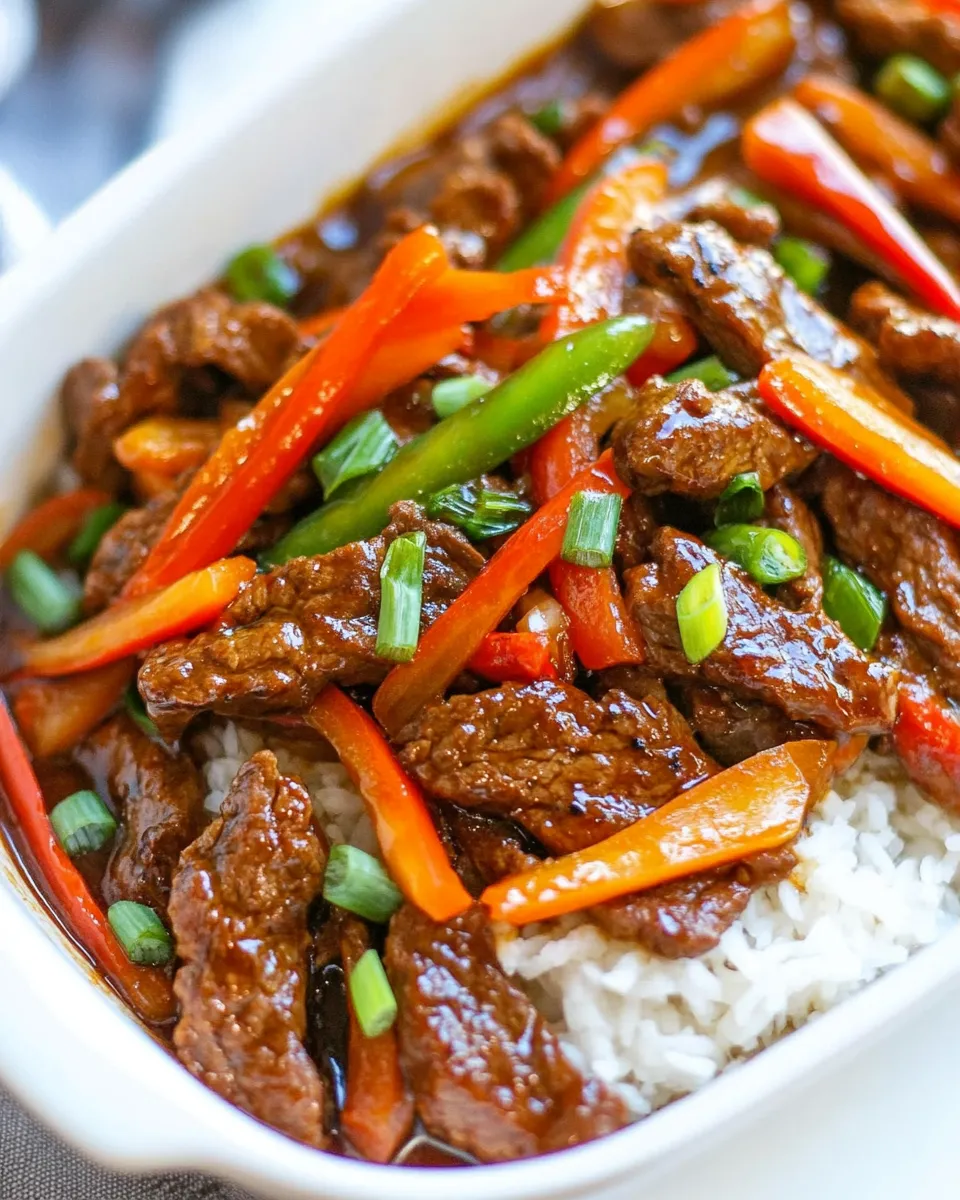
I love dishes that feel restaurant-level but are fast enough for a weeknight. This Szechuan Beef checks both boxes: bold, numbing peppercorn heat with a glossy, slightly sweet sauce and tender strips of steak. It’s the kind of dinner that brightens a regular Tuesday and makes guests ask for the recipe.
The method is straightforward: a short marinade for the beef, a quick sear in a very hot pan, and a simple sauce that comes together while the steak rests. The ingredient list leans on pantry items like liquid aminos and sambal oelek, with a couple of special seasonings — szechuan peppercorn and Chinese five spice — that lift every bite.
I’ll walk you through the exact steps, what each ingredient is doing, swaps if you don’t have something on hand, tools that make it easier, and a few common pitfalls to avoid. No fuss, just dependable results you’ll want to make again and again.
Ingredient Notes
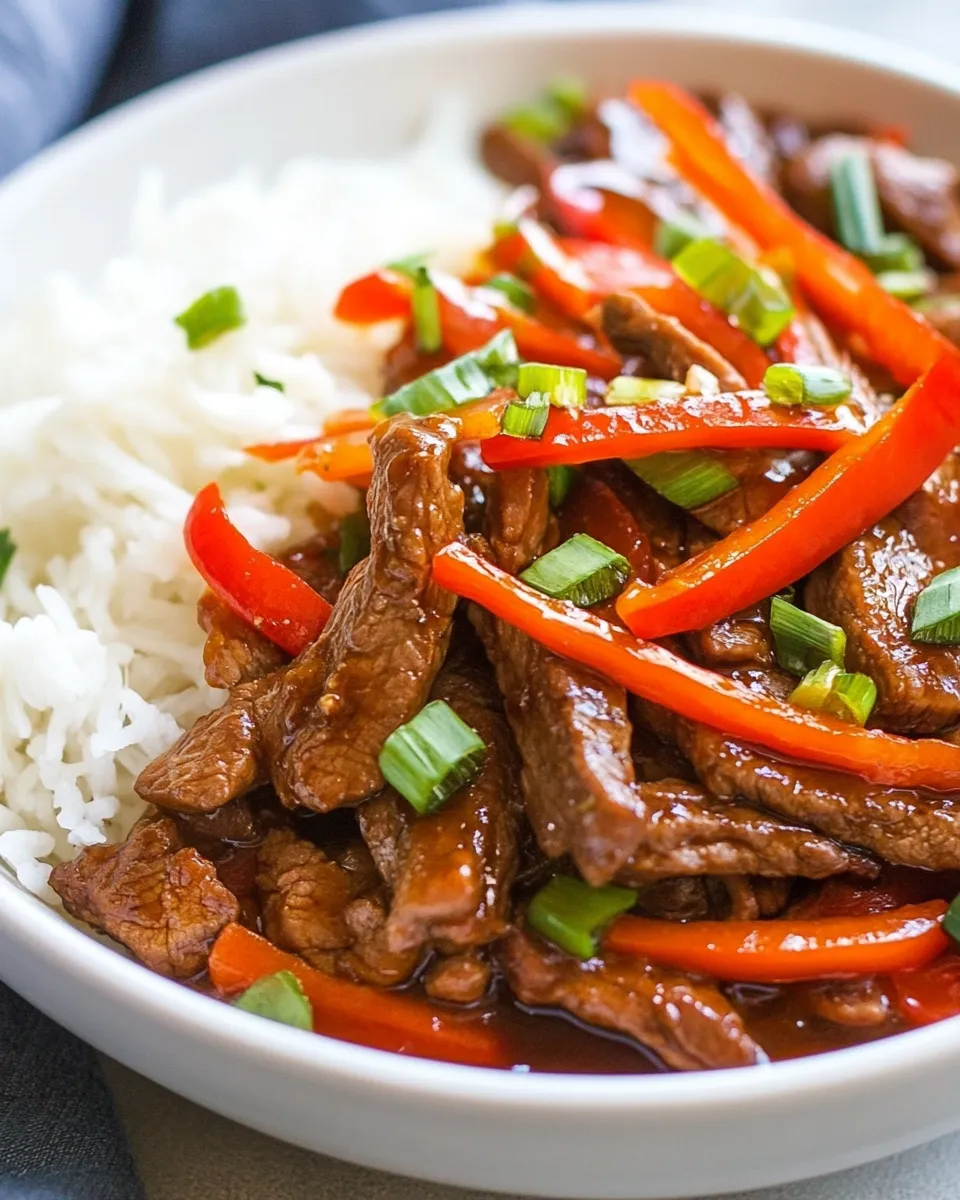
These ingredients are chosen to balance savory, sweet, tangy, and the characteristic tingle of Szechuan peppercorn. The marinade tenderizes and seasons the steak while the tapioca flour gives the strips a protective coating that crisps up in the hot pan. The sauce pulls everything together with a mix of umami (oyster sauce, liquid aminos), heat (sambal oelek, gochugang), and sweetness (coconut sugar or pure maple syrup).
Because the recipe moves quickly once the pan is hot, prep matters. Slice the steak thin and uniform, grate the ginger ahead of time, and have the sauce mixed and ready before you start cooking. You’ll get the best texture and flavor with a very hot skillet and quick batches to avoid overcrowding.
Ingredients
- 2 lbs sirloin steak, cut into thin ¼ inch strips — Sliced thin and against the grain for tenderness; ready for quick, high-heat searing.
- 3 tbsp liquid aminos — Provides salty, savory umami in the marinade; a soy alternative with a clean flavor.
- 1 Tbsp rice vinegar — Adds a touch of tang to the marinade to balance richness.
- 1 tsp sambal oelek — Fresh chili paste for straightforward heat in the marinade.
- 1 tsp sesame oil — A small amount for its toasted sesame flavor in the marinade.
- 1 Tbsp fresh ginger, grated — Bright, aromatic bite; freshly grated for best flavor.
- 1 tsp garlic powder — Convenient garlic flavor that melds into the marinade without burning during the quick sear.
- 2 Tbsp tapioca flour — Helps the beef develop a glossy, slightly crisp exterior when seared.
- 2 Tbsp oyster sauce — Deep umami for the finishing sauce.
- 1/4 cup liquid aminos — Adds more salty depth to the sauce; separate amount from the marinade.
- 1 Tbsp gochugang — Spicy, savory Korean-style chili paste for body and heat in the sauce (listed as gochugang).
- ¼ cup water — Thins the sauce to the right consistency for simmering and coating.
- 2 Tbsp coconut sugar or pure maple syrup — Sweetens and balances the heat and umami; choose based on what you have.
- 2 Tbsp rice vinegar — Acid in the sauce to brighten the flavors.
- 1 Tbsp sambal oelek — Additional heat for the sauce.
- 1 tsp sesame oil — Toasted sesame flavor finishing the sauce.
- 1 tsp szechuan peppercorn — The signature floral, numbing note; toast lightly if you want to bloom the flavor.
- 3/4 tsp Chinese 5 spice — Warm aromatic note to layer into the sauce.
- 1 medium yellow onion, sliced — Adds sweetness and texture when sautéed.
- 1 red bell pepper, cut into match sticks — Bright color, crisp-tender bite to complement the beef.
Szechuan Beef: How It’s Done
- In a mixing bowl or large measuring cup, whisk together the marinade: 3 tbsp liquid aminos, 1 Tbsp rice vinegar, 1 tsp sambal oelek, 1 tsp sesame oil, 1 Tbsp fresh grated ginger, 1 tsp garlic powder, and 2 Tbsp tapioca flour.
- Slice 2 lbs sirloin steak into thin ¼-inch strips about 2 inches long. Place the steak in a resealable plastic bag or a bowl, pour in the marinade, press out excess air or cover, and turn to coat. Refrigerate and marinate at least 1 hour and up to 24 hours.
- While the steak is marinating, whisk together the sauce in a separate bowl or measuring cup: 2 Tbsp oyster sauce, 1/4 cup liquid aminos, 1 Tbsp gochugang, 1/4 cup water, 2 Tbsp coconut sugar or pure maple syrup, 2 Tbsp rice vinegar, 1 Tbsp sambal oelek, 1 tsp sesame oil, 1 tsp szechuan peppercorn, and 3/4 tsp Chinese 5 spice. Set the sauce aside.
- When ready to cook, heat a large heavy skillet (nonstick or well-seasoned) over high heat until very hot. Remove the steak from the marinade, shaking off excess (discard any used marinade). Add the steak to the skillet in a single layer — work in batches if needed to avoid overcrowding — and cook, stirring occasionally, until the strips develop a deep golden-brown crust, about 2–4 minutes per batch. Transfer cooked steak to a plate and keep warm.
- Add the sliced 1 medium yellow onion and 1 red bell pepper (cut into match sticks) to the same hot skillet. Sauté, stirring frequently, until the onion is translucent and the pepper is tender-crisp, about 3–5 minutes. If the pan is excessively dry and vegetables begin to burn, add a tablespoon of the prepared sauce to deglaze.
- Return the cooked steak to the skillet with the vegetables, pour in the prepared sauce, and stir to combine. Bring to a simmer and cook, stirring constantly, until the sauce thickens and coats the beef and vegetables, about 3–5 minutes. Ensure the beef is cooked through.
- Remove from heat and serve immediately.
Why Szechuan Beef is Worth Your Time
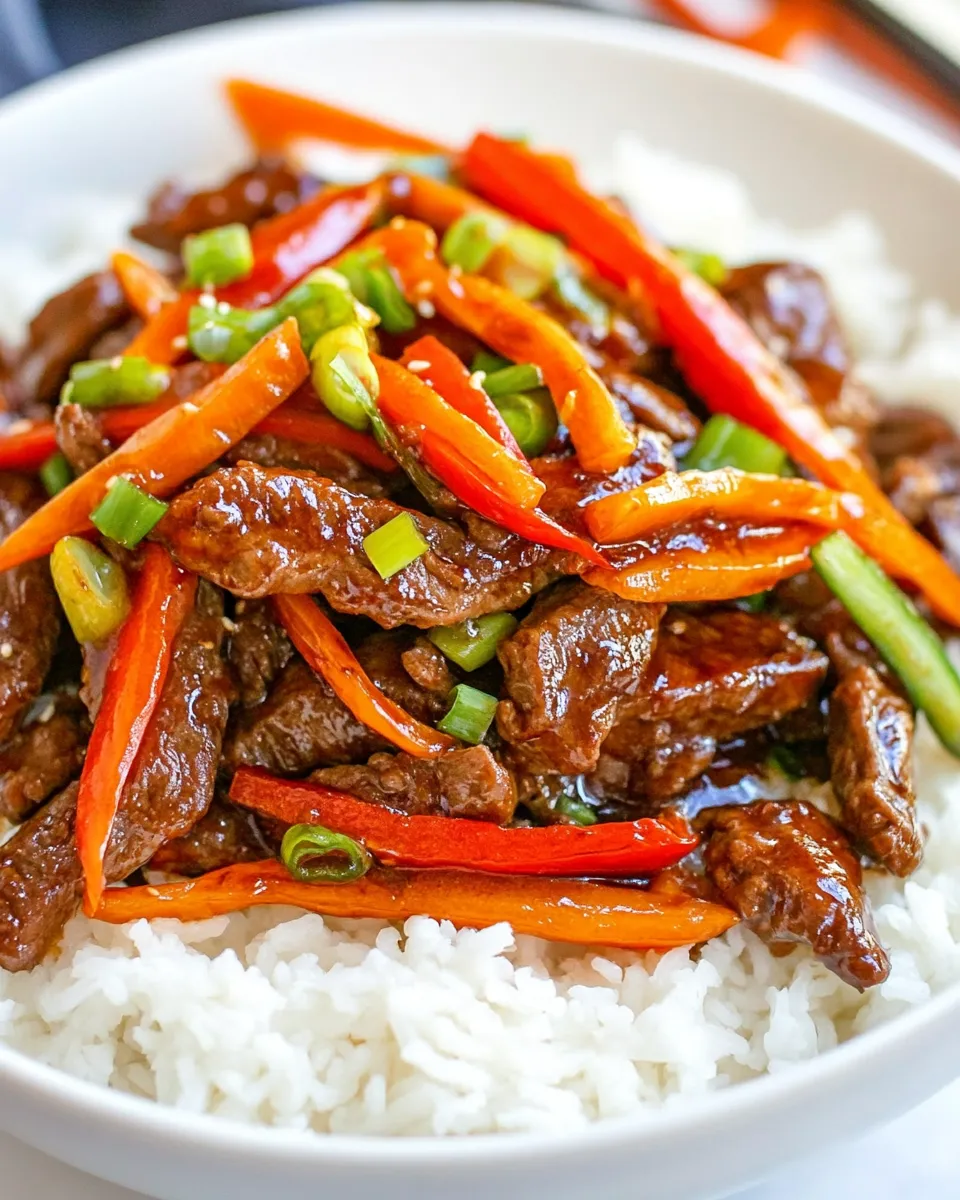
This recipe is worth making because it delivers layered flavors with minimal hands-on time. The marinade does the heavy lifting for flavor and texture, while the quick, high-heat sear locks in juices and produces that desirable crust. The sauce is bold but balanced: salty umami, bright vinegar, a touch of sweetness, and the distinctive tingle from szechuan peppercorn.
It’s flexible for busy cooks. Marinate earlier in the day or the night before, prep vegetables while the meat rests, and the actual cooking takes under 15 minutes if you work efficiently. The result reads like a restaurant dish — glossy, fragrant, and deeply satisfying — without a complicated ingredient list or long cook time.
Swap Guide
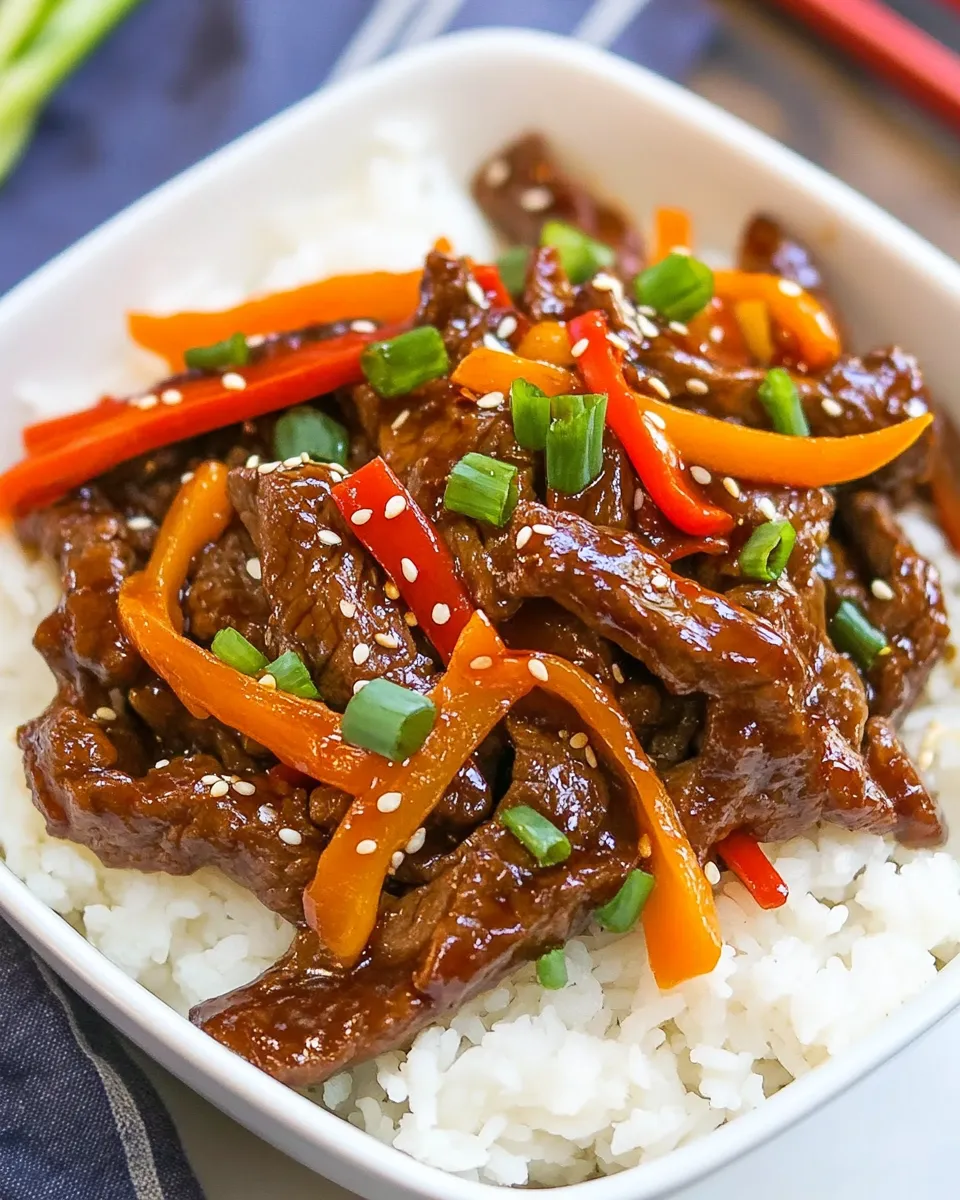
Short on a specific ingredient? Here are safe swaps that keep the spirit of the dish:
- Sirloin steak — Swap for flank steak or skirt steak, sliced thin against the grain.
- Liquid aminos — Use low-sodium soy sauce or tamari in the same amounts if you prefer.
- Gochugang — If you don’t have it, a combination of a touch more sambal oelek plus a pinch of sugar gives some balance (no extra measured quantities are required; adjust to taste).
- Coconut sugar or pure maple syrup — Either works; if neither is available, a small amount of brown sugar is a functional substitute.
- Szechuan peppercorn — If unavailable, the dish still works without it, but you’ll miss the unique numbing note; consider a pinch of ground black pepper for heat only.
Prep & Cook Tools
Good tools make this recipe easier and more reliable. You don’t need anything fancy, just the right basics:
Must-haves
- Sharp chef’s knife — For clean, even ¼-inch strips of steak.
- Heavy skillet (cast iron or heavy stainless) or well-seasoned nonstick pan — Needs to hold very high heat.
- Mixing bowls or measuring cups — One for the marinade and one for the sauce.
- Spatula or tongs — For stirring and turning the beef while searing.
Helpful extras
- Microplane or fine grater — For fresh grated ginger.
- Resealable plastic bag — For an easy, even marinade.
What Not to Do
Don’t overcrowd the pan. If you add too much steak at once the strips will steam instead of sear, and you’ll lose that golden crust. Work in batches and keep cooked beef warm on a plate.
Don’t skip the tapioca flour in the marinade. It helps the steak develop a glossy, slightly crisp coating and gives the sauce something to cling to. Also, don’t walk away while the sauce reduces: it thickens quickly and you want it to coat the beef without burning.
Don’t use a medium-cool skillet. The sear happens at very high heat — preheat the pan properly until it’s very hot. A luke-warm pan will leave the meat gray and unappealing.
Holiday & Seasonal Touches
For holidays or seasonal dinners, small touches make a difference. Add a handful of toasted sesame seeds or thinly sliced scallions at the end for color and crunch. In winter, serve the Szechuan Beef with steamed jasmine rice or sticky rice and quick-pickled cucumbers to cut the richness.
In summer, lighten the meal by serving over a bed of baby greens or with a simple cold noodle salad tossed in a sesame dressing. The bold flavors stand up well to hearty sides, so you can pair this with stir-fried greens, roasted broccoli, or even a simple cabbage slaw.
Cook’s Commentary
I often double the sauce when I’m feeding a crowd — it’s generous, but it makes for great leftovers and more sauce to spoon over rice. That said, the recipe as written is balanced and made for a single skillet batch. The szechuan peppercorn is the defining note: a little goes a long way, so measure it carefully. Toasting the whole peppercorns very briefly in a dry pan and crushing them releases oils and deepens the aroma if you want more fragrance.
Marinating for longer (several hours or overnight) will deepen flavor, but don’t let the steak sit in the marinade more than 24 hours. The texture can start to change. And yes, gochugang is listed as ‘gochugang’ in the ingredient list here — use what you have labeled closest to that name.
Storing Tips & Timelines
Store leftovers in an airtight container in the refrigerator for up to 3–4 days. Reheat gently in a skillet over medium-low heat until warmed through; add a splash of water if the sauce has thickened too much. Avoid the microwave if possible to preserve texture.
For longer storage, freeze cooled portions in a sealed container for up to 2 months. Thaw overnight in the refrigerator before reheating. Note that vegetables like bell pepper may soften more after freezing and reheating, so if you plan to freeze, you can keep steak and vegetables separate for best texture.
Helpful Q&A
Q: Can I make this gluten-free?
A: Use gluten-free tamari or a certified gluten-free liquid aminos and verify that your oyster sauce is gluten-free. Tapioca flour is already gluten-free.
Q: My pan is smoking — is that okay?
A: A very hot pan is necessary. A little smoke is expected, especially when using sesame oil in small amounts and high heat. Vent the kitchen and watch for burning; add sauce to deglaze if things look too dark.
Q: I don’t have szechuan peppercorns — will it still be Szechuan?
A: The boldness and other elements remain, but the signature numbing-citrusy note of szechuan peppercorn will be missing. The dish will still be delicious, just different.
Make It Tonight
If you’re ready to make this tonight: slice the steak, mix the marinade, and let it rest in the fridge for at least an hour. Mix the sauce while the meat marinates, preheat your skillet, and get the vegetables sliced. The actual cooking is quick: sear in hot batches, sauté the veg, return the beef, and simmer until glossy. Serve with rice and a crunchy green on the side. Simple prep, fast finish, and a result that’s boldly satisfying.
Easy Szechuan Beef
Ingredients
Equipment
Method
- In a mixing bowl or large measuring cup, whisk together the marinade: 3 tbsp liquid aminos, 1 Tbsp rice vinegar, 1 tsp sambal oelek, 1 tsp sesame oil, 1 Tbsp fresh grated ginger, 1 tsp garlic powder, and 2 Tbsp tapioca flour.
- Slice 2 lbs sirloin steak into thin ¼-inch strips about 2 inches long. Place the steak in a resealable plastic bag or a bowl, pour in the marinade, press out excess air or cover, and turn to coat. Refrigerate and marinate at least 1 hour and up to 24 hours.
- While the steak is marinating, whisk together the sauce in a separate bowl or measuring cup: 2 Tbsp oyster sauce, 1/4 cup liquid aminos, 1 Tbsp gochugang, 1/4 cup water, 2 Tbsp coconut sugar or pure maple syrup, 2 Tbsp rice vinegar, 1 Tbsp sambal oelek, 1 tsp sesame oil, 1 tsp szechuan peppercorn, and 3/4 tsp Chinese 5 spice. Set the sauce aside.
- When ready to cook, heat a large heavy skillet (nonstick or well-seasoned) over high heat until very hot. Remove the steak from the marinade, shaking off excess (discard any used marinade). Add the steak to the skillet in a single layer — work in batches if needed to avoid overcrowding — and cook, stirring occasionally, until the strips develop a deep golden-brown crust, about 2–4 minutes per batch. Transfer cooked steak to a plate and keep warm.
- Add the sliced 1 medium yellow onion and 1 red bell pepper (cut into match sticks) to the same hot skillet. Sauté, stirring frequently, until the onion is translucent and the pepper is tender-crisp, about 3–5 minutes. If the pan is excessively dry and vegetables begin to burn, add a tablespoon of the prepared sauce to deglaze.
- Return the cooked steak to the skillet with the vegetables, pour in the prepared sauce, and stir to combine. Bring to a simmer and cook, stirring constantly, until the sauce thickens and coats the beef and vegetables, about 3–5 minutes. Ensure the beef is cooked through.
- Remove from heat and serve immediately.