Eggless Cake Recipe
I bake a lot, and this eggless cake is the one I reach for when someone says they can’t have eggs or when I need a quick, reliable cake without the fuss. It uses pantry basics, takes one bowl, and behaves like a classic sponge—soft crumb, neutral flavor, and a forgiving batter. You don’t need special ingredients or advanced technique to get a lovely result.
This post focuses on practical steps, small tips that actually matter, and a few ways to vary the cake without breaking the recipe. Read the ingredients and the step-by-step once, then follow the order in the recipe the first time you make it. After that, you’ll have a dependable template for birthdays, tea time, or last-minute dessert rescues.
What Goes Into Eggless Cake
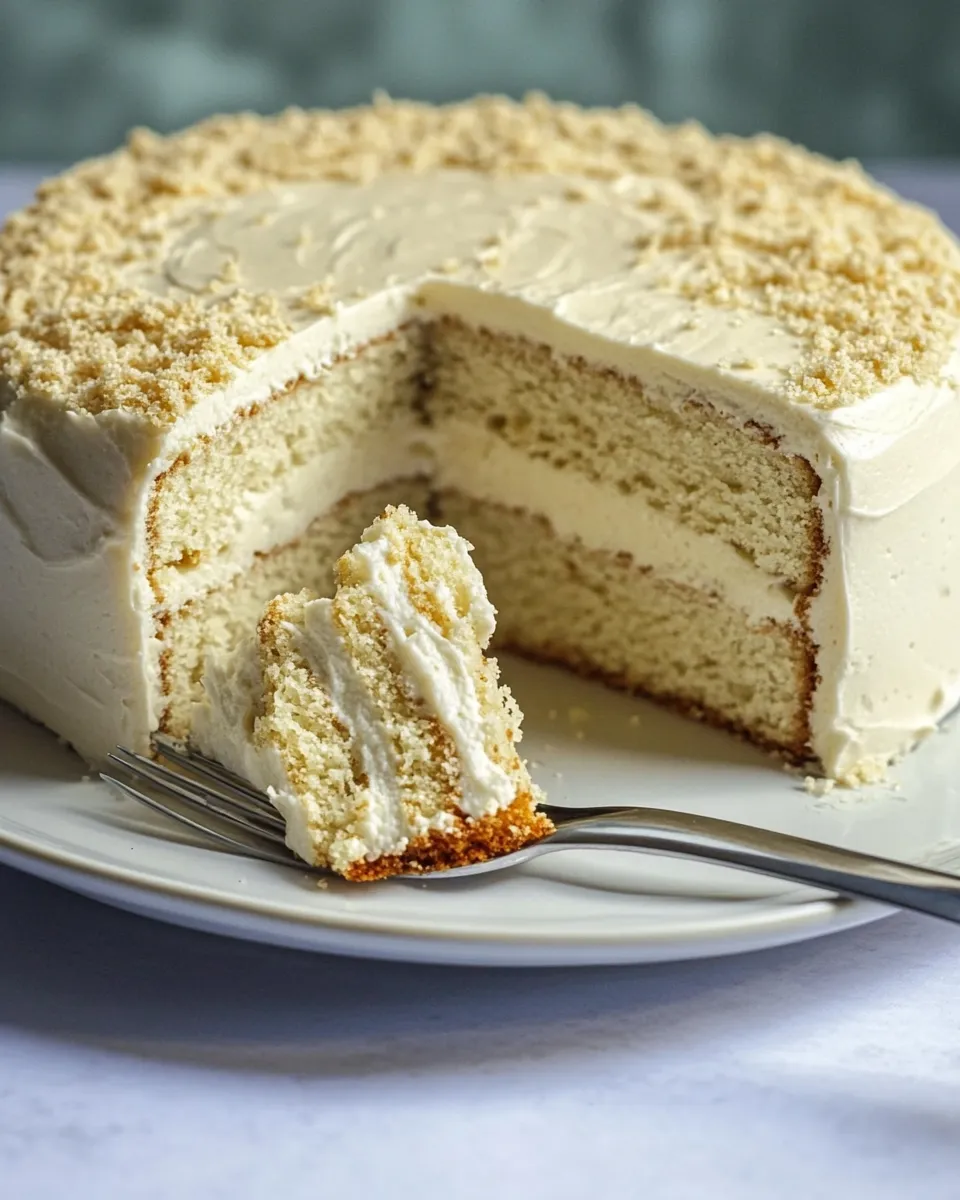
This cake is intentionally simple. It relies on basic chemistry—baking soda, acid (vinegar), and fat (vegetable oil)—to replace the structure and moisture that eggs normally provide. The result is a tender, even-textured cake that slices well and accepts frostings or glazes with no drama.
Ingredients
- 2 cups all-purpose flour — the structure of the cake; measure correctly by spooning and leveling the cup.
- 1 cup granulated sugar — sweetness and contributes to browning; fine granulated sugar works best.
- 1 teaspoon baking soda — the leavening agent; reacts with the vinegar to provide lift.
- 1/2 teaspoon salt — balances sweetness and enhances flavor.
- 1 cup water — hydrates the flour and dissolves the sugar; room temperature is fine.
- 1/2 cup vegetable oil — adds tenderness and keeps the cake moist; neutral oils are preferred.
- 1 tablespoon white vinegar — the acid that activates the baking soda for rise.
- 2 teaspoons vanilla extract — provides aromatic depth; use pure vanilla for best flavor.
Eggless Cake: Step-by-Step Guide
- Preheat the oven to 350°F and grease an 8-inch round cake pan.
- In a large bowl, whisk together 2 cups all-purpose flour, 1 cup granulated sugar, 1 teaspoon baking soda, and 1/2 teaspoon salt until evenly combined.
- In a separate bowl or measuring cup, stir together 1 cup water, 1/2 cup vegetable oil, 1 tablespoon white vinegar, and 2 teaspoons vanilla extract.
- Make a well in the center of the dry ingredients and pour the wet mixture into the well.
- Gently fold the wet and dry ingredients together with a spatula or spoon until just combined; stop as soon as there are no large streaks of flour (some small lumps are fine).
- Pour the batter into the prepared pan, smooth the top lightly, and tap the pan on the counter once or twice to release any large air bubbles.
- Bake in the preheated oven for about 30 minutes, or until a toothpick inserted into the center comes out clean.
- Let the cake cool in the pan on a wire rack for 10 minutes, then loosen the edges if needed and transfer the cake to the wire rack to cool completely before serving.
Why This Eggless Cake Stands Out
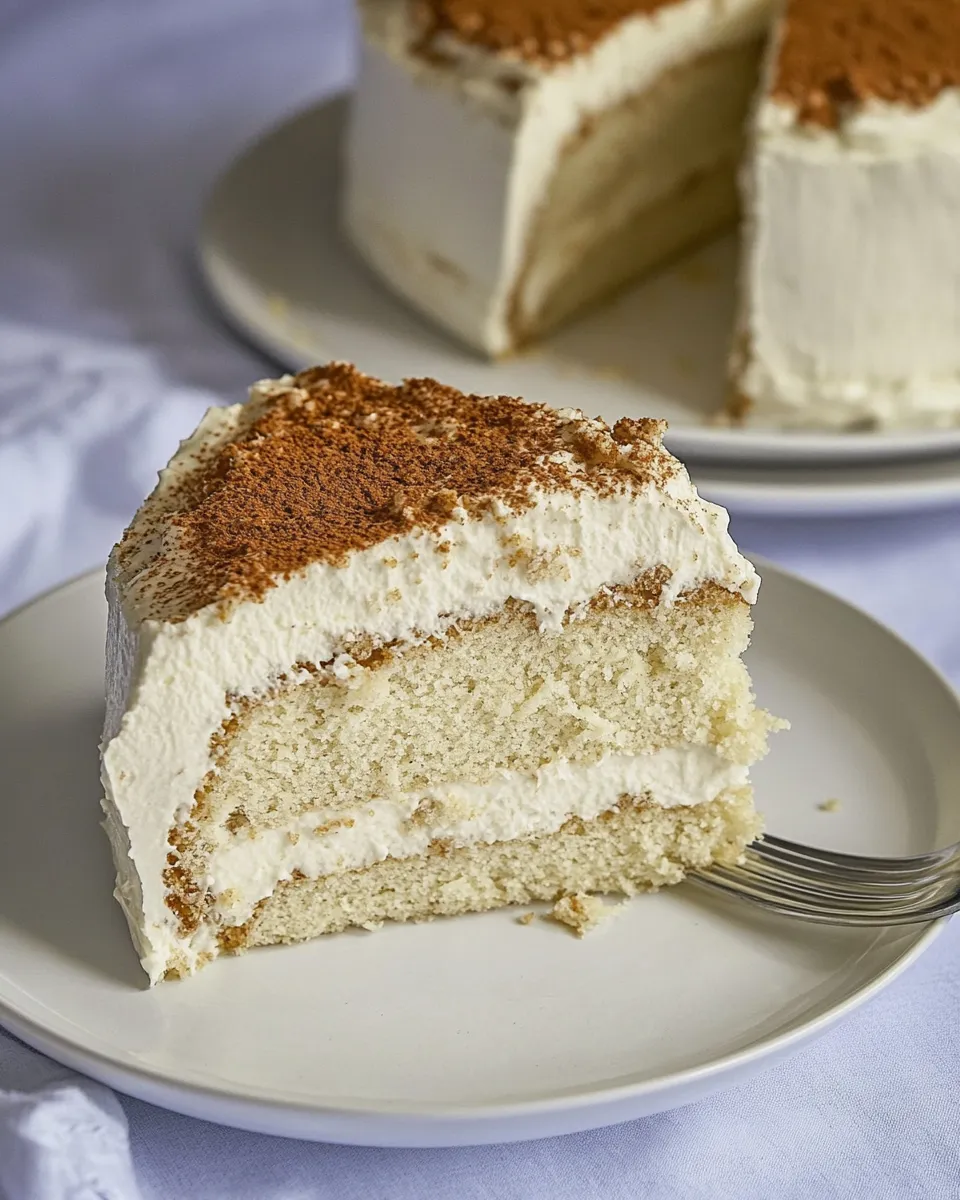
It’s predictable. The ingredients are straightforward and behave consistently—no tempering eggs, no custardy steps. Because the leavening is chemical (baking soda + vinegar), the rise happens quickly and reliably. The oil keeps the crumb tender and the shelf-life decent: this cake stays moist for a day or two at room temperature.
Another plus: the neutral flavor. That neutral base accepts frostings, glazes, jams, or a dusting of powdered sugar without clashing. If you want a bright lemon cake or a gentle chocolate version, you can build on this base without changing the technique.
Flavor-Forward Alternatives
- Lemon: Add 1 tablespoon lemon zest to the dry ingredients and replace 2 teaspoons of the water with 2 teaspoons of lemon juice for a fresh lift.
- Chocolate: Swap 1/3 cup of the flour for 1/3 cup unsweetened cocoa powder, sifted with the flour to avoid lumps.
- Spice: Add 1 teaspoon ground cinnamon and 1/4 teaspoon ground nutmeg to the dry mix for a warm, cozy profile.
- Almond: Replace 1 teaspoon vanilla with 1/2 teaspoon almond extract for a nutty aroma; pair with sliced almonds on top.
Essential Tools for Success
- 8-inch round cake pan — the recipe is tuned to this size; using a different pan changes bake time.
- Wire rack — cools the cake evenly and prevents soggy bottoms.
- Measuring cups and spoons — accurate dry and liquid measures make a big difference.
- Rubber spatula or wooden spoon — for gentle folding without overworking the batter.
- Toothpick or cake tester — to check doneness at the end of baking.
Avoid These Mistakes
- Overmixing the batter: you’ll develop gluten and get a dense cake. Fold just until large streaks disappear.
- Incorrect measuring: pack flour or too much sugar will dry the cake. Spoon and level the flour cup.
- Wrong pan size: a larger pan thins the batter and shortens bake time; a smaller pan raises the center and can underbake the middle.
- Opening the oven early: don’t interrupt the initial rise in the first 20 minutes; it can cause the cake to sink.
- Skipping the vinegar: the acid is necessary to activate the baking soda. Don’t omit or replace without an acid equivalent.
Seasonal Spins
Small changes make the cake feel seasonal. In spring, add lemon zest and top with macerated berries. Summer calls for a thin glaze and fresh fruit on top. In fall, fold in a few tablespoons of applesauce (replace an equal part of water) and add warm spices. Winter works well with a chocolate glaze and a sprinkle of flaky sea salt.
What I Learned Testing
When I first made this, the batter looked very thin and I worried. That’s expected—this formula relies on a thinner, pourable batter because of the oil and water. It bakes up tender, so trust the process. Also: the vinegar-baking soda reaction gives a good initial lift, but there’s no egg structure to hold a huge dome; the cake rises gently and evenly.
Another practical note: if you prefer a slightly sweeter crust, use the full cup of sugar as written. If you want to frost the cake and prefer less sweetness in the crumb, try reducing the sugar by 1 to 2 tablespoons on your next bake; do it consistently, not haphazardly.
Save It for Later
Storing
Room temperature: keep the cake wrapped or in an airtight container for up to 2 days. Refrigeration will extend life to 4–5 days but can dry the crumb; wrap tightly to prevent that.
Freezing
Wrap the fully cooled whole cake or individual slices in plastic wrap, then foil, and freeze for up to 2 months. Thaw in the refrigerator overnight, then bring to room temperature before serving. A quick warm in a low oven or microwave can revive softness.
Quick Questions
- Can I make this dairy-free? Yes—there is no dairy in the ingredient list as written.
- Can I use a different oil? Any neutral vegetable oil works; mild olive oil is okay but has a flavor.
- What if I don’t have baking soda? Baking soda is required here because it reacts with vinegar; swapping to baking powder changes the chemistry and needs a different ratio.
- Can I double the recipe? Yes—bake in two pans rather than one larger pan to maintain baking time and depth.
Wrap-Up
This Eggless Cake gives you a fast, reliable canvas: tender crumb, neutral flavor, and simple technique. Measure carefully, fold gently, and trust that a thin batter can become a lovely cake. Once cooled, it’s ready for a dusting of sugar, a slick of frosting, or a dollop of jam. Keep the recipe in your rotation for easy celebrations, allergy-friendly dessert options, or whenever you want a no-fuss cake that performs every time.
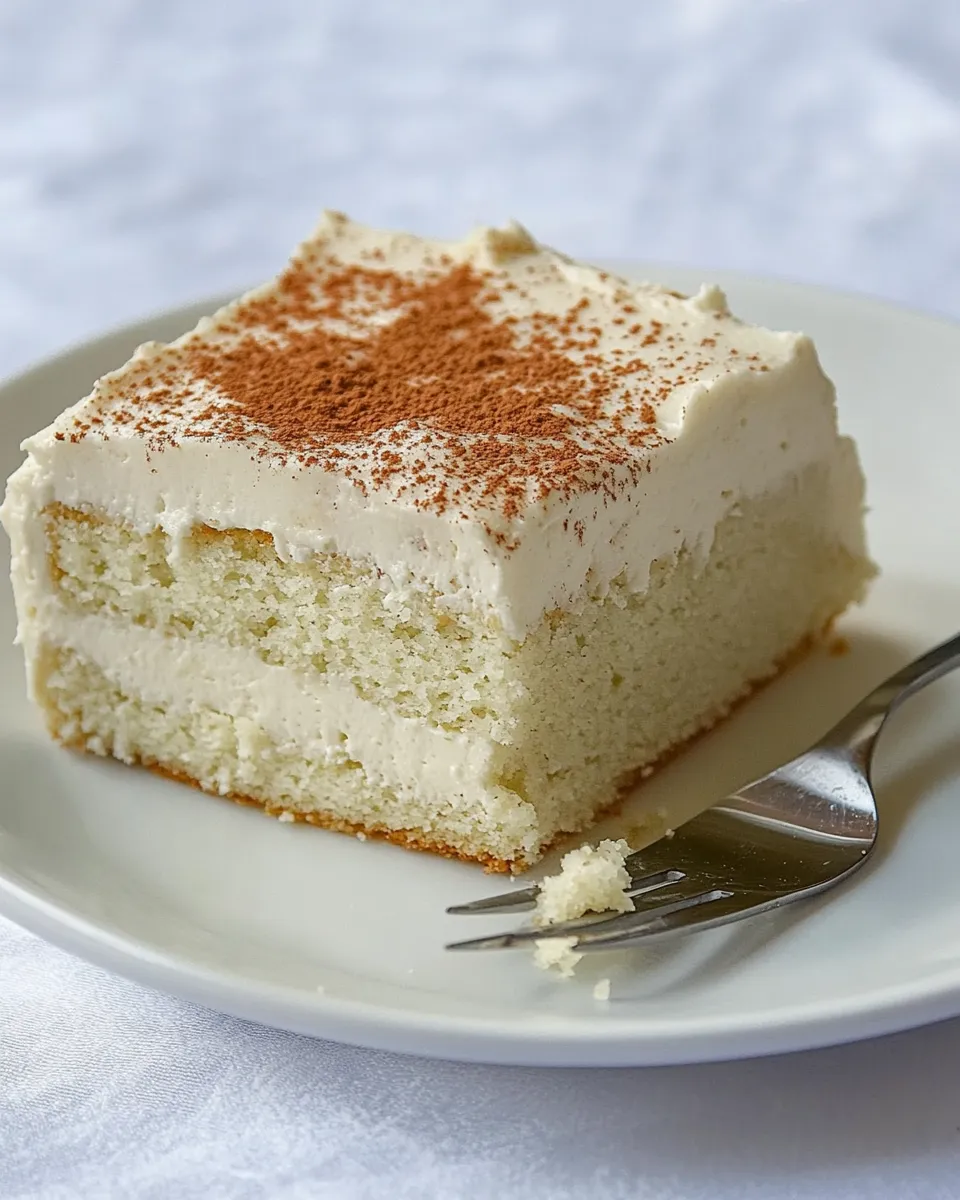
Eggless Cake Recipe
Ingredients
Equipment
Method
- Preheat the oven to 350°F and grease an 8-inch round cake pan.
- In a large bowl, whisk together 2 cups all-purpose flour, 1 cup granulated sugar, 1 teaspoon baking soda, and ½ teaspoon salt until evenly combined.
- In a separate bowl or measuring cup, stir together 1 cup water, ½ cup vegetable oil, 1 tablespoon white vinegar, and 2 teaspoons vanilla extract.
- Make a well in the center of the dry ingredients and pour the wet mixture into the well.
- Gently fold the wet and dry ingredients together with a spatula or spoon until just combined; stop as soon as there are no large streaks of flour (some small lumps are fine).
- Pour the batter into the prepared pan, smooth the top lightly, and tap the pan on the counter once or twice to release any large air bubbles.
- Bake in the preheated oven for about 30 minutes, or until a toothpick inserted into the center comes out clean.
- Let the cake cool in the pan on a wire rack for 10 minutes, then loosen the edges if needed and transfer the cake to the wire rack to cool completely before serving.