Floating Island
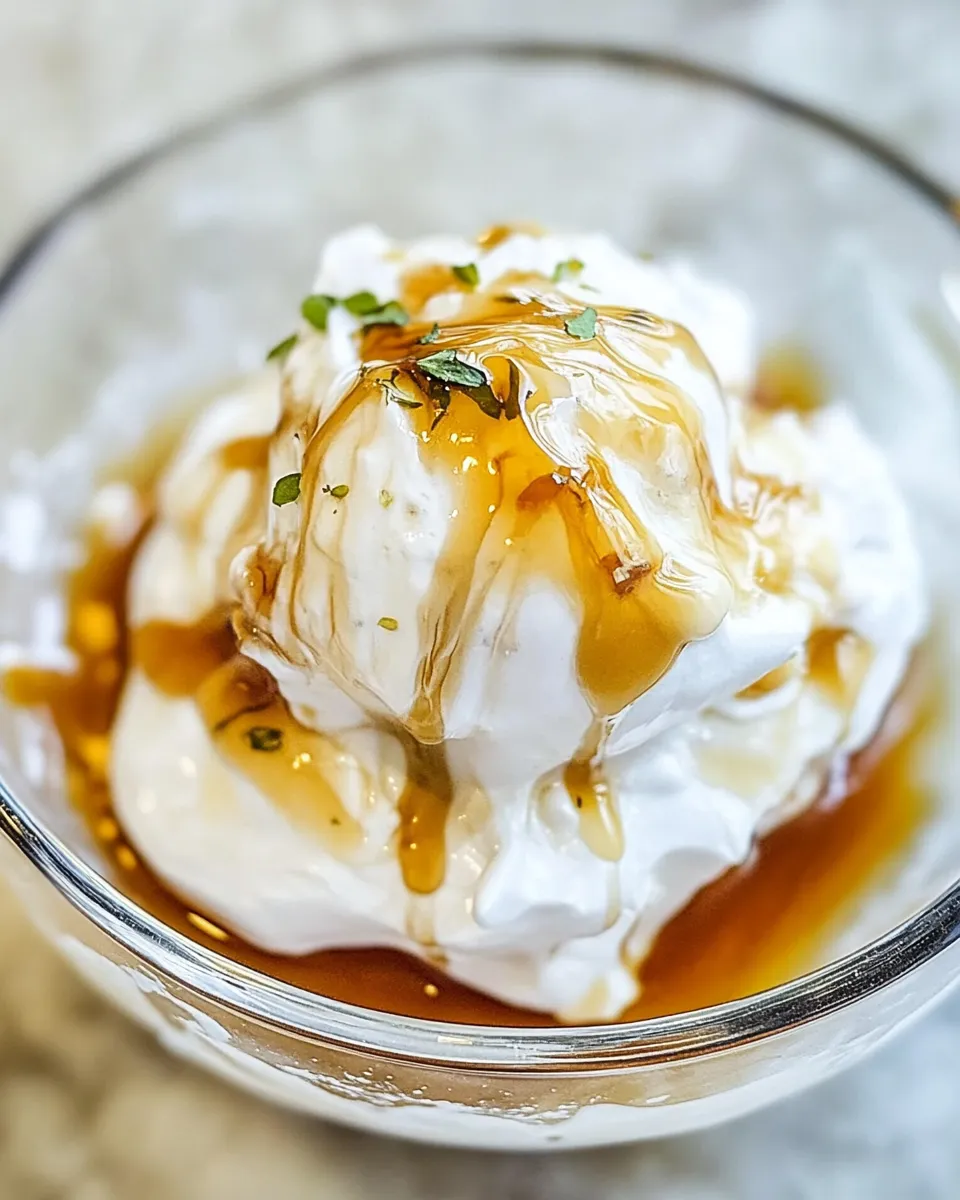
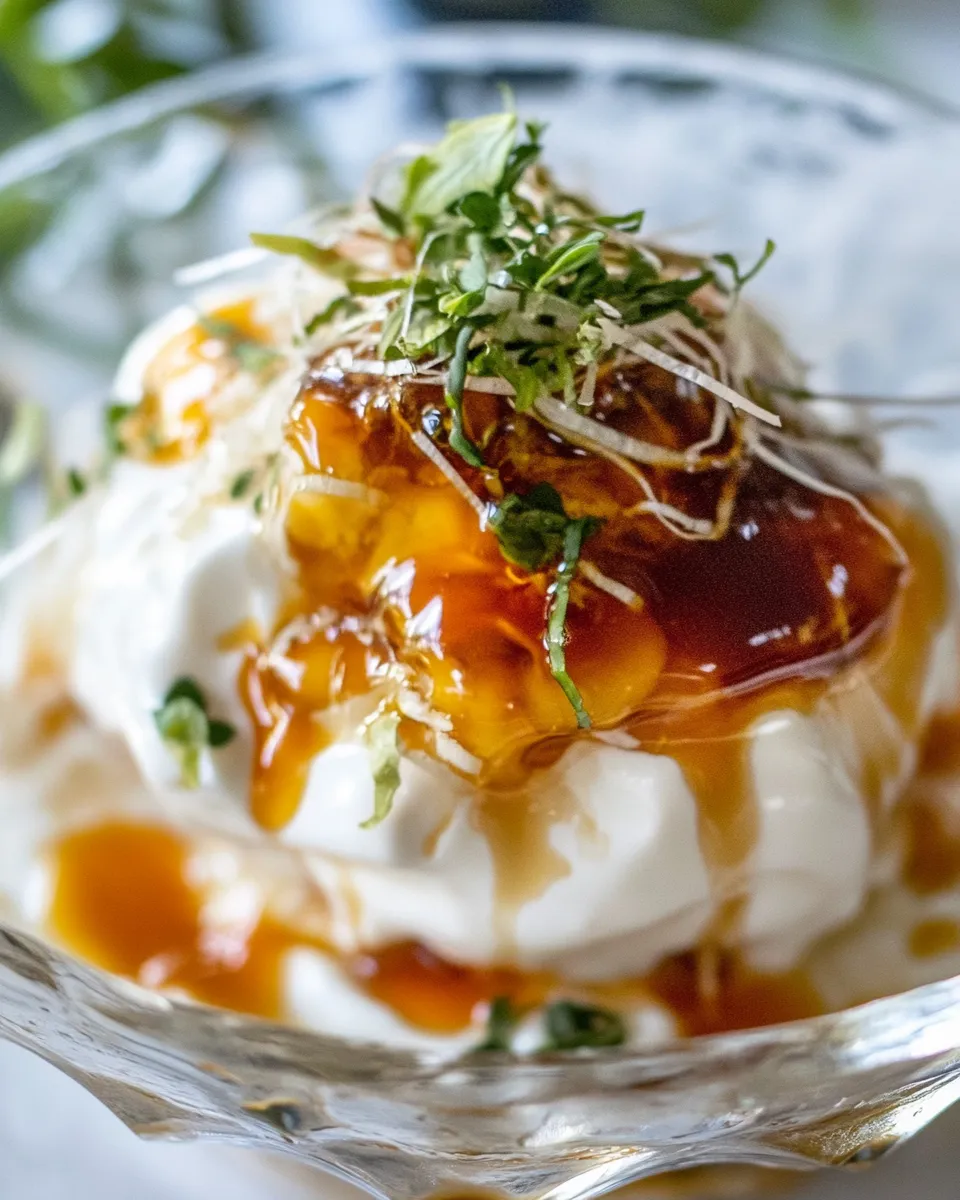
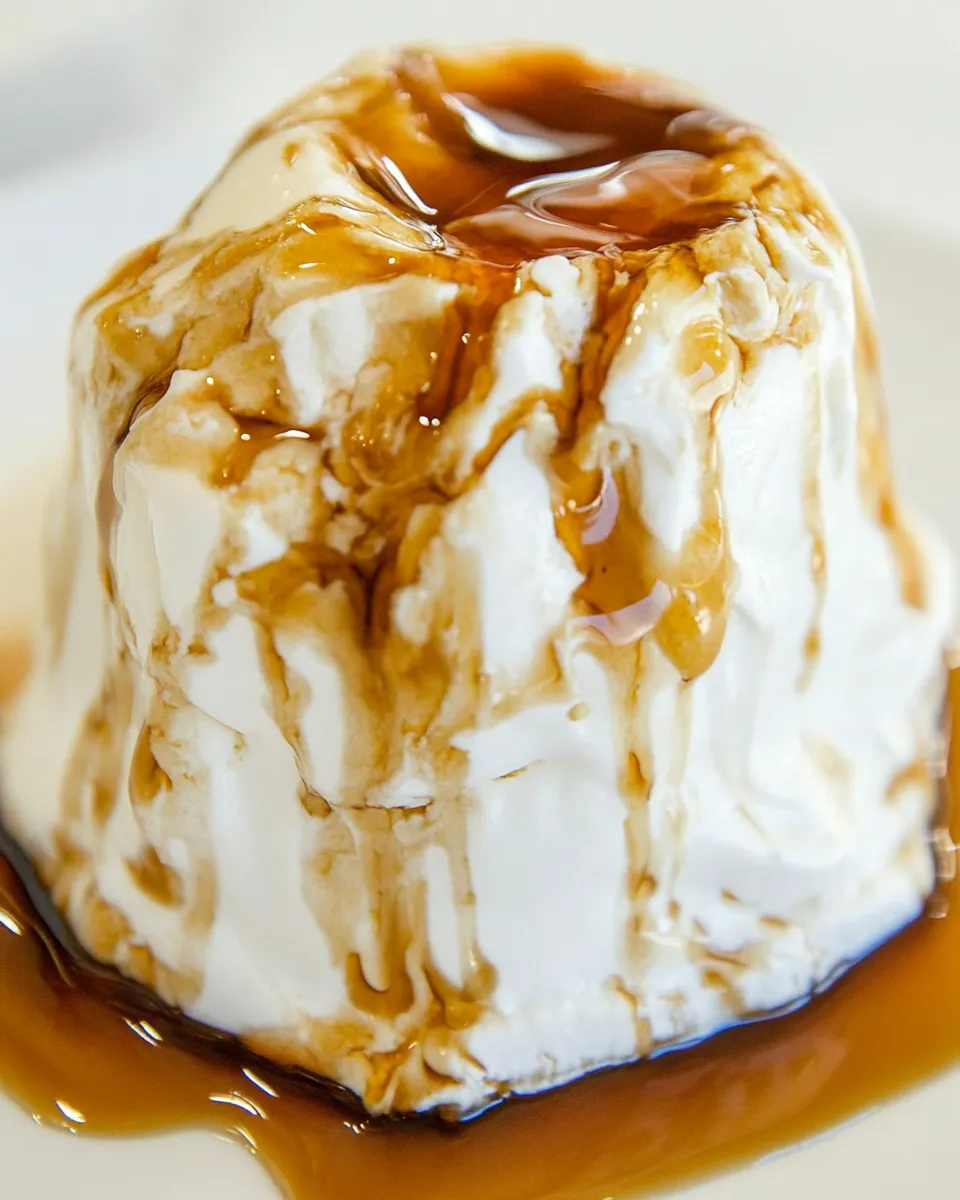
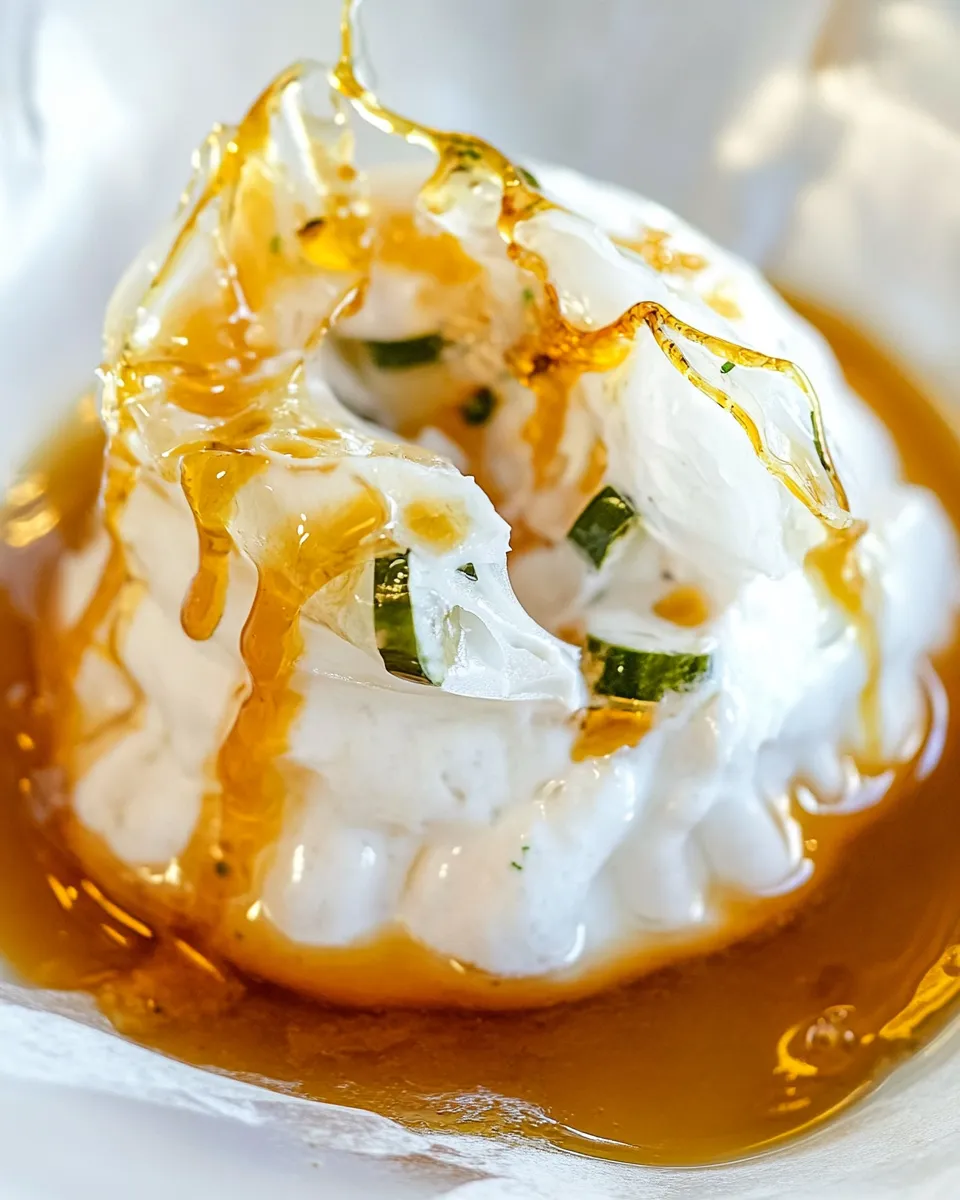
Floating Island is one of those elegant desserts that looks like effort but is straightforward if you respect a few simple steps. It pairs a silky crème anglaise with cloud-like poached meringues and a hot, nutty caramel drizzle. The contrast in textures and temperatures makes every spoonful interesting.
I like this dessert because it rewards patience rather than fancy equipment. You’ll temper eggs, whisk a custard, poach meringues, then finish with a quick caramel. Each stage is short and focused. Follow the sequence and you’ll end up with something impressive—without drama.
Below I walk you through the ingredients and the exact method, then cover swaps, gear, common mistakes, storage tips, and quick troubleshooting. Read the method through first, then work steadily—this keeps the timing tidy and the meringues perfectly buoyant.
Ingredient List
- 2 cups (500 ml) whole milk — the base of the crème anglaise; whole milk gives the custard its richness and silky mouthfeel.
- 6 to 8 large egg yolks — these thicken and enrich the custard; use six for a lighter set, eight for a richer custard.
- 1/2 cup (100 g) sugar — sugar for the custard; it sweetens and helps stabilize the texture.
- 1/2 vanilla bean — split and scraped to infuse pure vanilla flavor directly into the milk; keeps the flavor clean and aromatic.
- 6 to 8 large egg whites, at room temperature — for the poached meringues; room temperature whites whip more easily and give better volume.
- 1/3 cup (65 g) sugar — sugar for the meringue; added gradually to create a glossy, stable foam.
- pinch of salt — a small amount brightens the meringue’s flavor and balances sweetness.
- 3/4 cup (150 g) sugar — for the caramel; caramelizes to a medium amber for color and flavor.
- 3 tablespoons water — helps the sugar in the skillet dissolve evenly and reach caramel stage without burning.
Method: Floating Island
- Make an ice bath: nest a medium metal bowl inside a larger bowl and fill the outer bowl with ice and a little cold water; set a fine-mesh strainer over the metal bowl and set aside.
- In a medium saucepan, combine 2 cups (500 ml) whole milk and 1/2 cup (100 g) sugar. Split the 1/2 vanilla bean lengthwise, scrape the seeds into the milk, and add the pod to the milk as well.
- In a separate bowl, whisk together 6 to 8 large egg yolks (use six for a lighter custard, eight for a richer one) until smooth.
- Heat the milk mixture over medium until it is steaming and small bubbles form at the edges, but do not let it boil.
- Temper the yolks: whisk about 1/2 cup of the hot milk into the yolks to warm them, then gradually whisk the yolk mixture back into the saucepan with the remaining milk.
- Cook the custard over medium-low, stirring constantly with a heatproof spatula and scraping the bottom and sides of the pan, until it thickens enough to coat the spatula. Do not let the mixture boil.
- Immediately pour the custard through the strainer into the chilled metal bowl. Remove and discard the vanilla pod. Stir the custard briefly to help it cool, then refrigerate until cold.
- Prepare to poach the meringues: line a baking sheet with a clean tea towel or paper towels. In a large, wide saucepan or casserole, fill with water to about halfway and heat until it reaches a lively simmer.
- In the bowl of a stand mixer fitted with the whisk, or in a large bowl using a hand whisk, whip 6 to 8 large egg whites (at room temperature) with a pinch of salt until foamy. Increase speed and, once the whites begin to hold some shape, add 1/3 cup (65 g) sugar one tablespoon at a time while continuing to whip until the whites hold firm peaks but are not dry.
- Using two large soup spoons, form ovals of meringue and transfer each oval into the simmering water: scoop with one spoon and scrape with the second to drop the meringue gently into the water. Do not overcrowd the pot; allow the meringues to float freely (about 4–6 at a time in a large pot).
- Poach the meringues for 3–4 minutes, flip each with a slotted spoon, and poach the other side for another 3–4 minutes. Remove the poached meringues with a slotted spoon and place them on the lined baking sheet. Repeat with remaining meringue.
- Pour the chilled crème anglaise into a large, wide, chilled serving bowl. Gently nest the poached meringues on top so they float on the custard.
- Make the caramel: in a skillet, combine 3/4 cup (150 g) sugar and 3 tablespoons water. Heat over medium without stirring; if necessary, very gently swirl the pan so the sugar cooks evenly, until the syrup turns a medium amber color. Turn off the heat.
- Working carefully (the caramel will be very hot), use a spoon to drizzle the caramel over the meringues. Serve immediately.
Top Reasons to Make Floating Island
- It’s dramatic with minimal effort: a few focused steps create a dessert that looks like a patisserie classic.
- Textural contrast: silky custard plus feather-light meringues and crisp caramel deliver a satisfying range of sensations.
- Scales easily: make it for two or for a crowd; adjust the number of meringues without changing technique.
- Impresses at the table: finishing the meringues with hot caramel is simple and makes a strong visual and flavor impact.
- Uses pantry staples: eggs, sugar, milk, and vanilla—nothing exotic, but the result is special.
Ingredient Swaps & Substitutions
- Whole milk — for a richer custard, replace part of the milk with light cream or half-and-half. If you must use lower-fat milk, expect a thinner, less luxurious texture.
- Vanilla bean — if you don’t have a vanilla bean, use 1 to 1 1/2 teaspoons good-quality vanilla extract added off heat once the custard is strained and slightly cooled.
- Egg yolks and egg whites counts — the recipe is written for 6 to 8 each. Keep the same numbers for whites and yolks as called for when you decide on richness to avoid leftover eggs.
- Sugar for caramel — granulated white sugar gives the cleanest caramel color and flavor. Brown sugar will change the flavor profile and is not recommended for this clear caramel technique.
- Pinch of salt — skip only if you’re on strict sodium restriction; otherwise the small amount enhances sweetness and balances flavors.
Gear Up: What to Grab
- Medium saucepan — for heating the milk and finishing the custard.
- Medium metal bowl and larger bowl — for the ice bath used to cool the custard quickly.
- Fine-mesh strainer — essential to remove any cooked egg bits and the vanilla pod.
- Stand mixer with whisk attachment or hand whisk — to make stable meringues.
- Large, wide saucepan or casserole — to poach the meringues in simmering water.
- Slotted spoon and two large soup spoons — for forming, flipping, and removing the poached meringues.
- Skillet — to make the caramel right before serving.
- Baking sheet and clean tea towel or paper towels — to rest poached meringues and drain excess water.
Avoid These Mistakes
- Letting milk boil while making crème anglaise — it scalds and can produce grainy texture. Heat until steaming and small bubbles appear, then remove or reduce heat.
- Skipping tempering — adding hot milk directly to egg yolks will scramble them. Always whisk in about 1/2 cup of hot milk first, then return gradually.
- Overcooking custard — don’t let it boil. Cook until it coats a spatula and thickens slightly; the residual heat will finish it.
- Whipping meringues too dry — stop when whites hold firm peaks but are still glossy; overbeating makes them grainy and difficult to poach smoothly.
- Overcrowding the poaching pot — meringues need room to float. Cook in batches so they don’t stick together or collapse.
- Pouring caramel without caution — it’s extremely hot. Drizzle carefully and avoid sudden movements around the serving bowl to prevent splashes.
Make It Year-Round
Floating Island works any time of year because it’s light and not overly sweet. In warm months serve well-chilled and keep the custard in the fridge until the last moment so it’s refreshing. In cooler months you can serve the crème anglaise slightly warmer and move faster with the meringue poaching so the contrast between warm custard and room-temperature meringues is cozy.
For seasonally relevant garnishes, add fresh berries in summer or a few toasted nuts in autumn if you like extra texture (sprinkle them at the last second so they stay crisp). The basic technique remains the same year-round.
Little Things that Matter
- Chill the serving bowl for the crème anglaise — it helps the custard stay cool once the meringues are in place.
- Use room-temperature egg whites — they trap air more easily and give better meringue volume.
- Strain the custard while it’s still warm into the iced bowl — this both cools it faster and removes any tiny cooked flecks.
- Keep a damp towel under the baking sheet when poaching meringues — it prevents them from sliding and absorbs excess water.
- Watch the caramel closely — it can go from amber to burnt quickly. Remove from heat as soon as it reaches a medium amber hue.
Make Ahead Like a Pro
- Crème anglaise: make up to 24 hours ahead. Strain, chill in an airtight container, and give it a stir before assembling.
- Meringues: poach and cool on the lined baking sheet, then cover loosely and refrigerate for a few hours. Gently rewarm in a very low oven (200°F / 95°C) for 5–7 minutes if you want them warm; otherwise serve at room temperature.
- Caramel: don’t make caramel ahead—the hot caramel is part of the finishing moment. Make it right before serving so it’s fluid and shiny for drizzling.
- Assemble just before serving: pour chilled custard into the serving bowl, nest meringues on top, then drizzle warm caramel and serve immediately.
Floating Island Q&A
- My custard didn’t thicken—what went wrong? — Most likely it didn’t cook long enough over medium-low or the heat was too low. Cook while stirring until it coats a spatula, then chill to set. Make sure you didn’t dilute it with too cold a bowl before it had a chance to thicken.
- Can I use pasteurized eggs for the meringue and custard? — Yes. Pasteurized eggs are fine and safer for lightly cooked preparations. The custard still needs to reach a safe texture; follow the tempering and cooking steps.
- What if my meringues fall apart in the water? — They were likely under-whipped or over-whipped. The whites should hold firm peaks but remain glossy. Also avoid breaking them as you drop them into the pot—use two spoons for a gentle transfer.
- How long will the assembled dessert hold? — Best served immediately after the caramel is added. If assembled, it will hold in the fridge for a few hours, but the meringues will soften as they sit in the custard.
- Can I flavor the crème anglaise differently? — Yes. Add citrus zest or a splash of liqueur after straining and cooling for a flavor twist. Add those sparingly so they don’t overpower the vanilla.
Save & Share
If you make Floating Island, take a photo right after the caramel hits the meringues—this is the most photogenic moment. Bookmark this page or save the recipe card so you can review the timing before you start. If you share the dish, mention the two key timing rules: temper the yolks and poach the meringues in batches. Those two notes will save anyone from culinary frustration.
Enjoy the process. This dessert invites calm attention and pays off with elegant results.
Floating Island
Ingredients
Equipment
Method
- Make an ice bath: nest a medium metal bowl inside a larger bowl and fill the outer bowl with ice and a little cold water; set a fine-mesh strainer over the metal bowl and set aside.
- In a medium saucepan, combine 2 cups (500 ml) whole milk and 1/2 cup (100 g) sugar. Split the 1/2 vanilla bean lengthwise, scrape the seeds into the milk, and add the pod to the milk as well.
- In a separate bowl, whisk together 6 to 8 large egg yolks (use six for a lighter custard, eight for a richer one) until smooth.
- Heat the milk mixture over medium until it is steaming and small bubbles form at the edges, but do not let it boil.
- Temper the yolks: whisk about 1/2 cup of the hot milk into the yolks to warm them, then gradually whisk the yolk mixture back into the saucepan with the remaining milk.
- Cook the custard over medium-low, stirring constantly with a heatproof spatula and scraping the bottom and sides of the pan, until it thickens enough to coat the spatula. Do not let the mixture boil.
- Immediately pour the custard through the strainer into the chilled metal bowl. Remove and discard the vanilla pod. Stir the custard briefly to help it cool, then refrigerate until cold.
- Prepare to poach the meringues: line a baking sheet with a clean tea towel or paper towels. In a large, wide saucepan or casserole, fill with water to about halfway and heat until it reaches a lively simmer.
- In the bowl of a stand mixer fitted with the whisk, or in a large bowl using a hand whisk, whip 6 to 8 large egg whites (at room temperature) with a pinch of salt until foamy. Increase speed and, once the whites begin to hold some shape, add 1/3 cup (65 g) sugar one tablespoon at a time while continuing to whip until the whites hold firm peaks but are not dry.
- Using two large soup spoons, form ovals of meringue and transfer each oval into the simmering water: scoop with one spoon and scrape with the second to drop the meringue gently into the water. Do not overcrowd the pot; allow the meringues to float freely (about 4–6 at a time in a large pot).
- Poach the meringues for 3–4 minutes, flip each with a slotted spoon, and poach the other side for another 3–4 minutes. Remove the poached meringues with a slotted spoon and place them on the lined baking sheet. Repeat with remaining meringue.
- Pour the chilled crème anglaise into a large, wide, chilled serving bowl. Gently nest the poached meringues on top so they float on the custard.
- Make the caramel: in a skillet, combine 3/4 cup (150 g) sugar and 3 tablespoons water. Heat over medium without stirring; if necessary, very gently swirl the pan so the sugar cooks evenly, until the syrup turns a medium amber color. Turn off the heat.
- Working carefully (the caramel will be very hot), use a spoon to drizzle the caramel over the meringues. Serve immediately.
Notes
Do-ahead notes:
You can make the crème anglaise up to three days in advance and refrigerate it. The meringues can be made the same day of serving and refrigerated as well. The caramel is best made and drizzled at the last minute although can be done 1 to 4 hours ahead. The longer you let it sit on the dessert in the refrigerator, the more it will soften and become sticky. A few hours usually is fine, though. No part of this dessert can be frozen.