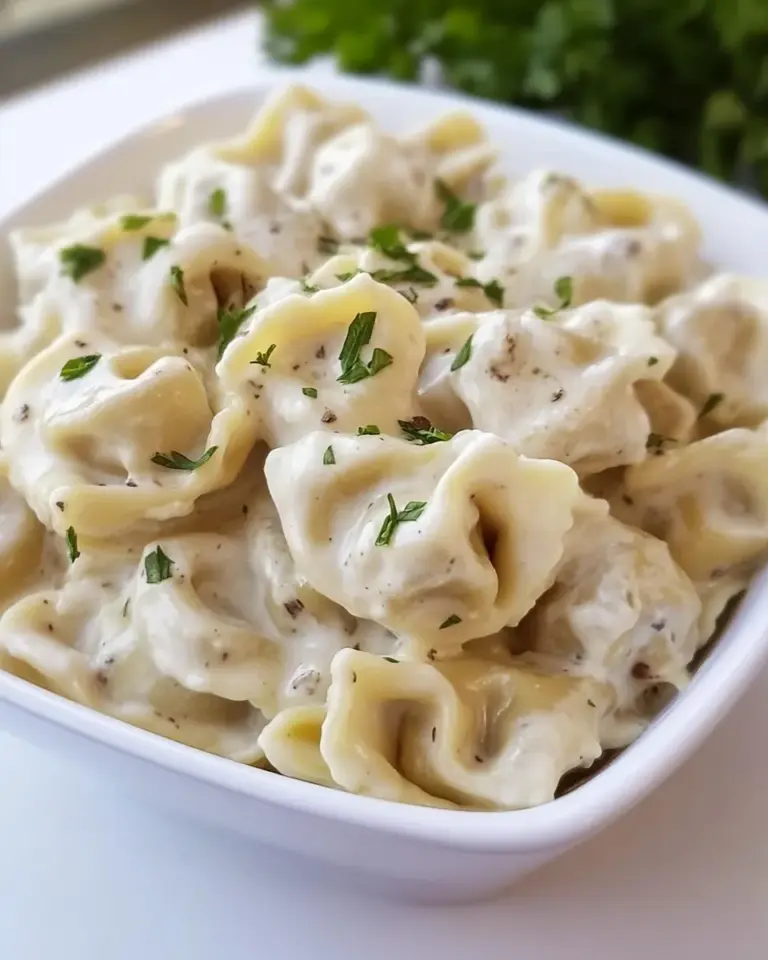
Garlic Parsley Pasta
There are nights when you want something that feels special but takes less time than deciding what to order. This Garlic Parsley Pasta is that kind of dish: humble ingredients, fast assembly, and reliably comforting. It leans on good technique — salted pasta water, reserved cooking liquid, gentle garlic butter — to build flavor without fuss.
I first started making this when my schedule was tight and my pantry was light. It quickly became a go-to for dinner guests and weeknight meals alike. The recipe is forgiving, bright with parsley, and silky from the butter-and-pasta-water emulsion. You can dress it up or keep it simple; both paths work.
Below you’ll find the exact ingredient list and step-by-step directions I use every time. I’ll also include gear, common mistakes to avoid, easy substitutions, and smart storage tips so this becomes one of the handful of recipes you turn to without thinking twice.
The Ingredient Lineup
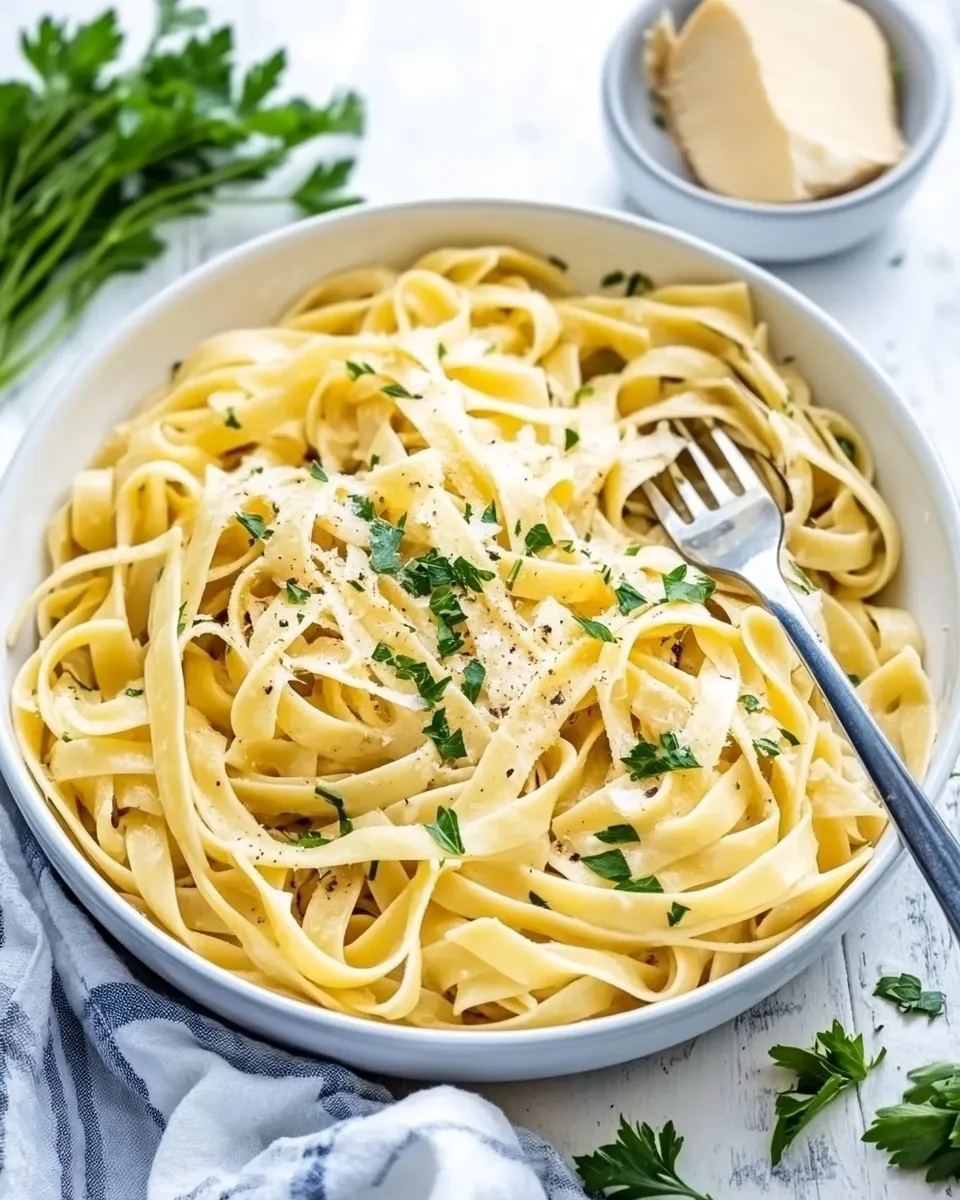
- 12 oz pasta — the base: use long pasta (spaghetti, linguine) or short shapes you prefer; the amount feeds about 2–3 hungry people.
- 1 tablespoon salt — for the pasta water; seasons the pasta from the inside out.
- 3 tablespoons butter — creates richness and helps the sauce cling to the noodles.
- 6 cloves garlic (thinly sliced) — thin slices release aroma without burning quickly; adjust to taste.
- 3 tablespoons olive oil — adds fruitiness and helps make a silky sauce with the butter.
- 3 tablespoons chopped fresh parsley — brightens the dish and keeps it fresh; add a little more if you like herb-forward flavors.
- salt and black pepper — for final seasoning; taste and adjust at the end.
Garlic Parsley Pasta: From Prep to Plate
- Bring a large pot of water to a rolling boil.
- Add 1 tablespoon salt to the boiling water, then add 12 oz pasta. Stir to prevent sticking.
- Cook the pasta for 1 minute less than the time recommended on the package.
- Before draining, reserve 2 cups of the pasta cooking water. Drain the pasta and return it to the pot off the heat.
- While the pasta cooks, melt 3 tablespoons butter in a small skillet over low heat.
- Add 6 cloves garlic (thinly sliced) to the melted butter and cook over very low heat for 4–5 minutes, stirring occasionally, until fragrant but not colored.
- Stir 3 tablespoons olive oil and 3 tablespoons chopped fresh parsley into the butter-garlic mixture, then remove the skillet from the heat.
- Pour the garlic-parsley sauce over the drained pasta along with 2/3 cup of the reserved pasta cooking water. Use tongs to toss and coat the pasta.
- Place the pot over medium heat and cook for about 2 minutes, tossing, until the pasta is well coated and cooked to your liking. Add more of the reserved pasta water a little at a time if the pasta seems dry.
- Season to taste with salt and black pepper and serve immediately.
Why Garlic Parsley Pasta is Worth Your Time
This recipe shines because it asks for very little but delivers a lot. The flavor comes from technique more than from a long ingredient list. Gentle low-heat cooking of garlic in butter tames its bite and brings out a toasty aroma without the bitterness burned garlic can introduce. The reserved pasta water is the quiet hero — its starches help the butter and oil cling to the pasta and make a glossy, silky sauce.
It’s fast: from boiling water to the plate in roughly the time it takes to cook your pasta plus a few minutes of pan work. It’s flexible: serve it as a light main with a salad, or turn it into a heartier dish with beans, shrimp, or a poached egg. And it’s reliable — the kind of formula that feels homemade and intentional even on rushed evenings.
Allergy-Friendly Substitutes
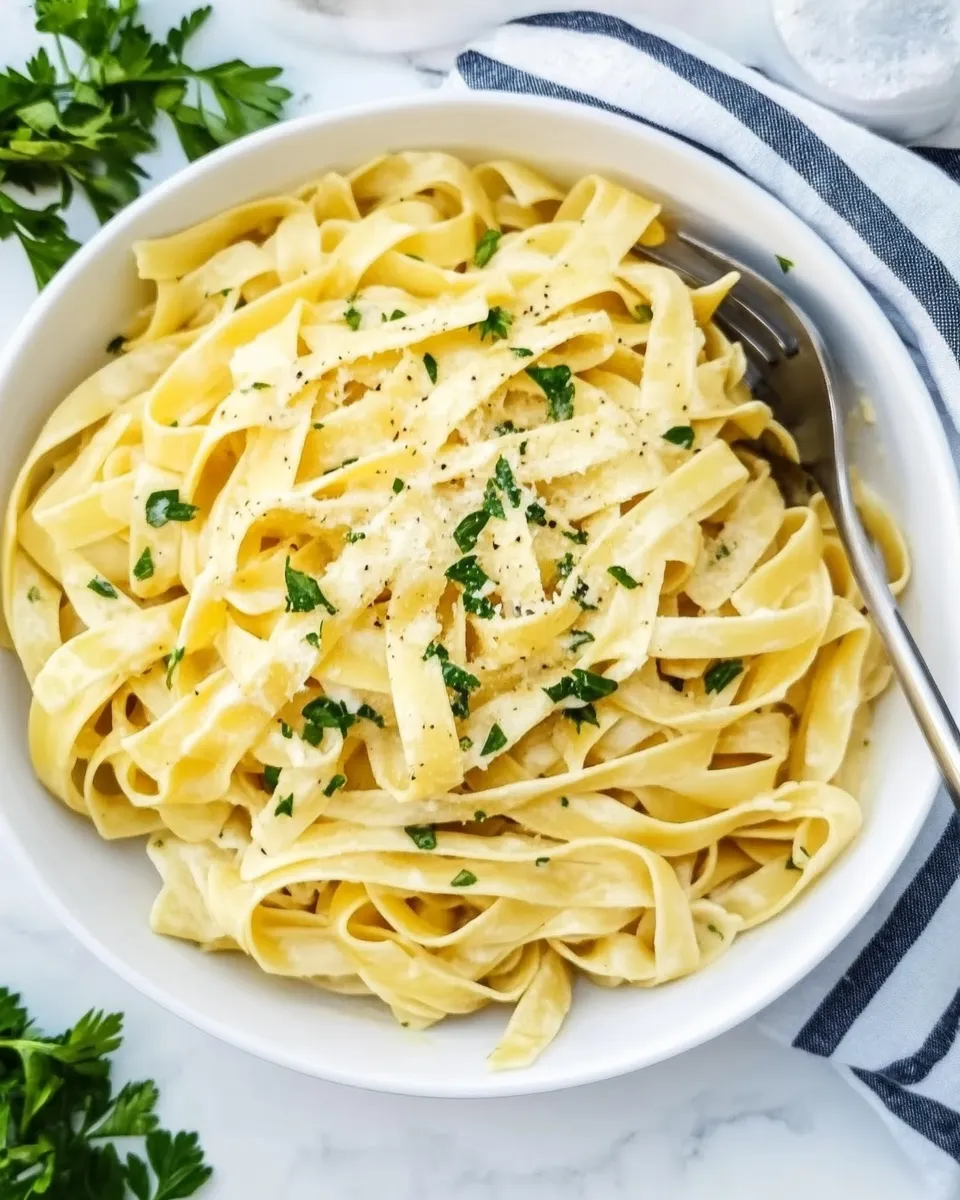
- Butter — swap with a plant-based spread or extra-virgin olive oil for a dairy-free version. Keep the cooking temperature gentle when using oil to avoid a greasy feel.
- Pasta — use gluten-free pasta of comparable weight; cook according to the package but still reserve some cooking water for the sauce.
- Garlic — for a low-FODMAP option, omit garlic and add garlic-infused oil (which retains flavor without the fermentable fibers).
- Parsley — if you’re avoiding parsley specifically, fresh basil or chives can provide a bright herbal note, though the flavor shifts.
What You’ll Need (Gear)
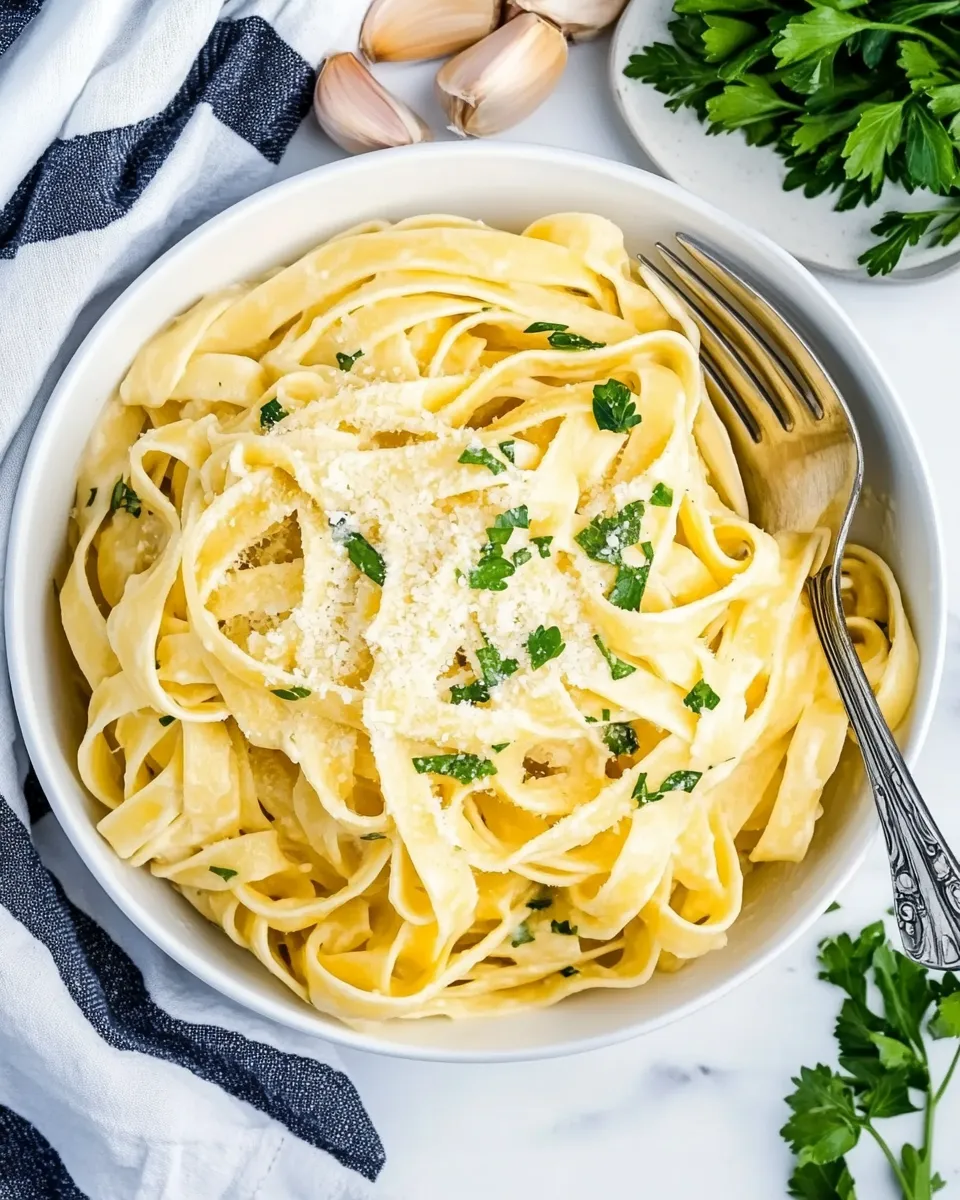
- Large pot — for boiling the pasta comfortably without crowding.
- Colander — to drain pasta quickly and safely.
- Small skillet — for melting butter and gently cooking the garlic.
- Tongs — the easiest tool for tossing pasta with sauce and checking doneness.
- Measuring spoons/cups — to keep quantities consistent, especially the pasta water and butter.
Slip-Ups to Skip
Don’t rush the garlic. Too-high heat turns it bitter. Keep the skillet on very low heat and watch for fragrance rather than color. If it does brown, start over with fresh butter and garlic; the browned bits will add a burnt taste that’s hard to mask.
Don’t forget to salt the pasta water. It’s the only chance to season the pasta itself. A tablespoon for a large pot is appropriate; it should taste faintly of the sea. Skipping this step yields flat-tasting noodles that no amount of finishing salt can fully fix.
Reserve the pasta water. Many people drain and pour the whole pot away reflexively. That starchy water is what helps the butter and oil emulsify into a glossy sauce. Without it, the sauce can sit separately and feel oily rather than cohesive.
Make It Fit Your Plan
For a quick weeknight main
Serve with a simple green salad dressed in lemon and olive oil and a wedge of crusty bread. The brightness of the dressing cuts through the butter, and the bread soaks up any extra sauce.
To boost protein
Add sliced grilled chicken, canned chickpeas (drained and warmed), or sautéed shrimp. Toss them into the pot in step 9 for a minute to marry flavors.
Lower-calorie option
Reduce butter to 1 tablespoon and increase olive oil slightly, or use a plant-based butter substitute. Increase the parsley for brightness so the dish still feels lively.
Insider Tips
- Use long pasta like spaghetti or linguine for the classic silky coating. Short shapes are fine, but the texture and sauce clinging will differ.
- Slice garlic thinly, not minced. Thin slices release flavor slowly and are less likely to burn than minced garlic in a hot pan.
- Keep extras of reserved pasta water near the stove in a measuring cup. Add it slowly, a quarter-cup at a time, until the sauce feels glossy and silky.
- Finish the dish off the heat if you want the pasta to stay softer; briefly return to medium for extra coating and a bit of finishing cook.
- Taste as you go. The amount of salt needed at the end depends on your pasta water salinity and the butter’s saltiness.
Shelf Life & Storage
Leftovers keep well for 2–3 days in an airtight container in the refrigerator. Store without additional garnishes to maintain texture. Reheat gently on the stovetop over low heat, adding a splash of water or reserved pasta water substitute (up to 1–2 tablespoons) to revive silkiness. Microwaving is possible but can make the pasta dry; add moisture and stir halfway through reheating.
If you want to keep it longer, cool quickly and freeze in portioned containers for up to a month. Thaw overnight in the refrigerator and reheat on the stovetop with a bit of water or olive oil to prevent clumping.
FAQ
Q: Can I use pre-minced garlic from a jar?
A: You can, but fresh garlic sliced thinly gives a cleaner, brighter flavor and a better texture. Jarred minced garlic is convenient, but reduce the amount slightly as it can be stronger and more cooked in flavor.
Q: How do I know when the garlic is done in the butter?
A: Look for a fragrant, mellow aroma and keep the slices pale — they should not turn brown. Cook at very low heat for 4–5 minutes and stir occasionally.
Q: Why reserve 2 cups of pasta cooking water?
A: The recipe calls for reserving 2 cups so you have enough to use 2/3 cup with the sauce and still have more available if the pasta seems dry while finishing. The reserved water contains starch that helps emulsify the sauce.
Q: My sauce looks oily. What did I do wrong?
A: That usually means the oil/butter and pasta water didn’t emulsify. Add a little more warm pasta water, toss vigorously, and continue cooking briefly over medium heat to bring it together.
Next Steps
Make this recipe tonight and notice how small technique changes — low heat for garlic, a measured reserve of pasta water, and a short finish — transform simple ingredients into something memorable. If you loved it, try adding a lemon zest finish next time for brightness, or fold in grated Parmesan for a richer, creamier result.
I’d love to hear how you make it your own. Leave a comment with your favorite tweak: a protein you added, a substitution that worked, or the side that made this weeknight meal feel like a treat.
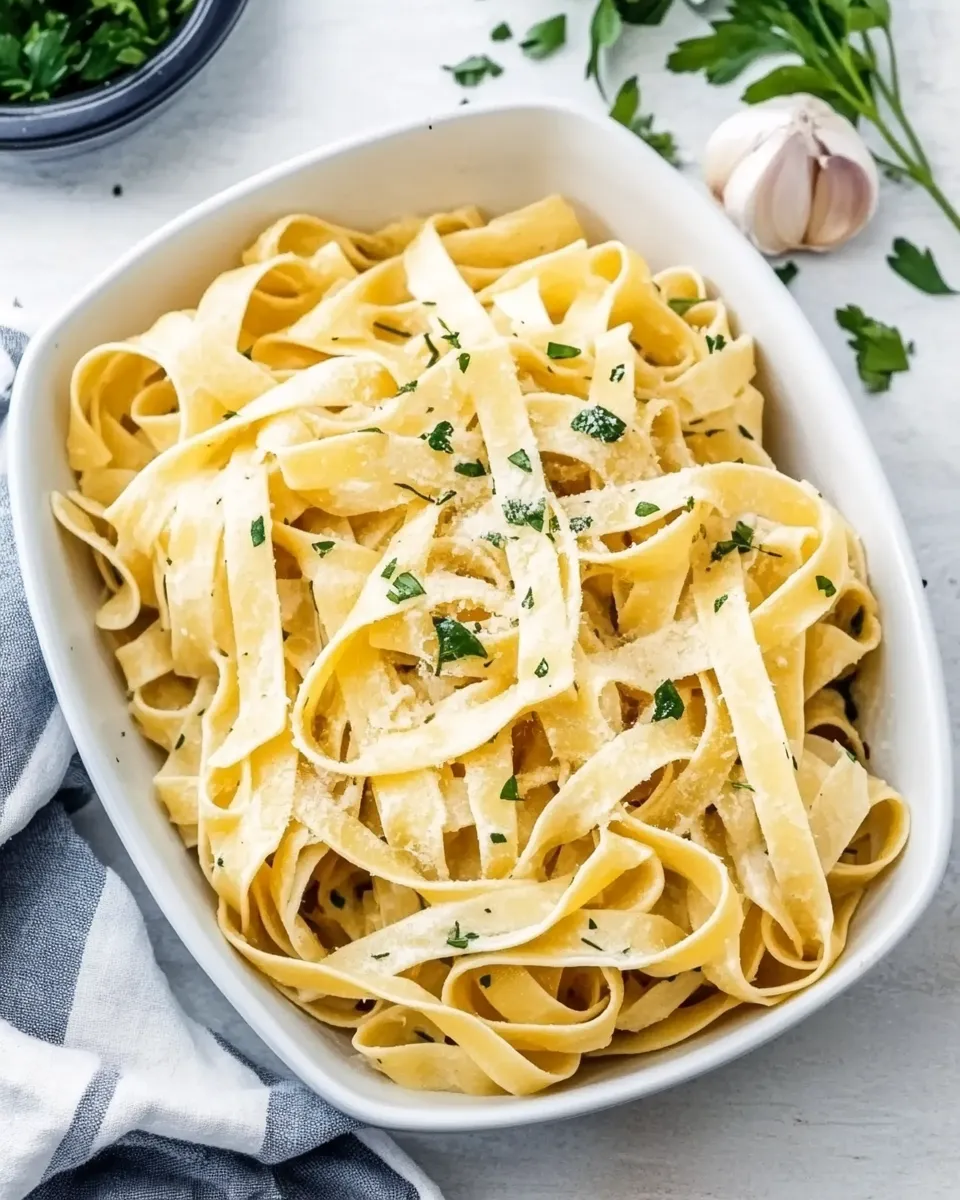
Garlic Parsley Pasta
Ingredients
Equipment
Method
- Bring a large pot of water to a rolling boil.
- Add 1 tablespoon salt to the boiling water, then add 12 oz pasta. Stir to prevent sticking.
- Cook the pasta for 1 minute less than the time recommended on the package.
- Before draining, reserve 2 cups of the pasta cooking water. Drain the pasta and return it to the pot off the heat.
- While the pasta cooks, melt 3 tablespoons butter in a small skillet over low heat.
- Add 6 cloves garlic (thinly sliced) to the melted butter and cook over very low heat for 4–5 minutes, stirring occasionally, until fragrant but not colored.
- Stir 3 tablespoons olive oil and 3 tablespoons chopped fresh parsley into the butter-garlic mixture, then remove the skillet from the heat.
- Pour the garlic-parsley sauce over the drained pasta along with 2/3 cup of the reserved pasta cooking water. Use tongs to toss and coat the pasta.
- Place the pot over medium heat and cook for about 2 minutes, tossing, until the pasta is well coated and cooked to your liking. Add more of the reserved pasta water a little at a time if the pasta seems dry.
- Season to taste with salt and black pepper and serve immediately.