Garlic Pesto
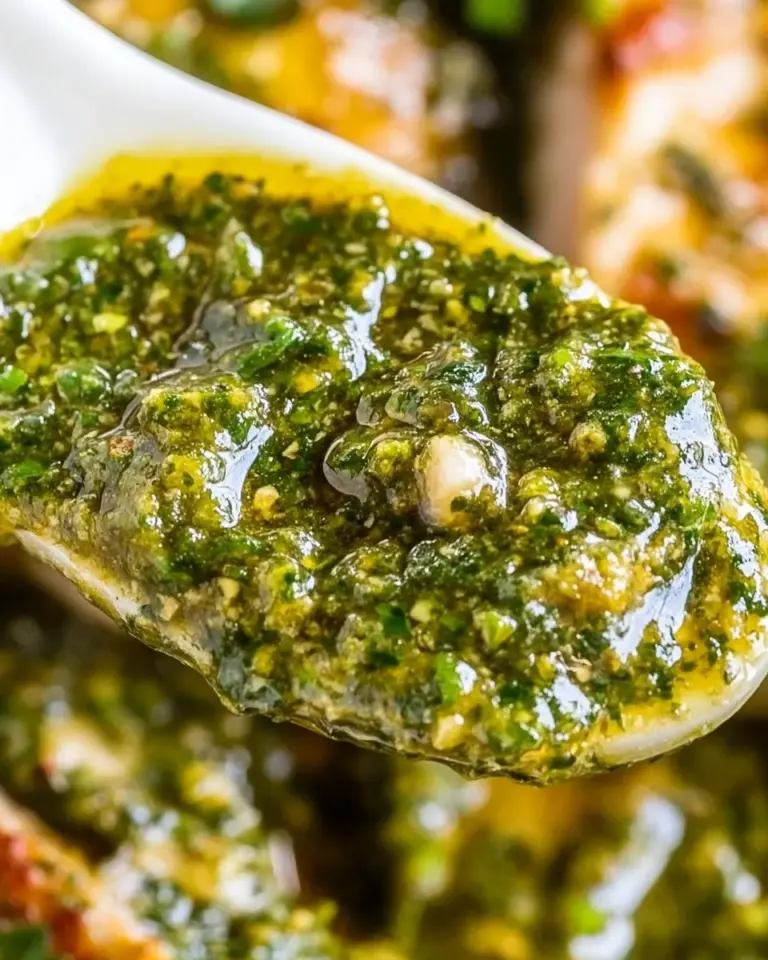
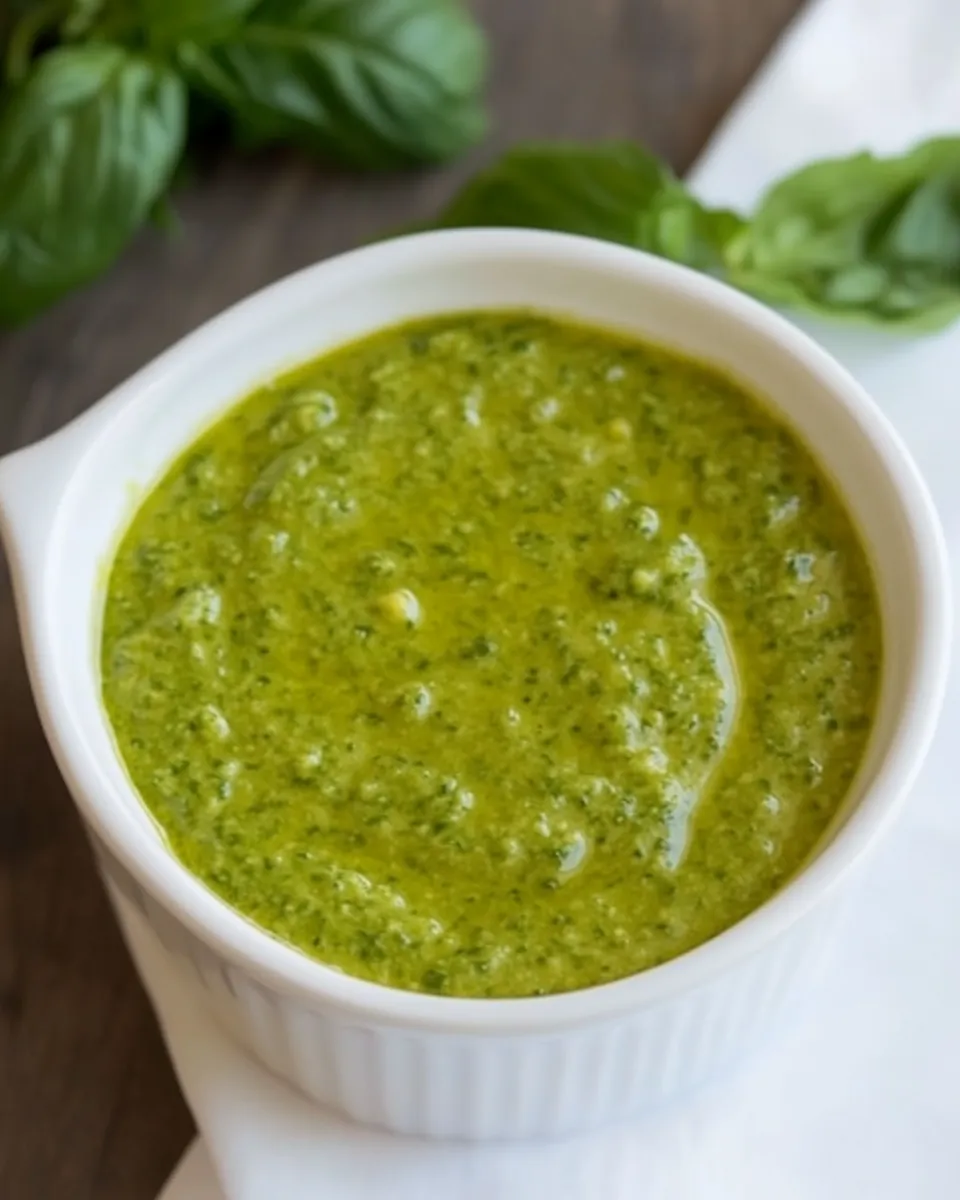
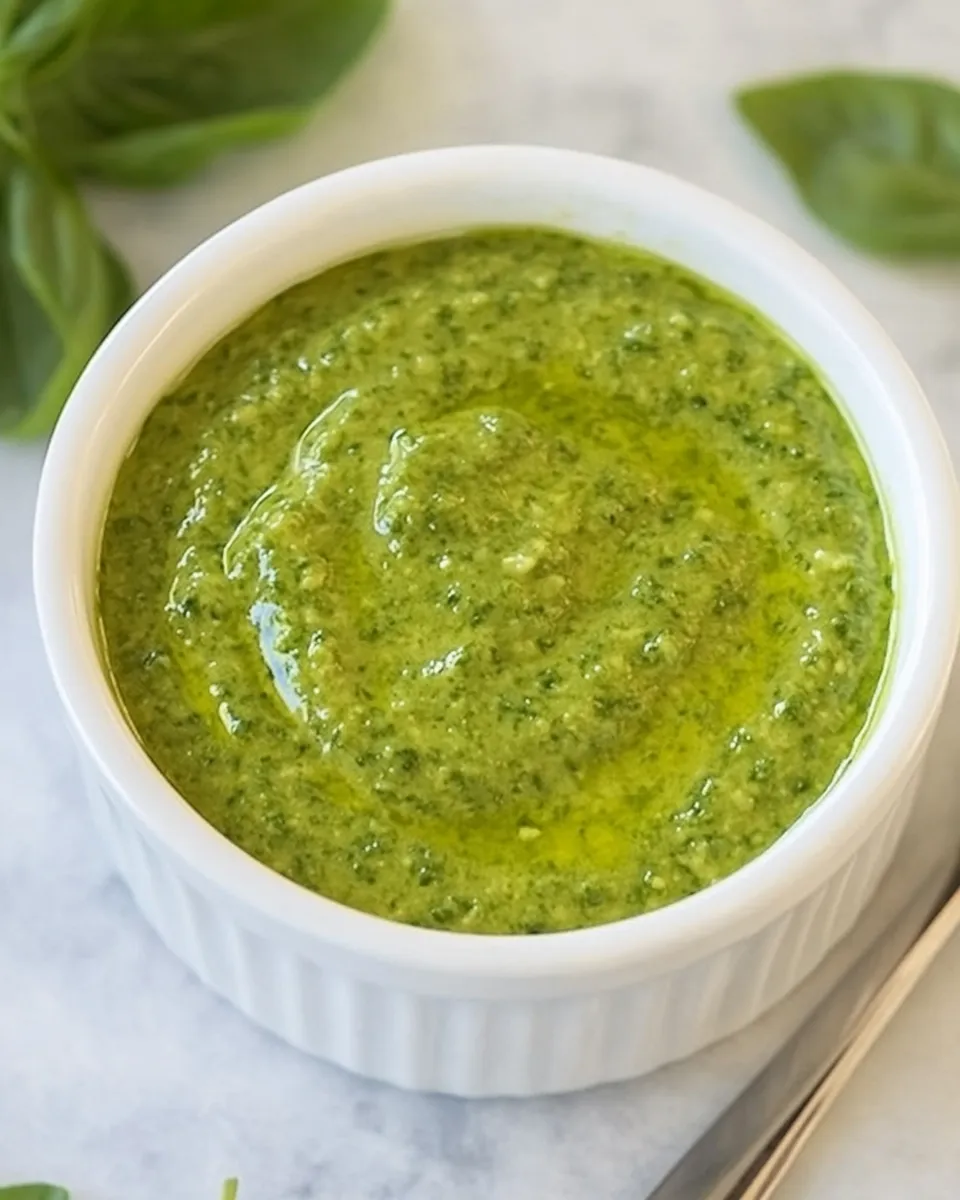
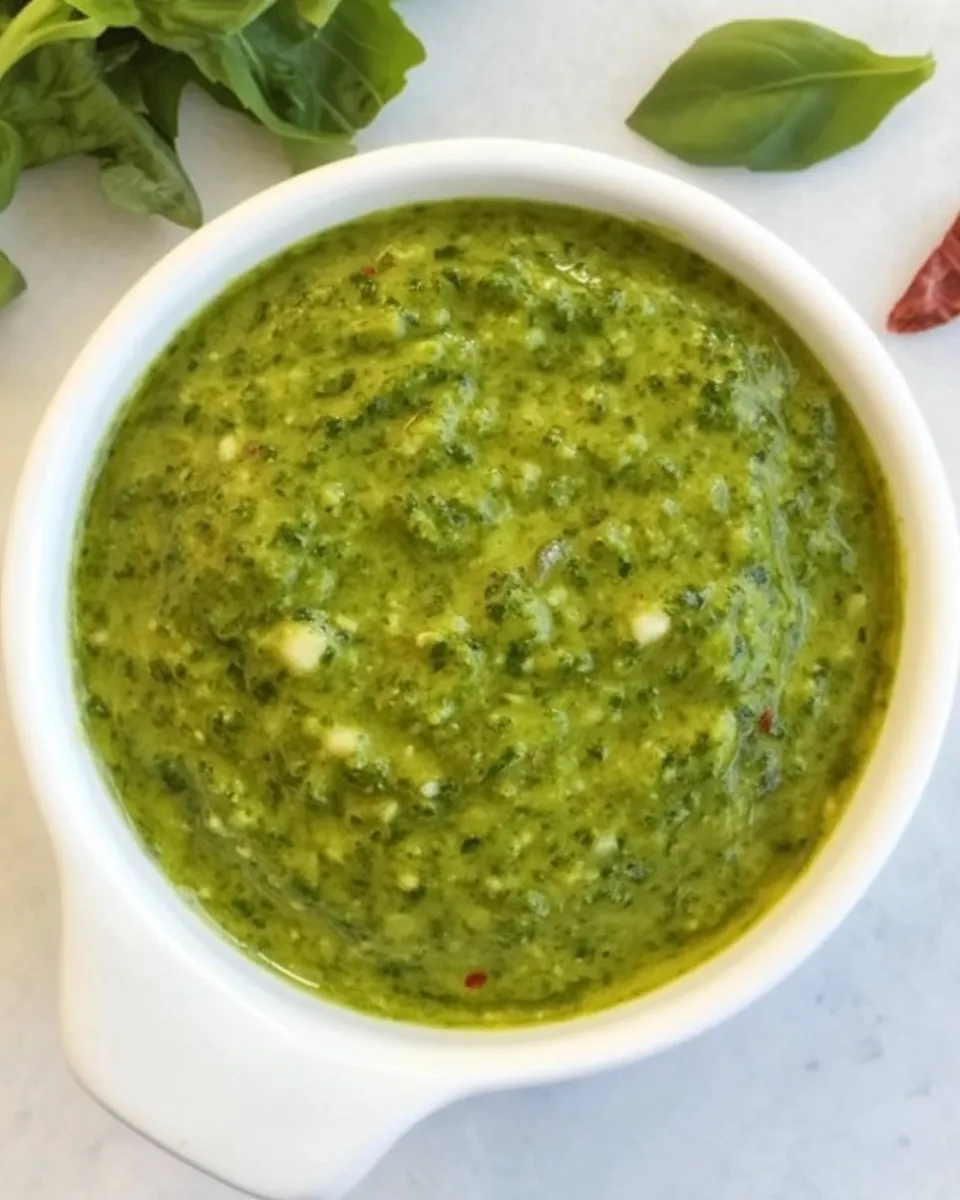
Fresh, bright, and impossibly quick to pull together, this garlic-forward pesto is one of those sauces that makes weeknight dinners feel a little special. It’s vibrant with basil, punched up by garlic and lemon, and rounded out by Parmesan and pine nuts. The texture you end up with depends on how long you blend and how much oil or water you add, so you control whether it’s a thick spread or a silky sauce.
I use this pesto as a finishing sauce on pasta, a smear for grilled bread, and a flavor booster for roasted vegetables. It keeps the basil front and center while the garlic gives it an assertive bite—perfect when you want big flavor with minimal fuss. The method below is straightforward and forgiving, which is exactly what busy cooks need.
Follow the steps in order, and you’ll have pesto that tastes fresh and balanced. There are small technique points through the notes below that will help you tweak it for texture and seasoning, so read those before you start blending.
Shopping List
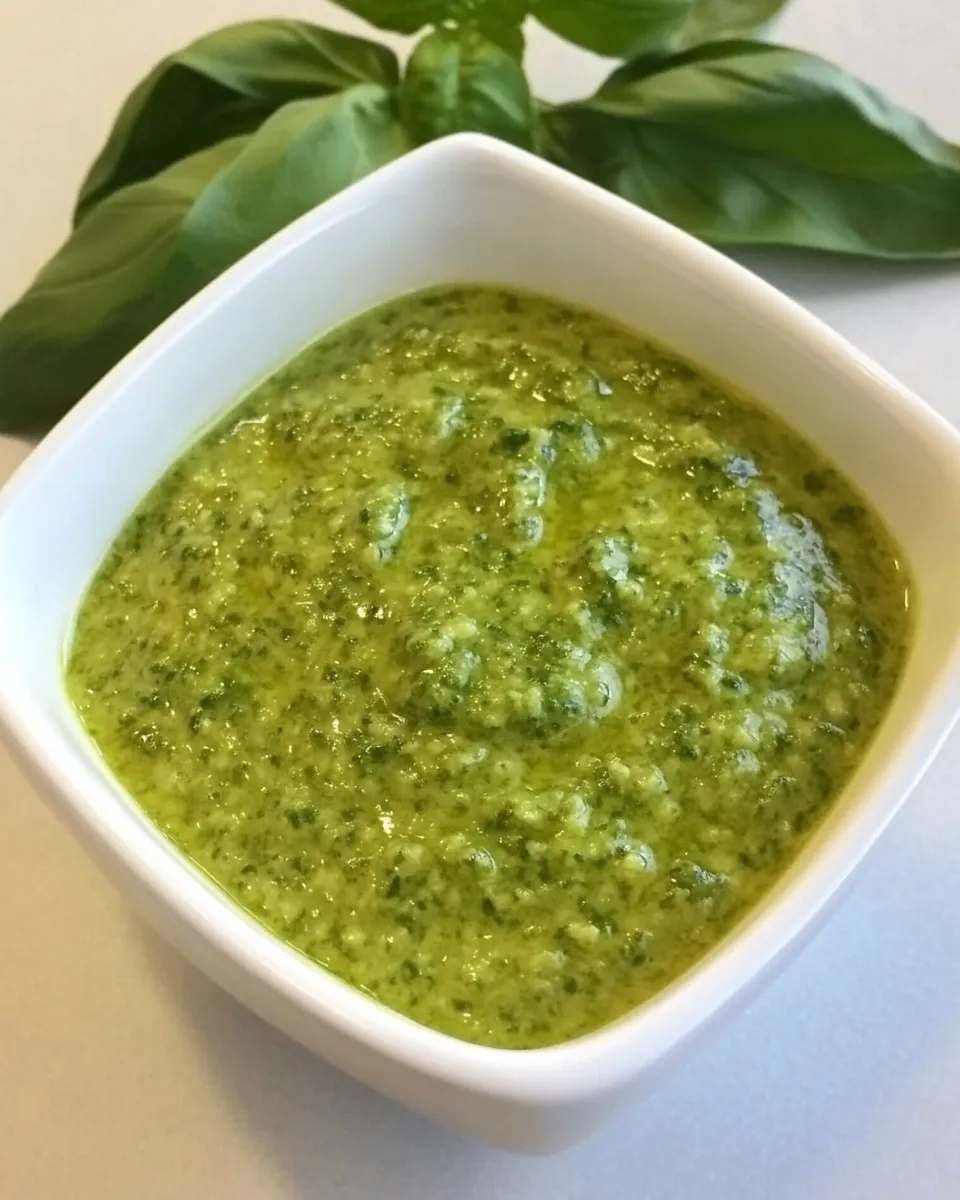
- 2 cups tightly packed fresh Italian basil leaves with small stems — look for bright green leaves without brown spots.
- 3 cloves garlic, roughly chopped — fresh garlic gives the best bite; adjust to taste if you prefer milder garlic.
- 3 tablespoons pine nuts — these add a toasty, buttery note; buy fresh or store in the fridge.
- 4 tablespoons lemon juice — brings brightness and keeps the basil color vibrant.
- 1/4 cup grated Parmesan cheese — use freshly grated for best melt-in-the-mouth texture.
- 3 tablespoons extra virgin olive oil — choose a good-quality oil for flavor.
- Water — used sparingly to adjust consistency if needed.
- Salt to taste — balances the flavors.
- Freshly ground black pepper — finishes the pesto with subtle heat.
From Start to Finish: Garlic Pesto
- Measure and prepare the ingredients: pack 2 cups tightly of fresh Italian basil (including small stems), roughly chop 3 cloves garlic, and have 3 tablespoons pine nuts, 4 tablespoons lemon juice, and 1/4 cup grated Parmesan ready.
- Add the basil, garlic, pine nuts, lemon juice, and Parmesan to a food processor.
- Pulse and then blend the ingredients until they are well combined, stopping once or twice to scrape down the sides of the bowl with a spatula.
- With the food processor running, slowly add 3 tablespoons extra virgin olive oil until the pesto comes together. If the pesto is too thick, add a small amount of warm water a little at a time and blend until you reach your desired consistency.
- Transfer the pesto to a bowl, season with salt to taste and freshly ground black pepper, and stir to combine well.
- The pesto is now ready to use.
Why You’ll Love This Recipe
This garlic pesto is quick, versatile, and intensely flavorful. It’s built on straightforward ingredients and a hands-off technique, so you get big taste with minimal cleanup. The use of lemon juice brightens the basil and helps the sauce keep its vibrant color; the garlic and Parmesan round out the profile so the pesto tastes complete straight away—no long resting required.
It also scales easily: make a small batch for one meal or double it for a week of uses. Because it stores well with the right technique (see storage below), you can keep a jar in the fridge to finish pastas, soups, and grilled proteins at a moment’s notice.
International Equivalents
Ingredient names for this pesto are largely universal, but keep these simple notes in mind when shopping outside North America:
- Parmesan cheese — often labeled Parmigiano or Parmigiano-Reggiano in Europe; grated is best for this recipe.
- Extra virgin olive oil — look for the highest-clarity labeling and a pleasant green-fruit aroma for the best flavor contribution.
- Fresh basil — if “sweet basil” or “Genovese basil” is available, either works well; the key is freshness and fragrance.
Equipment Breakdown
- Food processor — central to this method; it gives a smooth, even texture and handles the small quantities easily.
- Measuring spoons and cups — to make sure your balance of basil, nuts, lemon, and oil is correct.
- Spatula — for scraping the sides of the food processor bowl so everything blends evenly.
- Bowl — to transfer and taste the finished pesto before serving or storing.
Things That Go Wrong
Pesto can be forgiving, but a few common missteps will change the result. If the basil turns dark, it’s usually because it was bruised or exposed to too much heat while processing, or because the sauce sat uncovered and oxidized. To avoid this, blend quickly, work with cool, fresh leaves, and press a piece of plastic wrap directly onto the surface if you’re storing it.
If your pesto tastes too sharp from garlic or lemon, add a tiny pinch of salt or a little more oil and blend again. On the other hand, if it tastes flat, a bit more lemon juice or salt will brighten it up. Texture problems—too thick or too thin—are simple: add oil slowly while blending for a richer, looser sauce, or add warm water a teaspoon at a time for a lighter consistency as described in the recipe steps.
Make It Your Way
The core of this recipe is flexible on texture and seasoning. Work within the ingredient list provided and change quantities only to suit your taste: a touch more lemon for brightness, a drizzle more olive oil for silkiness, or an extra clove of garlic for intensity. The method supports these adjustments because you’re tasting and tweaking at the end.
Consistency and Serving Options
- Thicker pesto clings to pasta and bread — stop blending once the mixture holds together and only add oil until it binds.
- Smoother, pourable pesto is great for drizzling — keep the processor running while you add oil slowly, and thin with warm water if needed.
- Use as-is as a spread or sauce, or fold a spoonful into plain yogurt or ricotta for a quick dip (no extra herbs required).
Notes from the Test Kitchen
We tested this pesto at three different consistencies: chunky, medium, and silky. Each one had its place—chunky for bruschetta, medium for tossing with pasta, and silky for finishing soups. The lemon juice made a noticeable difference in color stability and lift; don’t skip it unless you prefer a very mild flavor.
When using the small stems, pulse rather than blitz immediately; that prevents stringy pieces. Scraping down the bowl once or twice during processing gave the most even texture. Finally, use freshly grated Parmesan rather than pre-grated for a creamier mouthfeel and brighter flavor.
Keep It Fresh: Storage Guide
After making the pesto, press a thin layer of extra virgin olive oil over the surface before sealing the container to reduce air exposure. Stored in a covered container in the refrigerator, it will stay flavorful for a few days. If you plan to keep it longer, freeze in small portions—ice cube trays work well—so you can thaw just what you need.
When you retrieve frozen pesto, thaw in the refrigerator or at room temperature and stir to recombine. If separation occurs, whisk or pulse gently in the food processor to bring it back together.
Quick Questions
- Can I skip the lemon? — Lemon lifts the flavor and helps keep the color bright; you can reduce it if you prefer, but it’s a useful balancing ingredient.
- Do I have to toast the pine nuts? — Toasting enhances their nuttiness, but the recipe will work without toasting if you’re short on time.
- Can I make this without a food processor? — A mortar and pestle will work but requires more elbow grease and yields a different, more rustic texture.
Hungry for More?
If you enjoyed this garlic pesto, try using it to finish a bowl of warm pasta with a little pasta water and a squeeze of lemon for a quick dinner. Spoon it over roasted vegetables or grilled fish for instant flavor. Keep a small jar in the fridge and use it as your go-to flavor booster—pesto turns simple ingredients into something that feels thoughtfully prepared.
Make a double batch next time and freeze portions so you always have bright, garlicky pesto on hand. It’s one of those sauces that rewards a little prep with a lot of flexibility in the week ahead.
Ingredients
Equipment
Method
- Measure and prepare the ingredients: pack 2 cups tightly of fresh Italian basil (including small stems), roughly chop 3 cloves garlic, and have 3 tablespoons pine nuts, 4 tablespoons lemon juice, and 1/4 cup grated Parmesan ready.
- Add the basil, garlic, pine nuts, lemon juice, and Parmesan to a food processor.
- Pulse and then blend the ingredients until they are well combined, stopping once or twice to scrape down the sides of the bowl with a spatula.
- With the food processor running, slowly add 3 tablespoons extra virgin olive oil until the pesto comes together. If the pesto is too thick, add a small amount of warm water a little at a time and blend until you reach your desired consistency.
- Transfer the pesto to a bowl, season with salt to taste and freshly ground black pepper, and stir to combine well.
- The pesto is now ready to use.
Notes
You may keep the pesto in the refrigerator for a few days. Use it on pasta, steak, shrimp, plain toast, potatoes, etc.