Garlic Shrimp Tortellini
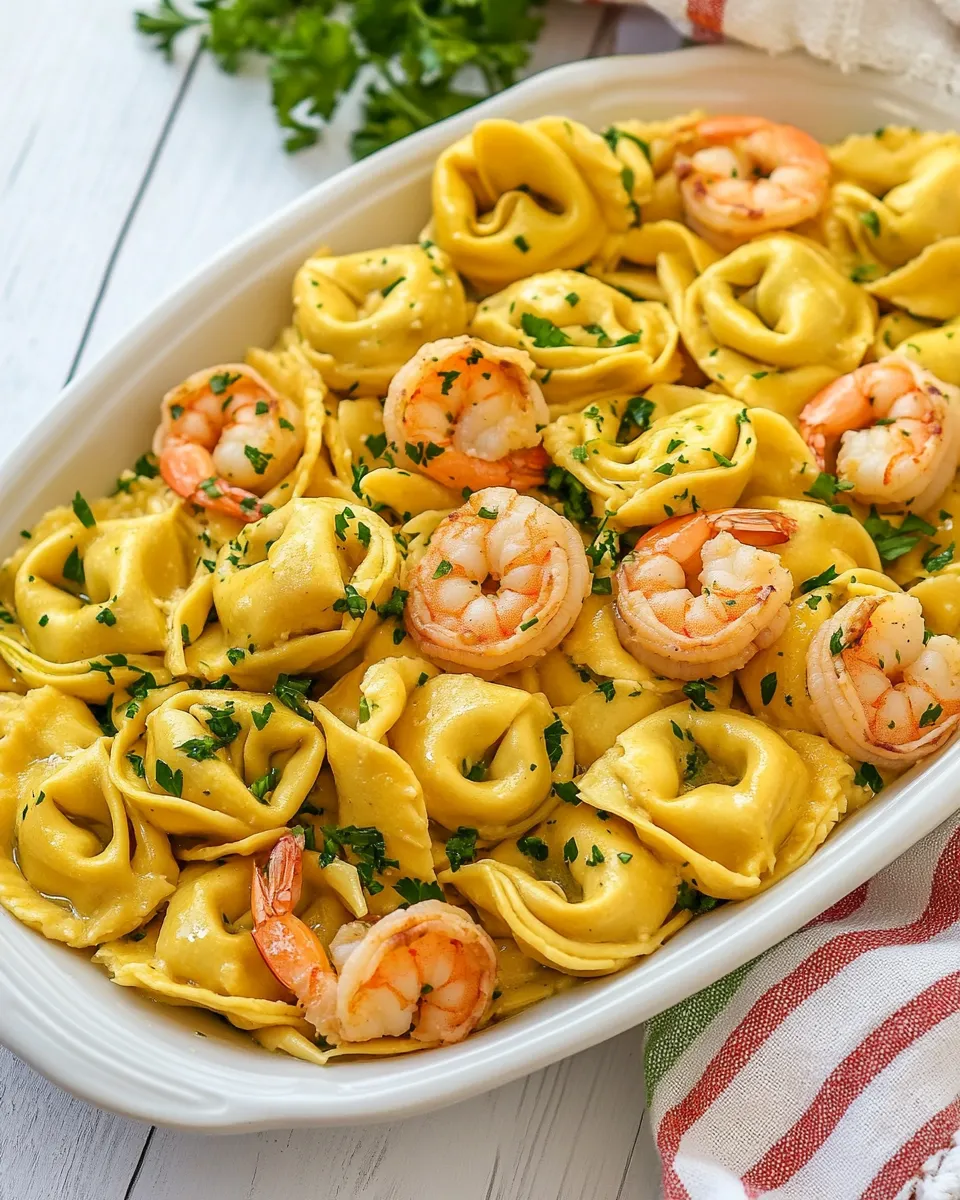
This Garlic Shrimp Tortellini is one of those weeknight winners: fast, flavorful, and forgiving. It takes a handful of pantry staples and a quick skillet turn to deliver a dinner that feels composed without demanding a lot of hands-on time. The shrimp cook in minutes, the tortellini comes together right in the pan, and the garlic ties everything into a bright, savory finish.
I love this for nights when you want something a little special but don’t want to spend an hour in the kitchen. You can keep a bag of frozen cheese tortellini in the freezer, use thawed peas from the fridge, and the whole dish is on the table in about 20 minutes. Small technique choices—like not overcooking the shrimp and adding garlic at just the right moment—make a big difference.
Below you’ll find clear ingredient notes, the exact step-by-step method, troubleshooting tips, and a few easy swaps for different diets. Read once, cook once, and you’ll have a straightforward template to adapt whenever you want a quick, satisfying seafood pasta.
Ingredient Notes
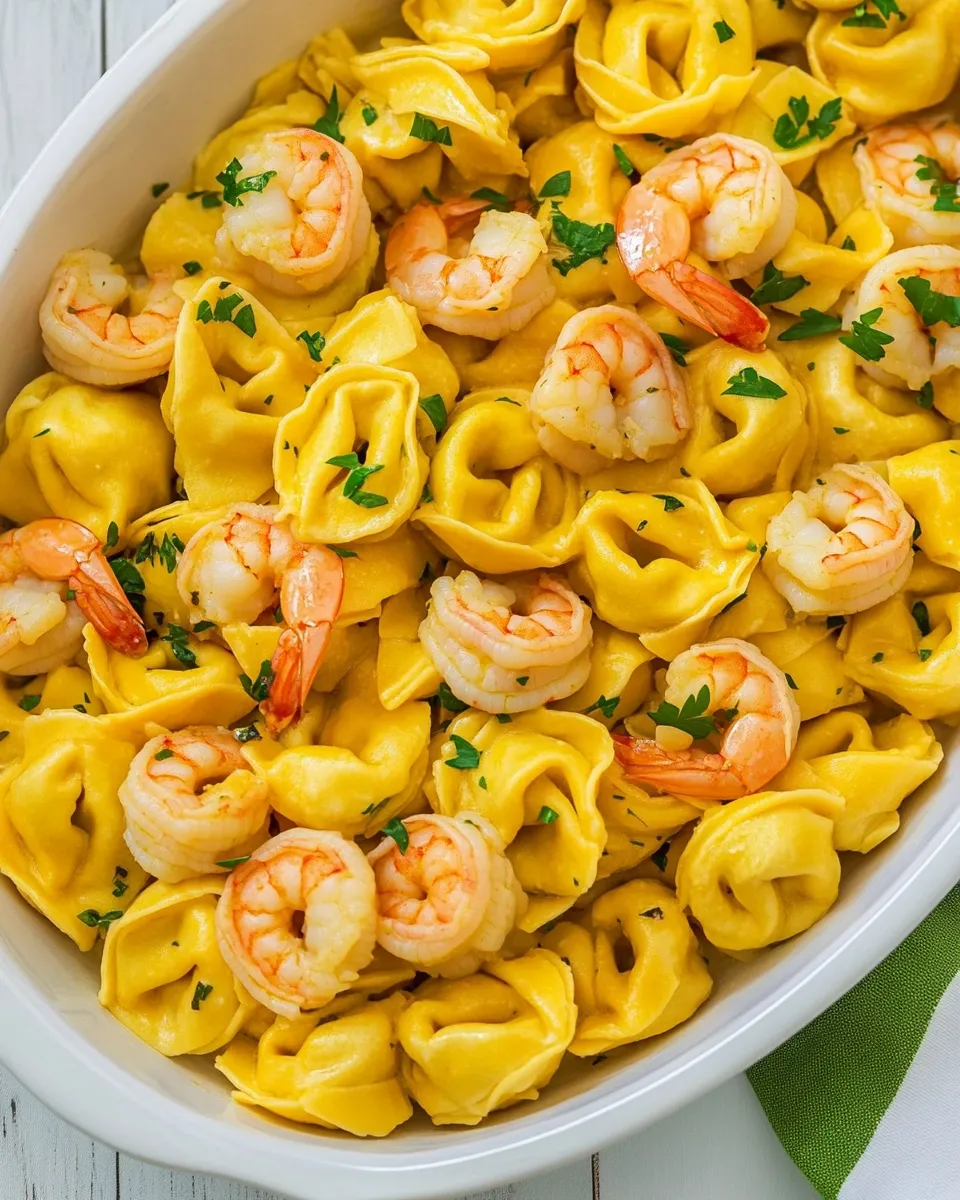
- 19 oz frozen cheese tortellini, thawed — The base of the dish; thawing shortens cook time and prevents the outside from overcooking while the center warms through.
- 1 1/2 cups peas — Adds color, sweetness, and bite. Frozen peas are fine; they’re added during the last 5 minutes of pasta cooking so they stay tender.
- 2 Tbsp olive oil — For sautéing the shrimp and garlic; a neutral-flavored extra virgin works well for sautéing at medium-high heat.
- 1 lb uncooked medium shrimp, peeled and deveined — The protein star. Medium shrimp cook fast; make sure they’re fully thawed and patted dry so they sear instead of steaming.
- 3 garlic cloves, minced — Garlic brightens everything. Add it after the shrimp have mostly cooked to avoid burning and bitterness.
- 1/2 tsp salt — Seasoning for the finished mix; feel free to adjust to taste but start with the recipe amount.
- 1/2 tsp dried thyme — Adds a gentle earthy, herb note that complements shrimp and cheese without overpowering them.
- 1/4 tsp pepper — Freshly cracked black pepper is best; it brings needed warmth and contrast.
Mastering Garlic Shrimp Tortellini: How-To
- Bring a large pot of water to a boil. Add the thawed 19 oz cheese tortellini and cook according to package directions; during the last 5 minutes of the tortellini’s cooking time add the 1 1/2 cups peas. When the tortellini and peas are tender, drain them in a colander and set aside.
- While the tortellini is cooking, heat 2 Tbsp olive oil in a large skillet over medium-high heat.
- Add 1 lb uncooked medium shrimp (peeled and deveined) to the hot skillet in a single layer. Cook 2 minutes without stirring, then flip the shrimp and continue cooking 1–2 minutes more until the shrimp are opaque and pink.
- Add 3 minced garlic cloves to the skillet with the shrimp and cook, stirring, about 30–60 seconds until fragrant (do not let the garlic burn).
- Add the drained tortellini and peas to the skillet. Sprinkle 1/2 tsp salt, 1/2 tsp dried thyme, and 1/4 tsp pepper over the mixture.
- Gently toss everything in the skillet until well combined and heated through, about 1–2 minutes. Serve immediately.
The Upside of Garlic Shrimp Tortellini
This dish wins for speed—everything is ready in roughly the same short window. Using thawed tortellini and quick-cooking shrimp keeps total time very low. The flavor profile is simple but layered: savory cheese tortellini, sweet peas, garlic aroma, and a light herb note from thyme.
It’s also very adaptable. You can bulk it up with extra veg, swap herbs, or add a splash of lemon or cream at the end for a different finish. The one-pan skillet step makes cleanup minimal, and the straightforward technique scales well for two or for a family of four.
Healthier Substitutions
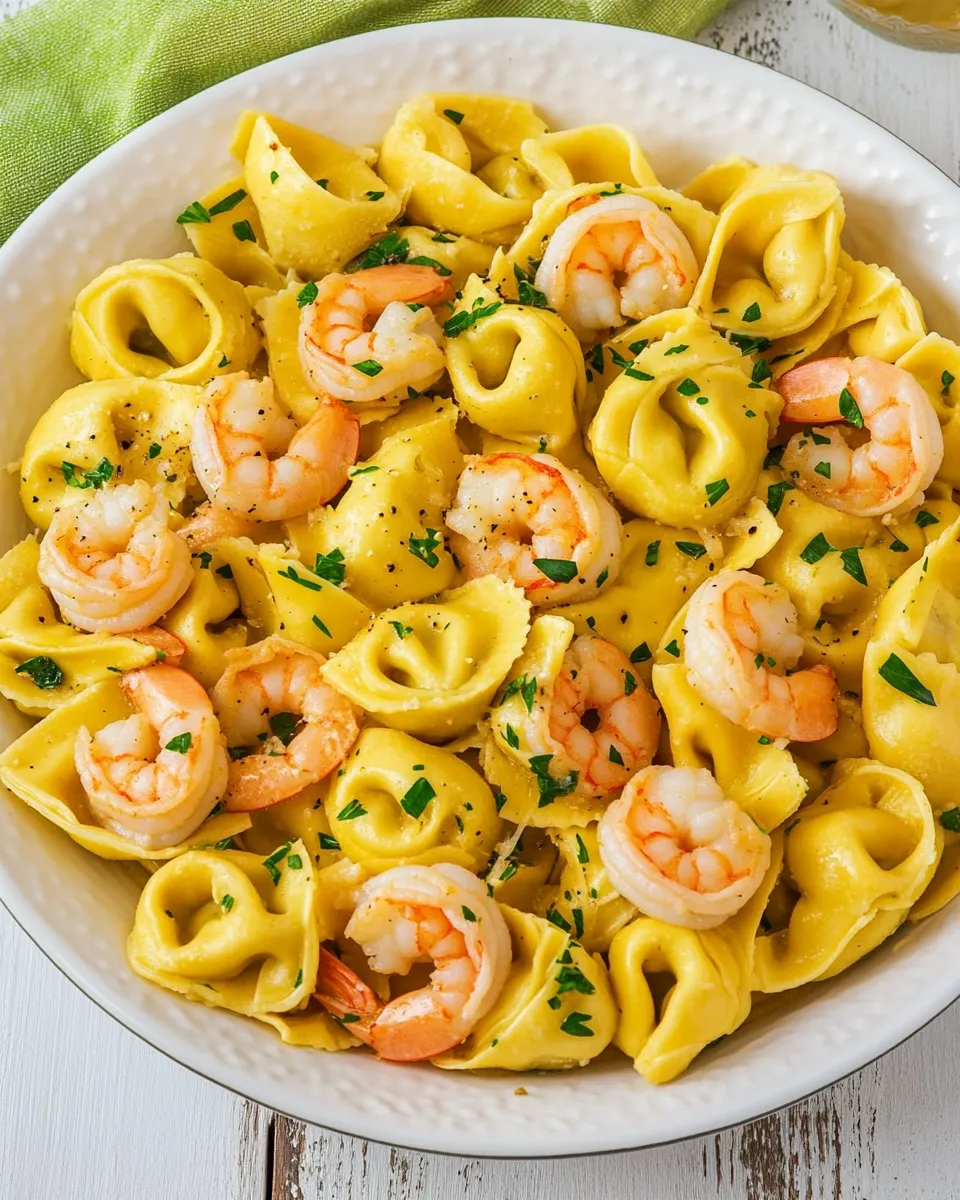
- Swap regular cheese tortellini for whole-wheat or a legume-based tortellini to boost fiber and protein.
- Use a light olive oil spray or reduce olive oil to 1 Tbsp to cut fat; add a splash of vegetable broth if you need more moisture for tossing.
- Increase the peas to 2 cups or add extra vegetables like baby spinach or chopped zucchini to up the vegetable-to-pasta ratio.
- Cut salt by half and finish with a squeeze of lemon to enhance flavor without relying on sodium.
Appliances & Accessories
- Large pot — for boiling tortellini and peas. Use enough water so the pasta can move freely.
- Large skillet (preferably nonstick or stainless steel) — for searing shrimp and tossing everything together.
- Colander — to drain tortellini and peas efficiently.
- Tongs or a large spoon — for gently tossing the tortellini, peas, and shrimp in the skillet.
- Garlic press or sharp knife — for quick, even minced garlic.
Pitfalls & How to Prevent Them
Burnt garlic: Garlic cooks quickly and can turn bitter if it fries too long. Add garlic after the shrimp have mostly finished cooking and keep the heat at medium-high but not scorching. Stir constantly for 30–60 seconds and remove from direct high heat if it starts to brown.
Overcooked shrimp: Shrimp go from translucent to firm and opaque very quickly. Cook them 2 minutes on the first side, flip, and check after 1 minute. If they’re opaque and pink, remove them immediately. They’ll finish in the skillet with the tortellini during the final toss.
Soggy tortellini: Make sure tortellini are cooked al dente per package directions. Drain thoroughly—excess water dilutes flavor and can make the final toss watery. If the skillet seems dry, add a teaspoon of olive oil or a splash of reserved pasta water to loosen the mixture.
Substitutions by Diet
- Vegetarian: Swap shrimp for sautéed mushrooms, roasted chickpeas, or pan-seared tofu for protein. Keep the garlic and thyme.
- Gluten-free: Use a certified gluten-free tortellini or stuffed pasta alternative made from rice, corn, or legume flours.
- Dairy-free: Choose dairy-free tortellini (or a pasta + filling alternative) and finish with a drizzle of olive oil instead of relying on the cheese for richness.
- Low-sodium: Reduce salt to 1/4 tsp, use low-sodium or no-salt-added tortellini if available, and enhance with lemon zest and pepper to compensate.
Method to the Madness
Timing is the secret. Start the pot of water first—while it heats, prepare the shrimp by patting them dry and mincing the garlic. Thaw the tortellini if you haven’t already and have the peas measured out.
Cook the tortellini according to the package and toss the peas into the pot during the last 5 minutes. While the pasta cooks, heat the skillet and get the shrimp in. The single-layer sear is important: it gives the shrimp a little color and prevents sogginess. Flip once, add garlic briefly, then combine everything. The final 1–2 minute toss is just to marry flavors and heat through—don’t overdo it.
Keep It Fresh: Storage Guide
- Refrigerate: Store leftovers in an airtight container for up to 3 days. Shrimp can change texture when refrigerated, so expect a slight firmness but still tasty when reheated gently.
- Freeze: I don’t recommend freezing this finished dish—the tortellini and shrimp textures degrade. If you must, freeze in a shallow, airtight container for up to 1 month and thaw overnight in the fridge before reheating.
- Reheat: Reheat gently in a skillet over medium-low heat with a splash of water or broth to loosen the sauce. Microwave on medium power in short bursts, stirring between intervals to avoid rubbery shrimp.
FAQ
Can I use frozen (not thawed) tortellini? You can, but cooking time will be longer. If you add frozen straight into boiling water, add a minute or two and monitor doneness; adjust the peas timing so they don’t overcook.
What if my shrimp are large or small? Adjust cooking times: small shrimp may need less time (total ~2–3 minutes), large shrimp may need a minute or two longer per side. Look for opaque, pink flesh and a firm texture.
Can I add cream or lemon? Yes. For a creamier finish, stir in 1/4 cup heavy cream at the final toss and heat until warmed. For brightness, squeeze 1/2 lemon over the finished dish and stir just before serving.
Is it safe to reheat shrimp? Yes, reheating is safe if stored properly and heated to steaming. Do so gently to avoid toughening the shrimp.
Next Steps
Make it a meal: serve with a simple arugula salad dressed with lemon and olive oil, or roasted asparagus tossed with Parmesan.
Want to elevate the dish? Finish with a sprinkle of red pepper flakes for heat, or fold in a handful of chopped fresh parsley for color and freshness just before serving. If you enjoyed this, try swapping the cheese tortellini for a spinach-and-ricotta version and add sun-dried tomatoes for a tangy twist.
Save this recipe as a go-to: it’s quick, flexible, and consistently delicious. Once you’ve mastered the timing, you’ll find plenty of easy ways to personalize it while keeping weeknight dinner stress-free.
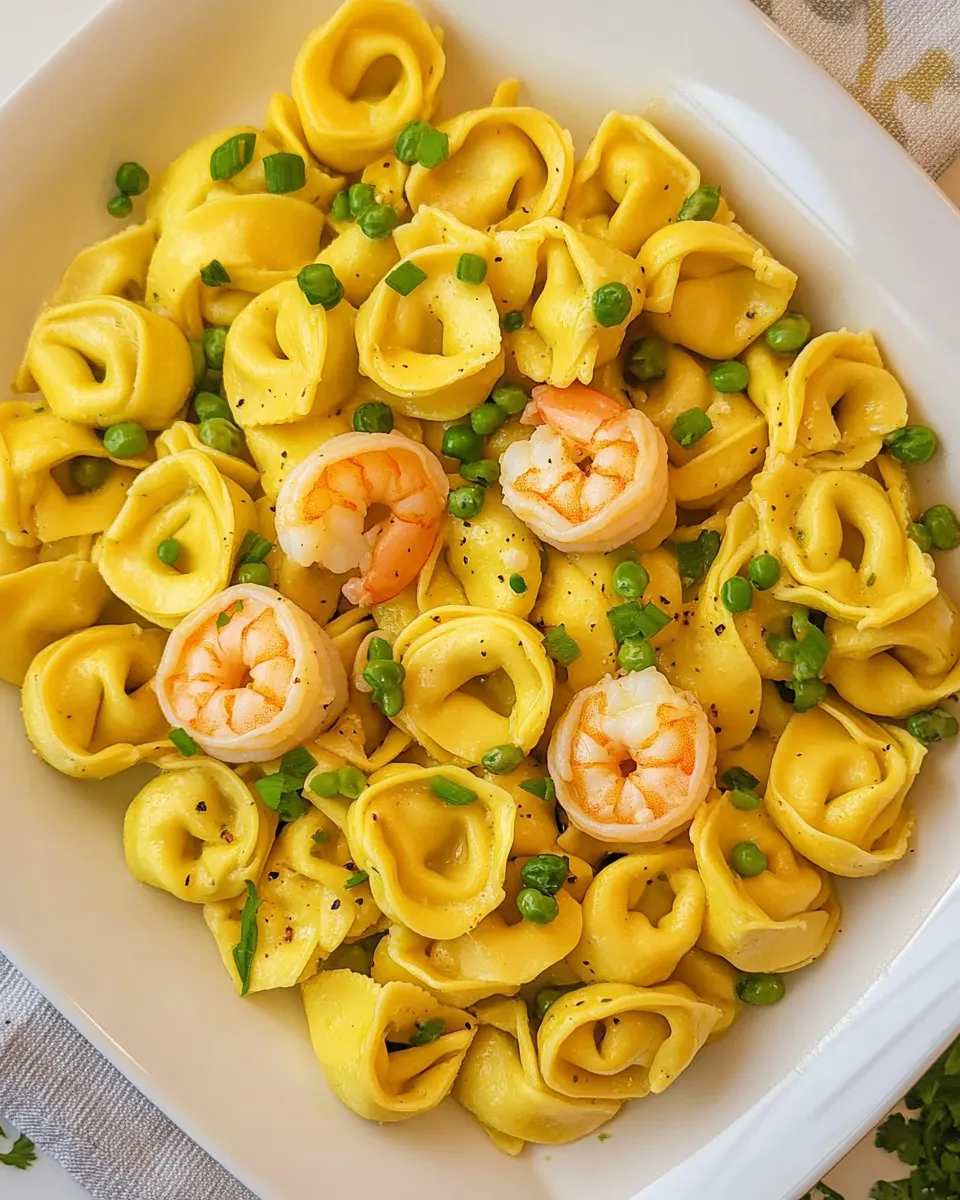
Garlic Shrimp Tortellini
Ingredients
Equipment
Method
- Bring a large pot of water to a boil. Add the thawed 19 oz cheese tortellini and cook according to package directions; during the last 5 minutes of the tortellini's cooking time add the 1 1/2 cups peas. When the tortellini and peas are tender, drain them in a colander and set aside.
- While the tortellini is cooking, heat 2 Tbsp olive oil in a large skillet over medium-high heat.
- Add 1 lb uncooked medium shrimp (peeled and deveined) to the hot skillet in a single layer. Cook 2 minutes without stirring, then flip the shrimp and continue cooking 1–2 minutes more until the shrimp are opaque and pink.
- Add 3 minced garlic cloves to the skillet with the shrimp and cook, stirring, about 30–60 seconds until fragrant (do not let the garlic burn).
- Add the drained tortellini and peas to the skillet. Sprinkle 1/2 tsp salt, 1/2 tsp dried thyme, and 1/4 tsp pepper over the mixture.
- Gently toss everything in the skillet until well combined and heated through, about 1–2 minutes. Serve immediately.
Notes
If you use frozen shrimp be sure to thaw them. You can do this overnight in the fridge, or submerge them in a bowl of ice water for about 30 minutes before cooking them. It’s also a good idea to pat them dry before cooking.
Don’t like tortellini? You can swap it for a short pasta like penne, orecchiette, or cavatappi. Or, try spaghetti or linguini.
Add a garnish! If you have fresh herbs on hand like parsley or basil, chop it up and sprinkle it over the top before serving. You can also squeeze some fresh lemon juice over the top, too.
I think this garlic shrimp pasta tastes best when it’s made. It will keep in the fridge, but it can dry out since the tortellini will absorb the sauce. To revive it, just add a little olive oil or lemon juice (or a little of both) when you reheat it.