Gingerbread Pancakes
These gingerbread pancakes are the kind of breakfast that makes a cold morning feel purposeful. Spiced batter, a touch of molasses, and quick cooking make them straightforward to pull together on a weeknight or over a slow weekend. They land between tender and hearty — not too thin, not too dense — and they carry that warm, spiced flavor we associate with gingerbread without overloading the plate.
I keep the method honest and hands-off: measure, whisk, rest, and cook. A short rest for the batter lets the leaveners do their bit and yields a better texture, while the molasses gives back the depth you expect from gingerbread. Serve them hot with something simple — maple syrup, a smear of butter, or plain yogurt — and you’ve got a crowd-pleasing breakfast that doesn’t demand a long grocery list.
Below I’ll walk through exactly what I use, the step-by-step process, sensible swaps for common allergies, the tools I reach for, and practical tips to avoid the typical mistakes. Read through before you start if you like, but the recipe itself is intentionally simple and forgiving.
Ingredient Rundown
- 1 1/2 cups all-purpose flour — provides structure; measure by spooning into the cup and leveling for consistent texture.
- 1/3 cup dark brown sugar — adds sweetness and a little moisture; dark brown gives a deeper, molasses-like flavor.
- 1 1/2 teaspoons baking powder — primary leavening to give lift and lightness.
- 1/2 teaspoon baking soda — works with the molasses and brown sugar for additional lift and color.
- 1 teaspoon ground cinnamon — warms the batter; use a fresh jar for best aroma.
- 1/2 teaspoon ginger — the gingerbread note; adjust slightly if you love bolder spice.
- 1/4 teaspoon ground nutmeg — subtle warmth that layers with cinnamon and ginger.
- 1/4 teaspoon cloves — a little goes a long way; it rounds out the spice blend.
- 1/4 teaspoon kosher salt — balances sweetness and enhances all the flavors.
- 1 1/4 cup milk — hydrates the dry ingredients; use whole or 2% for richer pancakes.
- 2 tablespoons molasses — signature gingerbread flavor and color; use unsulphured if you can.
- 2 large eggs — bind the batter and add richness; room temperature eggs mix more smoothly.
- 2 tablespoons melted butter — adds flavor and tender crumb; melted first if not already melted.
Cooking Gingerbread Pancakes: The Process
- In a large bowl whisk together the dry ingredients: 1 1/2 cups all-purpose flour, 1/3 cup dark brown sugar, 1 1/2 teaspoons baking powder, 1/2 teaspoon baking soda, 1 teaspoon ground cinnamon, 1/2 teaspoon ginger, 1/4 teaspoon ground nutmeg, 1/4 teaspoon cloves, and 1/4 teaspoon kosher salt.
- In a separate bowl whisk the liquid ingredients: 1 1/4 cup milk, 2 tablespoons molasses, 2 large eggs, and 2 tablespoons melted butter (melt the butter first if it is not already melted).
- Pour the dry ingredients into the liquid ingredients and whisk gently until just combined; a few small lumps are fine—do not overmix.
- Let the batter rest 10–15 minutes to thicken.
- While the batter rests, heat a large nonstick or well‑seasoned sauté pan or griddle over medium heat and lightly grease the surface.
- Drop 2 tablespoons of batter per pancake onto the hot pan, spacing pancakes so they do not touch.
- Cook until bubbles form on the surface and the edges look set, about 2–3 minutes.
- Flip each pancake and cook the second side until golden and cooked through, about 2–3 more minutes. Reduce the heat slightly if pancakes are browning too quickly.
- Transfer cooked pancakes to a plate and repeat with the remaining batter.
- Serve warm (original suggestion: with maple syrup or honey).
Why I Love This Recipe
It’s the balance: these pancakes bring gingerbread flavor without being cloying or overly dense. The molasses and spices give you that classic profile, while the combination of baking powder and a touch of baking soda keeps the pancakes tender and lifted. The recipe is quick to put together and forgiving — resting the batter does most of the work.
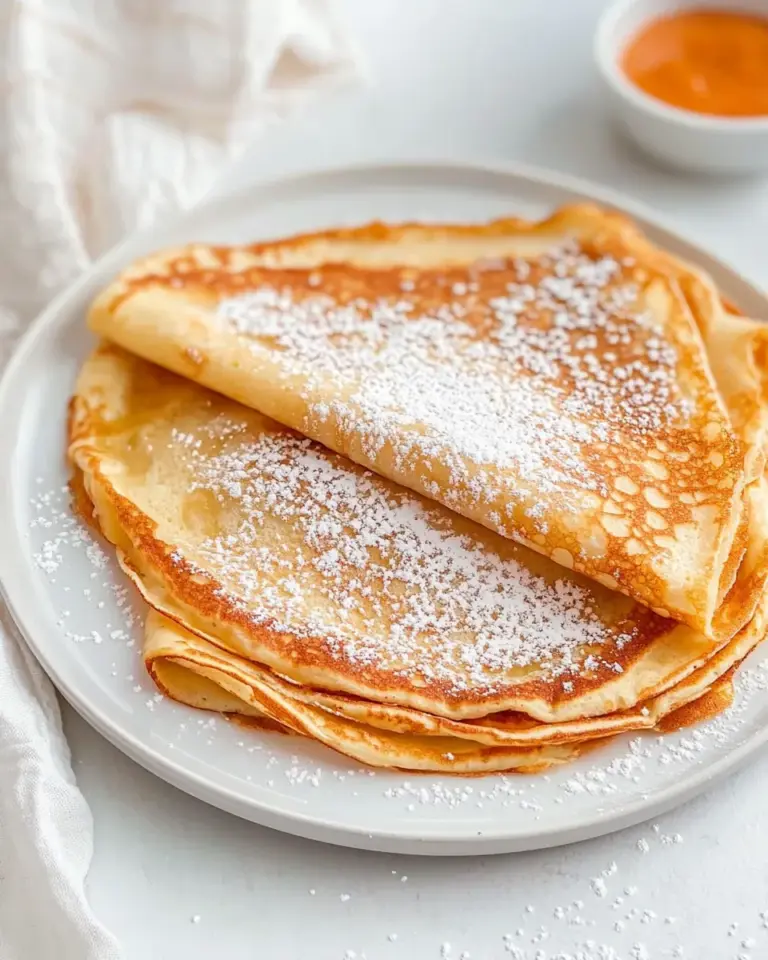
I also appreciate the texture. They’re slightly more robust than a crepe but still soft enough to fold. That makes them great for layering with fruit, yogurt, or a smear of nut butter. They travel well into brunch situations and they’re predictable: follow the temperatures and timing and you’ll get the same result every time.
Allergy-Friendly Substitutes
- Milk — use an unsweetened plant milk like oat or soy if you need dairy-free; thickness matters, so choose a creamier option for similar texture.
- Eggs — for an egg-free version, try 2 tablespoons of ground flaxseed mixed with 6 tablespoons water (let sit 5–10 minutes) as a binder; expect a slightly denser pancake.
- Butter — substitute melted coconut oil or a neutral oil (canola, vegetable) in equal amount if dairy-free.
- All-purpose flour — for gluten-free, use a 1:1 gluten-free baking flour that includes xanthan gum; results vary by blend so watch batter thickness and rest time.
- Molasses — if unavailable, use unsulphured molasses replacement with a touch more brown sugar, but the flavor will be less authentic.
Recommended Tools
- Large mixing bowl — for whisking the dry ingredients comfortably.
- Medium mixing bowl — to combine the milk, molasses, eggs, and melted butter.
- Whisk — a flat whisk or balloon whisk makes quick work of the batter without overworking it.
- Nonstick or well-seasoned griddle/pan — even heat and a good surface prevent sticking and encourage even browning.
- Scoop or tablespoon — for consistent pancake sizes; 2 tablespoons per pancake in this recipe.
- Spatula — a thin, flexible one for clean flips.
- Cooling plate or baking sheet — to hold cooked pancakes while you finish the batch without crowding.
Steer Clear of These
- Overmixing the batter — it activates gluten and yields tough pancakes; a few small lumps are fine.
- Cooking at too high heat — pancakes will brown quickly on the outside and remain raw inside; medium to medium-low is usually right.
- Skipping the rest — the 10–15 minute rest helps the batter hydrate and the leaveners work; don’t rush it.
- Using thin, watery milk substitutes without adjusting — very thin milks can thin the batter; choose creamier plant milks or slightly reduce liquid if needed.
Better Choices & Swaps
- If you want deeper ginger flavor, increase ground ginger from 1/2 teaspoon to 3/4 teaspoon; add gradually and taste if you’re unsure.
- Swap dark brown sugar for light brown sugar only if you prefer a milder molasses presence; you may notice less depth in the finished pancake.
- For extra tenderness, replace 2 tablespoons of the flour with an equal amount of oat flour; it softens texture without changing the flavor dramatically.
- Use melted ghee instead of butter for a nuttier, more caramel note that complements the spices.
Pro Tips & Notes
Batter and Texture
Whisk the dry ingredients thoroughly so spices and leaveners are evenly distributed. When you combine the liquids and dry, stop when the batter is combined — small lumps are okay. The brief rest allows the flour to absorb the liquid and the leaveners to start working; this will thicken the batter slightly and make for taller pancakes.
Pan Temperature
Give the pan enough time to come up to medium heat before you add batter. Test with a small drop first. If it browns too quickly, lower the heat a notch. If nothing happens after a minute, increase slightly. A properly heated pan will produce a golden exterior and a fully cooked interior in the 2–3 minute per side window.
Keeping Warm
If you’re making multiple batches, keep cooked pancakes on a baking sheet in a warm (200°F/95°C) oven so they stay tender and warm without continuing to brown.
Serving Ideas
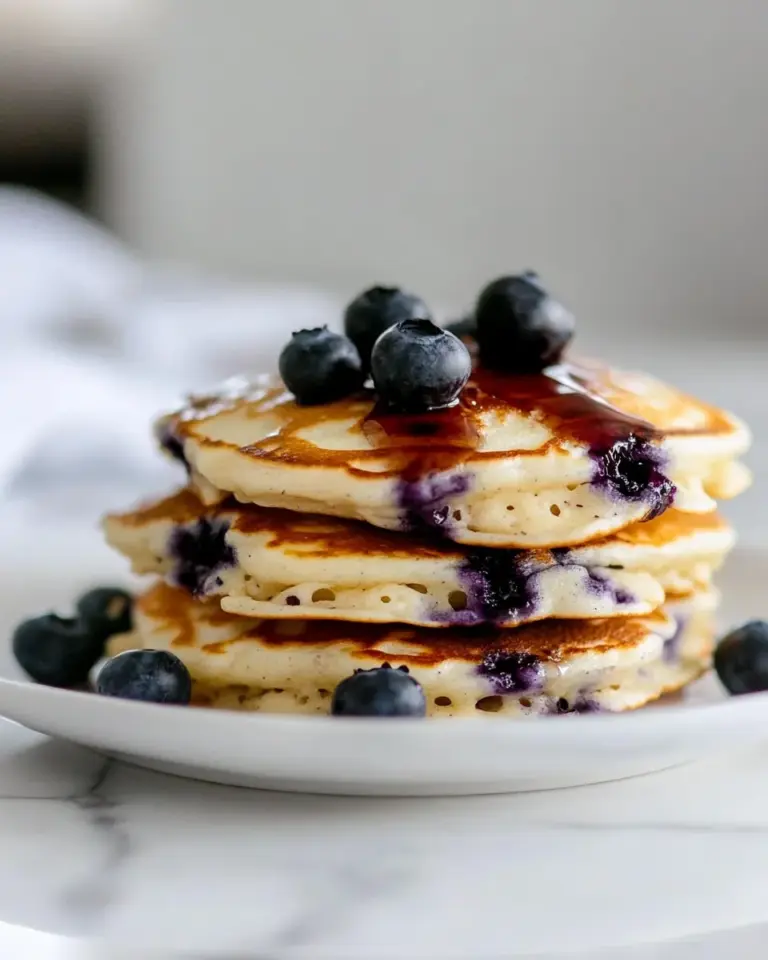
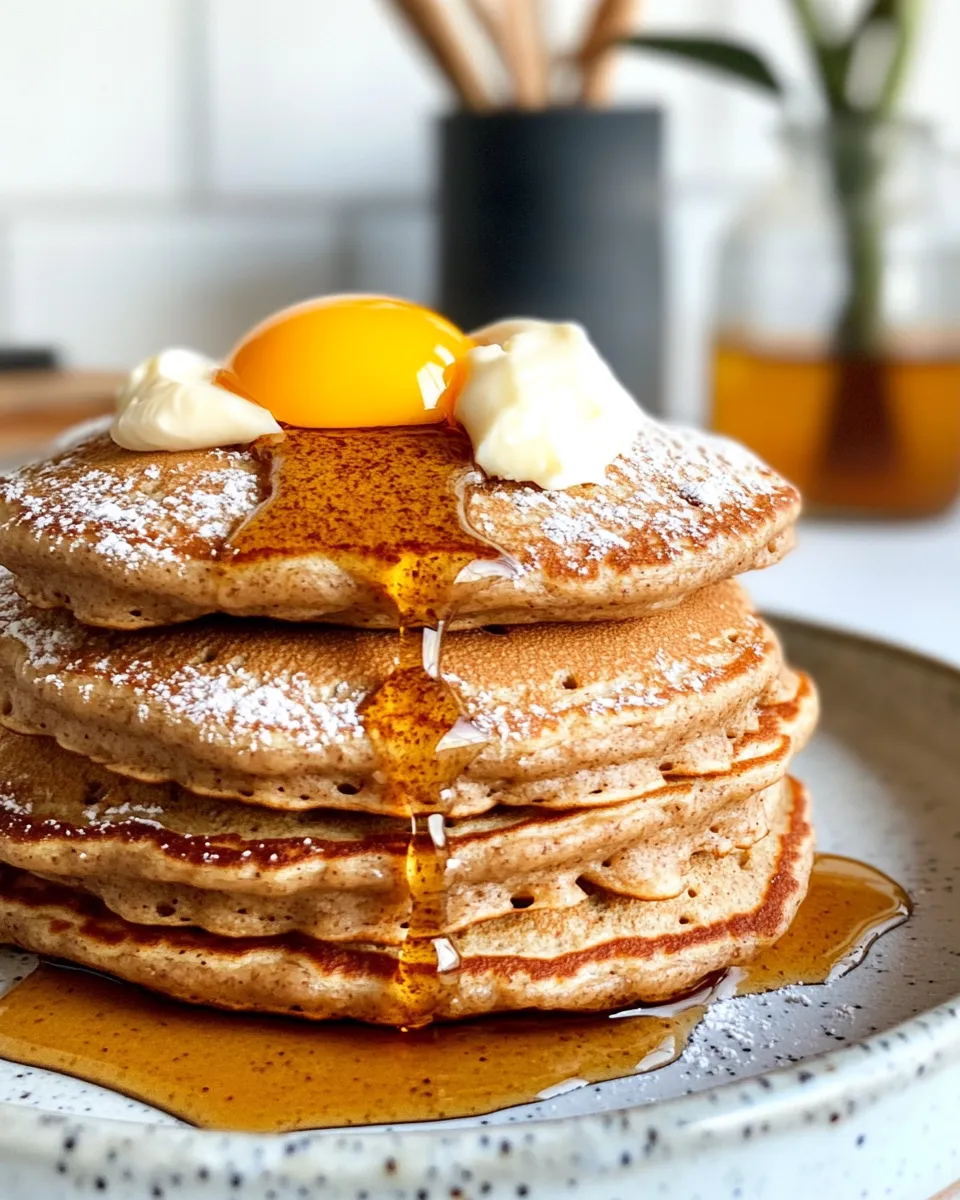
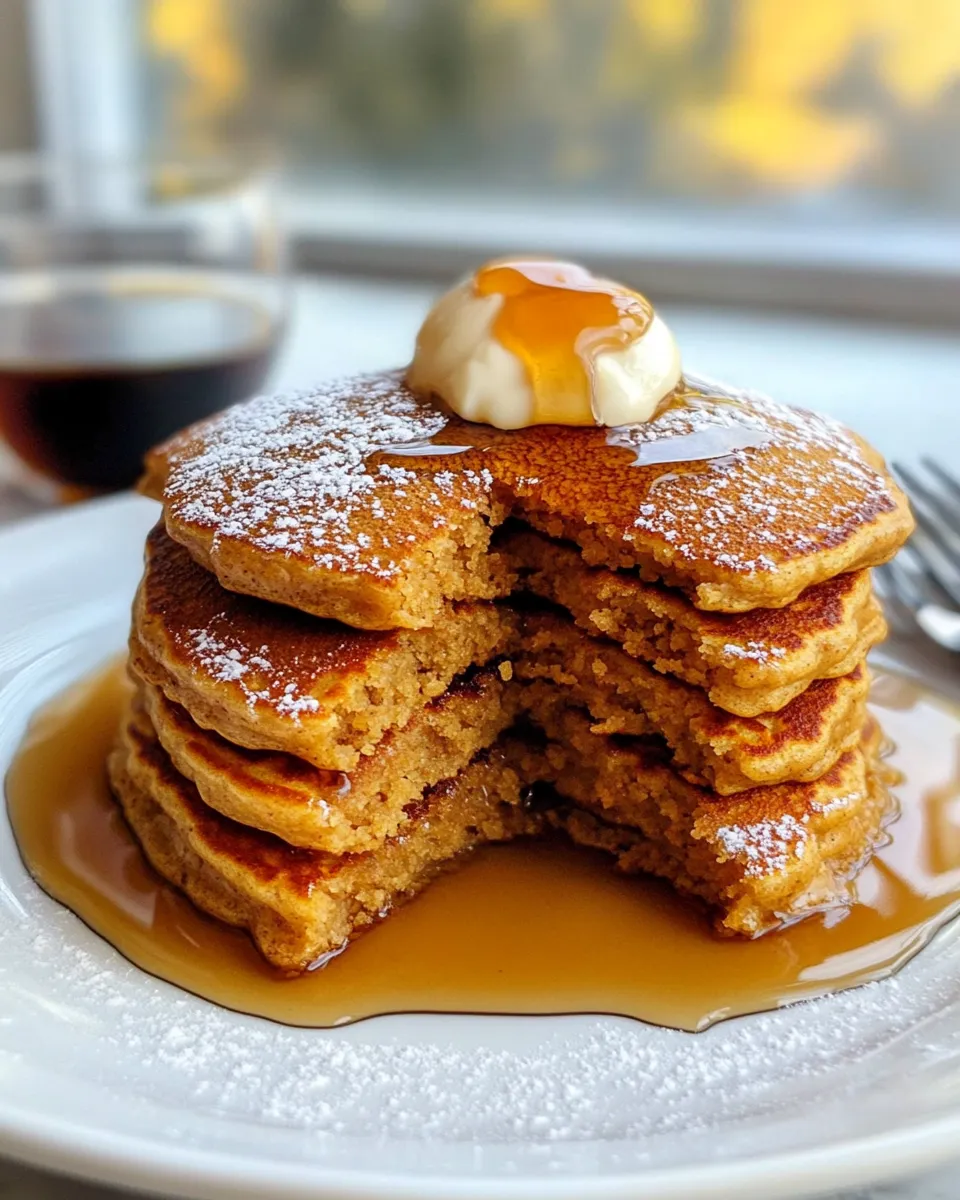
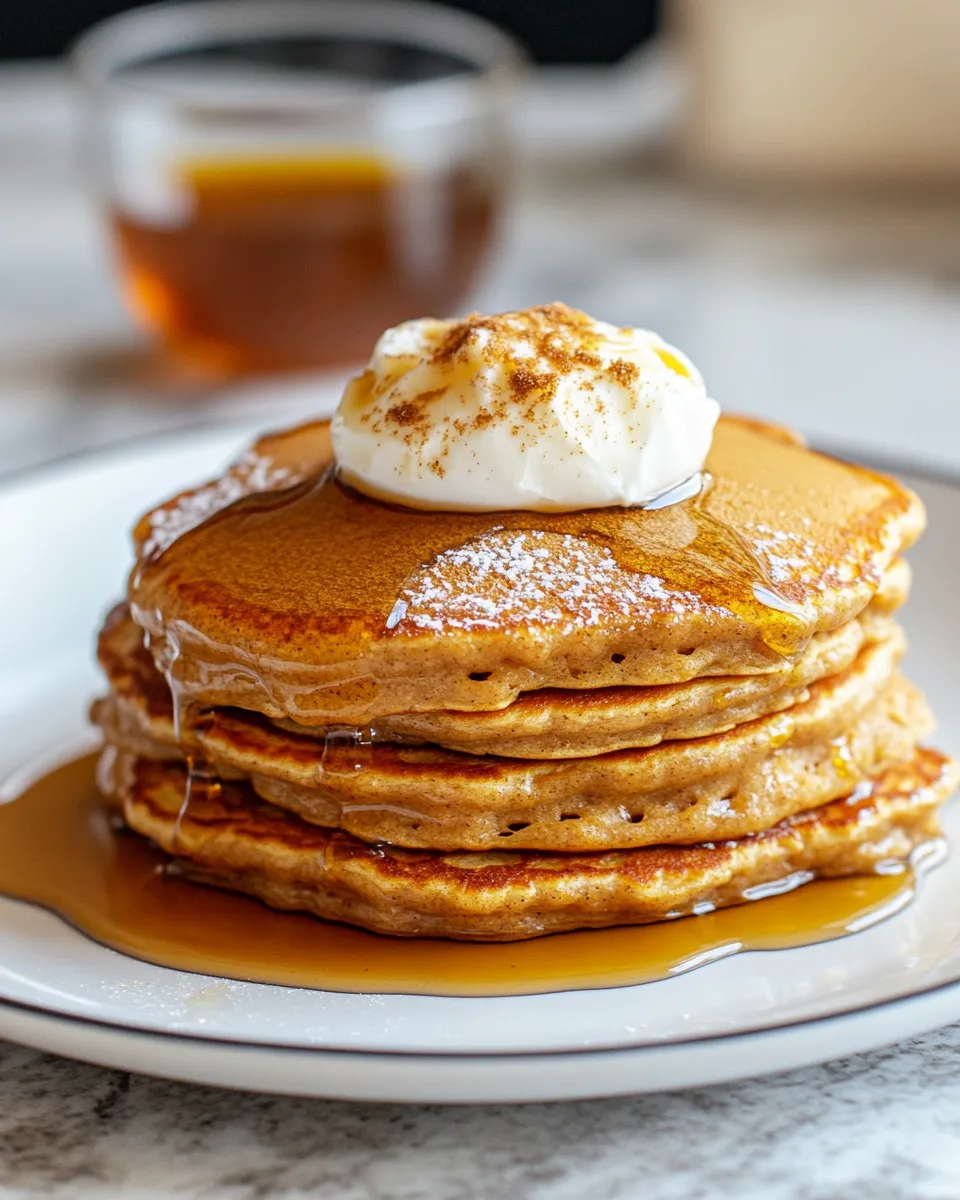
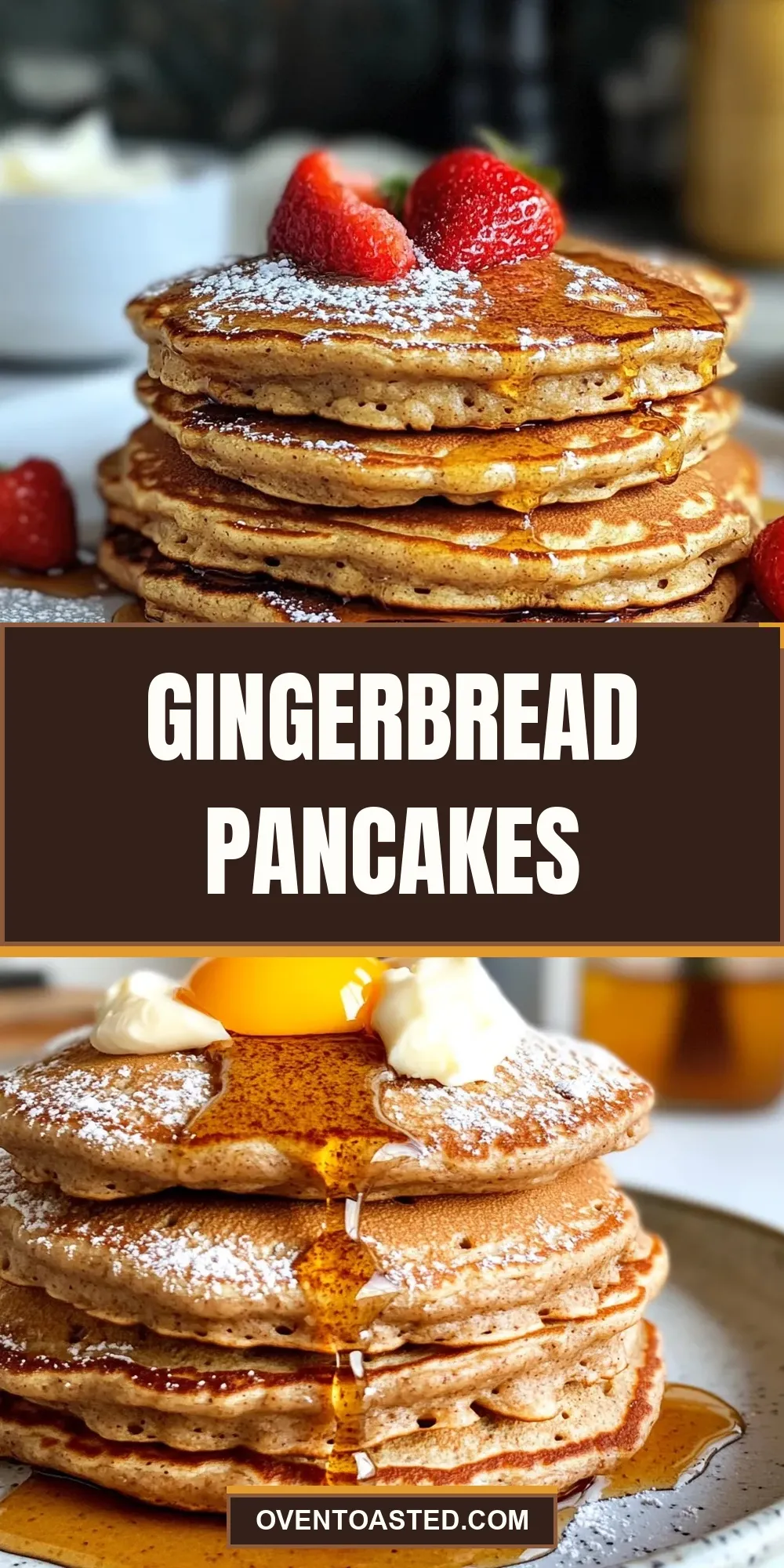
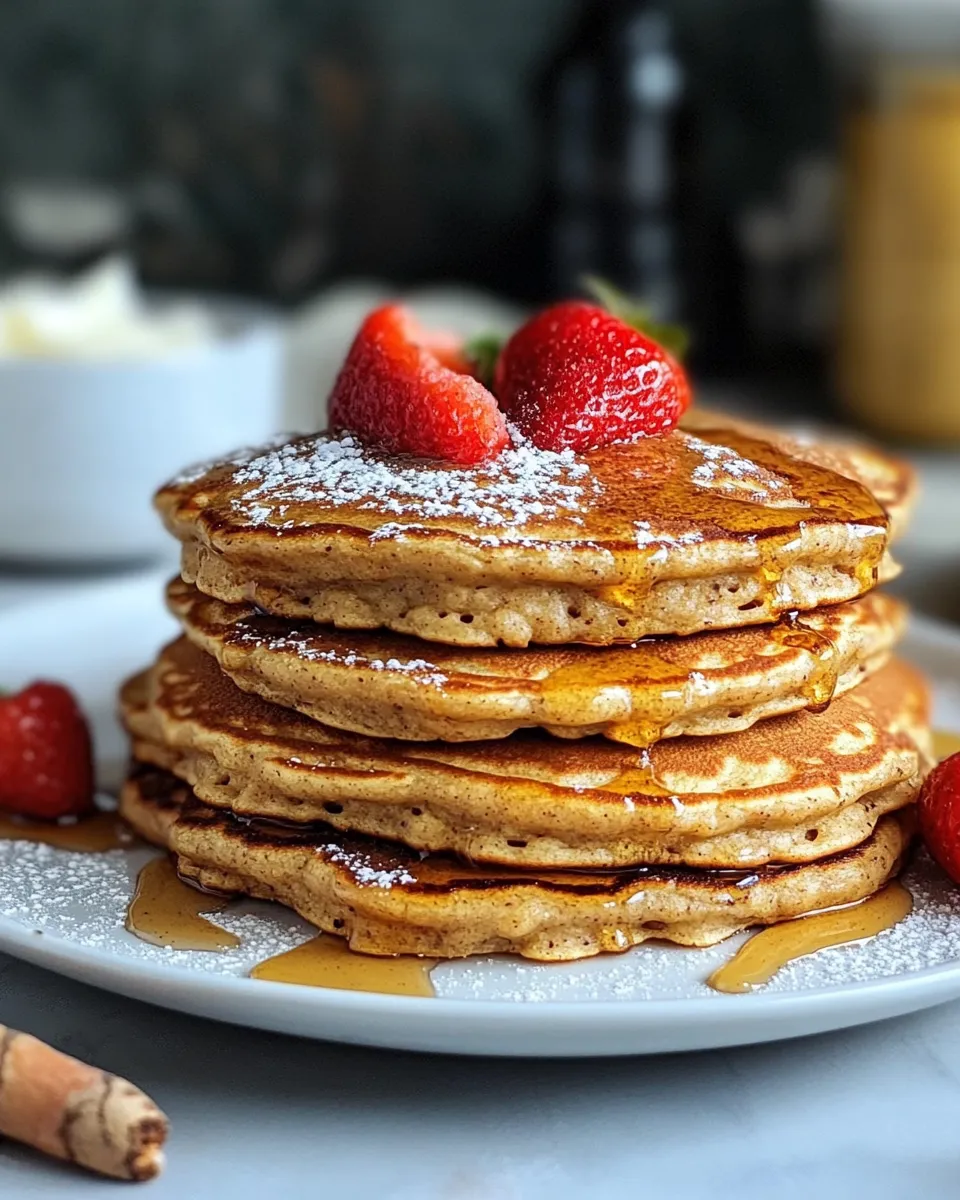
Maple syrup is classic, but I often serve these with a dollop of plain yogurt and stewed pears or apples to echo the spices. Butter and a light dusting of powdered sugar also work well for a simple finish.
How to Store & Reheat
Cool completely, then stack with parchment between layers and place in an airtight container. Refrigerate for up to 3 days. For longer storage, freeze in a single layer on a baking sheet, then transfer to a freezer bag for up to 2 months.
To reheat from the fridge: warm in a 350°F (175°C) oven for about 8–10 minutes. From frozen: reheat in a 350°F oven for 12–15 minutes, or microwave single pancakes for 20–30 seconds, but the microwave will soften the exterior. For best texture, reheat on a skillet over low heat, flipping once, until warmed through.
Handy Q&A
- Q: Can I double this recipe? A: Yes. Keep the same ratios and cook in batches; batter may need a touch more rest if it sits while you cook.
- Q: My pancakes are coming out flat. Why? A: Check your baking powder and baking soda — they lose potency with age. Also, don’t overmix; that can flatten them.
- Q: Can I make the batter ahead? A: You can mix it and refrigerate for up to 24 hours. Expect a slightly looser batter after refrigeration; stir gently before cooking and let it sit at room temperature for a few minutes if very cold.
- Q: The pancakes are too dark on the outside but raw inside. A: Lower the heat and finish them more slowly. An unevenly hot pan can cause this, so move pancakes around if your pan has hot spots.
The Last Word
These Gingerbread Pancakes are straightforward, forgiving, and full of the cozy spice flavor we crave in cooler months. Follow the simple steps, mind the heat, and don’t rush the short rest — that’s where a good texture comes from. Once you try them with a drizzle of maple syrup or yogurt and warm fruit, they’ll quickly become one of those go-to breakfasts that feels special without being fussy.
Make the batter, take a breath, and cook a few to test your pan. Small adjustments to heat or spice are expected. From there it’s repeatable comfort: warm spice, tender crumb, and the kind of breakfast that turns a regular morning into something a little nicer.
Gingerbread Pancakes
Ingredients
Equipment
Method
- In a large bowl whisk together the dry ingredients: 1 1/2 cups all-purpose flour, 1/3 cup dark brown sugar, 1 1/2 teaspoons baking powder, 1/2 teaspoon baking soda, 1 teaspoon ground cinnamon, 1/2 teaspoon ginger, 1/4 teaspoon ground nutmeg, 1/4 teaspoon cloves, and 1/4 teaspoon kosher salt.
- In a separate bowl whisk the liquid ingredients: 1 1/4 cup milk, 2 tablespoons molasses, 2 large eggs, and 2 tablespoons melted butter (melt the butter first if it is not already melted).
- Pour the dry ingredients into the liquid ingredients and whisk gently until just combined; a few small lumps are fine—do not overmix.
- Let the batter rest 10–15 minutes to thicken.
- While the batter rests, heat a large nonstick or well‑seasoned sauté pan or griddle over medium heat and lightly grease the surface.
- Drop 2 tablespoons of batter per pancake onto the hot pan, spacing pancakes so they do not touch.
- Cook until bubbles form on the surface and the edges look set, about 2–3 minutes.
- Flip each pancake and cook the second side until golden and cooked through, about 2–3 more minutes. Reduce the heat slightly if pancakes are browning too quickly.
- Transfer cooked pancakes to a plate and repeat with the remaining batter.
- Serve warm (original suggestion: with maple syrup or honey).