Greek Yogurt Pancakes Recipe
These Greek yogurt pancakes are my go-to when I want something quick, satisfying, and a little indulgent without being fussy. They come together in one bowl for the wet ingredients and one for the dry, and the tang from the vanilla Greek yogurt keeps the batter bright while the eggs give the pancakes lift. You end up with pancakes that are tender inside, slightly crisp at the edges, and reliably quick to cook.
I often make a double batch on weekend mornings and serve them with fruit, a pat of butter, and real maple syrup. They’re an easy crowd-pleaser for kids and grown-ups alike, and they feel a bit higher in protein than a typical pancake thanks to the Greek yogurt. No need to waste precious weekend time—these are practical, dependable, and delicious.
Below you’ll find the ingredient rundown, step-by-step instructions (exactly as I follow them), troubleshooting tips, and ideas for simple swaps and seasonal finishes. Read through once, then get the pan hot and enjoy the smell of pancakes in your kitchen.
Ingredient Rundown
- 2 large eggs — build structure and help the pancakes rise and set.
- 4 Tbsp milk or to desired thickness — thins the batter; add gradually to reach the texture you want.
- 5.3 oz container, about 2/3 cup vanilla Greek yogurt (I used Tillamook 2%) — adds tang, creaminess, and protein; the vanilla also adds gentle sweetness and flavor.
- 1 tsp baking powder — provides lift and lightness.
- 3/4 cup all-purpose flour — the base of the batter; gives structure and chew.
- Coconut oil to saute, or light olive oil, or butter — for cooking the pancakes; choose based on flavor preference and smoke point.
Stepwise Method: Greek Yogurt Pancakes
- In a medium bowl, whisk together 2 large eggs, the entire 5.3 oz container (about 2/3 cup) vanilla Greek yogurt, and 2 tablespoons of the milk until smooth.
- In a separate bowl, stir 1 teaspoon baking powder into 3/4 cup all-purpose flour until evenly distributed.
- Add the flour mixture to the wet ingredients and stir until just combined. If the batter is too thick to spoon or spread, add up to the remaining 2 tablespoons of milk (for a total of 4 Tbsp) until you reach your desired thickness. Do not overmix.
- Heat a nonstick skillet or griddle over medium heat. Add a small amount of coconut oil (or light olive oil or butter) and swirl to coat the pan; the oil should be hot before you add batter.
- Drop heaping tablespoonfuls of batter into the pan, leaving space between pancakes. Cook until edges look set and bubbles form on the surface, about 2 minutes, then flip and cook the second side until golden, about 1–2 minutes.
- Transfer cooked pancakes to a plate and repeat with remaining batter, adding more oil to the pan as needed.
Why I Love This Recipe
There’s a reason these pancakes have become a weekday favorite in my house: they’re faithfully good without drama. The Greek yogurt gives a texture that feels both cakey and tender, not dense or gummy. If you’re used to thin flapjacks, these are pleasantly substantial but still light enough to stack.
They’re fast. From fridge to fork you can be eating in 20 minutes if you keep the pan warm and work efficiently. They also handle small adjustments well—too thick? Stir in a splash more milk. Want a little more lift? Make sure your baking powder is fresh. These are forgiving pancakes, which I appreciate on busy mornings.
Finally, they’re versatile. Serve them with classic maple syrup and butter, or dress them up with fruit and nuts. The vanilla in the yogurt offers a gentle sweetness so you don’t need to load the batter with extra sugar.
Swap Guide
Yogurt and dairy options
If you’re dairy-free, try a thick coconut-based yogurt, but expect a flavor shift and possibly a looser batter. Full-fat Greek yogurt will give a richer result; lower-fat versions thin the batter slightly and can make the pancakes less tender, so adjust the milk to compensate.
Flour and binder options
All-purpose flour is the base here. If you want a whole-grain option, swap up to half the flour for whole wheat, but expect a nuttier flavor and a bit more density. For gluten-free, use a 1:1 gluten-free flour blend that includes xanthan or another binder.
Fats for the pan
Coconut oil adds a touch of tropical aroma and handles medium-high heat well. Butter gives the best flavor but can brown quickly—use medium heat. Light olive oil is neutral and practical.
Cook’s Kit
- Medium mixing bowls — one for wet, one for dry.
- Whisk and spoon — whisk for the wet ingredients and a spoon or spatula to fold in the flour.
- Nonstick skillet or griddle — a smooth, even-heating surface prevents sticking and gives even color.
- Measuring cups and spoons — accurate baking powder and flour amounts matter.
- Tablespoon or small ice cream scoop — for consistent pancake sizes.
- Spatula — a wide turner makes flipping the pancakes easy.
Easy-to-Miss Gotchas
- Oil temperature: If the oil isn’t hot enough the pancakes will spread and be pale; if it’s too hot they’ll burn on the outside before cooking inside. Aim for medium heat and test with a tiny drop of batter first.
- Overmixing: Stir until just combined. Overworking the batter develops gluten and makes pancakes tough.
- Batter thickness: This recipe expects a fairly thick batter. If your batter is extremely stiff, add milk in small increments up to the remaining 2 tablespoons. Too thin will make thin, flat pancakes.
- Freshness of baking powder: Old baking powder doesn’t rise well. If your pancakes are flat despite correct technique, check this first.
- Crowding the pan: Leave space between pancakes so you can flip easily and the pan temperature stays steady.
Holiday & Seasonal Touches
Pancakes pair beautifully with seasonal fruit. In late spring and summer, top with macerated strawberries or sliced peaches and a spoonful of yogurt. In the fall and winter, warm apple compote, a sprinkle of cinnamon, or a drizzle of spiced maple syrup adds a cozy note.
For holidays, consider adding grated lemon or orange zest to the batter for brightness, or fold a handful of finely chopped walnuts into the cooked pancakes for texture. A dusting of powdered sugar and a few berries makes a simple stack look celebratory without a lot of fuss.
Chef’s Rationale
Why these proportions? Two eggs and a 5.3 oz container of yogurt create a balance of protein and moisture so the pancakes set without becoming rubbery. The 3/4 cup of flour plus 1 teaspoon baking powder keeps the pancakes tender but structured. The small amount of milk—starting with 2 tablespoons and adding up to 4—lets you control batter thickness precisely, which is crucial for cook time and texture.
Coconut oil or butter in the pan adds flavor and encourages browning. I recommend a nonstick skillet so you can use minimal fat and still flip cleanly. Medium heat gives you a golden exterior while ensuring the center cooks through in 1–2 minutes per side after flipping.
Refrigerate, Freeze, Reheat
To refrigerate: cool pancakes completely then store in an airtight container or a zip-top bag for up to 3 days. Layer parchment between pancakes if stacking to keep them from sticking.
To freeze: place a single layer of cooled pancakes on a baking sheet and freeze until solid, then transfer to a freezer bag. They’ll keep for up to 2 months.
To reheat: for a quick breakfast, pop frozen or refrigerated pancakes in the toaster or toaster oven on medium until warmed through and slightly crisp. You can also warm them gently in a skillet over low heat with a touch of butter. Microwaving works in a pinch, but you’ll lose crispness.
Top Questions & Answers
- Q: Can I make this batter ahead?
A: You can make the batter and keep it covered in the refrigerator for a few hours, but the baking powder’s lift is best when used soon after mixing. If refrigerated, give it a gentle stir and check thickness before cooking. - Q: My pancakes are raw in the middle—what happened?
A: The pan was likely too hot or the pancakes were too large. Reduce heat slightly and make smaller pancakes; cook a little longer on the second side. - Q: Can I omit the vanilla yogurt?
A: Yes, plain Greek yogurt works, though you may want to add a little vanilla extract or a touch of sweetener if you miss the vanilla flavor. The texture will remain excellent. - Q: How do I make them fluffier?
A: Ensure your baking powder is fresh and don’t overmix the batter. Also, separate techniques like whipping egg whites aren’t in this recipe—these pancakes achieve lightness from the yogurt-egg combination and baking powder.
Serve & Enjoy
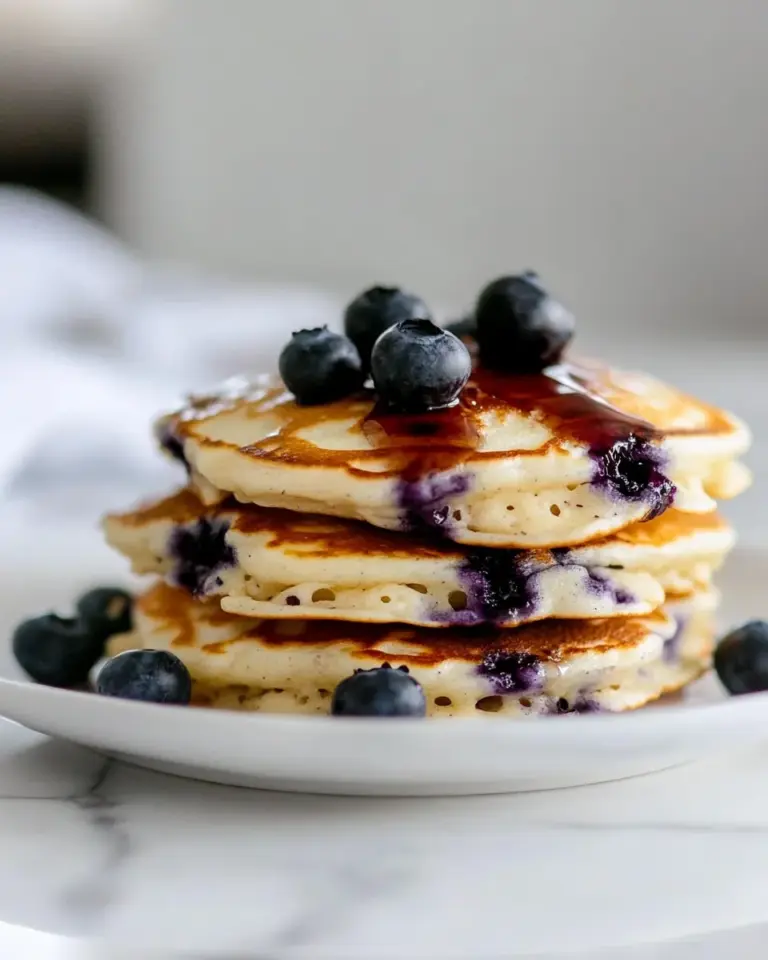
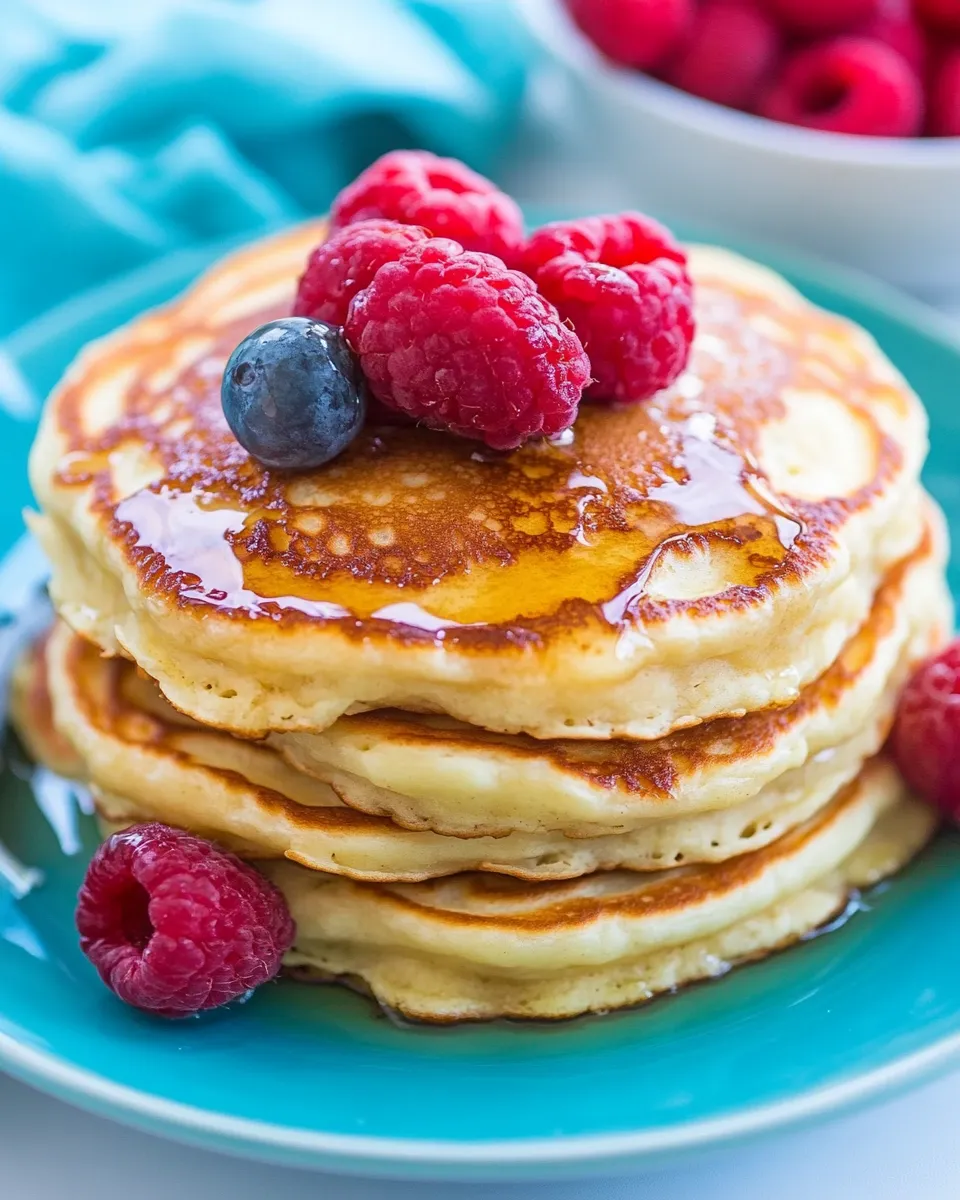
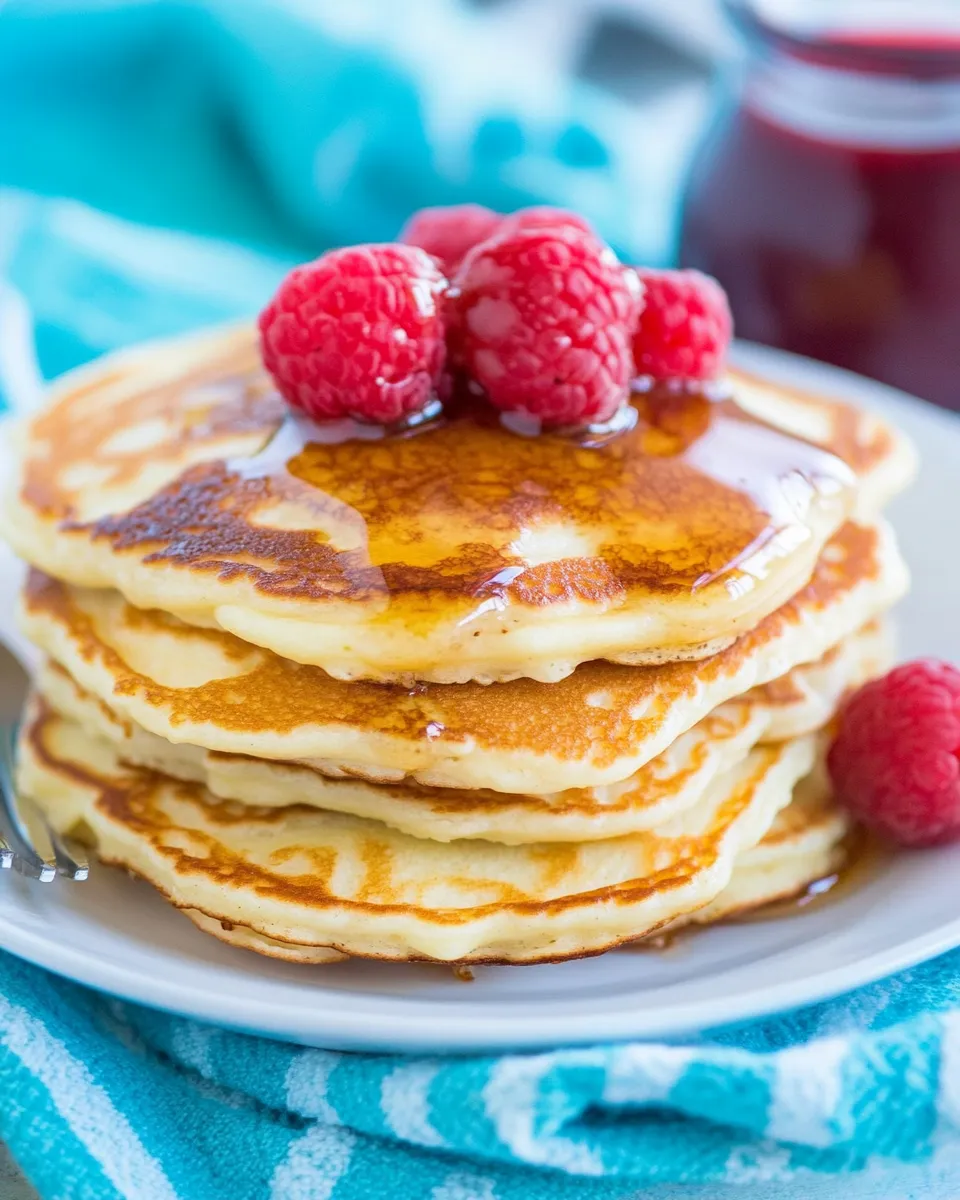
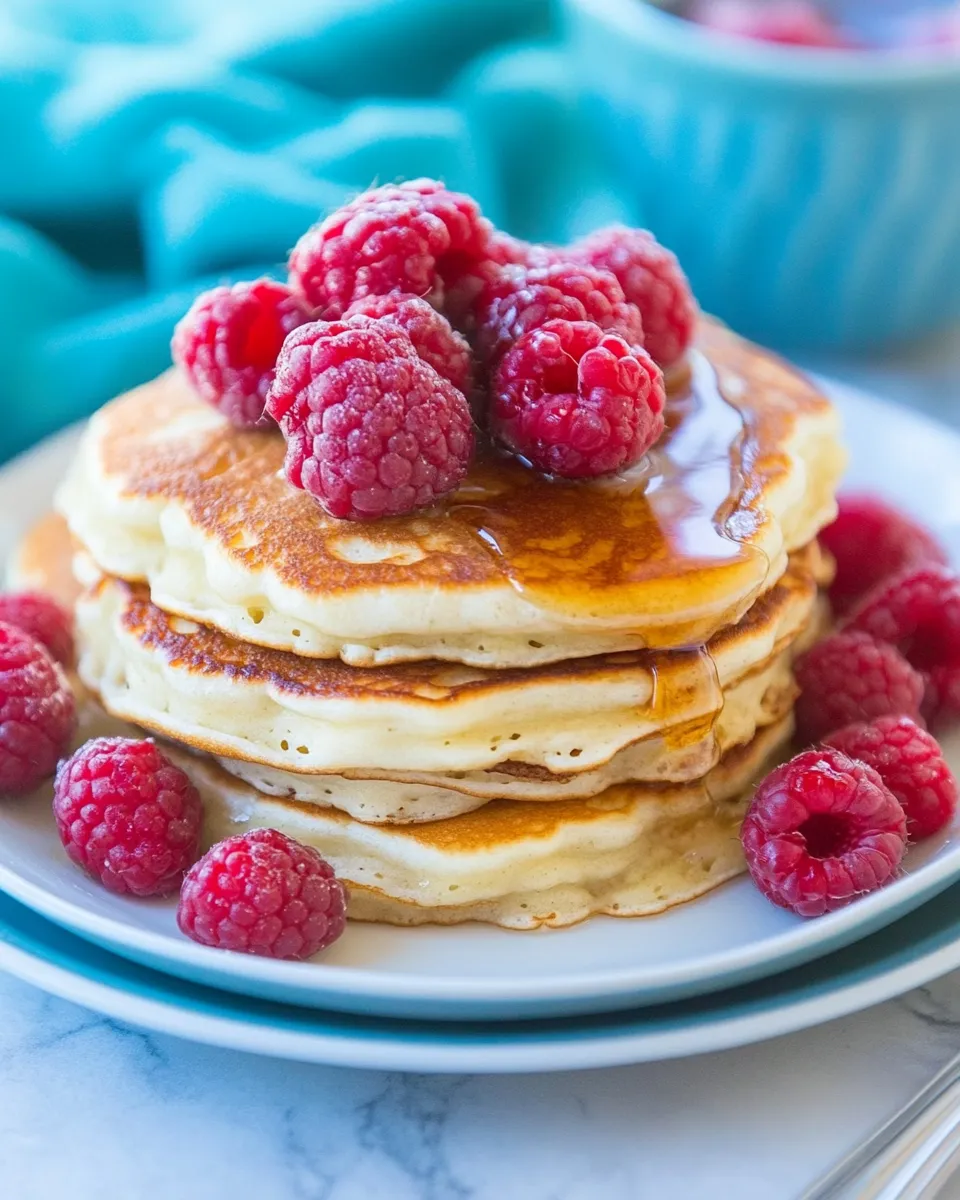
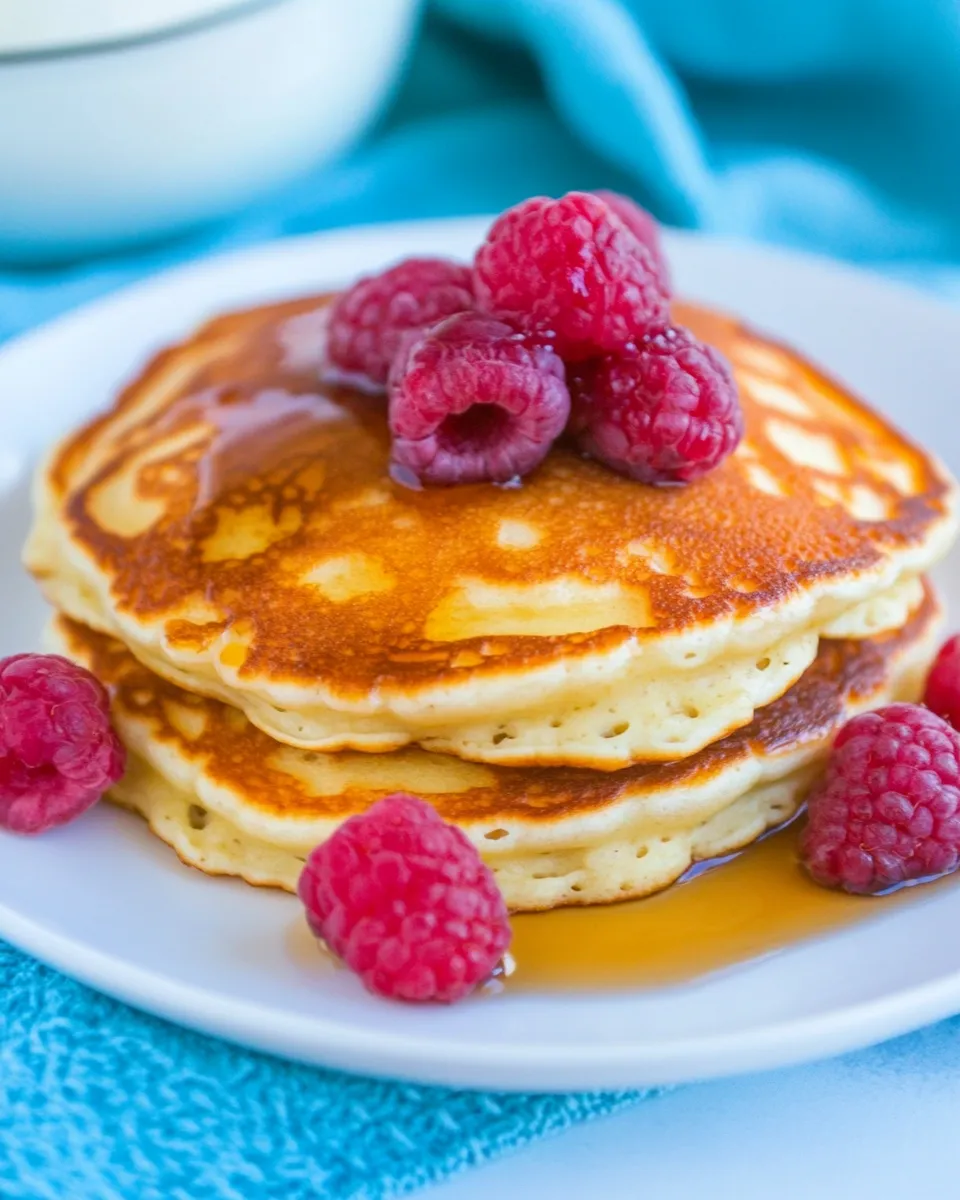
Stack the pancakes while warm. Top with a knob of butter, warm syrup, and a scattering of fresh fruit. For a contrasting texture, add toasted nuts or a spoonful of crunchy granola. If you like a creamy contrast, serve with extra Greek yogurt on the side and a drizzle of honey.
These Greek Yogurt Pancakes are exactly the sort of reliable recipe I keep coming back to: practical to make, forgiving of small mistakes, and consistently delicious. Make a batch, experiment with a few toppings, and you’ll find your favorite way to enjoy them. Happy cooking—and enjoy every warm, fluffy bite.
Greek Yogurt Pancakes Recipe
Ingredients
Equipment
Method
- In a medium bowl, whisk together 2 large eggs, the entire 5.3 oz container (about 2/3 cup) vanilla Greek yogurt, and 2 tablespoons of the milk until smooth.
- In a separate bowl, stir 1 teaspoon baking powder into 3/4 cup all-purpose flour until evenly distributed.
- Add the flour mixture to the wet ingredients and stir until just combined. If the batter is too thick to spoon or spread, add up to the remaining 2 tablespoons of milk (for a total of 4 Tbsp) until you reach your desired thickness. Do not overmix.
- Heat a nonstick skillet or griddle over medium heat. Add a small amount of coconut oil (or light olive oil or butter) and swirl to coat the pan; the oil should be hot before you add batter.
- Drop heaping tablespoonfuls of batter into the pan, leaving space between pancakes. Cook until edges look set and bubbles form on the surface, about 2 minutes, then flip and cook the second side until golden, about 1–2 minutes.
- Transfer cooked pancakes to a plate and repeat with remaining batter, adding more oil to the pan as needed.
Notes
You can sub yogurt with cottage cheese but they won't be quite as sweet as with the vanilla yogurt.
*to measure flour, scoop it into a measuring cup and scrape off the top