Healthy Gluten-Free Quinoa Muffins
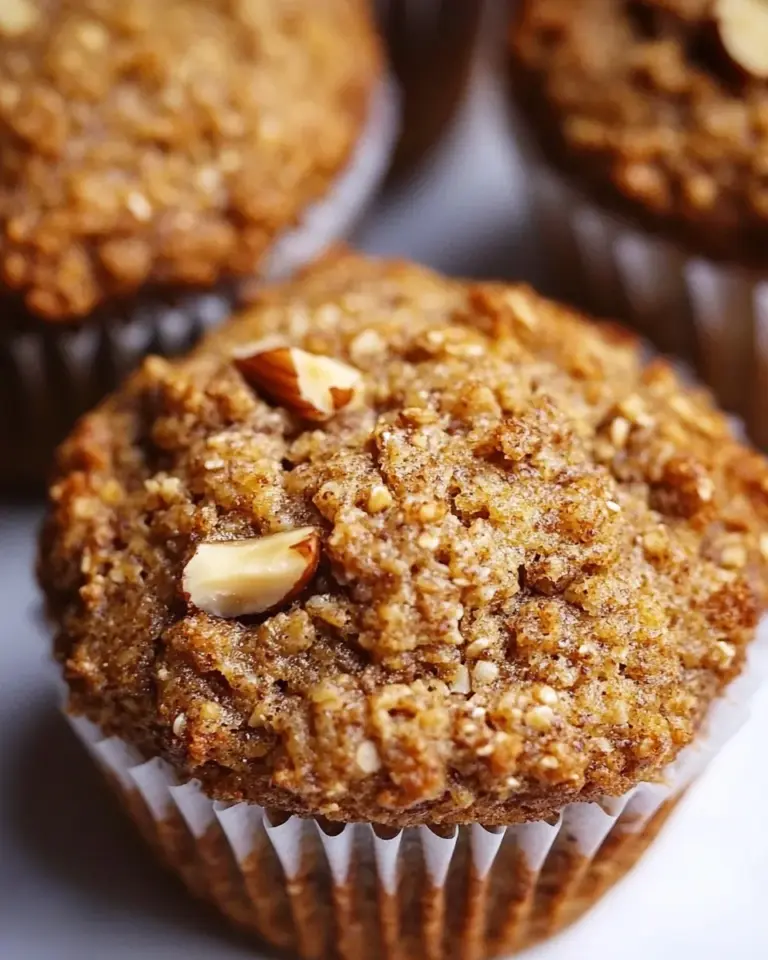
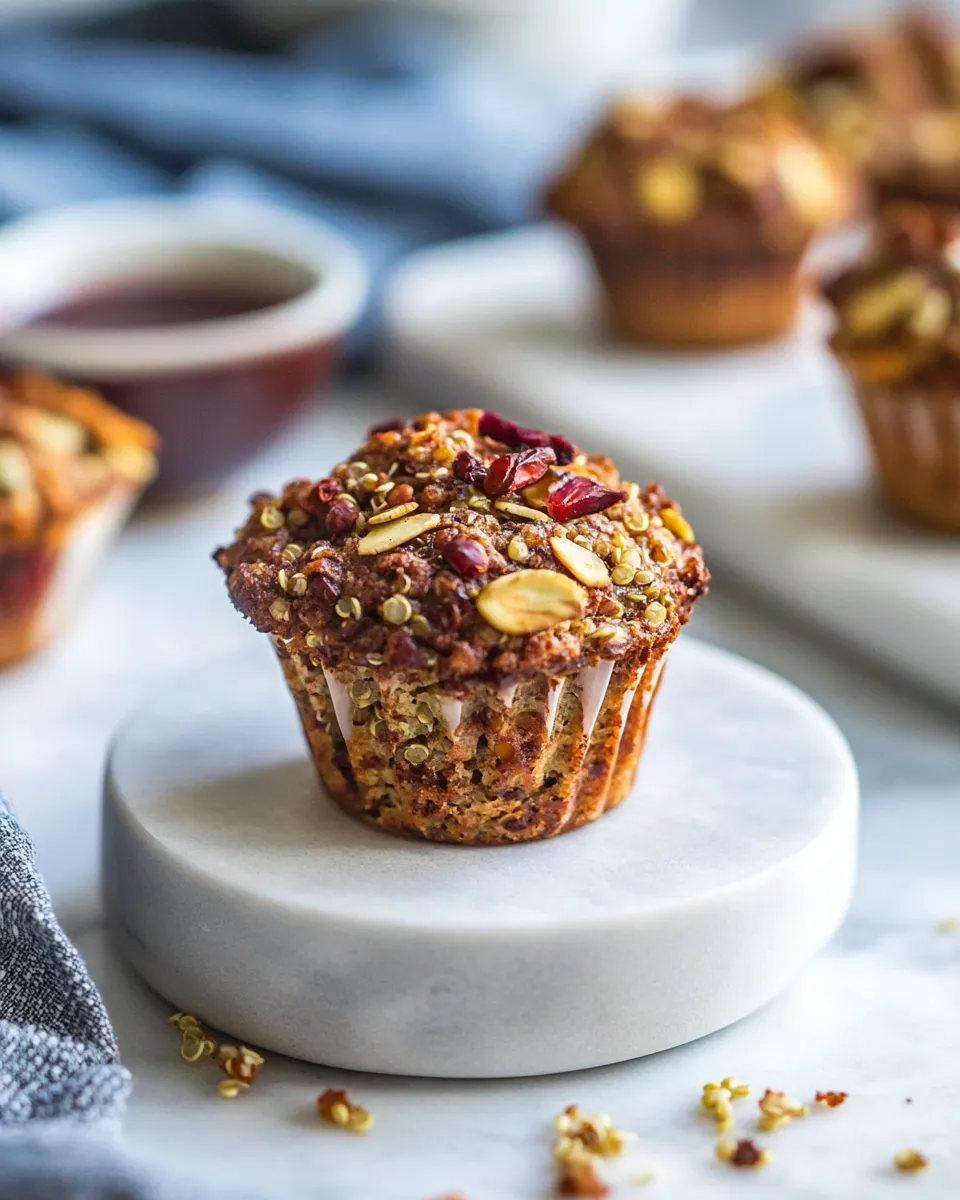
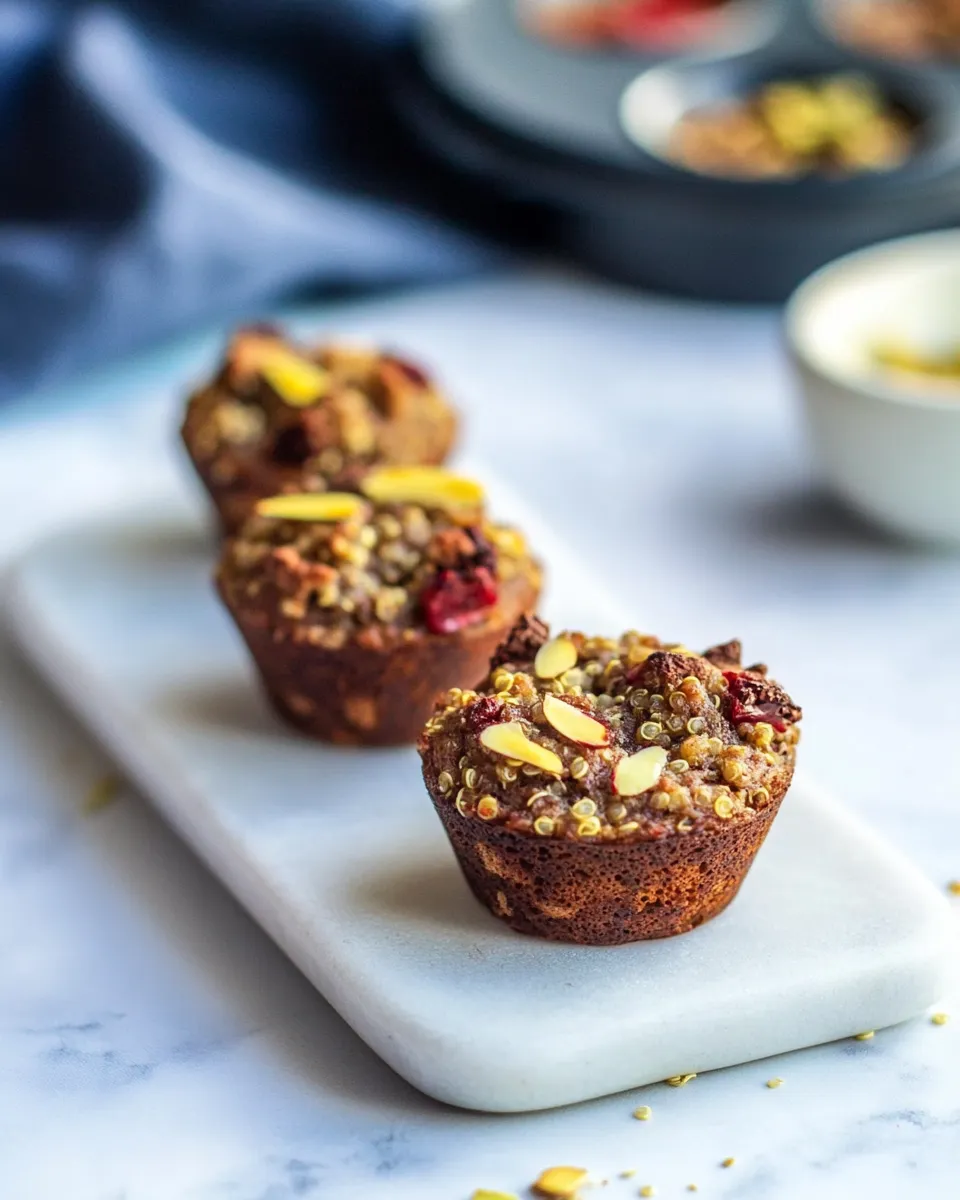
These muffins were born from the need for something portable, filling, and genuinely nutritious that doesn’t taste like a compromise. Quinoa gives them a satisfying chew and a mild nuttiness, almond butter holds everything together without flour, and roasted apricots with cherries add bright pockets of natural sweetness.
I test these on busy mornings and bring them to friends when I know someone needs a better snack. They freeze beautifully, travel well, and hold up as a little breakfast, post-workout bite, or an afternoon pick-me-up. There’s no gluten, no refined flours, and they’re naturally grain-forward rather than cakey.
Below you’ll find a clear ingredient list taken from the recipe, step-by-step instructions following the tested method, troubleshooting tips, sensible substitutions, and storage notes so these muffins work reliably in your kitchen.
Ingredient Checklist
Ingredients
- 2/3 cup unsweetened vanilla almond milk — hydrates and flavors the quinoa; use unsweetened to control sweetness.
- 1 teaspoon vanilla extract — brightens the batter and complements the fruit.
- 1/3 cup quinoa uncooked — the base of the muffins; provides texture and protein.
- 3/4 cup apricot (125g) cubed — sweet-tart fruit that roasts into jammy pieces.
- 1/2 cup cherries (90g) pitted and halved, lightly heaping — adds acidity and depth when roasted.
- 3 1/2 tablespoons honey divided — primary sweetener; part is used to roast the fruit.
- 1 teaspoon ground cardamom — aromatic spice that pairs beautifully with apricot and almond.
- 1 pinch sea salt — enhances all flavors and balances sweetness.
- 1/4 cup natural almond butter plus additional for drizzling — binder and flavor; natural almond butter melts into a silky matrix.
- 1/2 teaspoon fresh ginger minced — gives a subtle, warm bite; use freshly minced for brightness.
- 2 large eggs — provide structure and lift.
- Egg whites from 2 eggs — extra protein and moisture without extra yolk fat.
- 3 tablespoons pistachios minced — garnish and crunch; also a flavor counterpoint.
Build Healthy Gluten-Free Quinoa Muffins Step by Step
- Preheat the oven to 450°F. Line a baking sheet with parchment paper and set aside.
- In a small pot, bring the 2/3 cup unsweetened vanilla almond milk and 1 teaspoon vanilla extract to a boil over medium-high heat.
- Add the 1/3 cup uncooked quinoa, stir, reduce heat to low, cover, and simmer until the quinoa has absorbed the liquid, about 25 minutes.
- While the quinoa cooks, toss the 3/4 cup cubed apricots, 1/2 cup pitted and halved cherries, and 1/2 tablespoon of the honey in a medium bowl. Spread the fruit in a single layer on the prepared baking sheet.
- Roast the fruit in the 450°F oven until the fruits release their juices and begin to lightly brown, about 13 to 15 minutes. Remove from the oven and set aside to cool.
- When the quinoa is done, transfer it to a medium bowl, stir in 1 teaspoon ground cardamom and a pinch of sea salt, then refrigerate (or set aside) until the quinoa is no longer hot and has cooled down to at least slightly warm or room temperature.
- Lower the oven temperature to 425°F. Generously spray a 12-cavity muffin tin with cooking spray.
- In a large microwave-safe bowl, melt the 1/4 cup natural almond butter until smooth (about 1 minute). Stir in the remaining 3 tablespoons honey and the 1/2 teaspoon minced fresh ginger.
- Stir the slightly cooled quinoa into the almond butter mixture until well combined.
- In a separate medium bowl, whisk together the 2 large eggs and the egg whites from 2 eggs. Pour the eggs into the quinoa mixture and stir until combined (the mixture will be a bit soupy).
- Divide the quinoa mixture among 11 of the muffin cavities, filling each cavity about halfway.
- Evenly divide the roasted apricot-and-cherry mixture among the filled cavities, pressing the fruit gently into the batter. Sprinkle the tops with the 3 tablespoons minced pistachios.
- Bake at 425°F until the muffins have risen and the tops are set, about 12 to 14 minutes.
- Remove the muffins from the oven. Immediately run a thin, sharp knife around each muffin to loosen, then remove them from the tin and transfer to a cooling rack to cool completely.
- Drizzle with additional almond butter if desired and serve.
What Sets This Recipe Apart
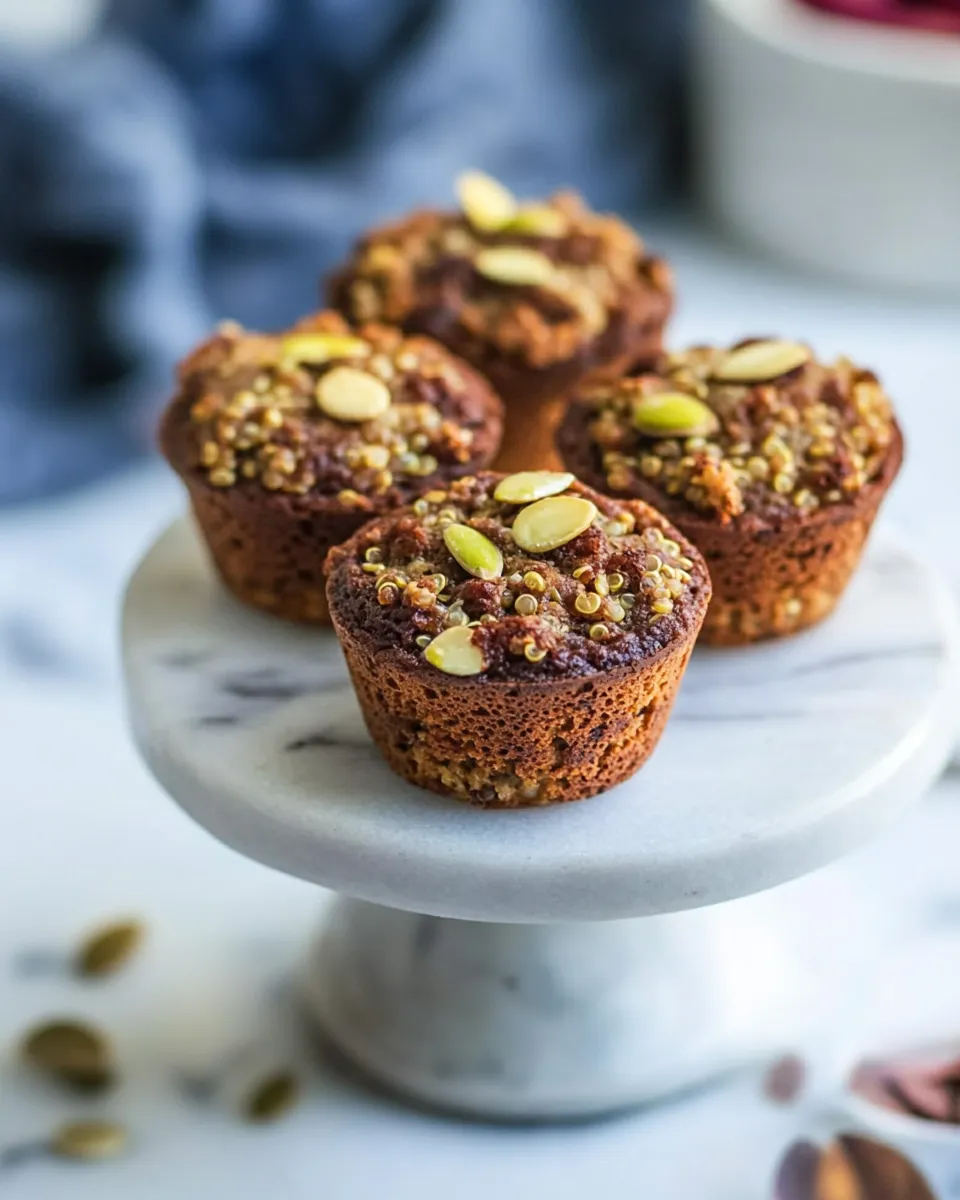
There are three things that make these muffins stand out. First, quinoa replaces flour, giving a unique, substantial texture and a hit of complete protein most grain-based muffins lack. Second, the fruit is roasted before it goes into the batter, concentrating flavor and caramelizing juices so each bite has bursts of real fruit rather than scattered raw pieces.
Third, almond butter plus whole eggs create structure without relying on refined flours or heavy fats. The combination of cardamom and ginger is subtle but decisive: it dresses up the fruit without overpowering it. The result feels thoughtful and intentionally healthy, not like a diet food with joy removed.
Healthier Substitutions
If you want to tweak the recipe while keeping its spirit:
- Sweetener swap — use maple syrup instead of honey if you prefer a different flavor profile or need a vegan option.
- Nut butter — sunflower seed butter can replace almond butter for a nut-free version (watch flavor differences).
- Milk — any unsweetened plant milk can stand in for the almond milk if you need a different base.
- Fruit — the roasting method works for other stone fruits or berries; just adjust roasting time if pieces are larger or denser.
Setup & Equipment
Gathering the right tools ahead of time saves frustration. You don’t need anything fancy, but a few pieces help the recipe run smoothly.
Must-haves
- Small saucepan with lid — for simmering the quinoa.
- Baking sheet lined with parchment — for roasting fruit and catching juices.
- 12-cavity muffin tin — the recipe fills 11 cavities.
- Mixing bowls — small, medium, and large to keep wet and dry components separate.
- Cooling rack — important so muffins don’t sweat on a plate and get soggy.
Nice-to-haves
- Microwave-safe bowl (or small saucepan) — to melt almond butter evenly.
- Sharp knife — to loosen muffins immediately after baking.
Avoid These Traps
Small missteps can change texture and rise. Here are the most common traps and how to avoid them:
- Too-hot quinoa — if the quinoa is still hot when mixed with almond butter, the almond butter can thin excessively and affect batter structure. Cool it to slightly warm or room temperature as directed.
- Skipping the roast — putting raw fruit straight into the batter yields less concentrated flavor. Roasting concentrates sweetness and prevents watery pockets.
- Wrong oven temperature — start at 450°F for roasting the fruit, then lower to 425°F for baking the muffins. Not following this will change roasting times and final texture.
- Overfilling cavities — the recipe fills 11 cavities about halfway then tops with fruit; overfilling prevents even baking and rise.
Variations for Dietary Needs
These muffins are already gluten-free thanks to quinoa, but here are simple ways to adapt them for other needs without reinventing the recipe:
- Vegan — replace honey with maple syrup and use an egg replacer such as a commercial binder or pureed banana or applesauce plus an additional binder; results will be denser. Test one substitution at a time.
- Nut-free — swap almond butter for sunflower seed butter and use a seed-based milk if cross-contact is a concern.
- Lower-sugar — reduce the drizzle and the honey used to roast fruit slightly, or choose naturally sweeter fruit so less added sweetener is needed.
Flavor Logic
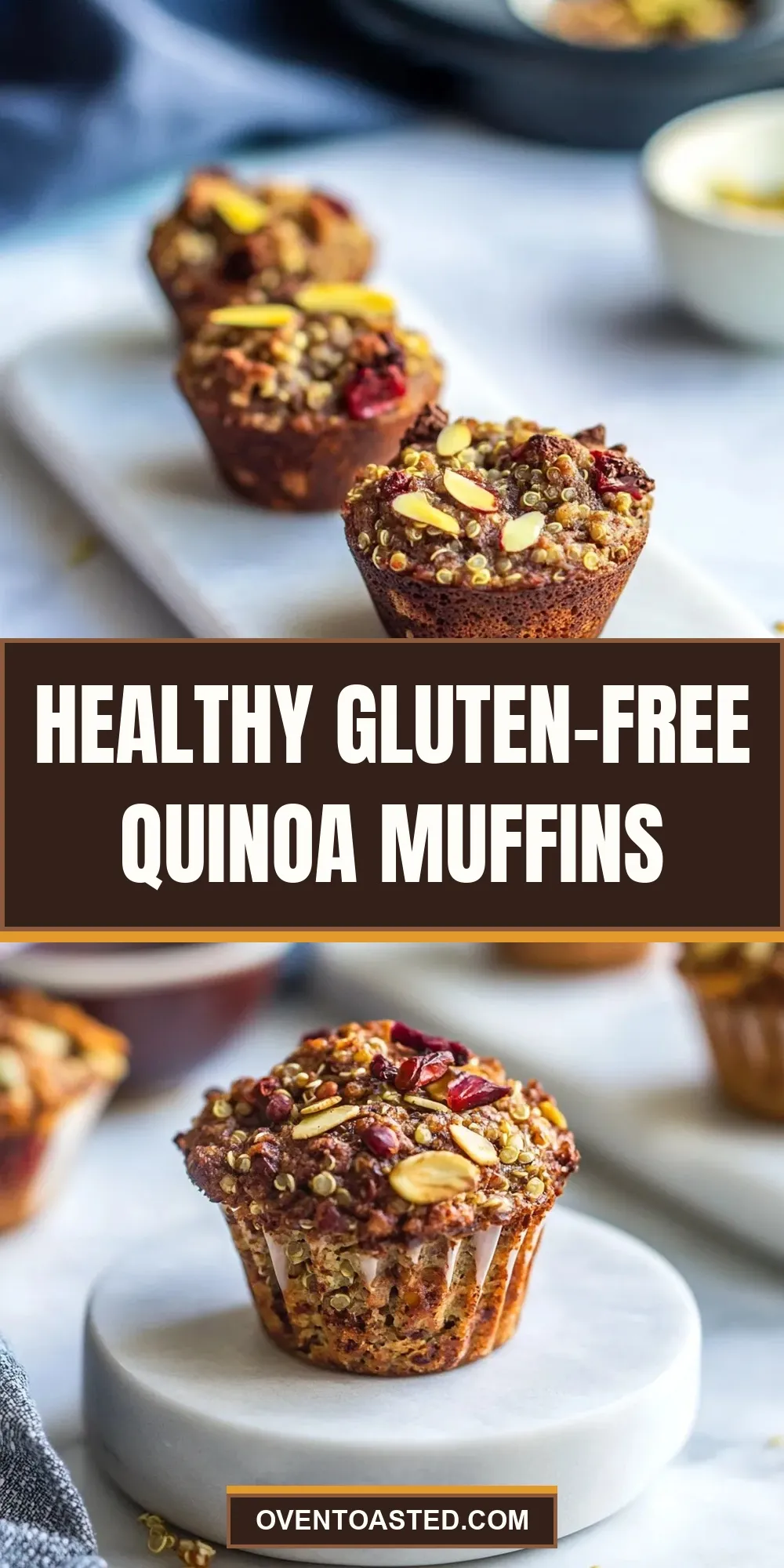
Understanding why flavors were paired helps you change things intentionally. Quinoa is mild and slightly nutty; it needs a little aromatics and salt to sing. Cardamom and vanilla add warm, rounded aromatics that pair with both stone fruit and cherries, while fresh ginger offers a bright, zingy counterpoint to the sweetness. Almond butter contributes fat and a toasted note, which balances the acidity of the cherries. Pistachios on top provide a contrasting crunch and a color pop that makes each muffin feel finished.
How to Store & Reheat
Store cooled muffins in an airtight container at room temperature for up to two days, then transfer to the refrigerator for up to five days. To freeze, wrap individually in plastic wrap and place in a freezer bag for up to three months. Thaw at room temperature or pop a frozen muffin in the microwave for 20–40 seconds to defrost and warm through.
For the best texture, reheat in a 325°F oven for 5–8 minutes instead of the microwave if you want a crisper top and warmed-through center.
Common Qs About Healthy Gluten-Free Quinoa Muffins
Can I make the quinoa ahead of time? Yes. Cooked quinoa can be refrigerated and used within a couple of days. Make sure it’s cooled before mixing into the almond butter to avoid thinning the binder.
Why roast the fruit? Roasting concentrates sugars, releases juices that caramelize, and develops deeper flavor than raw fruit. It also prevents the batter from becoming watery.
My muffins were dense — what happened? Likely causes: quinoa was too hot when mixed with almond butter, overmixing the batter, or filling the cavities incorrectly. Follow the cooling step closely and mix just to combine.
Can I swap fruits? Yes. The method works for plums, peaches, berries, and more. Adjust roasting time for denser fruits.
The Last Word
These Healthy Gluten-Free Quinoa Muffins are practical, forgiving, and honest about what they are: fruit-forward, protein-rich bites that travel well and taste thoughtful. Roast the fruit, cool the quinoa, and treat the almond butter as the glue that brings everything together. Follow the steps closely the first time; once you’ve made them, feel free to riff confidently.
Make a batch, freeze a few, and keep one on hand for the mornings when you need something real and ready. They’ll surprise you with how satisfying a muffin can be without flour.
Healthy Gluten-Free Quinoa Muffins
Ingredients
Equipment
Method
- Preheat the oven to 450°F. Line a baking sheet with parchment paper and set aside.
- In a small pot, bring the 2/3 cup unsweetened vanilla almond milk and 1 teaspoon vanilla extract to a boil over medium-high heat.
- Add the 1/3 cup uncooked quinoa, stir, reduce heat to low, cover, and simmer until the quinoa has absorbed the liquid, about 25 minutes.
- While the quinoa cooks, toss the 3/4 cup cubed apricots, 1/2 cup pitted and halved cherries, and 1/2 tablespoon of the honey in a medium bowl. Spread the fruit in a single layer on the prepared baking sheet.
- Roast the fruit in the 450°F oven until the fruits release their juices and begin to lightly brown, about 13 to 15 minutes. Remove from the oven and set aside to cool.
- When the quinoa is done, transfer it to a medium bowl, stir in 1 teaspoon ground cardamom and a pinch of sea salt, then refrigerate (or set aside) until the quinoa is no longer hot and has cooled down to at least slightly warm or room temperature.
- Lower the oven temperature to 425°F. Generously spray a 12-cavity muffin tin with cooking spray.
- In a large microwave-safe bowl, melt the 1/4 cup natural almond butter until smooth (about 1 minute). Stir in the remaining 3 tablespoons honey and the 1/2 teaspoon minced fresh ginger.
- Stir the slightly cooled quinoa into the almond butter mixture until well combined.
- In a separate medium bowl, whisk together the 2 large eggs and the egg whites from 2 eggs. Pour the eggs into the quinoa mixture and stir until combined (the mixture will be a bit soupy).
- Divide the quinoa mixture among 11 of the muffin cavities, filling each cavity about halfway.
- Evenly divide the roasted apricot-and-cherry mixture among the filled cavities, pressing the fruit gently into the batter. Sprinkle the tops with the 3 tablespoons minced pistachios.
- Bake at 425°F until the muffins have risen and the tops are set, about 12 to 14 minutes.
- Remove the muffins from the oven. Immediately run a thin, sharp knife around each muffin to loosen, then remove them from the tin and transfer to a cooling rack to cool completely.
- Drizzle with additional almond butter if desired and serve.