Hibachi Chicken and Vegetables
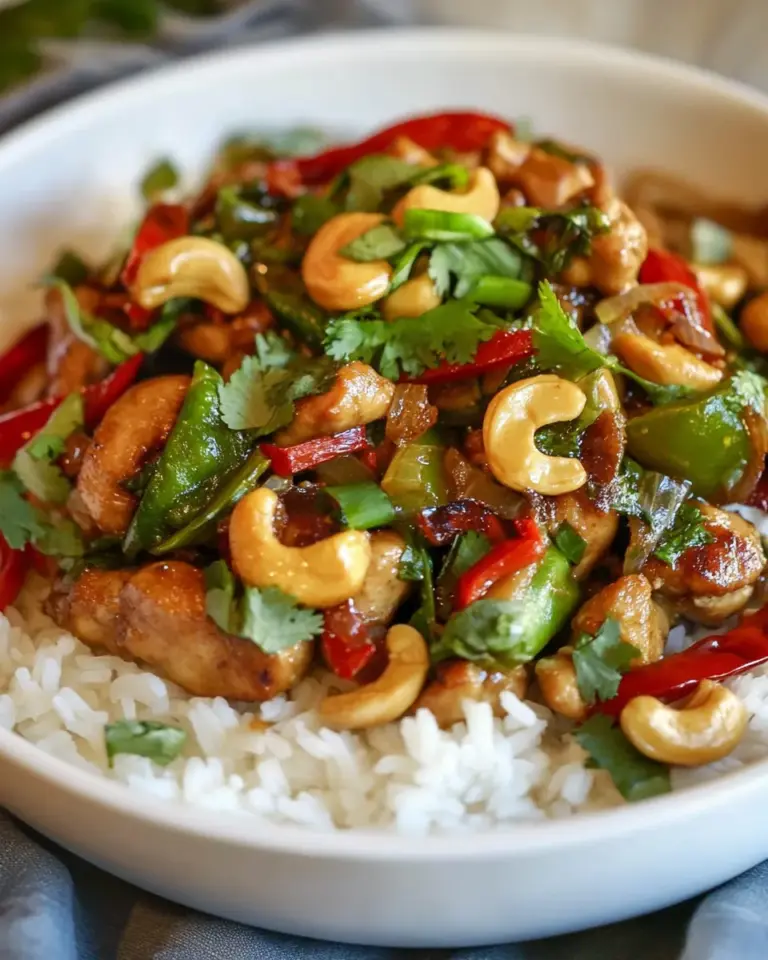
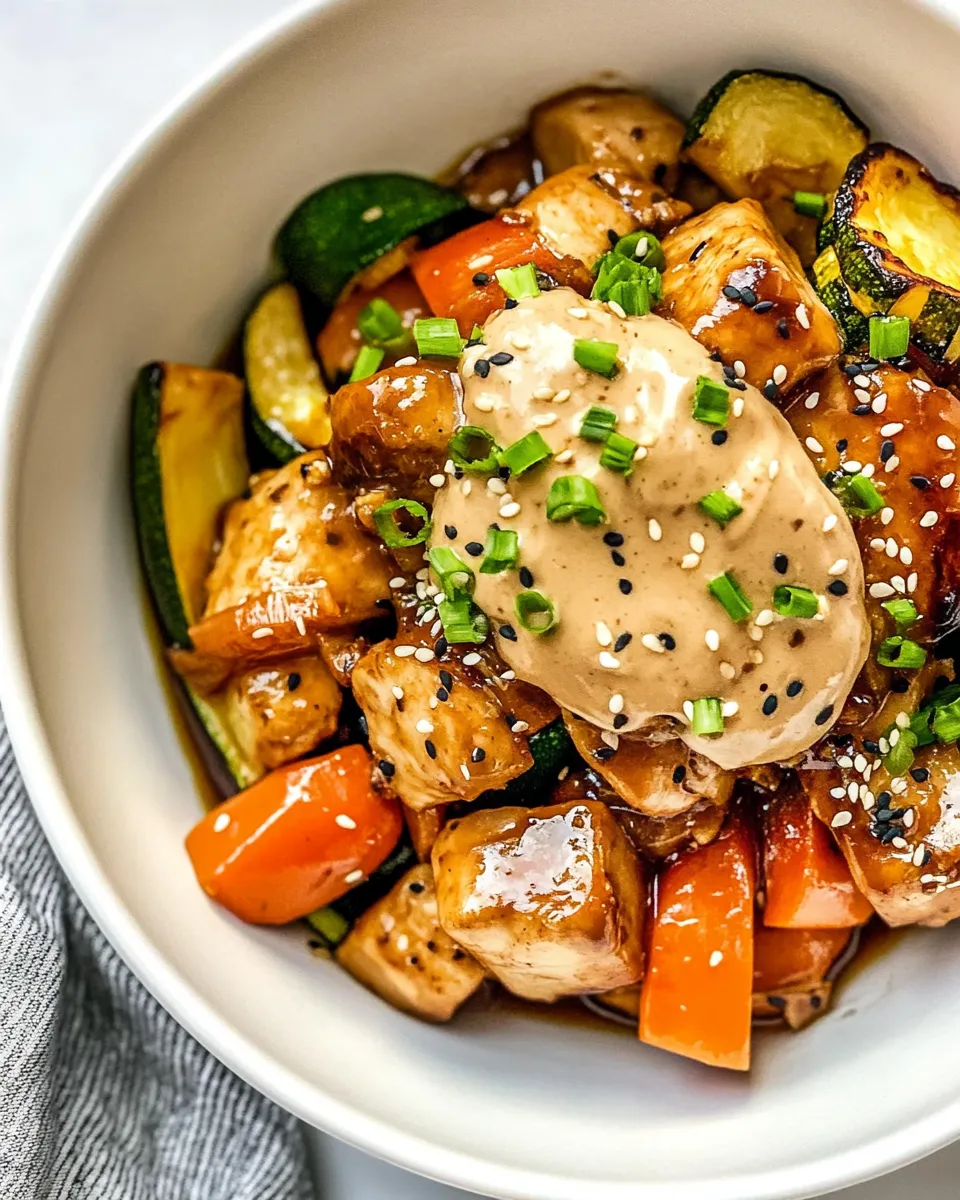
This hibachi-style chicken and vegetables recipe is the weeknight hero I turn to when I want restaurant flavor without the fuss. It’s quick, forgiving, and very plate-friendly: juicy seared chicken, bright charred vegetables, and a creamy mayo-based “yum yum” sauce that ties everything together. You’ll get the theatrical sizzle at home with just a skillet and a little heat control.
I keep the prep straightforward: bite-sized chicken, large-cut onion for those sweet charred pieces, and a mix of zucchini, carrots, and mushrooms for texture. The sauce is simple to whisk and chill while everything else cooks. Serve it over rice or noodles and garnish with scallions and sesame seeds for a finish that looks like you spent more time than you did.
Read through the gear and common mistakes before you start — it helps you hit that restaurant-style sear. The steps themselves are short and in order, so once your mise en place is ready, this comes together fast.
What We’re Using
Minimal ingredients, maximum return. This is classic hibachi: high-heat sear for the chicken, quick-cook vegetables for crunch and color, and a creamy dipping/drizzling sauce to bring it all home. Most of these items are pantry staples or grocery-store basics.
Ingredients
- ½ cup mayonnaise — base for the creamy yum yum sauce; provides richness and tang.
- 1 tablespoon rice vinegar (*) — brightens the sauce and cuts the richness of the mayo.
- 1 tablespoon tomato paste (**) — adds color and a savory depth to the sauce.
- 1 tablespoon low-sodium soy sauce — saltiness and savory umami, used in the sauce.
- 2 tablespoons canola oil (divided) — neutral high-heat oil for searing chicken and vegetables.
- 1½ pounds boneless, skinless chicken breasts (cut into bite-sized pieces ***) — main protein; bite-sized pieces sear evenly and finish quickly.
- 1 tablespoon unsalted butter — added low and late to finish the chicken with a glossy sheen.
- 2 tablespoons low-sodium soy sauce (divided) — part used to finish chicken, part used on the vegetables for seasoning.
- 1 medium yellow onion (cut into large chunks) — large chunks char and soften, adding sweet, caramelized flavor.
- 1 medium zucchini (quartered lengthwise and sliced ½-inch thick) — tender-crisp texture; keeps shape when seared.
- 1 medium carrots (sliced into thin coins) — thin coins cook quickly while staying slightly firm for bite.
- 8 ounces small brown mushrooms (quartered) — absorb heat and provide earthy flavor; quartering matches the vegetable sizes.
- cooked rice or noodles — vehicle for the chicken and vegetables; choose your favorite.
- scallions (sliced) — fresh garnish to add punch and color.
- red pepper flakes — optional for heat; sprinkle to taste.
- toasted sesame seeds — optional crunch and nutty finish.
Hibachi Chicken and Vegetables, Made Easy
- In a small bowl, whisk together ½ cup mayonnaise, 1 tablespoon rice vinegar, 1 tablespoon tomato paste, and 1 tablespoon low-sodium soy sauce until smooth. Refrigerate the sauce until ready to serve.
- Heat a large skillet or wok over medium-high heat. Add 1 tablespoon canola oil and heat until shimmering.
- Add the 1½ pounds boneless, skinless chicken breasts (cut into bite-sized pieces) in a single layer. Let the chicken cook undisturbed for 2–3 minutes to develop browning, then stir and continue cooking until the chicken is cooked through, about 6–8 minutes total (including the initial 2–3 minutes).
- Reduce the heat to low. Add 1 tablespoon unsalted butter and 1 tablespoon low-sodium soy sauce to the pan and stir to coat the chicken until glossy, about 30 seconds. Transfer the chicken to a plate and cover with foil to keep warm.
- Return the skillet to medium-high heat and add the remaining 1 tablespoon canola oil. Add the prepared vegetables: 1 medium yellow onion (cut into large chunks), 1 medium zucchini (quartered lengthwise and sliced ½-inch thick), 1 medium carrot (sliced into thin coins), and 8 ounces small brown mushrooms (quartered).
- Cook the vegetables, stirring occasionally, until they are tender-crisp and slightly charred in spots, 5–7 minutes.
- Add the remaining 1 tablespoon low-sodium soy sauce to the vegetables and stir to coat. Return the cooked chicken to the skillet and toss with the vegetables for about 1 minute to rewarm and combine.
- Serve the hibachi chicken and vegetables over cooked rice or noodles. Serve the mayo-based sauce (yum yum sauce) on the side or drizzled on top. Garnish with sliced scallions, red pepper flakes, and toasted sesame seeds, if desired.
Why It Deserves a Spot
This dish earns a permanent spot in the rotation because it hits useful weeknight marks: fast, flexible, and family-friendly. The method is forgiving — bite-sized chicken cooks quickly and chicken and vegetables are finished separately so nothing overcooks. The sauce elevates simple ingredients into something that feels celebratory without being fussy.
It’s also a great template recipe. Swap the final starch, vary the vegetables within the list, or double the sauce for a drizzling obsession. The balance of sear, bright vinegar in the sauce, and the clean seasoning from soy sauce makes it broadly appealing.
Healthier Substitutions
If you want to lighten things without changing the technique, keep these principles in mind:
- Serve sauce on the side rather than drizzling it over everything to control richness.
- Lean on the vegetables portion from the recipe to add volume and fiber to each plate.
- Use the listed cooked rice or noodles and choose whole-grain versions where you already shop for rice/noodle staples.
What’s in the Gear List
Essential
- Large skillet or wok — wide surface for searing chicken in a single layer and for stir-frying vegetables.
- Sharp knife and cutting board — cut the chicken and vegetables to the sizes recommended for even cooking.
- Small mixing bowl and whisk — to make and chill the mayo-based sauce quickly.
Helpful Extras
- Tongs or a slotted spatula — for turning chicken and tossing vegetables quickly.
- Instant-read thermometer — optional if you want to check chicken doneness precisely.
Learn from These Mistakes
Here are missteps I see often and how to avoid them:
- Overcrowding the pan when searing chicken — it steams instead of browning. Work in a single layer or brown in batches if needed.
- Cutting vegetables too small — they’ll overcook and lose texture. Stick to the sizes in the recipe so they stay tender-crisp.
- Adding sauce to the pan while it’s still on high heat — the mayo-based sauce is meant to be chilled and served cold or drizzled. Heat can break its texture; keep it refrigerated until serving.
- Skipping the low-heat butter/soy finish on the chicken — that quick gloss step adds a restaurant-style sheen and a hit of umami that carries through the dish.
Dietary Customizations
Want to adapt this to different needs while keeping the method? Focus on technique rather than adding new quantities:
- Lower sodium: use the low-sodium soy sauce listed and keep the sauce on the side so each diner controls how much they use.
- Lower fat: serve the mayo-based sauce sparingly and emphasize the vegetables and rice/noodles as the main portion on the plate.
- Allergy-conscious plating: keep garnishes like scallions, red pepper flakes, and sesame seeds separate so people can opt out.
Behind the Recipe
This recipe is inspired by the hibachi-style techniques you see at teppanyaki counters: high heat, clear seasonings, and a quick finish. The mayo-based sauce is a familiar companion to hibachi dishes in many home renditions of the style — it’s creamy, slightly tangy, and brings a comforting balance to the seared components.
I like this version because it emphasizes contrast — glossy chicken finished with butter and soy, vegetables charred but crisp, and a cool sauce to balance heat. It’s a small set of moves that create big contrasts on the plate.
Meal Prep & Storage Notes
Make this ahead in components for easy weeknight dinners:
- Store the mayo-based sauce in an airtight container in the refrigerator for up to 4–5 days.
- Cooked chicken and vegetables will keep in the fridge for 3–4 days. Reheat gently in a skillet over medium heat to avoid drying the chicken.
- Cook rice or noodles in advance and portion for quick assembly; reheat with a splash of water or a quick toss in the pan to revive texture.
Handy Q&A
Can I make the sauce ahead? Yes — in fact, it benefits from a short chill so the flavors meld. Refrigerate until service.
What if my chicken isn’t browning? Raise the heat slightly and give it space in the pan. Make sure the oil is shimmering before adding the chicken, and don’t move it for the initial 2–3 minutes.
How do I know when the vegetables are done? Aim for tender-crisp with some charred spots. That usually takes 5–7 minutes over medium-high heat as listed.
Can I use thighs instead of breasts? Yes, but adjust your expectations: thighs release more juices and take a bit longer to brown. If using thighs, keep the same approach but watch for doneness.
Save & Share
If you make this, save the recipe and tweak it to your household’s preferences — more mushrooms for earthiness, extra scallions for brightness, or a side of pickled cucumbers for contrast. Photograph the finished plate (the charred vegetables and glossy chicken look great) and share with friends. This is the kind of recipe that rewards repetition: each time you’ll find a small change that makes it even better for you.
Hibachi Chicken and Vegetables
Ingredients
Equipment
Method
- In a small bowl, whisk together ½ cup mayonnaise, 1 tablespoon rice vinegar, 1 tablespoon tomato paste, and 1 tablespoon low-sodium soy sauce until smooth. Refrigerate the sauce until ready to serve.
- Heat a large skillet or wok over medium-high heat. Add 1 tablespoon canola oil and heat until shimmering.
- Add the 1½ pounds boneless, skinless chicken breasts (cut into bite-sized pieces) in a single layer. Let the chicken cook undisturbed for 2–3 minutes to develop browning, then stir and continue cooking until the chicken is cooked through, about 6–8 minutes total (including the initial 2–3 minutes).
- Reduce the heat to low. Add 1 tablespoon unsalted butter and 1 tablespoon low-sodium soy sauce to the pan and stir to coat the chicken until glossy, about 30 seconds. Transfer the chicken to a plate and cover with foil to keep warm.
- Return the skillet to medium-high heat and add the remaining 1 tablespoon canola oil. Add the prepared vegetables: 1 medium yellow onion (cut into large chunks), 1 medium zucchini (quartered lengthwise and sliced ½-inch thick), 1 medium carrot (sliced into thin coins), and 8 ounces small brown mushrooms (quartered).
- Cook the vegetables, stirring occasionally, until they are tender-crisp and slightly charred in spots, 5–7 minutes.
- Add the remaining 1 tablespoon low-sodium soy sauce to the vegetables and stir to coat. Return the cooked chicken to the skillet and toss with the vegetables for about 1 minute to rewarm and combine.
- Serve the hibachi chicken and vegetables over cooked rice or noodles. Serve the mayo-based sauce (yum yum sauce) on the side or drizzled on top. Garnish with sliced scallions, red pepper flakes, and toasted sesame seeds, if desired.
Notes
Aim for uniform sizes when chopping the veggies and chicken so everything finishes cooking at the same time.
This recipe works great with steak or shrimp as well.
Let the chicken brown undisturbed. Searing the chicken without stirring builds flavor and gives that classic hibachi-style crust.
As the vegetables cook, they release liquid that naturally deglazes the pan, lifting up the browned bits left from the chicken and adding extra flavor to the mix.
Carrots tend to sink and get stuck under the other vegetables, so be sure to stir well and lift them from the bottom of the pan to prevent burning.
When serving over rice or noodles, I like to toss the cooked rice/noodles with some soy sauce and butter for extra flavor.
Nutritional information does not include optional ingredients.