Homemade Hot Pockets
These are the kind of kitchen wins you can pull off in under an hour and still feel proud. Crisp, golden pockets filled with sauce, cheese, and pepperoni — all wrapped in store-bought pizza dough — make a weeknight dinner or an easy snack that everyone recognizes and eats happily. I test recipes on busy nights, and this one is repeatable, forgiving, and fast.
No fancy equipment. No long rise times. You’ll work with a pound of refrigerated pizza dough, a little sauce, cheese, sliced pepperoni, and one egg. The method is straightforward: portion, fill, seal, egg wash, and bake. Small steps, clear results.
Below I break down the ingredients and the exact steps so you can get consistent pockets every time. I’ll also cover common problems, simple swaps that keep the recipe lighter, and the best ways to freeze and reheat leftovers so nothing goes to waste.
Ingredient Rundown
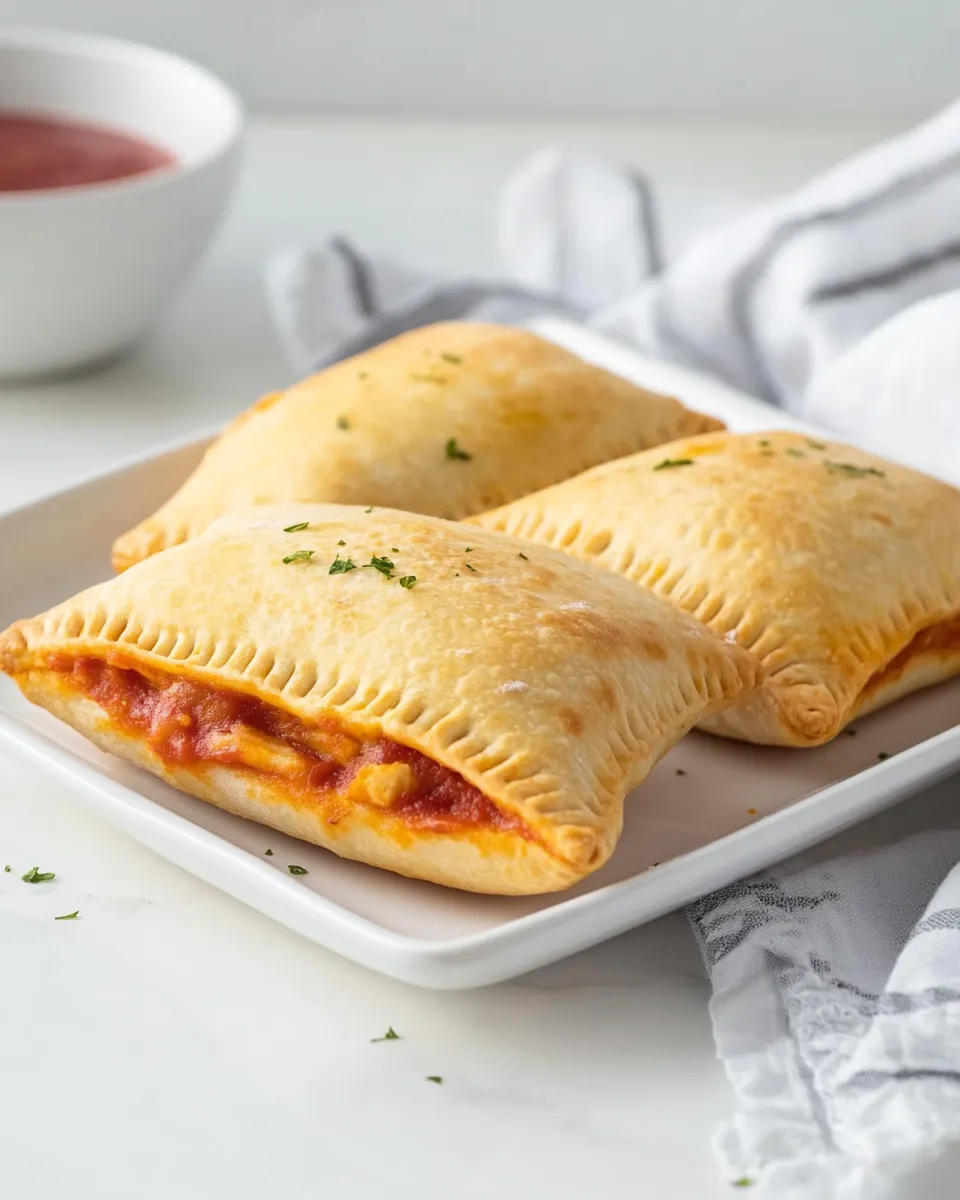
- 1 pound refrigerated pizza dough — the envelope for everything; choose a good-quality dough for the best texture and flavor.
- ½ cup pizza sauce — provides moisture and seasoning; spoon it sparingly to avoid soggy pockets.
- 1 cup shredded mozzarella cheese — the melt and glue; divide evenly so each pocket gets melty cheese.
- ½ cup sliced pepperoni — the main savory element; sliced pepperoni distributes flavor without overwhelming.
- 1 large egg, beaten — egg wash to brown and seal the edges; it helps the pockets bake to an attractive finish.
Homemade Hot Pockets, Made Easy
- Preheat the oven to 400°F (200°C). Line a baking sheet with parchment paper.
- Divide the 1 pound refrigerated pizza dough into 8 equal portions.
- On a clean work surface, roll each portion into a roughly 5-inch square. Transfer each square to the prepared baking sheet.
- Spoon 1 tablespoon pizza sauce onto the center of each square, leaving about a 1/2-inch border around the edges.
- Divide the 1 cup shredded mozzarella and the 1/2 cup sliced pepperoni evenly among the squares (about 2 tablespoons mozzarella and 1 tablespoon pepperoni per pocket). Spread the toppings over the sauce.
- Fold each square in half over the filling to form a pocket. Gently press out any excess air, then firmly seal the edges by pressing with the tines of a fork.
- Brush the tops and sealed edges of each pocket with the beaten egg.
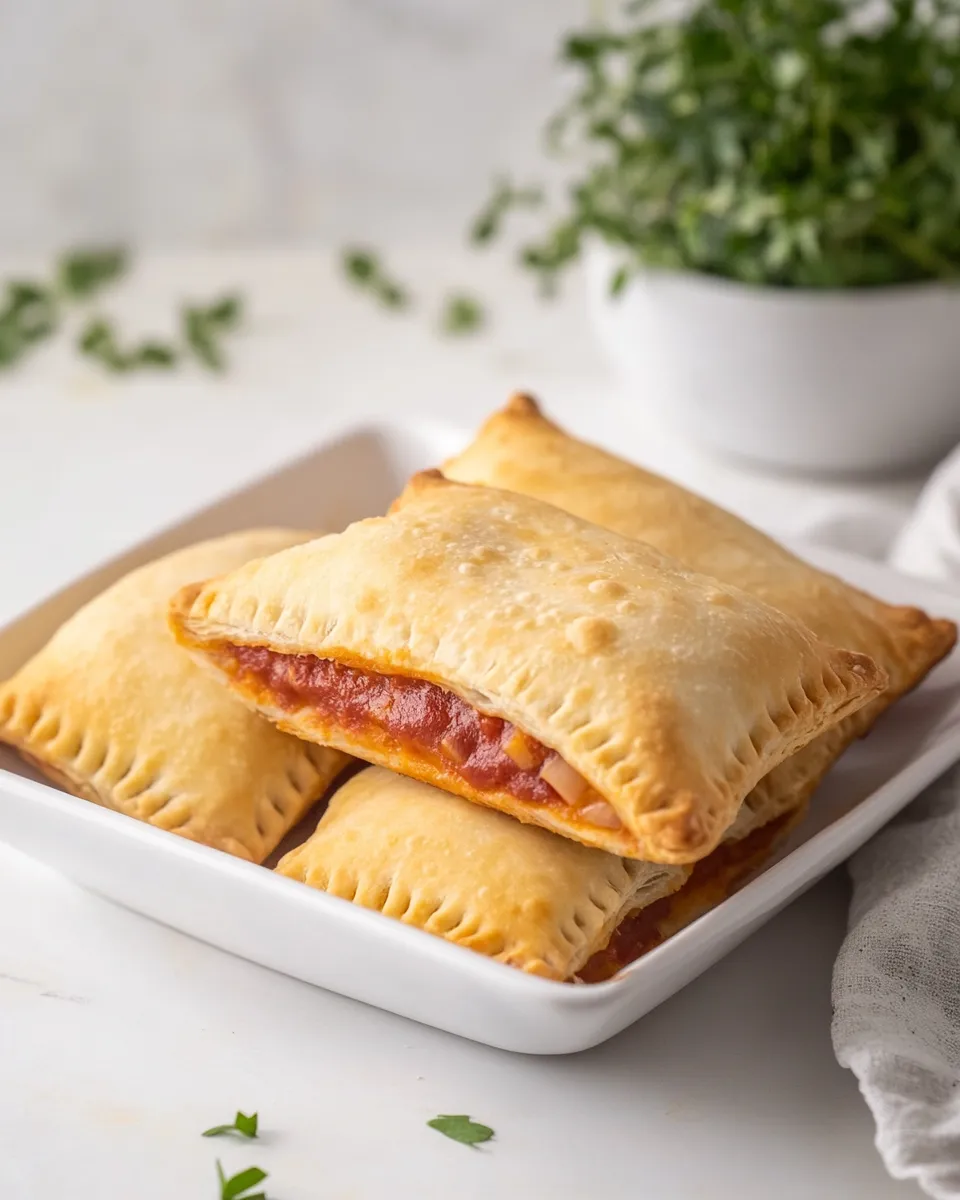
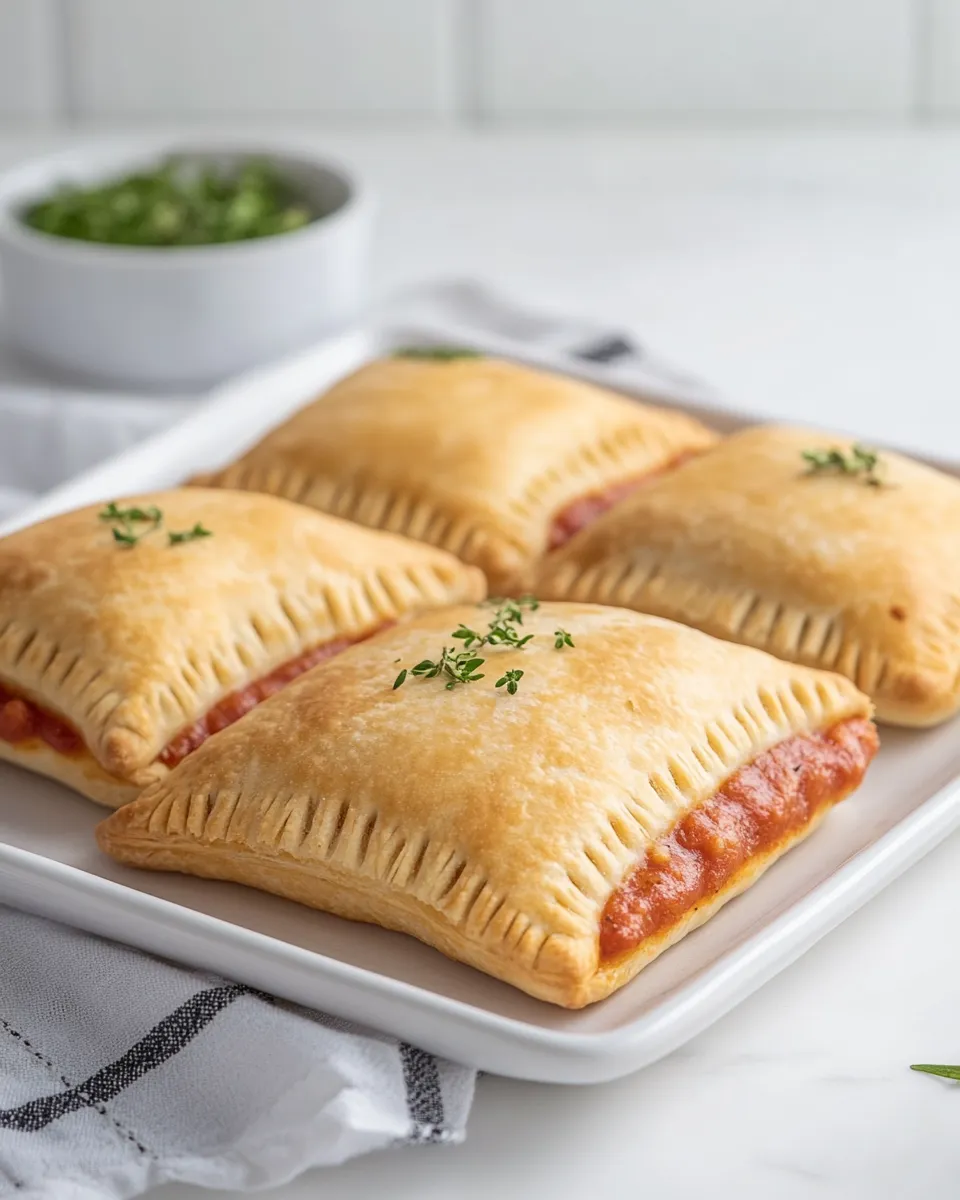
- Bake on the prepared sheet for 15 minutes, or until the pockets are golden brown. Let cool a few minutes before serving.
Why Homemade Hot Pockets is Worth Your Time
Store-bought versions are handy, but making them at home delivers fresher flavor and better texture. You control the dough quality, the cheese, and the amount of sauce. They bake up with crisp edges and a soft interior — something frozen pockets rarely match.
They’re also economical. A few basic ingredients and a short time in the oven feed multiple people, and you can easily double the batch. Finally, homemade pockets avoid overly processed fillings and let you monitor salt and fat more easily.
Healthier Substitutions
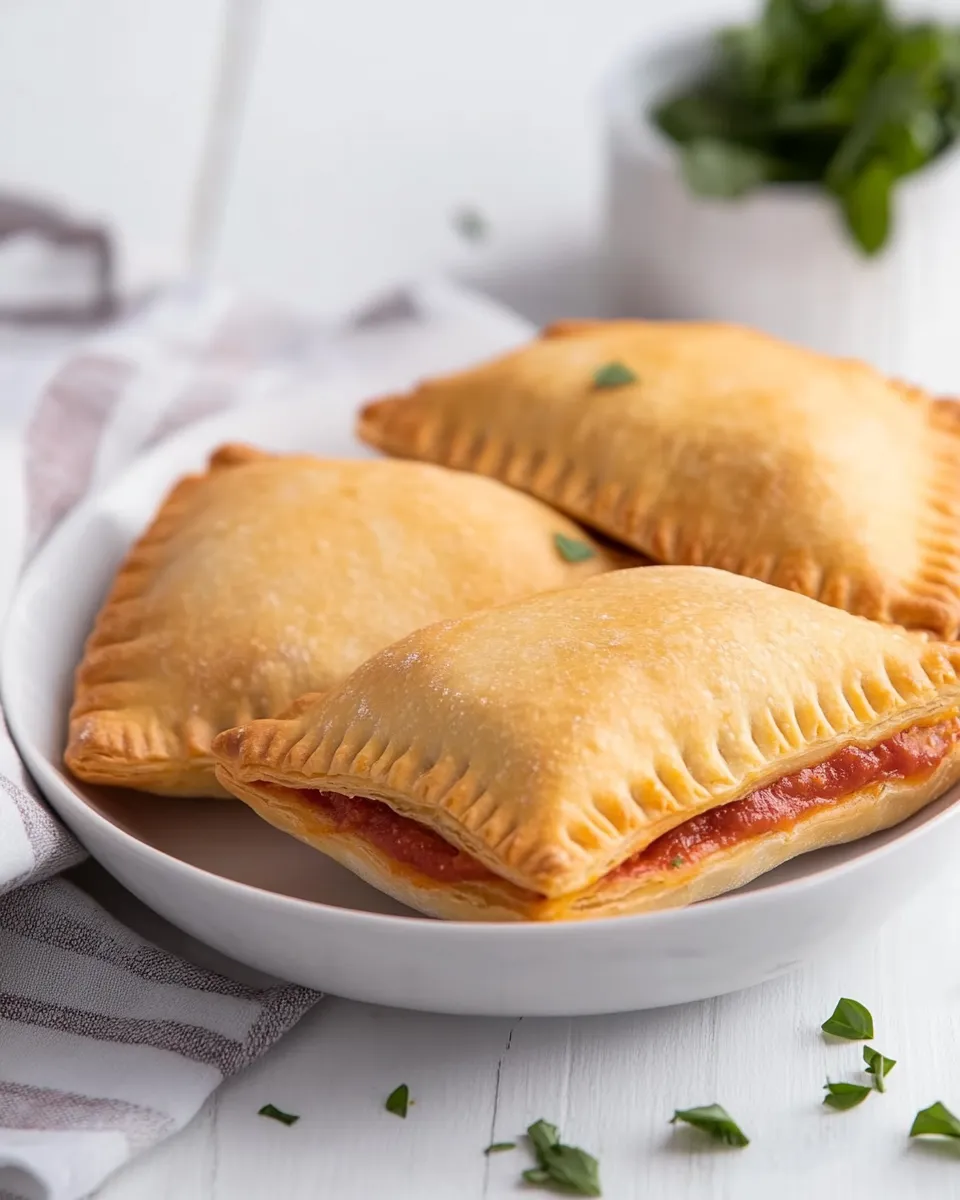
- Cheese portion control — stick to the provided 1 cup shredded mozzarella; it gives a satisfying melt without extra calories.
- Dough choice — use whole-grain or lower-fat store-bought pizza dough if available to add fiber and reduce refined carbs.
- Smaller portions — make 10–12 smaller pockets instead of 8 to reduce calories per serving while keeping the same total amount of filling.
Equipment Breakdown
- Baking sheet — a rimmed sheet keeps pockets from sliding off and catches any stray cheese.
- Parchment paper — prevents sticking and makes cleanup painless.
- Rolling pin or hands — you can use a rolling pin for even squares or stretch by hand for a rustic look.
- Fork — seals edges quickly and gives a classic crimped finish.
- Pastry brush — for the egg wash; a folded paper towel can work in a pinch.
Problems & Prevention
Pockets burst open
Cause: excess filling or trapped air. Fix: spread fillings thinly and press out air before sealing. Seal with a fork and press firmly along the edges.
Soggy bottoms
Cause: too much sauce in the center. Fix: stick to 1 tablespoon pizza sauce per pocket and leave the 1/2-inch border dry so the dough can seal properly.
Uneven browning
Cause: oven hot spots or egg wash applied inconsistently. Fix: rotate the baking sheet halfway through and brush the egg wash evenly over tops and edges.
Spring to Winter: Ideas
Use the same basic method across seasons, focusing on what you have on hand while sticking to the base ingredients. Here are a few directions you can take without adding new pantry items:
- Ready-for-serving pockets — keep filling proportions as written but shape the dough slightly thinner for a crispier finish in the spring when you want lighter bites.
- Comfort-forward pockets — in colder months, bake straight from the fridge so the pockets hold their shape; the richer oven bake feels more satisfying on chilly nights.
- Snack-sized pockets — make smaller squares for party platters or lunchboxes year-round; they’re easier to reheat and portion.
Insider Tips
- Even portions matter — dividing the dough and fillings evenly keeps baking time consistent and avoids surprise soggy or bursting pockets.
- Work quickly with dough — refrigerated dough is easier to handle cold, but let it relax for a minute if it snaps back while rolling.
- Brush the edges — get a little beaten egg under the edge before sealing for a stronger seal.
- Let them rest a few minutes — the filling is very hot right out of the oven; a short rest makes them safer and cleaner to eat.
Freezer-Friendly Notes
These pockets freeze well, which makes them ideal for meal prep. Freeze them unbaked or baked — both work, but each has a slightly different reheating approach.
- To freeze unbaked: Arrange pockets in a single layer on a tray and freeze until solid. Transfer to a resealable bag and label with the date. Bake from frozen at 400°F (200°C), adding 5–8 minutes to the baking time, or until golden and cooked through.
- To freeze baked: Cool completely, then flash-freeze on a tray, transfer to a bag, and freeze. Reheat in a 350°F (175°C) oven until heated through, about 10–15 minutes, or microwave for a quick option (note: microwave softens the crust).
Troubleshooting Q&A
Q: My pockets leak cheese. How do I stop that?
A: That usually happens when too much filling is used or the edges aren’t sealed tightly. Measure fillings as directed, press out excess air, and crimp the edges firmly with a fork. A thin layer of beaten egg under the edge helps the seal.
Q: They brown too fast on top but aren’t cooked inside. What now?
A: Reduce the oven temperature by 15–25°F and extend the bake time by a few minutes. Also check that your oven is calibrated correctly; an oven thermometer is a simple way to confirm true temperature.
Q: Can I make these ahead and reheat?
A: Yes. Baked pockets reheat well in a 350°F (175°C) oven until warmed through. For a quicker option, microwave for short bursts, but expect a softer crust.
In Closing
This Homemade Hot Pockets recipe gives you simple, reliable results with everyday ingredients. It’s fast, flexible, and forgiving — perfect for busy nights or batch cooking. Follow the measured steps, keep fillings modest, and use the egg wash to get that golden finish.
Make a double batch when you have time and freeze extras. They’ll be there for hectic mornings, quick lunches, or late-night snacks. And because they’re homemade, you always know what went into them — which is a small but meaningful win.
Homemade Hot Pockets
Ingredients
Equipment
Method
- Preheat the oven to 400°F (200°C). Line a baking sheet with parchment paper.
- Divide the 1 pound refrigerated pizza dough into 8 equal portions.
- On a clean work surface, roll each portion into a roughly 5-inch square. Transfer each square to the prepared baking sheet.
- Spoon 1 tablespoon pizza sauce onto the center of each square, leaving about a 1/2-inch border around the edges.
- Divide the 1 cup shredded mozzarella and the 1/2 cup sliced pepperoni evenly among the squares (about 2 tablespoons mozzarella and 1 tablespoon pepperoni per pocket). Spread the toppings over the sauce.
- Fold each square in half over the filling to form a pocket. Gently press out any excess air, then firmly seal the edges by pressing with the tines of a fork.
- Brush the tops and sealed edges of each pocket with the beaten egg.
- Bake on the prepared sheet for 15 minutes, or until the pockets are golden brown. Let cool a few minutes before serving.