Homemade Orange Sweet Rolls
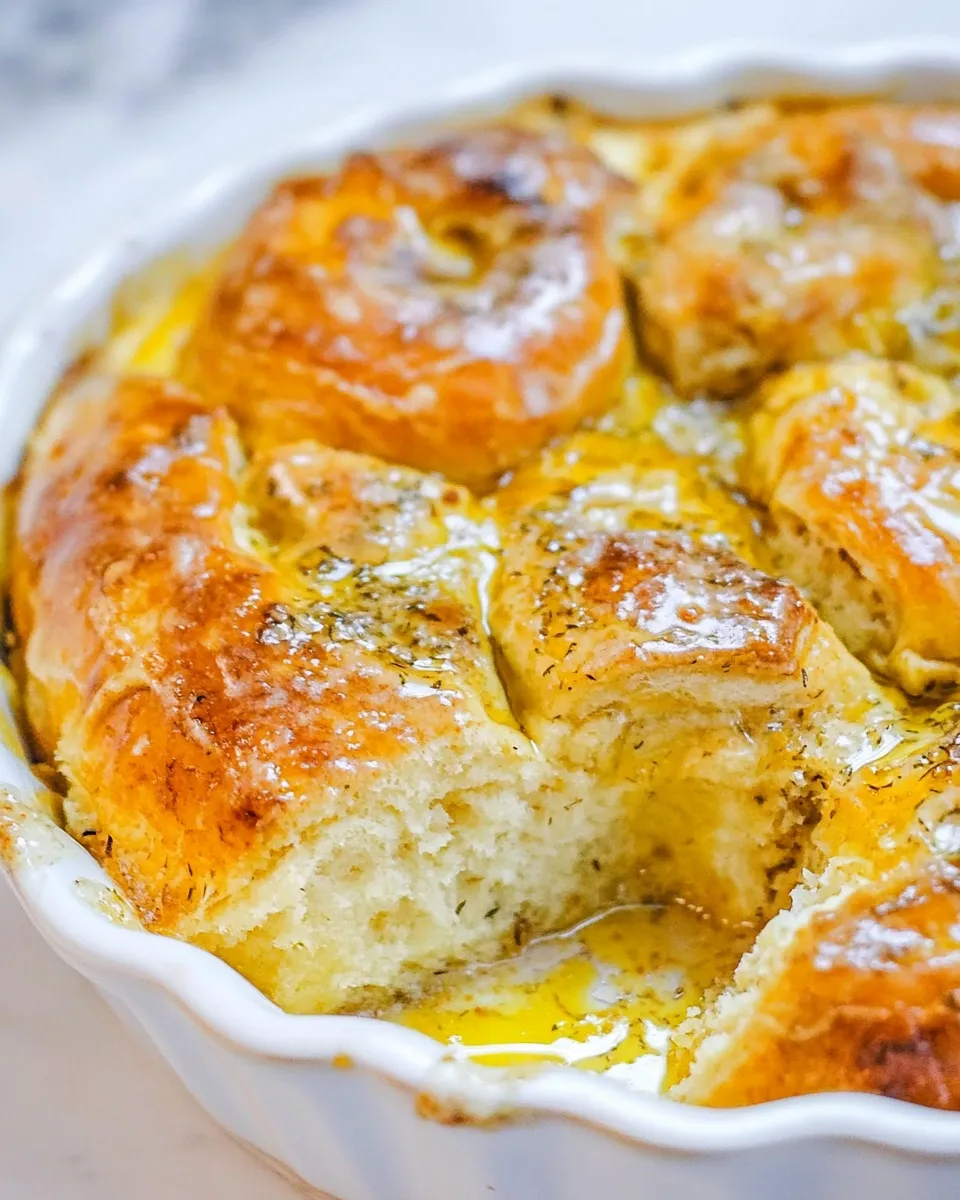
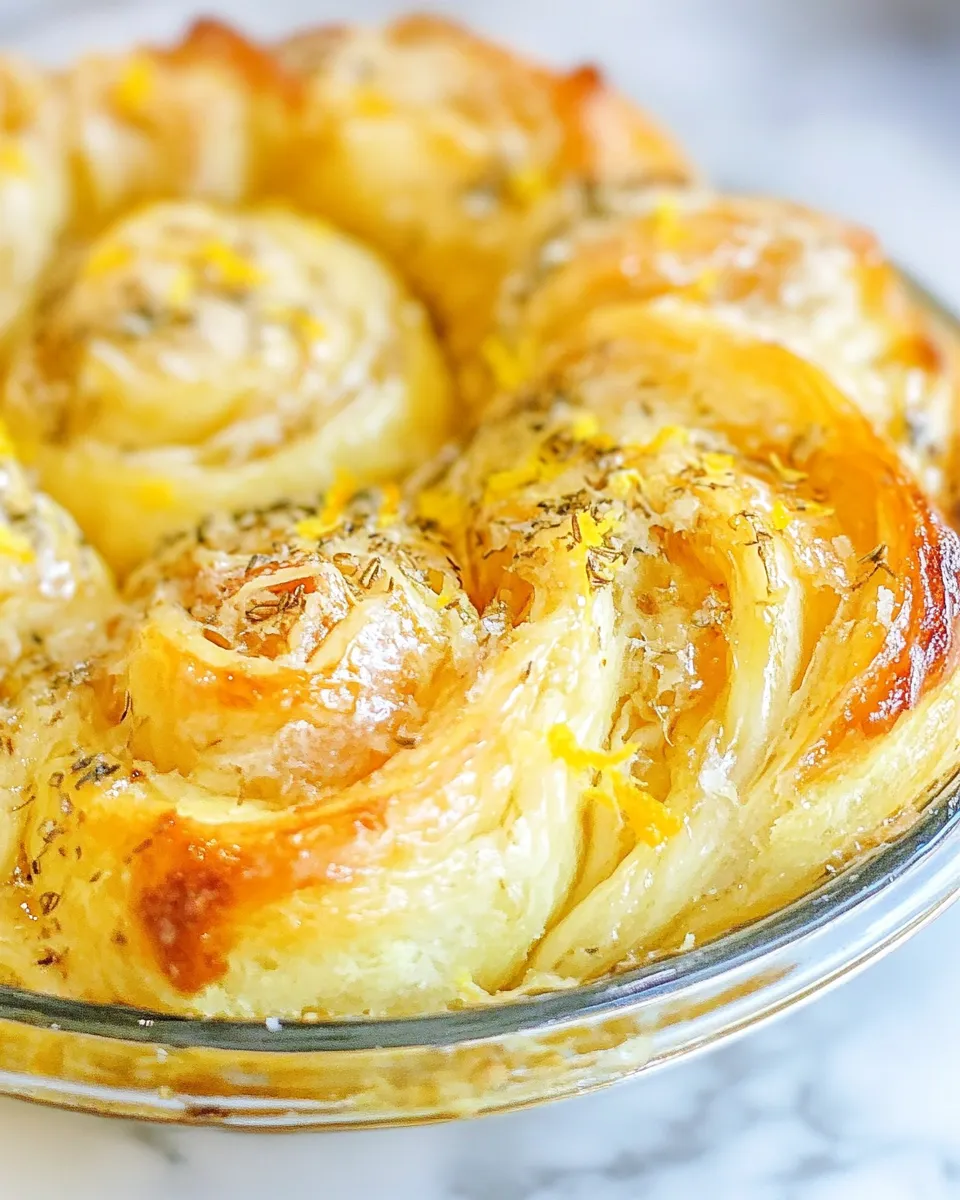
I bake because I love the way warm dough changes a kitchen. These orange sweet rolls bring that same comfort — a soft, enriched dough rolled with buttery orange sugar, baked until golden, then finished with a bright orange glaze. They’re cozy, citrusy, and reliably crowd-pleasing for breakfasts, brunches, or a weekend treat.
The recipe below is straightforward and forgiving. It uses rapid-rise yeast to speed things up, but I’ll note how to swap to active dry yeast if you prefer. Read through the steps once, gather your ingredients, and give yourself a little time for two rises — the patience pays off with tender, fluffy rolls and a vivid orange flavor.
What You’ll Gather
Ingredients
- 3 2/3 cups all-purpose flour — builds the structure of the rolls; measure by spooning into the cup and leveling for accuracy.
- 2 1/4 teaspoons rapid-rise dry yeast (1 package) — leavens the dough quickly; if using active dry yeast, follow the dissolved-yeast note below.
- 1/2 cup whole milk, warmed to approx. 100°F — feeds the yeast and adds tenderness; not hotter than 110°F or you risk killing the yeast.
- 6 tablespoons unsalted butter, melted, and then cooled to approx. 100°F — enriches the dough for softness and flavor.
- 1/2 cup sour cream — keeps the crumb tender and slightly tangy; helps with moisture and richness.
- 1/3 cup sugar — a touch of sweetness in the dough for balance and to help browning.
- 2 teaspoons Kosher salt — essential for flavor and to control yeast activity.
- 1 large egg, lightly beaten — adds structure and color; beat gently before adding.
- 6 tablespoons unsalted butter, softened — for spreading over the rolled-out dough so the orange sugar sticks and the layers stay moist.
- 2/3 cup sugar — combined with orange zest for the sweet, fragrant filling.
- 2 tablespoons orange zest — folded into the filling sugar to give concentrated citrus aroma.
- 1 tablespoon orange zest — reserved for the icing for a final pop of fresh orange flavor.
- 2 cups confectioners’ (powdered) sugar — forms the base of the glaze; sift if it’s lumpy.
- 4 tablespoons fresh orange juice — thins the glaze and gives fresh orange brightness; use fresh for best flavor.
How to Prepare Homemade Orange Sweet Rolls
- In the bowl of a stand mixer fitted with the dough hook, whisk together 3 2/3 cups all-purpose flour and 2 1/4 teaspoons rapid-rise dry yeast (one package).
If using active dry yeast instead, dissolve the yeast in the warmed milk (see step 2) and let sit 5–10 minutes until foamy before continuing.
- Warm 1/2 cup whole milk to approximately 100°F. Melt 6 tablespoons unsalted butter and let it cool to approximately 100°F.
- With the mixer running on medium speed, add the warmed milk and the cooled melted butter to the flour/yeast mixture. Add 1/2 cup sour cream, 1/3 cup sugar, 2 teaspoons kosher salt, and 1 lightly beaten large egg.
- Mix on medium speed about 5 minutes, until the dough is smooth and elastic and pulls away from the sides of the bowl but still sticks slightly to the bottom.
- Spray a large bowl with nonstick cooking spray. Transfer the dough to the prepared bowl and turn once to coat the top with oil. Cover the bowl and let the dough rise in a warm, draft-free place until about doubled in size, about 1 to 2 hours.
- Spray a 9-inch round pan (about 2 inches deep) with nonstick cooking spray and set it aside.
- After the dough has doubled, lightly punch it down. On a lightly floured surface, roll the dough into a 14″ x 10″ rectangle.
- Spread 6 tablespoons softened unsalted butter evenly over the rolled dough.
- In a small bowl, stir together 2/3 cup sugar and 2 tablespoons orange zest. Sprinkle this sugar–zest mixture evenly over the buttered dough.
- Starting at one long side, roll the dough tightly into a log. Pinch the seam to seal.
- Slice the log into 9 to 10 even rolls. Place the rolls, cut side down, into the prepared pan, spacing them evenly.
- Cover the pan and let the rolls rise in a warm, draft-free place until almost doubled in size, about 45 minutes to 1 hour. Preheat the oven to 350°F during the last 10–15 minutes of the rise.
- Bake the rolls at 350°F, uncovered, until golden brown, approximately 30 minutes. Remove from the oven.
- Let the rolls cool in the pan on a wire rack for 10 to 15 minutes.
- In a medium bowl, stir together the remaining 1 tablespoon orange zest, 2 cups confectioners’ (powdered) sugar, and 4 tablespoons fresh orange juice until smooth.
- Drizzle and spread the icing over the warm rolls. Serve.
Why I Love This Recipe
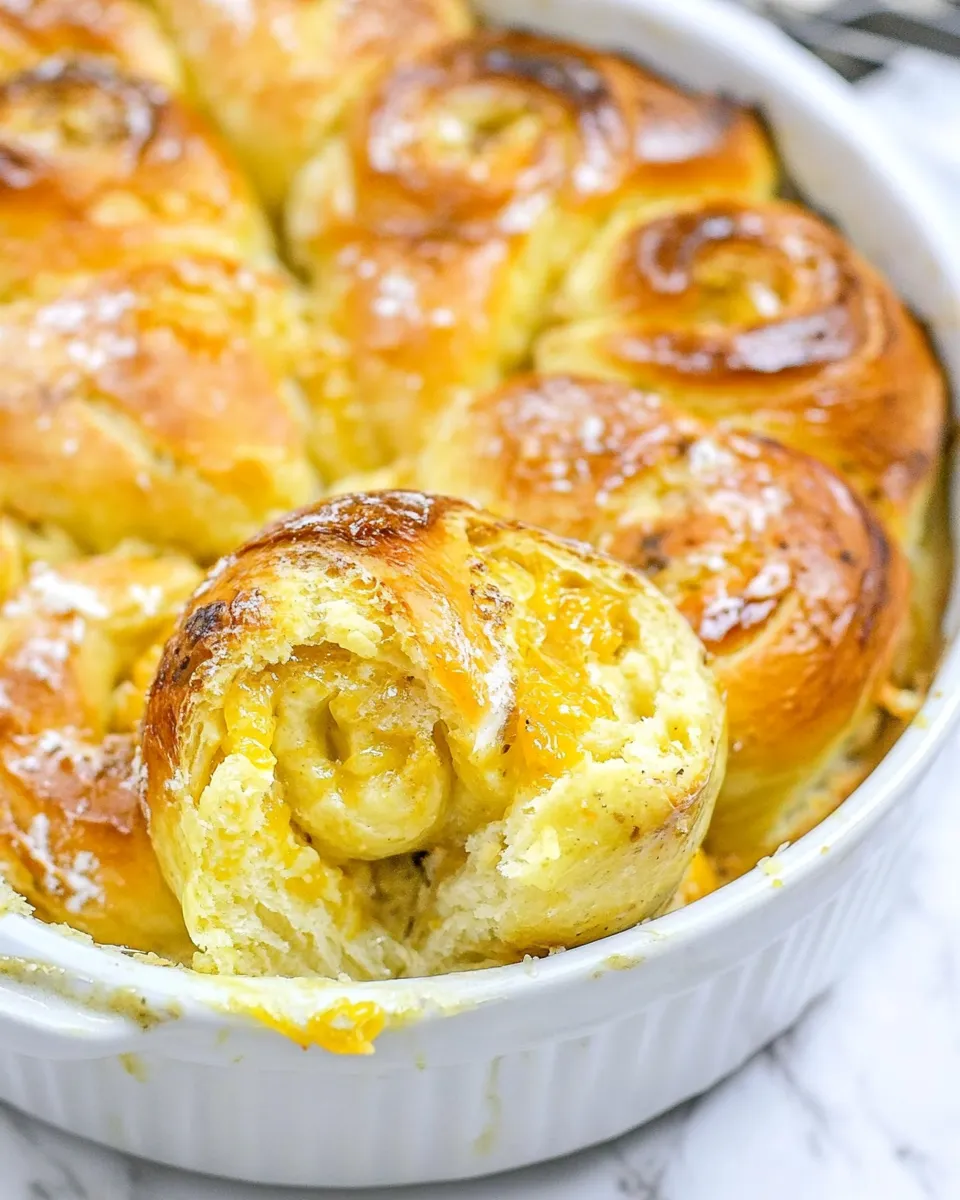
These rolls strike a great balance between bright citrus and rich, buttery dough. The sour cream in the dough keeps the crumb tender and moist in a way plain milk can’t. The orange zest in the filling and the glaze gives a layered citrus profile — not just one-note sweetness.
They’re also practical: the method is hands-on but clear, and the dough is forgiving. The two rises are predictable, and if your kitchen is cool, a warmed (not hot) oven or sunny window speeds things along. The end result feels special without requiring advanced techniques.
Dairy-Free/Gluten-Free Swaps
If you need dairy-free options, use a nondairy milk (unsweetened soy or oat hold up well) warmed to the same temperature and swap the butter for an equal amount of solid nondairy stick butter for both the dough and the filling. Replace the sour cream with a full-fat plain dairy-free yogurt or a cultured coconut-based sour cream alternative to mimic the tang and moisture.
For gluten-free, use a cup-for-cup gluten-free baking flour blend formulated for yeast breads and add a small xanthan gum packet if your blend lacks it. Expect the dough texture to differ; it won’t stretch like wheat dough but you can still roll and shape gently. Rise times may vary.
Prep & Cook Tools
Stand mixer with a dough hook — this keeps kneading effortless and consistent. If you don’t have one, you can knead by hand for about 8–10 minutes until the dough is smooth.
9-inch round pan (about 2 inches deep) — fits the 9–10 rolls snugly and helps them rise into one another for soft sides. A bench scraper or sharp knife for slicing the log into even rolls, and a wire rack for cooling so the bottoms don’t steam.
Errors to Dodge
Don’t overheat the milk or melted butter — temperatures much above 110°F can kill yeast. If using active dry yeast, make sure it’s foamy before adding to the dry ingredients; if it fails to foam, the yeast may be dead and the dough won’t rise.
Avoid rolling the dough with too much pressure so the filling squeezes out; a firm but gentle roll keeps layers intact. Don’t underbake to the point where the center is doughy — golden brown and a few extra minutes if needed are safer than a pale, undercooked roll.
Health-Conscious Tweaks
To reduce sugar slightly, you can drop a tablespoon or two from the dough sugar without wrecking texture; keep the filling sugar if you want the classic sweet pull-apart effect. Swap half of the all-purpose flour for whole wheat pastry flour for a small boost in fiber, but keep an eye on hydration — whole grains absorb more liquid and might make the dough stiffer.
If you want less fat, trade half the butter used in the filling for a lightly brushed neutral oil, though this changes the mouthfeel. For a lighter glaze, start with 1 1/2 cups confectioners’ sugar and 3 tablespoons orange juice, then add liquid a teaspoon at a time until you reach the consistency you like.
Behind the Recipe
This version is adapted from classic enriched-roll techniques: warm milk, butter, egg, and a bit of sour cream create a tender crumb that stays soft for a day or two. Rapid-rise yeast shortens the process, but you can slow-proof in the refrigerator overnight after the first rise for deeper flavor. The orange sugar folded into butter gives aromatic pockets of citrus in each bite, while the orange glaze brightens the whole thing at the end.
Because the dough is enriched, the gluten network forms a softer matrix than lean breads. That’s why the dough should pull away from the bowl but still stick slightly to the bottom — that tackiness signals enough hydration for a soft, pull-apart texture.
Store, Freeze & Reheat
Store cooled rolls in an airtight container at room temperature for up to 2 days. For longer storage, freeze individual rolls (wrapped tightly in plastic and then foil or in a freezer bag) for up to 2 months. Thaw at room temperature and reheat in a 325°F oven for 8–10 minutes to refresh the texture; tent with foil if they risk browning too much.
If you freeze before glazing, thaw completely, warm slightly, then mix the glaze fresh and spread over warm rolls. If you freeze after glazing, thaw and warm gently; the glaze may soften and can be refreshed with a little extra sifted confectioners’ sugar if desired.
Handy Q&A
Q: Can I make this the night before?
A: Yes. After the first rise, punch down, shape into a log, wrap tightly, and refrigerate overnight. Slice and place in the prepared pan in the morning, let them come to near room temperature and finish the second rise before baking. Alternatively, do the second rise in the pan in the fridge and bake straight from cold, adding a few minutes to the bake time.
Q: My rolls weren’t soft — what happened?
A: Either the dough was under-hydrated, overfloured while rolling, or the butter/sour cream proportions were off. Stick to the recipe measures and don’t add extra flour while rolling unless absolutely necessary; a slightly sticky dough yields softer rolls.
Q: Can I use store-bought orange marmalade instead of the sugar-zest filling?
A: You can, but marmalade has more moisture. If you swap, spread a thin layer and be mindful that extra moisture can make the spiral slip. Reduce any additional liquid elsewhere if you want to use preserves.
See You at the Table
These Homemade Orange Sweet Rolls are worth the small time investment. They hold up well in a crowd and improve with a little planning if you choose the overnight route. If you try them, start the process in the morning or the night before — either way, you’ll end up with warm, citrus-scented rolls that feel like a bakery treat right at home.
Make a pot of coffee, call someone to the table, and enjoy the pull-apart goodness. If you tweak anything (less sugar, alternative milk, or an overnight rise), keep notes — small adjustments are how great personal recipes get born.
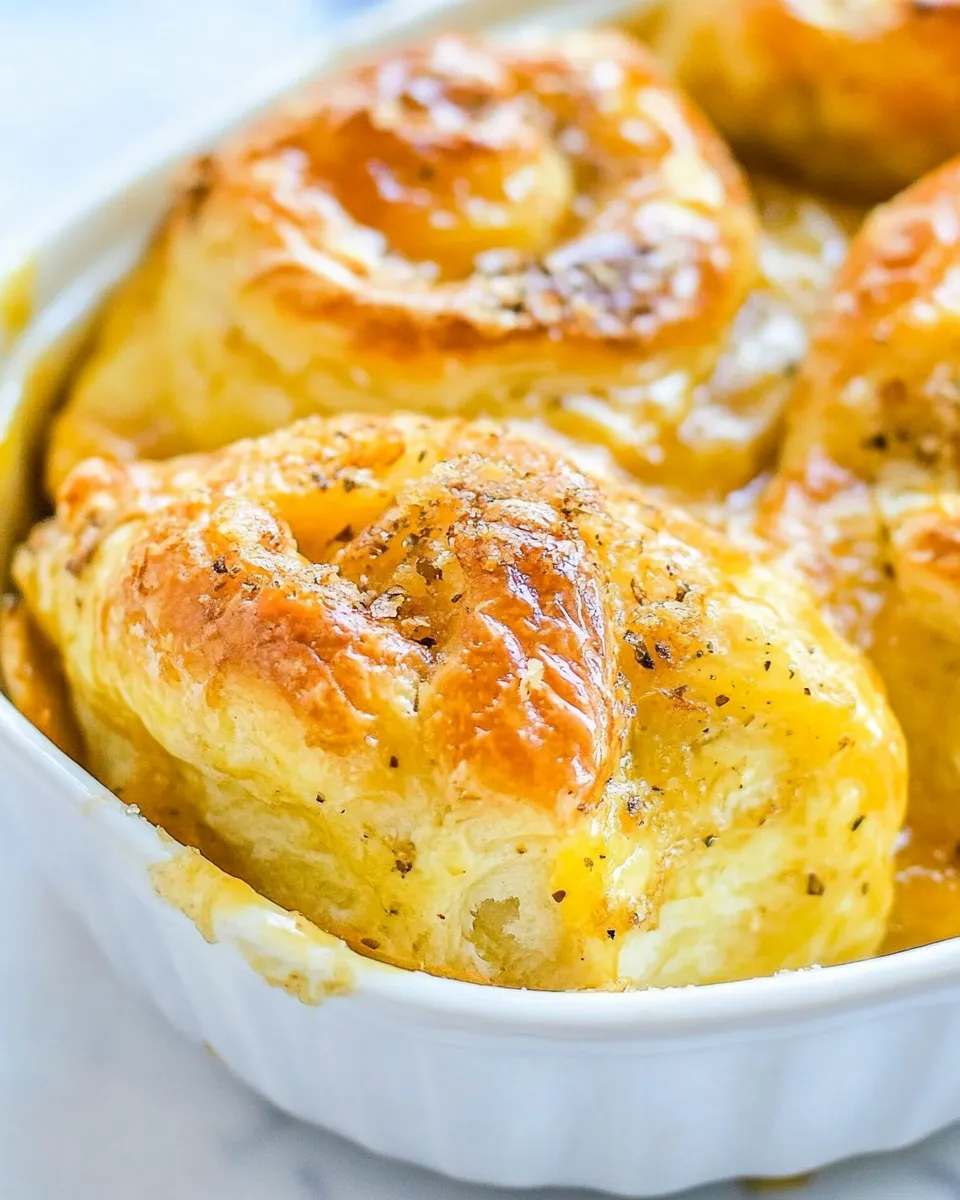
Homemade Orange Sweet Rolls
Ingredients
Equipment
Method
- In the bowl of a stand mixer fitted with the dough hook, whisk together 3 2/3 cups all-purpose flour and 2 1/4 teaspoons rapid-rise dry yeast (one package). - If using active dry yeast instead, dissolve the yeast in the warmed milk (see step 2) and let sit 5–10 minutes until foamy before continuing.
- Warm 1/2 cup whole milk to approximately 100°F. Melt 6 tablespoons unsalted butter and let it cool to approximately 100°F.
- With the mixer running on medium speed, add the warmed milk and the cooled melted butter to the flour/yeast mixture. Add 1/2 cup sour cream, 1/3 cup sugar, 2 teaspoons kosher salt, and 1 lightly beaten large egg.
- Mix on medium speed about 5 minutes, until the dough is smooth and elastic and pulls away from the sides of the bowl but still sticks slightly to the bottom.
- Spray a large bowl with nonstick cooking spray. Transfer the dough to the prepared bowl and turn once to coat the top with oil. Cover the bowl and let the dough rise in a warm, draft-free place until about doubled in size, about 1 to 2 hours.
- Spray a 9-inch round pan (about 2 inches deep) with nonstick cooking spray and set it aside.
- After the dough has doubled, lightly punch it down. On a lightly floured surface, roll the dough into a 14" x 10" rectangle.
- Spread 6 tablespoons softened unsalted butter evenly over the rolled dough.
- In a small bowl, stir together 2/3 cup sugar and 2 tablespoons orange zest. Sprinkle this sugar–zest mixture evenly over the buttered dough.
- Starting at one long side, roll the dough tightly into a log. Pinch the seam to seal.
- Slice the log into 9 to 10 even rolls. Place the rolls, cut side down, into the prepared pan, spacing them evenly.
- Cover the pan and let the rolls rise in a warm, draft-free place until almost doubled in size, about 45 minutes to 1 hour. Preheat the oven to 350°F during the last 10–15 minutes of the rise.
- Bake the rolls at 350°F, uncovered, until golden brown, approximately 30 minutes. Remove from the oven.
- Let the rolls cool in the pan on a wire rack for 10 to 15 minutes.
- In a medium bowl, stir together the remaining 1 tablespoon orange zest, 2 cups confectioners' (powdered) sugar, and 4 tablespoons fresh orange juice until smooth.
- Drizzle and spread the icing over the warm rolls. Serve.
Notes
If using active dry yeast in place of rapid rise, simply allow the dough to rise a little longer. There are multiple factors that will cause the time for the dough to rise to vary from time to time. It may only take 1 hour for the dough to double in size, but it could take up to 3 hours.
IMPORTANT: Don't add really hot milk and melted butter to the flour/yeast mixture. If you do, it will kill the yeast and the dough won't rise. We recommend using an instant-read thermometer to check the temperature. Neither the milk or the melted butter should be over 100° to 105° F.
The dough can be prepared the night before. Instead of letting it rise in a warm, draft-free area, simply cover with plastic wrap and place in the refrigerator for at least 8 hours.
If you don't have a zester or micro-plane, you can rub the skin of the oranges against the small blades on the side of a box cutter.