Honey Balsamic Glazed Salmon
I love recipes that feel special but don’t demand the better part of your evening. This honey-balsamic salmon lands squarely in that sweet spot: five flavorful ingredients, a quick stovetop glaze, and a short roast in the oven. The glaze caramelizes just enough to give the salmon a glossy finish and a balanced sweet-tangy hit without masking the fish.
This post walks you through the exact ingredients and step-by-step method I used while testing this dish, plus practical tips to help you nail it every time. Expect honest notes on timing, equipment that matters, and a few smart swaps if you need them. No fluff — just reliable guidance so you can cook confidently.
If you’re feeding one or four, this recipe scales easily and will make a weekday dinner feel like a small celebration. Read on for the ingredients, the precise method, and the test-kitchen tips I rely on when I want perfectly glazed salmon without stress.
What We’re Using
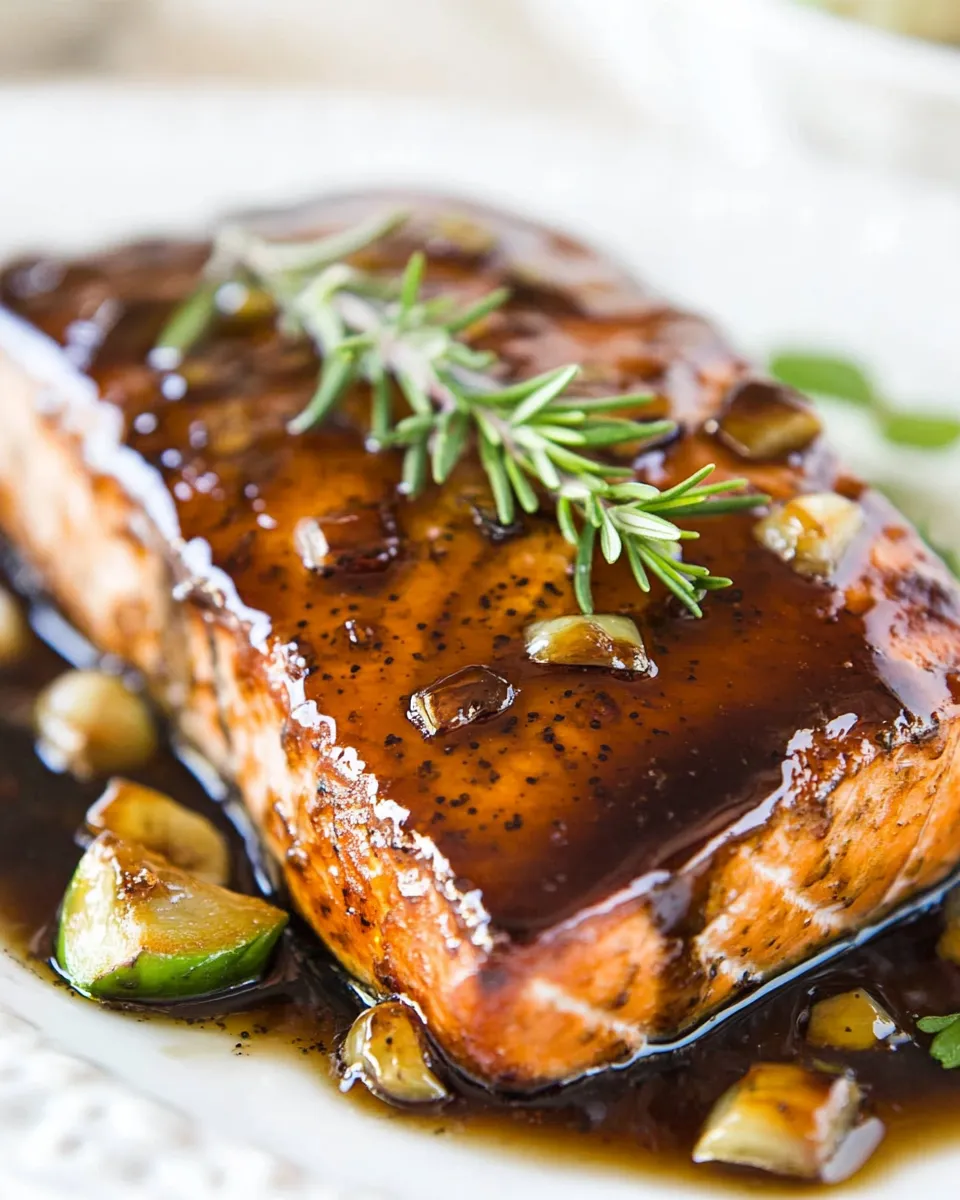
Ingredients
- 4 (5-ounce) salmon fillets — nice, uniform fillets help the fish cook evenly; choose center-cut pieces if you can.
- 1 teaspoon olive oil — used to gently cook the garlic and build the base of the glaze.
- 2 cloves minced garlic — gives savory depth; mince finely so it softens quickly without browning.
- 1 tablespoon honey — the sweet component that caramelizes and balances the balsamic.
- ⅓ cup balsamic vinegar — provides the tang and body of the glaze; a good quality balsamic keeps the flavor bright.
- 4 teaspoons Dijon mustard — adds a little heat and helps emulsify the glaze so it clings to the salmon.
- salt and pepper to taste — simple seasoning; add more or less depending on whether your salmon is brined or smoked beforehand.
- 1 tablespoon chopped fresh oregano, for garnish — bright, herbaceous finish; fresh oregano holds up well with balsamic.
Method: Honey Balsamic Glazed Salmon
- Preheat the oven to 400°F. Line a baking sheet with aluminum foil and spray the foil with non-stick cooking spray.
- In a medium saucepan over medium heat, add 1 teaspoon olive oil and 2 cloves minced garlic. Cook, stirring occasionally, until the garlic is fragrant and softened, about 2–3 minutes.
- Add 1 tablespoon honey, 1/3 cup balsamic vinegar, 4 teaspoons Dijon mustard, and salt and pepper to taste to the saucepan. Stir to combine.
- Bring the mixture to a gentle simmer and cook until the glaze begins to thicken, about 3 minutes. Remove the saucepan from the heat.
- Pour the glaze into a heatproof bowl and set aside half of it for finishing the salmon after baking (reserve approximately 50% of the total glaze).
- Place the 4 (5-ounce) salmon fillets on the prepared baking sheet. Brush the tops of the fillets with the remaining half of the warm glaze.
- Bake the salmon in the preheated oven for 6–10 minutes, until the flesh is opaque and flakes easily with a fork.
- Remove the salmon from the oven, brush each fillet with the reserved glaze, garnish with 1 tablespoon chopped fresh oregano, and serve.
Why You’ll Keep Making It
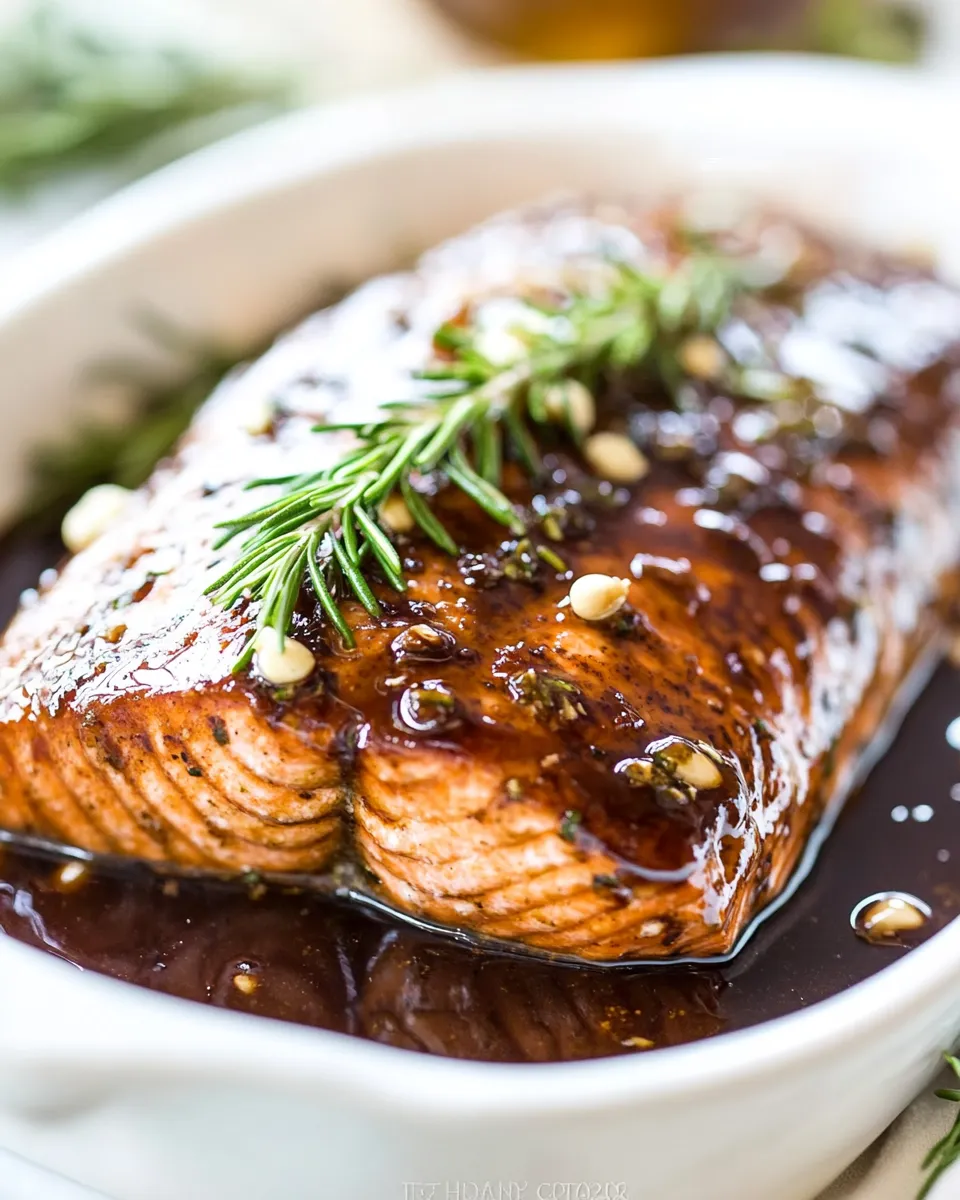
This recipe delivers big flavor with minimal effort. The honey and balsamic combine into a glaze that gives you sweet, tangy, and slightly syrupy notes without overwhelming the salmon’s natural richness. The short oven time keeps the fish tender and moist, and finishing with reserved glaze and fresh oregano brightens the final plate.
It’s reliable for weeknights because prep is quick, cleanup is straightforward (foil-lined pan), and timing is forgiving — 6 to 10 minutes in the oven accommodates thickness variations. It also makes for a lovely dinner when guests arrive, appearing a bit more elevated than a simple pan-seared fillet.
Smart Substitutions
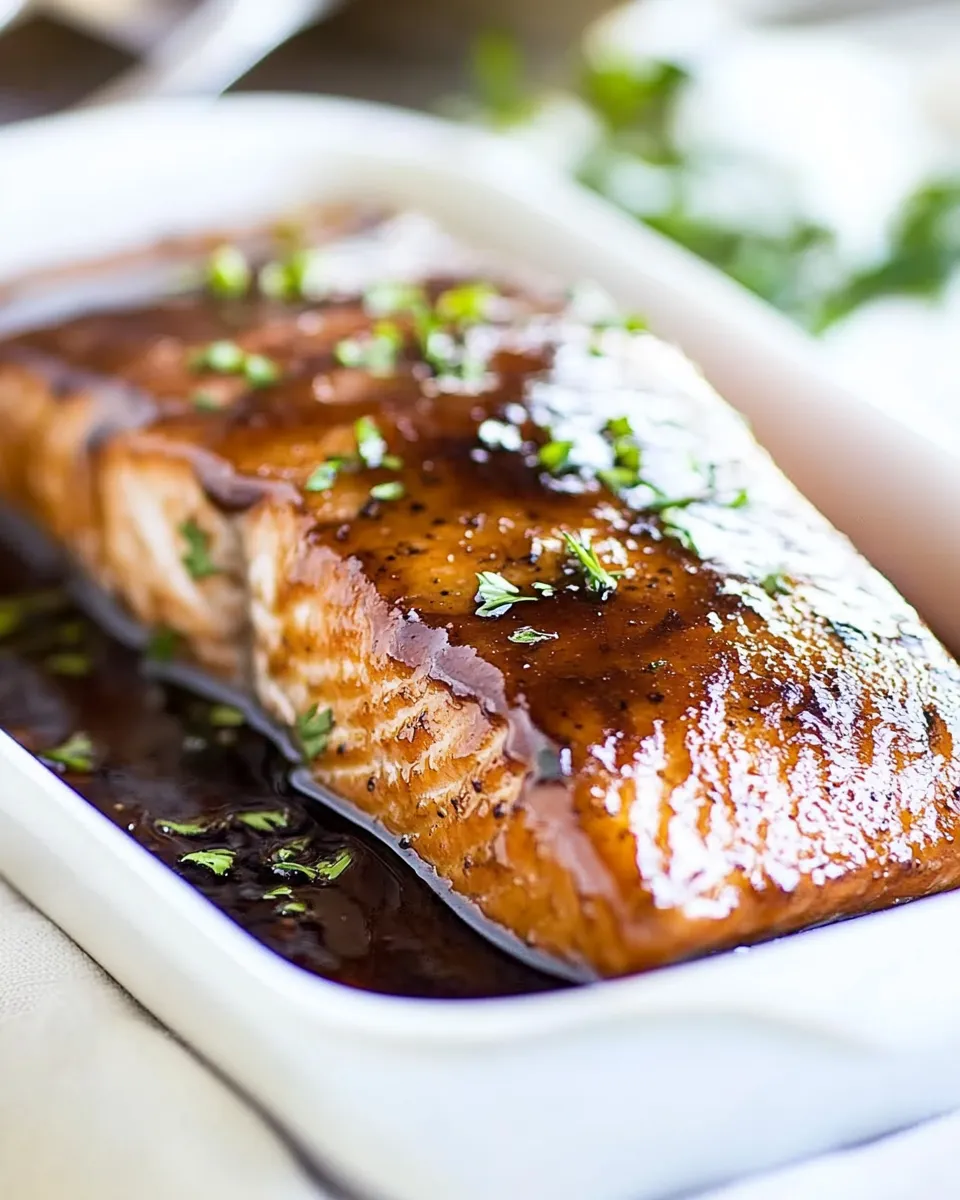
- Honey — If you prefer reduced sweetness, cut the honey amount in half or skip the final brush of glaze; the glaze will remain balanced but less sweet.
- Balsamic vinegar — If your balsamic is very sweet or syrupy, reduce the honey slightly to keep the glaze from becoming cloying.
- Dijon mustard — If you want a milder mustard flavor, use less Dijon than called for, but keep some to help the glaze emulsify and cling to the fish.
- Fresh oregano garnish — If you don’t have oregano, a small sprinkle of parsley or a few basil leaves will add freshness; omit if you prefer a pure glaze finish.
Equipment Breakdown
- Baking sheet — use a rimmed sheet to catch any glaze that bubbles off; lining with foil makes cleanup swift.
- Medium saucepan — for making the glaze; a small, heavy-bottomed pan helps control heat and prevents the glaze from burning.
- Heatproof bowl — to hold the glaze and separate the portion you’ll use for finishing the salmon.
- Pastry brush or spoon — a brush helps coat fillets evenly; a spoon works in a pinch for drizzling.
- Tongs or fish spatula — for easy removal of fillets from the sheet without breaking them apart.
Errors to Dodge
- Don’t overcook the salmon. Oven times vary and fillet thickness matters — check at 6 minutes for thin pieces. Overcooking dries the fish and masks the glaze’s subtlety.
- Avoid high heat on the glaze. When simmering the balsamic-honey mixture, keep the heat gentle. Too hot and the glaze will reduce too fast and can taste bitter.
- Don’t skip reserving glaze. Brushing with warm glaze before baking builds flavor; finishing with reserved glaze adds shine and a fresher layer of taste.
- Don’t let garlic brown in the pan. The garlic should soften and be fragrant; if it browns, the glaze will pick up a bitter edge.
Year-Round Variations
- Spring — Add a squeeze of lemon just before serving and garnish with young herbs to lighten the dish.
- Summer — Serve the salmon on a bed of grilled vegetables or a crisp salad for a cooler plate.
- Fall — Pair with roasted root vegetables and a sturdier herb like thyme for earthier flavors.
- Winter — Make the glaze slightly richer by reducing it a bit longer for a denser, more syrupy coating; serve with buttered grains or mashed potatoes.
Notes from the Test Kitchen
Timing and doneness
On repeated tests, 5-ounce fillets about 3⁄4 to 1 inch thick took 7–8 minutes to reach opaque, flaky doneness in a 400°F oven. If your fillets are thinner, start checking at 6 minutes. For thicker pieces, allow up to 10 minutes but watch closely; residual heat continues cooking once they’re out of the oven.
Glaze texture
I aimed for a glaze that coats the back of a spoon and clings to the fish. If it looks too thin, simmer an extra 30–60 seconds at low heat; if it’s too thick, a teaspoon or two of warm water can loosen it slightly. Keep in mind that the glaze will thicken a bit as it cools.
Flavor balance
Use a balsamic that tastes balanced to you. A very aged, syrupy balsamic will produce a different profile than a brighter, less sweet variety. If your balsamic is intense, reduce the honey slightly to preserve the tang-sweet interplay.
Storing Tips & Timelines
- Refrigerate leftovers within two hours in an airtight container. Stored properly, cooked glazed salmon keeps for 3 days.
- To reheat, gently warm in a 300°F oven for 8–10 minutes or until heated through, brushing with any reserved glaze you saved. A microwave works but can dry the fish; use short intervals and cover to retain moisture.
- Do not freeze glazed salmon after cooking; sauces with vinegar and honey can change texture and flavor when frozen and thawed. If you need to freeze, freeze raw fillets and make the glaze fresh when you’re ready to cook.
Ask the Chef
- Q: Can I pan-sear instead of baking?
A: Yes. Sear the salmon skin-side down in a hot skillet for 3–4 minutes until crisp, flip, and brush with glaze. Finish in a 400°F oven for 3–5 minutes if needed to reach doneness. - Q: Can I double the glaze and store extra?
A: You can make extra glaze and refrigerate it up to 3 days in an airtight container. Reheat gently before using; do not bring it to a hard boil. - Q: Is fresh oregano essential?
A: It’s optional but recommended. Fresh oregano adds a resinous, slightly peppery note that pairs beautifully with balsamic. If you don’t have it, a mild herb or a light sprinkle of lemon zest works too.
That’s a Wrap
Honey Balsamic Glazed Salmon is one of those dependable recipes that looks and tastes like you spent more time than you did. The method is quick, the glaze is forgiving, and the result is a glossy, flavor-packed piece of salmon that works for weeknights and company dinners alike.
Make the glaze, reserve some for finishing, and keep an eye on the oven — that’s the short recipe for success. If you try it, I’d love to know how you served it and any small tweaks you made in your kitchen.
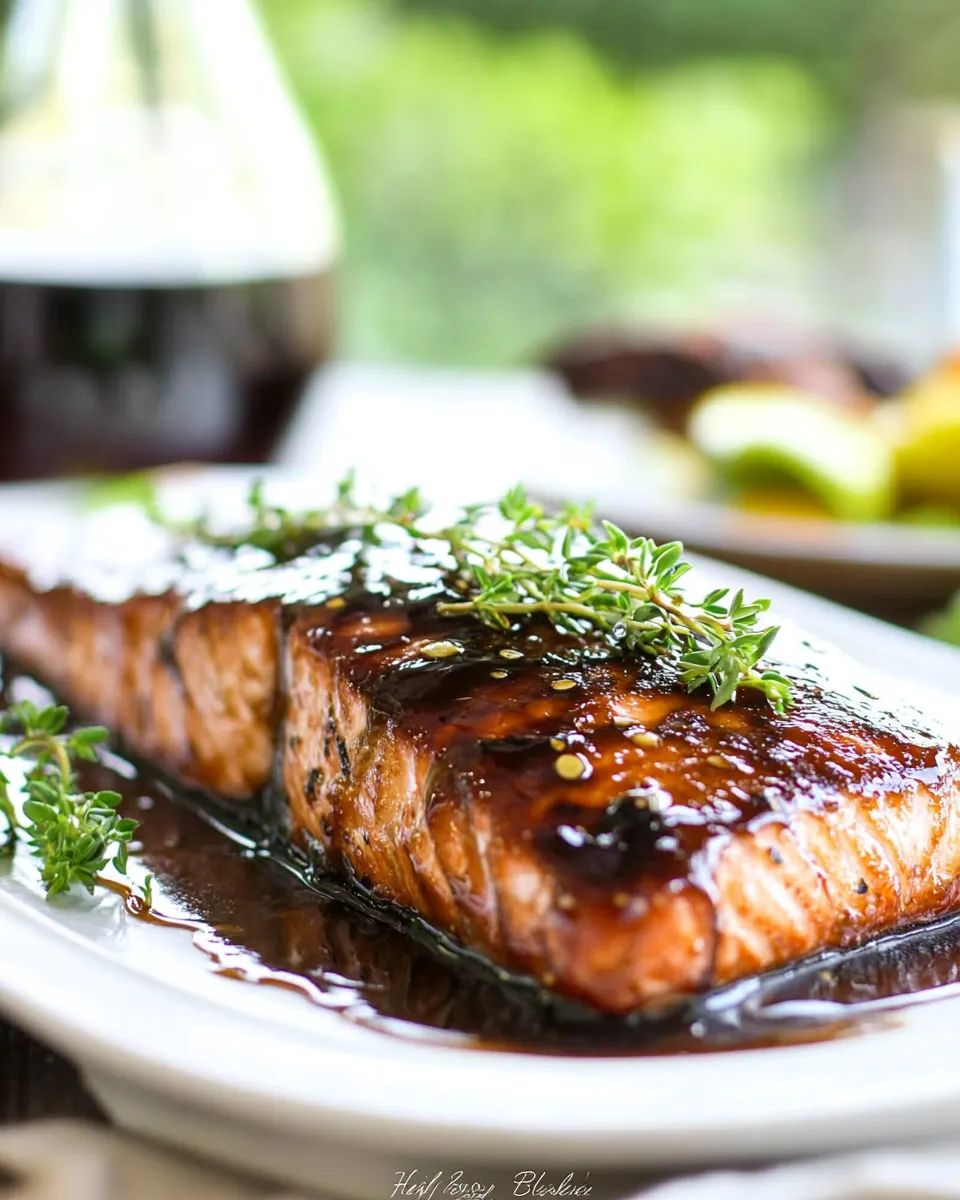
Honey Balsamic Glazed Salmon
Ingredients
Equipment
Method
- Preheat the oven to 400°F. Line a baking sheet with aluminum foil and spray the foil with non-stick cooking spray.
- In a medium saucepan over medium heat, add 1 teaspoon olive oil and 2 cloves minced garlic. Cook, stirring occasionally, until the garlic is fragrant and softened, about 2–3 minutes.
- Add 1 tablespoon honey, 1/3 cup balsamic vinegar, 4 teaspoons Dijon mustard, and salt and pepper to taste to the saucepan. Stir to combine.
- Bring the mixture to a gentle simmer and cook until the glaze begins to thicken, about 3 minutes. Remove the saucepan from the heat.
- Pour the glaze into a heatproof bowl and set aside half of it for finishing the salmon after baking (reserve approximately 50% of the total glaze).
- Place the 4 (5-ounce) salmon fillets on the prepared baking sheet. Brush the tops of the fillets with the remaining half of the warm glaze.
- Bake the salmon in the preheated oven for 6–10 minutes, until the flesh is opaque and flakes easily with a fork.
- Remove the salmon from the oven, brush each fillet with the reserved glaze, garnish with 1 tablespoon chopped fresh oregano, and serve.