How to Make An Omelette
I make omelettes more often than I’d like to admit — they’re quick, forgiving, and endlessly customizable. This is the version I reach for on busy mornings and lazy Sundays alike. No drama. Just good eggs, a bit of fat in the pan, and a simple technique that gives you a tender, evenly cooked omelette every time.
In this post I’ll walk you through the exact steps I use, what to buy, and which tiny details matter. I’ll also share common slips I see and the small fixes that change everything. If you’ve ever ended up with a rubbery, overcooked wedge of egg, read on. You’ll be surprised how little it takes to get it right.
By the end you’ll know which gear helps, what to skip, and how to fold in fillings so the omelette holds together but stays pillowy. Let’s get one thing straight: this is practical, not precious. You’ll be able to make An Omelette the way I do, and then make it your own.
Ingredients

- 2large eggs — the full base of the omelette; whisk until yolks and whites are uniform for an even cook.
- Sea salt and freshly ground black pepper — seasoning; add to the eggs and adjust after cooking to taste.
- Butter or extra-virgin olive oil,for the pan — fat to coat the pan; butter gives flavor and color, olive oil keeps it lighter.
- Desired fillings,find suggestions in the blog post above — optional; add only when the omelette is mostly set so fillings warm through without overcooking the egg.
Shopping List
- Fresh eggs (buy them the same day or within a few days of use for best texture).
- Small block of butter or a bottle of extra-virgin olive oil depending on your preference.
- Salt and pepper — if you don’t have fresh-cracked pepper, buy a grinder for better control.
- Optional fillings to taste: a small tomato, a handful of fresh herbs (chives, parsley, or basil), a handful of grated cheese, or a small sautéed mushroom/pepper mix.
- Nonstick-friendly spatula (silicone or thin metal depending on your pan).
(An Omelette) — Do This Next
Get your ingredients out and prepped. Crack the eggs into a medium bowl and whisk. Heat an 8-inch nonstick skillet and prepare your choice of fat. If you want fillings, prep them first — dice vegetables small and grate cheese so they’ll warm quickly. Once the pan is warm, it’s a simple, calm sequence: pour, lower the heat, let the edges set, coax cooked edges inward, add fillings, fold. Follow those steps and you’ll have a tender omelette every time.
Why It Deserves a Spot
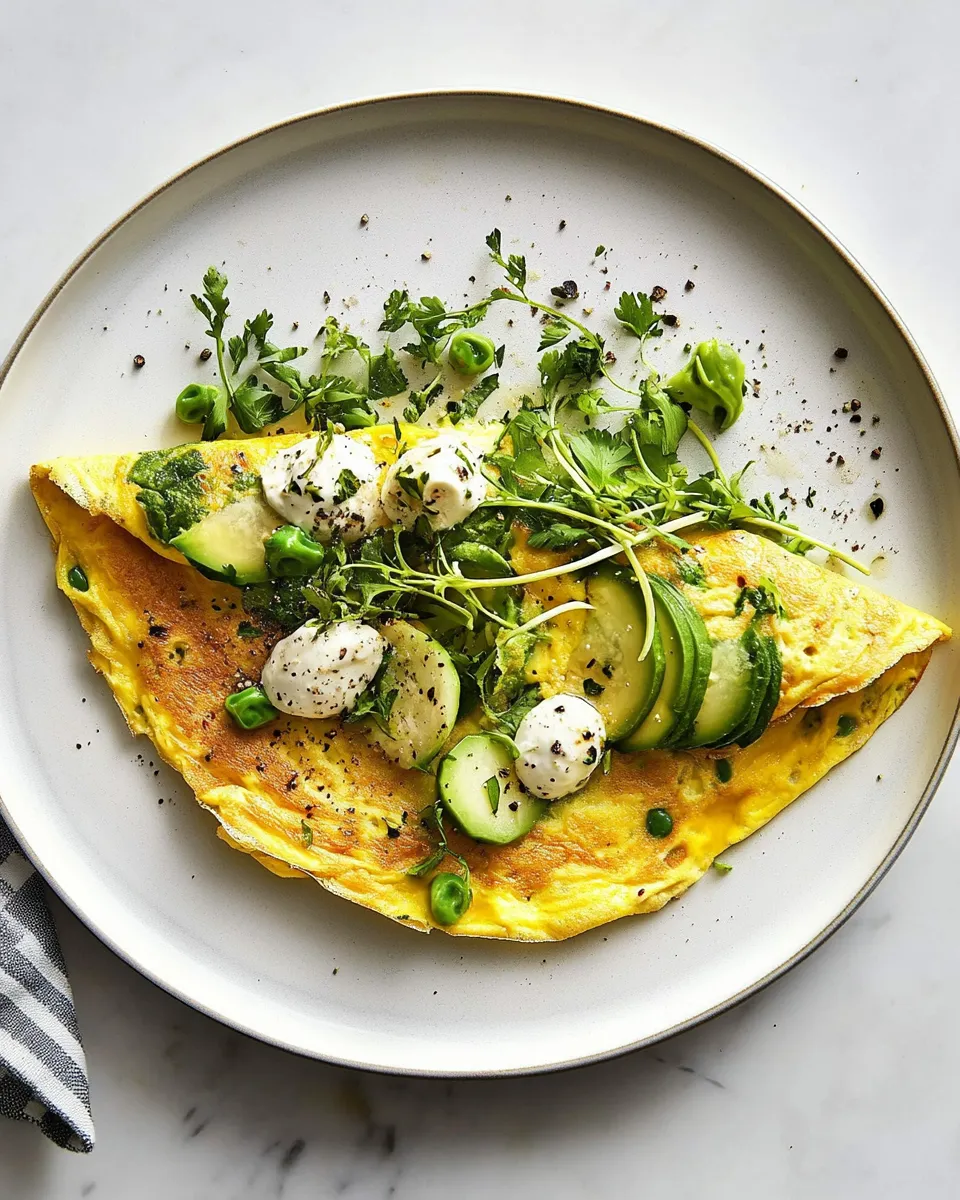
An omelette is one of the few dishes that’s satisfying at any time of day. It’s quick, requires very little equipment, and can be adapted to what’s in your fridge. Two eggs give you a generous single serving. The technique teaches you temperature control and patience — small things that improve everything you cook.
It’s also economical. A couple of eggs and some pantry staples turn into a bright, nourishing meal. And because the omelette is so adaptable, it’s a go-to when you want something fresh, comforting, and homemade but don’t have the time for a big recipe.
Healthier Substitutions

- Swap butter for extra-virgin olive oil to reduce saturated fat while keeping flavor.
- Use egg whites or a mix of one whole egg plus two whites if you want fewer calories and less cholesterol (note: texture will be different).
- Choose low-sodium salt and freshly ground pepper to control sodium but keep strong flavor.
- Load fillings with vegetables — spinach, peppers, tomatoes — instead of high-fat meats or heavy cheeses.
Gear Checklist
- 8-inch nonstick skillet — the recommended size for two eggs; it creates the right surface for an evenly thin omelette.
- Medium mixing bowl — for whisking eggs; the shape helps you create volume and smooth texture.
- Whisk or fork — use what feels best; a small whisk gives you control without overbeating.
- Spatula — a thin, flexible spatula helps you coax the cooked edges and fold the omelette cleanly.
- Plate and small pan protector or clean towel — to transfer and rest the omelette briefly if needed.
Frequent Missteps to Avoid
- Pan too hot — cooks the eggs too quickly and leads to browned, rubbery edges. Start warm, then reduce to medium-low after pouring.
- Over-stirring — if you stir constantly the omelette won’t form; let the edges set, then gently move them inward.
- Filling too wet or too large — large, uncooked chunks release moisture and weigh the omelette down. Pre-cook vegetables and pat wet ingredients dry.
- Skipping the fat — a thin coating of butter or oil prevents sticking and adds flavor. Don’t skip it even if you want a lighter omelette.
- Folding too early — wait until the top is mostly set but still slightly soft so the folded omelette finishes with a creamy interior.
Better Choices & Swaps
When choosing fillings, think small pieces and quick-cook items. Fresh herbs, a sprinkle of grated cheese, a few sautéed mushrooms, or diced tomato all work well. If you want protein, add a few small pieces of diced ham or pre-cooked chicken rather than raw sausage. For a dairy-free version, skip the cheese entirely or use a thin smear of avocado for richness.
Pick butter if you want the classic golden flavor; pick olive oil for a lighter finish and a slightly fruity note. Nonstick pans make the technique simpler, but if you love cast iron, use a well-seasoned pan and be extra careful with heat control.
Method to the Madness
- Crack 2 large eggs into a medium bowl and whisk until yolks and whites are well combined. Season the eggs with sea salt and freshly ground black pepper to taste.
- Heat an 8-inch nonstick skillet over medium heat until warm. Add butter or extra-virgin olive oil to the pan and swirl to coat the bottom.
- Pour the whisked eggs into the skillet and immediately reduce the heat to medium-low.
- Cook without stirring until the edges just begin to set, about 10 seconds.
- Working around the edges with a spatula, gently push the cooked egg toward the center so uncooked egg flows to the outside; tilt the pan as needed. Repeat until the uncooked egg thickens and the omelette forms an even layer.
- When the omelette is mostly set but still slightly soft on top, add your desired fillings on one half.
- Fold the other half of the omelette over the fillings and cook until the eggs are just set.
- Remove the omelette from the heat, adjust seasoning with sea salt and freshly ground black pepper if desired, and serve.
Refrigerate, Freeze, Reheat
Omelettes are best eaten fresh. If you must store leftovers, wrap the cooled omelette tightly in plastic wrap or place in an airtight container and refrigerate for up to 2 days. Reheat gently in a low oven (250°F / 120°C) for a few minutes or in a nonstick skillet over low heat with a lid to prevent drying.
Freezing cooked omelettes isn’t ideal because the texture changes and fillings can release water when thawed. If you do freeze one, wrap tightly and use within a month. Thaw overnight in the refrigerator and reheat slowly to avoid rubbery eggs.
Popular Questions
Do I need to add milk or water to the eggs? No. This method intentionally uses straight eggs. Adding a small splash of water or milk can change texture — water can create steam and slightly fluff the egg, milk adds creaminess but also changes cooking time. For a classic tender omelette, whisk the eggs plain and control texture with heat.
Should the pan be hot before I pour the eggs? Yes — warm, not scorching. Heat the skillet over medium until it feels warm to the touch and a small drop of water flicked into the pan sizzles briefly. After pouring, reduce to medium-low immediately. That temperature drop is key for gentle, even cooking.
How do I avoid a dry omelette? Cook on medium-low and remove from heat when the omelette is just set but still slightly soft on top. Residual heat will finish it. Also, avoid overfilling and overcooking. Slightly undercooked is better than overcooked — the carryover heat will finish it gently.
Can I make a larger omelette with more eggs? Yes, but cooking dynamics change. Use a larger pan, and remember that thicker omelettes take longer to set and are easier to overcook on the outside before the center is done. For beginners, stick with two eggs until you’ve mastered the technique.
What fillings should I avoid? Very watery items (like raw tomatoes in large pieces) can release moisture and make the omelette soggy. If you want to use juicy vegetables, sauté and drain them first. Also avoid very large pieces that won’t warm through quickly.
Is a nonstick pan necessary? It’s the easiest way to get a clean fold and a delicate surface. If you prefer stainless or cast iron, use plenty of fat, a lower heat, and a well-seasoned surface. Be confident with heat control and a flexible spatula.
Final Bite
Make An Omelette a few times and you’ll find your rhythm. It’s about attention, not fuss. Warm pan, gentle heat, and a light hand with the spatula. Fill it with flavors you love, but don’t overload it — the egg should be the star.
Start simple, tweak a detail or two, and you’ll have a reliable go-to meal. I promise: two eggs, a warm pan, and that gentle fold will make your mornings (or lunches) feel a little brighter. Now go crack a few eggs and enjoy.
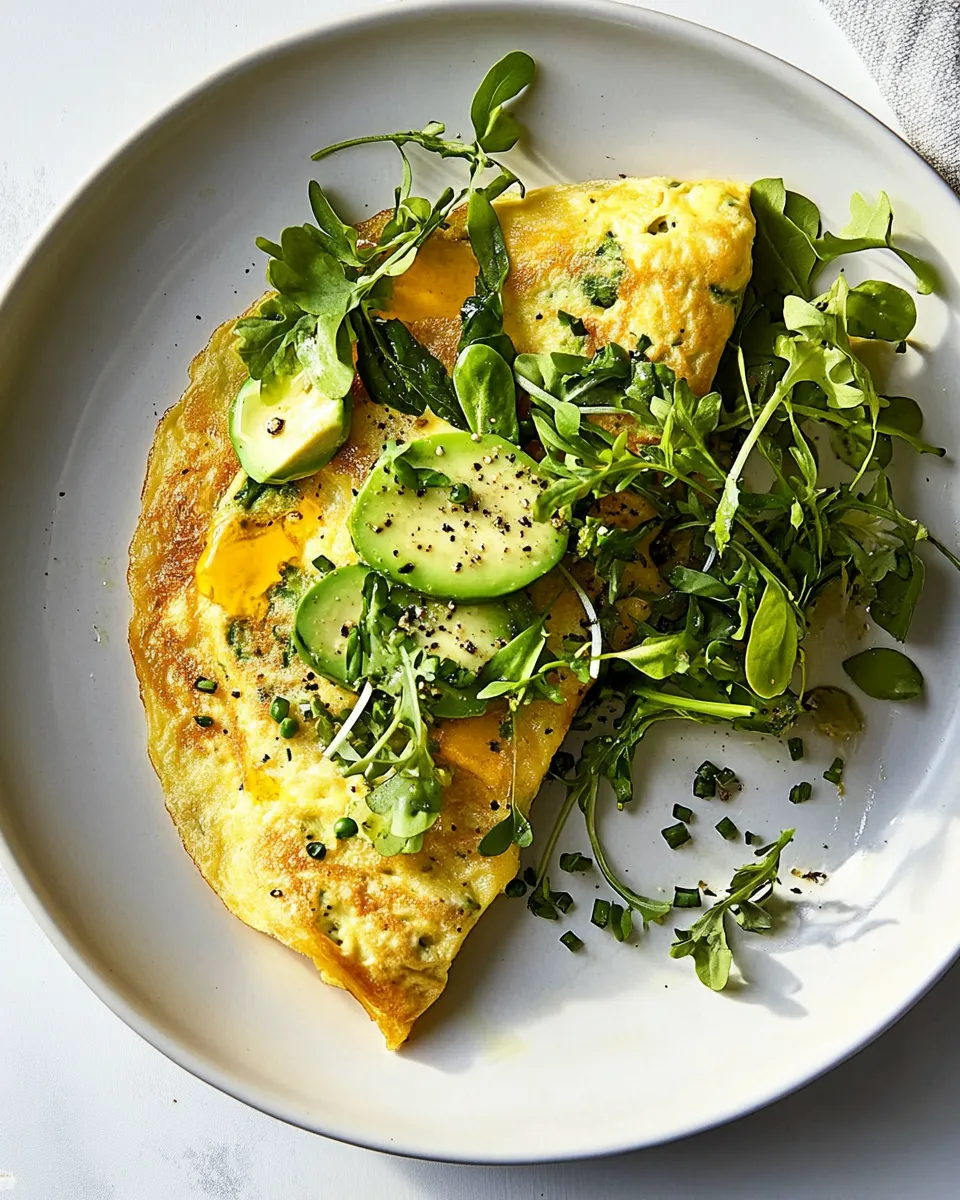
How to Make An Omelette
Ingredients
Equipment
Method
- Crack 2 large eggs into a medium bowl and whisk until yolks and whites are well combined. Season the eggs with sea salt and freshly ground black pepper to taste.
- Heat an 8-inch nonstick skillet over medium heat until warm. Add butter or extra-virgin olive oil to the pan and swirl to coat the bottom.
- Pour the whisked eggs into the skillet and immediately reduce the heat to medium-low.
- Cook without stirring until the edges just begin to set, about 10 seconds.
- Working around the edges with a spatula, gently push the cooked egg toward the center so uncooked egg flows to the outside; tilt the pan as needed. Repeat until the uncooked egg thickens and the omelette forms an even layer.
- When the omelette is mostly set but still slightly soft on top, add your desired fillings on one half.
- Fold the other half of the omelette over the fillings and cook until the eggs are just set.
- Remove the omelette from the heat, adjust seasoning with sea salt and freshly ground black pepper if desired, and serve.