
How to Make Greek Yogurt
I make Greek yogurt at home because it’s one of those small rituals that pays off every week. It’s thick, tangy, and deeply satisfying whether dolloped on savory dishes or swirled with fruit for breakfast. Once you get the basic steps down, it’s mostly patience and a little attention to temperature.
This recipe is deliberately simple: milk, a bit of live-culture yogurt to kickstart fermentation, gentle heating, a warm resting period, and then straining. No special ingredients, no stabilizers. The result is fresh Greek yogurt with a clean flavor you control.
I’ll walk you through the exact steps I use in my kitchen, the tools that make the process easier, safe substitutions if texture or equipment is a concern, and troubleshooting for the most common hiccups. Practical, straightforward advice—so your first batch (and the tenth) comes out reliably.
What You’ll Gather
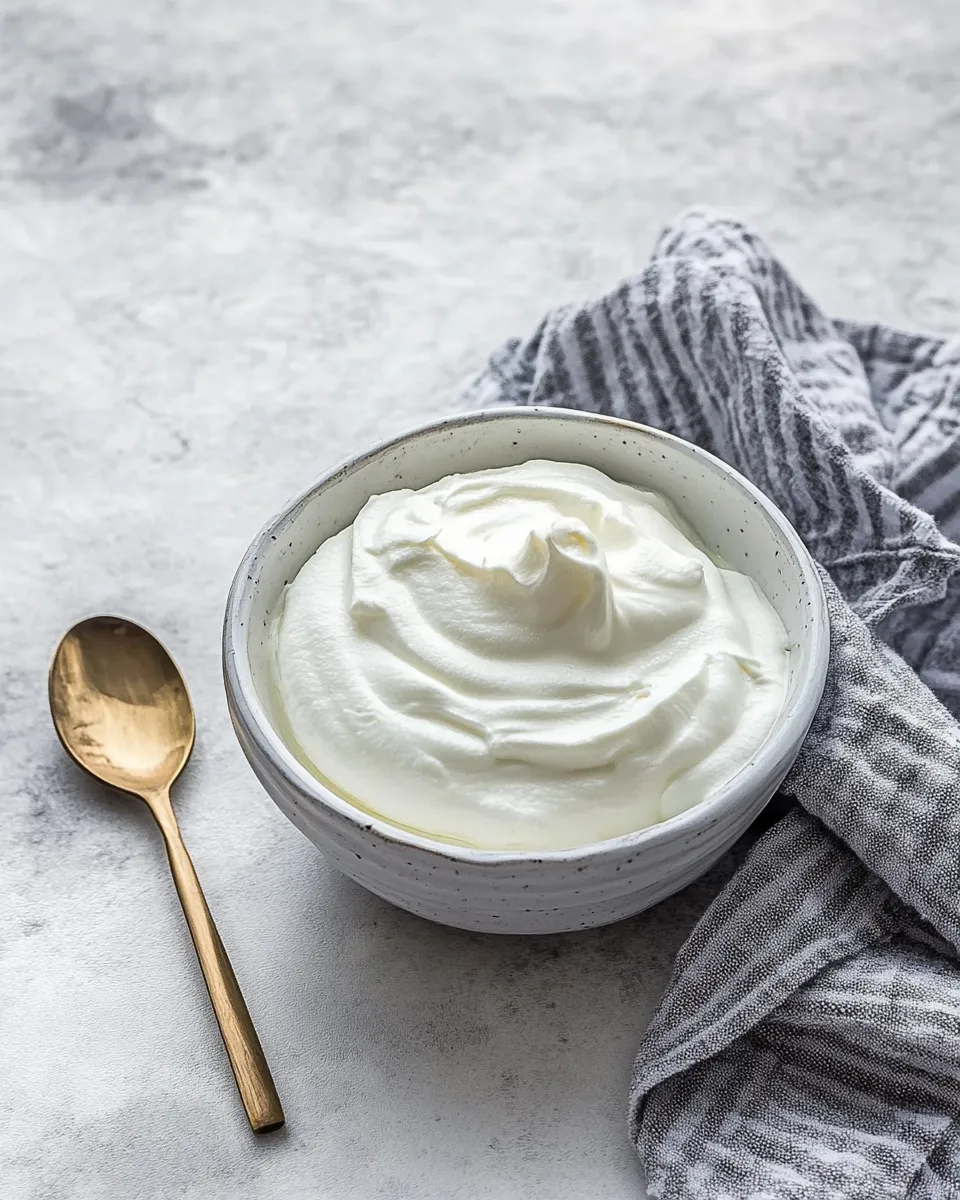
Ingredients
- 4 cups whole milk — the base; whole milk gives the richest, creamiest texture.
- 3 tablespoons plain yogurt with live active cultures — this is the starter; it introduces the bacteria that turn milk into yogurt.
Make Greek Yogurt: A Simple Method
- Pour 4 cups whole milk into a heavy-bottomed pot. Heat over medium, stirring occasionally to prevent scorching, until the milk reaches 185°F on an instant-read thermometer.
- Remove the pot from heat and let the milk cool to 110°F. To speed cooling, set the pot in a cold water bath and stir occasionally while monitoring the temperature.
- In a small bowl, whisk 3 tablespoons plain yogurt with a small amount of the cooled milk until smooth. Stir this yogurt-milk mixture back into the rest of the cooled milk until evenly combined.
- Cover the pot and keep it at about 110°F for 5–10 hours, undisturbed, until the mixture has thickened. (Use an oven with the light on, a yogurt maker, or another warm spot that holds roughly 110°F.)
- Line a fine-mesh sieve with cheesecloth and set it over a bowl in the refrigerator. Pour or spoon the yogurt into the lined sieve and refrigerate for 4 hours to drain whey and achieve Greek yogurt consistency.
- After draining, transfer the strained Greek yogurt to a covered container and store it in the refrigerator.
Why It Deserves a Spot
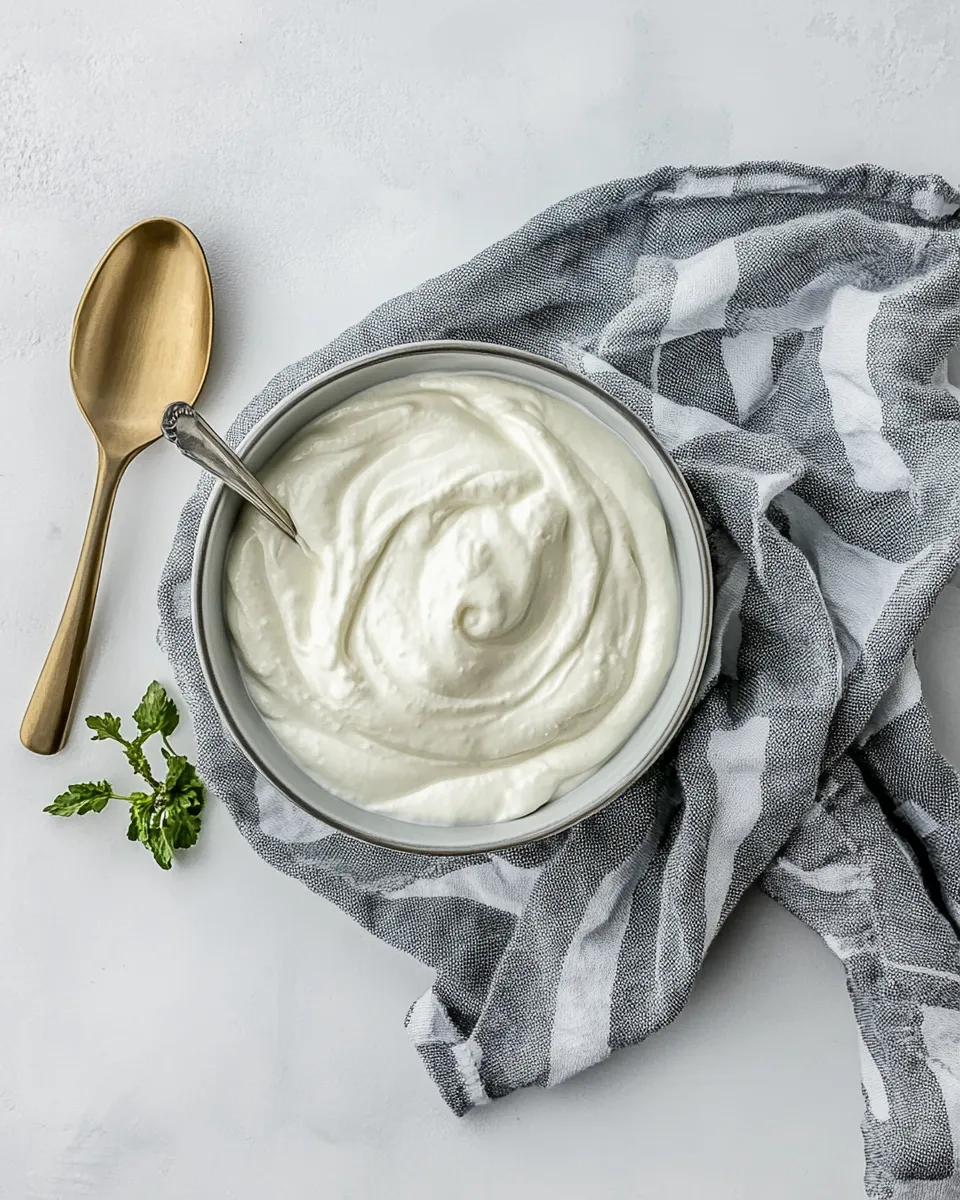
Greek Yogurt is a kitchen workhorse. It’s rich in protein, versatile across sweet and savory dishes, and cost-effective when you make it at home. The texture and flavor also beat most store-bought tubs—because you control the starting milk and the culture.
When you make it yourself you can decide how tangy it gets (shorter incubation = milder; longer = tangier) and how thick you want it (longer draining). It’s also a great base for sauces, marinades, desserts, and a healthier swap in many recipes that call for cream or mayonnaise.
Texture-Safe Substitutions
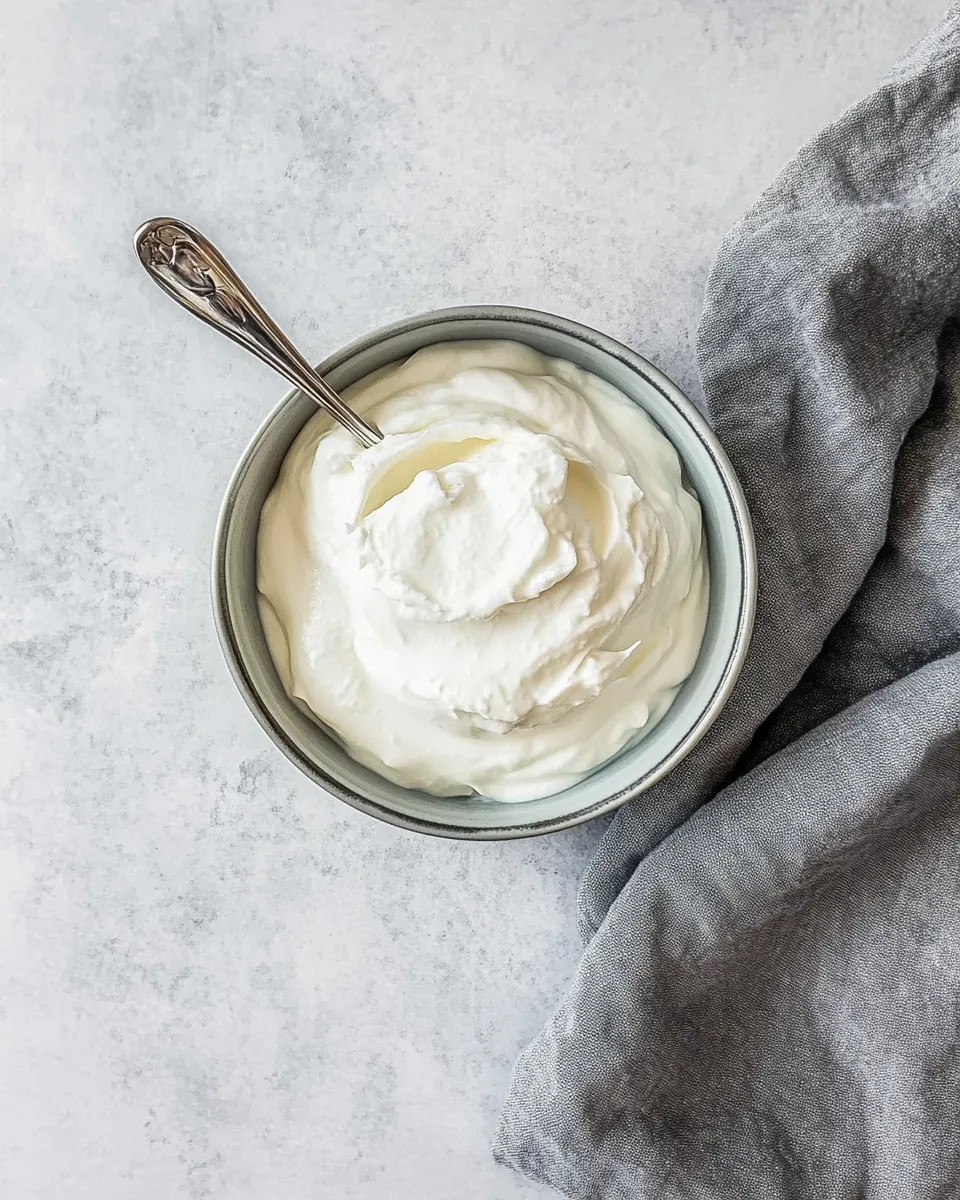
Not every kitchen has the same equipment or preferences, so here are swaps that keep texture consistent or explain trade-offs.
- Whole milk vs. lower-fat milks — whole milk gives the creamiest result. Using 2% or skim will yield thinner yogurt; you can compensate by draining longer but it won’t be as rich.
- Starter options — your plain yogurt with live cultures is your starter. If you restart from a previous batch of your own yogurt, treat it the same way as the store-bought starter. Avoid flavored or heat-treated yogurts, they may not have active cultures.
- Speeding up thickness — if you want thicker texture without extra draining time, use a higher ratio of milk solids (e.g., add milk powder) or start with higher-fat dairy. These are effective but optional if you prefer the simple two-ingredient method shown above.
Toolbox for This Recipe
These are the items I reach for when making Greek Yogurt at home. They make the process predictable and reduce guesswork.
- Heavy-bottomed pot — for even heating and to reduce scorching.
- Instant-read thermometer — essential for hitting 185°F and then 110°F accurately.
- Small bowl and whisk — to temper the starter smoothly into the cooled milk.
- Fine-mesh sieve and cheesecloth — for draining whey and creating that thick Greek texture.
- Bowl to catch whey — keep it refrigerated while draining the yogurt if you plan to reuse whey for baking or smoothies.
- Refrigerator and a covered container — for chilling and storage.
- Warm spot for incubation — an oven with the light on, a yogurt maker, or any spot that maintains around 110°F works well.
Steer Clear of These
These common missteps are easy to avoid once you know them:
- Don’t skip the thermometer. Guessing temperatures is the fastest way to sour or thin yogurt. 185°F denatures proteins for thickening; 110°F is the safe incubation spot for cultures.
- Avoid adding the starter while the milk is too hot. If it’s above roughly 115°F, you’ll kill the cultures and the yogurt won’t set properly.
- Don’t rush straining. Straining for less than the recommended time usually yields a runny result. Be patient for that signature Greek thickness.
- Avoid cross-contamination. Use clean utensils and containers; stray bacteria can alter flavor or prevent proper culturing.
Holiday-Friendly Variations
Greek Yogurt is a lovely blank slate for holiday menus. You can keep the base recipe unchanged and dress it up depending on the occasion.
- As a creamy sauce base — whisk the strained yogurt with herbs and lemon for a bright dip alongside roasted vegetables or spiced meats.
- For desserts — fold the yogurt into whipped cream or layer it with fruit and a crunchy element for a lighter trifle option.
- In baking — use the thick yogurt to replace part of the fat in cakes and quick breads for a tender crumb and subtle tang.
Cook’s Commentary
In my experience, the small details add up. Heat the milk slowly and stir—this prevents a film and keeps the bottom from scorching. When cooling, a cold water bath speeds things up and gives you better control than just letting the pot sit. I usually aim for the mid-point of the incubation window on my first batch (around 7 hours) and adjust based on how tangy I want it.
Straining time is where preference plays in. Four hours in the fridge as the recipe directs gives a firm, classic Greek yogurt. If I want labneh-like firmness for a spread, I let it drain longer. Save the whey you collect — it’s useful for sour dough starter water, smoothies, or in place of water for cooking grains for extra flavor.
Cooling, Storing & Rewarming
After the yogurt has strained, transfer it to a covered container and refrigerate. Properly stored, homemade strained yogurt keeps for about 5–7 days. The fresher it is, the brighter and cleaner the flavor will be.
If you need to warm yogurt for a sauce, do it gently over low heat and avoid boiling; high heat can break the texture. For reheating dishes that include yogurt, temper the yogurt by whisking in a bit of the warm sauce first, then add it back to the pan. This prevents curdling while retaining a creamy texture.
Your Questions, Answered
Q: Can I use ultra-pasteurized milk? A: Yes, but results vary. Ultra-pasteurized milk sometimes has proteins altered in a way that makes setting less predictable. If that’s your only option, proceed but be prepared for a slightly different texture.
Q: How long can I use the starter yogurt? A: Use fresh, plain yogurt with live active cultures. If you keep a portion of your homemade batch as starter, try not to reuse the same line indefinitely—after several generations the culture balance can shift. Refresh occasionally with a new store-bought plain yogurt starter.
Q: What do I do with leftover whey? A: Whey is useful: add it to smoothies, use it to knead bread or ferment veggies, or use it in place of water when cooking grains. It’s a flavorful, protein-rich liquid, so don’t toss it.
Q: My yogurt was too thin. Why? A: Likely reasons: milk didn’t reach 185°F, the starter was too weak or not active, incubation temperature was too low, or you didn’t strain long enough. Check temperatures and starter freshness and give the yogurt more draining time.
Before You Go
Making Greek Yogurt at home is one of those kitchen skills that rewards consistency. Stick to the temperature targets, be patient during incubation and straining, and you’ll have a dependable supply of thick, tangy yogurt for breakfasts, baking, and entertaining.
If you try this method, tell me how long you let it incubate and strain—those small details help others dial in their ideal texture. And if you have toppings or uses you love, I’d love to hear them; I’m always refining ideas for the next batch.
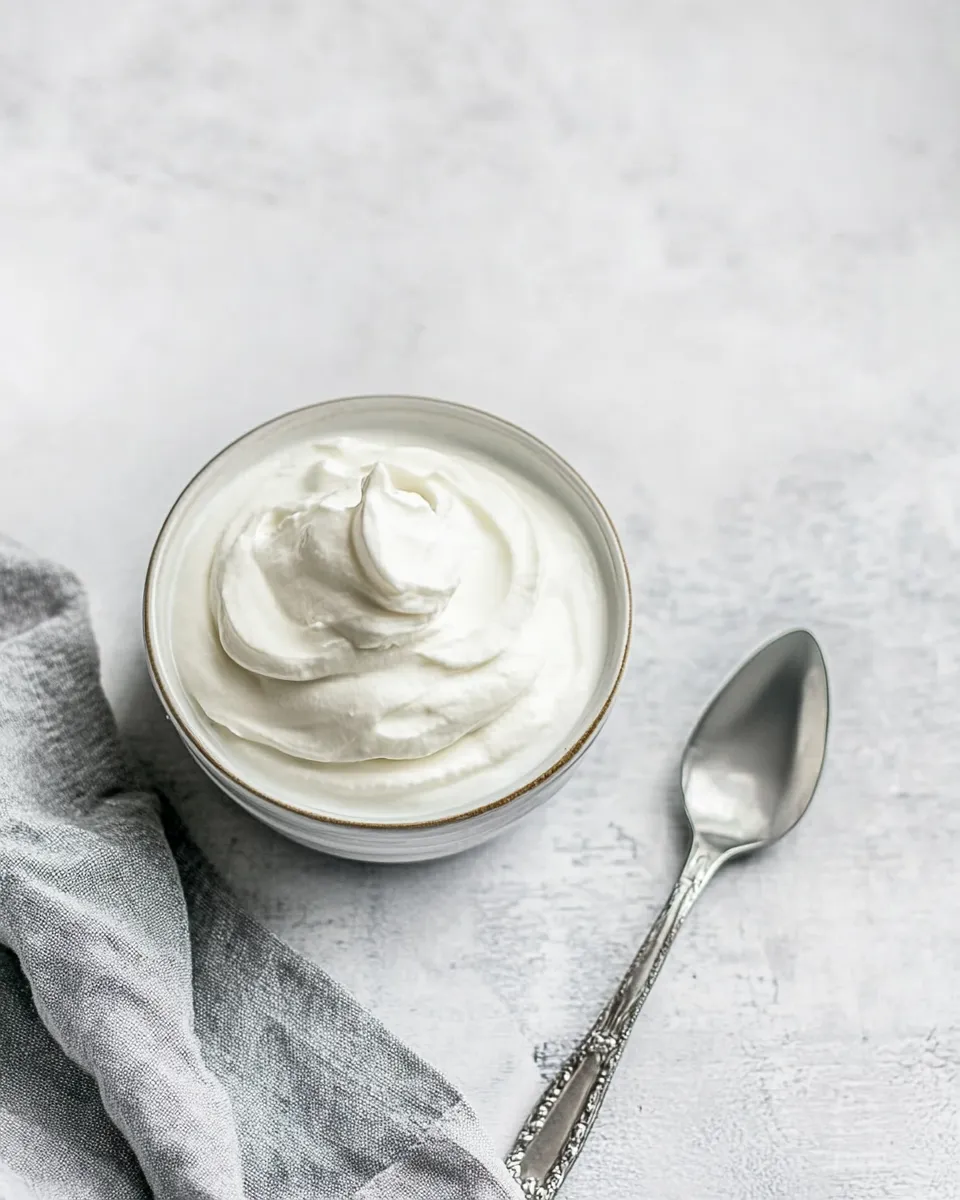
How to Make Greek Yogurt
Ingredients
Equipment
Method
- Pour 4 cups whole milk into a heavy-bottomed pot. Heat over medium, stirring occasionally to prevent scorching, until the milk reaches 185°F on an instant-read thermometer.
- Remove the pot from heat and let the milk cool to 110°F. To speed cooling, set the pot in a cold water bath and stir occasionally while monitoring the temperature.
- In a small bowl, whisk 3 tablespoons plain yogurt with a small amount of the cooled milk until smooth. Stir this yogurt-milk mixture back into the rest of the cooled milk until evenly combined.
- Cover the pot and keep it at about 110°F for 5–10 hours, undisturbed, until the mixture has thickened. (Use an oven with the light on, a yogurt maker, or another warm spot that holds roughly 110°F.)
- Line a fine-mesh sieve with cheesecloth and set it over a bowl in the refrigerator. Pour or spoon the yogurt into the lined sieve and refrigerate for 4 hours to drain whey and achieve Greek yogurt consistency.
- After draining, transfer the strained Greek yogurt to a covered container and store it in the refrigerator.