Idli (Idly) Recipe
I’ve been making idlis for years, and every time I steam a batch that puffs up soft and pillowy, it feels like a small, quiet victory. Idlis are one of those humble comfort foods that reward patience and care more than fancy technique. With a bit of attention to soaking, grinding, and fermentation, you can turn four simple ingredients into a breakfast that feels both nourishing and celebratory.
This recipe is written to keep things straightforward: exact steps you can follow in order, clear troubleshooting pointers, and practical notes on what to buy and how to store. If you’ve never fermented a batter before, don’t worry — the process is forgiving if you read the signs and adjust for your kitchen temperature. By the time you finish reading, you’ll have a reliable plan to make soft idlis at home.
I like to keep things warm and pragmatic in the kitchen: pick the right rice and urad dal, soak properly, grind with a little patience, and give the batter a warm place to bubble up. Below you’ll find the shopping list, the ingredients exactly as used, step-by-step instructions, and tips for fixes and variations so you get consistent results.
What to Buy
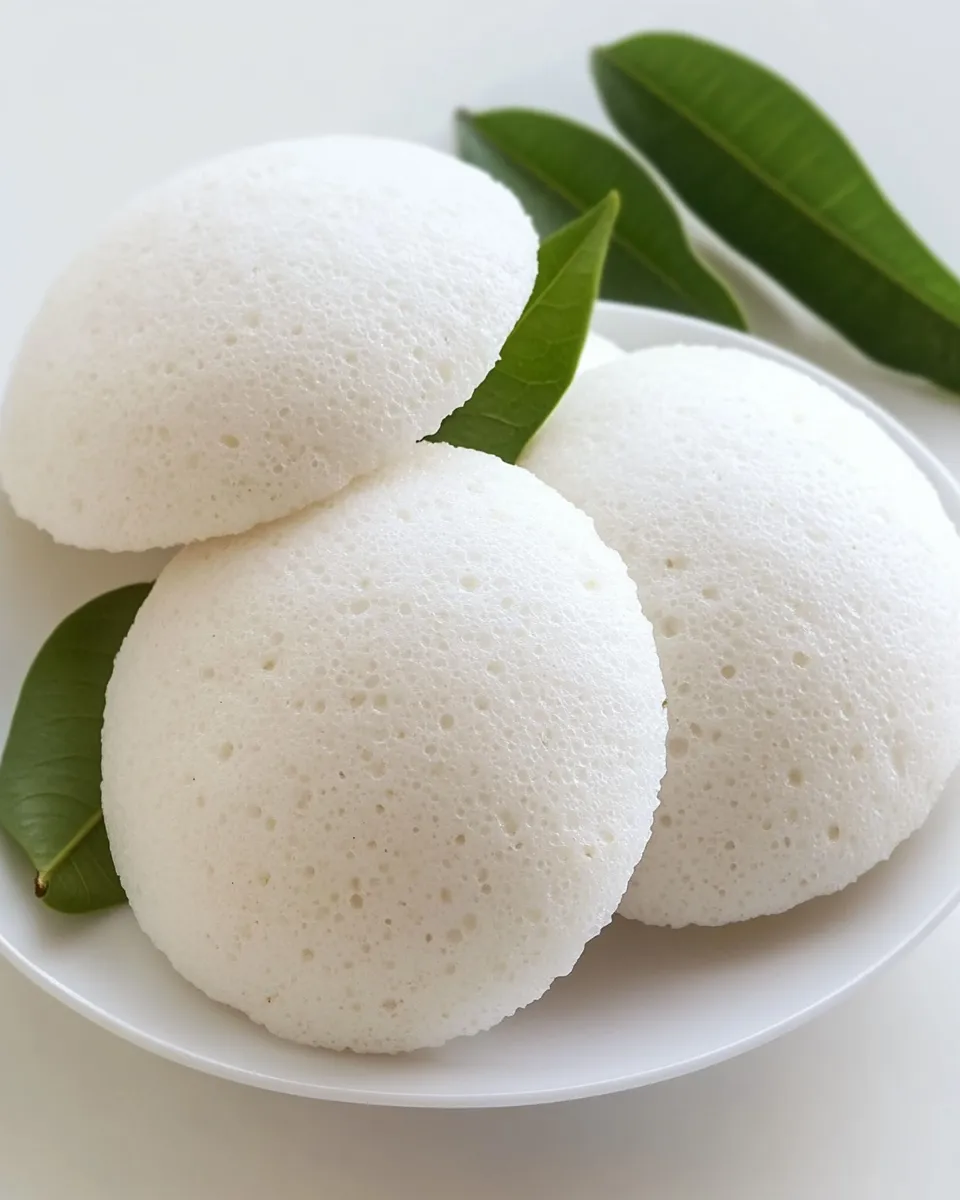
Shopping for idli ingredients is simple but a few choices matter. For the rice, short-grain Indian rice is traditional; you can also use Basmati rice if that’s what you have. The texture will differ slightly, but both work. Pick good-quality urad dal (split or whole as you prefer), and don’t skimp on the fenugreek seeds — they’re a small addition but they help fermentation and lend a subtle flavor.
Sesame oil is used here to grease the idli moulds; it gives a light, pleasant aroma compared with neutral oil. You only need a small amount, but buy a bottle you like. Salt and water are listed as “as required” — the important part is to add salt after fermentation and reserve some soaking water to help with grinding.
Finally, you’ll need a grinder or blender capable of processing soaked dals and rice. A wet grinder is ideal, but a good high-speed blender will do as long as you work in batches and add reserved water gradually.
Ingredients
- 2 1/2cupshort grain Indian rice or Basmati rice — the main body of the idli; short-grain rice gives a slightly softer texture.
- 1/2tbspfenugreek seeds — helps fermentation and adds a gentle aroma; soak with the rice.
- 5tbspsesame oil — for greasing the idli moulds so idlis release cleanly; a small amount is all that’s needed.
- 1 1/2cupUrad dal — supplies the airy, protein-rich element when ground; key to the soft rise.
- saltas required — add after fermentation; salt sharpens flavor and should be adjusted to taste.
- wateras required — used for soaking, grinding, and steaming; reserve some soaking water to reach the right batter consistency.
Cook Idli (Idly) Like This
- Rinse the rice and the urad dal separately under running water until the rinse water runs clear (typically 3–4 rinses).
- Add the 1/2 tbsp fenugreek seeds to the rice, then place the rice (with fenugreek) and the urad dal in separate bowls and cover with plenty of water. Soak both for 4–6 hours.
- After soaking, drain both, reserving some of the soaking water for grinding.
- Grind the soaked urad dal into a smooth, light paste, adding reserved water little by little until you get a consistency similar to tahini (smooth and slightly airy).
- Grind the soaked rice and fenugreek seeds into a coarse paste, adding reserved water as needed; the rice paste should be slightly grainy, not completely smooth.
- Transfer both pastes to a large, clean bowl. Mix them together thoroughly by folding or whisking to incorporate air; the combined batter should be thick but slightly pourable/pasty.
- Cover the bowl (with a lid or clean cloth) and keep the batter in a warm place to ferment until it has risen and roughly doubled in volume. Fermentation time will vary by temperature (commonly 6–12 hours). If your kitchen is cold, keep the covered bowl in a warm spot (for example, near a warm appliance or in an oven on a very low setting) to help fermentation.
- Once fermented and doubled, add salt to taste and mix gently but thoroughly.
- Grease the idli moulds with sesame oil. Fill each mould about three-quarters full with batter using a ladle.
- Add enough water to the idli steamer or pot to create steam and bring the water to a rolling boil. Place the idli stand inside and cover with the lid.
- Steam the idlis for 8–10 minutes with the lid on. If using a pressure cooker without the vent/weight, steam for about 10 minutes.
- Turn off the heat and wait until the steam subsides before opening the lid. Let the idli stand sit for 4–5 minutes.
- Optionally sprinkle a little cold water over the idlis in the moulds to help loosen them. Use a small knife or spoon to gently loosen and remove the idlis from the moulds.
- Serve the idlis warm.
What Sets This Recipe Apart
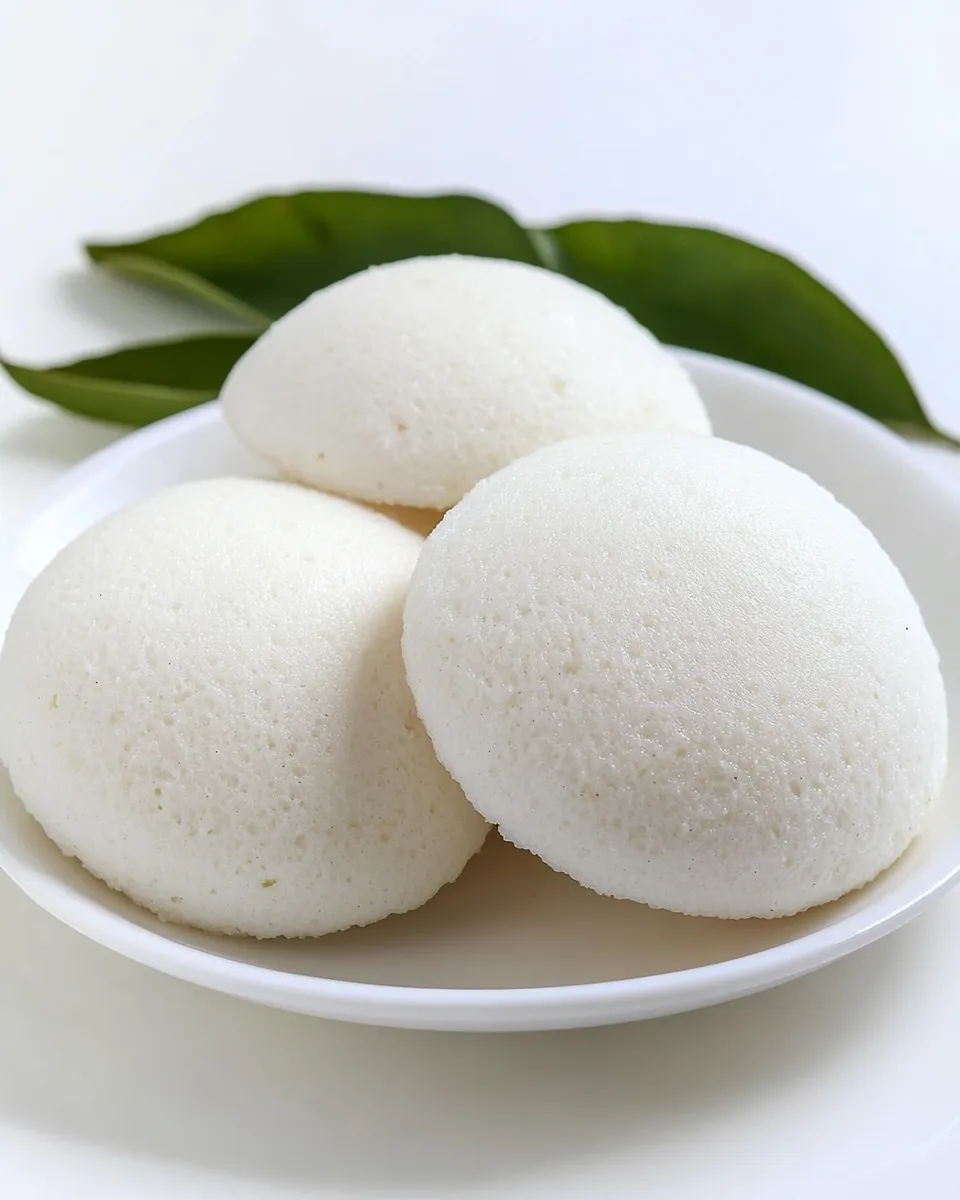
There are a few deliberate choices here that make these idlis consistently pleasing. First, the recipe keeps the rice slightly coarse and the urad dal very smooth — that contrast creates the classic soft but structured crumb. Second, a small measure of fenugreek seeds is included with the rice to boost fermentation and flavor without making the batter bitter.
Greasing moulds with sesame oil rather than a neutral oil gives a mild, savory aroma every time you unmould. Also, the instructions emphasize reserving soaking water for grinding; that water carries enzymes and helpful starches that improve batter texture and fermentation.
Smart Substitutions
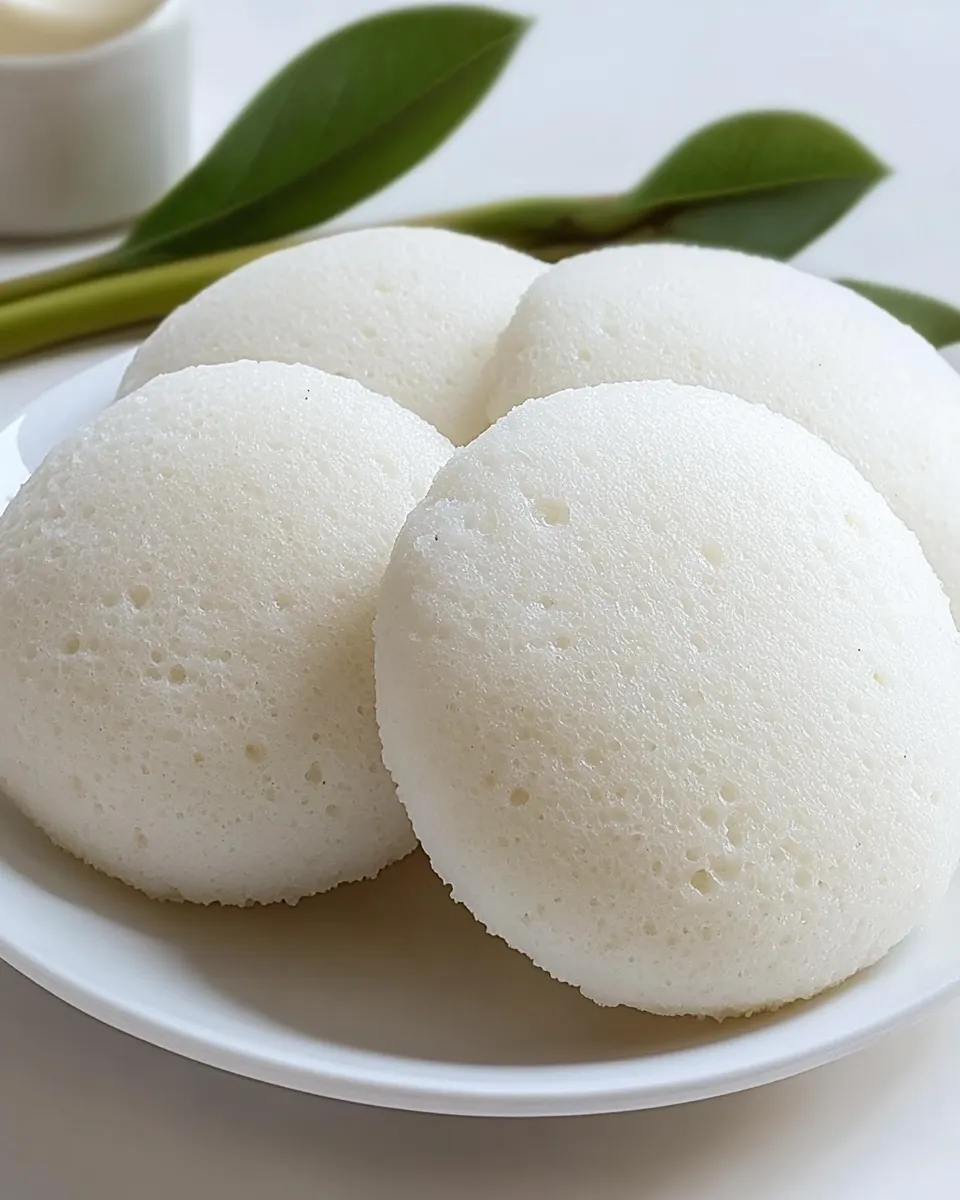
- If you don’t have short-grain rice, a medium-grain rice works in a pinch; texture will be slightly different but still tasty.
- If a wet grinder isn’t available, a high-speed blender will work — grind in smaller batches and add reserved water incrementally to avoid overheating the motor.
- For greasing moulds, any mild-flavored oil can be used instead of sesame oil; the aroma will change, but release and non-stick function remain the same.
Equipment at a Glance
- Large bowls for soaking and fermenting — you’ll need room for the batter to rise.
- Wet grinder or a strong blender — key to getting the urad dal airy and the rice coarse.
- Idli moulds and a steamer or a large pot with a steamer insert. A pressure cooker without the vent/weight also works for steaming.
- Ladle and a spatula or small spoon for filling and loosening idlis.
Watch Outs & How to Fix
Fermentation problems
- Batter didn’t rise: temperature was likely too low. Move the batter to a warmer spot, or place it in an oven with only the oven light on to provide gentle warmth. You can also extend fermentation time; cooler kitchens may need up to 12–14 hours.
- Batter over-fermented (very sour or collapsed): reduce fermentation time next time and keep the batter in a cooler spot once it has doubled. If it’s slightly sour but still has air, it’s usable for steaming right away after mixing salt.
Texture issues
- Idlis are dense: urad dal may not have been ground enough or not enough air incorporated while mixing. Grind urad until smooth and fold the batter energetically to trap air before fermenting.
- Idlis are sticky or don’t release: moulds may need a bit more oil, or steaming may have been too short. Try the cold water trick (step 13) to help release, and ensure you grease moulds well next time.
Holiday & Seasonal Touches
Idlis are wonderfully adaptable. For a festive twist, serve with a vibrant coconut chutney or a rich, spiced stew during cooler months. In summer, pair warm idlis with lighter, tangy chutneys and fresh seasonal dips.
For special occasions, you can serve small idlis alongside a selection of toppings and condiments so guests can build their own plates — but the core steamed idli remains the simple, comforting center of attention.
Chef’s Rationale
The method here is intentionally classic: separate soaking and grinding, maintain the contrast between finely ground urad and coarsely ground rice, and prioritize gentle but thorough mixing to incorporate air. Those steps support a clean fermentation and a soft crumb. Fenugreek is a small but intentional inclusion — it aids both fermentation and flavor without dominating the profile.
Steaming time is kept short (8–10 minutes) to avoid drying out the idlis. Letting the steam subside and resting the moulds before unmoulding preserves moisture and gives cleaner edges. All of these choices aim for reliability and texture rather than novelty.
Best Ways to Store
Cooked idlis: Cool them slightly, then stack and place in an airtight container in the refrigerator for up to 2–3 days. Reheat by steaming for 4–5 minutes or microwaving with a damp paper towel over the plate to maintain moisture.
Batter: Once fermented and salted, fresh batter will keep in the refrigerator for up to 3 days. If you want to freeze batter, portion it and freeze for up to a month; thaw overnight in the refrigerator and allow a short warm rest before steaming.
Quick Questions
- Q: Can I make the batter the night before and steam in the morning? A: Yes. Prepare and let it ferment overnight; once it has doubled, add salt and steam in the morning.
- Q: What if I don’t have idli moulds? A: Small heatproof bowls or even a flat plate in a steamer can work; steaming time may vary.
- Q: Do I have to use fenugreek? A: Fenugreek helps fermentation and flavor, but if you must omit it, expect a slightly different fermentation profile and flavor.
Serve & Enjoy
Serve your idlis warm, immediately after steaming if possible. A simple spread of chutney or a bowl of hot stew makes for a satisfying meal. These idlis are soft, light, and unobtrusive — a blank canvas for whatever accompaniments you prefer.
Keep the process relaxed and pay attention to the batter: clear, bubbly signs of fermentation are your guide. Once you nail the soak-grind-ferment-steam cycle, making idlis becomes a comforting routine that feeds the body and calms the kitchen rhythm. Enjoy.
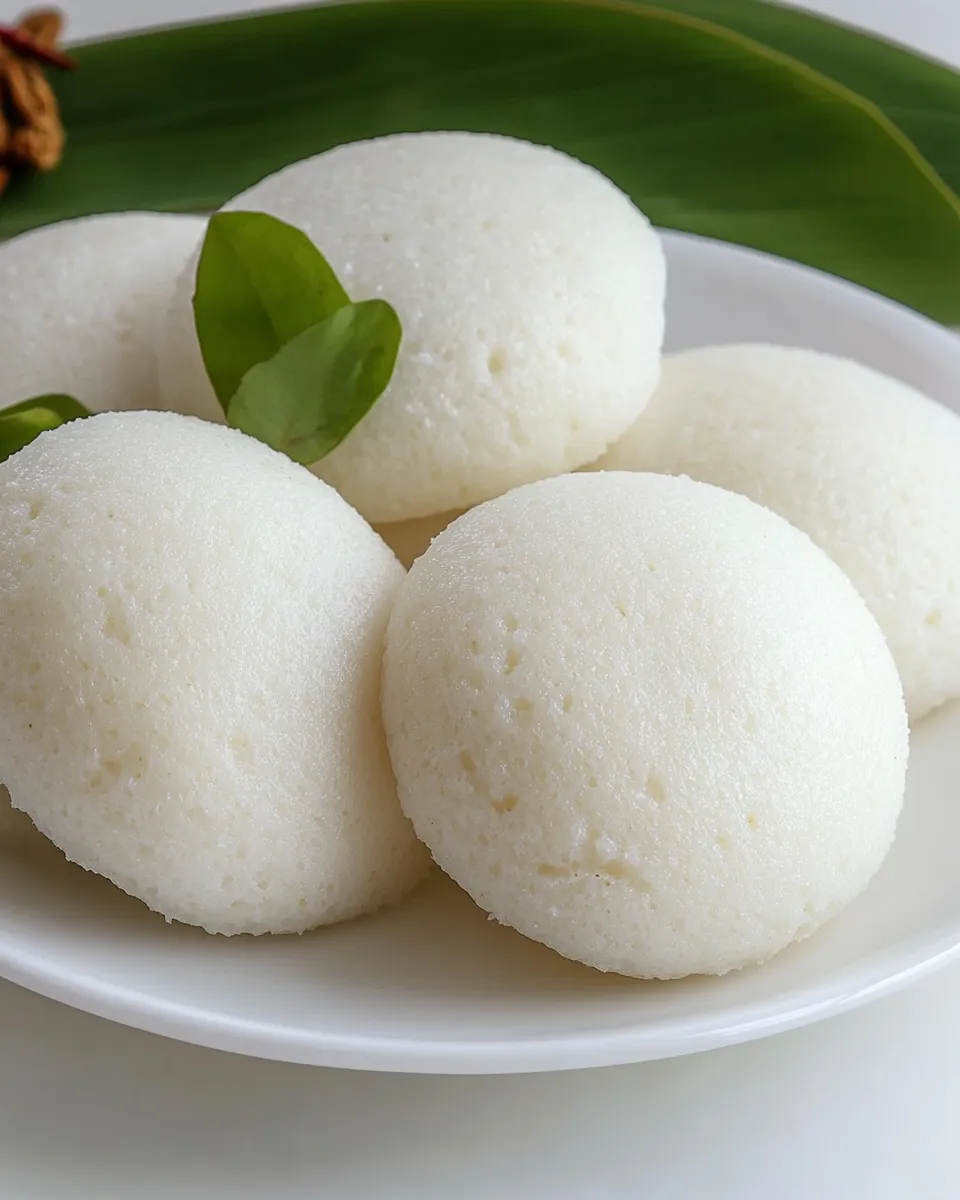
Idli (Idly) Recipe
Ingredients
Equipment
Method
- Rinse the rice and the urad dal separately under running water until the rinse water runs clear (typically 3–4 rinses).
- Add the 1/2 tbsp fenugreek seeds to the rice, then place the rice (with fenugreek) and the urad dal in separate bowls and cover with plenty of water. Soak both for 4–6 hours.
- After soaking, drain both, reserving some of the soaking water for grinding.
- Grind the soaked urad dal into a smooth, light paste, adding reserved water little by little until you get a consistency similar to tahini (smooth and slightly airy).
- Grind the soaked rice and fenugreek seeds into a coarse paste, adding reserved water as needed; the rice paste should be slightly grainy, not completely smooth.
- Transfer both pastes to a large, clean bowl. Mix them together thoroughly by folding or whisking to incorporate air; the combined batter should be thick but slightly pourable/pasty.
- Cover the bowl (with a lid or clean cloth) and keep the batter in a warm place to ferment until it has risen and roughly doubled in volume. Fermentation time will vary by temperature (commonly 6–12 hours). If your kitchen is cold, keep the covered bowl in a warm spot (for example, near a warm appliance or in an oven on a very low setting) to help fermentation.
- Once fermented and doubled, add salt to taste and mix gently but thoroughly.
- Grease the idli moulds with sesame oil. Fill each mould about three-quarters full with batter using a ladle.
- Add enough water to the idli steamer or pot to create steam and bring the water to a rolling boil. Place the idli stand inside and cover with the lid.
- Steam the idlis for 8–10 minutes with the lid on. If using a pressure cooker without the vent/weight, steam for about 10 minutes.
- Turn off the heat and wait until the steam subsides before opening the lid. Let the idli stand sit for 4–5 minutes.
- Optionally sprinkle a little cold water over the idlis in the moulds to help loosen them. Use a small knife or spoon to gently loosen and remove the idlis from the moulds.
- Serve the idlis warm.
Notes
Tip: Add 2 tablespoons of flattened rice or cooked rice while grinding the batter, this helps make a smooth and fluffy texture.