Italian Dressing Chicken
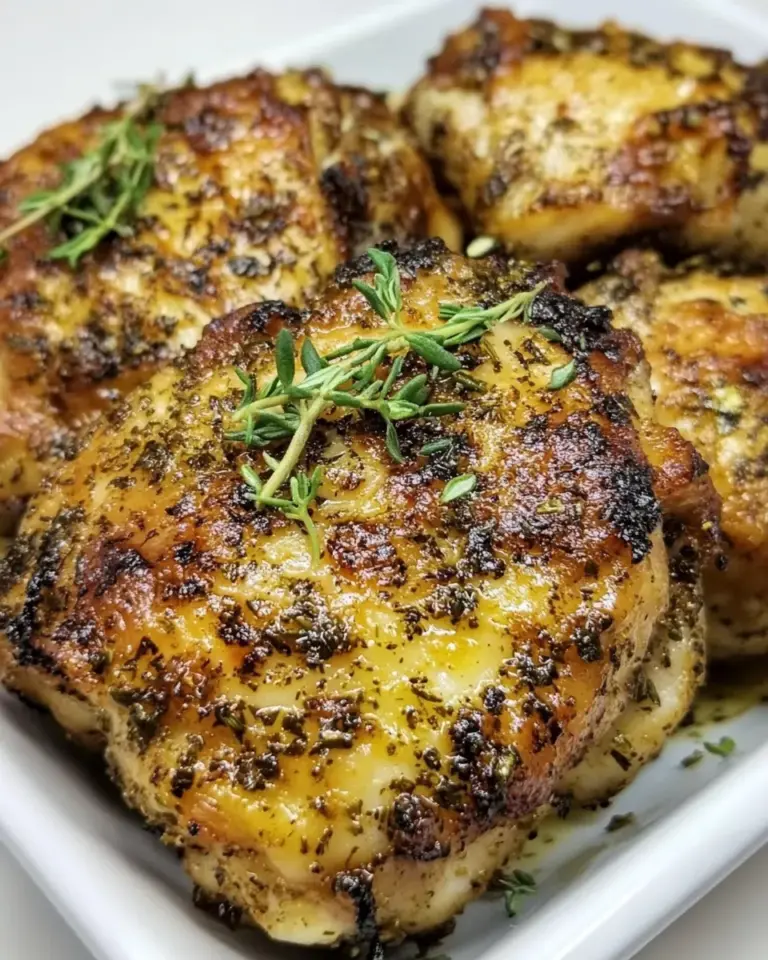
This is the kind of weeknight champion that feels special without demanding your evening. A store-bought Italian dressing packet teams up with lemon, olive oil and garlic to make a bright, tart marinade that cuts through the richness of chicken breasts. Marinate long, grill hot, and the result is juicy, well-seasoned chicken with minimal fuss.
I tested this on a busy night and again for a backyard dinner; both times it delivered. The technique is straightforward: a zip-top bag, a long soak in the fridge, and a quick turn on the grill. It’s forgiving, fast to assemble and easy to scale up.
Below I’ll walk you through ingredient notes, the exact steps to follow, gear that makes the job simpler, common traps to avoid, and practical variations you can use to fit this into your meal plan. No fluff — only the useful stuff that keeps dinner on the table.
Ingredient Notes
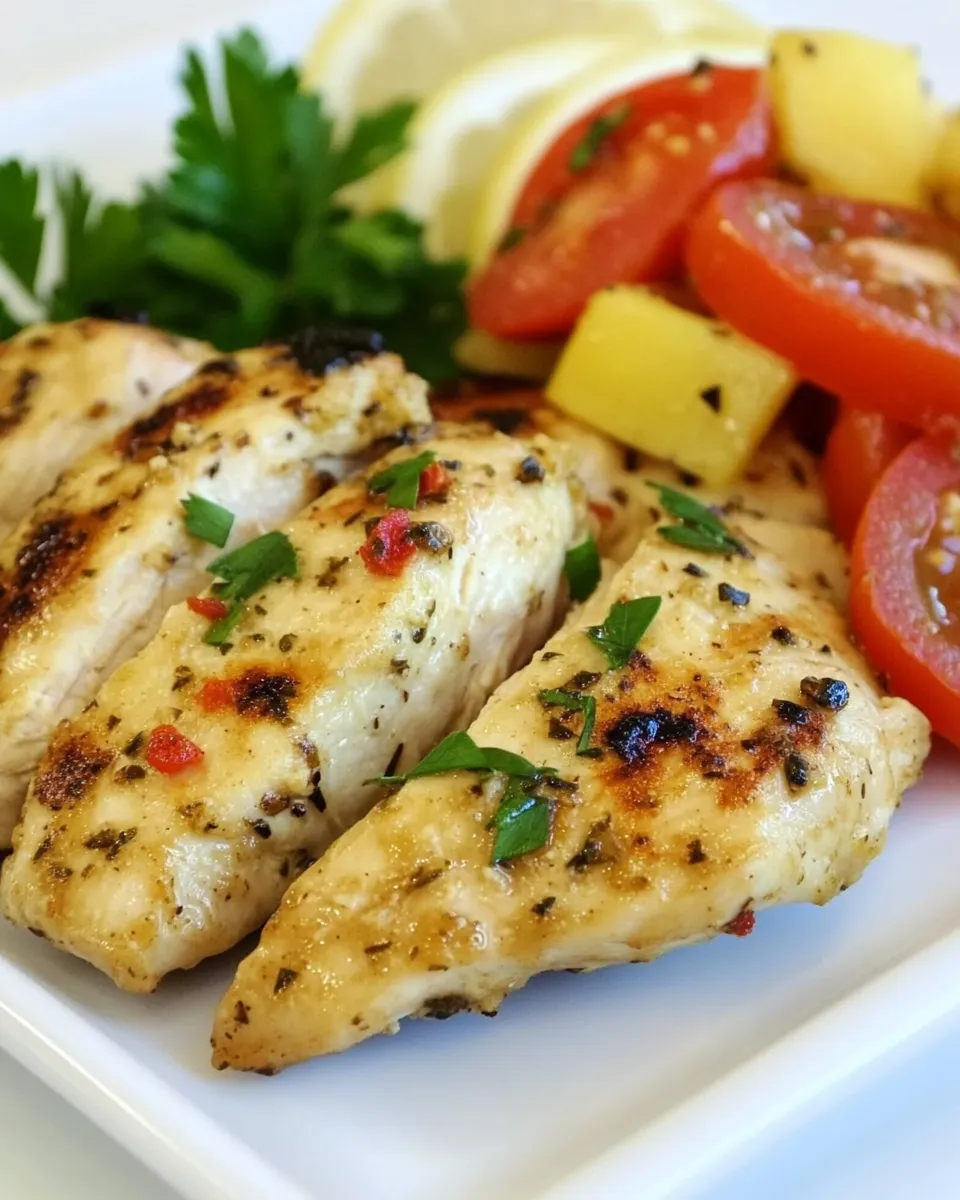
This recipe relies on a handful of pantry staples and the Good Seasons Italian Dressing Mix packet as the primary flavor driver. The packet adds a pre-balanced mix of dried herbs, salt, and seasoning, so you don’t have to measure multiple spices. Lemon juice provides acidity to tenderize and brighten the chicken; olive oil carries flavor and helps the marinade cling. Garlic gives fresh pungency, and the crushed red pepper flakes add a controlled little heat. Use four even-sized boneless, skinless chicken breasts for even cooking.
Mind the marinating window: 12 to 24 hours is recommended. Less time will still add flavor, but the texture and depth improve with a longer soak. When you remove the chicken to cook, always discard any marinade that has contacted raw poultry — don’t use it as a sauce unless you boil it first.
Ingredients
- 1 packet Good Seasons Italian Dressing Mix — the primary seasoning; provides herbs, salt, and savory backbone.
- 1/3 cup lemon juice — adds acidity for flavor and mild tenderizing.
- 1/3 cup olive oil — helps distribute flavors and keeps the chicken moist while grilling.
- 2 garlic cloves, minced — fresh garlic brightens and deepens the marinade.
- 1/2 teaspoon crushed red pepper flakes — optional heat; adjust to taste or omit for no spice.
- 4 boneless, skinless chicken breasts — choose even-thickness breasts for consistent cooking.
From Start to Finish: Italian Dressing Chicken
- In a large zip-top bag, combine 1 packet Good Seasons Italian Dressing Mix, 1/3 cup lemon juice, 1/3 cup olive oil, 2 garlic cloves (minced), and 1/2 teaspoon crushed red pepper flakes. Seal the bag and shake or squeeze to mix the marinade.
- Add 4 boneless, skinless chicken breasts to the bag. Press out excess air, seal, and turn/massage the bag so the chicken is evenly coated in the marinade.
- Refrigerate the sealed bag for 12 to 24 hours, laying it flat and turning the bag occasionally so the chicken marinates evenly.
- When ready to cook, heat the grill to medium-high.
- Remove the chicken from the bag and discard the remaining marinade that contacted the raw chicken.
- Place the chicken on the preheated grill and cook 5 to 6 minutes per side, or until the internal temperature reaches 165°F (74°C) or the juices run clear.
- Remove the chicken from the grill and let rest 3 to 5 minutes before serving.
What Sets This Recipe Apart
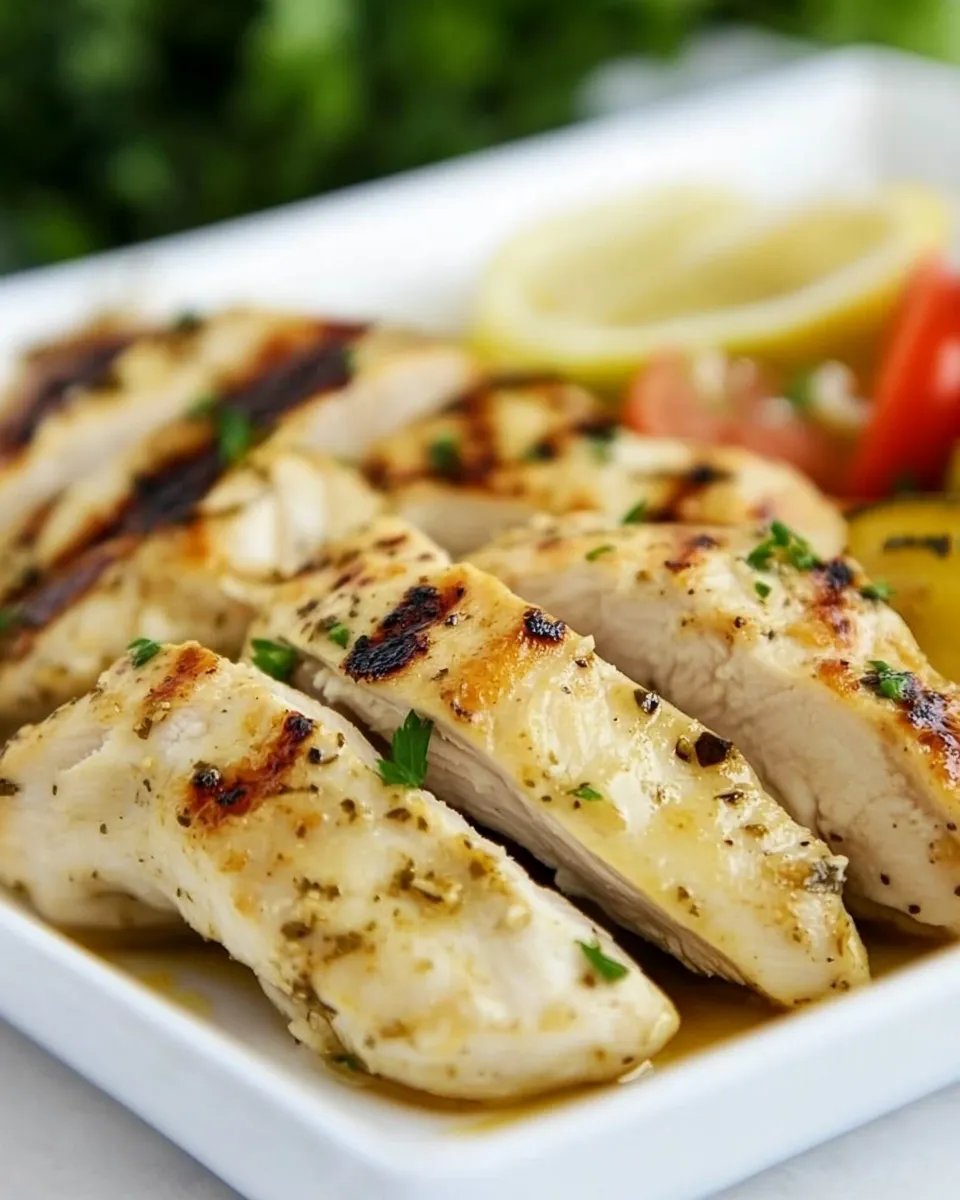
Two things make this recipe special: simplicity and balance. The Good Seasons packet does the heavy lifting so you don’t have to measure multiple herbs and spices. Combined with lemon, it creates a bright, herby profile that reads as homemade without a long list of ingredients.
Another advantage is the timeline. This is a make-ahead-friendly recipe: mix, seal and forget in the fridge while you live your day. The 12–24 hour marinate window gives the chicken more depth than a quick 30-minute soak, but it still cooks quickly at the end. Finally, grilling gives a slight char and caramelization that punch up the packet’s dried-herb flavors.
International Equivalents
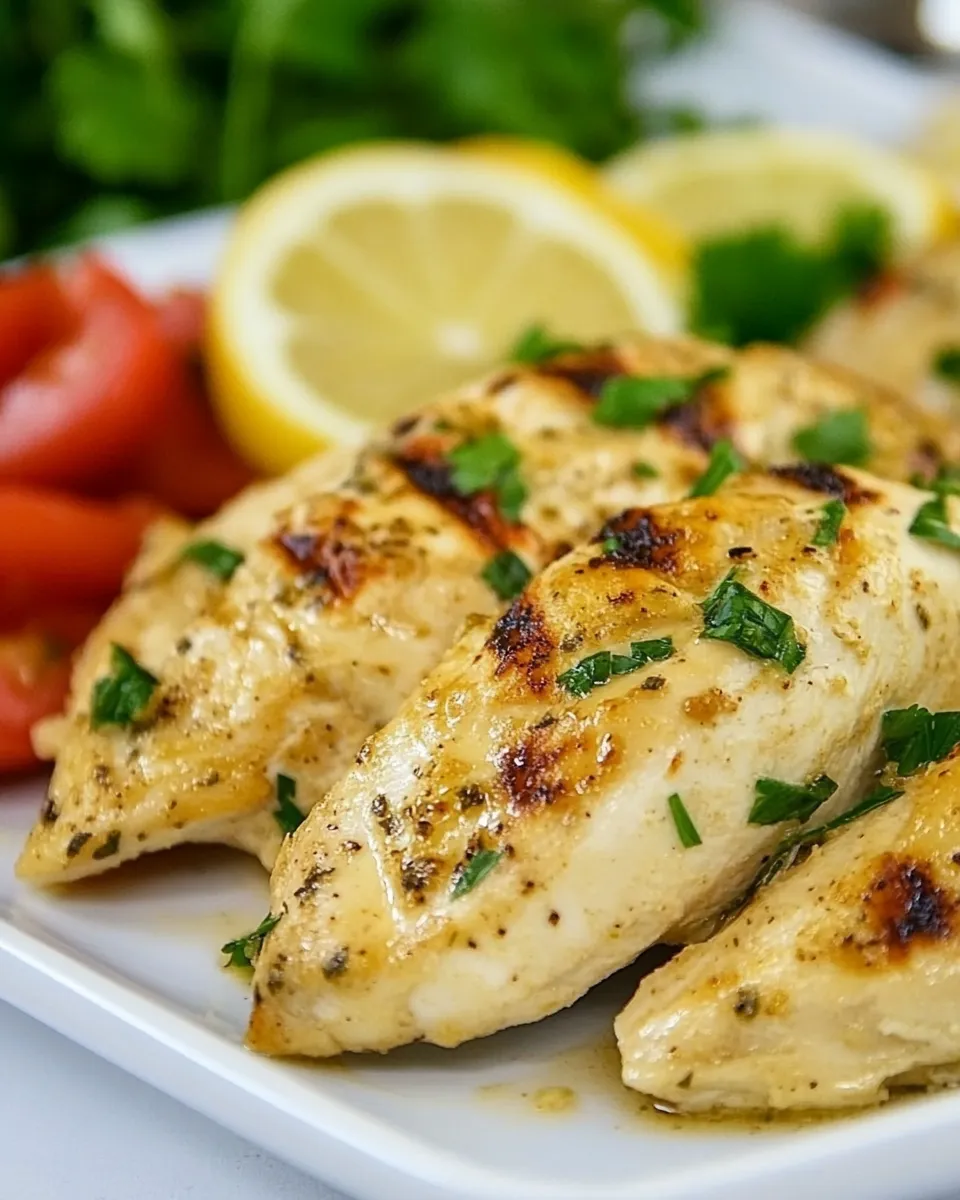
The method here — acid, oil and aromatics — is a universal approach to marinating proteins. If you don’t have the specific dressing packet on hand, look for a dry Italian-style seasoning blend in your market, or a bottled Italian dressing you like and reduce added salt elsewhere. The flavor profile fits neatly with Mediterranean plates: think grilled vegetables, herby rice, or simple pasta tossed with olive oil.
Across cuisines you’ll find similar ideas: lemon and garlic in Greek marinades, or herb-forward rubs in other European kitchens. If your pantry is stocked with regionally different mixes, use the same acid + oil + aromatics ratio to adapt the technique while keeping the cooking method the same.
Must-Have Equipment
- Large zip-top bag — seals the marinade around the chicken for even flavoring and easy cleanup.
- Grill (gas or charcoal) — gives the quickest route to a nicely charred, smoky finish.
- Instant-read meat thermometer — essential for cooking chicken safely and avoiding dryness.
- Tongs — for safe handling on the grill without piercing the meat.
- Cutting board and sharp knife — to check the chicken and slice for serving.
Troubles You Can Avoid
Overcooking is the most common issue here. Medium-high grills can vary; rely on an instant-read thermometer. Pull chicken at 165°F (74°C) and let it rest. The temperature will hold steady while resting and juices will redistribute.
Flare-ups from drip can char the exterior before the center cooks. Keep a spray bottle of water on hand to tame flames and watch the grill closely during the last few minutes. If your breasts are uneven in thickness, pound them lightly to a uniform thickness so they cook through at the same rate.
Another trap is using the leftover marinade as a sauce straight from the bag — it’s contaminated by raw poultry. If you want to turn it into a sauce, boil it for several minutes on the stove to kill bacteria before using.
Make It Fit Your Plan
Short on time? Marinate for as little as 1–2 hours; you’ll still get flavor. If you need an oven option, preheat to 400°F (200°C) and bake the breasts on a rimmed baking sheet for about 20–25 minutes, checking internal temperature for doneness.
Feeding a crowd? Multiply the marinade components proportionally and use multiple zip-top bags or a shallow pan large enough to hold the chicken in a single layer. For meal-prep portions, grill and slice the chicken, then portion into containers with sides like roasted vegetables and quinoa.
What I Learned Testing
Marinating longer does matter. At 12 hours the chicken already has a clear improvement over a short soak; at 24 hours the flavor penetrates deeper and you get an almost glazed surface after grilling. I also learned to trust the thermometer: color and juices can be misleading, especially with marinades that alter surface color.
Another small but useful lesson: remove excess marinade before placing chicken on the grill to limit flare-ups. A light squeeze in the bag to redistribute, then transfer the chicken with a slotted utensil or let excess drip off briefly — that was a helpful step for clean grilling.
Meal Prep & Storage Notes
For raw chicken marinated as written, keep it refrigerated and use within 24 hours total from the start of marinating. If you want to freeze, do so before the full 24-hour mark: place the chicken and marinade in a properly sealed freezer bag and freeze for up to one month. Thaw in the refrigerator before cooking and use within 24 hours after thawing.
Cooked chicken will keep in the refrigerator for 3 to 4 days in an airtight container. Reheat gently in a skillet over low heat or in the oven at 300°F (150°C) until warmed through; avoid microwave reheating for long stretches as it dries the meat.
Your Questions, Answered
Can I use bone-in chicken or thighs? Yes. Adjust cooking times: dark meat takes longer to reach the safe internal temperature and tolerates longer marinades. Bone-in pieces will need more time on the grill; use the thermometer and watch for an internal temperature of 165°F (74°C) measured near the bone.
Do I have to use the Good Seasons packet? The packet is convenient and consistent, but any Italian-style seasoning mix will do. If using bottled dressing, reduce added salt in other areas and don’t include additional oil beyond what the dressing provides unless needed.
Is the crushed red pepper necessary? No. It’s there for a touch of heat. Omit it if you prefer no spice, or increase slightly for more kick.
Before You Go
This Italian Dressing Chicken is one of those reliable recipes that sits in my rotation for a reason: minimal hands-on time, maximal payoff, and dependable results. It works for busy weeknights, backyard gatherings, and batch-cooking for the week ahead. If you try it, give the chicken the full 12–24 hours if you can — the difference is worth the wait.
Make it your own by pairing with simple sides: a crisp salad, grilled zucchini, or a lemony rice pilaf. And if you tweak something — less heat, longer marinate, or a charcoal vs. gas finish — come back and tell me how it went. I read every comment and love swapping practical tips.
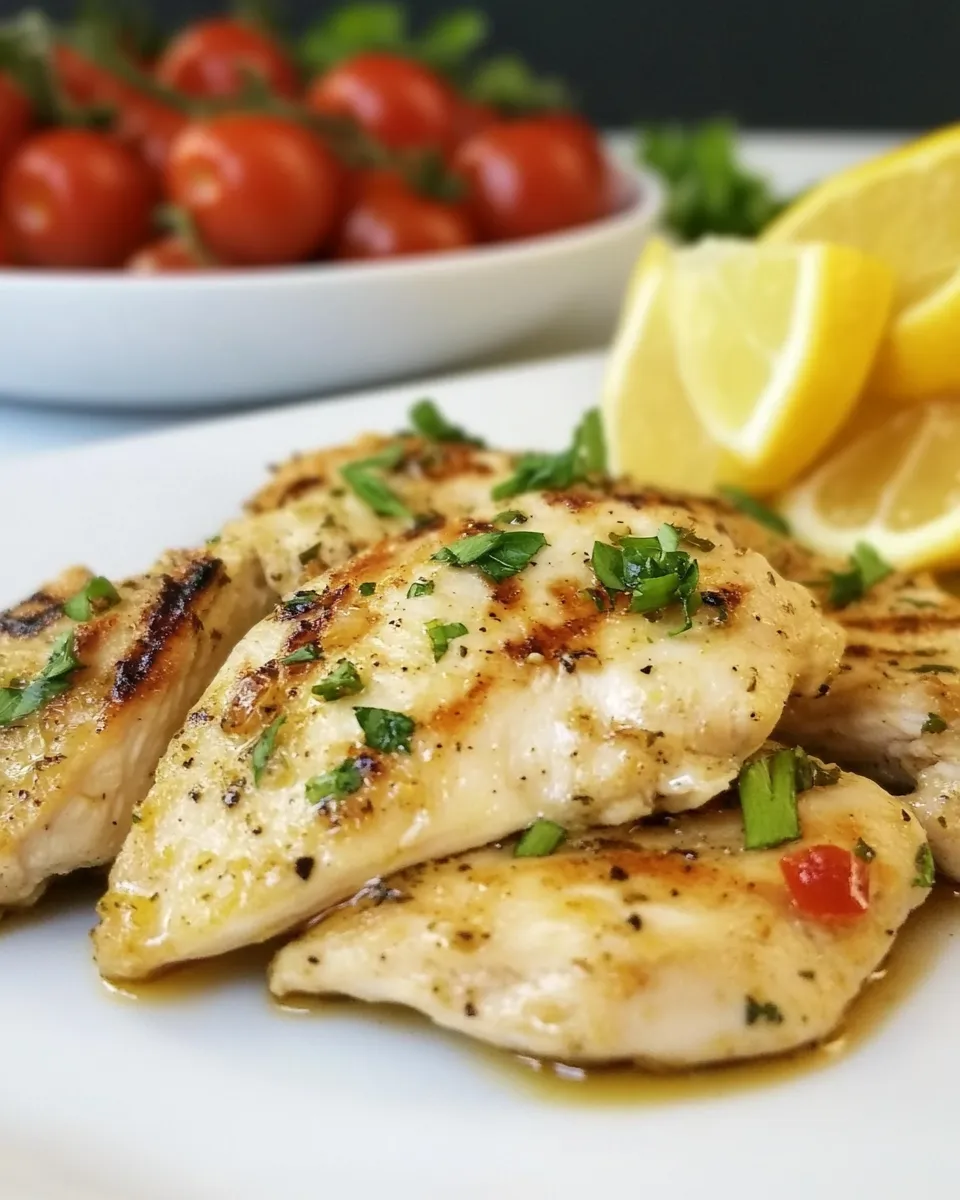
Italian Dressing Chicken
Ingredients
Equipment
Method
- In a large zip-top bag, combine 1 packet Good Seasons Italian Dressing Mix, 1/3 cup lemon juice, 1/3 cup olive oil, 2 garlic cloves (minced), and 1/2 teaspoon crushed red pepper flakes. Seal the bag and shake or squeeze to mix the marinade.
- Add 4 boneless, skinless chicken breasts to the bag. Press out excess air, seal, and turn/massage the bag so the chicken is evenly coated in the marinade.
- Refrigerate the sealed bag for 12 to 24 hours, laying it flat and turning the bag occasionally so the chicken marinates evenly.
- When ready to cook, heat the grill to medium-high.
- Remove the chicken from the bag and discard the remaining marinade that contacted the raw chicken.
- Place the chicken on the preheated grill and cook 5 to 6 minutes per side, or until the internal temperature reaches 165°F (74°C) or the juices run clear.
- Remove the chicken from the grill and let rest 3 to 5 minutes before serving.