Italian Focaccia Bread Recipe
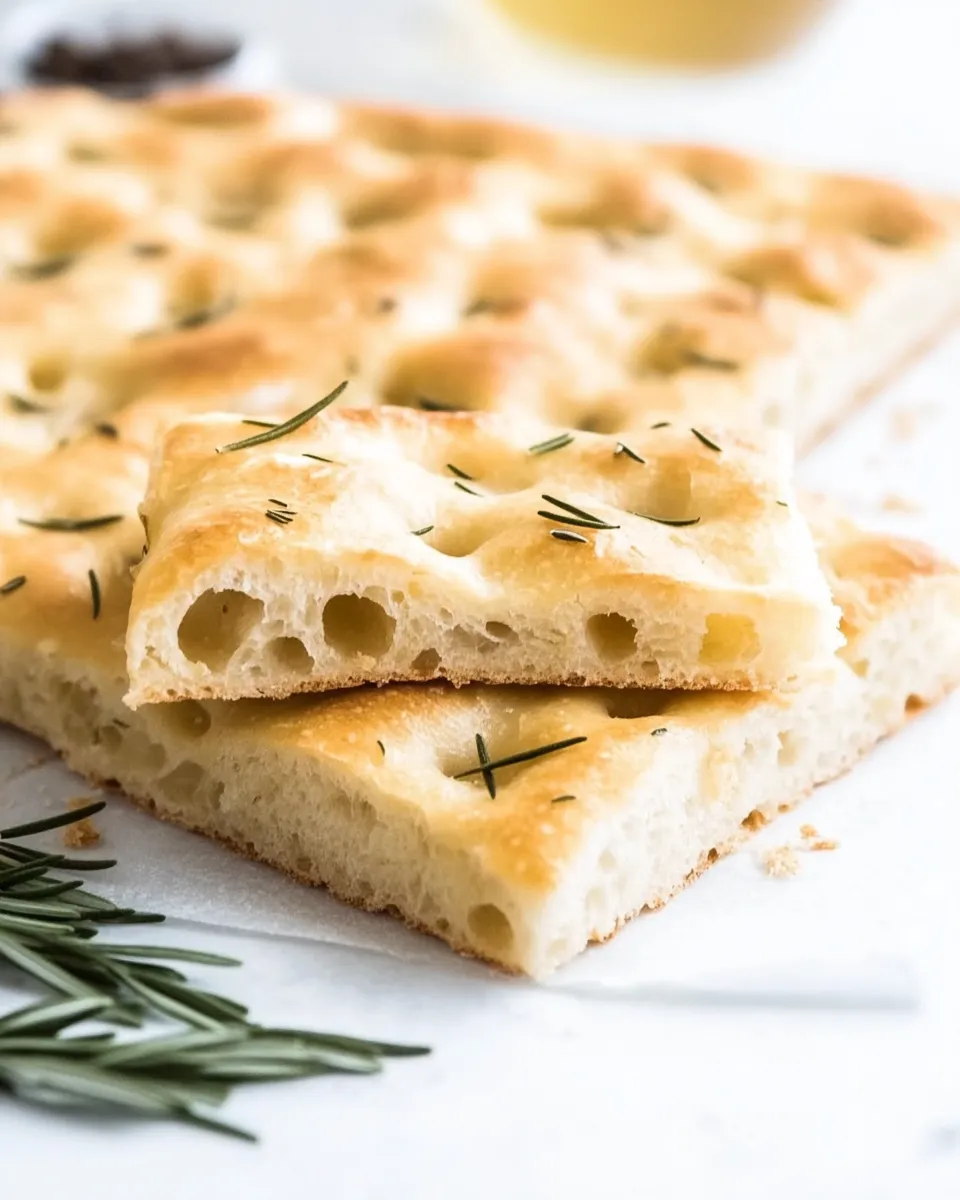
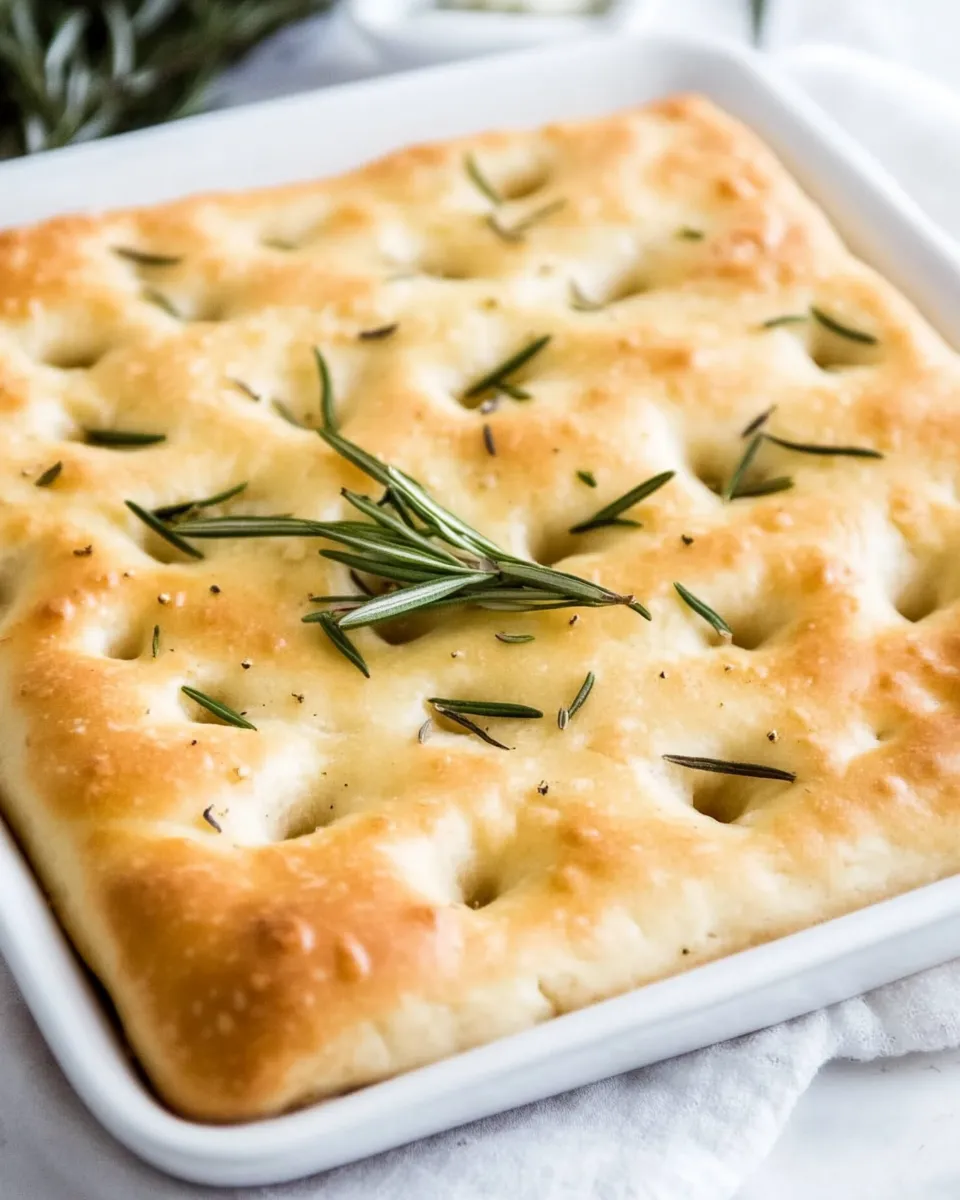
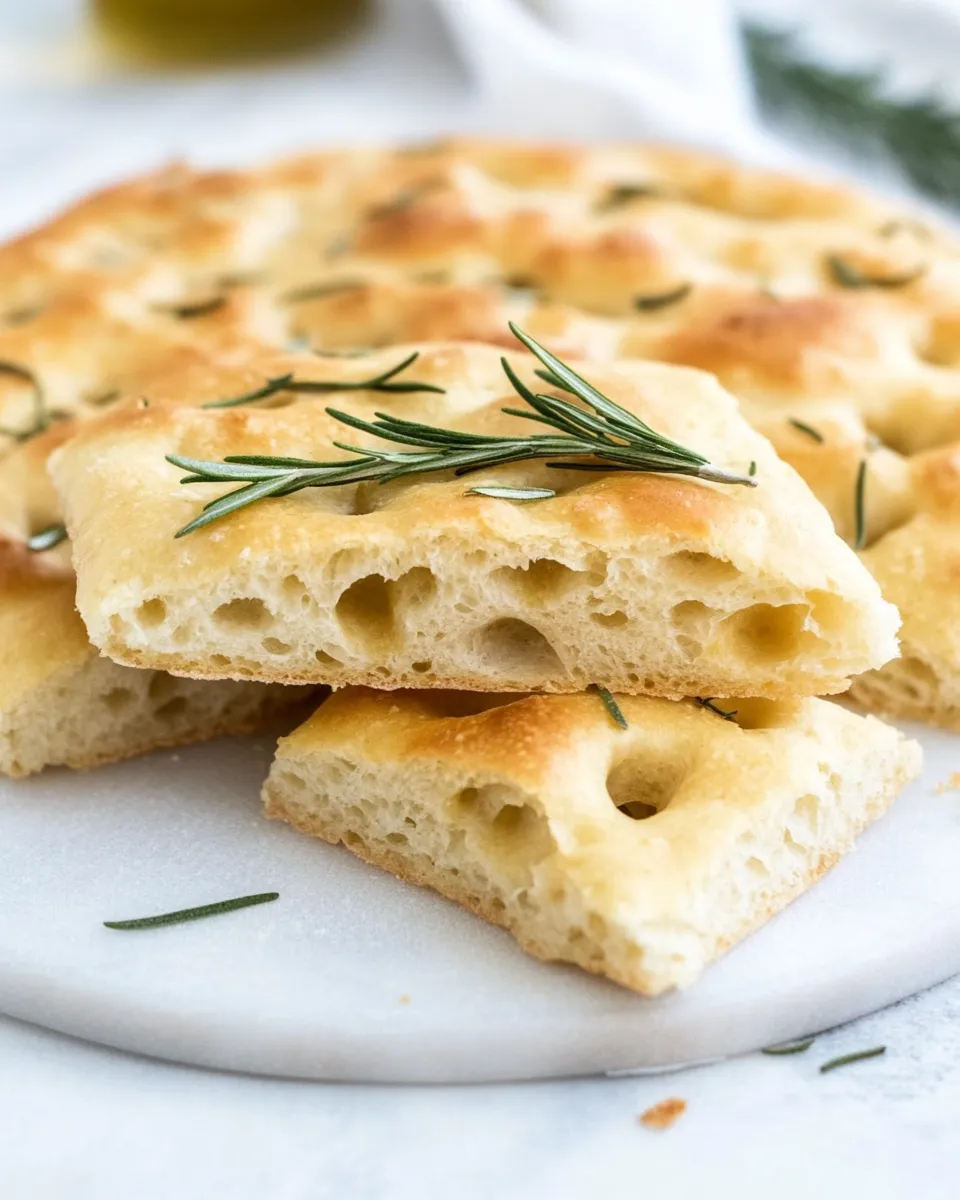
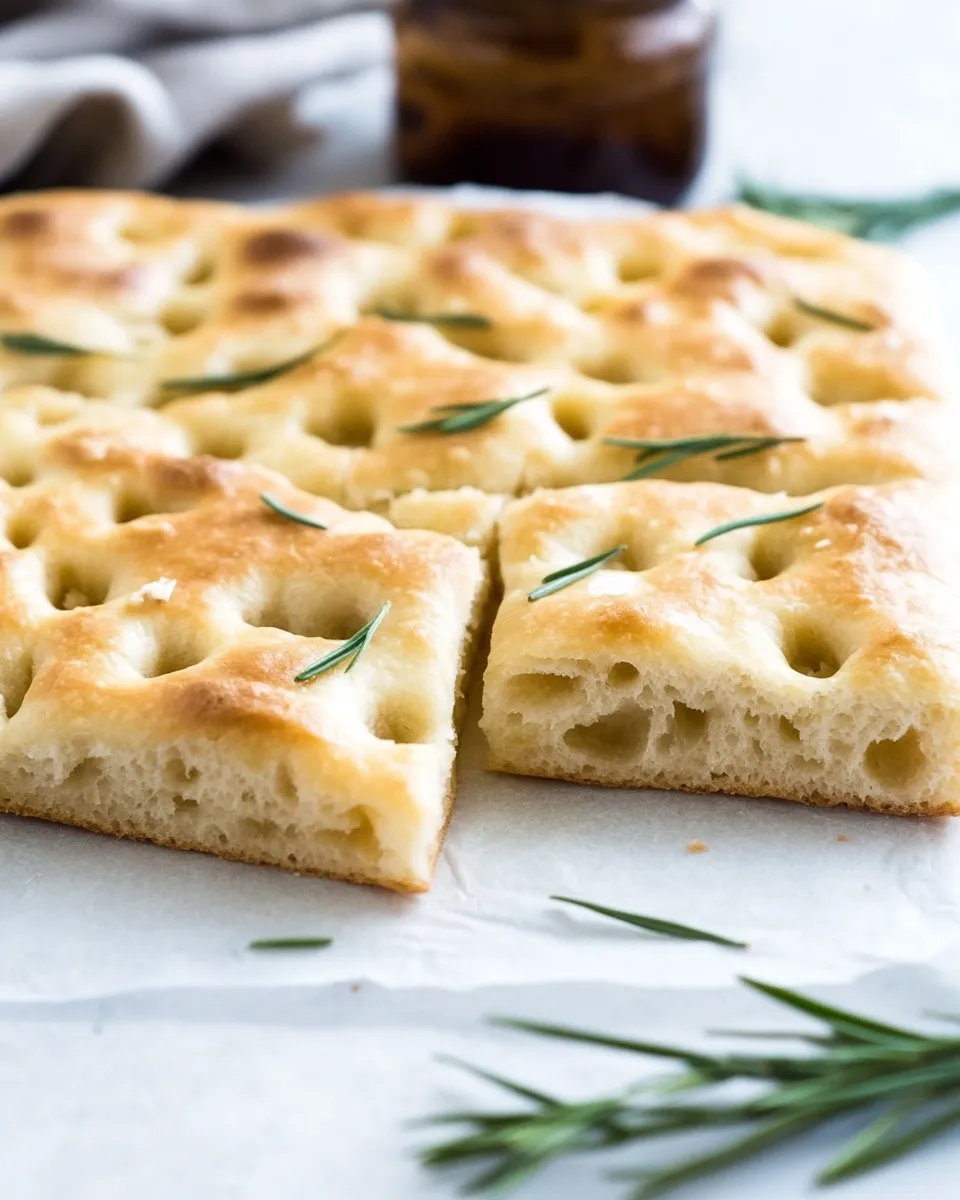
This focaccia is the kind of bread I reach for when I want something honest and soulful from the oven: golden, olive-scented, with those irresistible dimples that hold a little pool of seasoned oil. It’s straightforward, uses pantry-friendly ingredients, and rewards a bit of time and patience with a loaf that’s perfect for sandwiches, alongside soups, or simply torn into pieces and shared.
I keep the method intentionally simple—mix, knead, rest, stretch, dimple, salt, and bake. The technique favors texture and flavor over tricks: good bread flour, a touch of barley malt or honey for depth, and plenty of olive oil to crisp the crust and keep the crumb tender. You don’t need any fancy equipment beyond a mixer with a dough hook, though a gentle hand and an eye for a golden top help.
If you follow the steps and timing, you’ll end up with focaccia that’s light, slightly chewy, and fragrantly olive-oil forward. Below I break down the ingredients, the step-by-step directions, troubleshooting tips, and sensible swaps so you can make this reliably at home, whether it’s a cool fall afternoon or a hot summer evening.
The Ingredient Lineup
- 280 grams (1 1/4 cups) of lukewarm water — hydrates the dough and wakes the yeast; lukewarm (body temperature) is ideal for activation.
- 4 grams (3/4 teaspoon) yeast — the leavening agent; measure carefully for predictable rise times.
- 510 grams (3 cups) bread flour — provides the structure and chew; bread flour gives a better crumb than all-purpose.
- 6 grams (3/4 teaspoon) sea salt — seasons the dough; adds flavor and strengthens the gluten.
- 6 grams (1 teaspoon) barley malt syrup or honey — a touch of sugar to feed the yeast and deepen crust color and flavor.
- 25 grams (2 tablespoons) good extra virgin olive oil + more for the pan — enriches the dough and keeps the crumb tender; reserve extra for the baking tray and finishing.
- 10 grams (1 tablespoon) olive oil — used in the salamoia (the olive oil/water finishing mix) to boost surface shine and flavor.
- 20 grams (2 tablespoons) lukewarm water — mixed with the olive oil to make the salamoia that helps the salt stick and the crust brown.
- 10 grams (1 teaspoon) sea salt — for sprinkling on top after salamoia; provides crunchy, savory contrast to the soft crumb.
Directions: Italian Focaccia Bread
- Preheat the oven to 425°F for convection or 450°F for conventional baking.
- In the bowl of a stand mixer fitted with the dough hook, combine 280 g lukewarm water and 4 g yeast. Whisk briefly and let sit 3–4 minutes until the yeast has dissolved.
- Add 510 g bread flour, 6 g sea salt, 6 g barley malt syrup or honey, and 25 g extra virgin olive oil to the mixer. Mix on low speed until the ingredients are incorporated, then increase to medium-low speed and mix for 8–10 minutes until the dough is smooth and elastic.
- Transfer the dough to a lightly oiled bowl (use some of the extra olive oil reserved for the pan), cover tightly with plastic wrap, and let it rise in a warm place 60–90 minutes, until doubled or tripled in size.
- Generously oil a 1/2-sheet baking tray with extra virgin olive oil (use the “more for the pan” from the ingredient list). Transfer the risen dough to the tray and gently stretch it to fill the tray. Cover with a clean towel and let rest 30 minutes, until it has doubled in size.
- Using lightly oiled fingertips, press down on the dough to create dimples all over the surface.
- Make the salamoia by whisking together 10 g olive oil and 20 g lukewarm water. Pour it evenly over the dough, then sprinkle the top with 10 g sea salt.
- Bake in the preheated oven (425°F convection or 450°F conventional) for 15–20 minutes, or until the focaccia is golden brown on top.
- Remove from the oven, cool briefly, slice, and serve.
Why I Love This Recipe
There’s something immediately satisfying about focaccia because the results are dramatic compared to the effort. A few simple, quality ingredients and a sensible timeline produce bread with a crisp, olive-oil–kissed top and an airy interior that soaks up flavor. It’s versatile: serve it with an antipasto platter, use it for sandwiches, or enjoy it straight from the pan with a little more olive oil and grated cheese.
The method tolerates small timing variations. If your house is colder and the first rise takes 90 minutes instead of 60, the dough will still be fine. The salamoia step is key—this little oil-and-water finish keeps the crust glossy and helps the salt cling, delivering the right balance of crisp and tender.
Finally, it’s approachable. If you’ve never made a yeasted bread at home, this is the kind that encourages you—little handling, great payoff, and forgiving shaping since you simply spread it in the pan.
Quick Replacement Ideas
- Barley malt syrup or honey — if you don’t have barley malt, use honey (as listed). Both give a touch of sweetness and encourage browning. Don’t replace with large amounts of sugar; you only need the small amount listed.
- Bread flour — if bread flour is unavailable, you can use all-purpose flour, but expect a slightly less chewy crumb and adjust handling gently.
- Extra virgin olive oil — use a good-quality olive oil for flavor; light olive oil will work but won’t contribute the same fruity aroma.
- Yeast — the recipe calls for active dry or instant yeast measured as 4 g. If you substitute fresh yeast, use the equivalent weight (and dissolve it the same way).
What’s in the Gear List
- Stand mixer with a dough hook — specified in the recipe for kneading, but you can knead by hand if needed; it will take longer and need a bit of elbow grease.
- 1/2-sheet baking tray — the recipe is scaled for a 1/2-sheet; use a tray with edges so the dough spreads evenly and the oil pools in the dimples.
- Plastic wrap and a clean towel — for covering rises; a warm, draft-free spot helps the dough double predictably.
- Kitchen scale — optional but highly recommended for consistent results; the recipe uses gram measurements that make the dough reliable.
Slip-Ups to Skip
When focaccia goes wrong, it’s usually because of a few avoidable slips. The most common: water temperature that’s too hot kills the yeast; too cold leaves it sluggish. Aim for lukewarm—roughly body temperature—when mixing with yeast.
Don’t skimp on oil in the pan. Focaccia needs that oil for a crisp, flavorful bottom and edges. If the pan is dry, the bread will stick and lose its characteristic texture.
A short or rushed first rise leads to tight crumb and poor oven spring. Give the dough the full 60–90 minutes the recipe suggests. Conversely, overproofing in a very warm environment can leave the dough slack and unable to hold shape—watch for doubled or tripled size as the guide.
Warm & Cool Weather Spins
Temperature affects rise times. In a warm kitchen (above ~75°F / 24°C), proofing will be quicker—check the dough earlier, around 45–60 minutes for the first rise. In a cool kitchen, give it the full 90 minutes or find a slightly warm spot like an oven with the light on (oven off).
Summer tip: the dough may be stickier and more relaxed; lightly oil your fingers rather than flouring them when you stretch the dough in the pan. Winter tip: if your home is cold, place the covered bowl on top of a warm appliance or in a turned-off oven with the light on to keep the temperature consistent.
Flavor Logic
This focaccia leans on olive oil as the central flavor. The barley malt syrup or honey provides subtle caramel notes that darken the crust without overt sweetness. A small amount of salt in the dough seasons from the inside; the additional flaky sea salt on top (10 g) gives those crunchy bursts of flavor that define good focaccia.
Dimples aren’t decorative only—they’re functional. They create pockets that hold the salamoia and let oil and salt melt into the dough during baking, which translates into concentrated flavor in each bite. The result is a balance of soft crumb, crisp edges, and briny highlights.
Meal Prep & Storage Notes
Focaccia is great for make-ahead and reheating. Store cooled focaccia wrapped tightly at room temperature for up to 2 days. For longer storage, cool completely and freeze in vacuum-sealed bags or airtight containers for up to 1 month. To reheat from frozen, thaw at room temperature, then warm in a 350°F oven for 8–10 minutes to revive the crust.
If you plan to use it for sandwiches the next day, slice horizontally and toast the cut sides briefly under a broiler or in a pan with a drizzle of olive oil to restore some crispness. Reheat slices individually in a hot skillet for a quick, fresh result.
Quick Questions
- Can I make this by hand instead of a mixer? — Yes. Knead on a lightly floured surface for 10–12 minutes until smooth and elastic, then proceed with the rest of the recipe.
- Can I use instant yeast instead of active dry? — Yes. Use the same weight (4 g) and add it directly with the dry ingredients—though letting the yeast bloom in the water as written helps confirm it’s active.
- What if my focaccia isn’t browning? — Check oven temperature with an oven thermometer. You can increase the oven temp by 10–20°F in the final minutes or move the tray to a higher rack for a short time to encourage color.
- How thick should the finished focaccia be? — Spread it to fill the 1/2-sheet tray; after the second rest it should have doubled and look pillowy. Thickness will be roughly 3/4–1 inch depending on your pan and stretching.
Final Bite
This Italian Focaccia Bread is reliably good: simple ingredients, clear technique, and a big return in flavor. Tuck it into lunches, serve it with olive oil and herbs, or eat it plain with a cup of coffee. With the timing and steps here, you’ll have a beautiful, olive-scented loaf that invites sharing—and second helpings.
Italian Focaccia Bread Recipe
Ingredients
Equipment
Method
- Preheat the oven to 425°F for convection or 450°F for conventional baking.
- In the bowl of a stand mixer fitted with the dough hook, combine 280 g lukewarm water and 4 g yeast. Whisk briefly and let sit 3–4 minutes until the yeast has dissolved.
- Add 510 g bread flour, 6 g sea salt, 6 g barley malt syrup or honey, and 25 g extra virgin olive oil to the mixer. Mix on low speed until the ingredients are incorporated, then increase to medium-low speed and mix for 8–10 minutes until the dough is smooth and elastic.
- Transfer the dough to a lightly oiled bowl (use some of the extra olive oil reserved for the pan), cover tightly with plastic wrap, and let it rise in a warm place 60–90 minutes, until doubled or tripled in size.
- Generously oil a 1/2-sheet baking tray with extra virgin olive oil (use the "more for the pan" from the ingredient list). Transfer the risen dough to the tray and gently stretch it to fill the tray. Cover with a clean towel and let rest 30 minutes, until it has doubled in size.
- Using lightly oiled fingertips, press down on the dough to create dimples all over the surface.
- Make the salamoia by whisking together 10 g olive oil and 20 g lukewarm water. Pour it evenly over the dough, then sprinkle the top with 10 g sea salt.
- Bake in the preheated oven (425°F convection or 450°F conventional) for 15–20 minutes, or until the focaccia is golden brown on top.
- Remove from the oven, cool briefly, slice, and serve.
Notes
Make-Ahead:
You can make this Focaccia bread up to 1 day ahead of time.
How to Store:
Cover and keep at room temperature for three days or in the refrigerator for up to 5 days. You can freeze this loaf of bread for up to 6 months. Thaw it at room temperature until thawed before slicing and serving.
The warm
olive oil and water mixture that is poured over the top of the bread before baking is known as Salamoia.
A trick
to help proof the dough is to add the bowl while resting in a slightly cracked oven with only the oven light on. It creates the perfect moist temperature environment for proofing.
Adding a
pan of water to the oven will help create moisture and provide a nice golden-brown crust on your bread.