Italian Potato Pasta
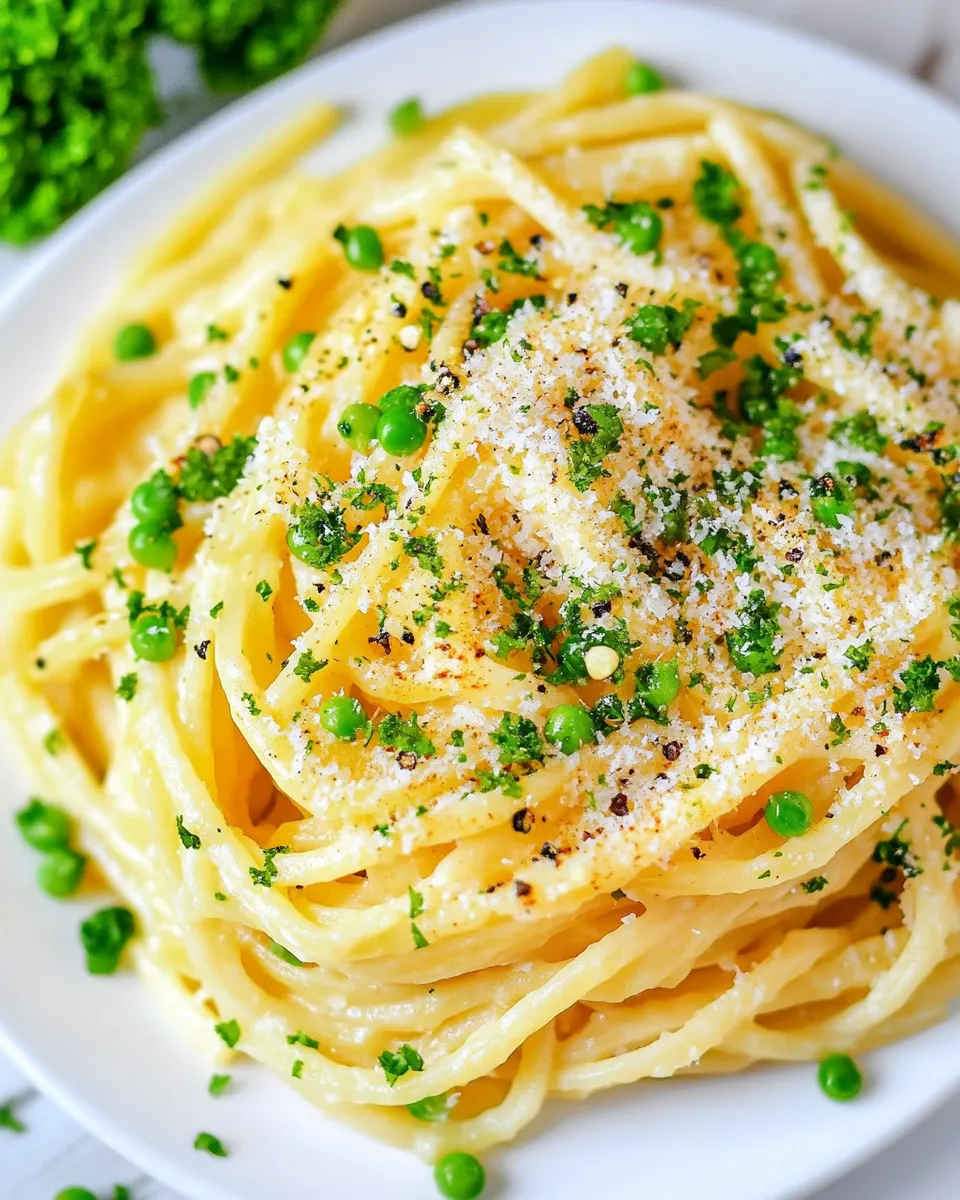
This is the kind of weeknight dinner I reach for when I want comforting, feel-good food without babysitting multiple pots. It comes together in one heavy pot, uses pantry-friendly staples and fresh veg, and gives you a creamy sauce without cream. The starch from the potatoes transforms into a silky binder for the pasta—simple science that tastes like a treat.
I like this for busy evenings because it tolerates a little timing wiggle. Potatoes and pasta cook together, so you don’t need perfect synchronization. You can chop a little more roughly and still end up with satisfying texture. Little finishes—nutritional yeast for depth, a hit of tomato paste for brightness—make it feel thoughtfully dressed rather than thrown together.
What’s in the Bowl
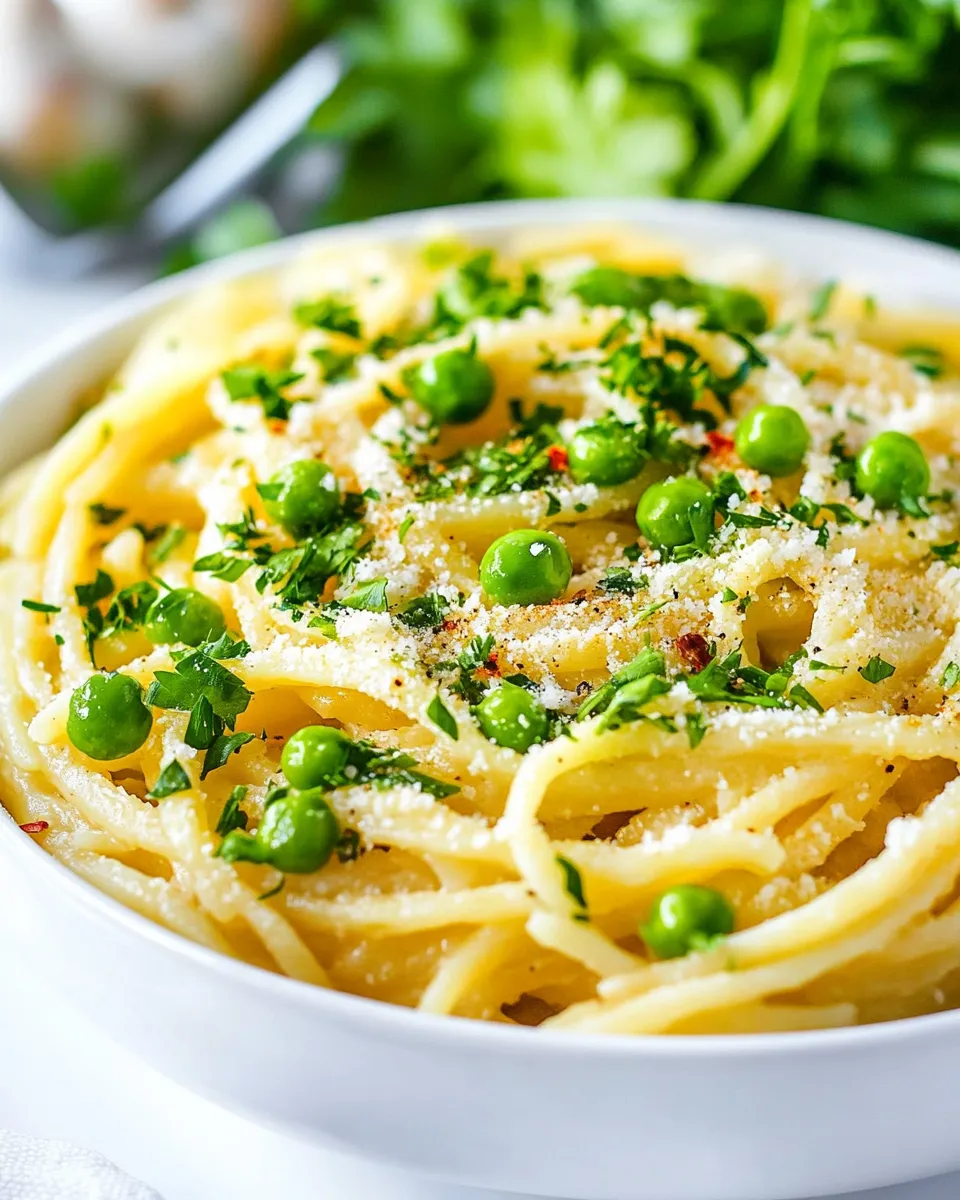
At its core this dish is potatoes, pasta, and a handful of green vegetables. The potatoes are your thickener, the pasta your body, and the broccoli and peas bring color, bite, and a fresh note. A few pantry bits—leek, garlic, tomato paste, rosemary, olive oil—build the base flavor without anything fussy.
Ingredients
- 1.3 lb Potatoes — quarter and slice; the starch will thicken the sauce as they soften and are partially mashed.
- 5 oz Broccoli — cut into florets; adds color and a tender-crisp contrast if added late.
- 2 oz Green peas — quick to heat and give a sweet pop; frozen works fine.
- 4 oz Leek — white and pale green parts; provides a gentle, sweet onion base when cooked briefly.
- 9 oz Pasta — any short shape; it cooks in the pot with the potatoes so choose something that cooks in about 10 minutes.
- 2-3 cloves Garlic — minced; builds savory depth alongside the leek.
- ½ tsp Rosemary, dry — a little herbal lift; dried rosemary is concentrated so use the stated amount.
- 1 Tbsp Tomato paste — adds umami and acidity to balance the potato creaminess.
- 4 cup Hot water — split into two portions in the method; hot water speeds cooking and helps the potatoes break down.
- 1 Tbsp Olive oil — for sautéing the leek and garlic and carrying flavor.
- 3 tsp Nutritional yeast — a savory, cheesy note that keeps the dish dairy-free if desired.
- ¼ tsp Salt — seasons the cooking liquid and the potatoes; start here and adjust to taste.
- ⅛ tsp Black pepper — a mild background spice so the other flavors can sing.
Italian Potato Pasta Made Stepwise
- Prepare ingredients: quarter the potatoes, then slice each quarter into 1/4-inch (6 mm) thick pieces; separate the broccoli into florets; measure the green peas; chop the leek (4 oz); mince 2–3 cloves garlic; measure tomato paste (1 Tbsp), dried rosemary (1/2 tsp), olive oil (1 Tbsp), nutritional yeast (3 tsp), salt (1/4 tsp), and black pepper (1/8 tsp). Have 4 cups hot water ready.
- Heat a Dutch oven over medium heat. Add 1 Tbsp olive oil.
- Add the chopped leek and cook, stirring, for 1 minute.
- Add the minced garlic and cook, stirring, for 2 minutes more.
- Add the sliced potatoes, 1 Tbsp tomato paste, 1/2 tsp dried rosemary, 1/4 tsp salt, and 1/8 tsp black pepper. Stir to combine.
- Pour in 2 cups of the hot water, stir, cover the pot, and cook for 10 minutes, until the potatoes are soft when pierced with a fork.
- Uncover and mash the potatoes in the pot with a fork, leaving some larger chunks so the mixture becomes a creamy sauce with pieces of potato.
- Add the remaining 2 cups hot water and the 9 oz pasta to the pot. Stir to combine, bring to a simmer, then cover and cook for a total of 10 minutes, stirring occasionally to prevent sticking.
- With about 2 minutes of pasta cooking time remaining, add the broccoli florets (5 oz), green peas (2 oz), and 3 tsp nutritional yeast. Stir, cover, and finish cooking until the pasta is tender and the vegetables are heated through.
- Remove from heat, give everything a final stir to combine, and serve.
Why This Recipe Is Reliable
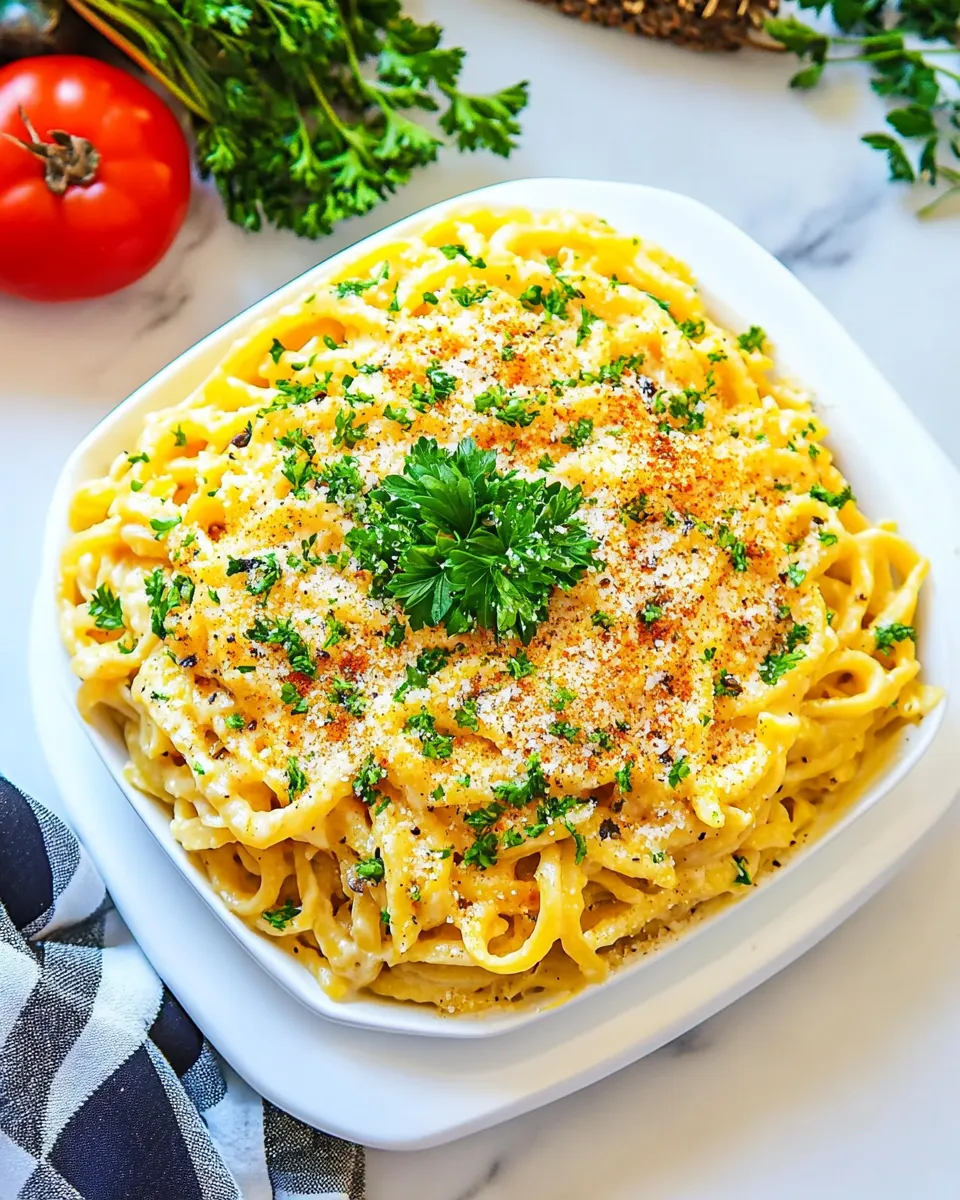
This method is dependable because it uses the potatoes’ starch as a natural thickener. Cooking potatoes partway, then mashing them into the liquid, creates a silky binder that clings to pasta. You don’t need cream or a separate sauce.
The one-pot technique cuts transfers and timing errors. Pasta cooks in the same pot as the mashed potatoes, so you avoid the classic “pasta overcooked while sauce waits” problem. Hot water from the start keeps the temperature steady and shortens total cook time.
Finally, the recipe staggers vegetable additions. Firmer items go in earlier; quick-cook greens and peas go in at the end. That layering keeps textures distinct and prevents everything from becoming a uniform mush.
Healthier Substitutions
- Pasta swap: whole-wheat or legume-based pasta for more fiber and protein—watch cooking time as some shapes take longer.
- Less oil: reduce olive oil to 2 tsp and sauté in a splash of water if you want to cut calories.
- Lower sodium: cut the salt to 1/8 tsp during cooking and finish dishes with a squeeze of lemon to brighten instead of salt.
- Extra veg: bulk up with chopped spinach or kale (add near the end) to increase vitamins and fiber without changing the method.
Toolbox for This Recipe
- Dutch oven or a deep, heavy-bottomed pot with a lid — holds heat and gives room to stir without spilling.
- Sharp knife and cutting board — for clean, even slices of potato and leek.
- Measuring spoons and a tablespoon — accurate small amounts matter for balance.
- Fork or potato masher — to mash potatoes directly in the pot; a fork gives a chunkier texture.
- Spoon or heatproof spatula — for occasional stirring while pasta cooks.
Problems & Prevention
Stirring: the pasta can stick if left untouched. Prevention: stir a couple of times during the 10-minute pasta cook, especially right after adding the pasta and when you add the broccoli and peas.
Too-thick sauce: if you over-mash or reduce too far, the sauce can become pasty. Prevention: keep some potato chunks when mashing and reserve a splash of hot water to loosen as needed.
Undercooked potatoes: thin slices (1/4-inch) help them soften within the 10-minute covered cook. Prevention: cut uniformly and test with a fork before mashing.
Bland final dish: the salt and tomato paste provide backbone; nutritional yeast gives savory lift. Prevention: taste once you finish and adjust with a pinch more salt or a drizzle of olive oil if needed.
Seasonal Flavor Boosts
Spring: add a handful of chopped fresh herbs—parsley or basil—just before serving to add brightness. Peas are at their sweetest in spring; use fresh if you have them.
Summer: stir in halved cherry tomatoes or roasted red peppers at the end for acidity and color. A squeeze of lemon brightens summer produce.
Autumn/Winter: fold in a spoonful of pesto or finish with a sprinkle of red pepper flakes and a drizzle of the best olive oil you have to add warmth and depth when greens are less vibrant.
If You’re Curious
Why mash the potatoes?
Mashing releases starch, which thickens the cooking liquid and turns it into a sauce. Leaving some chunks gives you texture—creamy base with bites of potato.
Why nutritional yeast?
It adds a savory, almost cheesy umami without dairy. A little goes a long way, and it helps the overall flavor feel rounded.
Why hot water?
Starting with hot water brings everything up to temperature faster and keeps the pot at a steady simmer, which helps the potatoes break down predictably and shortens total cook time.
Make-Ahead & Storage
Cool to room temperature, then transfer to an airtight container and refrigerate for up to 3 days. Reheat gently on the stove with a splash of hot water or broth to loosen the sauce; stir over low heat until warmed through. Microwave works in a pinch—add a tablespoon of water per serving and heat in short bursts, stirring between intervals.
Freezing is possible but not ideal: the texture of potatoes and the sauce can change. If you must freeze, portion into a freezer-safe container and use within 1 month. Thaw overnight in the fridge and reheat gently with liquid.
Italian Potato Pasta Q&A
Can I use different pasta shapes?
Yes. Any short pasta that cooks in about 10 minutes works well. If your shape needs longer, par-cook it separately or add earlier, but try to keep total cook time consistent with the liquid volume.
Can I use milk or cream instead of nutritional yeast?
You can, but the recipe is designed to be creamy from potatoes. If you add dairy, do so at the end and use sparingly—about 2–3 tablespoons—so you don’t thin the sauce too much.
Is this gluten-free?
Not as written, unless you swap the 9 oz pasta for a gluten-free variety that cooks in roughly the same time.
How do I know when the potatoes are ready to mash?
They should be easy to pierce with a fork after the covered 10-minute cook with 2 cups of hot water. If they resist, give them another 2–3 minutes covered.
Next Steps
Serve this with a simple side salad or crusty bread for sopping. If you want to step it up, finish with a scattering of chopped fresh herbs and a drizzle of extra virgin olive oil. Keep experimenting: swap in whatever quick-cooking veg you have, or turn it into a protein-packed meal by stirring in cooked white beans at the end.
Make it once, and you’ll see how forgiving it is. Then you’ll start tweaking—maybe a pinch more rosemary or a dash of chili—until it becomes your easy, weeknight signature.
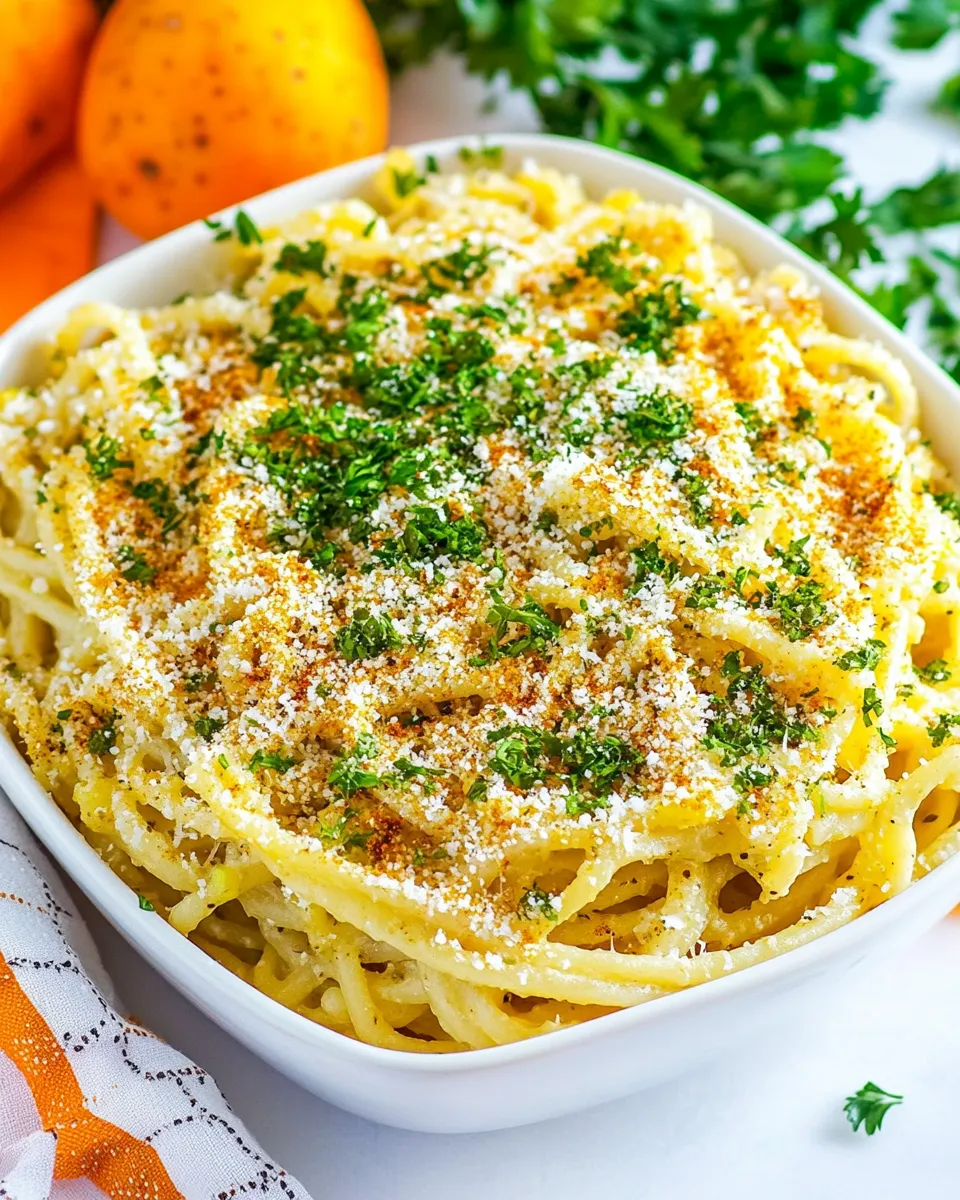
Italian Potato Pasta
Ingredients
Equipment
Method
- Prepare ingredients: quarter the potatoes, then slice each quarter into 1/4-inch (6 mm) thick pieces; separate the broccoli into florets; measure the green peas; chop the leek (4 oz); mince 2–3 cloves garlic; measure tomato paste (1 Tbsp), dried rosemary (1/2 tsp), olive oil (1 Tbsp), nutritional yeast (3 tsp), salt (1/4 tsp), and black pepper (1/8 tsp). Have 4 cups hot water ready.
- Heat a Dutch oven over medium heat. Add 1 Tbsp olive oil.
- Add the chopped leek and cook, stirring, for 1 minute.
- Add the minced garlic and cook, stirring, for 2 minutes more.
- Add the sliced potatoes, 1 Tbsp tomato paste, 1/2 tsp dried rosemary, 1/4 tsp salt, and 1/8 tsp black pepper. Stir to combine.
- Pour in 2 cups of the hot water, stir, cover the pot, and cook for 10 minutes, until the potatoes are soft when pierced with a fork.
- Uncover and mash the potatoes in the pot with a fork, leaving some larger chunks so the mixture becomes a creamy sauce with pieces of potato.
- Add the remaining 2 cups hot water and the 9 oz pasta to the pot. Stir to combine, bring to a simmer, then cover and cook for a total of 10 minutes, stirring occasionally to prevent sticking.
- With about 2 minutes of pasta cooking time remaining, add the broccoli florets (5 oz), green peas (2 oz), and 3 tsp nutritional yeast. Stir, cover, and finish cooking until the pasta is tender and the vegetables are heated through.
- Remove from heat, give everything a final stir to combine, and serve.
Notes
If you are using gluten-free pasta, you should cook it separately. It usually releases too much starch and may thicken the sauce too much.
Add more hot water if the pasta still needs to be ready, but the sauce is already too thick. It should be a very creamy pasta dish at the end.