Keto Mayonnaise
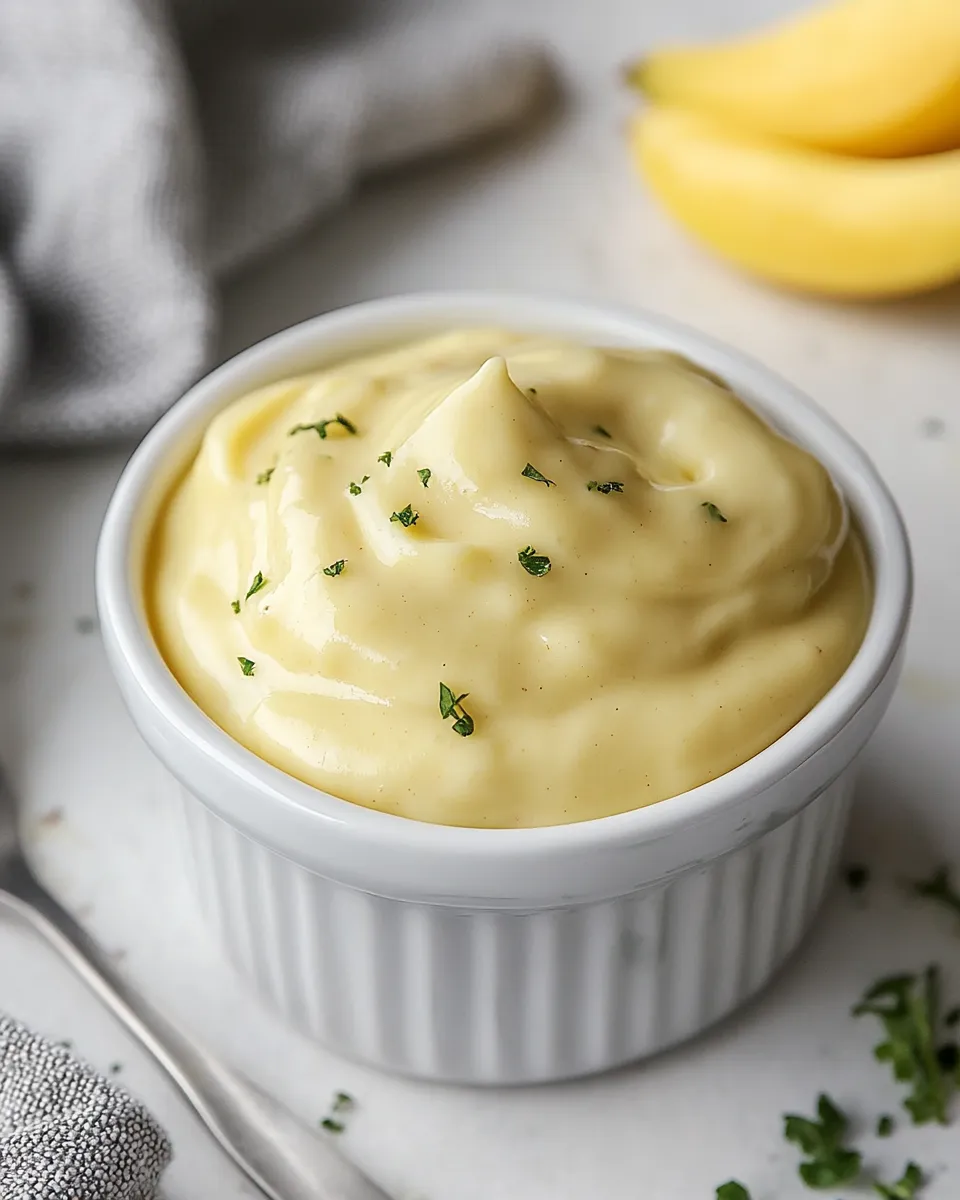
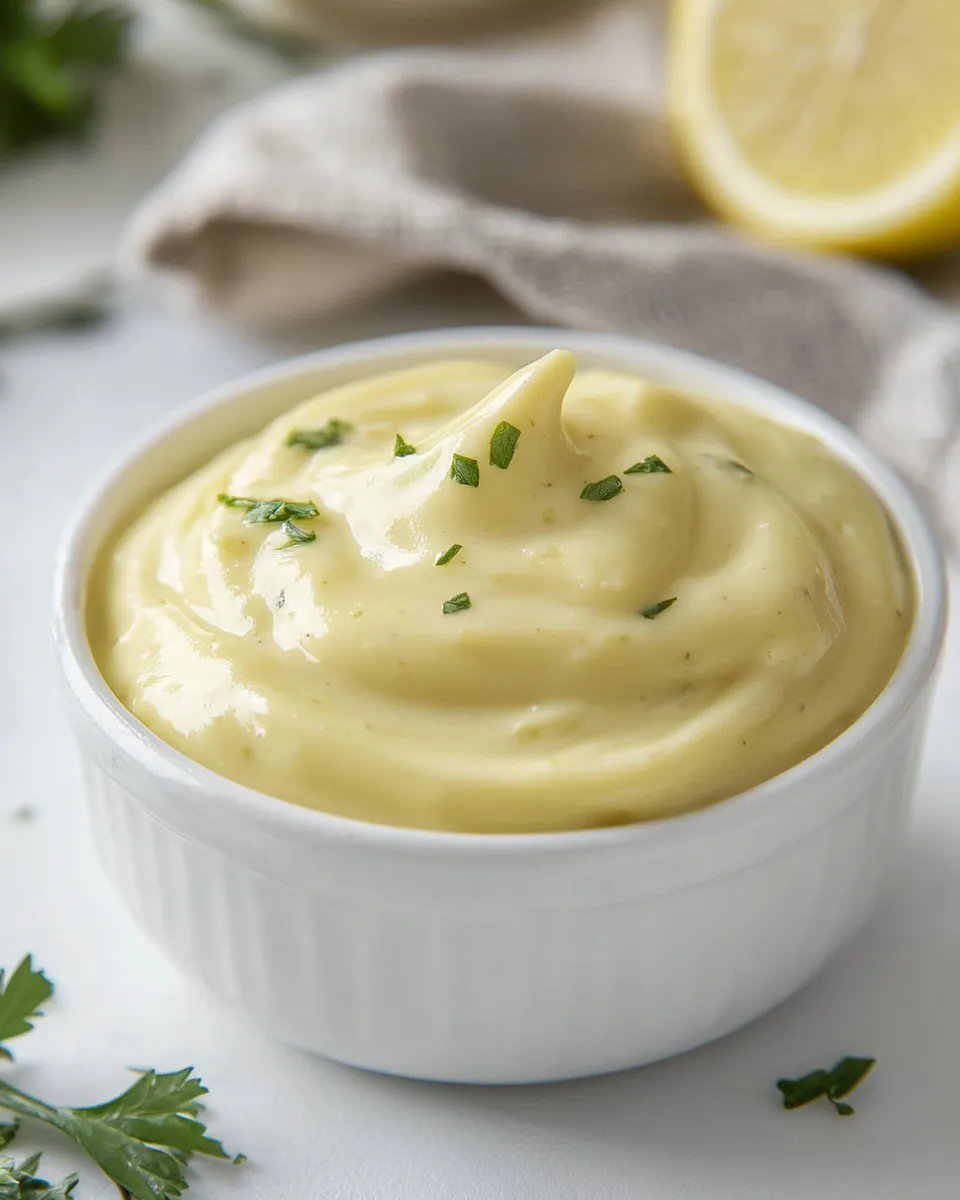
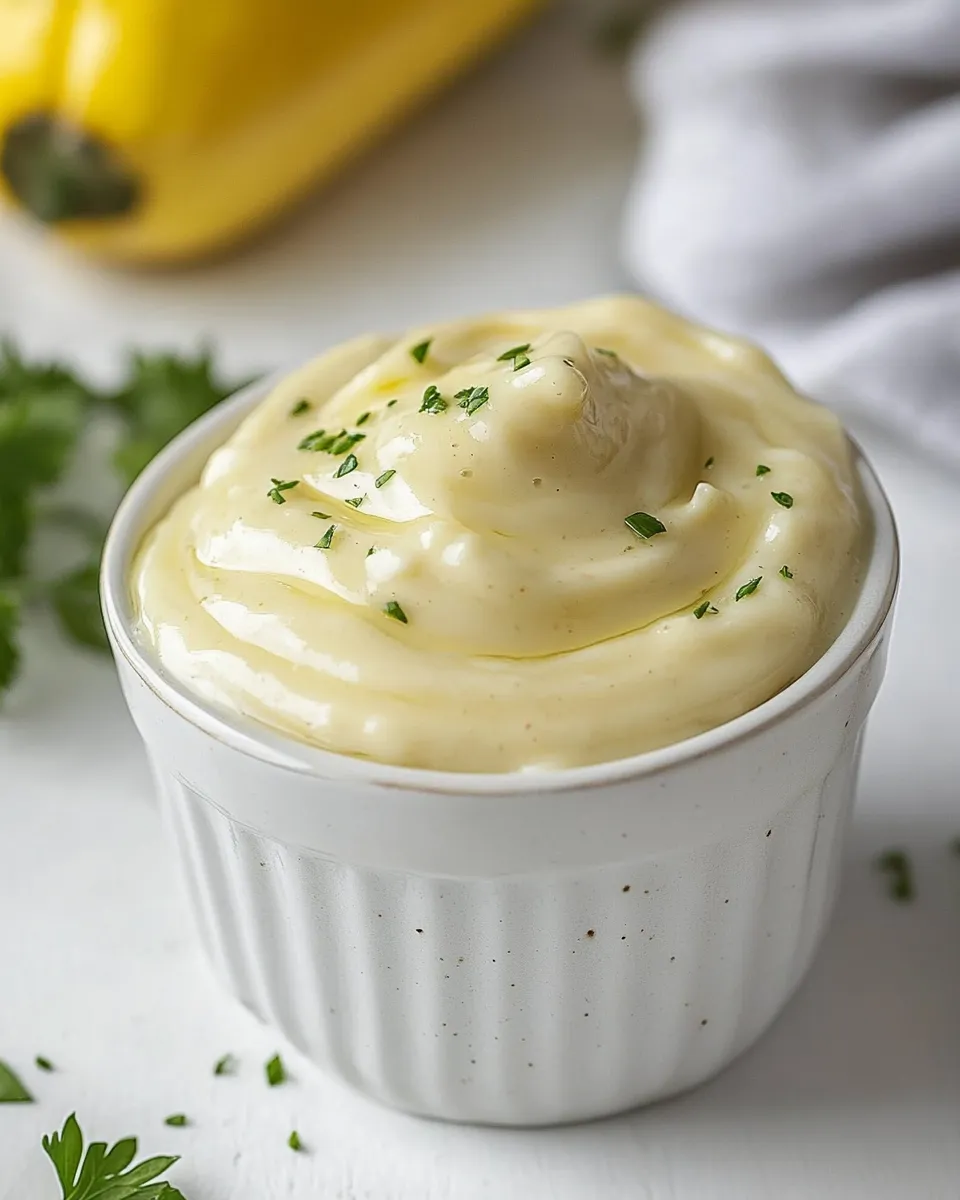
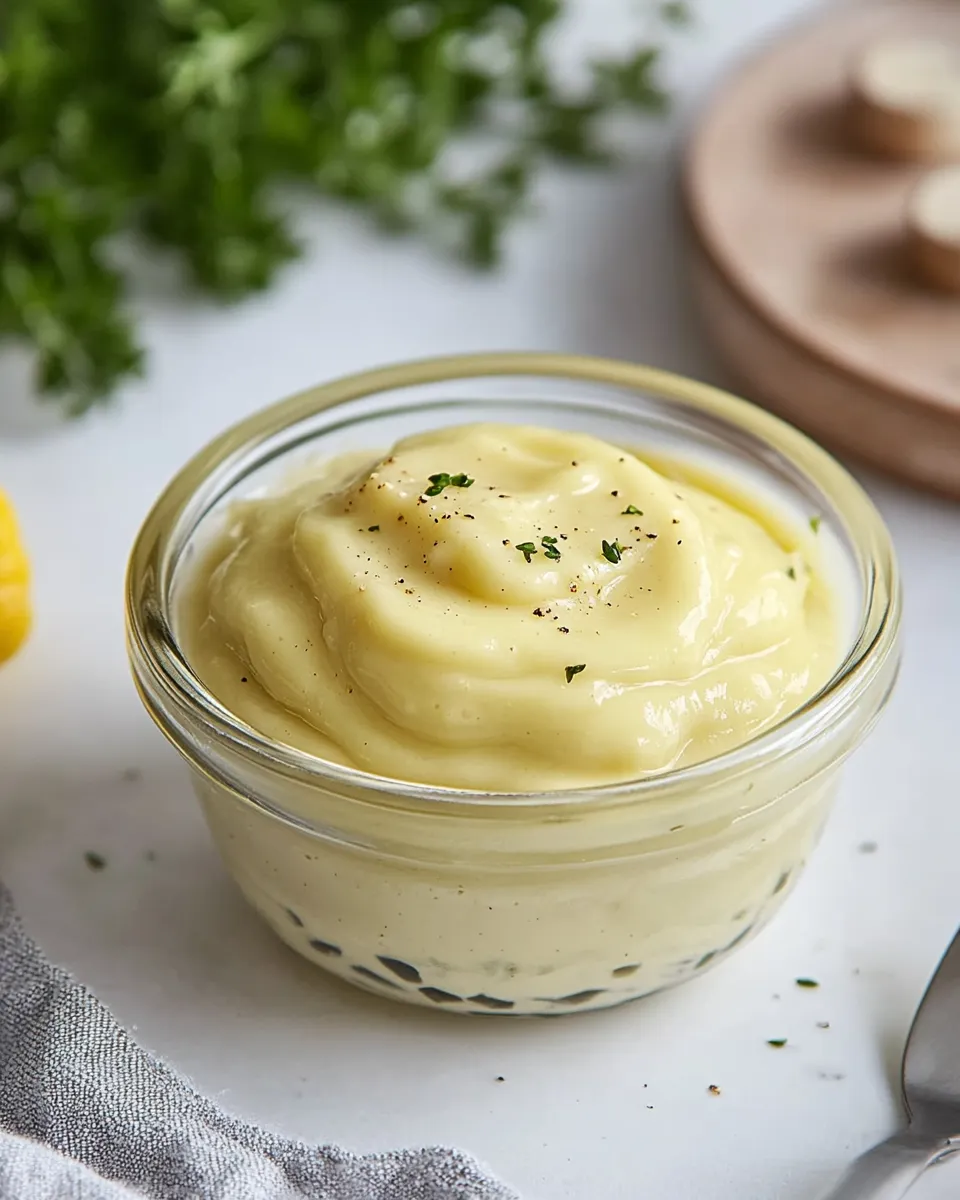
I make mayonnaise at home more often than I’d admit, and this keto-friendly version is my pantry staple. It’s thick, glossy, and bright with lemon — exactly what I want slathered on a sandwich or dolloped into a keto potato salad. Making it yourself means you control the oil, the salt, and the tang, and it comes together faster than you might think.
If you’ve never made mayo by hand, don’t worry: the key is patience when you start the emulsion. Whisk intentionally, add the oil slowly, and you’ll be rewarded with a rich, stable mayo that keeps in the fridge for about a week. I’ll walk you through the exact ingredients and steps, troubleshooting tips, and smart swaps so your first jar turns out perfectly.
This recipe uses pasteurized egg yolk and avocado oil to keep it keto-friendly and mild in flavor. There’s no fluff here — just practical, tested instructions and useful notes so you can make mayonnaise you’ll reach for again and again.
Ingredient List
- 1 large pasteurized egg yolk — at room temperature; the emulsifier and base that binds oil and acid.
- 1 teaspoon Dijon mustard — helps stabilize the emulsion and adds subtle savory depth.
- 1 3/4 teaspoons fresh lemon juice — brightens the flavor and balances the fat.
- 1 cup avocado oil — neutral, keto-friendly oil that keeps the mayo smooth and mild.
- 1/8 teaspoon salt — plus more to taste; brings out flavors and rounds the mayo.
Keto Mayonnaise Cooking Guide
- Put 1 large pasteurized egg yolk (at room temperature), 1 teaspoon Dijon mustard, and 1 3/4 teaspoons fresh lemon juice into a medium bowl. Whisk until smooth and combined.
- Begin adding 1 cup avocado oil very slowly while whisking vigorously: start with just a few drops of oil and whisk until those drops are fully incorporated and the mixture starts to thicken.
- Once the emulsion has started, continue adding the oil in a thin, steady stream while whisking constantly until all the oil is incorporated and the mayonnaise is thick and glossy.
- Stir in 1/8 teaspoon salt, taste, and adjust seasoning by adding more salt if desired.
- Transfer the mayonnaise to a clean container, cover, and chill in the refrigerator before using.
Why It’s My Go-To
This recipe hits the sweet spot between simplicity and reliability. It uses a single egg yolk to create a silky texture without going overly heavy, and avocado oil keeps it keto-friendly without an overpowering taste. Dijon mustard and lemon are classic pairings that stabilize the emulsion while giving a nuanced flavor profile — not too sharp, not too bland.
Because it’s homemade, you can dial in the salt and acidity to suit your palate. I often make a batch when I meal-prep for the week because it lifts simple dinners — think steak salads, roasted veggies, or a quick chicken salad. It’s economical, fresher than store-bought, and I feel comfortable controlling the ingredients.
Ingredient Swaps & Substitutions
Want to switch things up? Below are sensible swaps without changing amounts. These keep the chemistry of the emulsion intact.
- Egg yolk — If you can’t find pasteurized yolks, use a whole pasteurized egg (white + yolk) but note the texture will be slightly lighter. Do not skip pasteurization if you have immune concerns.
- Dijon mustard — Yellow mustard can work in a pinch, but Dijon stabilizes better and has a cleaner flavor. Leave the amount the same.
- Lemon juice — White wine vinegar or apple cider vinegar can replace lemon juice 1:1 if you prefer a less citrusy note.
- Avocado oil — Any neutral oil (grapeseed, light olive oil) will work. Strong extra virgin olive oil can make the mayo bitter if used alone; consider mixing it with a neutral oil to keep flavor balanced.
- Salt — Use kosher or sea salt; you may need to adjust volume slightly to taste because grain size affects perceived saltiness.
Tools & Equipment Needed
You don’t need a lot to make mayonnaise, but a few tools make the process smoother:
- Medium mixing bowl — roomy enough to whisk without splashing.
- Whisk — a sturdy balloon whisk gives control for a steady emulsion.
- Measuring spoons and a measuring cup — accuracy matters for the ratio of oil to yolk and acid.
- Small spouted container or a pourable measuring cup (optional) — helps add the oil in a thin, controlled stream.
- Airtight jar or container — for chilling and storing the finished mayo.
Errors to Dodge
Emulsions can be temperamental. Here are the mistakes I see most often and how to avoid them.
- Adding oil too quickly at the start — If you dump oil in, the mixture will split. Begin with a few drops and whisk until those are fully incorporated before increasing the flow.
- Cold ingredients — Using a cold egg yolk can make the emulsion reluctant to form. Let the yolk come to room temperature first.
- Using a very strong-flavored oil — Intense oils can overpower the mayo. If using extra virgin olive oil, blend with a neutral oil to moderate the flavor.
- Insufficient whisking — You need constant whisking as you add oil. If you pause, the stream of oil can outpace the emulsion and cause separation.
- Overthinning — If you accidentally add too much liquid or thin oil, you’ll end up with a runny mayo. You can rescue runny mayo by whisking in an additional egg yolk in a clean bowl, then slowly whisking the thin mayo into it until thickened.
Dietary Swaps & Alternatives
If your diet requires different tweaks, here are safe changes that keep the mayo enjoyable.
- Vegan alternative — This recipe relies on egg yolk for emulsification; for a vegan version, look for aquafaba or commercial vegan mayo recipes that replace the yolk altogether (not a straight swap in this recipe).
- Lower sodium — Start with 1/8 teaspoon salt as written, then reduce to 1/16 teaspoon if you’re on a low-sodium plan; add more only after chilling and tasting.
- Allergy notes — This recipe contains egg; it’s not suitable for egg allergies. For those, seek tested egg-free recipes instead.
If You’re Curious
Why does this ratio work? Mayonnaise is an emulsion: the egg yolk contains lecithin that acts as an emulsifier, allowing oil (nonpolar) and lemon juice (polar) to combine into a stable, creamy mixture. The teaspoon of mustard adds additional emulsifiers and flavor, which makes the emulsion more forgiving and flavored from the first bite.
Temperature matters because fats and proteins behave differently when cold. Room-temperature yolk wants to bind and spread the oil droplets more readily, which is why I stress bringing the yolk to room temp before starting.
How to Store & Reheat
Homemade mayo should be kept cold and used within a week. Transfer it to a clean airtight container, press a piece of plastic wrap directly on the surface to minimize air, and store in the refrigerator. Avoid double-dipping with utensils you’ve used on other foods to preserve freshness.
Do not reheat mayonnaise — it’s an emulsion of oil and egg yolk and should be used cold or at room temperature. If you need a warm sauce, add the mayo at the end of cooking off heat, or whisk a small amount into a warm pan off heat for a quick cream sauce (do so carefully to avoid breaking the emulsion).
Quick Q&A
- Can I use olive oil? Yes, but use a light or blended olive oil for a milder flavor. Straight extra virgin olive oil can be sharp or bitter.
- My mayo split — can I fix it? Yes. Start with a fresh egg yolk in a clean bowl and slowly whisk the broken mayo into it a drop at a time until it re-emulsifies.
- How long does homemade mayo last? About 5–7 days refrigerated. Use pasteurized yolks and clean utensils to maximize safety.
- Can I make this in a blender or food processor? Yes. A blender or stick blender speeds the process — start with the yolk, mustard, and lemon, then add the oil very slowly while blending. However, the whisk method gives you more control for small batches.
Final Thoughts
Once you get comfortable with the rhythm — a drop, whisk, a drop, whisk — homemade Keto Mayonnaise becomes quick and dependable. It’s an inexpensive way to elevate countless dishes, and the flavor beats most store-bought “light” options. Keep a jar in the fridge and you’ll find so many uses: dressings, dips, a binder for tuna or chicken salad, or simply spread on keto bread.
If you try it, start exactly with the ingredient list and steps here; small details matter. Make one batch, adjust salt or lemon next time to your taste, and enjoy the satisfaction of making something homemade that genuinely improves what’s on your plate.
Keto Mayonnaise
Ingredients
Equipment
Method
- Put 1 large pasteurized egg yolk (at room temperature), 1 teaspoon Dijon mustard, and 1 3/4 teaspoons fresh lemon juice into a medium bowl. Whisk until smooth and combined.
- Begin adding 1 cup avocado oil very slowly while whisking vigorously: start with just a few drops of oil and whisk until those drops are fully incorporated and the mixture starts to thicken.
- Once the emulsion has started, continue adding the oil in a thin, steady stream while whisking constantly until all the oil is incorporated and the mayonnaise is thick and glossy.
- Stir in 1/8 teaspoon salt, taste, and adjust seasoning by adding more salt if desired.
- Transfer the mayonnaise to a clean container, cover, and chill in the refrigerator before using.