Keto Naan Bread
This is my go-to keto naan: quick, forgiving and flavorful. It produces soft, pliable flatbreads that hold up to curries, dips and sandwiches without any wheat. I make a batch when I want something comforting but low-carb—no cloud bread theatrics, just a reliable method.
The dough comes together fast and rests briefly while the coconut flour and psyllium do the heavy lifting. You’ll use two simple melted fats, a hit of yoghurt for tenderness, and a couple of common binders to get structure and chew. The result browns nicely in the oven and finishes perfectly with a brush of fat and fresh herbs.
Below I walk you through exactly what you need, every step from mixing to the final broil, and common mistakes to avoid. I also cover small swaps using ingredients already in the recipe so you can tweak texture and flavor without hunting for specialty items.
What You’ll Need
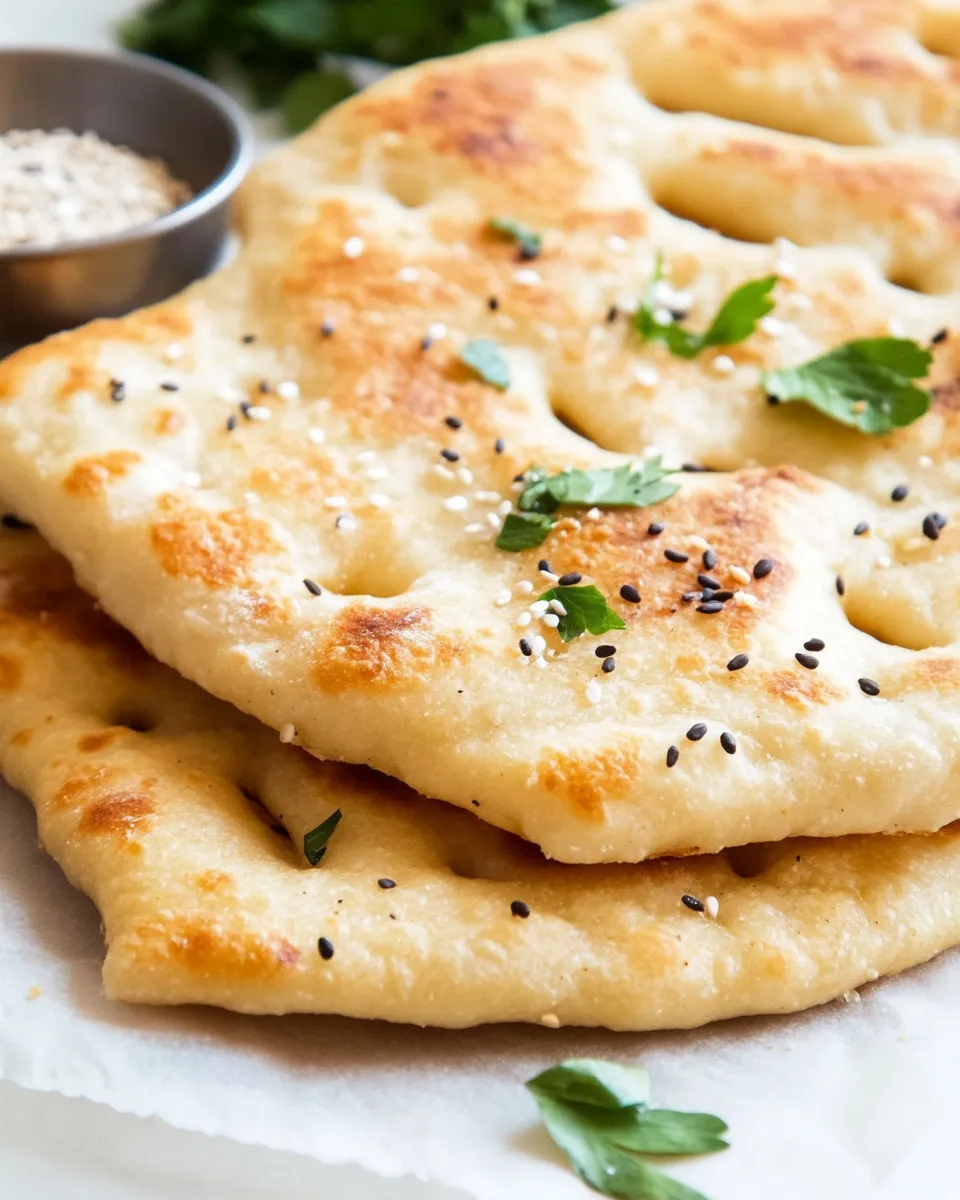
Practical setup notes before you start: have your baking sheet prepped, parchment ready, and fats measured and melted as called for. Work quickly when you mix wet into dry—coconut flour absorbs fast. If you like a slightly crisper edge, plan to finish under the broiler for a minute or two.
Ingredients
- 2/3 cup (75 g) coconut flour — ultra-absorbent base; gives body and a low-carb crumb, so don’t skimp.
- 2 tablespoons psyllium husk powder — adds chew and elasticity; it’s the secret to pliable, naan-like texture.
- 1 teaspoon xanthan gum — a stabilizer that helps bind the dough and hold air.
- 1 teaspoon baking powder — light lift while baking; helps with a slightly puffy finish.
- GENEROUS pinch salt — seasons the dough; essential for flavor.
- 1 tablespoon nigella and/or sesame seeds — optional garnish for crunch and a toasty finish.
- 1 cup hot water (240 ml) — hydrates the dry ingredients; temperature matters—hot speeds absorption.
- ¼ cup full fat natural yoghurt (60 g) — adds moisture, tang, and tenderness to the dough.
- 2 tablespoons coconut oil / olive oil, melted — part one of the melted fats; adds fat and richness.
- 2 tablespoons coconut oil / butter / olive oil, melted — part two of the melted fats; one of these is also used for brushing after baking.
- handful chopped parsley or coriander / cilantro — fresh finish; fold into the top or sprinkle over after brushing with fat.
- generous pinch salt — finishing salt; sprinkle after brushing so it sticks and enhances flavor.
Step-by-Step: Keto Naan Bread
- Preheat the oven to 180°C / 356°F. Line a baking sheet with parchment paper.
- In a large bowl, combine the dry ingredients: 2/3 cup (75 g) coconut flour, 2 tablespoons psyllium husk powder, 1 teaspoon xanthan gum, 1 teaspoon baking powder and a generous pinch of salt. Stir well and break up any lumps.
- Melt the fats: combine the two measured fats from the ingredient list (2 tablespoons + 2 tablespoons) until fully melted. In a separate bowl, mix the hot water (1 cup / 240 ml), 1/4 cup (60 g) full-fat natural yoghurt, and the melted fats.
- Pour the wet mixture into the dry mixture and stir until a dough forms. Work quickly to incorporate all dry bits so the coconut flour and psyllium can absorb the liquid.
- Let the dough rest for a few minutes (about 3–5 minutes) until it has absorbed the moisture and is no longer sticky to the touch.
- Divide the dough into 6 equal pieces. Place one piece at a time between two sheets of parchment paper and roll or press into a flatbread about 1/2 cm thick. Repeat for all pieces.
- Transfer each rolled flatbread (leave them on the bottom parchment) to the prepared baking sheet. Remove the top parchment from each flatbread. If using, sprinkle the 1 tablespoon nigella and/or sesame seeds on top now.
- Bake for 12–15 minutes, until the flatbreads are browned to your liking. If large air bubbles form, pierce them with a fork during baking. Rotate the baking sheet if needed for even browning, and if desired, finish briefly under the grill/broiler to crisp and brown the tops.
- Remove the flatbreads from the oven and brush with one of the melted fats used in the recipe (coconut oil, olive oil or butter, according to what you used). Sprinkle with the second generous pinch of salt and a handful of chopped parsley or coriander/cilantro. Serve warm.
Why You’ll Keep Making It
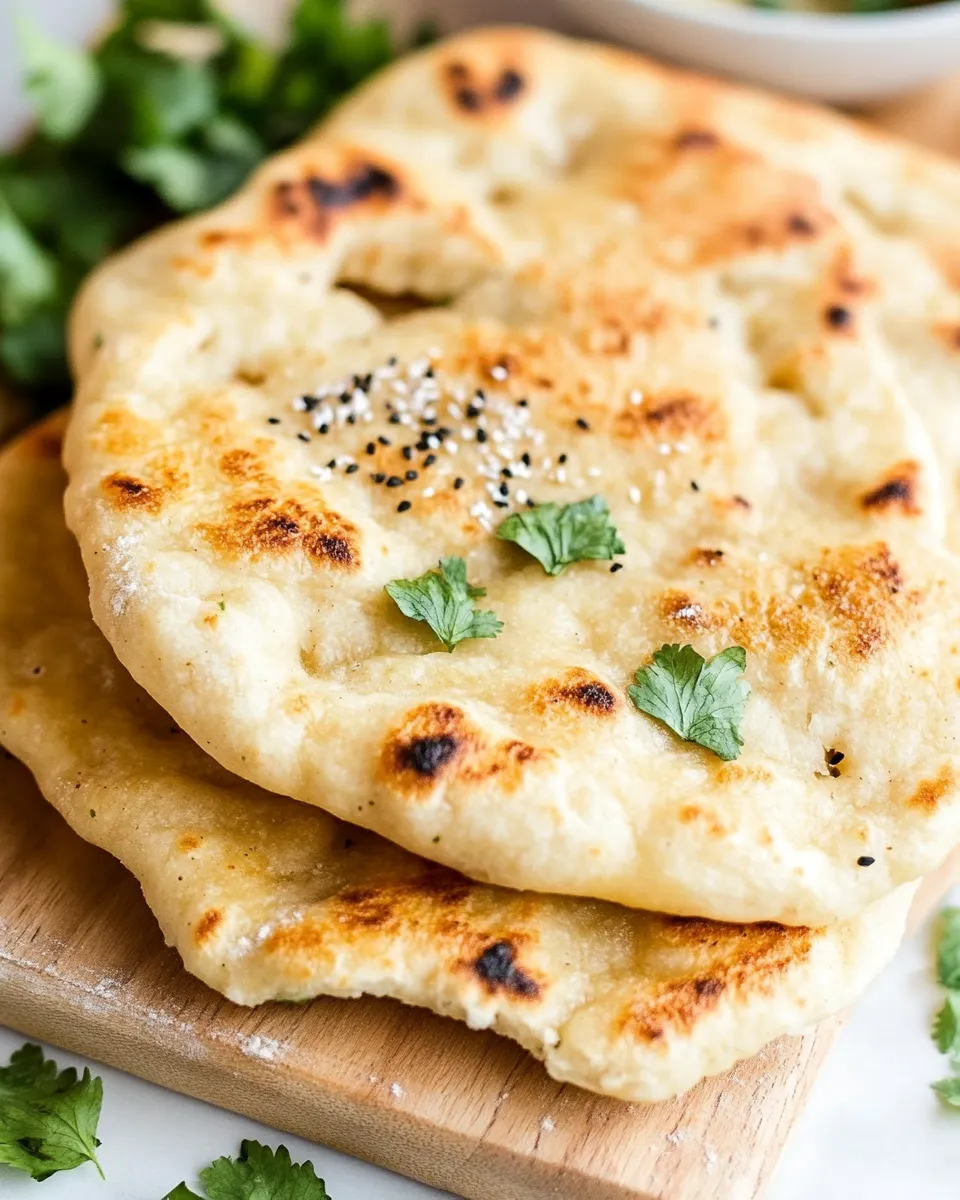
This recipe hits three consistent needs: speed, texture and adaptability. It’s quick to mix—no long resting or rising—and coconut flour plus psyllium give surprisingly good chew that mimics traditional naan better than most keto breads. You can make it for weeknight dinners or double the batch for a meal prep option.
The flavour is mild but satisfying; the yoghurt and finishing fat add richness so these flatbreads feel indulgent without being heavy. They pair well with spicy mains, creamy dips or simply brushed with butter and herbs for a low-carb comfort side.
Flavor-Forward Alternatives
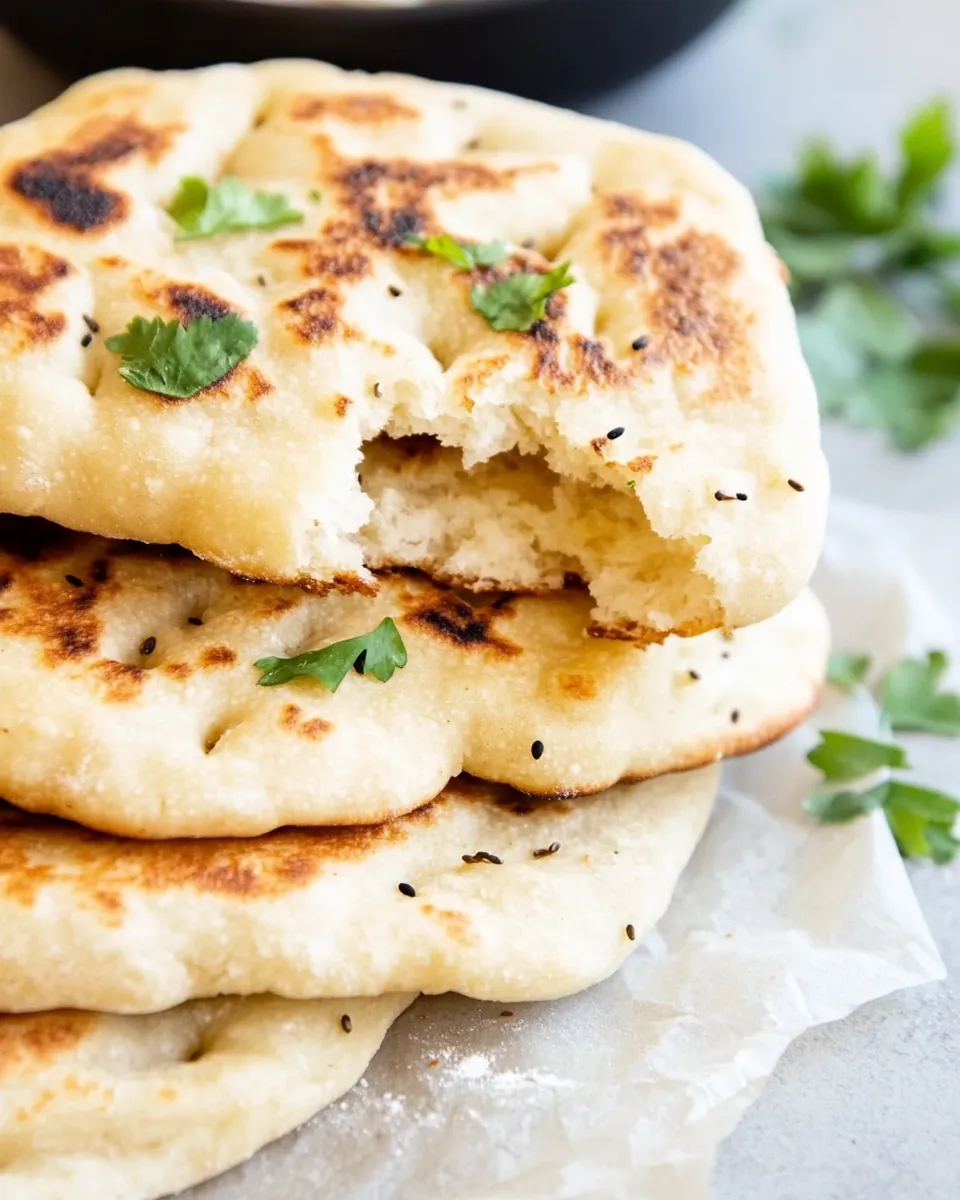
Keep your swaps strictly to the ingredients provided and you’ll stay true to the method while changing the profile subtly:
- Switch the melted fat combo between coconut oil and olive oil for a neutral or tropical note; use butter in the second slot for a richer, more traditional finish.
- Top with nigella seeds for a sharp, oniony pop or sesame seeds for toasted nuttiness. Both are listed and work well.
- Finish with chopped parsley for a bright, herby lift or coriander/cilantro for a citrusy edge—use whichever is in season or to taste.
Recommended Tools
- Parchment paper — prevents sticking and makes rolling/transfer easy.
- Baking sheet — use a heavy, rimmed sheet for even browning.
- Rolling pin or flat-bottomed glass — for pressing flatbreads between parchment.
- Mixing bowls — one for dry, one for wet.
- Measuring cups and spoons — accuracy matters with coconut flour and psyllium.
Mistakes Even Pros Make
Watch these so you don’t waste a batch:
- Underestimating coconut flour’s absorbency. Measure carefully and follow the rest time so the flour can swell and the dough firms up.
- Waiting too long to roll. After the short rest, the dough is best handled promptly; if it sits too long it can become too stiff to press smoothly.
- Rolling uneven thickness. Keep the flatbreads roughly 1/2 cm thick—too thin and they dry out, too thick and they won’t brown properly in the allowed baking time.
- Skipping the fork pokes. Large air bubbles will form; piercing them during baking keeps the bread flat and cooks the interior evenly.
- Not preheating the oven. These need steady heat to set the exterior and create gentle browning in the time given.
In-Season Swaps
Working with what’s in season keeps flavors bright and costs down. From the ingredient list, the only fresh garnish options are the parsley or coriander/cilantro—use whichever is freshest:
- Spring/summer: plentiful parsley—use it generously for a fresh finish.
- Late summer/fall: coriander/cilantro can bring a sharper finish and pairs nicely with spicier mains.
Chef’s Notes
A few practical notes from testing:
- Hot water is deliberate: it helps the coconut flour and psyllium hydrate evenly. Don’t substitute cold water unless you’re prepared for longer resting time and possible inconsistent texture.
- Two fats are measured separately because part gets mixed into the dough and part is used for brushing; match them to taste—olive oil for a more Mediterranean edge, butter for richness, or coconut oil for subtle sweetness.
- Use a generous finish salt. That final sprinkle after brushing makes the flavour pop more than adding more salt to the dough.
Store, Freeze & Reheat
These naan are best warm, but they keep well when stored and re-heated correctly.
- Refrigerate: place cooled flatbreads in an airtight container for up to 4 days.
- Freeze: separate stacked breads with parchment, then freeze in a sealed bag for up to 2 months. Thaw in the fridge or at room temperature.
- Reheat: warm in a preheated oven at 180°C / 356°F for 5–8 minutes, or finish under the broiler for a minute to revive crispness. A quick pan-sear on medium heat for 30–60 seconds per side also works well.
FAQ
Q: Can I substitute another flour?
A: This recipe relies on coconut flour’s quick absorbency and psyllium’s binding. Other flours won’t behave the same—if you change them you’ll need a different method and ratios.
Q: What if my dough is too sticky or too dry?
A: If it’s sticky wait the 3–5 minutes rest; psyllium and coconut flour absorb quickly. If after resting it’s still too wet, you can dust a little more coconut flour sparingly, but that’s rarely necessary if measurements were accurate.
Q: Can I skip the yoghurt?
A: The yoghurt contributes tenderness and moisture. Omitting it will change texture; the bread may be drier. If you must omit, expect a denser result and reduce dry ingredient absorption by adjusting technique carefully.
Q: Why two different fats?
A: One portion is incorporated for richness in the dough; the second is for brushing to add shine, flavor and mouthfeel. Choose from coconut oil, olive oil or butter as listed to control final flavor.
Hungry for More?
If you enjoyed this keto naan, try pairing it with your favorite low-carb curry, or use it as a wrap for grilled proteins and salads. Bookmark the recipe and make a double batch next time—leftovers reheat beautifully.
If you want more flatbread-style keto recipes or quick low-carb sides, I’ve got several dependable options on the blog—drop a comment below with what you paired your naan with. I love hearing how readers adapt the recipe to their weeknight routines.
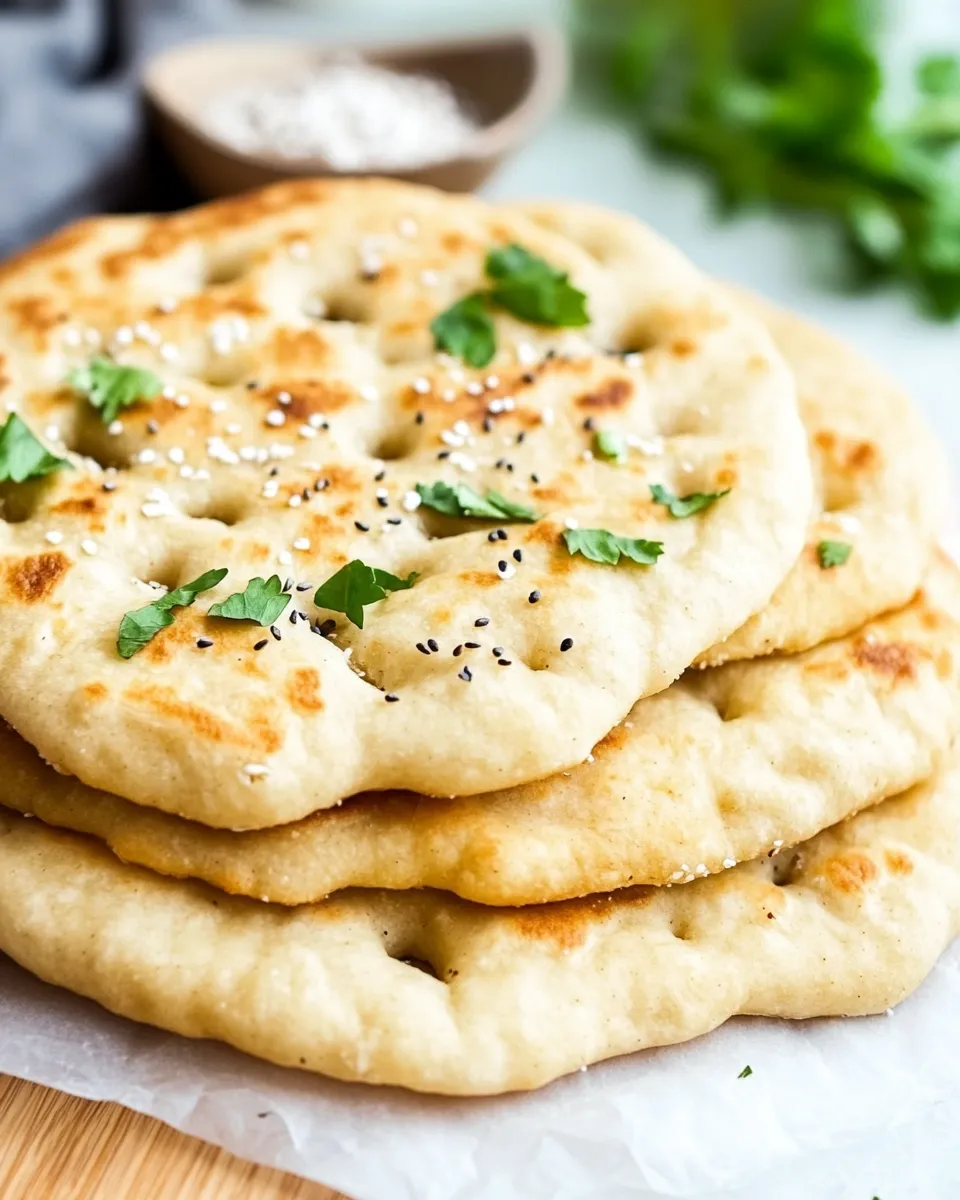
Keto Naan Bread
Ingredients
Equipment
Method
- Preheat the oven to 180°C / 356°F. Line a baking sheet with parchment paper.
- In a large bowl, combine the dry ingredients: 2/3 cup (75 g) coconut flour, 2 tablespoons psyllium husk powder, 1 teaspoon xanthan gum, 1 teaspoon baking powder and a generous pinch of salt. Stir well and break up any lumps.
- Melt the fats: combine the two measured fats from the ingredient list (2 tablespoons + 2 tablespoons) until fully melted. In a separate bowl, mix the hot water (1 cup / 240 ml), 1/4 cup (60 g) full-fat natural yoghurt, and the melted fats.
- Pour the wet mixture into the dry mixture and stir until a dough forms. Work quickly to incorporate all dry bits so the coconut flour and psyllium can absorb the liquid.
- Let the dough rest for a few minutes (about 3–5 minutes) until it has absorbed the moisture and is no longer sticky to the touch.
- Divide the dough into 6 equal pieces. Place one piece at a time between two sheets of parchment paper and roll or press into a flatbread about 1/2 cm thick. Repeat for all pieces.
- Transfer each rolled flatbread (leave them on the bottom parchment) to the prepared baking sheet. Remove the top parchment from each flatbread. If using, sprinkle the 1 tablespoon nigella and/or sesame seeds on top now.
- Bake for 12–15 minutes, until the flatbreads are browned to your liking. If large air bubbles form, pierce them with a fork during baking. Rotate the baking sheet if needed for even browning, and if desired, finish briefly under the grill/broiler to crisp and brown the tops.
- Remove the flatbreads from the oven and brush with one of the melted fats used in the recipe (coconut oil, olive oil or butter, according to what you used). Sprinkle with the second generous pinch of salt and a handful of chopped parsley or coriander/cilantro. Serve warm.
Notes
One flatbread weighs around 55 grams.
3.6g net carbs per naan bread.
They are best served warm - either straight from the oven or toasted.
Some psyllium husk powder brands turn
purple
when baked. I have used the BonPom, Green Origins and the Just Natural Organics brand good results. In the US, the NOW and Healthworks brands are popular.
However, even if the naan changes colour, this does not affect the taste.
NOTE: It is really essential to add a
generous pinch of salt
and black and white sesame seeds or, even better,
nigella seed
s to the bread, and baste it with
melted butter
, olive or coconut oil before eating. Without, the naan does not have much flavour (as it's mostly coconut flour). It is designed to be eaten WITH a curry.