Kouign Amann Recipe
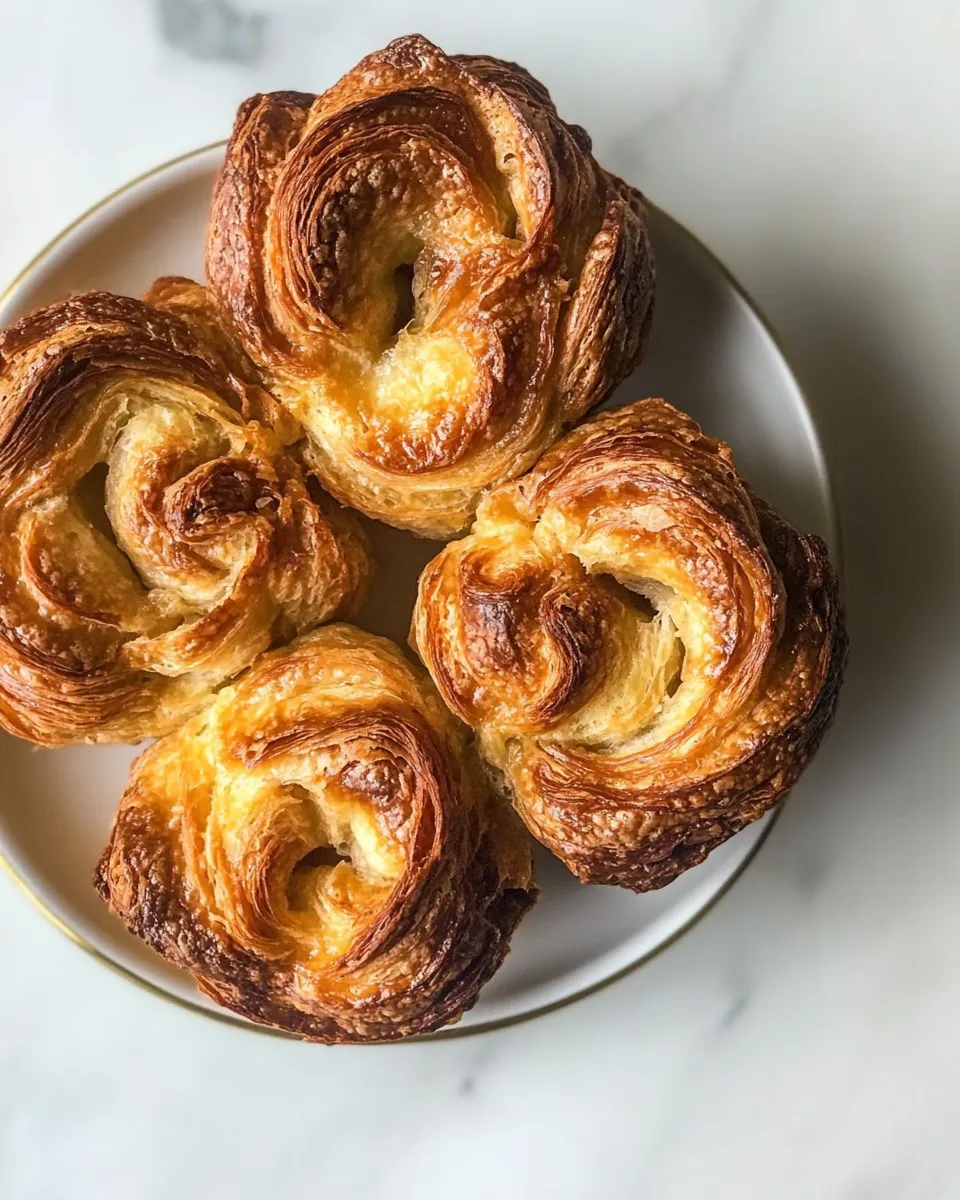
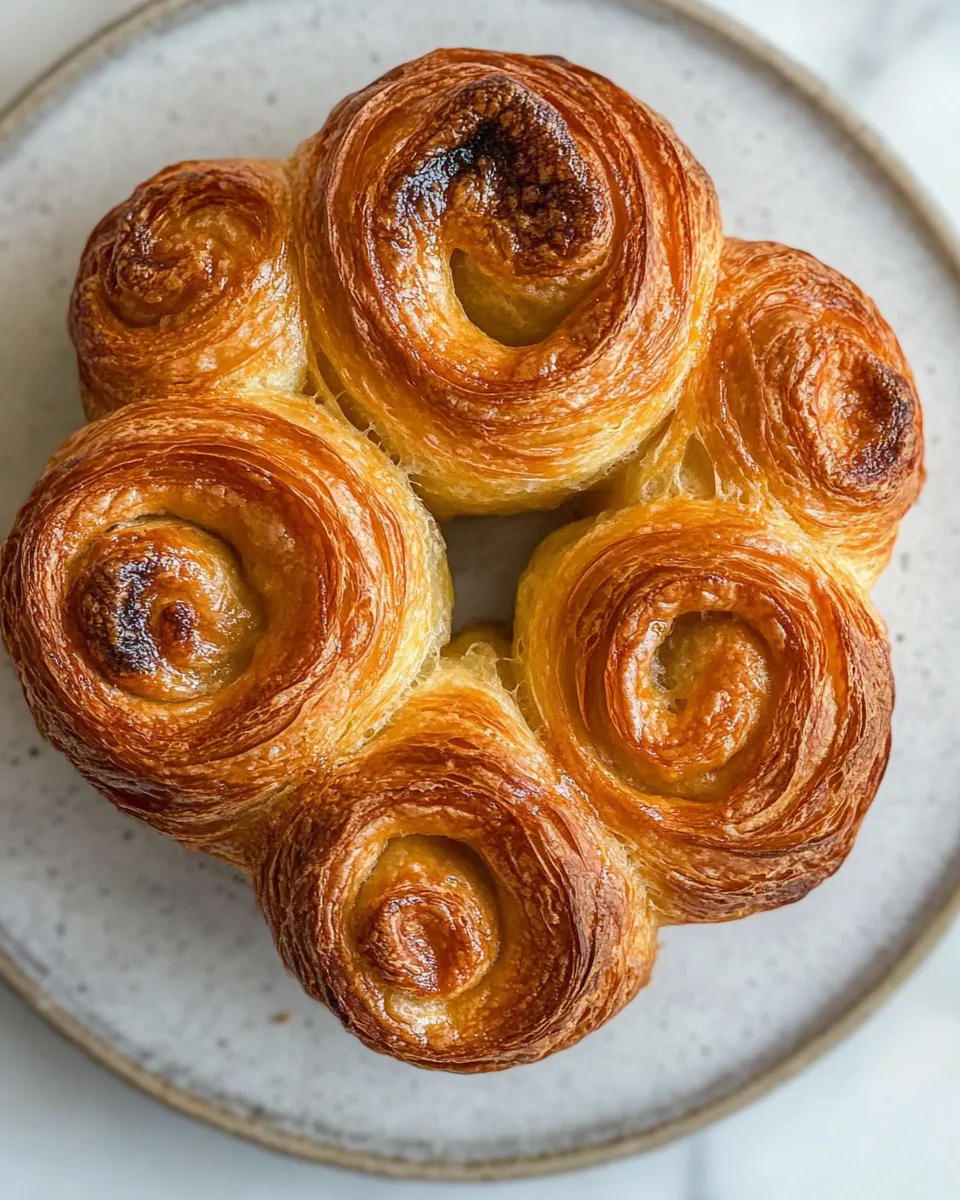
I fell in love with kouign-amann the first time I bit into one: layers of crisp caramelized sugar giving way to tender, buttery layers inside. It’s a deceptively simple set of ingredients that rewards patience and a steady hand. If you like laminated pastries but don’t want to commit to full croissant-level puffing, this is the sweet, caramel-forward pastry to learn.
This recipe walks you through every stage with clear, practical steps — proofing yeast, laminating with butter and sugar, chilling between folds, and baking until deeply caramelized. I’ll keep the instructions straightforward and share the small techniques that make a big difference, like how to handle sticky dough and how to get the sugar to meld into the layers without burning.
Bring a little French pastry theater to your kitchen. The process asks for focused short sessions (rolling, folding, chilling) rather than one long stretch. It’s forgiving, and the reward is a rustic, crackly, caramel-coated cake that’s perfect with coffee or as a weekend treat. Let’s get started.
What You’ll Need
- 1 tablespoon (12 g) active dry yeast, not instant — yeast for leavening; use active dry and proof it in tepid water.
- 3/4 cup (175 ml) tepid water — the liquid to proof the yeast; should feel neither hot nor cold.
- 2 cups (260 g) all-purpose flour — the dough base; measure by weight when possible for consistency.
- 1/2 teaspoon sea salt — balances sweetness and strengthens the gluten a little.
- 1 cup (200 g) sugar, which will be divided later — the sugar is split and folded into layers for caramelization.
- Plus additional sugar for rolling out the pastry — coarse or granulated sugar for dusting the work surface and keeping layers separate.
- 1 stick salted butter (110 g), cut into 1/2-inch (2 cm) cubes and chilled — the cold butter creates the layered, flaky structure when folded into the dough.
- 2–3 tablespoons additional salted butter, melted — some melted butter for brushing the bowl and pan and a little to dot on top before baking.
Kouign Amann, Made Easy
- Stir the active dry yeast into the tepid water (3/4 cup / 175 ml). Stir briefly and let stand 10 minutes, until foamy.
- In a medium bowl, add the all-purpose flour (2 cups / 260 g) and the sea salt (1/2 teaspoon). Gradually pour the foamy yeast mixture into the flour and stir until it forms a soft dough.
- Turn the dough onto a lightly floured surface and knead by hand about 3 minutes, until smooth and elastic. If the dough is very sticky, add up to 1 tablespoon of flour at a time until it no longer sticks to your hands.
- Brush a medium bowl with some of the melted butter (from the 2–3 tablespoons) and place the dough ball in the bowl. Cover and let rest in a warm place for 1 hour.
- While the dough rests, line a dinner plate with plastic wrap and set it aside. Have the chilled stick of butter (110 g), cut into 1/2-inch / 2 cm cubes, ready. Also have the 1 cup (200 g) sugar measured and set aside for dividing and a separate small container of additional sugar for rolling the pastry.
- After the 1-hour rest, dust a work surface lightly with flour and roll the dough into a rectangle about 12 x 18 inches, with the shorter sides on the left and right. Use a metal scraper and only a minimal amount of flour if the dough is sticky.
- Scatter the chilled cubed butter evenly over the center third of the dough rectangle. Sprinkle 1/4 cup (50 g) of the sugar evenly over the butter.
- Fold the left third of the dough over the butter to the center, then fold the right third over it (a letter fold), enclosing the butter.
- Sprinkle 1/4 cup (50 g) more sugar along the length of the folded dough. Fold the dough into thirds again (left over right), producing a three-layer block.
- Place the folded dough on the plastic-wrapped plate, wrap it tightly in the plastic, and chill in the refrigerator for 1 hour.
- When ready to continue, wipe any excess flour from the countertop and generously dust the surface with the additional sugar reserved for rolling.
- Remove the chilled dough from the refrigerator and unwrap it onto the sugared countertop. Sprinkle the top of the dough with another 1/4 cup (50 g) sugar, press the sugar in gently with your hands, and roll the dough into a rectangle again (about the same approximate size).
- Fold the dough into thirds once more (letter fold), wrap or cover, and refrigerate for 30–60 minutes.
- Preheat the oven to 425°F (220°C). Brush a 9-inch (23 cm) pie plate with some of the melted butter.
- Remove the dough from the refrigerator. On the sugared surface, roll the dough into a circle roughly the size of the baking pan. Dust the top lightly with sugar if it is sticky.
- Lift and fit the dough into the prepared pie plate. If the dough tears while lifting, fold it and transfer it with a flat spatula or scraper and press any tears together in the pan.
- Sprinkle the remaining 1/4 cup (50 g) sugar evenly over the top of the dough in the pan. Drizzle 1 tablespoon of the melted butter over the sugar (use the remaining melted butter as needed for brushing the bowl and pan).
- Bake 40–45 minutes, until the top is deeply caramelized. Let the kouign-amann rest a few minutes, then run a spatula around the edge to release it and slide the cake from the pan onto a cooling rack.
Top Reasons to Make Kouign Amann
- It’s spectacular: the caramelized crust and layered interior are a showstopper even when imperfect.
- It’s mostly pantry staples: flour, sugar, butter, yeast, salt, and water — no eggs or milk required.
- It teaches good pastry skills: rolling, folding, chilling rhythm, and handling sticky dough — transferable to croissants or Danish.
- It’s flexible in timing: the chilling steps break the process into manageable sessions so you can pause between folds.
- Texture contrast: crunchy caramelized exterior with tender, slightly chewy inner layers — a unique pastry experience.
Smart Substitutions
- Butter type — If all you have is unsalted butter, use it but add a pinch more salt (about 1/8 teaspoon) to the dough to compensate for flavor.
- Sugar — Granulated white sugar works best for predictable caramelization. Using coarser sugar to dust the surface can add extra crunch.
- Yeast — The recipe calls for active dry yeast. If you only have instant yeast, reduce the proofing time slightly and mix it directly into the flour, but expect slightly different fermentation behavior.
- Pan size — A similar-sized round cake pan or tart pan (23 cm / 9 inch) will work; heavier pans help distribute heat for even caramelization.
Equipment Breakdown

- Mixing bowl — for proofing and dough mixing; a medium bowl is specified in the recipe.
- Rolling pin — essential for even rolling of the dough and butter layers.
- Metal scraper or bench scraper — very helpful for turning dough and for transferring folded dough to the plate.
- 9-inch (23 cm) pie plate — the recommended baking vessel; a similar-sized round pan will work too.
- Plastic wrap and dinner plate — used to hold and chill the folded dough between turns.
- Measuring scale — highly recommended for accuracy with flour and sugar (the recipe includes gram weights).
- Oven that reaches 425°F (220°C) — high, steady heat promotes caramelization.
Errors to Dodge
- Skipping the initial proof or using water that’s too hot — kills the yeast; water should be tepid and the yeast should foam in about 10 minutes.
- Overflouring the dough — adds toughness. Add only small amounts (1 tablespoon at a time) if the dough is too sticky.
- Butter too warm during laminating — if the butter softens, it’ll smear into the dough instead of forming layers; keep the cubed butter well chilled.
- Not chilling between folds — skipping refrigeration will let butter smear and the dough will lose layer definition.
- Baking at too low a temperature — you’ll get a soggy interior and under-caramelized top; 425°F (220°C) is necessary for that deep top color.
Fit It to Your Goals
If you want a faster weekend bake, plan the timeline: proof the yeast and mix the dough in the morning, complete the first fold and chill during midday, finish the second fold late afternoon and bake in the evening. The resting windows are what make the work manageable.
For portion control, a 9-inch cake yields multiple wedges; halve the recipe for a smaller batch, but remember the structural relationship of ingredients must stay proportional. If you reduce the recipe, scale every ingredient by the same ratio and use a correspondingly smaller pan.
Want less sugar? You can trim the total sugar slightly, but sugar is integral to the caramelized crust. Reducing it too much will alter texture and the signature crackly top. If you must, reduce by no more than 10–15% and expect a paler finish.
Cook’s Commentary
Texture and timing are what I watch most. After the final bake, the top should be very deeply colored — nearly the color of dark caramel — and firm to the touch. The interior layers aren’t as tall as a croissant; expect a denser, sticky, layered crumb that pulls apart in ribbons. Cooling briefly helps the caramel set so you get a clean unmolding.
Work confidently with slightly sticky dough. A minimal dusting of flour helps, but too much flour will dry the dough and make it hard to laminate. When transferring the dough into the pan, don’t worry if it tears a little — patch it in the pan with the scraper. The rough, rustic look is part of the charm.
Make-Ahead & Storage
- Make-ahead: You can complete the dough through the first hour-long chill, then wrap and refrigerate overnight. Continue the remaining folds and baking the next day. Longer refrigerations (24–48 hours) can deepen flavor but allow more time for the butter to chill before rolling.
- Storage: Store cooled kouign-amann at room temperature, wrapped loosely in parchment and then in a container, for up to 2 days. The crust is best on day one.
- Reheating: Warm a slice in a 350°F (175°C) oven for 5–8 minutes to refresh the crispness. Avoid microwaving, which softens caramel and ruins the crunch.
- Freezing: You can freeze unbaked, assembled kouign-amann wrapped tightly in plastic and foil for up to 1 month. Thaw in the refrigerator overnight and bake from chilled, adding a few minutes to the bake time if needed.
Kouign Amann Q&A
- Why does the recipe specify active dry yeast? — Active dry yeast needs to be proofed in liquid to become foamy; it behaves predictably in this dough. Instant yeast can be used but will change timing slightly.
- Can I use unsalted butter? — Yes. Add a pinch more salt to the dough to balance the sweetness if you substitute unsalted butter.
- My sugar melted and burned during baking — what happened? — The oven temperature or local hot spots can cause sugar to darken quickly. Ensure the oven is preheated to 425°F (220°C) and consider rotating the pan if your oven runs hot on one side.
- Why is my kouign-amann dense instead of layered? — Common causes are overworking the dough, butter that was too soft during lamination, or skipping chilling steps. Keep butter cold and be gentle when rolling.
- How do I know when it’s done? — The top should be deeply caramelized and the center should be cooked through; a gentle shake of the pan should not reveal a sloshy center. Bake 40–45 minutes as directed and judge by color as much as time.
Final Bite
Kouign-amann is a modestly demanding pastry that rewards care and patience with a crunchy, caramel-kissed exterior and a tender, buttery interior. Follow the chilling rhythm, keep the butter cold, and don’t be afraid of a little imperfection — rustic caramelized edges are part of its beauty. Make this when you want a pastry that feels special but uses straightforward ingredients, and enjoy the process as much as the result.

Kouign Amann Recipe
Ingredients
Equipment
Method
- Stir the active dry yeast into the tepid water (3/4 cup / 175 ml). Stir briefly and let stand 10 minutes, until foamy.
- In a medium bowl, add the all-purpose flour (2 cups / 260 g) and the sea salt (1/2 teaspoon). Gradually pour the foamy yeast mixture into the flour and stir until it forms a soft dough.
- Turn the dough onto a lightly floured surface and knead by hand about 3 minutes, until smooth and elastic. If the dough is very sticky, add up to 1 tablespoon of flour at a time until it no longer sticks to your hands.
- Brush a medium bowl with some of the melted butter (from the 2–3 tablespoons) and place the dough ball in the bowl. Cover and let rest in a warm place for 1 hour.
- While the dough rests, line a dinner plate with plastic wrap and set it aside. Have the chilled stick of butter (110 g), cut into 1/2-inch / 2 cm cubes, ready. Also have the 1 cup (200 g) sugar measured and set aside for dividing and a separate small container of additional sugar for rolling the pastry.
- After the 1-hour rest, dust a work surface lightly with flour and roll the dough into a rectangle about 12 x 18 inches, with the shorter sides on the left and right. Use a metal scraper and only a minimal amount of flour if the dough is sticky.
- Scatter the chilled cubed butter evenly over the center third of the dough rectangle. Sprinkle 1/4 cup (50 g) of the sugar evenly over the butter.
- Fold the left third of the dough over the butter to the center, then fold the right third over it (a letter fold), enclosing the butter.
- Sprinkle 1/4 cup (50 g) more sugar along the length of the folded dough. Fold the dough into thirds again (left over right), producing a three-layer block.
- Place the folded dough on the plastic-wrapped plate, wrap it tightly in the plastic, and chill in the refrigerator for 1 hour.
- When ready to continue, wipe any excess flour from the countertop and generously dust the surface with the additional sugar reserved for rolling.
- Remove the chilled dough from the refrigerator and unwrap it onto the sugared countertop. Sprinkle the top of the dough with another 1/4 cup (50 g) sugar, press the sugar in gently with your hands, and roll the dough into a rectangle again (about the same approximate size).
- Fold the dough into thirds once more (letter fold), wrap or cover, and refrigerate for 30–60 minutes.
- Preheat the oven to 425°F (220°C). Brush a 9-inch (23 cm) pie plate with some of the melted butter.
- Remove the dough from the refrigerator. On the sugared surface, roll the dough into a circle roughly the size of the baking pan. Dust the top lightly with sugar if it is sticky.
- Lift and fit the dough into the prepared pie plate. If the dough tears while lifting, fold it and transfer it with a flat spatula or scraper and press any tears together in the pan.
- Sprinkle the remaining 1/4 cup (50 g) sugar evenly over the top of the dough in the pan. Drizzle 1 tablespoon of the melted butter over the sugar (use the remaining melted butter as needed for brushing the bowl and pan).
- Bake 40–45 minutes, until the top is deeply caramelized. Let the kouign-amann rest a few minutes, then run a spatula around the edge to release it and slide the cake from the pan onto a cooling rack.