Lemon Chicken Basil Recipe
This Lemon Chicken Basil Recipe is the kind of weeknight winner I reach for when I want something bright, quick, and reliably delicious. It’s lemony and fresh, with basil that lifts the chicken without fuss. The marinade is forgiving and the cook is straightforward—perfect when you want dinner on the table without a lot of juggling.
I write this from a place of practicality: clear steps, a short ingredients list, and a couple of techniques that make the most difference. You’ll pound the chicken for even cooking, let the lemon-and-herb marinade do the heavy lifting, and finish on the stovetop or the grill depending on what you prefer. No elaborate equipment. No long ingredient scavenger hunt.
Below I’ll walk you through what you need, why this combo works so well, common mistakes to avoid, and sensible swaps if you need them. Stick to the steps in the recipe and you’ll get juicy, flavorful chicken every time.
The Essentials
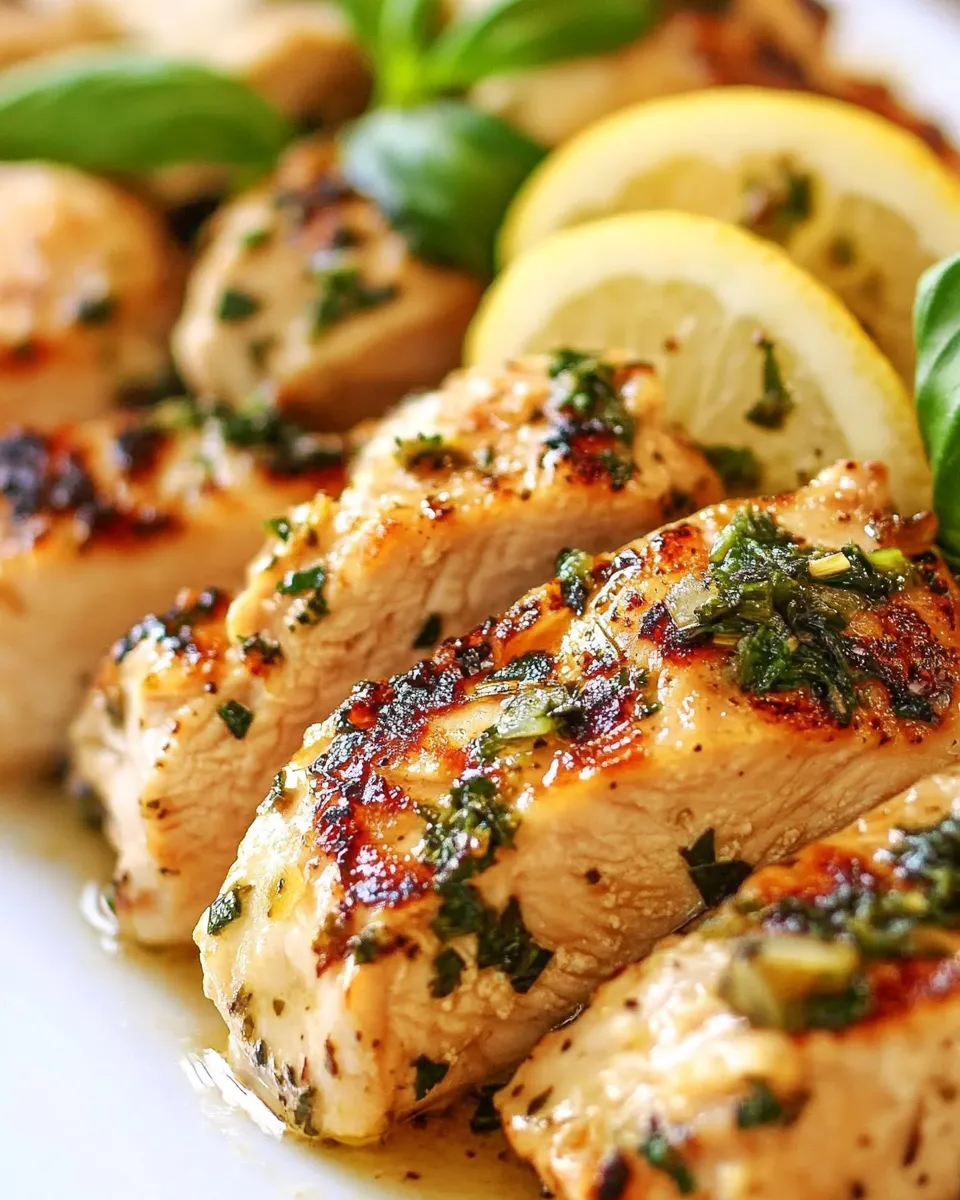
Quick snapshot to set expectations:
- Main protein: 1 pound chicken breasts (2 chicken breasts) — pounded for even thickness.
- Marinade highlights: olive oil, lemon juice, honey, basil, garlic, and a well-rounded mix of dried aromatics and spices.
- Marinate time: 4–12 hours for best flavor penetration; bring to room temperature 15–30 minutes before cooking if possible.
- Cooking options: stovetop in a nonstick skillet or grill—both reach an internal temp of 165°F for doneness.
Ingredients
- 1 pound chicken breasts (2 chicken breasts) — Use even-sized breasts so they cook uniformly; pounding helps create an even thickness.
- 1/4 cup olive oil — Carrier for flavor and helps the chicken brown without sticking.
- 2 tablespoons lemon juice — Provides bright acidity to balance richness and tenderize slightly.
- 1 1/2 teaspoons honey — Adds a touch of sweetness to balance the lemon and heat, and helps with browning.
- 1/2 cup loosely packed basil, minced or 1 TBS dried — Fresh basil gives a bright herb note; dried works if fresh isn’t available.
- 3 garlic cloves, minced or ¾ tsp garlic powder — Garlic builds savory depth; use fresh for more punch.
- 1/2 tsp EACH onion powder, dried parsley, salt — These dry aromatics round out the flavor base and add subtle savory layers.
- 1/4 tsp EACH pepper, dried oregano, ground mustard, red pepper flakes — A balanced pinch of spice, warmth, and herb complexity; adjust red pepper flakes to taste.
Lemon Chicken Basil Recipe: How It’s Done
- Place the 1 pound chicken breasts (2 chicken breasts) inside a freezer bag and pound to an even thickness using a meat mallet or the side of a can.
- In a bowl, whisk together the marinade: 1/4 cup olive oil, 2 tablespoons lemon juice, 1 1/2 teaspoons honey, 1/2 cup loosely packed basil, minced (or 1 tablespoon dried), 3 garlic cloves, minced (or 3/4 teaspoon garlic powder), 1/2 teaspoon each onion powder, dried parsley, and salt, and 1/4 teaspoon each pepper, dried oregano, ground mustard, and red pepper flakes.
- Add the pounded chicken to the bag or a shallow container, pour in the marinade, seal, remove excess air, and massage or turn to coat the chicken evenly. Refrigerate and marinate 4–12 hours, flipping the bag or turning the chicken occasionally.
- When ready to cook, remove the chicken from the refrigerator and let it sit at room temperature 15–30 minutes, if time permits. Discard any remaining marinade.
- Choose a cooking method:
- Stovetop (nonstick skillet): Heat a large nonstick skillet over medium-high heat until hot. Add the chicken and cook undisturbed 3–5 minutes, until nicely browned on the first side. Turn the chicken over, cover, reduce heat to medium, and cook about 5–7 more minutes (depending on thickness) until cooked through (internal temperature 165°F).
- Grill: Grease and preheat the grill to medium heat (about 400°F). Grill the chicken undisturbed 5–7 minutes per side, or until cooked through (internal temperature 165°F).
- Remove the chicken to a cutting board and let it rest 5 minutes before slicing. Serve as desired (pasta, salad, wraps, sandwiches, pitas, etc.).
Why This Recipe Works
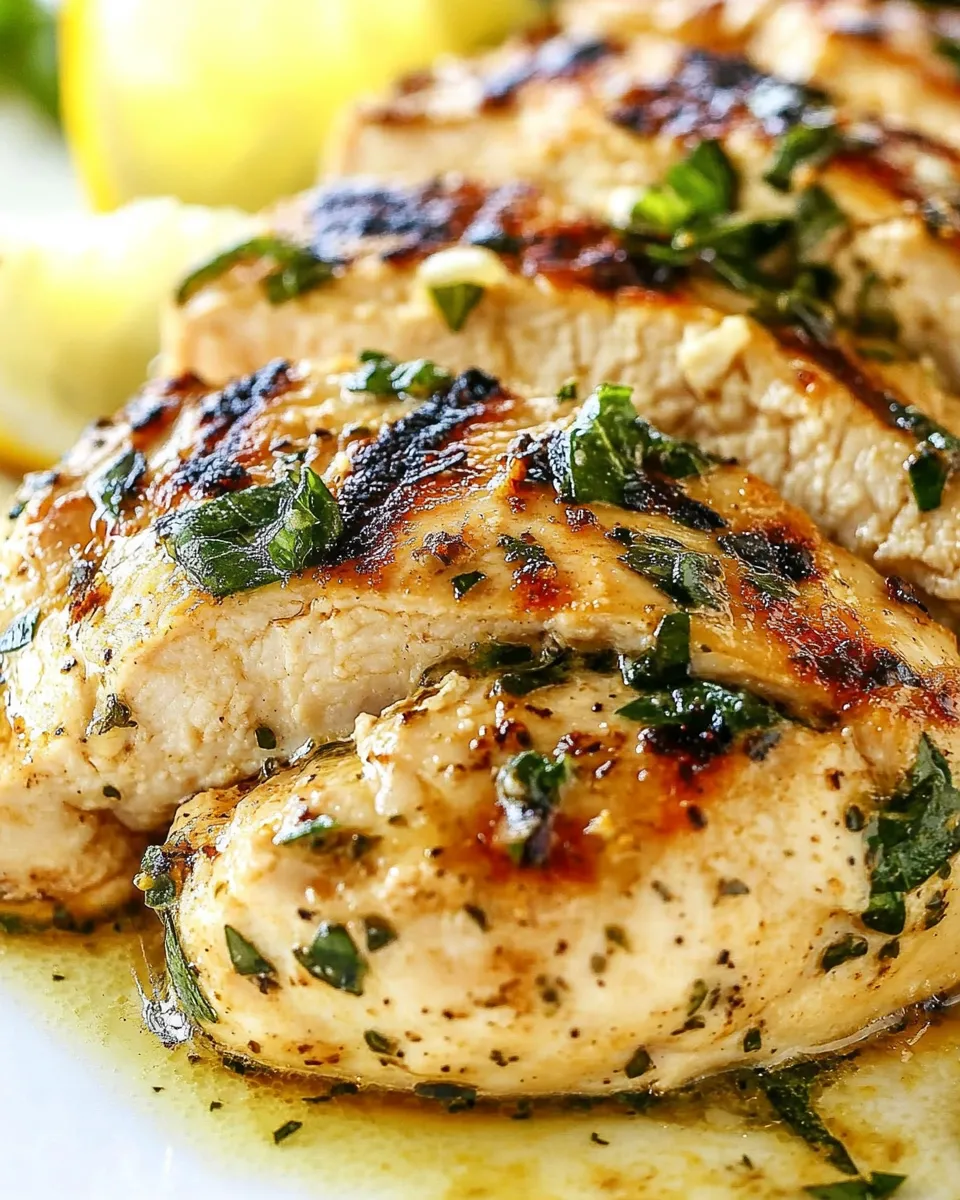
The balance is intentional. Lemon juice brings brightness and a little tenderizing action. Olive oil carries fat-soluble flavor and prevents sticking. Honey offsets acidity and encourages browning. Basil gives a fresh herbal top note that lifts the entire dish.
Using a pound of chicken breasts and pounding them creates a consistent thickness so the pieces cook evenly. The combination of fresh and dried aromatics—garlic, onion powder, parsley, oregano, and a touch of ground mustard—adds layers without complexity. The result is a simple marinade that infuses flavor quickly and reliably.
Flavor-Forward Alternatives
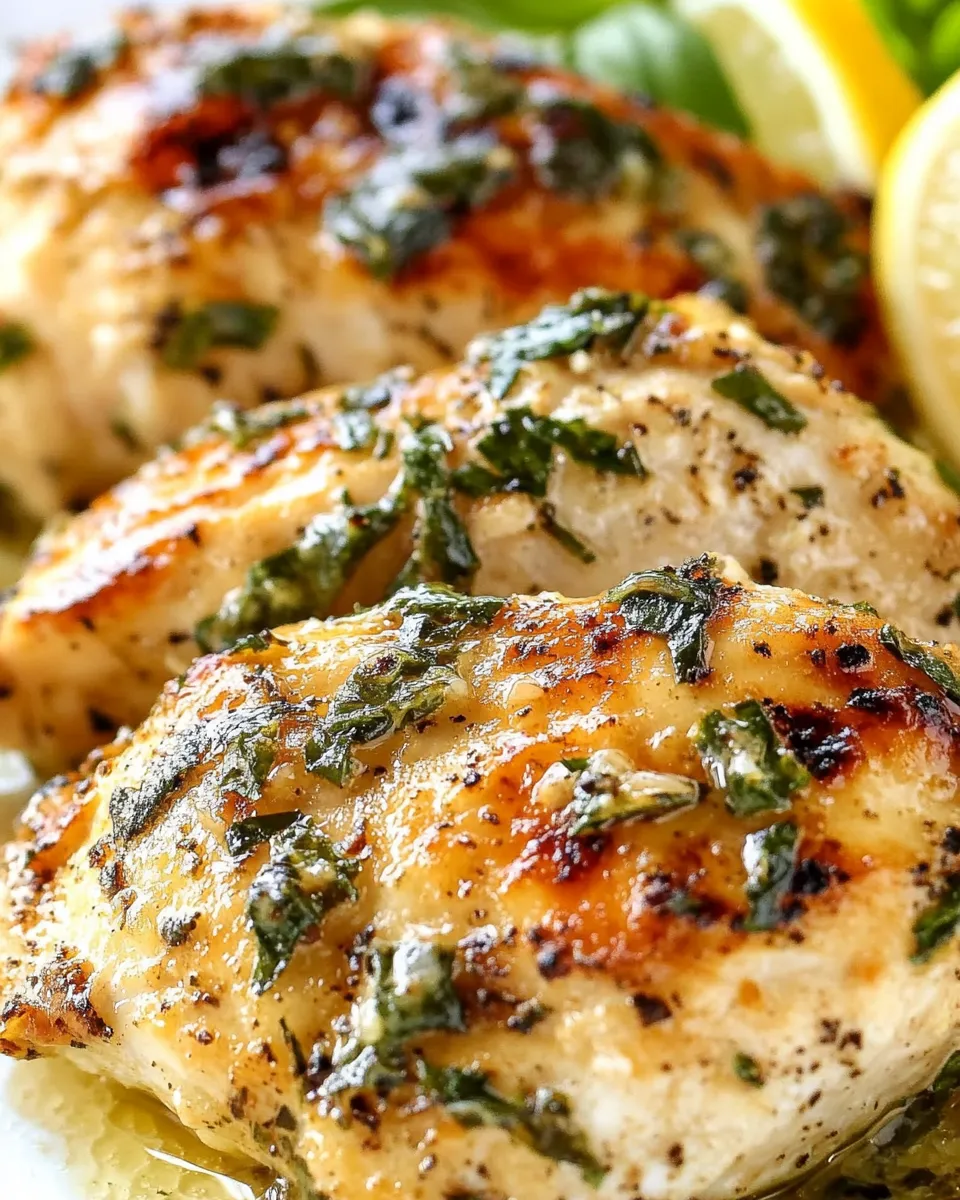
- More citrus punch: Add a thin strip of lemon zest to the marinade for concentrated lemon oil and aroma.
- Herb swap: If you want a different herb profile, swap basil for equal parts parsley and a little thyme (if you have it) for an earthier finish.
- Smokier finish: Grill over charcoal or add a light smoked paprika to the dry spices for a smoky edge.
- Sweeter glaze: Toward the end of cooking, brush a small extra drizzle of honey mixed with lemon juice for a glossy finish—watch carefully to avoid burning.
What’s in the Gear List
- Freezer bag or shallow container: For marinating without creating extra dishes.
- Meat mallet or heavy can: To pound the chicken to even thickness.
- Large nonstick skillet or grill: Either works—choose based on desired char and convenience.
- Tongs and meat thermometer: Tongs for flipping; a thermometer ensures you hit 165°F without overcooking.
- Cutting board and sharp knife: For resting and slicing the chicken cleanly.
Slip-Ups to Skip
- Skipping the pound: Uneven chicken means uneven cooking. Pound to a consistent thickness to avoid dry edges and an undercooked center.
- Marinating too briefly: Under-marinated chicken will lack depth. Aim for at least 4 hours if you can.
- Cooking straight from the fridge: Cold chicken can seize up and cook unevenly. Let it rest 15–30 minutes at room temperature when possible.
- Leaving marinade on during cooking: The recipe calls to discard remaining marinade. Don’t reuse it raw unless you boil it first.
- Overcooking: Watch the clock and use a thermometer. Once the chicken hits 165°F, remove it and let it rest to keep it juicy.
Dietary Customizations
- Lower-sodium: Reduce or omit the added salt in the marinade. Taste and adjust after cooking if needed.
- Gluten-free: This recipe is naturally gluten-free as written; keep label-checking for any packaged spices you use.
- Dairy-free: The recipe contains no dairy—safe for dairy-free diets.
- Spice level: Reduce or omit red pepper flakes for mild heat; add more for a kick.
Method to the Madness
Here’s how to move through the recipe efficiently and with minimal cleanup:
- Step 1 — Prep first: Whisk the marinade while the chicken rests at room temp after pounding. That keeps the workflow smooth.
- Step 2 — Marinate smart: Use a resealable bag so you can press out excess air and massage the chicken to coat it evenly without extra bowls.
- Step 3 — Time your cook: If using a skillet, preheat it so the chicken sears quickly and develops color. For the grill, aim for a medium flame near 400°F.
- Step 4 — Rest before slicing: Always rest the cooked chicken 5 minutes on a cutting board. This redistributes juices and makes slicing neater.
Prep Ahead & Store
Make the marinade and marinate the chicken up to 12 hours ahead. If you need to prep earlier, you can marinate overnight, but avoid going much past 12 hours since the acid in lemon juice will begin to change the meat’s texture.
Cooked chicken stores well. Keep it in an airtight container in the refrigerator for up to 3–4 days. Reheat gently in a low oven or slice cold for salads and sandwiches. Avoid microwaving at high power, which can dry the chicken; instead, add a splash of water or lemon juice and cover while reheating to retain moisture.
Top Questions & Answers
- Can I use chicken thighs instead? Yes. Bone-in or boneless thighs will work; adjust cooking time and be sure they reach 165°F.
- Can I make the marinade without honey? You can omit the honey if needed. It helps with browning and balance; consider a pinch of sugar if you want some sweetness.
- What if I don’t have fresh basil? The recipe includes an option for 1 tablespoon dried basil. Dried basil is more concentrated; the recipe accounts for that option in the ingredient list.
- Why discard the marinade? Because it contacted raw chicken and could contain harmful bacteria. If you want to use it as a sauce, bring it to a boil for a couple of minutes to kill bacteria first.
- How do I know when the chicken is done? Use an instant-read thermometer in the thickest part; 165°F is the safe internal temperature. Visual cues like clear juices and no pink center help, but temp is the most reliable.
Final Bite
This Lemon Chicken Basil Recipe is purposely straightforward and flexible. It leans on simple, fresh ingredients and a marinade that does most of the work. Whether you finish it in a skillet with a light pan sauce, slice it over pasta, or tuck it into a wrap, the bright, herby flavor holds up.
Follow the steps, pay attention to timing and temperature, and you’ll have a dependable, flavorful dinner. If you try a variation—grilled for char or with an added zest of lemon—come back and tell me what worked. I love hearing how people make a recipe their own.
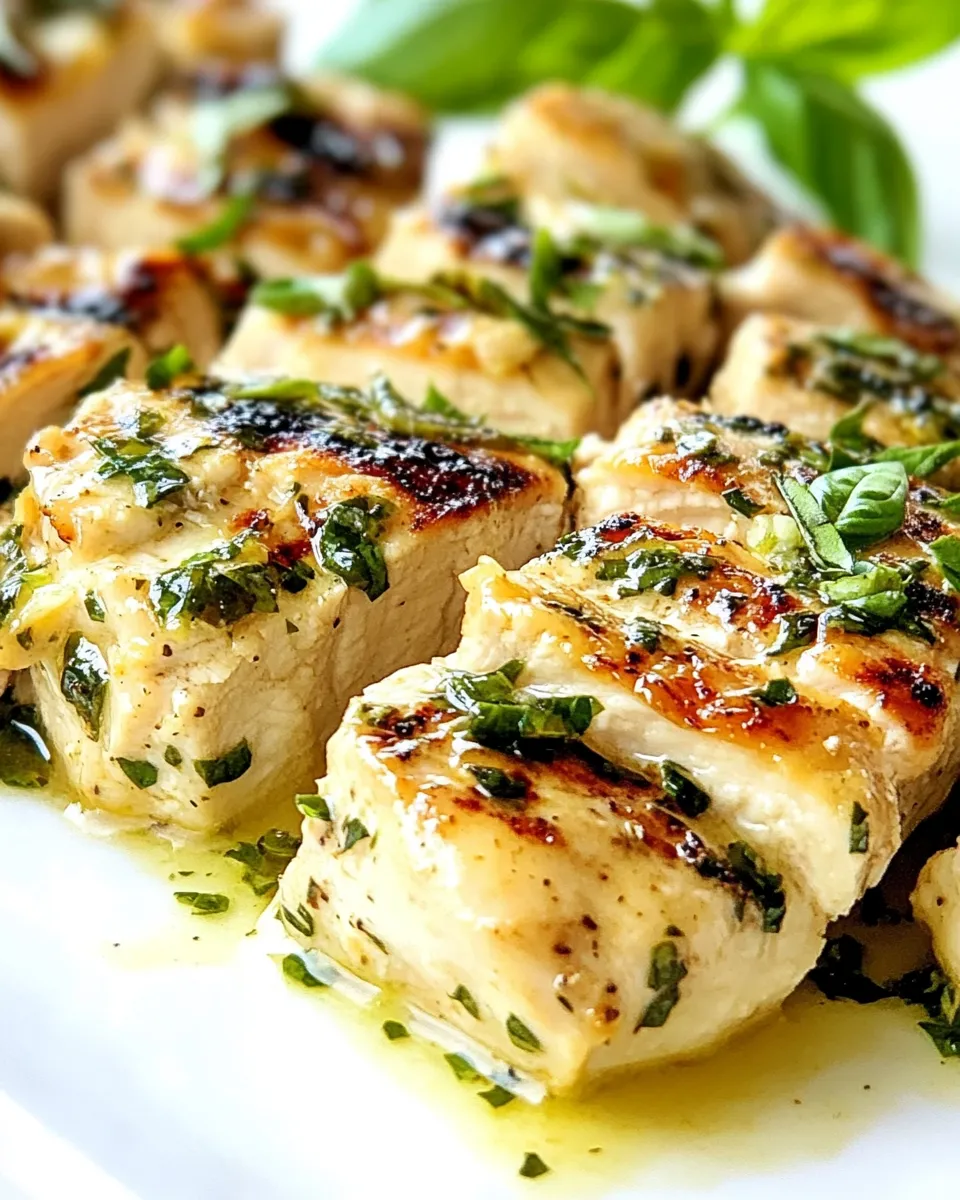
Lemon Chicken Basil Recipe
Ingredients
Equipment
Method
- Place the 1 pound chicken breasts (2 chicken breasts) inside a freezer bag and pound to an even thickness using a meat mallet or the side of a can.
- In a bowl, whisk together the marinade: 1/4 cup olive oil, 2 tablespoons lemon juice, 1 1/2 teaspoons honey, 1/2 cup loosely packed basil, minced (or 1 tablespoon dried), 3 garlic cloves, minced (or 3/4 teaspoon garlic powder), 1/2 teaspoon each onion powder, dried parsley, and salt, and 1/4 teaspoon each pepper, dried oregano, ground mustard, and red pepper flakes.
- Add the pounded chicken to the bag or a shallow container, pour in the marinade, seal, remove excess air, and massage or turn to coat the chicken evenly. Refrigerate and marinate 4–12 hours, flipping the bag or turning the chicken occasionally.
- When ready to cook, remove the chicken from the refrigerator and let it sit at room temperature 15–30 minutes, if time permits. Discard any remaining marinade.
- Choose a cooking method:
- Stovetop (nonstick skillet): Heat a large nonstick skillet over medium-high heat until hot. Add the chicken and cook undisturbed 3–5 minutes, until nicely browned on the first side. Turn the chicken over, cover, reduce heat to medium, and cook about 5–7 more minutes (depending on thickness) until cooked through (internal temperature 165°F).
- Grill: Grease and preheat the grill to medium heat (about 400°F). Grill the chicken undisturbed 5–7 minutes per side, or until cooked through (internal temperature 165°F).
- Remove the chicken to a cutting board and let it rest 5 minutes before slicing. Serve as desired (pasta, salad, wraps, sandwiches, pitas, etc.).