Low Carb Cloud Bread Pancakes (Ketogenic)
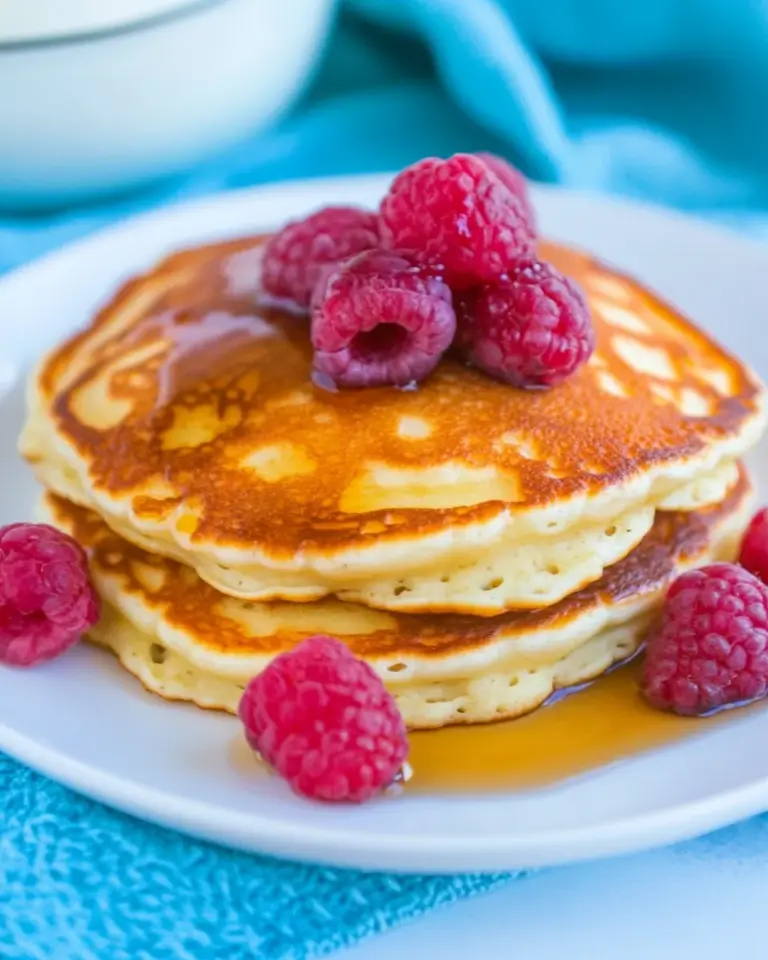
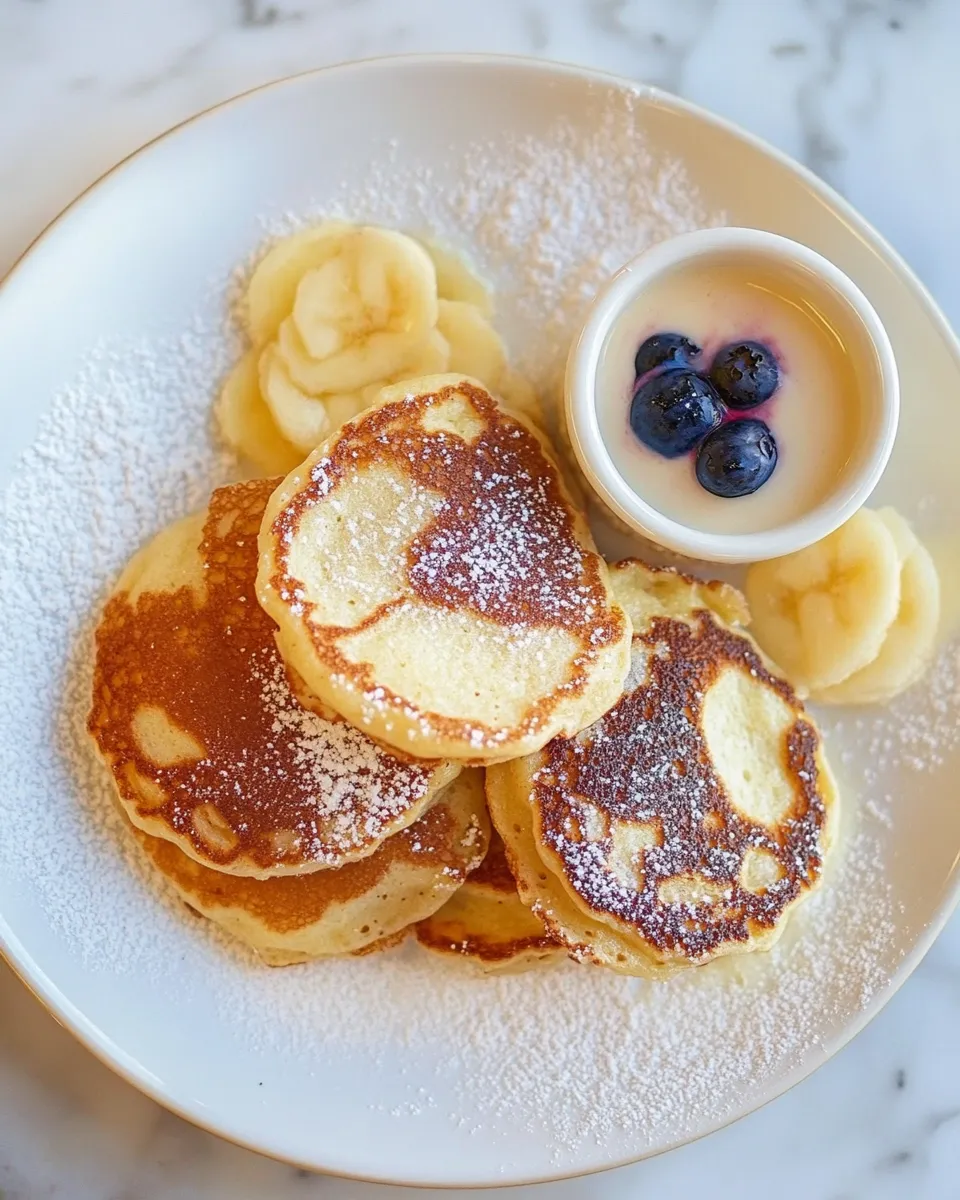
These Low Carb Cloud Bread Pancakes give you the pillowy comfort of a pancake without the carbs. They’re essentially cloud bread batter cooked in rounds: light, slightly sweet, and flexible enough to be a breakfast stack or a savory sandwich base. The texture is airy because of whipped egg whites and a touch of cream cheese for structure.
What I love about this recipe is how predictable it is when you follow the technique. There are just a few ingredients and one key principle: keep the egg whites as fluffy as possible and fold gently. If you’re watching carbs or following a ketogenic lifestyle, this delivers a satisfying mouthfeel without the flour.
It’s quick once your whites are whipped. You’ll separate the eggs, whip the whites to stiff peaks, blend yolks with softened cream cheese and seasonings, fold everything together, and cook spoonfuls into pancake rounds. No complex batter, no waiting for rising—just careful folding and low, patient cooking.
What Goes In
Ingredients
- 4 large eggs, separated — egg whites provide lift and cloud-like texture; yolks add richness and help bind the batter.
- 3/4 teaspoon cream of tartar — stabilizes and helps the egg whites reach and hold stiff peaks.
- 2 ounces low-fat cream cheese — adds creaminess and structure; soften before beating for a smooth batter.
- 1 teaspoon ground cinnamon — warm flavor built into the batter; adjusts the pancake’s character without extra sweeteners.
- 1 teaspoon stevia (equivalent to 2 tablespoons sugar) — provides sweetness without adding sugar or carbs.
- 1/4 teaspoon salt — balances flavors and enhances the other ingredients.
Low Carb Cloud Bread Pancakes (Ketogenic) in Steps
- Separate the 4 large eggs. Place the egg whites in the bowl of a stand mixer fitted with the whip attachment. Add 3/4 teaspoon cream of tartar and beat on high until stiff, firm meringue peaks form (whites will not whip if any yolk is present, so be careful when separating).
- Transfer the whipped whites to a clean bowl and set aside.
- In the now-empty stand mixer bowl, add 2 ounces low-fat cream cheese. Beat on medium-high until the cream cheese is softened and smooth.
- Add the 4 egg yolks to the cream cheese one at a time, beating after each addition until fully incorporated. Scrape down the bowl and beat until the mixture is completely smooth.
- Add 1 teaspoon ground cinnamon, 1 teaspoon stevia, and 1/4 teaspoon salt to the yolk mixture and beat just until evenly combined.
- Gently fold the whipped egg whites into the yolk/cream cheese mixture in 2–3 additions. Use a rubber spatula and folding (cut-and-turn) motions to combine, keeping as much air in the mixture as possible; stop folding when the batter is uniform and still light and foamy.
- Preheat a large nonstick skillet over medium-low to medium heat. Lightly spray the skillet with nonstick cooking spray.
- Spoon 1/4-cup portions of batter into the hot skillet and spread each into an even 3–4 inch circle about 3/4 inch high.
- Cook each pancake 2–3 minutes on the first side until the edges set and the bottom is lightly golden, then gently flip and cook 2–3 minutes on the second side. Do not press the pancakes with the spatula.
- Continue cooking the remaining batter, spraying the skillet lightly as needed. Serve the pancakes warm.
Why This Recipe Works
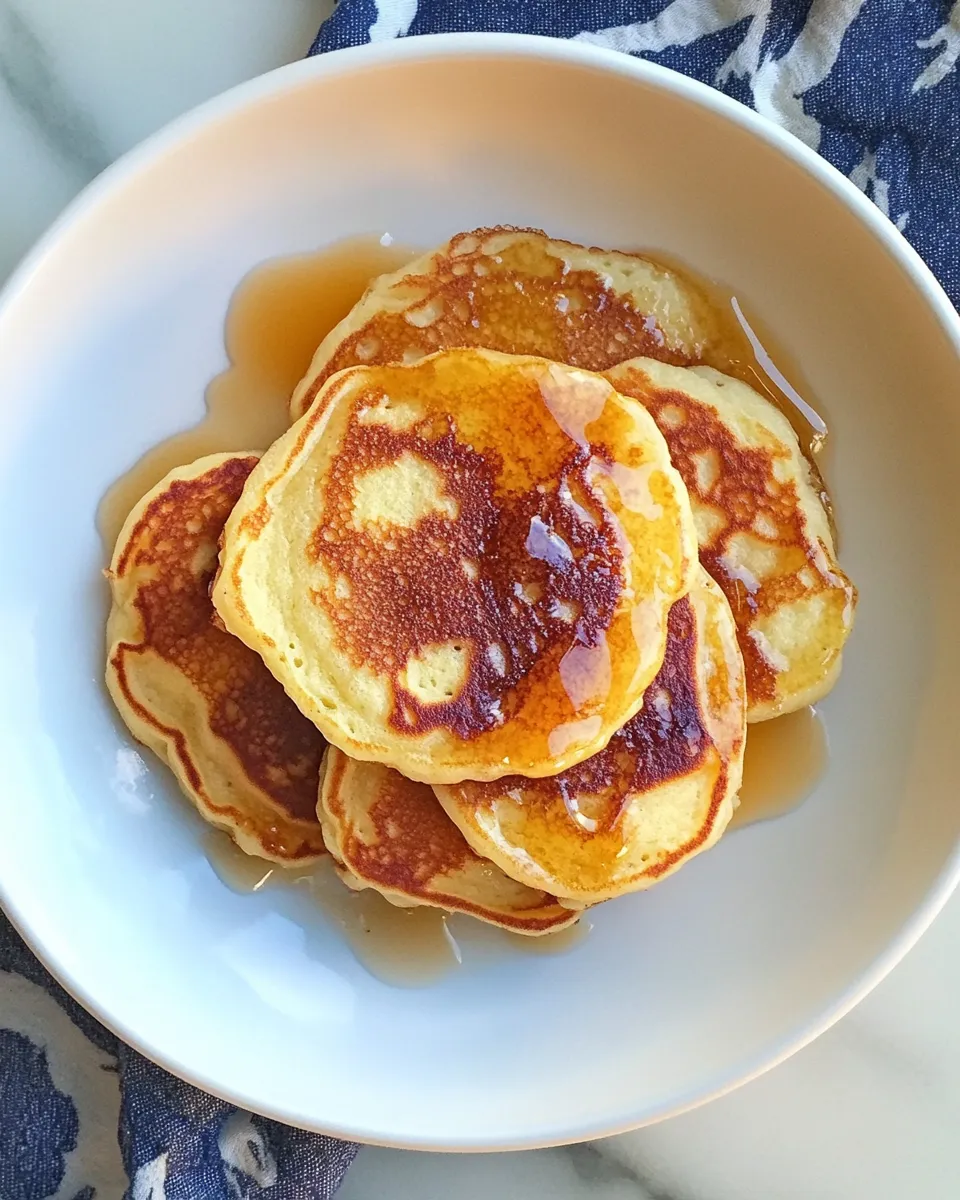
This recipe relies on two simple chemistry points. First, whipped egg whites trap air; when beaten to stiff peaks they become a light structure that yields the cloud-like interior. Second, the egg yolks and cream cheese provide fat and protein that stabilize the structure once the batter is folded together. The combination gives you lift and tenderness without flour.
Stabilizing the whites with cream of tartar and ensuring no yolk contaminates the whites are the other non-negotiables. Heat applied gently and evenly during cooking allows the pancakes to set without collapsing. Low heat and patience equal tall, fluffy rounds.
No-Store Runs Needed
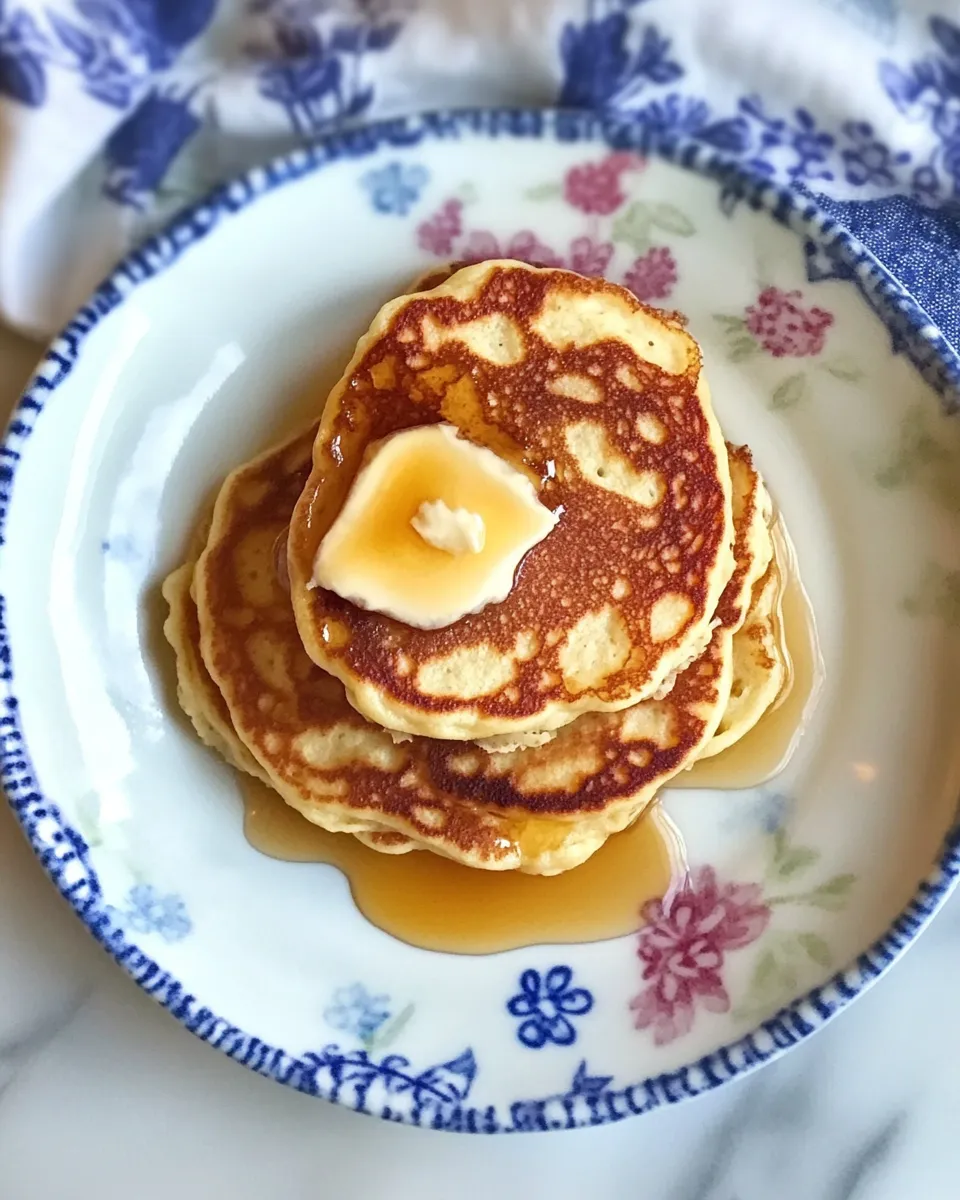
You probably already have everything required if you keep eggs and basic baking supplies on hand. The recipe uses pantry staples: eggs, cream cheese, cream of tartar, cinnamon, stevia, and salt. No flour, no baking powder, no specialty low-carb mixes.
If you have softened cream cheese in the fridge and a few eggs, you can make this right away. The minimal shopping list is one of the reasons I reach for it on busy mornings or when I want a quick low-carb breakfast.
Cook’s Kit
- Stand mixer with whip attachment — makes achieving stiff egg-white peaks reliable and fast.
- Rubber spatula — for gentle folding without deflating the batter.
- Large nonstick skillet — ensures even cooking and easier flipping; use a heavy skillet if nonstick isn’t available.
- Measuring spoons and a 1/4-cup measure — for consistent pancake sizing and timing.
- Cooking spray or equivalent — a light spray prevents sticking without adding excess fat.
- Mixing bowls — one for whites, one for yolk mixture; clean surfaces reduce the chance of contamination.
Pitfalls & How to Prevent Them
Common issues are easy to avoid if you know what to watch for.
- Whites won’t whip: Make sure no yolk is in the whites, the bowl and whisk are clean and dry, and the whites are at room temperature for faster, fuller volume.
- Batter deflates when folding: Use a wide rubber spatula and fold in 2–3 additions with a cut-and-turn motion. Stop when the color is uniform but still airy.
- Pancakes collapse in the pan: Cook over medium-low to medium heat. Too high heat browns the outside before the interior sets; too low and they won’t brown. A moderate, patient heat is best.
- They stick to the pan: Use a good nonstick skillet and lightly spray between batches. Don’t flip too early—wait until edges are set and bottoms are lightly golden.
- Texture too dense: Overbeating the yolk mixture or overfolding can compress the air. Stop folding as soon as the batter is uniform and still foamy.
Variations by Season
These pancakes are a neutral base that adapt well to different seasonal pairings without altering the core recipe.
- Spring: Serve warm with a smear of softened cream cheese and a side of fresh, low-carb berries or herbs for a bright contrast.
- Summer: Stack and top with lightly sweetened, low-carb fruit or a chilled yogurt alternative for a refreshing plate.
- Autumn: Lean into the cinnamon in the batter—serve with warmed cream cheese or a nut-based spread for cozy flavors.
- Winter: Keep the stack warm and use them as a base for savory toppings, turning them into sandwich rounds for eggs and greens.
What Could Go Wrong
Expectation versus reality can differ when technique slips. If pancakes are flat, it usually comes back to whipped whites that weren’t stiff enough or aggressive folding that knocked out air. If they’re gummy in the center, the heat was too low to set the interior or the rounds were too thick for the cook time.
If you taste a metallic or odd tang, check your cream cheese freshness—low-fat varieties can vary by brand. If your pancakes are breaking apart when flipped, the bottoms weren’t set; give them a little more time before flipping next batch.
Save for Later: Storage Tips
These pancakes are best eaten the day they’re made for peak texture. If you need to store them, cool on a rack then transfer to an airtight container and refrigerate for up to 3 days. Reheat gently in a skillet over low heat or in a toaster oven to avoid drying them out; microwave reheating can make them soften excessively.
For longer storage, freeze single layers separated by parchment paper in a freezer-safe container for up to 1 month. Thaw overnight in the fridge and reheat slowly in a skillet to regain texture.
Low Carb Cloud Bread Pancakes (Ketogenic) FAQs
Can I use full-fat cream cheese instead of low-fat? Yes. The recipe will work with full-fat cream cheese; expect a slightly richer mouthfeel. The amounts remain the same.
What if my egg whites never reach stiff peaks? Check for any yolk contamination, use a clean, dry bowl, and bring whites to room temperature before whipping. Adding the cream of tartar exactly as listed helps stabilise the foam.
Can I make the batter ahead of time? I don’t recommend making the batter far ahead; the whipped whites will slowly lose volume. If you must, fold and cook within an hour for best results.
How do I make thinner or thicker pancakes? Use slightly less batter for thinner pancakes and spread a little more for wider/thicker ones—but adjust cooking time accordingly. Thinner rounds will cook faster.
Are these suitable for strict ketogenic macros? The recipe omits flour and sugar; stevia is the sweetener, keeping carbs very low. Check your brand labels for exact macros, especially cream cheese and stevia conversion.
Time to Try It
If you’ve ever wished for a pancake that behaves like cloud bread, this is the one. Follow the steps, respect the whipped whites, and cook with patience. The first batch is the practice batch—after that you’ll know your skillet’s heat and timing. Make a small stack, note the texture you like, and repeat.
When you try it, serve warm and enjoy how light and adaptable these pancakes are. And if you tweak timing or size, make a note—this recipe is forgiving once you understand the technique. Happy cooking!
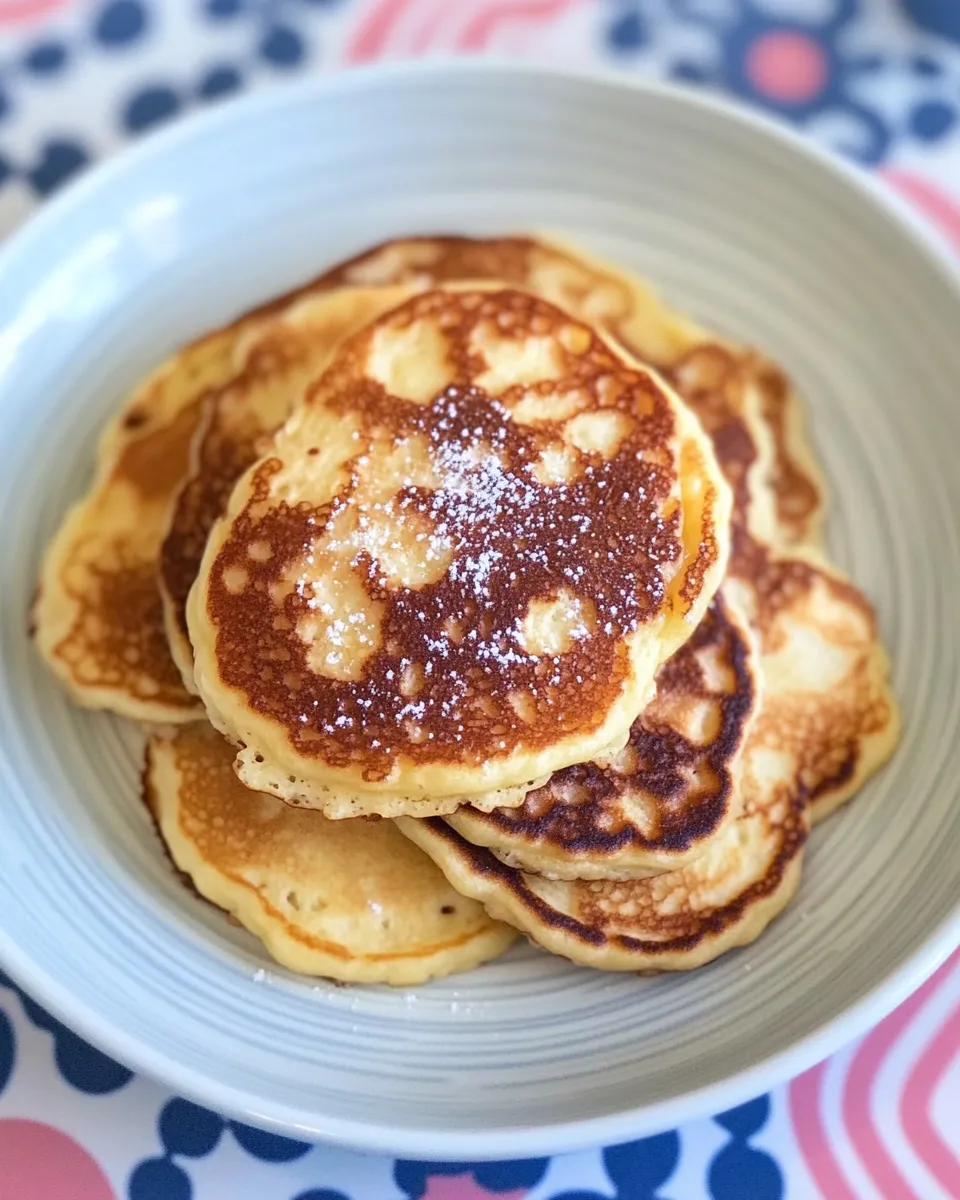
Low Carb Cloud Bread Pancakes (Ketogenic)
Ingredients
Equipment
Method
- Separate the 4 large eggs. Place the egg whites in the bowl of a stand mixer fitted with the whip attachment. Add 3/4 teaspoon cream of tartar and beat on high until stiff, firm meringue peaks form (whites will not whip if any yolk is present, so be careful when separating).
- Transfer the whipped whites to a clean bowl and set aside.
- In the now-empty stand mixer bowl, add 2 ounces low-fat cream cheese. Beat on medium-high until the cream cheese is softened and smooth.
- Add the 4 egg yolks to the cream cheese one at a time, beating after each addition until fully incorporated. Scrape down the bowl and beat until the mixture is completely smooth.
- Add 1 teaspoon ground cinnamon, 1 teaspoon stevia, and 1/4 teaspoon salt to the yolk mixture and beat just until evenly combined.
- Gently fold the whipped egg whites into the yolk/cream cheese mixture in 2–3 additions. Use a rubber spatula and folding (cut-and-turn) motions to combine, keeping as much air in the mixture as possible; stop folding when the batter is uniform and still light and foamy.
- Preheat a large nonstick skillet over medium-low to medium heat. Lightly spray the skillet with nonstick cooking spray.
- Spoon 1/4-cup portions of batter into the hot skillet and spread each into an even 3–4 inch circle about 3/4 inch high.
- Cook each pancake 2–3 minutes on the first side until the edges set and the bottom is lightly golden, then gently flip and cook 2–3 minutes on the second side. Do not press the pancakes with the spatula.
- Continue cooking the remaining batter, spraying the skillet lightly as needed. Serve the pancakes warm.
Notes
All varieties of stevia vary in potency. Read the package label and use the amount that equals 2 tablespoons of granulated sugar.