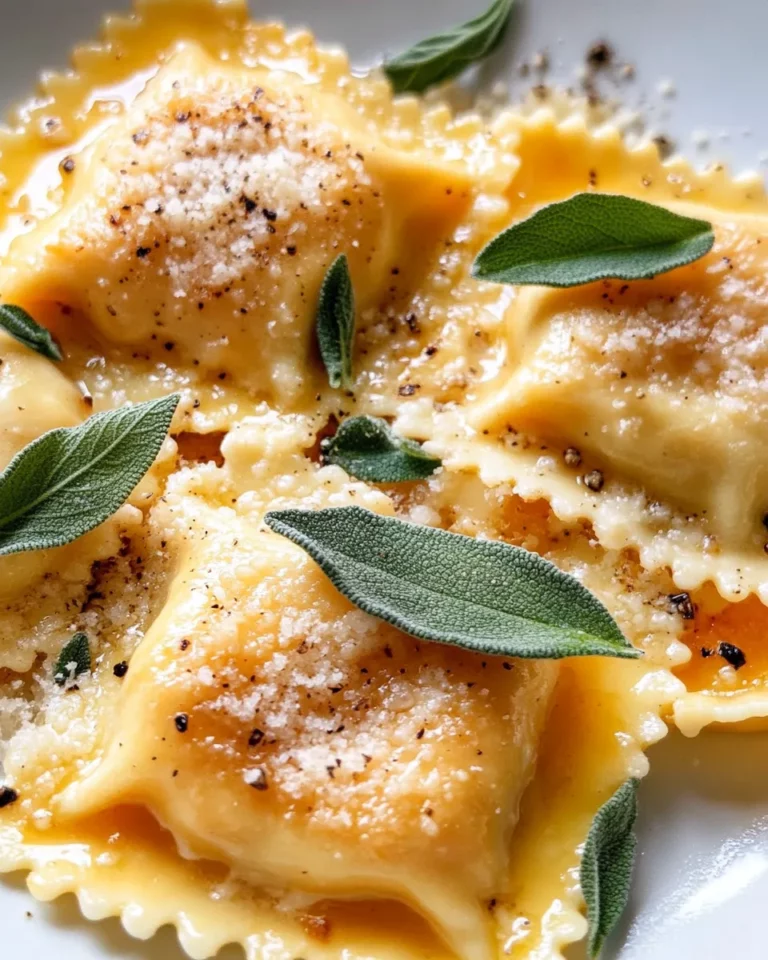
Low Carb Keto Gravy Recipe
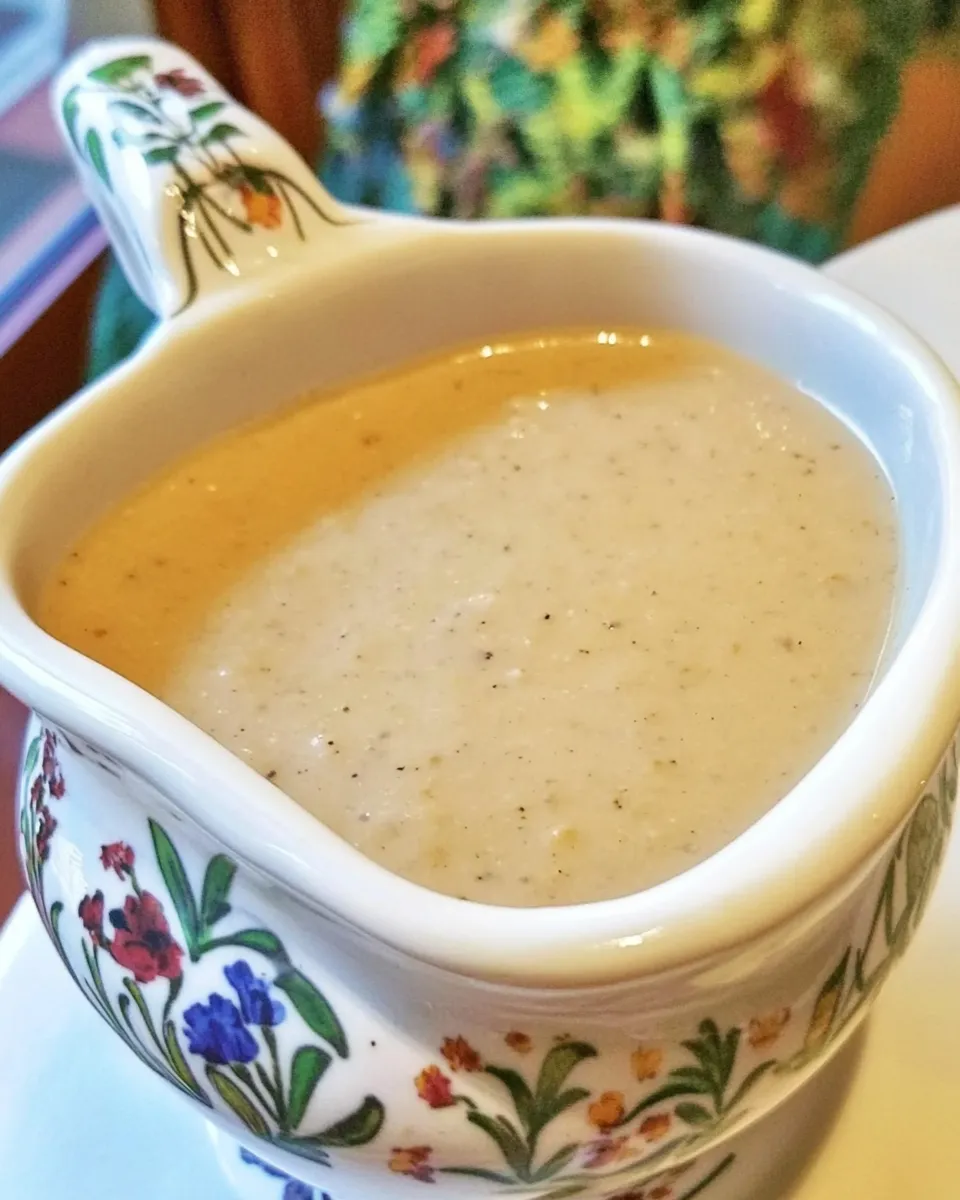
This gravy is what I reach for when I want classic, comforting sauce without the carbs that come from flour or cornstarch. It’s rich, glossy, and surprisingly simple — built on butter, stock, cream, and a little psyllium to thicken. It finishes with a bit of cream cheese for silkiness and Worcestershire for depth.
I make a batch when I roast a chicken or when Sunday dinner needs a low-carb upgrade. The method is forgiving: sauté the onion for sweetness, blend for smoothness, and remember that psyllium thickens fast. Once you get the timing, you’ll have gravy ready in under 20 minutes.
Below I walk through the exact ingredients and steps, explain why each choice matters, and share troubleshooting tips so the sauce turns out perfect every time.
What Goes Into Low Carb Keto Gravy Recipe
Ingredients
- 1/2 cup onion, diced — provides sweetness and aromatic base; sauté until translucent.
- 3 tablespoons butter, divided — one portion sautés the onion, the rest enriches and adds gloss at the end.
- 2 cups stock or broth (beef, chicken, turkey, vegetable) — the main body and flavor of the gravy; choose based on the protein you’re serving.
- 1/4 cup heavy cream — adds fat and smooth mouthfeel; warms into the stock for creaminess.
- 1 tablespoon cream cheese — helps emulsify and add silkiness without thinning the gravy.
- 1 teaspoon Worcestershire sauce — boosts umami and balances richness with a touch of savory tang.
- 1 teaspoon psyllium husk — the low-carb thickener; it swells quickly so add slowly while whisking.
- Salt and pepper to taste — adjust at the end; stock levels of salt vary so always taste before adding more.
Mastering Low Carb Keto Gravy Recipe: How-To
- Heat a medium skillet over medium heat. Add 2 tablespoons butter and the 1/2 cup diced onion. Sauté, stirring occasionally, until the onion is soft and translucent (about 4–6 minutes).
- Pour in 2 cups stock or broth (your choice of beef, chicken, turkey, or vegetable) and stir to combine. Add 1/4 cup heavy cream and stir until the mixture is warmed through.
- Add 1 tablespoon cream cheese and whisk until the cream cheese melts and the mixture is smooth.
- Remove the skillet from the heat and let the mixture cool for 1–2 minutes to reduce splattering. Transfer the mixture to a blender and pulse until smooth.
- Return the blended gravy to the skillet over low heat. While whisking, slowly sprinkle in 1 teaspoon psyllium husk and continue whisking until the gravy reaches your desired thickness (psyllium thickens quickly).
- Stir in 1 teaspoon Worcestershire sauce and the remaining 1 tablespoon butter until the butter is melted. Season with salt and pepper to taste and heat just until warmed through.
- Remove from heat and serve.
Why It Works Every Time
There are a few purposeful choices here. First, sautéing the onion in butter extracts sweetness and softens its texture without adding flour. The stock provides the flavor base, and heavy cream contributes fat that carries flavor and prevents a thin, watery mouthfeel. Cream cheese acts as an emulsifier — it helps the liquid and fat bind together for a glossy, clingy gravy.
Psyllium husk is the carbohydrate-free thickener. Unlike flour, which needs a roux or starch slurry, psyllium gelatinizes quickly when combined with liquid. The key is to add it slowly while whisking over low heat so it thickens evenly and doesn’t clump. Blending before thickening creates the smooth texture you expect from traditional gravy.
Budget & Availability Swaps
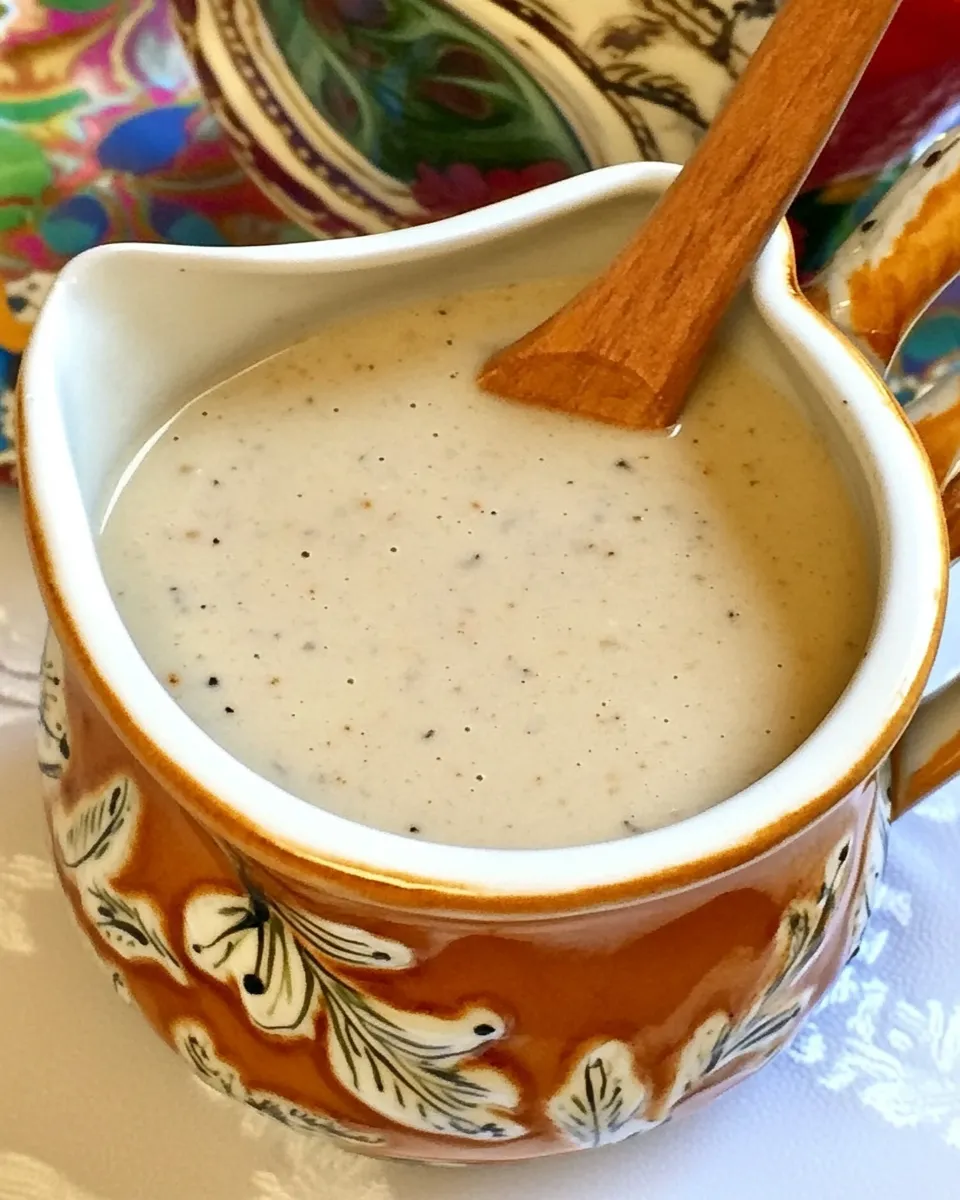
Use whatever stock fits your budget and pantry: beef for a hearty, roast-style gravy; chicken or turkey for poultry; vegetable for a lighter option. Store-brand stocks work fine here — they’re simply the flavor base. If you have homemade stock, it intensifies the depth, but store-bought is perfectly acceptable.
Butter and cream are small quantities in this recipe; buying larger tubs or blocks and using them across meals tends to be more economical than single-use specialty items. Cream cheese brands vary in price; the most affordable block-style cream cheese performs the same as a higher-priced one for texture and emulsification.
Tools & Equipment Needed
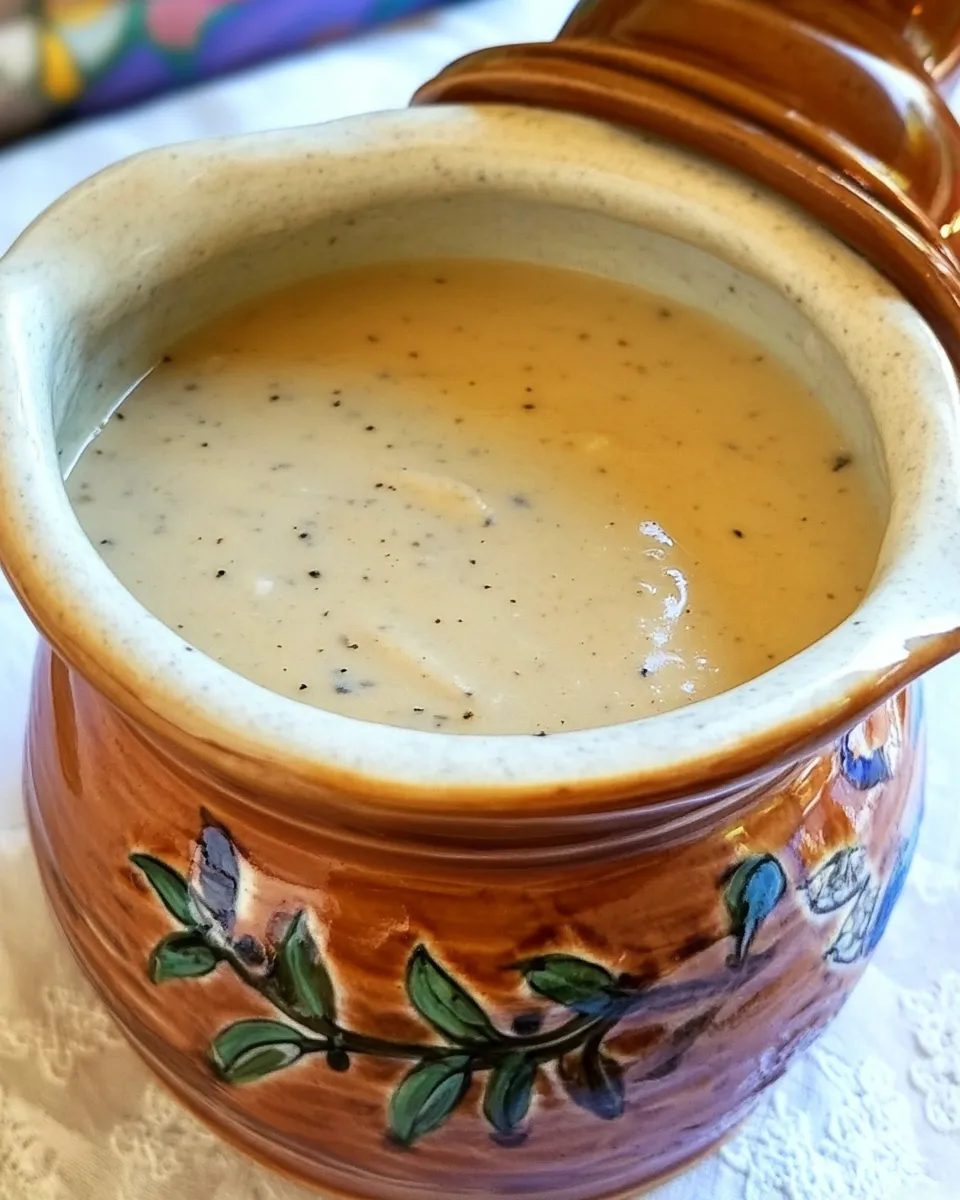
You don’t need fancy gear to make this. Gather:
- Medium skillet — for sautéing and finishing the gravy.
- Blender (hand or countertop) — to purée the mixture smooth before thickening.
- Whisk — for incorporating psyllium and finishing the sauce without lumps.
- Measuring spoons and cups — to keep quantities accurate, especially psyllium.
- Heatproof spatula or spoon — for scraping the skillet and tasting.
Mistakes That Ruin Low Carb Keto Gravy Recipe
Watch for these pitfalls so your gravy doesn’t end up gritty, thin, or gummy.
- Adding psyllium too quickly — it swells immediately and can clump. Always sprinkle slowly while whisking.
- Thickening at high heat — psyllium reacts fast; low heat gives control. High heat can over-thicken and make the texture gluey.
- Skipping the blend — unblended onions can leave a coarse texture. If you prefer rustic bits you can skip blending, but for smooth gravy, don’t skip it.
- Over-salting early — stock salt levels vary. Taste after adding cream cheese and Worcestershire before finishing salt and pepper.
Seasonal Twists
Match the stock to the season to make this gravy feel timely. Use turkey stock after holiday roasts for a classic Thanksgiving-style gravy. In winter, a beef stock creates a robust sauce for pot roast or steak. In spring and summer, lighter chicken or vegetable stock keeps pairings bright.
If you’re serving this over roasted winter vegetables or mashed cauliflower, pull flavors toward the main dish by selecting stock accordingly and adjusting salt and Worcestershire to suit the season’s fare.
Behind the Recipe
This is a practical, low-carb reimagining of traditional pan gravy. Rarely is a flour-based roux acceptable on a keto meal plan, so psyllium husk steps in as a natural, fiber-rich thickener that delivers viscosity without carbs. Cream cheese is a small but crucial addition — it stabilizes the emulsion and prevents separation when the gravy cools slightly.
I developed this method to balance simplicity with restaurant-style texture: quick sauté, blend for silkiness, and a careful, slow addition of psyllium. The result keeps plate presentation and mouthfeel intact, with the nutritional profile suited to low-carb eating.
Keep It Fresh: Storage Guide
Let the gravy cool to room temperature before covering. Store in an airtight container in the refrigerator for up to 4 days. Reheat gently over low heat, whisking occasionally. If it has thickened too much in the fridge, whisk in a tablespoon or two of warm stock or cream while reheating to loosen it.
Freezing is possible but texture can shift slightly. Freeze in a sealable container for up to 2 months. Thaw in the refrigerator overnight and reheat slowly. If the texture tightens on freezing and thawing, a quick blend or whisk with a splash of warm stock will usually restore smoothness.
Troubleshooting Q&A
Q: My gravy is too thin. What do I do?
A: Return to a low burner and sprinkle in a tiny pinch more psyllium husk while whisking, a little at a time. Psyllium thickens fast, so add cautiously and give it a minute to swell before deciding if you need more.
Q: It got lumpy when I added the psyllium. Fix?
A: Remove from direct heat and whisk vigorously; if lumps remain, transfer to a blender and pulse until smooth. Next time, sprinkle psyllium slowly while whisking to avoid this.
Q: The flavor is flat.
A: Taste and adjust with salt and pepper. Worcestershire sauce is already in the recipe; a tiny extra splash can add depth but add sparingly and taste between additions.
Q: The gravy separated or looks oily.
A: Bring the gravy to very low heat and whisk in a tablespoon of cold cream or a small cold cube of butter; the cold fat can coax the emulsion back together. If separation persists, a short blitz in the blender usually reunites the sauce.
Hungry for More?
This gravy is a workhorse — serve it over roasted turkey, chicken thighs, pork chops, or spoon it over mashed cauliflower for a low-carb “mashed potato” experience. It’s also excellent alongside sautéed mushrooms or draped over a hot skillet of roasted vegetables. If you like the technique, experiment with the stocks listed in the ingredients to tailor the sauce to your main dish.
If you make this, jot down what stock you used and how much psyllium gave you the thickness you like; small tweaks matter. Happy cooking — I hope this gravy becomes a reliable part of your low-carb repertoire.
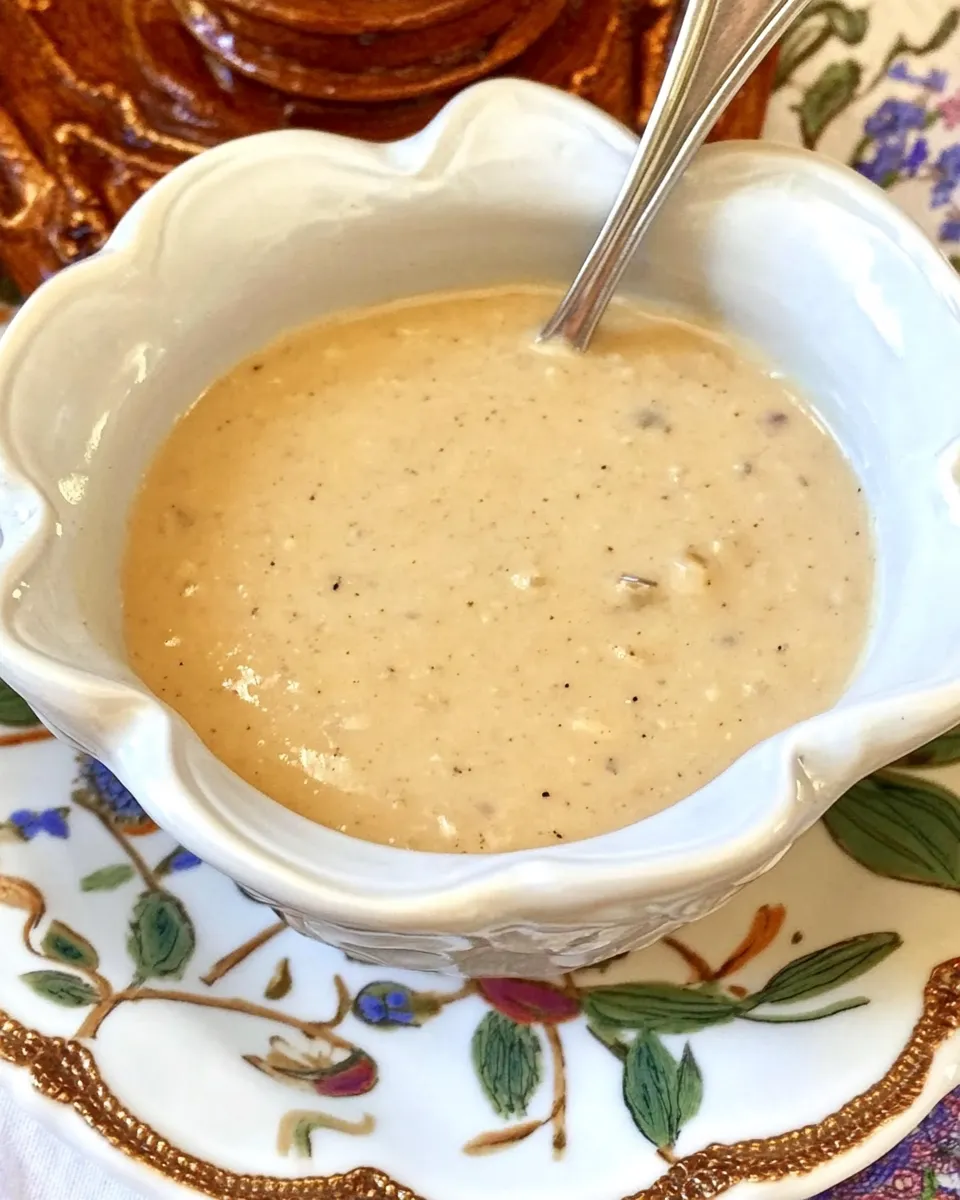
Low Carb Keto Gravy Recipe
Ingredients
Equipment
Method
- Heat a medium skillet over medium heat. Add 2 tablespoons butter and the 1/2 cup diced onion. Sauté, stirring occasionally, until the onion is soft and translucent (about 4–6 minutes).
- Pour in 2 cups stock or broth (your choice of beef, chicken, turkey, or vegetable) and stir to combine. Add 1/4 cup heavy cream and stir until the mixture is warmed through.
- Add 1 tablespoon cream cheese and whisk until the cream cheese melts and the mixture is smooth.
- Remove the skillet from the heat and let the mixture cool for 1–2 minutes to reduce splattering. Transfer the mixture to a blender and pulse until smooth.
- Return the blended gravy to the skillet over low heat. While whisking, slowly sprinkle in 1 teaspoon psyllium husk and continue whisking until the gravy reaches your desired thickness (psyllium thickens quickly).
- Stir in 1 teaspoon Worcestershire sauce and the remaining 1 tablespoon butter until the butter is melted. Season with salt and pepper to taste and heat just until warmed through.
- Remove from heat and serve.
Notes
1/4 cup of sauce is under 5 carbs