Macro Friendly Banana Bread
This is a practical, no-nonsense banana bread that lands lighter than the classic loaf while keeping the familiar flavor and texture you expect. It uses ingredient swaps that boost protein and lower empty calories: egg whites, nonfat Greek yogurt, nonfat milk powder, and collagen peptides. The result is a tender, sliceable loaf that fits well into a higher-protein, calorie-conscious plan.
I bake this when I have overripe bananas and want something to eat across the week without derailing daily targets. It’s forgiving, straightforward to mix, and stores well. The method is conventional—wet and dry bowls, don’t overmix—and the timing is typical for a standard loaf pan.
Below you’ll find a clear shopping guide, the exact ingredient list used in the original recipe, the step-by-step directions verbatim, practical swaps, tools I lean on, common failures and fixes, plus storage and reheating tips. If you want a slice tonight, the “Make It Tonight” section will get you there fast.
Your Shopping Guide
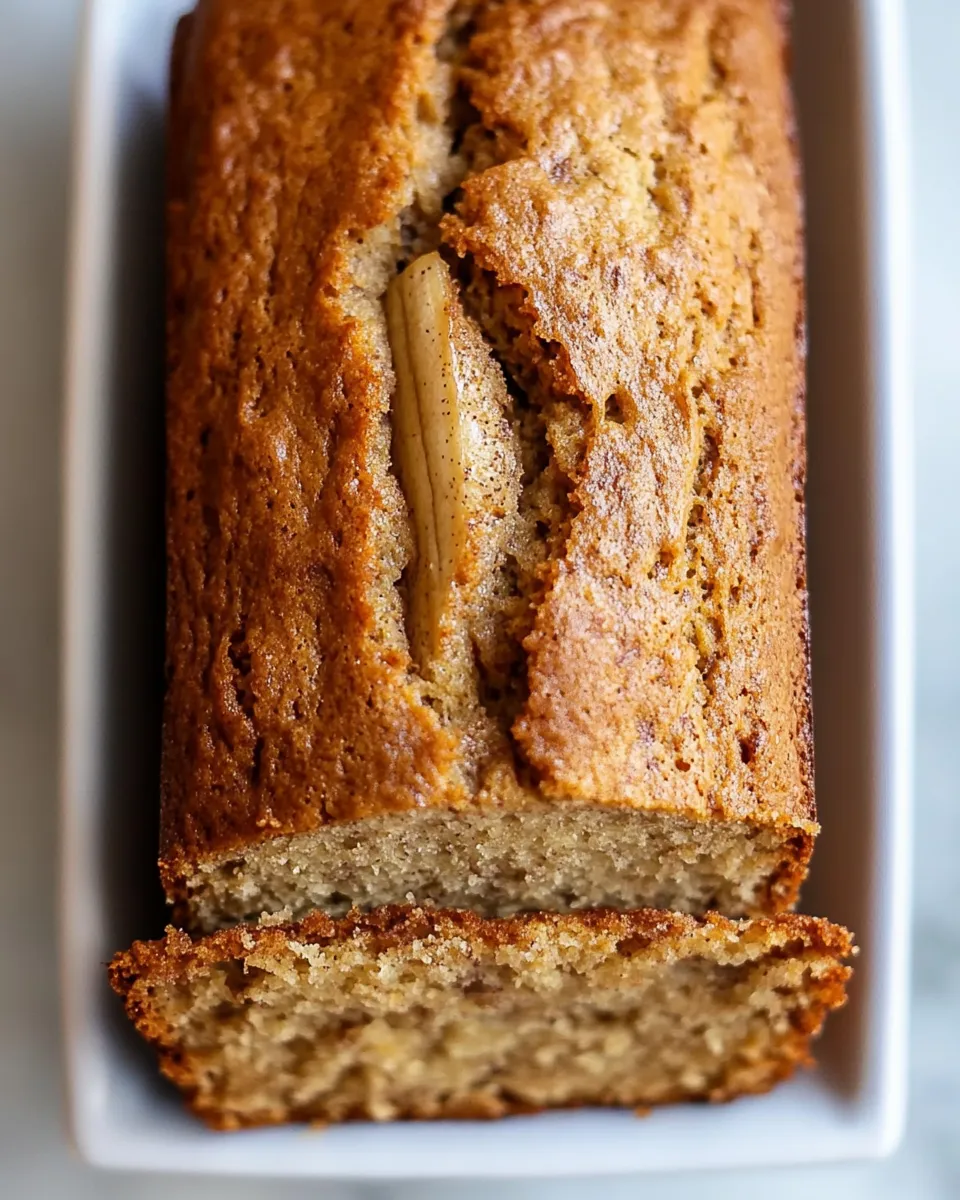
When you shop for this loaf, focus on three things: ripe bananas, reliable pantry staples, and the protein-focused additions that make it “macro friendly.” Buy bananas that are freckled or spotty for sweetness and mashability. Stock up on nonfat Greek yogurt and nonfat milk powder; both add protein and tenderness without extra fat.
Truvia is listed as a primary sweetener in the recipe. If you use it, get the baking-friendly version so measurements match texture expectations. Collagen peptides are optional as a protein boost—pick a neutral-flavor brand unless you want a flavored loaf. Finally, basic baking items—AP flour, baking powder, baking soda, cinnamon, nutmeg, and salt—should be fresh; old leaveners are a common cause of flat loaves.
Buy a loaf pan close to the size used in the recipe if you can: an 8.5 x 4.5 x 2.75-inch pan is ideal. The recipe notes a different pan will affect bake time, so if your pan is much larger or smaller, expect to adjust.
Ingredients
- 6 tablespoons truvia — primary sweetener; provides sweetness without sugar calories.
- 1/4 cup granulated sugar — adds moisture and helps with browning; small amount keeps texture tender.
- 5 tablespoons vegetable oil or canola oil — fat for tenderness and mouthfeel; neutral-flavored oil works best.
- 3/4 cup mashed banana — flavor and moisture; use ripe bananas for sweetness and aroma.
- 2 large egg whites or 6 tablespoons liquid egg whites — structure and protein without added yolk fat.
- 1 teaspoon vanilla — flavor enhancer; use pure vanilla for best aroma.
- 1/4 cup plain, nonfat Greek yogurt — adds protein and tang while keeping the crumb moist.
- 1 1/2 cups all purpose flour — base structure; spoon and level for accurate measuring.
- 1/4 cup nonfat milk powder — increases protein and improves crumb; rehydrates during baking.
- 1/4 cup collagen peptides (2 scoops if using Vital Proteins) — additional protein; neutral flavor and helps with structure.
- 1 teaspoon cinnamon — classic spice for banana bread; warms the flavor profile.
- 1/4 teaspoon nutmeg — use sparingly; nutmeg supports the cinnamon without overwhelming.
- 1/2 teaspoon salt — balances sweetness and rounds flavors.
- 1 teaspoon baking powder — primary leavening to give rise and lift.
- 1/2 teaspoon baking soda — works with the banana acidity and other ingredients for rise.
- 1/4 teaspoon salt — appears again in the ingredient list; follow the recipe as written.
Cooking Macro Friendly Banana Bread: The Process
- Preheat oven to 350°F (175°C). Spray a loaf pan with nonstick cooking spray and line the bottom with parchment paper. (An 8.5 x 4.5 x 2.75 inch pan was used; if your pan is larger the bake time may be shorter, if smaller it may be longer.)
- In a large bowl, combine the wet ingredients: 6 tablespoons truvia, 1/4 cup granulated sugar, 5 tablespoons vegetable or canola oil, 3/4 cup mashed banana, 2 large egg whites (or 6 tablespoons liquid egg whites), 1 teaspoon vanilla, and 1/4 cup plain nonfat Greek yogurt. Stir until evenly combined and smooth.
- In a separate medium bowl, whisk together the dry ingredients: 1 1/2 cups all-purpose flour, 1/4 cup nonfat milk powder, 1/4 cup collagen peptides (2 scoops if using Vital Proteins), 1 teaspoon cinnamon, 1/4 teaspoon nutmeg, 1/2 teaspoon salt, 1/4 teaspoon salt, 1 teaspoon baking powder, and 1/2 teaspoon baking soda. Whisk until evenly distributed and any lumps are broken up.
- Add the dry ingredients to the wet ingredients. Stir with a spatula or spoon until just incorporated—do not overmix. Scrape the sides and bottom of the bowl to ensure no pockets of dry ingredients remain.
- Pour the batter into the prepared loaf pan and smooth the top with a spatula.
- Bake in the preheated oven for 45–55 minutes. Begin checking at 45 minutes. The bread is done when a toothpick inserted into the center comes out with a few moist crumbs (not wet batter) or the internal temperature reaches about 200°F (93°C).
- Remove the loaf from the oven and let it cool in the pan for at least 15 minutes. Then lift the loaf from the pan using the parchment and transfer to a wire rack to cool completely or mostly before slicing.
- Slice into 12 even pieces. Store any remaining banana bread in an airtight container for up to 3 days.
Why I Love This Recipe
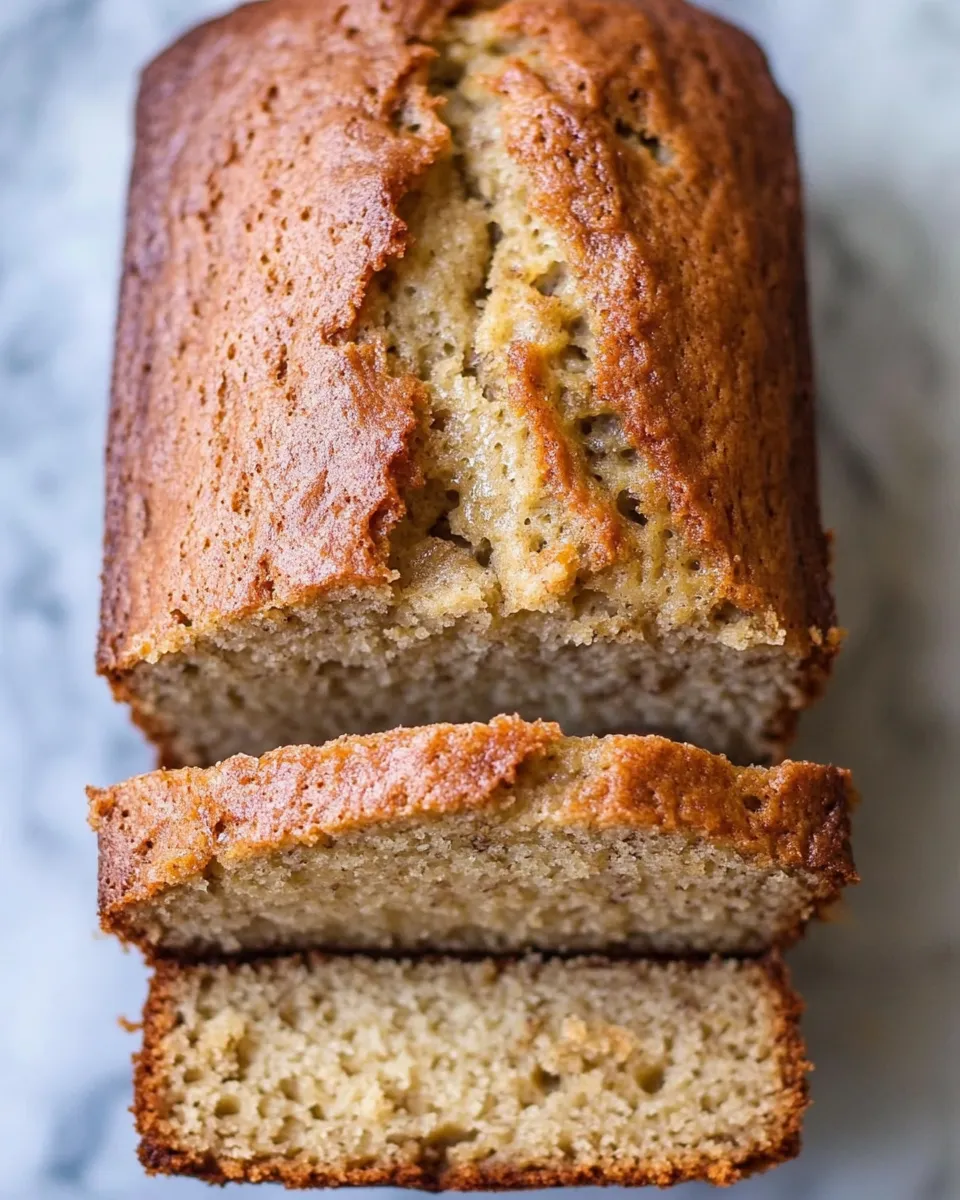
This loaf hits the sweet spot for people who want banana bread without the usual calorie density. It keeps the familiar banana flavor and a moist crumb, but it leans on egg whites, nonfat yogurt, milk powder, and collagen to raise the protein-to-calorie ratio. Those swaps change the nutrition profile but not the pleasure of a good slice.
It’s also practical: the batter mixes quickly and the bake time is predictable. The texture is tender but sliceable, which means you can enjoy a controlled portion alongside coffee or yogurt. And because it stores well for a few days, it’s a low-effort way to have a ready-to-eat treat that won’t tempt you to overindulge.
If You’re Out Of…
Here are safe, practical swaps if you’re missing something:
- Truvia — use another granulated sweetener in equivalent sweetness if you prefer (adjust taste if needed). If using pure sugar only, expect slight changes to texture and calories.
- Nonfat Greek yogurt — plain low-fat yogurt or strained cottage cheese can work in a pinch; they alter moisture slightly but keep protein high.
- Collagen peptides — omit them if you don’t have them; the loaf will be fine. You can also replace the collagen with an equivalent weight of additional flour, though protein will be lower.
- Nonfat milk powder — skip it or use powdered milk alternatives; it’s there mainly for protein and to improve crumb.
- Vegetable/canola oil — avocado oil or light olive oil work if neutral in flavor. Don’t subbed with butter unless you want the added saturated fat and flavor shift.
Tools of the Trade
Good tools make the process repeatable. Use a scale for baking whenever possible; measuring by weight gives the most consistent results. If you don’t have a scale, spoon and level your flour into a cup to avoid packing it in.
Other items I recommend: a reliable oven thermometer (ovens vary), a medium mixing bowl and large mixing bowl, rubber spatula, whisk for the dry mix, loaf pan in the recommended size, and parchment paper for easy release. A wire rack is handy for cooling so the crumb sets correctly and the bottom doesn’t steam.
Things That Go Wrong
Dense, Gummy Crumb
Causes: Overmixing after combining wet and dry; too much flour packed into the measuring cup; or underbaking. Fixes: Mix until just combined, spoon and level flour, and check for doneness with a toothpick and internal thermometer.
Flat or Poor Rise
Causes: Old baking powder/soda, incorrect oven temperature, or improper pan size. Fixes: Replace leaveners at least every 6–12 months, confirm oven temp with a thermometer, and use the suggested pan size. If your pan is larger, reduce bake time; smaller pans will increase it.
Top Burns While Inside Is Raw
Causes: Oven hot spots or pan placed too low. Fixes: Move the loaf to the center rack and rotate midway if needed. If browning too fast, tent with foil for the remaining bake time.
Year-Round Variations
Keep the base recipe but tweak flavors and add-ins depending on the season. Swap in pumpkin puree and pumpkin pie spice in fall, or stir in toasted nuts and a little orange zest in winter for brightness. In summer, fold in a few diced ripe strawberries just before pouring the batter for a fruitier slice—note that adding juicy fruit will increase moisture, so reduce mash by a tablespoon or two if needed.
For a spiced winter loaf: increase cinnamon to 1 1/2 teaspoons and add 1/4 teaspoon ground ginger. For a richer loaf, add a tablespoon of nut butter to the wet ingredients; it will increase fat and change texture, but it’s delicious.
Recipe Notes & Chef’s Commentary
Follow the wet-then-dry mixing order and don’t overwork the batter. Those are the two biggest factors in producing a tender crumb. Measure ingredients carefully—especially the flour—and watch the bake time around the 45-minute mark. If you test early and it’s still very wet, give it another 5–10 minutes and test again.
I like to cool the loaf nearly completely before slicing; this gives the interior time to finish setting. If you slice too hot, the slices may appear gummy. A 15–30 minute rest on a wire rack after removing from the pan is the minimum; a full cool produces the cleanest slices.
Keep-It-Fresh Plan
Store at room temperature in an airtight container for up to 3 days as the recipe states. If you want to keep it longer, slice and freeze individual pieces in a single layer on a sheet tray, then transfer to a freezer bag once solid. Frozen slices keep for up to 2 months. To thaw, leave a slice at room temperature for 30–60 minutes or microwave for 20–30 seconds from frozen.
Reheat slices in a toaster oven at 325°F for 5–8 minutes to revive a fresh-baked texture. If you want to preserve moisture, wrap loosely in foil before reheating.
Troubleshooting Q&A
Q: My loaf took the full 55 minutes and still seemed underdone in the center. What happened?
A: Two likely issues: your pan dimensions differ significantly from the one used, or your oven runs cool and you’re measuring doneness by time alone. Use an instant-read thermometer; 200°F (93°C) in the center is the target. If the crust is dark before the center reaches temperature, tent with foil and continue baking.
Q: Can I add chocolate chips or nuts?
A: Yes. Fold in up to 1/2 cup of chips or chopped nuts at the very end, tossing them lightly in a tablespoon of flour first to reduce sinking. Be aware that add-ins change texture and macronutrient balance.
Q: The top cracks deeply—did I do something wrong?
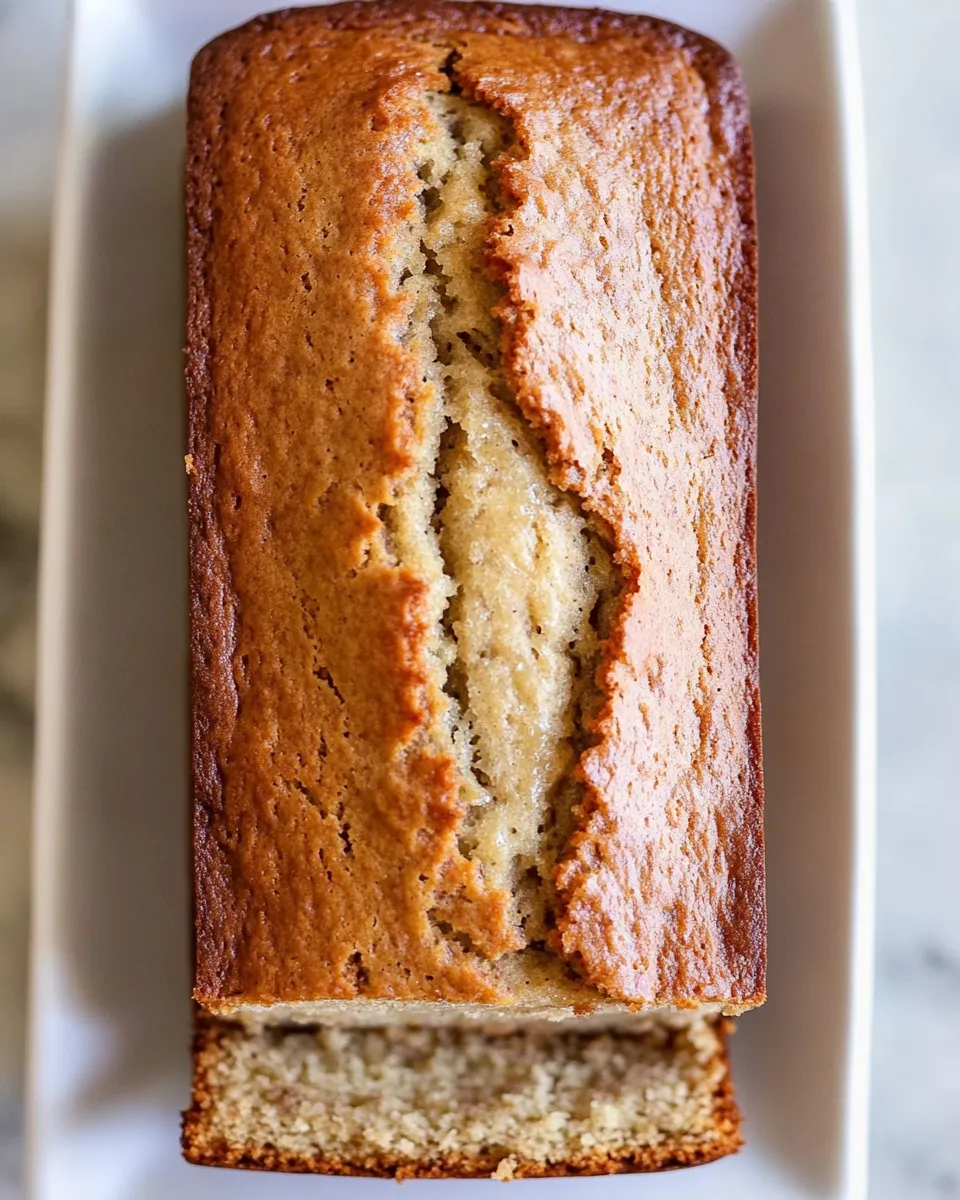
A: A cracking top is normal in quick breads and indicates proper rise. If cracks are extreme and the interior is underdone, check oven temperature and mixing (avoid overmixing, but ensure leaveners are fresh).
Make It Tonight
If you want a slice tonight: preheat now, assemble wet and dry bowls in under 10 minutes, pour, and bake. Start checking at 45 minutes. While it cools, clean your tools and plan your slices—this loaf makes 12 even pieces, which helps control portions.
One more practical tip: if you’re short on time, baking in muffin tins will produce individual portions faster. Reduce bake time and check frequently; muffins will be done sooner than a full loaf. Enjoy—this is banana bread that balances flavor with sensible macros, and it’s easy to make a reliable, repeatable loaf.
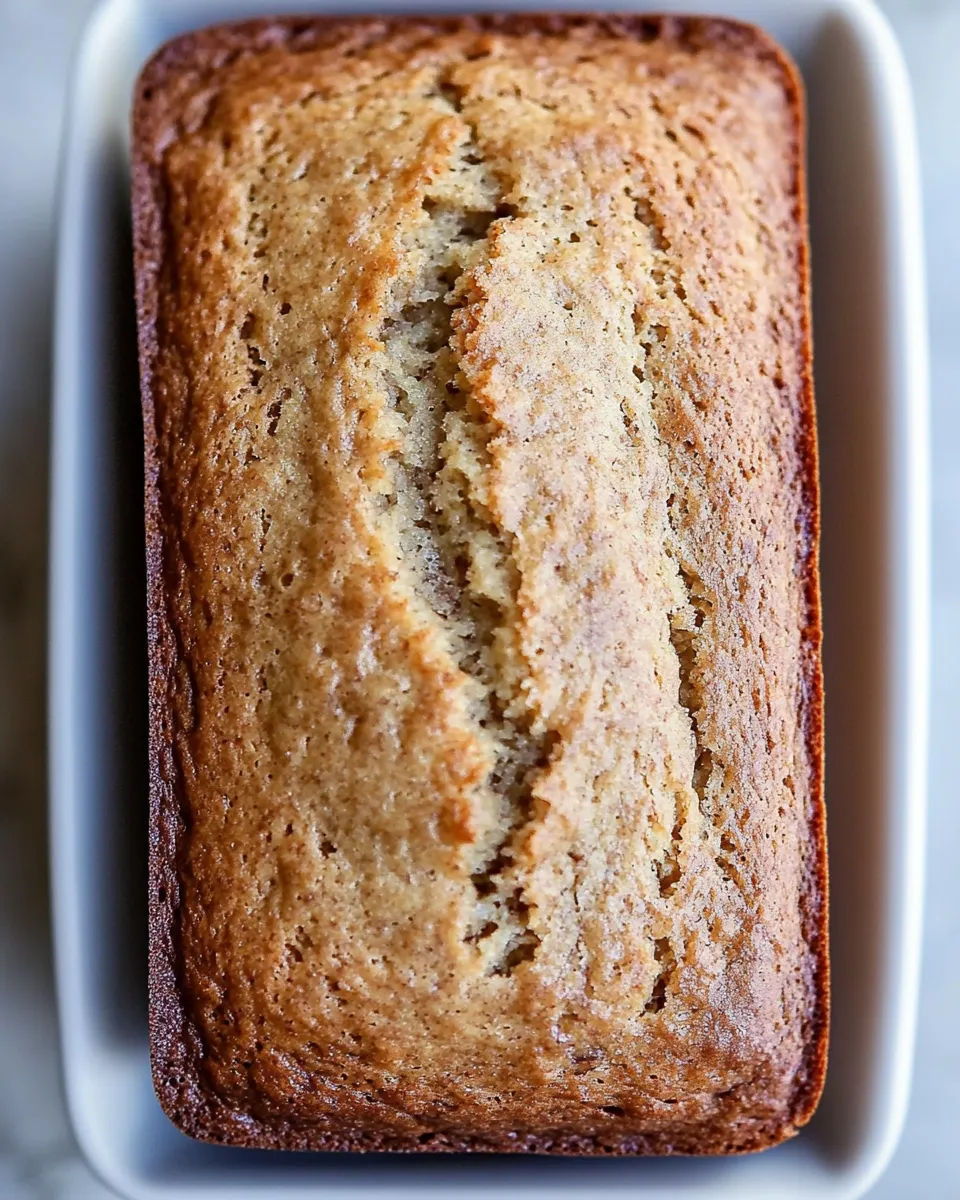
Macro Friendly Banana Bread
Ingredients
Equipment
Method
- Preheat oven to 350°F (175°C). Spray a loaf pan with nonstick cooking spray and line the bottom with parchment paper. (An 8.5 x 4.5 x 2.75 inch pan was used; if your pan is larger the bake time may be shorter, if smaller it may be longer.)
- In a large bowl, combine the wet ingredients: 6 tablespoons truvia, 1/4 cup granulated sugar, 5 tablespoons vegetable or canola oil, 3/4 cup mashed banana, 2 large egg whites (or 6 tablespoons liquid egg whites), 1 teaspoon vanilla, and 1/4 cup plain nonfat Greek yogurt. Stir until evenly combined and smooth.
- In a separate medium bowl, whisk together the dry ingredients: 1 1/2 cups all-purpose flour, 1/4 cup nonfat milk powder, 1/4 cup collagen peptides (2 scoops if using Vital Proteins), 1 teaspoon cinnamon, 1/4 teaspoon nutmeg, 1/2 teaspoon salt, 1/4 teaspoon salt, 1 teaspoon baking powder, and 1/2 teaspoon baking soda. Whisk until evenly distributed and any lumps are broken up.
- Add the dry ingredients to the wet ingredients. Stir with a spatula or spoon until just incorporated—do not overmix. Scrape the sides and bottom of the bowl to ensure no pockets of dry ingredients remain.
- Pour the batter into the prepared loaf pan and smooth the top with a spatula.
- Bake in the preheated oven for 45–55 minutes. Begin checking at 45 minutes. The bread is done when a toothpick inserted into the center comes out with a few moist crumbs (not wet batter) or the internal temperature reaches about 200°F (93°C).
- Remove the loaf from the oven and let it cool in the pan for at least 15 minutes. Then lift the loaf from the pan using the parchment and transfer to a wire rack to cool completely or mostly before slicing.
- Slice into 12 even pieces. Store any remaining banana bread in an airtight container for up to 3 days.
Notes
More accurate macros for this recipe (1 slice, 1/12th of loaf): 151 calories, 5.3g P/ 24.1g C/6.1g F.