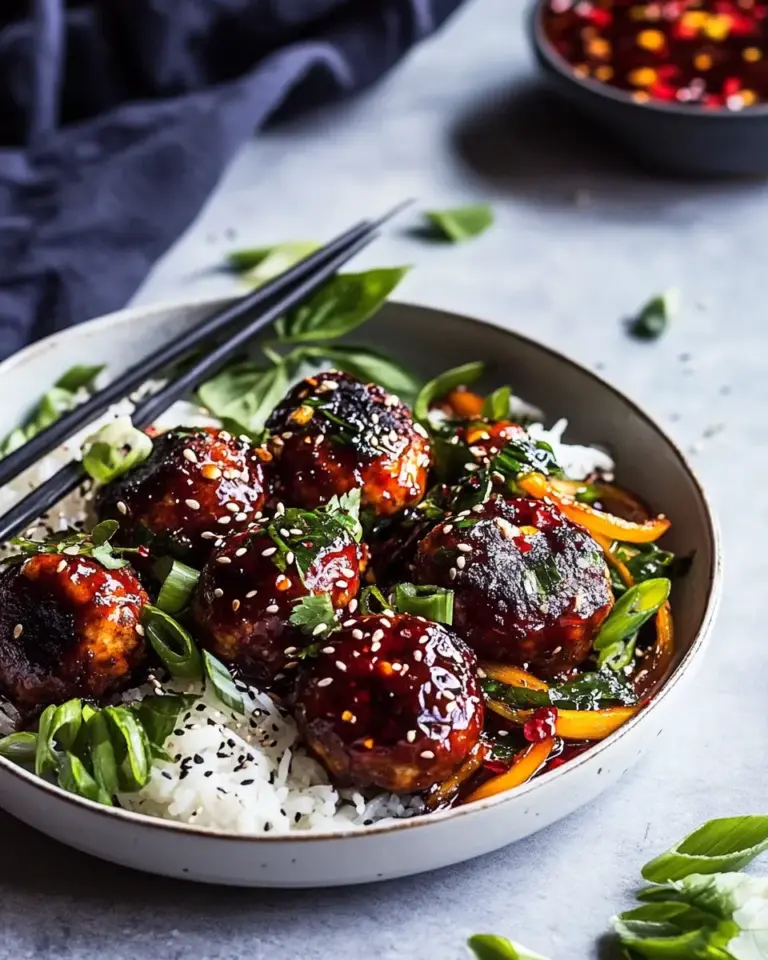
Mandarin Chicken
This Mandarin Chicken recipe is a weekday miracle: bright orange juice, savory soy, and a glossy cornstarch-thickened sauce wrap tender cubes of chicken in a flavor that feels special without fuss. I make this when I want something that hits sweet, tangy, and umami without spending hours in the kitchen. It comes together fast and cleans up faster, which is exactly how dinner should be on a busy night.
The technique is straightforward — brown the chicken, whisk a simple sauce, simmer until glossy — but the little details matter. Small choices about oil temperature, cubing size, and when to stir the sauce determine whether you get restaurant-style shine and a properly cooked piece of chicken or a pale, unevenly cooked pan of meat. I’ll walk you through those choices so you get consistent results.
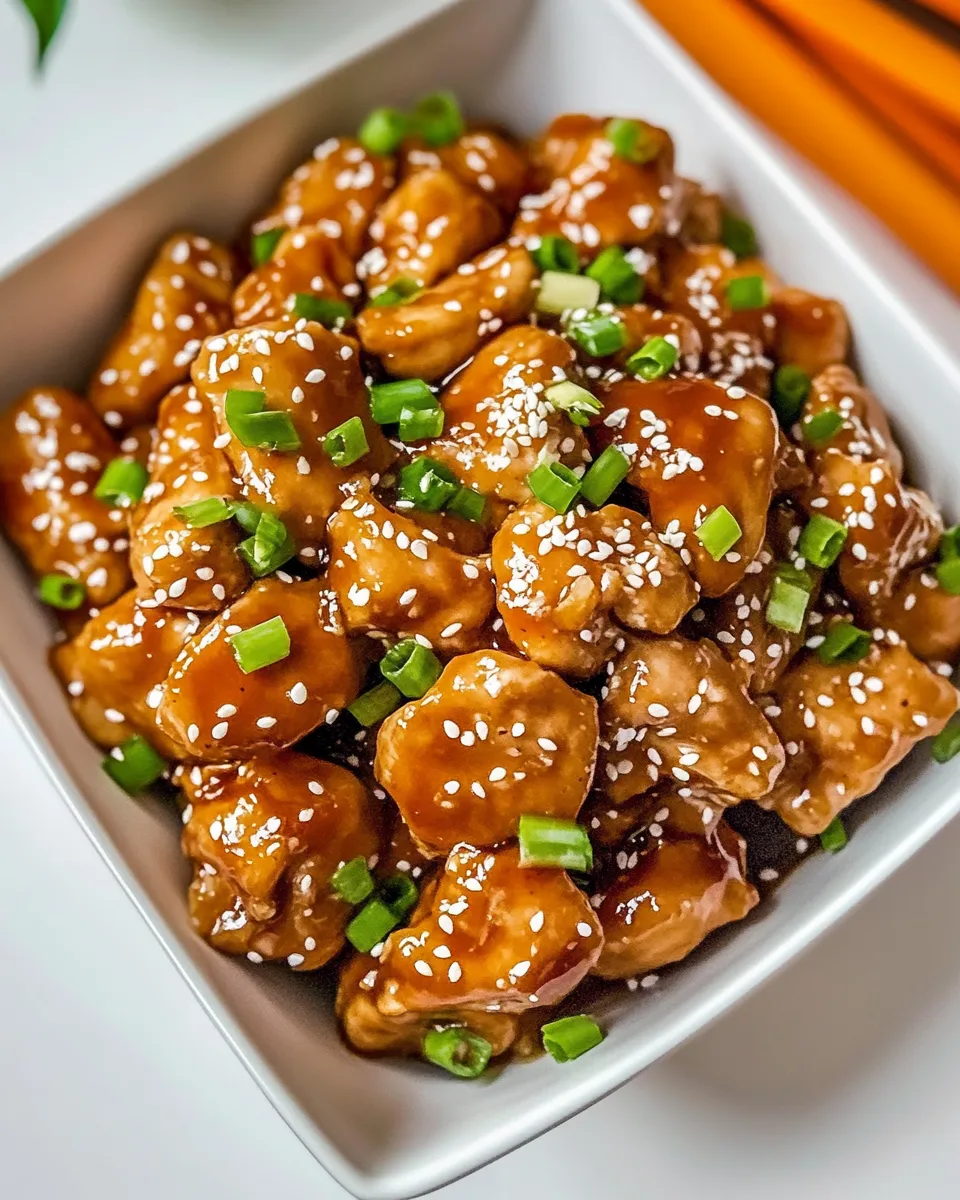
Serve this with steamed rice and crisp-steamed broccoli for a balanced plate. Finish with sliced green onions and sesame seeds for a contrast of color and texture that makes the dish feel composed and complete.
Ingredient Notes
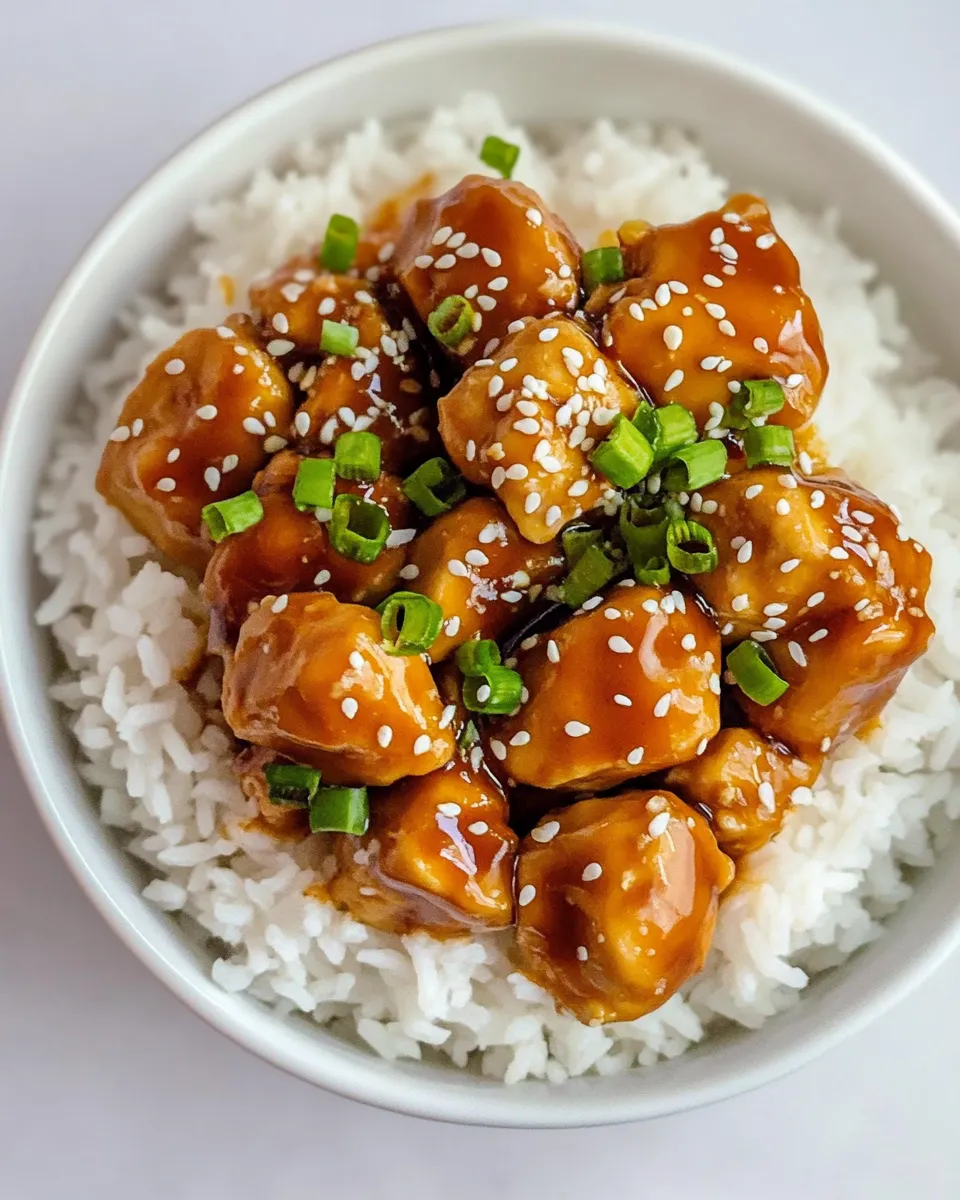
- 1½ pounds boneless, skinless chicken breasts (cubed*) — Use even-sized cubes so pieces cook through at the same rate; too large and the exterior will brown before the center is done.
- 1 tablespoon vegetable oil (**) — Neutral oil with a high smoke point so you can get a good sear on the chicken without burning.
- ⅓ cup orange juice (***) — Provides the citrus base for the sauce and its natural sweetness and acidity; use pulp-free for a smooth sauce.
- ¼ cup low-sodium soy sauce (****) — Anchors the sauce with salt and umami; low-sodium gives you better control so the dish doesn’t end up too salty.
- 2 tablespoons brown sugar — Balances the soy and orange with molasses notes; light or dark brown sugar both work here.
- 2 tablespoons water — Thins the sauce slightly and helps dissolve the cornstarch for a lump-free texture.
- 1½ tablespoons cornstarch — Thickens the sauce into that glossy finish that clings to chicken; whisk completely so the slurry is smooth.
- 2 cloves garlic (minced) — Fresh garlic gives a bright savory lift; mince fine so it distributes through the sauce.
- ½ teaspoon freshly grated ginger — Freshly grated is aromatic and gives a peppery warmth that pairs with orange; avoid powdered ginger if you can.
- ¼ teaspoon ground black pepper — Adds a gentle background heat; freshly cracked will be more fragrant.
- steamed rice — The neutral starch soaks up the sauce; jasmine or medium-grain are both good options.
- steamed broccoli — Bright, slightly crunchy, and nutritious; steam until tender-crisp so it holds its color and texture.
- sliced green onions — Fresh garnish that adds color and a mild oniony bite.
- sesame seeds — Toasted or plain, they give a toasted nuttiness and visual finish.
The Method for Mandarin Chicken
- In a medium bowl whisk together 1/3 cup orange juice, 1/4 cup low-sodium soy sauce, 2 tablespoons brown sugar, 2 tablespoons water, 1½ tablespoons cornstarch, 2 cloves minced garlic, 1/2 teaspoon freshly grated ginger, and 1/4 teaspoon ground black pepper until smooth and the cornstarch is fully dissolved.
- Heat 1 tablespoon vegetable oil in a wok or large skillet over medium-high heat until shimmering.
- Add 1½ pounds cubed boneless, skinless chicken breasts in a single layer (work in batches if needed to avoid overcrowding). Cook, turning or stirring occasionally, until the pieces are browned and mostly cooked through, about 2–3 minutes per side (4–6 minutes total depending on cube size).
- Pour the prepared sauce over the chicken and stir to coat all pieces.
- Bring the skillet contents to a low boil, then reduce the heat to low and simmer, stirring occasionally, for 5–8 minutes, until the sauce has thickened and the chicken is cooked through.
- Serve the mandarin chicken hot with steamed rice and steamed broccoli; garnish with sliced green onions and sesame seeds.
Why Mandarin Chicken is Worth Your Time
This dish is fast, forgiving, and crowd-pleasing. If you need a weeknight winner that feels slightly elevated yet demands minimal technique, Mandarin Chicken fits the bill. The sauce is bright from orange juice, savory from soy, and thickened just enough to cling to each bite of chicken — that balance is what makes it satisfying.
Beyond flavor, it’s versatile. The recipe scales well if you’re cooking for two or a group. It’s also an excellent candidate for meal prep: the flavors intensify slightly after a day in the fridge. Finally, it’s a good template to learn basic stir-frying skills — searing meat, deglazing with sauce, and finishing with a cornstarch slurry is a technique used across many quick Asian-style recipes.
Substitutions by Category
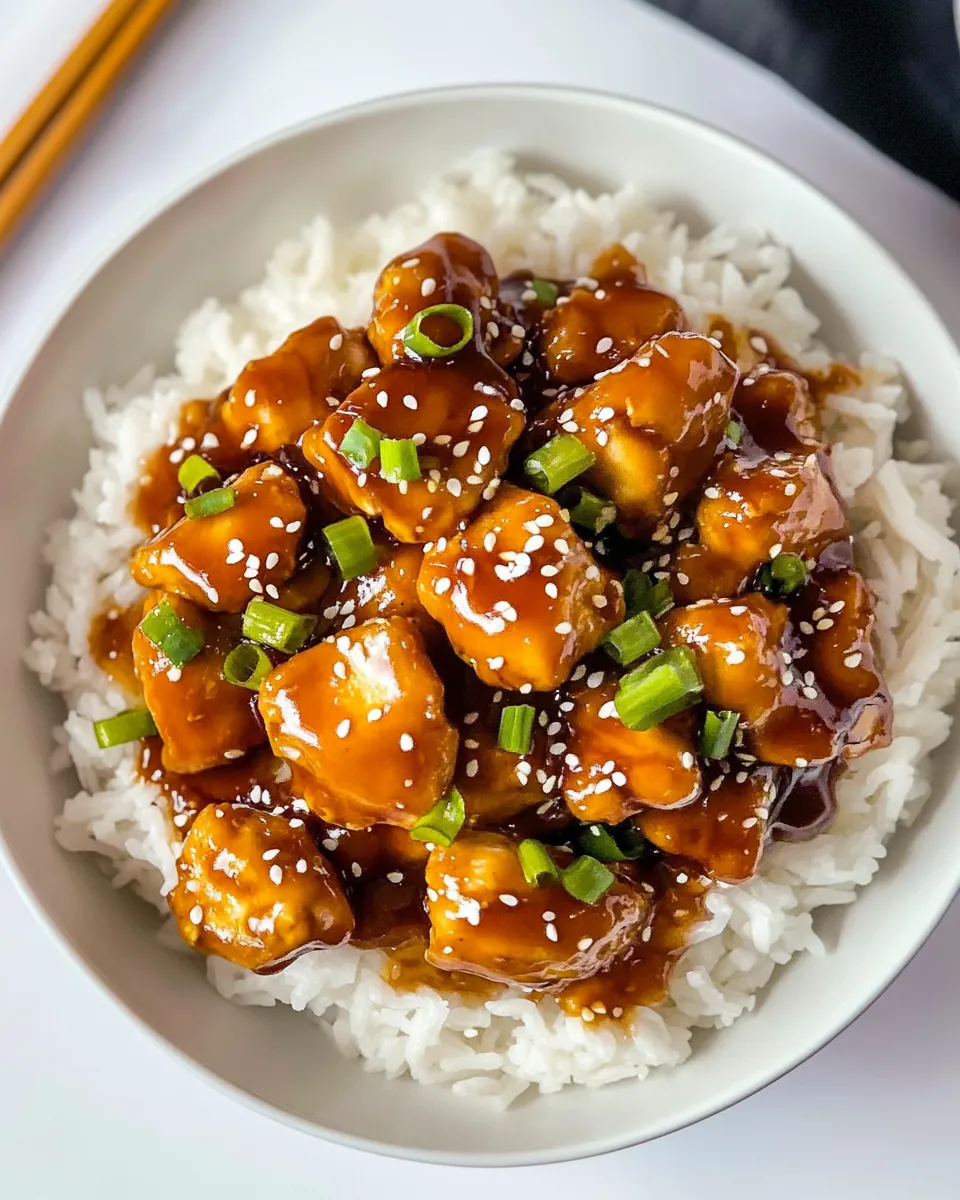
- Protein — Swap chicken breasts for boneless skinless thighs if you want slightly richer, more forgiving meat. Reduce initial sear time if pieces are larger.
- Sweetener — Brown sugar works well for depth; honey or maple syrup can be used if you prefer liquid sweeteners (add carefully and taste).
- Acid — Orange juice gives the classic flavor. For a punchier citrus note, a splash of fresh mandarin or orange zest can be added at the end.
- Thickener — Cornstarch is specified here for its glossy finish; arrowroot is a suitable 1:1 substitute if you prefer it.
- Soy sauce — Low-sodium is recommended, but regular soy sauce is okay if you reduce any extra salt elsewhere. Tamari is an option for a gluten-free swap.
- Sides — Steamed rice and broccoli are suggested; cauliflower rice and sautéed greens are easy low-carb alternatives.
Equipment & Tools
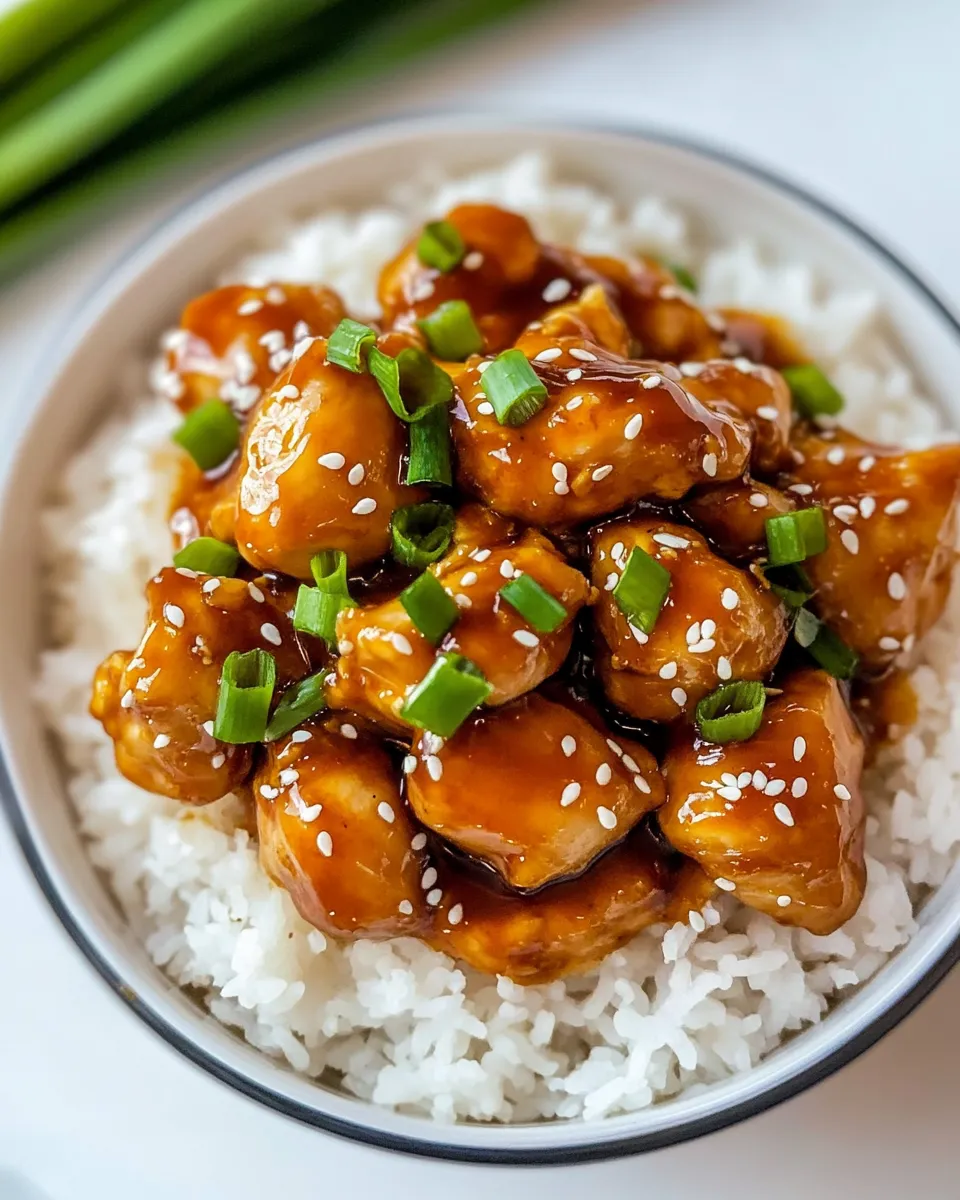
- Wok or large skillet — Provides the surface area to brown the chicken in a single layer.
- Medium mixing bowl — For whisking the sauce and fully dissolving the cornstarch.
- Whisk or fork — To make a smooth sauce slurry without lumps.
- Tongs or spatula — For turning chicken pieces without tearing them.
- Measuring cups and spoons — Accurate measurements are important for balance in fast sauces.
- Sharp knife and cutting board — For cubing the chicken uniformly.
Avoid These Traps
- Overcrowding the pan — If you add too much chicken at once the pieces steam instead of sear; work in batches if necessary.
- Undissolved cornstarch — If cornstarch isn’t fully dissolved in the liquid it will make a lumpy sauce; whisk until smooth and add gradually if needed.
- Too-high heat when adding the sauce — Bring the sauce to a low boil before reducing; a roaring boil can over-thicken or break the emulsion.
- Skipping the rest for sides — Serve immediately with rice and broccoli; the sauce thickens as it sits and can become tacky if left too long before plating.
- Using pre-grated garlic or ginger as a complete substitute — Freshly minced garlic and freshly grated ginger are recommended for the recipe’s bright flavor.
Customize for Your Needs
Make it spicier: add a pinch of crushed red pepper flakes to the sauce or a drizzle of Sriracha at the end. Make it lighter: use less oil for searing and serve over cauliflower rice. Make it gluten-free: use tamari instead of soy sauce and verify other condiments are gluten-free. For a vegetarian take, replace chicken with firm tofu — press and cube it, then pan-fry until golden before finishing with the sauce (be mindful tofu will be more delicate and absorb more sauce).
Cook’s Commentary
I love recipes that teach a technique as much as deliver a dinner. Mandarin Chicken is one of those comforting crossovers: it’s approachable yet lets you practice quick pan searing and sauce finishing. The most satisfying moment comes when the sauce transforms from thin and pale to glossy and clingy as it simmers; it’s a small kitchen magic trick.
Small personal tweaks I often use: a touch of orange zest at the end if I want a sharper citrus aroma, and a faster steam for the broccoli so it stays bright and snappy. If I plan ahead, I cube the chicken the night before and keep it chilled. That saves time and helps me get dinner on the table faster.
Meal Prep & Storage Notes
Store leftover Mandarin Chicken in an airtight container in the refrigerator for up to 3 days. Reheat gently on the stovetop over low heat with a splash of water or extra orange juice to loosen the sauce; microwave reheats work too but can tighten the sauce. For freezing, cool completely, then transfer to a freezer-safe container and freeze for up to 2 months. Thaw overnight in the refrigerator before reheating.
If you’re planning meals for the week, cook the chicken and sauce together and store rice and broccoli separately. That prevents the broccoli from overcooking and keeps rice from absorbing too much sauce and getting gummy.
Reader Q&A
Q: Can I use chicken thighs instead of breasts?
A: Yes. Boneless, skinless thighs are juicier and more forgiving. Expect slightly shorter searing time per side. Adjust to ensure pieces are fully cooked through.
Q: My sauce was lumpy — what went wrong?
A: Lumps usually mean the cornstarch wasn’t fully dissolved. Next time, whisk the cornstarch thoroughly into the liquid until smooth before adding to the pan. If lumps form while simmering, you can strain the sauce or blend briefly with an immersion blender.
Q: Can I make this ahead for a dinner party?
A: Yes. Make the sauce and chicken ahead, then reheat gently before serving. Keep garnishes (green onions, sesame seeds) fresh and add them just before plating.
That’s a Wrap
Mandarin Chicken is a dependable, bright, and speedy dish that becomes part of your regular dinner rotation once you get the hang of the simple technique. With a few pantry staples and minimal hands-on time, you get a saucy, glossy main that pairs with everyday sides and scales up nicely. Follow the steps, watch the pan temperature, and you’ll have a weeknight meal that tastes like you spent more effort than you actually did.
Make it your own with small swaps, but keep the basics: even chicken cubes, a smooth cornstarch slurry, and that simmer-to-thicken finish. Garnish with sliced green onions and sesame seeds for the final touch, and enjoy — this one’s worth repeating.
Mandarin Chicken
Ingredients
Equipment
Method
- In a medium bowl whisk together 1/3 cup orange juice, 1/4 cup low-sodium soy sauce, 2 tablespoons brown sugar, 2 tablespoons water, 1½ tablespoons cornstarch, 2 cloves minced garlic, 1/2 teaspoon freshly grated ginger, and 1/4 teaspoon ground black pepper until smooth and the cornstarch is fully dissolved.
- Heat 1 tablespoon vegetable oil in a wok or large skillet over medium-high heat until shimmering.
- Add 1½ pounds cubed boneless, skinless chicken breasts in a single layer (work in batches if needed to avoid overcrowding). Cook, turning or stirring occasionally, until the pieces are browned and mostly cooked through, about 2–3 minutes per side (4–6 minutes total depending on cube size).
- Pour the prepared sauce over the chicken and stir to coat all pieces.
- Bring the skillet contents to a low boil, then reduce the heat to low and simmer, stirring occasionally, for 5–8 minutes, until the sauce has thickened and the chicken is cooked through.
- Serve the mandarin chicken hot with steamed rice and steamed broccoli; garnish with sliced green onions and sesame seeds.
Notes
Feel free to adjust the sauce ingredients to your personal tastes.
To add some spice, try adding chili flakes or sriracha.
Take care not to overcook the sauce or it could become thick and gluey. It doesn’t need to simmer long.
Feel free to add stir-fry veggies to this dish! Depending on your chosen veggies, you may need to par-cook alone before combining with the chicken and sauce at the end to simmer. Broccoli, snap peas, bell peppers, and water chestnuts are good options.
Nutritional information does not include optional ingredients.