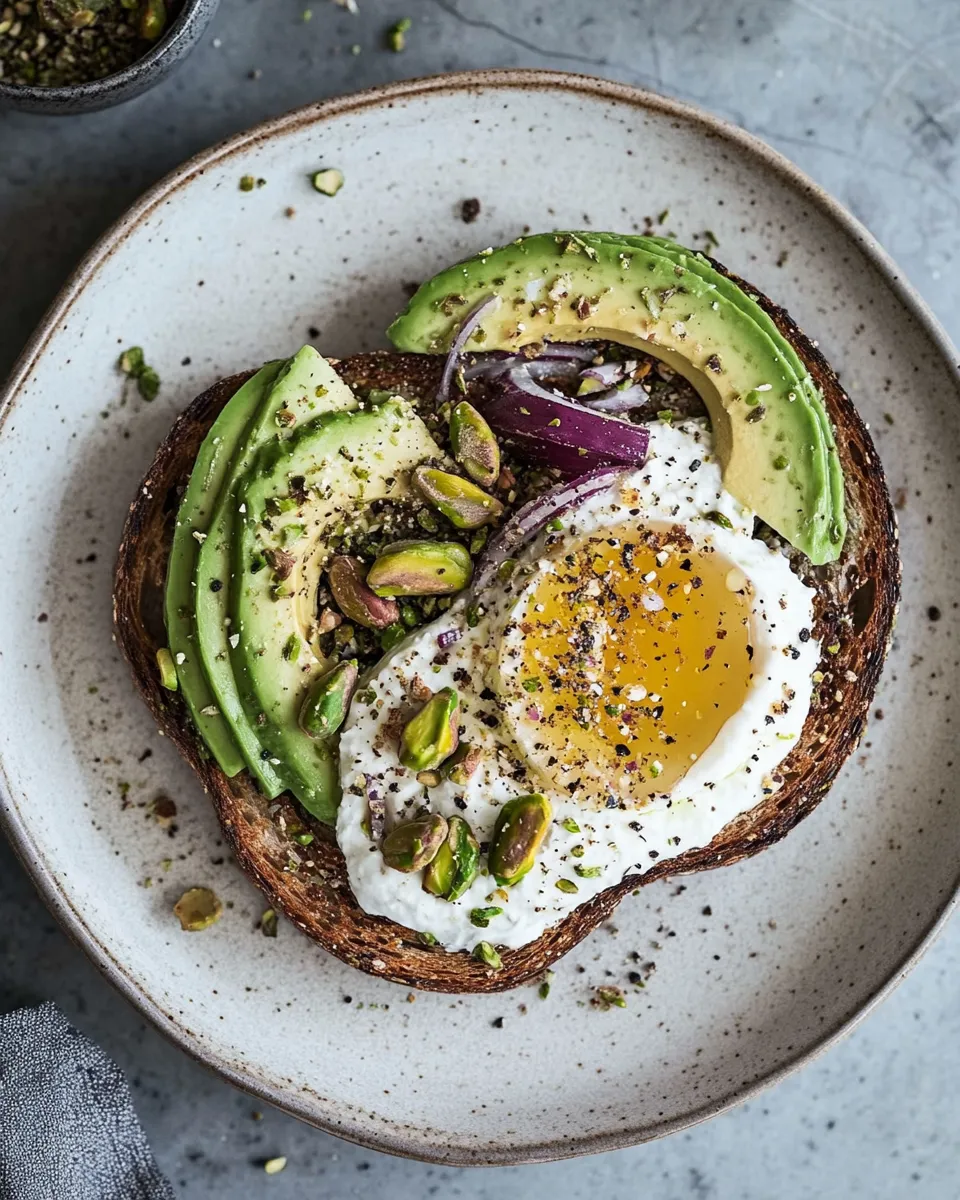
Mediterranean Inspired Avocado Toast with Pistachio Dukkah.
I write recipes that I actually cook on weekday mornings and weekend afternoons, and this one lands in both categories. It’s a bright, textured take on avocado toast — think crunchy pistachio dukkah, a hit of sun-dried tomato oil, olive-forward toppings, and a silky egg on top. The flavors are Mediterranean but the prep is straightforward, and it feels fancy without being fussy.
I love this toast because it comes together in small focused steps: toast and chop, toast and pulse, broil the bread, assemble. You get contrasts — crunchy dukkah, creamy avocado, briny kalamata, tangy lemon, salty feta — and the result feels complete, satisfying, and fresh. I keep a jar of homemade dukkah in my pantry from time to time for this exact purpose; it perks up so many simple breakfasts and snacks.
Below you’ll find the ingredient notes, exact step-by-step instructions, troubleshooting tips, and ways to shift the recipe with the seasons. Read through, then make it when you have 20–30 minutes. You’ll have a wonderfully textured, herb-forward toast that’s as at-home on a leisurely weekend as it is on a rushed morning when you need a proper bite.
What Goes In
- 1/2 cup raw pistachios — the base of the dukkah; toast until fragrant for crunch and flavor.
- 1/4 cup black or white sesame seeds — toasted for nutty depth and texture in the dukkah.
- 2 tablespoons cumin seeds or 2 teaspoons ground cumin — warm, earthy note; toast the seeds if using whole.
- 1 tablespoon coriander seeds or 1 teaspoon ground coriander — citrusy spice; toast whole seeds with sesame if using.
- 2 teaspoons dried oregano — herbaceous binder in the dukkah.
- salt + pepper to taste — seasoning for the dukkah and the finished toasts.
- 2 pieces crusty whole grain bread — sturdy slices that hold the toppings and char nicely under a broiler.
- 2 tablespoons sun-dried tomatoes packed in oil — chopped and spread over the toasts; reserve 1–2 tablespoons of the oil for brushing the bread.
- 2 tablespoons kalamata olives — roughly chopped; add briny balance across the toasts.
- 1 ripe avocado — pitted and sliced; the creamy centerpiece for layers of flavor.
- salt + pepper to taste — for seasoning the avocado and eggs.
- juice + zest from 1/2 lemon — bright acid for the avocado; zest adds aromatic lift.
- 1–2 poached or fried eggs — optional but recommended for richness; add on top just before serving.
- feta cheese — crumbled over the finished toasts for salty tang.
- large handful of micro greens + fresh herbs — finish for color, freshness, and peppery lift.
Mediterranean Inspired Avocado Toast with Pistachio Dukkah — Do This Next
- Prepare the sun-dried tomatoes: remove the 2 tablespoons sun-dried tomatoes from their jar, reserve 1–2 tablespoons of the oil, and roughly chop the tomatoes. Set both tomatoes and reserved oil aside.
- Make the dukkah — toast pistachios: heat a large skillet over medium heat. Add 1/2 cup raw pistachios and toast, stirring often, until fragrant and lightly browned, about 3–4 minutes. Transfer the pistachios to a plate or bowl.
- Toast seeds/spices for the dukkah: in the same skillet, add 1/4 cup sesame seeds (black or white) and toast, stirring, for 1–2 minutes until fragrant and lightly golden. If you are using cumin seeds and coriander seeds (rather than ground), add the 2 tablespoons cumin seeds and 1 tablespoon coriander seeds to the sesame seeds and toast together for 1–2 minutes. If you are using ground cumin and/or ground coriander, do not toast them — you will add them in the next step. Transfer toasted seeds to the plate with the pistachios and allow everything to cool 5 minutes.
- Pulse the dukkah: add the cooled pistachios, toasted sesame (and toasted cumin/coriander seeds, if used), 2 teaspoons dried oregano, and a pinch of salt and pepper to taste to a food processor or blender. If you are using 2 teaspoons ground cumin and/or 1 teaspoon ground coriander, add them now. Pulse briefly until the pistachios are finely chopped but not powdered. Taste and add more salt if needed. Transfer dukkah to an airtight container (it will keep at room temperature up to 1 month) and set aside.
- Preheat the broiler: position a rack 6–8 inches from the heating element and preheat the broiler to high.
- Prepare and broil the bread: brush both pieces of crusty whole grain bread with the reserved 1–2 tablespoons of sun-dried tomato oil and sprinkle lightly with salt. Place the bread on a baking sheet and broil 30 seconds to 1 minute, watching very closely, until the bread is golden and slightly charred at the edges. Remove from the oven.
- Assemble each toast — base toppings: divide the chopped sun-dried tomatoes (2 tablespoons total) evenly over the two toasts, then divide the 2 tablespoons roughly chopped kalamata olives evenly over the toasts.
- Add avocado and lemon: arrange the sliced avocado (from 1 ripe avocado) on the toasts. Drizzle the juice and sprinkle the zest from 1/2 lemon over the avocado. Season the avocado with salt and pepper to taste.
- Finish with dukkah, egg, feta, and greens: sprinkle the prepared dukkah over the avocado. Top with 1–2 poached or fried eggs (as desired). Season the eggs with salt and pepper to taste. Crumble feta over the toasts and finish with a large handful of microgreens and fresh herbs.
- Serve immediately.
Why It Works Every Time
This toast combines textural contrast and flavor balance, which is why it reliably satisfies. The pistachio dukkah offers toasted crunch and earthy richness; sesame seeds add a toasty background note that ties the mix together. Sun-dried tomato oil brushed on the bread brings savory depth and ensures the crust chars with more flavor than plain oil or butter.
Avocado contributes silkiness and mild fat to carry salty and acidic elements: kalamata olives and lemon juice play off the richness. The egg adds protein and a runny yolk acts as a glue that brings everything together on the plate. Finally, crumbled feta and fresh microgreens cut through the richness with salt and brightness, making each bite balanced.
No-Store Runs Needed
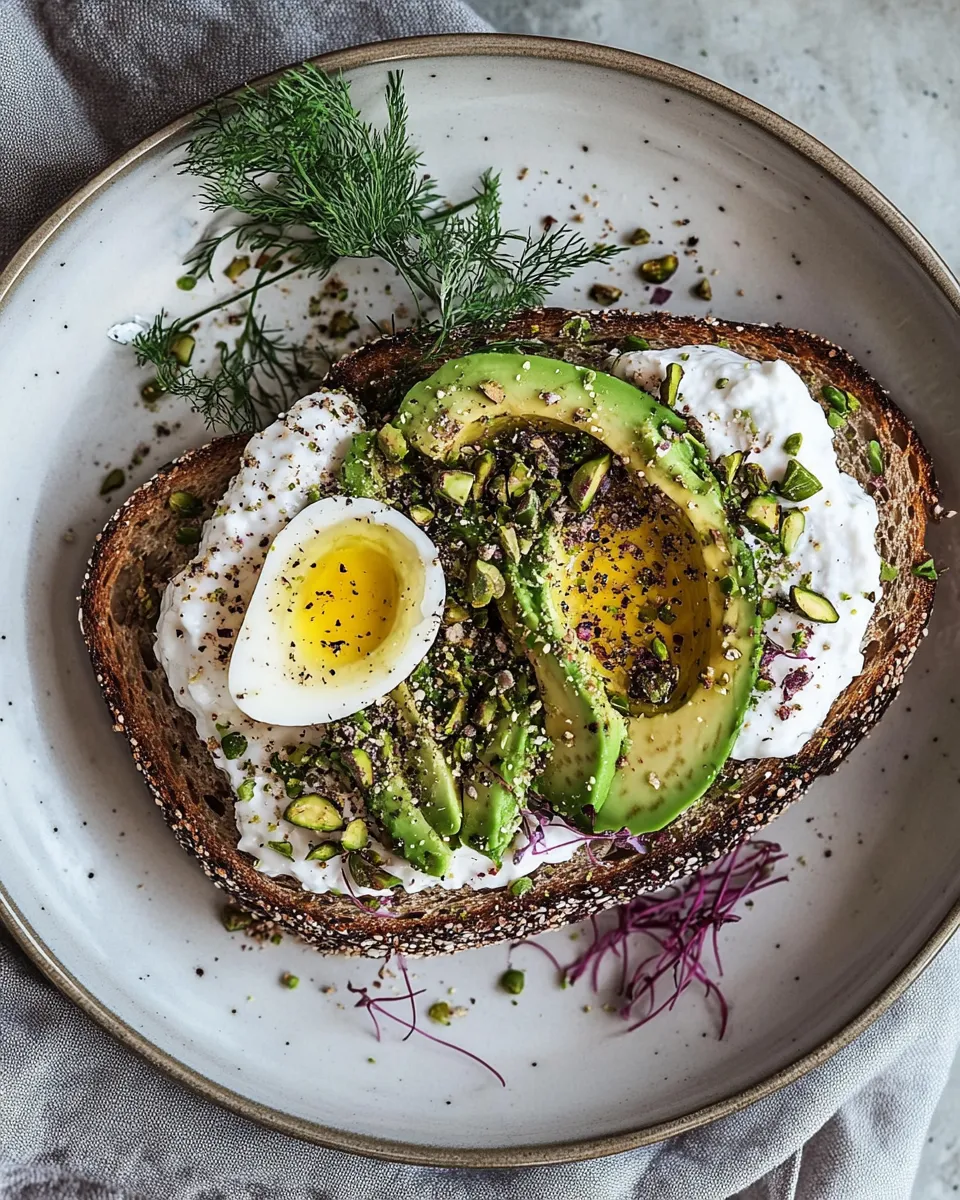
If you already keep basics like seeds, nuts, lemons, and a jar of sun-dried tomatoes in oil, this is a great pantry-forward recipe. Dukkah can be made ahead and stored at room temperature for up to a month, so batch-making it prevents future shopping trips. Use any sturdy bread you have on hand; the important thing is a good crust that chars under the broiler.
For the egg, you can swap poaching for a quick fry if you don’t have the time or equipment to poach. The toasted pistachios and sesame seeds are the only truly specialized components; otherwise this recipe uses standard pantry staples.
Tools of the Trade
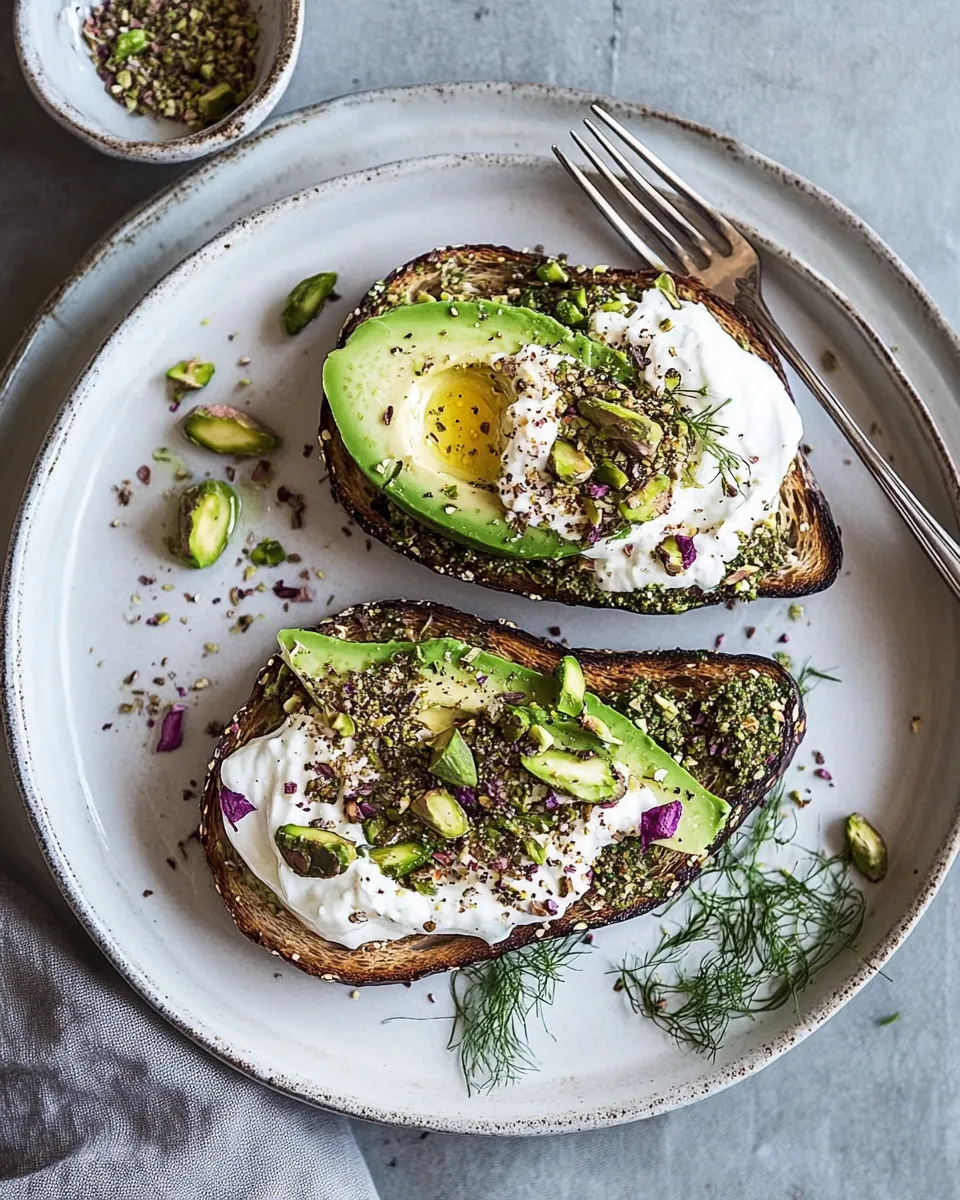
Keep the tool list simple. You’ll need a heavy skillet for toasting nuts and seeds, a food processor or small blender to pulse the dukkah, a baking sheet for broiling the bread, and a sharp knife for chopping sun-dried tomatoes and slicing avocado. A microplane is handy for lemon zest but optional. If you poach eggs often, a shallow saucepan and a slotted spoon are helpful.
Troubleshooting Tips
Dukkah and toasting
If your pistachios brown too quickly, lower the heat — nuts go from toasted to bitter fast. Toast seeds and nuts separately if your skillet runs hot. When pulsing the dukkah, stop before it becomes a powder. You want small, crunchy pieces that will give texture, not dust.
Bread and avocado
If the bread isn’t getting nicely charred under your broiler, move it closer to the heat but watch it constantly; 30 seconds to 1 minute can vary by oven. For under-ripe avocados, squeeze a touch more lemon to add acidity and help with flavor; a slightly underripe avocado will still soften with lemon and salt, but aim for ripe for best texture.
Egg issues
If the yolk cooks through before you assemble, lower poaching or frying time slightly. A runny yolk adds moisture and richness; if you prefer firmer eggs, cook to taste but add them just before serving to keep the toast from getting soggy.
Fresh Seasonal Changes
In spring and early summer, add a scattering of young arugula leaves underneath the microgreens for peppery lift. In late summer, a few thin slices of tomato (if you have ripe ones) can sit beneath the avocado for extra juiciness. In cooler months, switch herbs to sturdier parsley and dill to give a brighter finish against the richer components.
Small seasonal tweaks keep the toast feeling fresh: swap microgreens for baby basil in warm weather, or add thinly sliced radish for crunch in spring. The dukkah holds up to changes, so you can top it on soups, roasted vegetables, or grain bowls in different seasons.
Cook’s Notes
Do not overprocess the dukkah. Those little bits are the point. When measuring spices, stick to the amounts provided for a balanced mix; you can always add a pinch more salt after tasting. If your sun-dried tomato oil is very intense, use only 1 tablespoon to brush the bread — the goal is a fragrant, savory brush, not grease.
Make the dukkah ahead and store in an airtight jar; it keeps at room temperature up to 1 month and makes midweek breakfasts feel special. If you’re serving more people, double the dukkah quantities — it scales easily.
Leftovers & Meal Prep
Leftover toast should be eaten the same day; the avocado and bread textures degrade with time. The dukkah is the main make-ahead component: store it in a sealed jar at room temperature for up to one month, or longer in the fridge if you prefer. Pre-toast bread if you plan to assemble quickly, but add avocado, egg, and feta only at service time.
For meal prep, keep components separate: dukkah in a jar, sun-dried tomatoes with their oil in their jar, pre-toasted bread wrapped in a towel, and avocados whole until you’re ready. Poach or fry eggs fresh to preserve the yolk texture.
Common Questions
How long does the dukkah keep? The recipe notes it will keep at room temperature up to 1 month in an airtight container. If you live somewhere humid or warm, you can refrigerate it to extend shelf life slightly.
Can I make this without pistachios? The recipe centers on pistachios for flavor and color, but you can adapt the concept with other nuts you already have. Toast gently and pulse to the same texture as instructed.
Is the egg necessary? No. The egg adds richness and protein, but the toast is satisfying as a vegetarian option without it. If you skip the egg, consider adding more microgreens or a squeeze more lemon to lift the flavors.
Can I use a toaster instead of the broiler? Yes. A hot toaster or toaster oven will work, but brushing with sun-dried tomato oil beforehand is important to get the same flavor impact.
Next Steps
Once you’re comfortable with the method, double the dukkah and keep it handy. Try this flavor profile on warm grain bowls, roasted vegetables, or as a crust for baked fish. If you want to host, prepare dukkah in advance and set up a toast station: toasted bread, bowls of sun-dried tomatoes and olives, sliced avocado, eggs cooked to order, and a jar of dukkah to sprinkle. It’s an easy way to turn a simple recipe into a communal, impressive breakfast or brunch.
Make this toast when you want something that feels considered but doesn’t require a big grocery list. It brings the Mediterranean staples together into a breakfast that’s textured, bright, and reliably delicious.
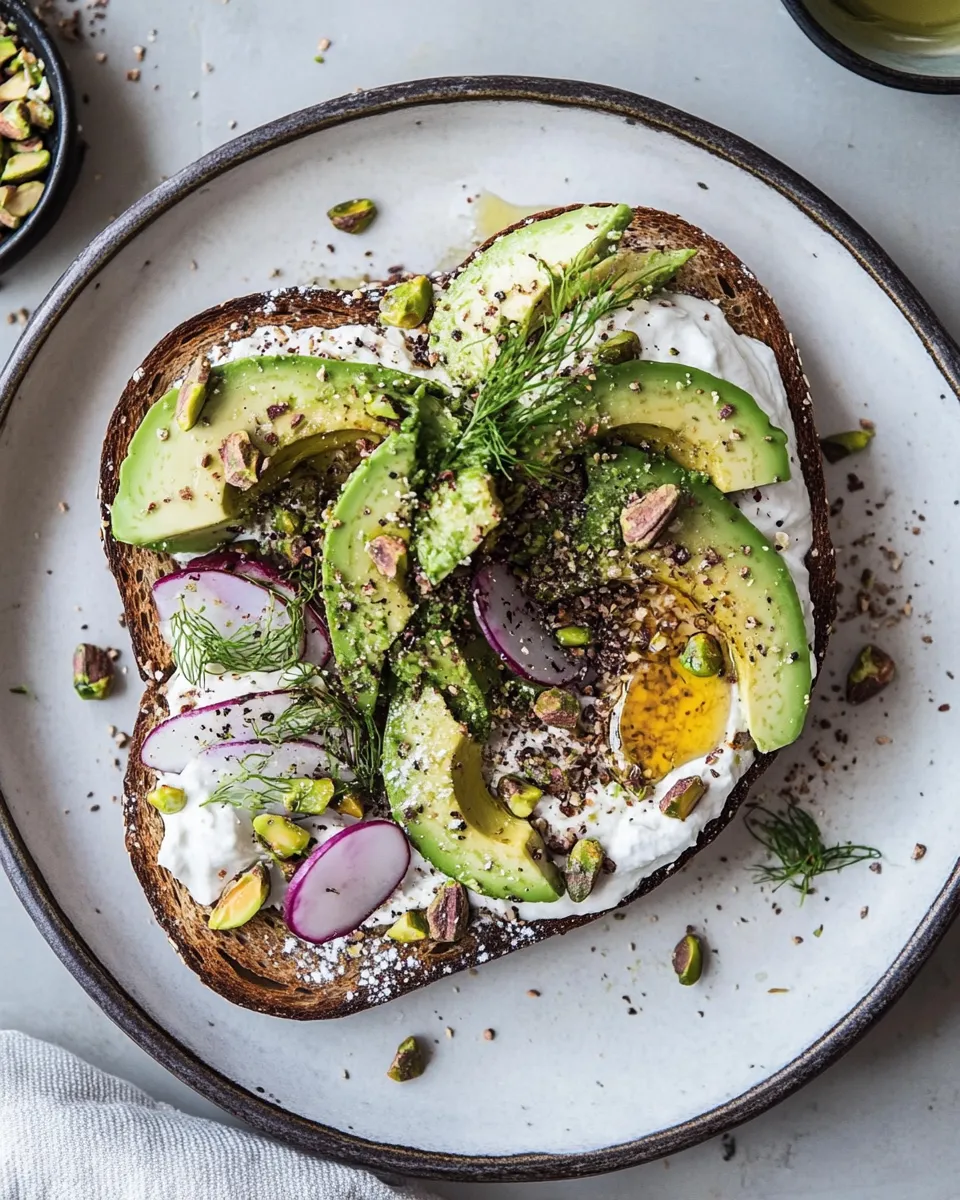
Mediterranean Inspired Avocado Toast with Pistachio Dukkah.
Ingredients
Equipment
Method
- Prepare the sun-dried tomatoes: remove the 2 tablespoons sun-dried tomatoes from their jar, reserve 1–2 tablespoons of the oil, and roughly chop the tomatoes. Set both tomatoes and reserved oil aside.
- Make the dukkah — toast pistachios: heat a large skillet over medium heat. Add 1/2 cup raw pistachios and toast, stirring often, until fragrant and lightly browned, about 3–4 minutes. Transfer the pistachios to a plate or bowl.
- Toast seeds/spices for the dukkah: in the same skillet, add 1/4 cup sesame seeds (black or white) and toast, stirring, for 1–2 minutes until fragrant and lightly golden. If you are using cumin seeds and coriander seeds (rather than ground), add the 2 tablespoons cumin seeds and 1 tablespoon coriander seeds to the sesame seeds and toast together for 1–2 minutes. If you are using ground cumin and/or ground coriander, do not toast them — you will add them in the next step. Transfer toasted seeds to the plate with the pistachios and allow everything to cool 5 minutes.
- Pulse the dukkah: add the cooled pistachios, toasted sesame (and toasted cumin/coriander seeds, if used), 2 teaspoons dried oregano, and a pinch of salt and pepper to taste to a food processor or blender. If you are using 2 teaspoons ground cumin and/or 1 teaspoon ground coriander, add them now. Pulse briefly until the pistachios are finely chopped but not powdered. Taste and add more salt if needed. Transfer dukkah to an airtight container (it will keep at room temperature up to 1 month) and set aside.
- Preheat the broiler: position a rack 6–8 inches from the heating element and preheat the broiler to high.
- Prepare and broil the bread: brush both pieces of crusty whole grain bread with the reserved 1–2 tablespoons of sun-dried tomato oil and sprinkle lightly with salt. Place the bread on a baking sheet and broil 30 seconds to 1 minute, watching very closely, until the bread is golden and slightly charred at the edges. Remove from the oven.
- Assemble each toast — base toppings: divide the chopped sun-dried tomatoes (2 tablespoons total) evenly over the two toasts, then divide the 2 tablespoons roughly chopped kalamata olives evenly over the toasts.
- Add avocado and lemon: arrange the sliced avocado (from 1 ripe avocado) on the toasts. Drizzle the juice and sprinkle the zest from 1/2 lemon over the avocado. Season the avocado with salt and pepper to taste.
- Finish with dukkah, egg, feta, and greens: sprinkle the prepared dukkah over the avocado. Top with 1–2 poached or fried eggs (as desired). Season the eggs with salt and pepper to taste. Crumble feta over the toasts and finish with a large handful of microgreens and fresh herbs.
- Serve immediately.