
Moro de Habichuelas (Rice and Beans)
This is the Moro I grew up eating: bold, comforting, and simple enough to make any weeknight feel like a small celebration. It’s a one-pot Dominican classic where rice cooks with seasoned red beans until every grain soaks up that savory, herb-scented broth. You’ll notice bright notes from cilantro and garlic, an earthy base from thyme and oregano, and a faint tomato depth that ties it all together.
I like to keep this recipe honest and hands-on. There’s a little attentive simmering at the beginning so the rice doesn’t clump, then patience during the final steam — that’s where the texture develops. The ingredients are straightforward, and the technique is repeatable: prep, sauté, boil, add rice, and finish with a gentle rest. The result is a pot of rice that’s flavorful through and through, with beans dispersed evenly.
The Essentials
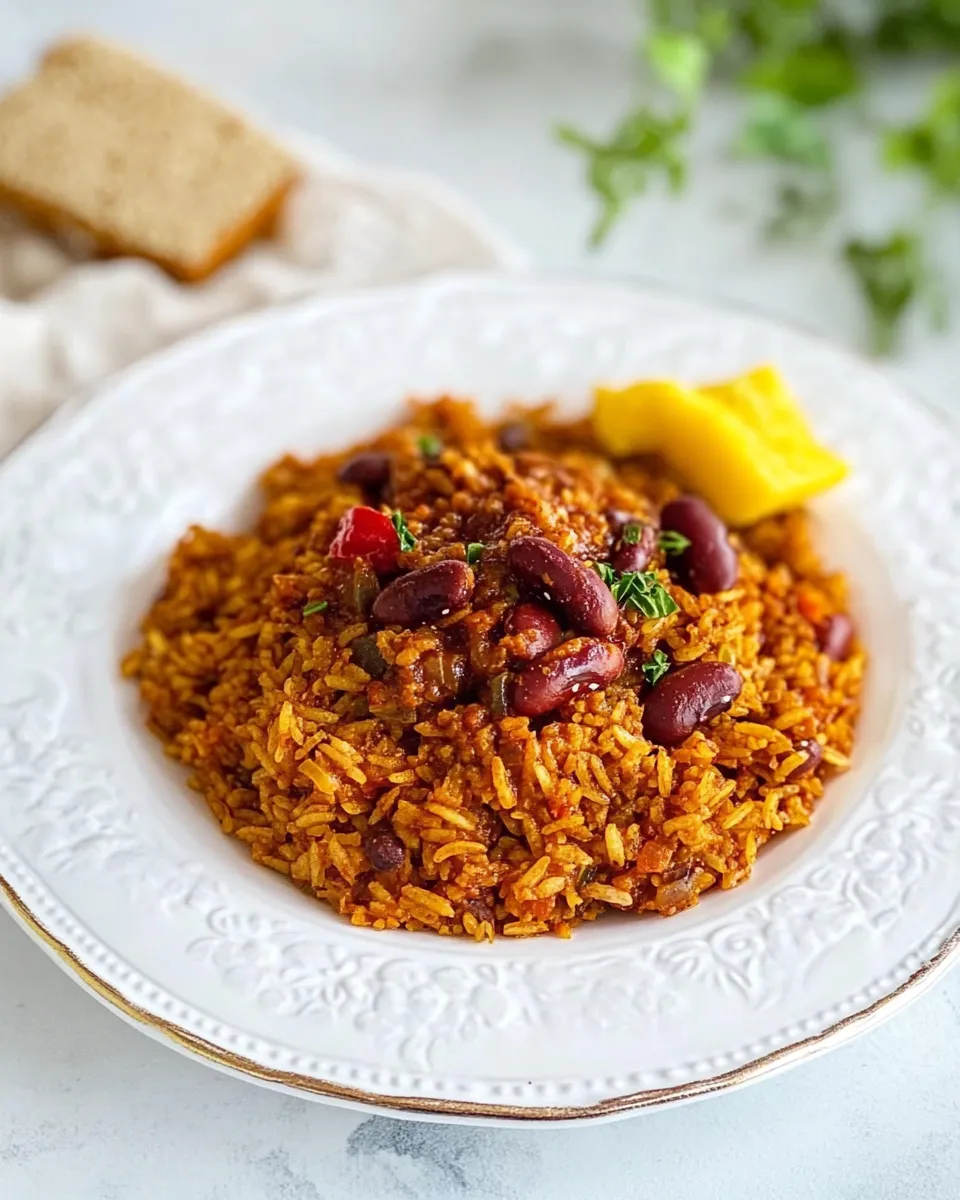
Moro de Habichuelas is rice cooked with pre-boiled or canned red kidney beans and their cooking liquid, plus aromatics. The recipe depends on a heavy pot and steady, low heat to build flavor and prevent scorching. Key flavor players are cilantro, mashed garlic, thyme (dried or fresh), and a small amount of tomato—either paste or sauce—to add body and color.
Technique notes at a glance: start by softening the aromatics in oil, build the bean-broth, and stir the rice only briefly before lowering the heat to simmer slowly. Finish with a drizzle of oil and a brief rest to separate the grains. Little steps — like keeping the heat genuinely low during the final stage and stirring gently when adding the finishing oil — make a big difference.
Ingredients
- 5 tablespoons vegetable oil (I prefer olive oil), divided — used for the initial sauté and the finishing drizzle that helps separate grains.
- 1 tablespoon chopped cilantro — bright herb note; stir in at the start for flavor integration.
- 1 tablespoon mashed garlic — aromatic base; mash to release more flavor quickly.
- ½ teaspoon dry thyme leaves, or 3 sprigs of fresh thyme — adds subtle earthiness; fresh or dried both work.
- ¼ cup chopped celery — gives a faint crunch and savory backbone when sautéed.
- ⅛ cup pitted green olives, sliced (optional) — salty, briny accent; leave out if you don’t like olives.
- 1 teaspoon oregano (dry, ground) — herbaceous depth; pairs with thyme and cilantro.
- 1 cubanela (cubanelle pepper), diced (or green bell pepper) — mild sweetness and texture; green bell is an acceptable swap.
- ⅛ cup capers, (optional) — extra briney pop; optional and potent—use sparingly.
- 2 tablespoons tomato paste, or a cup of tomato sauce — concentration of tomato flavor; paste gives depth, sauce gives body.
- 2 cups boiled red kidney beans, or canned — the beans themselves; either pre-boiled or canned are fine (include their liquid if using canned).
- 2 teaspoons salt, (or more, to taste) — baseline seasoning; remember rice absorbs salt, so taste the broth before adding more.
- 4 cups rice, long grain rice, Carolina — the structural backbone; long-grain Carolina rice yields separate, tender grains.
Moro de Habichuelas (Rice and Beans) in Steps
- Prep all ingredients: chop cilantro and celery, mash garlic, dice the cubanelle (or green bell) pepper, slice olives (if using), measure thyme (½ tsp dried or 3 sprigs fresh), oregano, capers (if using), tomato paste (or 1 cup tomato sauce), beans, salt, rice, and measure the oil (5 tablespoons total).
- Heat a heavy pot (cast aluminum or cast iron preferred) over low heat. Add half the oil (2 1/2 tablespoons).
- Add the chopped cilantro, mashed garlic, thyme (dried or fresh), chopped celery, sliced olives (optional), oregano, diced cubanelle pepper, and capers (optional). Sauté, stirring, about 1 minute or until the ingredients become fragrant.
- Stir in the tomato paste (2 tablespoons) or the 1 cup tomato sauce until evenly distributed.
- Add the 2 cups boiled (or canned) red kidney beans and the 2 teaspoons salt. Stir and heat the mixture through.
- Pour in 5 cups water and increase heat to bring the pot to a rolling boil. Taste the broth and adjust salt if needed (the recipe calls for 2 teaspoons as a baseline; you may add more to taste, keeping in mind the rice will absorb salt).
- Once the liquid is boiling, stir in the 4 cups long-grain rice. Stir once to distribute and prevent clumping.
- Reduce the heat to maintain a gentle simmer and stir frequently for the next few minutes to prevent excessive sticking; use a spatula to gently loosen and remove any rice that sticks to the bottom.
- When most of the surface water has evaporated (the pot is no longer loose and you see the top of the rice), cover the pot with a tight-fitting lid and reduce heat to very low. Simmer undisturbed for 15 minutes.
- After 15 minutes, uncover and drizzle the remaining oil (2 1/2 tablespoons) over the rice. Gently stir to combine and loosen the rice.
- Cover again and let sit on very low heat for 5 minutes.
- Check the rice: it should be firm but tender inside. If it needs a bit more cooking, cover and leave another 5 minutes over very low heat. If the rice appears too dry before the inside is done, add 1/4 cup boiling water, stir gently, then cover and continue cooking.
- Remove the pot from heat. Fluff gently with a fork and serve.
Reasons to Love Moro de Habichuelas (Rice and Beans)

- One-pot comfort: everything cooks together, which makes clean-up easier and flavors more integrated.
- Flexible components: olives, capers, and tomato can be dialed up or down to suit your taste.
- Great make-ahead and reheat meal: the flavors deepen after a day in the fridge.
- Familiar pantry ingredients: rice and canned beans are accessible and inexpensive staples.
- Balanced texture: creamy beans and separate rice grains create a satisfying mouthfeel.
Texture-Safe Substitutions

- Rice: this recipe calls for long-grain Carolina rice. If you only have other long-grain varieties, they’ll work, but cooking times and liquid absorption may vary slightly—watch the texture during the final steam.
- Beans: use boiled red kidney beans or canned red kidney beans (the recipe explicitly allows both).
- Tomato: use 2 tablespoons tomato paste or substitute the 1 cup tomato sauce option noted in the ingredients list—both are included in the recipe as acceptable choices.
- Pepper: cubanelle is listed; green bell pepper is an acceptable swap per the ingredient list.
- Thyme: either ½ teaspoon dried thyme or 3 sprigs fresh thyme, as stated in the recipe.
Gear Checklist
- Heavy pot (cast aluminum, cast iron, or heavy-bottomed saucepan) with a tight-fitting lid — essential for even heat and good steaming.
- Measuring cups and spoons — for accurate rice/water proportions and salt.
- Wooden spoon or spatula — for stirring and gently loosening rice from the bottom.
- Fork — for fluffing the rice at the end.
- Knife and cutting board — for chopping cilantro, celery, pepper, and olives.
Things That Go Wrong
- Rice sticking or burning on the bottom: usually caused by too-high heat. Fix by reducing to very low and gently loosening stuck grains with a spatula during the initial simmer. A heavy pot and low heat are your prevention tools.
- Rice undercooked in the center: happens when surface water disappears but interior grains haven’t steamed enough. Add 1/4 cup boiling water, cover, and give another 5 minutes on very low heat as instructed.
- Too-salty final dish: taste the broth before adding rice (the recipe gives 2 teaspoons as a baseline). If using salty canned beans, rinse them or reduce added salt accordingly.
- Mushy rice: excessive stirring after adding rice breaks grains and releases starch. Stir only once to distribute, then let it simmer undisturbed as directed.
Spring to Winter: Ideas
- Spring/Summer: serve Moro de Habichuelas with a bright avocado and tomato salad, or a side of crisp cucumber and lime to lighten the meal.
- Fall: pair it with roasted sweet plantains or caramelized onions to add warmth and sweetness.
- Winter: enjoy it alongside a braised meat or stew, or top with shredded rotisserie chicken to make it heartier.
Notes on Ingredients
The recipe is purposefully specific about a few items. Long-grain Carolina rice yields separate, tender grains; short-grain will give a stickier result. Using boiled beans (from dried) or canned red kidney beans is allowed—if you use canned, be mindful of the sodium and taste the broth before adding the full 2 teaspoons of salt. Tomato paste concentrates flavor and color, while a cup of tomato sauce will thin the mixture slightly and deliver more tomato body; both are acceptable per the ingredient list.
Olives and capers are optional but they add bright, briny notes that contrast the earthiness of the beans. If you’re serving picky eaters, leave those out or add them on the side.
How to Store & Reheat
Refrigerator
Cool Moro to room temperature within two hours, then transfer to an airtight container. It will keep well in the fridge for 3–4 days.
Freezer
Portion into freezer-safe containers. Moro freezes well for up to 2 months. Thaw in the fridge overnight before reheating.
Reheating
- Stovetop: reheat gently in a heavy skillet or pot with a splash of water or oil over medium-low heat, stirring occasionally until heated through.
- Microwave: place in a microwave-safe dish, sprinkle a few tablespoons of water over the rice, cover loosely, and heat in 60–90 second bursts, fluffing between intervals.
Your Top Questions
- Can I use canned beans? Yes. The recipe explicitly allows boiled or canned red kidney beans. If using canned, rinse if you want to reduce sodium, and taste the broth before adding the full 2 teaspoons of salt.
- What if my rice is clumpy? A final drizzle of the remaining oil and gentle stirring (as the recipe instructs) will help separate grains. Use a fork to fluff and avoid over-stirring.
- Can I make this in a rice cooker? This recipe relies on browning aromatics and bringing the bean-broth to a boil in a heavy pot; you could transfer the broth and rice to a rice cooker after the boiling step, but you’d lose some control over the finishing steam. If you try this, monitor water ratios carefully.
- Is the tomato necessary? It’s in the ingredient list as either 2 tablespoons tomato paste or 1 cup tomato sauce. It adds depth and color; if you skip it, the dish will be less rounded but still workable.
Final Bite
Moro de Habichuelas is forgiving, soulful, and perfect for feeding a family or a small crowd. Focus on the aromatics at the start, respect the low heat during the final steam, and resist the urge to over-stir. Little choices—olive or vegetable oil, olives or no olives, paste or sauce—let you make it your own without changing the core method. Cook it once and you’ll see why it’s such a beloved weeknight staple.
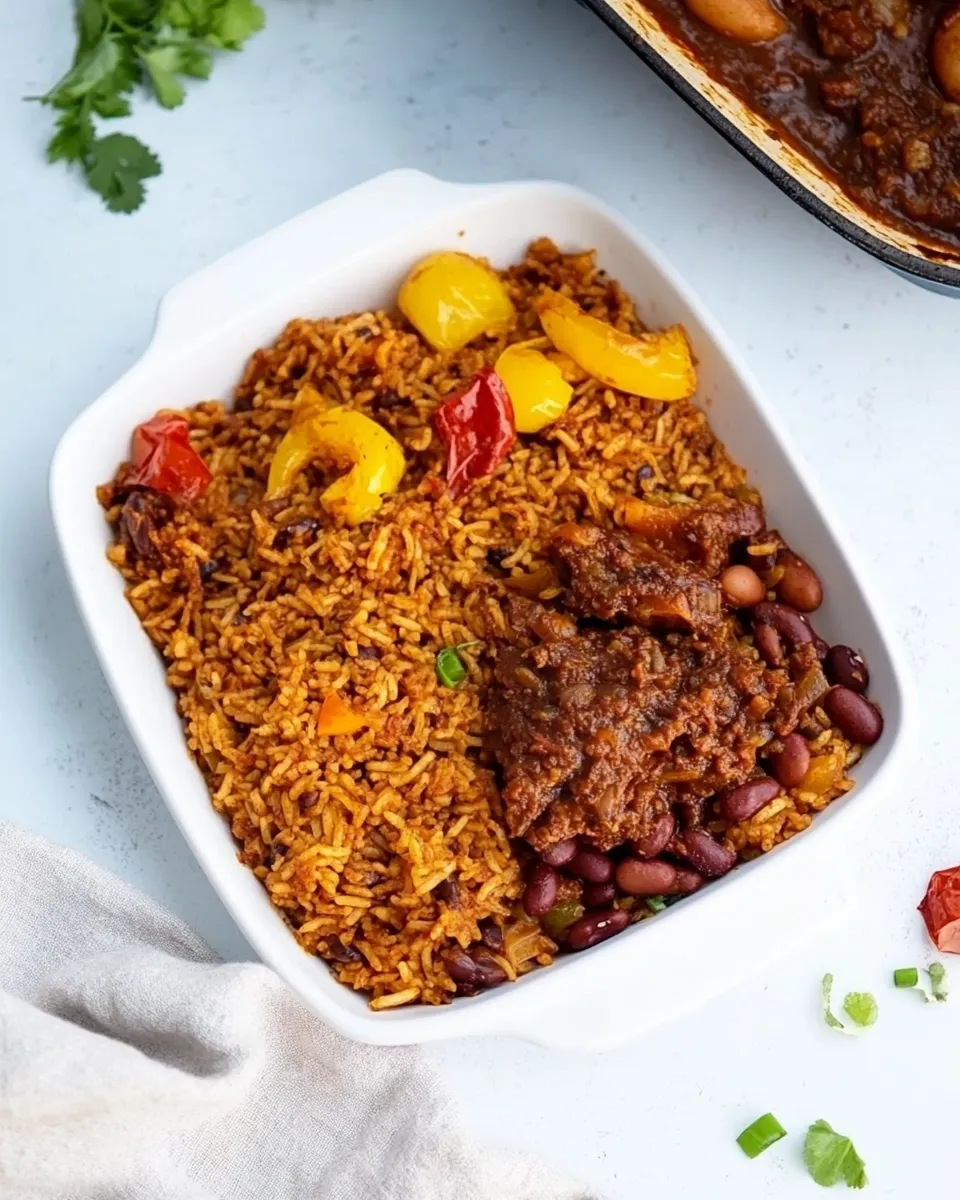
Moro de Habichuelas (Rice and Beans)
Ingredients
Equipment
Method
- Prep all ingredients: chop cilantro and celery, mash garlic, dice the cubanelle (or green bell) pepper, slice olives (if using), measure thyme (½ tsp dried or 3 sprigs fresh), oregano, capers (if using), tomato paste (or 1 cup tomato sauce), beans, salt, rice, and measure the oil (5 tablespoons total).
- Heat a heavy pot (cast aluminum or cast iron preferred) over low heat. Add half the oil (2 1/2 tablespoons).
- Add the chopped cilantro, mashed garlic, thyme (dried or fresh), chopped celery, sliced olives (optional), oregano, diced cubanelle pepper, and capers (optional). Sauté, stirring, about 1 minute or until the ingredients become fragrant.
- Stir in the tomato paste (2 tablespoons) or the 1 cup tomato sauce until evenly distributed.
- Add the 2 cups boiled (or canned) red kidney beans and the 2 teaspoons salt. Stir and heat the mixture through.
- Pour in 5 cups water and increase heat to bring the pot to a rolling boil. Taste the broth and adjust salt if needed (the recipe calls for 2 teaspoons as a baseline; you may add more to taste, keeping in mind the rice will absorb salt).
- Once the liquid is boiling, stir in the 4 cups long-grain rice. Stir once to distribute and prevent clumping.
- Reduce the heat to maintain a gentle simmer and stir frequently for the next few minutes to prevent excessive sticking; use a spatula to gently loosen and remove any rice that sticks to the bottom.
- When most of the surface water has evaporated (the pot is no longer loose and you see the top of the rice), cover the pot with a tight-fitting lid and reduce heat to very low. Simmer undisturbed for 15 minutes.
- After 15 minutes, uncover and drizzle the remaining oil (2 1/2 tablespoons) over the rice. Gently stir to combine and loosen the rice.
- Cover again and let sit on very low heat for 5 minutes.
- Check the rice: it should be firm but tender inside. If it needs a bit more cooking, cover and leave another 5 minutes over very low heat. If the rice appears too dry before the inside is done, add 1/4 cup boiling water, stir gently, then cover and continue cooking.
- Remove the pot from heat. Fluff gently with a fork and serve.
Notes
If you boil the beans yourself, use the water in which they boiled in place of (or partially) the 5 cups of water called for in the recipe.
If you use canned beans, throw away the liquid in which they came in the can and use fresh water. The liquid in the can is loaded with sodium and doesn't taste very well.