New York Cheesecake
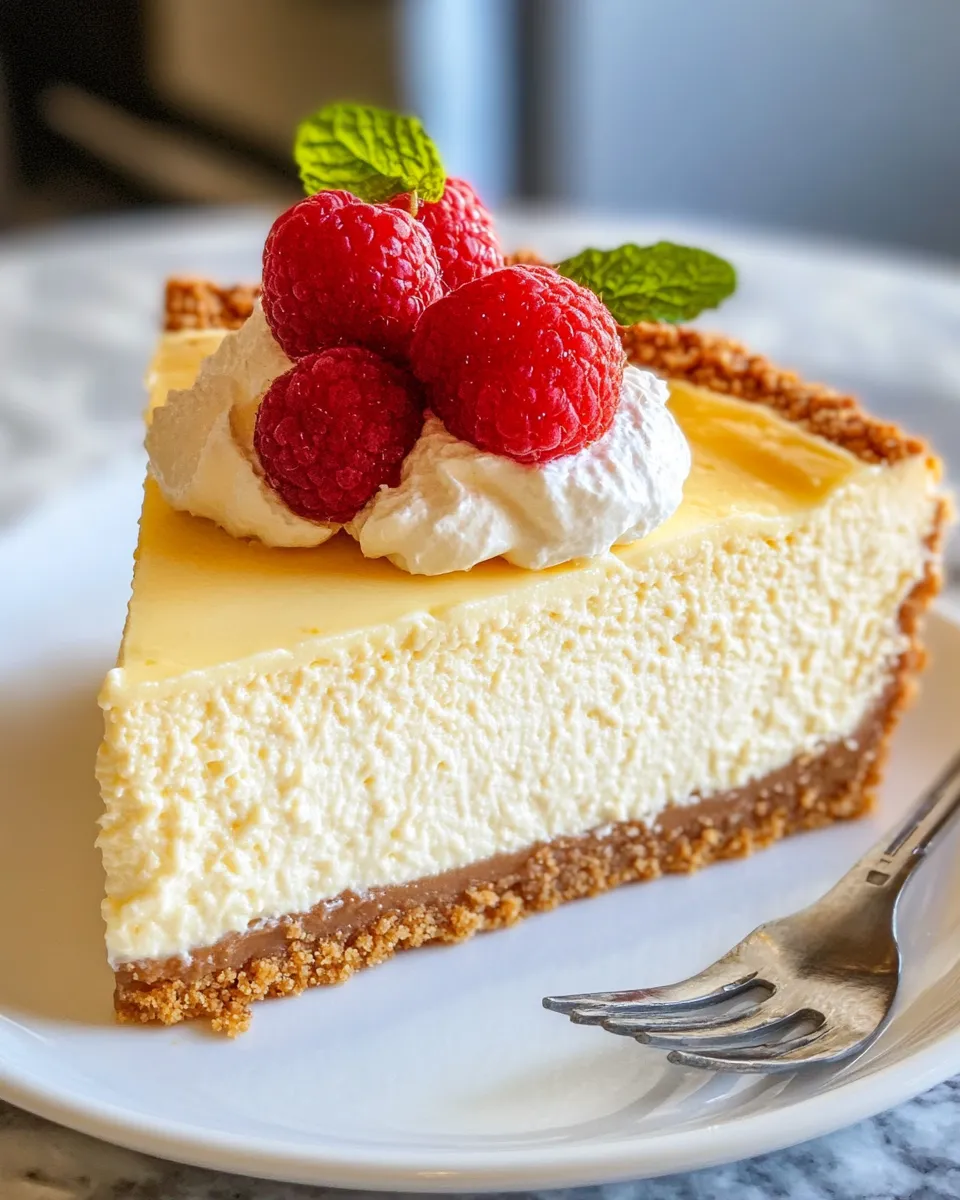
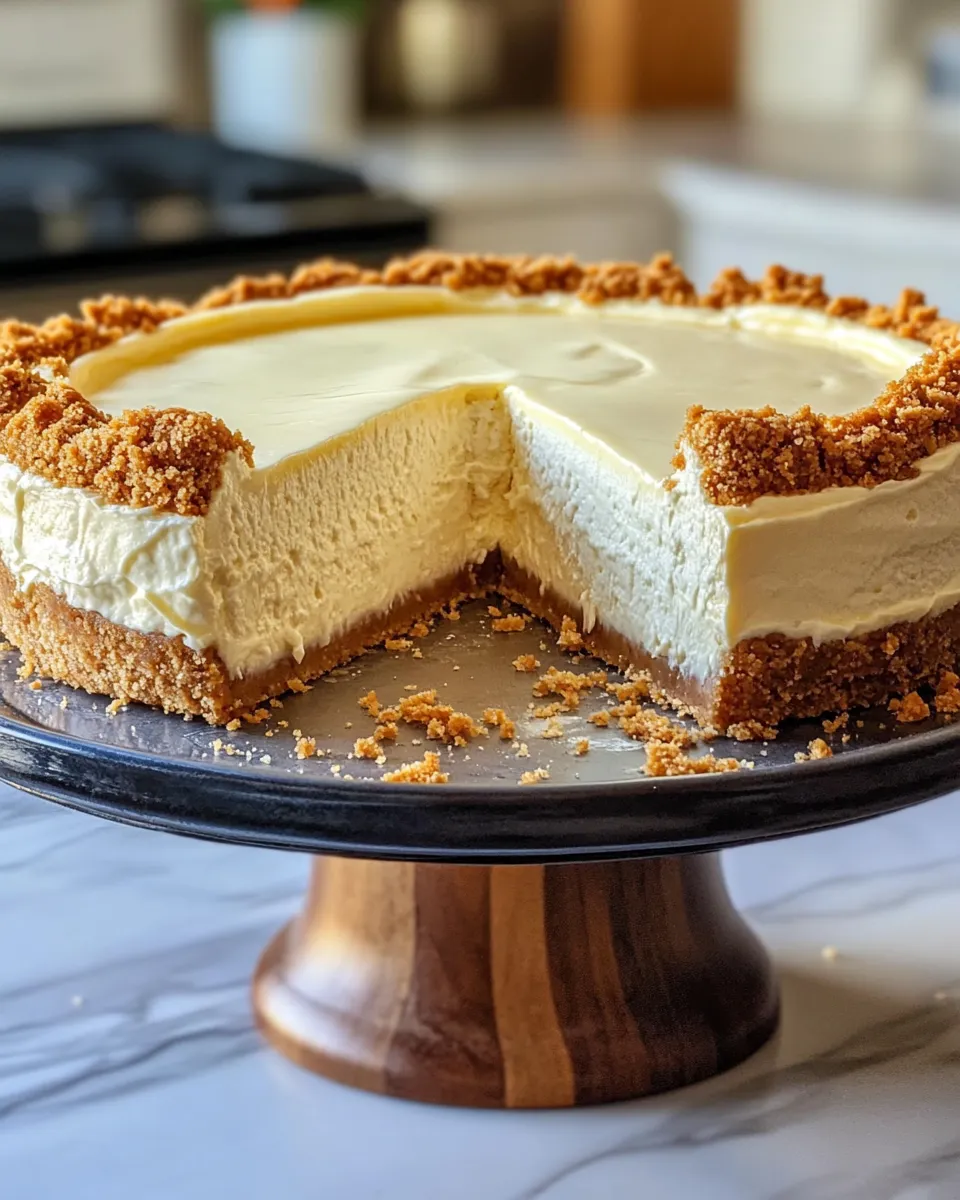
I make this cheesecake when I want something that holds its own on any dinner table: creamy, dense, and reliably classic. The recipe below is a true New York-style cheesecake—rich cream cheese, a sturdy graham crust, and a slow, gentle bake in a water bath to get that smooth, barely-jiggly center.
Read it through before you begin. There are a few timing and temperature switches in the bake that matter, and a little patience after the oven turns off makes a world of difference. I’ll walk you through the ingredients, the exact steps, practical substitutions the recipe allows, and the small habits that help you get a clean slice every time.
This is a make-ahead dessert. It improves overnight in the fridge and travels well for parties. If you want the shortest path to success, stick to the brands and full-fat products called for—this is not the place to go lightweight.
Ingredient Breakdown
Below are the exact ingredients used in the recipe, with a short note or tip for each. Keep these as your checklist when shopping or prepping.
- 2 cups crushed graham crackers — base for the crust; crush to a fine, even texture so the crust packs firmly.
- 2 ½ tablespoons light brown sugar, packed — adds a hint of molasses depth to the crust; granulated sugar may be substituted.
- ½ cup unsalted butter, melted — binds and adds richness to the crust; use unsalted so you control salt level.
- 32 ounces cream cheese — use original, brick-style cream cheese; do NOT use lite, fat-free, whipped, or spreadable varieties for texture and structure.
- ⅔ cup granulated sugar — sweetness for the filling; the recipe notes you can increase to 1 cup if you prefer a sweeter cheesecake.
- 1 cup full-fat sour cream — adds tang and silkiness; plain full-fat Greek yogurt may be substituted but do not use low-fat or fat-free options.
- ¼ cup heavy cream — contributes richness and a silkier mouthfeel; do not substitute with half-and-half.
- 2 ½ teaspoon lemon zest — brightens the flavor; reduce to 1–1½ teaspoons if you prefer less lemon presence.
- 1 tablespoon freshly squeezed lemon juice — balances the richness; use fresh for best flavor.
- ½ teaspoon salt — tones and highlights the sweetness; adjust to taste.
- 1 teaspoon vanilla extract — deepens the overall flavor profile.
- 4 large eggs + 3 yolks from large eggs — eggs provide structure and silkiness; discard or save the whites for another use.
- 2 ½ tablespoons cornstarch — stabilizes the filling for a smooth, sliceable texture; you can substitute 3 tablespoons all-purpose flour if you must, but cornstarch is preferred.
From Start to Finish: New York Cheesecake
- Read the entire recipe once so you understand the sequence of steps. Preheat the oven to 350°F. Cut a circle of parchment to fit the base of a 9-inch springform pan, line the base, and spray the pan with cooking spray; set aside.
- In a large bowl combine 2 cups crushed graham crackers, 2 ½ tablespoons light brown sugar (packed), and ½ cup melted unsalted butter. Whisk until the mixture resembles wet sand.
- Press the crumb mixture firmly and evenly into the base of the prepared springform pan using your fingertips or the back of a spoon. Bake the crust at 350°F for 10 minutes. Remove the pan to a cooling rack and increase the oven temperature to 400°F.
- In the bowl of a stand mixer fitted with the paddle (or using a large bowl and hand mixer), add 32 ounces cream cheese and ⅔ cup granulated sugar. Beat on high for about 2 minutes, stopping to scrape down the bowl sides intermittently, until the mixture is smooth.
- Add 1 cup full-fat sour cream, ¼ cup heavy cream, 2 ½ teaspoons lemon zest, 1 tablespoon fresh lemon juice, ½ teaspoon salt, and 1 teaspoon vanilla extract. Beat about 1 minute to combine, then scrape down the bowl.
- Add 4 large eggs plus 3 additional large egg yolks. Beat just 30 seconds to incorporate—do not overmix or whip extra air into the batter.
- Add 2 ½ tablespoons cornstarch and beat for a few seconds until just incorporated. Scrape the bowl and smooth the batter.
- Pour the filling into the cooled crust and smooth the top with a spatula.
- Tightly wrap the outside and bottom of the springform pan with heavy-duty foil (wrap thoroughly so water cannot seep in).
- Place the wrapped springform pan into a larger roasting pan (use a wire rack inside the roasting pan if you have one). Slowly pour warm tap water into the larger pan until it reaches about 1 inch up the side of the springform pan.
- Place the pans in the oven and bake at 400°F for 10 minutes. Immediately reduce the oven temperature to 250°F and continue baking for 1 hour.
- When the baking time is complete, turn the oven off and leave the cheesecake undisturbed inside the oven (still in the water bath) with the oven door closed for 30 minutes.
- After 30 minutes, crack the oven door open a few inches and allow the cheesecake to rest in the oven (still in the water bath) for an additional 30 minutes.
- Remove the pans from the oven, take the springform pan out of the water bath, and unwrap the foil. Transfer the springform pan to a wire rack and let the cheesecake cool completely to room temperature.
- Once fully cooled, cover the top tightly with foil and refrigerate for at least 8 hours or overnight before serving.
- Store leftover cheesecake airtight in the refrigerator for up to 5–7 days or freeze for up to 3–4 months (slicing and wrapping individual slices before freezing makes serving easier).
The Upside of New York Cheesecake
This is a dessert that performs well in many situations. It travels without falling apart, slices cleanly after a full chill, and keeps for several days in the refrigerator, which makes it excellent for entertaining or holiday planning. The heavy cream and full-fat cream cheese deliver the dense, luxurious mouthfeel you expect from a New York-style cheesecake.
The water bath and low finish bake minimize cracks and produce a creamier interior than a straight, dry bake. Adding a few extra yolks tightens the texture so each slice holds shape without being gummy. The lemon zest and juice cut the richness and keep the flavor bright.
If You’re Out Of…
Here are replacements the recipe itself allows or that don’t dramatically change results:
- Light brown sugar — the recipe notes granulated sugar may be substituted in the crust if you don’t have brown sugar.
- Full-fat sour cream — plain full-fat Greek yogurt can stand in, but do not use low-fat or fat-free versions.
- Cornstarch — if you don’t have cornstarch, 3 tablespoons of all-purpose flour can be used, though cornstarch is preferred for the smoothest texture.
- Extra egg whites — the recipe tells you to discard or save the whites; use them in an omelet or meringue to avoid waste.
Appliances & Accessories
These tools make the process easier and more reliable:
- 9-inch springform pan — essential for unmolding without flipping the cake.
- Stand mixer with paddle or hand mixer — for a smooth, lump-free batter.
- Roasting pan and heavy-duty foil — to create a water bath and prevent leakage.
- Wire rack — to cool the pan evenly after baking.
- Spatula, measuring cups and spoons, and a citrus zester — small tools that matter.
Troubleshooting Tips
Cracked surface
Cracks usually mean the batter was overwhipped or the oven dried the cake too quickly. Be gentle when mixing—30 seconds after the eggs go in—and follow the water bath and cool-down steps exactly. Letting the cake rest slowly in the turned-off oven reduces thermal shock.
Gummy or dense center
Underbaking or cooling too quickly can create a gooey center. Make sure you bake at 250°F for the full hour after the initial 400°F burst. Allow the oven to do the final resting by leaving the cake in the off oven for 30 minutes, then another 30 minutes with the door cracked.
Soggy crust
Bake the crust for the full 10 minutes at 350°F and make sure you press it firmly into the pan. If your crust seems loose after baking, bake a little longer until it’s set and fragrant before adding the filling.
In-Season Flavor Ideas
Top slices with seasonal fruit for contrast and color. In summer, a macerated strawberry or blueberry compote is classic. In fall, poached pears or caramelized figs pair beautifully. A spoonful of lemon curd or a fine dusting of grated chocolate also works if you want a quick, restaurant-style finish.
Chef’s Rationale
I chose full-fat ingredients and extra yolks for structure and mouthfeel. Low-fat dairy can make the cheesecake loose and curdled during baking. Cornstarch is included to stabilize the filling and reduce weeping; it gives that velvety slice without making the cake cakey. The initial high-heat burst at 400°F helps set the outer edge quickly, and the low 250°F finish cooks the interior gently so it never becomes rubbery.
The water bath is non-negotiable in my book for this style. It moderates the oven environment and keeps the cake’s surface from drying out. Wrapping the springform in heavy-duty foil is essential—do it thoroughly so no water can seep into the crust during the bath.
Meal Prep & Storage Notes
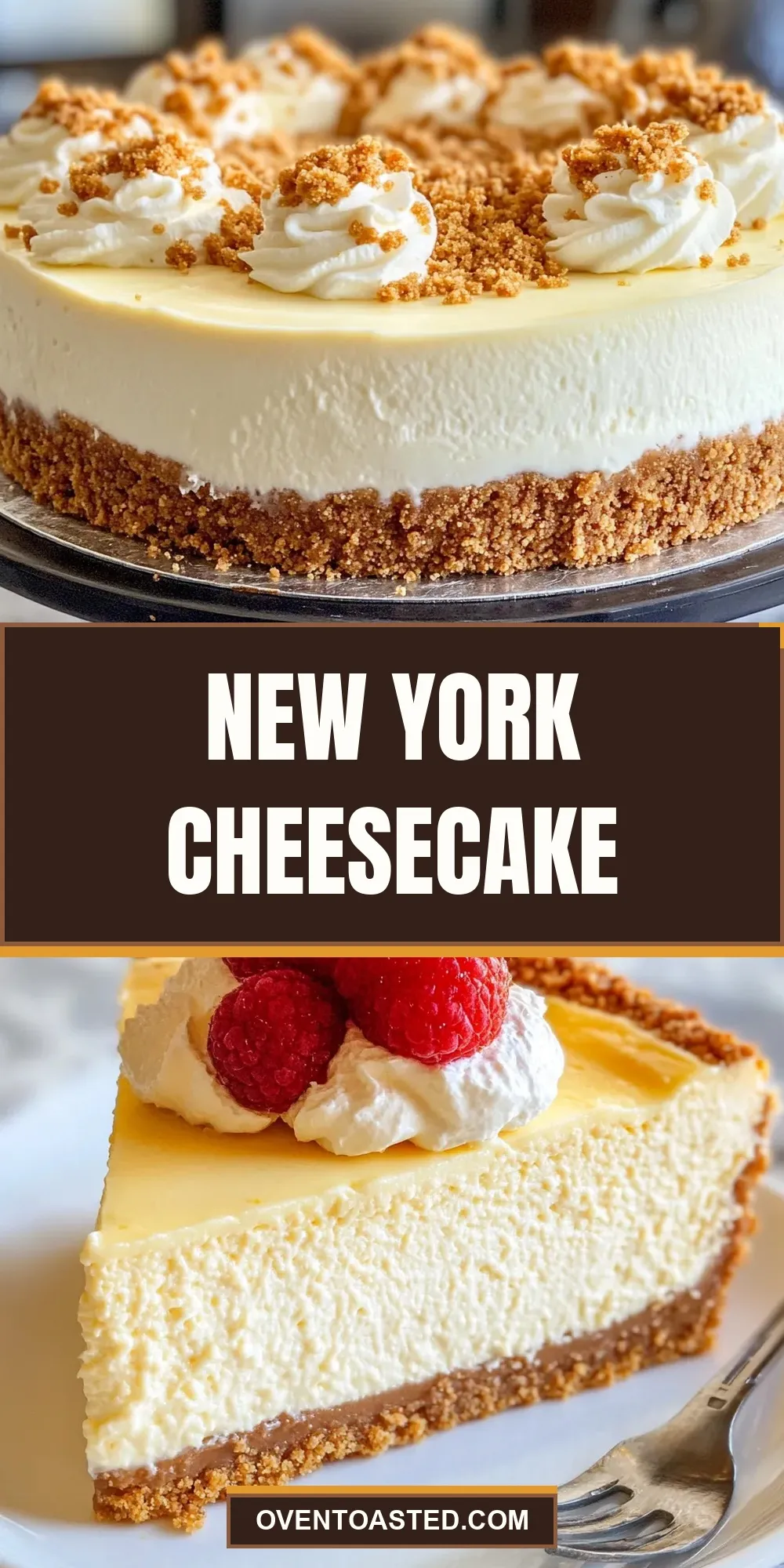
This cheesecake is built to be made ahead. After cooling to room temperature, cover tightly with foil and refrigerate for at least 8 hours or overnight; don’t shortchange this chill time—it firms the filling and improves slice quality. The recipe’s storage guidance: refrigerate leftovers airtight for 5–7 days.
For longer storage, slice and wrap individual portions and freeze for 3–4 months. Thaw in the refrigerator overnight for best texture. If you plan to transport it, keep it on a low-cool pack and serve within a few hours of removal from the fridge for the cleanest slices.
Common Questions
Can I use reduced-fat cream cheese or sour cream? No. The recipe requires full-fat brick-style cream cheese and full-fat sour cream to achieve the rich texture and structure. Low-fat or whipped varieties will alter the batter and final texture.
How do I know the cheesecake is done? The cake should have a slight wobble in the center—think slightly jiggly, not liquid. Edges will be set and may have a faint golden tint. Follow the cooling steps in the oven; residual heat finishes the set without overbaking.
Why so many egg yolks? The additional yolks add richness and help stabilize the custard so it slices cleanly while still remaining tender.
Can I skip the water bath? You can, but expect a drier surface and a higher chance of cracks. The water bath is the easiest way to create a gentle, moist oven environment for a silky finish.
Let’s Eat
Serve slices chilled, plain or with a simple topping: fresh berries, a light fruit compote, or a thin smear of lemon curd. Use a hot, clean knife to slice—dip it in hot water and wipe dry between cuts for neat edges. Leftover slices make a luxurious breakfast with coffee or a quiet, celebratory dessert after dinner.
Make this a night-before dessert and you’ll be rewarded with perfect texture and clean slices every time. If you try it, tell me how you finished it—berries, chocolate, or plain? Either way, enjoy the richness; it’s exactly what this cheesecake was built for.
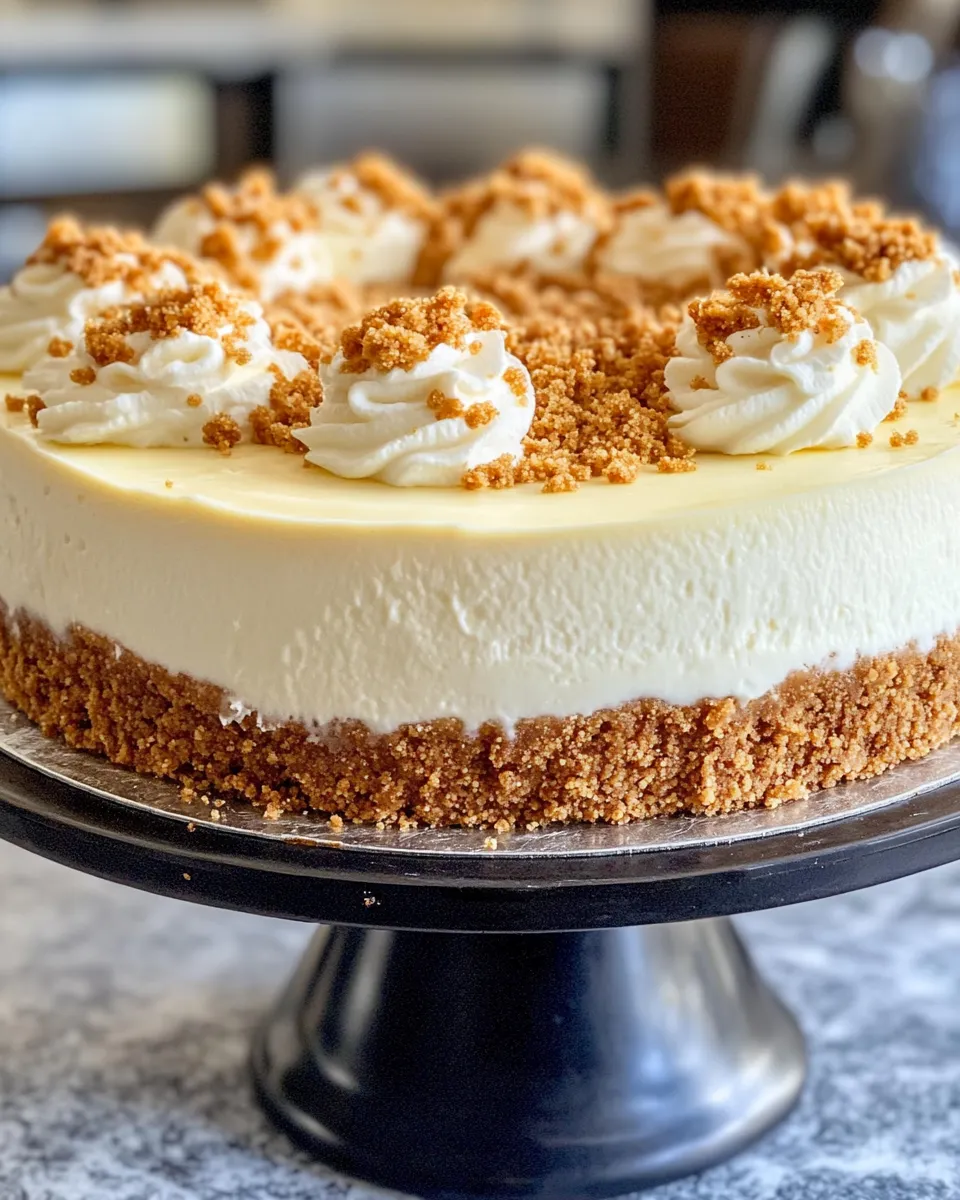
New York Cheesecake
Ingredients
Equipment
Method
- Read the entire recipe once so you understand the sequence of steps. Preheat the oven to 350°F. Cut a circle of parchment to fit the base of a 9-inch springform pan, line the base, and spray the pan with cooking spray; set aside.
- In a large bowl combine 2 cups crushed graham crackers, 2 ½ tablespoons light brown sugar (packed), and ½ cup melted unsalted butter. Whisk until the mixture resembles wet sand.
- Press the crumb mixture firmly and evenly into the base of the prepared springform pan using your fingertips or the back of a spoon. Bake the crust at 350°F for 10 minutes. Remove the pan to a cooling rack and increase the oven temperature to 400°F.
- In the bowl of a stand mixer fitted with the paddle (or using a large bowl and hand mixer), add 32 ounces cream cheese and ⅔ cup granulated sugar. Beat on high for about 2 minutes, stopping to scrape down the bowl sides intermittently, until the mixture is smooth.
- Add 1 cup full-fat sour cream, ¼ cup heavy cream, 2 ½ teaspoons lemon zest, 1 tablespoon fresh lemon juice, ½ teaspoon salt, and 1 teaspoon vanilla extract. Beat about 1 minute to combine, then scrape down the bowl.
- Add 4 large eggs plus 3 additional large egg yolks. Beat just 30 seconds to incorporate—do not overmix or whip extra air into the batter.
- Add 2 ½ tablespoons cornstarch and beat for a few seconds until just incorporated. Scrape the bowl and smooth the batter.
- Pour the filling into the cooled crust and smooth the top with a spatula.
- Tightly wrap the outside and bottom of the springform pan with heavy-duty foil (wrap thoroughly so water cannot seep in).
- Place the wrapped springform pan into a larger roasting pan (use a wire rack inside the roasting pan if you have one). Slowly pour warm tap water into the larger pan until it reaches about 1 inch up the side of the springform pan.
- Place the pans in the oven and bake at 400°F for 10 minutes. Immediately reduce the oven temperature to 250°F and continue baking for 1 hour.
- When the baking time is complete, turn the oven off and leave the cheesecake undisturbed inside the oven (still in the water bath) with the oven door closed for 30 minutes.
- After 30 minutes, crack the oven door open a few inches and allow the cheesecake to rest in the oven (still in the water bath) for an additional 30 minutes.
- Remove the pans from the oven, take the springform pan out of the water bath, and unwrap the foil. Transfer the springform pan to a wire rack and let the cheesecake cool completely to room temperature.
- Once fully cooled, cover the top tightly with foil and refrigerate for at least 8 hours or overnight before serving.
- Store leftover cheesecake airtight in the refrigerator for up to 5–7 days or freeze for up to 3–4 months (slicing and wrapping individual slices before freezing makes serving easier).