Oatmeal Raisin Cookies
These oatmeal raisin cookies are the ones I turn to when I want something comforting that still feels honest. They’re straightforward to make, forgiving in the oven, and hold up well in a tin for several days. No complicated techniques, just a reliable dough and classic flavors that come together quickly.
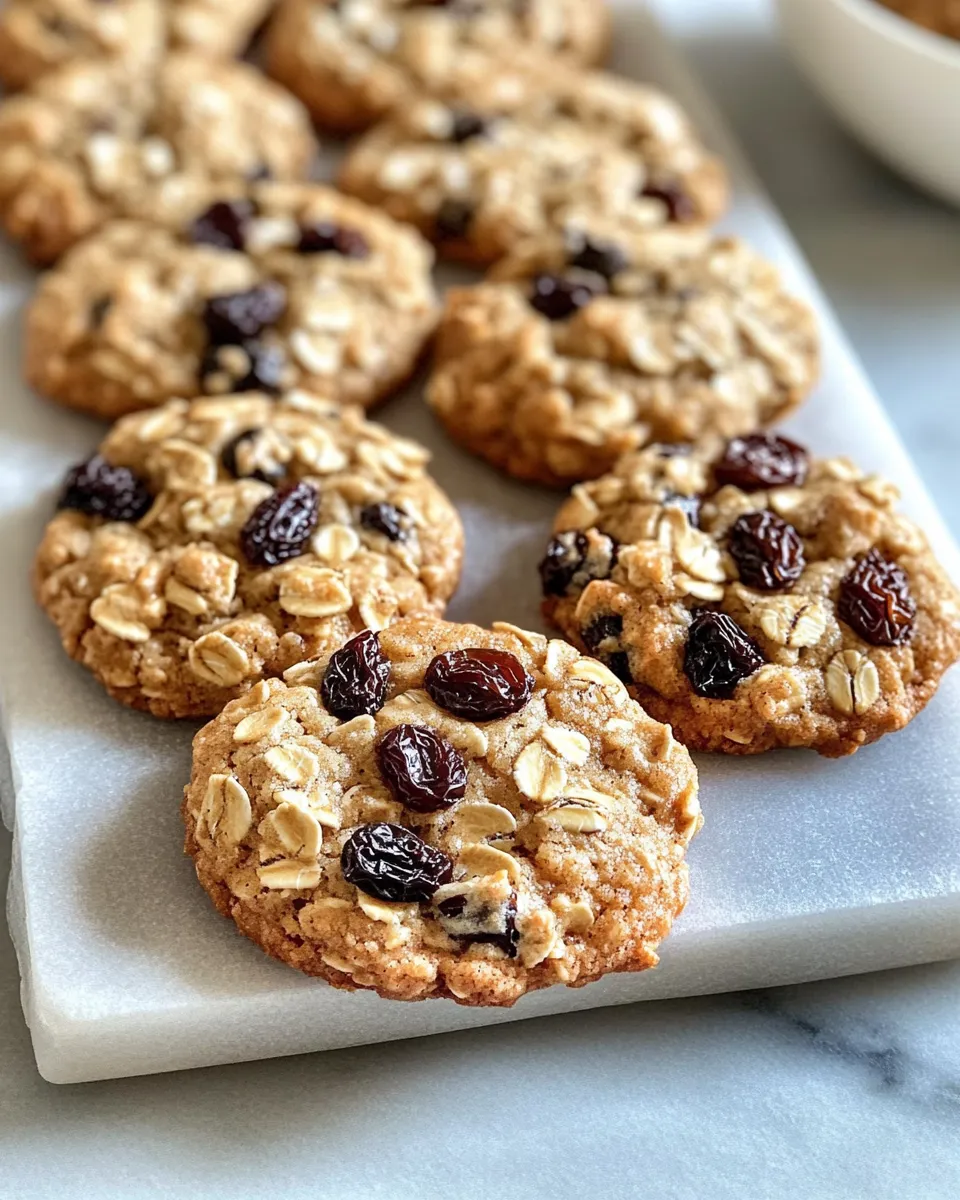
I like these because they balance chew and structure — a little puff from butter and brown sugar, a toothsome chew from old-fashioned oats, and those pockets of sweet-tart fruit. They’re perfect with coffee, tea, or as a quick lunchbox treat. You can make them chewy or crisp just by a minute or two in the oven.
Below you’ll find the exact ingredient list and the step-by-step directions I use every time. I’ll also walk through why they work, what to avoid, sensible equipment, storage tips, and answers to common questions so you can bake with confidence.
Ingredients
- 3/4 cup unsalted butter, room temperature — provides richness and carries flavor; room temp ensures proper creaming with sugars.
- 3/4 cup light or dark brown sugar — adds moisture and chew; dark brown gives a deeper molasses note.
- 1/4 cup sugar — helps with structure and lightness; balances the brown sugar.
- 1 large egg, room temperature — binds the dough and adds lift; room temp mixes more evenly.
- 2 teaspoons vanilla extract — rounds and brightens the whole cookie.
- 1 cup all purpose flour — the base for structure; measure by spooning into the cup and leveling for consistent results.
- 2 cups old fashioned oats — the star for texture and chew; don’t substitute quick oats if you want that classic bite.
- 1/2 teaspoon baking soda — gives gentle lift and helps browning.
- 1/2 teaspoon kosher salt — balances sweetness and brings out flavor; if using fine salt, reduce slightly.
- 1 teaspoon ground cinnamon — a warm note that complements the oats and fruit.
- 1 cup raisins, dried cherries or cranberries — the sweet-tart element; choose based on preference or use a mix.
Shopping List
Before you start, gather everything in one place. Check your pantry for these staples to avoid interruptions while baking.
- Unsalted butter — make sure it’s at room temperature; take it out 30–60 minutes before starting if it’s cold.
- Brown sugar and granulated sugar — either light or dark brown sugar will work.
- Egg and vanilla extract — use real vanilla if you have it; the flavor difference is worth it.
- All-purpose flour and old-fashioned oats — buy a bag of rolled oats if you bake cookies frequently.
- Baking soda, kosher salt, ground cinnamon — check spice freshness; cinnamon loses intensity over time.
- Raisins, dried cherries, or cranberries — you can substitute one-for-one; if they’re dry, soak briefly in warm water or juice for plumper bites.
- Parchment paper or a Silpat and a baking sheet — nonstick surfaces make removal easy.
How to Prepare Oatmeal Raisin Cookies
- Preheat the oven to 350°F (175°C). Position a rack in the center of the oven and line a baking sheet with a Silpat or parchment paper.
- In a large bowl or in the bowl of a stand mixer, place 3/4 cup unsalted butter (room temperature), 3/4 cup light or dark brown sugar, and 1/4 cup sugar. Beat on medium-high for 3–5 minutes until the mixture is light and fluffy.
- Add 1 large egg (room temperature) and 2 teaspoons vanilla extract to the butter-sugar mixture. Beat on medium speed for about 1 minute, until fully combined.
- In a separate bowl, stir together 1 cup all-purpose flour, 2 cups old-fashioned oats, 1/2 teaspoon baking soda, 1/2 teaspoon kosher salt, and 1 teaspoon ground cinnamon until evenly mixed.
- Gradually add the dry ingredients to the wet ingredients and mix on low speed (or stir by hand) until just combined. Do not overmix.
- Fold in 1 cup raisins, dried cherries, or cranberries until evenly distributed.
- Using a 1-tablespoon scoop or spoon, drop rounded tablespoons of dough onto the prepared baking sheet, spacing cookies about 2 inches apart.
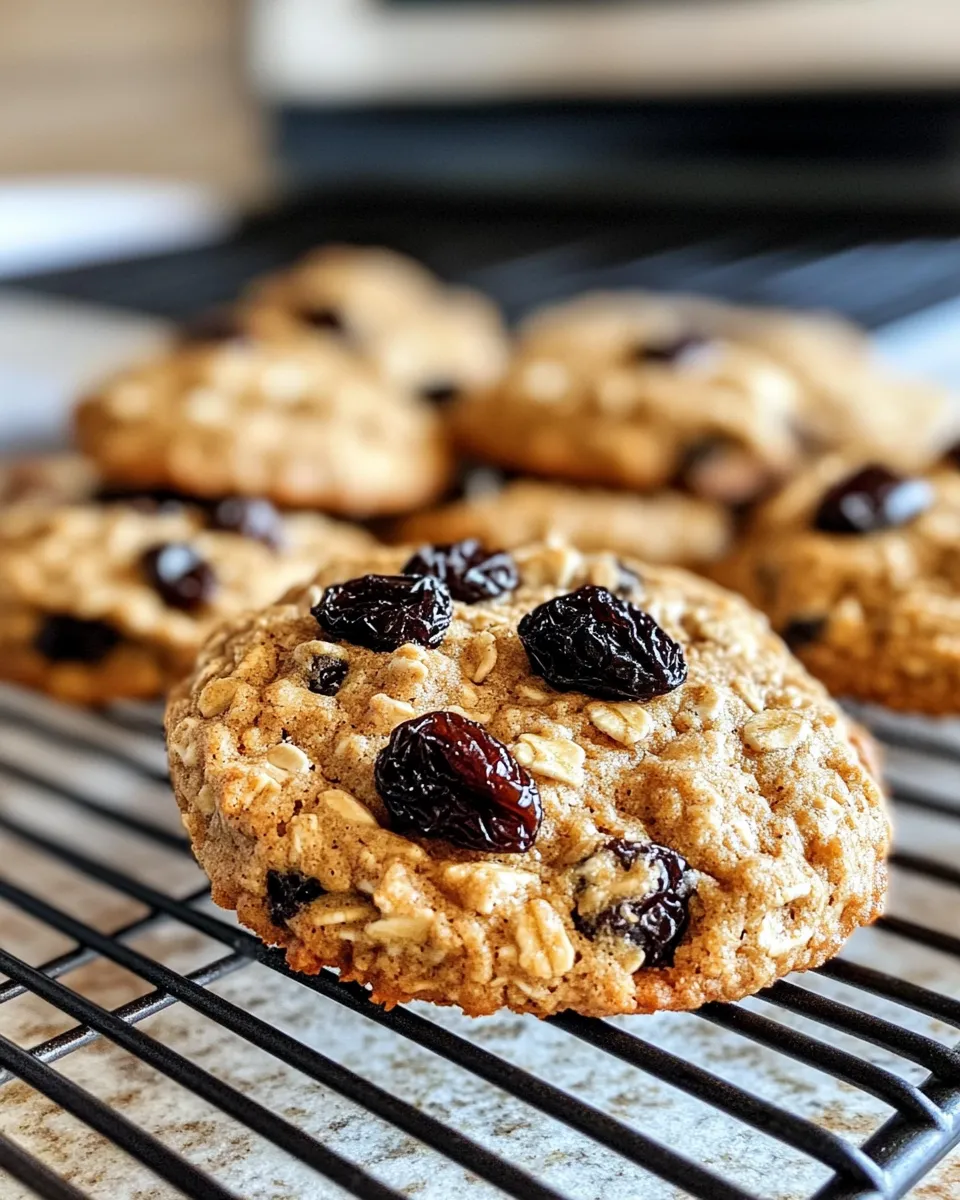
- Bake on the center rack for 12–14 minutes for chewier cookies, or 15–17 minutes for crisper cookies, until the edges are set and lightly golden.
- Remove the baking sheet from the oven and let the cookies cool on the sheet for 5 minutes. Transfer cookies to a wire rack to cool completely.
Why This Recipe is a Keeper
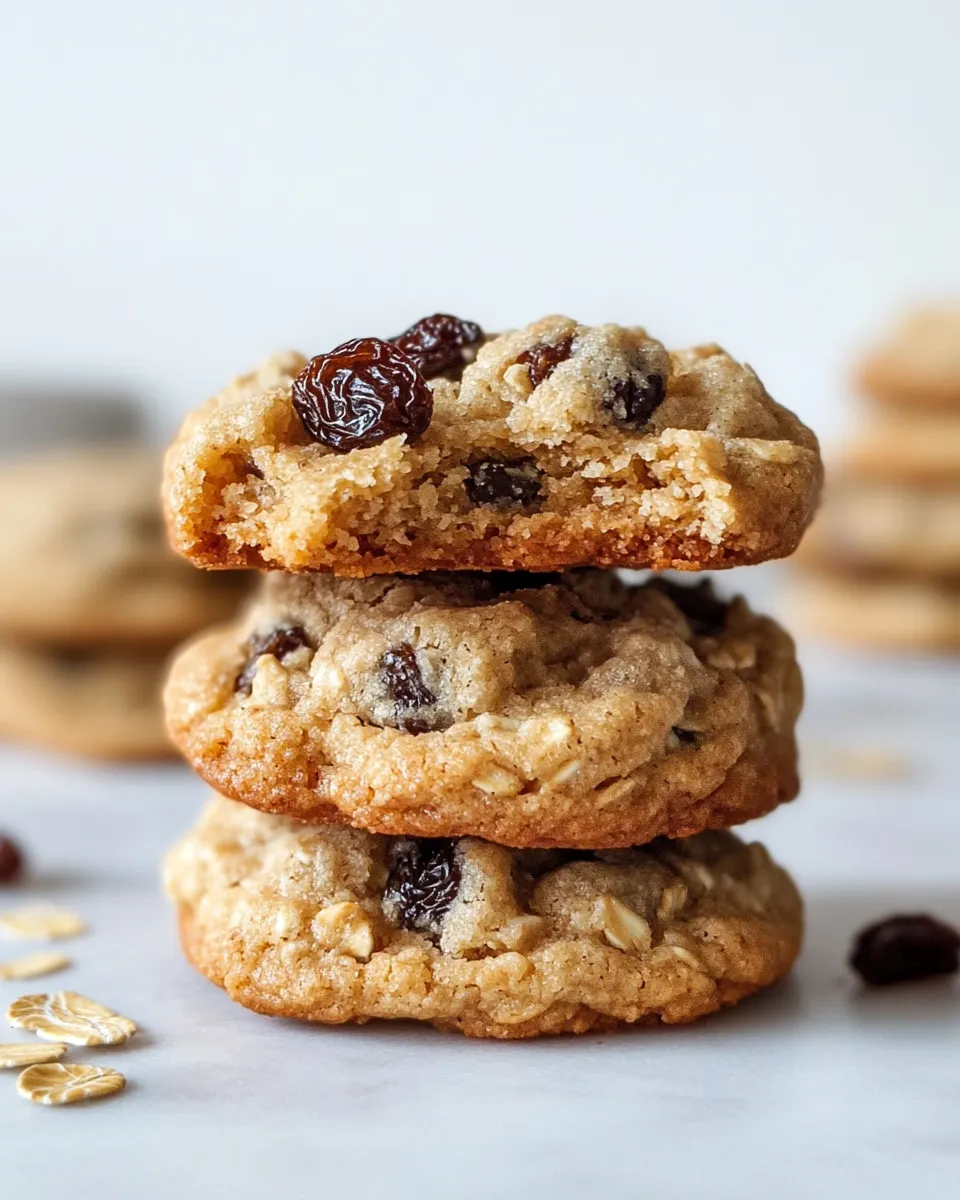
Simple ratios, reliable texture, and flexible add-ins make this a go-to. The combination of brown and white sugar gives both moisture and structure. Old-fashioned oats keep their shape and offer a satisfying chew that quick oats can’t match. The baking soda gives just enough lift without making the cookies cakey. It’s a dependable formula: easy to scale, easy to tweak, and consistently good.
What I appreciate most is the flexibility. Swap in dried cherries when you want tartness, choose dark brown sugar for a deeper flavor, or bake a few minutes longer if you prefer crunch. The dough handles changes well, so it’s forgiving when you adjust texture or mix-ins.
International Equivalents
If you’re outside the U.S., here are practical swaps:
- 3/4 cup unsalted butter ≈ 170 grams unsalted butter.
- 3/4 cup light or dark brown sugar ≈ 150 grams brown sugar (packed).
- 1/4 cup sugar ≈ 50 grams granulated sugar.
- 1 large egg — most countries’ large egg is equivalent, about 50–60 grams out of shell.
- 1 cup all-purpose flour ≈ 125 grams plain flour (sift if compacted).
- 2 cups old-fashioned oats ≈ 180–200 grams rolled oats (check packaging).
- Baking soda and salt measurements remain the same; use standard measuring spoons.
- 1 cup raisins, dried cherries or cranberries ≈ 150 grams dried fruit.
Gear Checklist
- Mixing bowl or stand mixer — a bowl and wooden spoon work fine, but a mixer speeds things up.
- Measuring cups and spoons — accurate measuring makes the difference between chewy and dry.
- Spoon or 1-tablespoon scoop — for even-sized cookies and consistent bake times.
- Baking sheet and parchment paper or Silpat — prevents sticking and promotes even browning.
- Wire rack — lets cookies cool fully without becoming soggy.
Steer Clear of These
Few pitfalls, but they matter:
- Don’t use quick oats if you want classic texture; quick oats create a softer, less defined chew.
- Avoid overmixing once the dry ingredients are added. Overworked gluten leads to dense, tough cookies.
- Don’t skip room-temperature butter and egg. Cold ingredients won’t emulsify, and the dough won’t cream properly.
- Avoid overcrowding the baking sheet. Cookies spread and bake unevenly if too close together.
In-Season Swaps
Use seasonal fruit and nuts to keep these cookies feeling fresh:
- Fall/Winter: Swap raisins for chopped dried figs or dates, or add a handful of toasted chopped pecans for warmth.
- Spring: Add a small amount of dried apricots or swap some raisins for golden raisins for a brighter note.
- Summer: If you have sun-dried cherries or tart dried cherries, they work beautifully. No need to change other quantities.
Pro Perspective
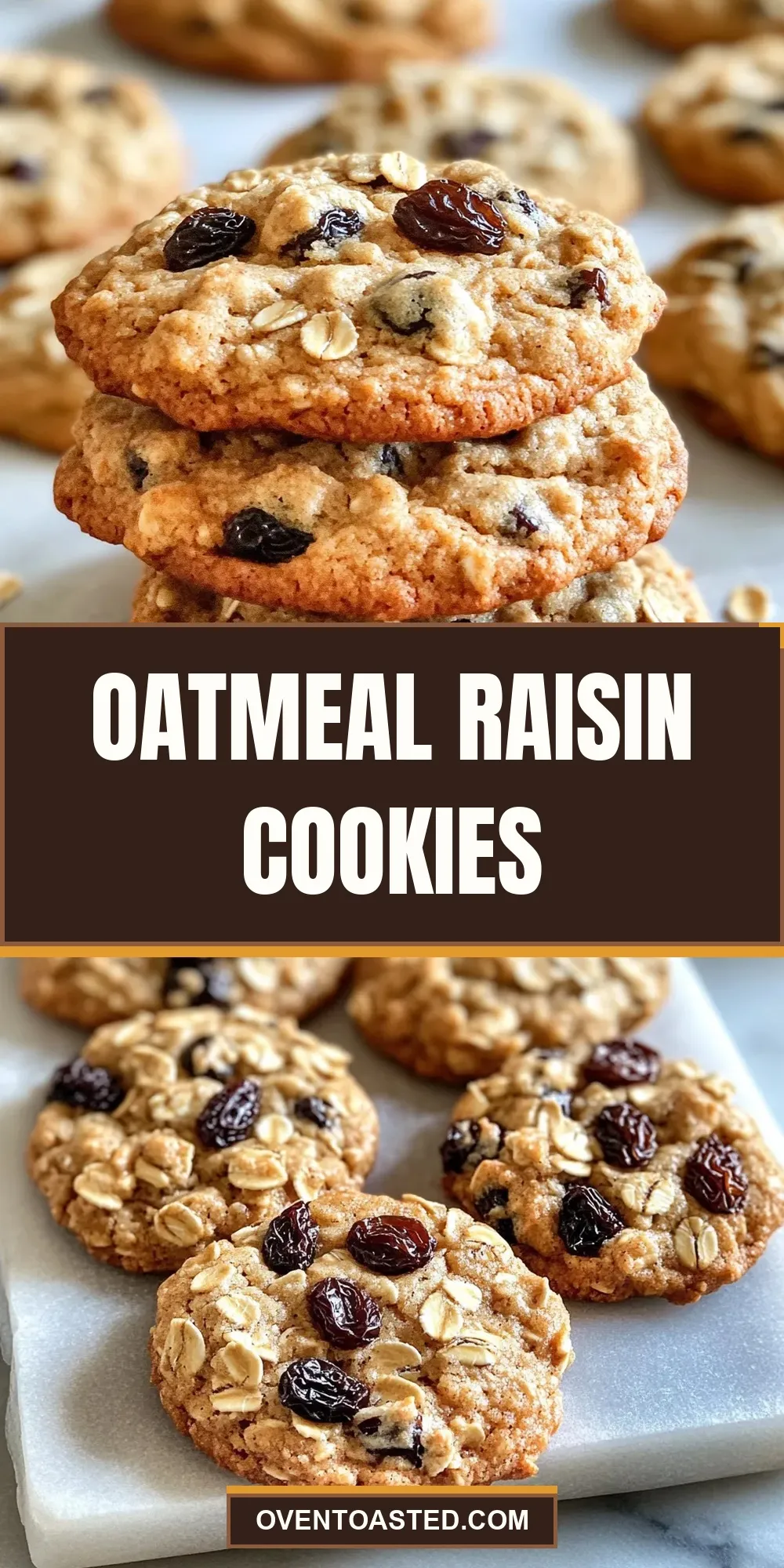
From a baker’s viewpoint, the key to consistent oatmeal raisin cookies is texture control. The ratio of 1 cup flour to 2 cups oats is intentional: oats dominate, giving chew, while flour ensures the cookie holds together. Creaming butter and sugars until pale incorporates air, which helps the cookie rise slightly. But once you add flour and oats, mix just to combine — that preserves tenderness.
If you prefer a more pronounced crisp on the edge, bake on a lighter-colored sheet and give the cookies the extra minute or two recommended. For chewier cookies, pull them at the lower end of the time range and let them finish setting on the warm sheet.
Store, Freeze & Reheat
Storage:
- Room temperature: Store in an airtight container up to 4–5 days. Place a slice of bread in the container to help maintain chew; it won’t change the flavor and keeps moisture balanced.
- Refrigerator: Not necessary; refrigeration can dry out cookies unless you have very humid kitchen conditions.
Freezing:
- Freeze baked cookies in a single layer on a tray until firm, then transfer to a freezer bag for up to 3 months. Thaw at room temperature for 15–20 minutes before serving.
- You can also freeze portions of raw dough (scooped onto a tray). Freeze until firm, then store in a bag. Add a minute or two to the bake time when going from frozen to baked.
Reheating:
- Warm cookies in a 300°F (150°C) oven for 5–7 minutes for a just-baked feel. Microwave for 10–15 seconds for a quick warm-up, but the microwave can make them softer faster.
Your Questions, Answered
Q: Can I use butter substitutes? A: I don’t recommend it for best flavor and texture. Margarine or oils change spread and chew. If necessary, use a block margarine labeled for baking and note the texture will differ.
Q: Can I halve or double the recipe? A: Yes. The formula scales well. If doubling, mix in two batches if your mixer or bowl is too small. Baking time per tray remains the same.
Q: My cookies are flat. What happened? A: Too-warm butter, too little flour, or over-mixing can cause excessive spread. Chill the dough briefly next time or ensure your butter is properly softened but not oily.
Q: Can I add nuts or chocolate chips? A: Yes. Add up to 1 cup combined of mix-ins, folding them in at the end like the dried fruit.
Time to Try It
These cookies are a small, satisfying project with big returns. Follow the ingredient list and the exact steps above for dependable results. Pay attention to the bake window for your preferred texture and don’t be afraid to experiment with the dried fruit. Start with the classic raisins if you’re unsure — they’re nearly failproof.
Make a batch this afternoon. Scoop them uniformly, keep an eye on the color at the edges, and let them rest on the sheet for five quiet minutes before transferring to a rack. Then pour a cup of something warm, and enjoy a cookie that’s simple, honest, and made to be shared.
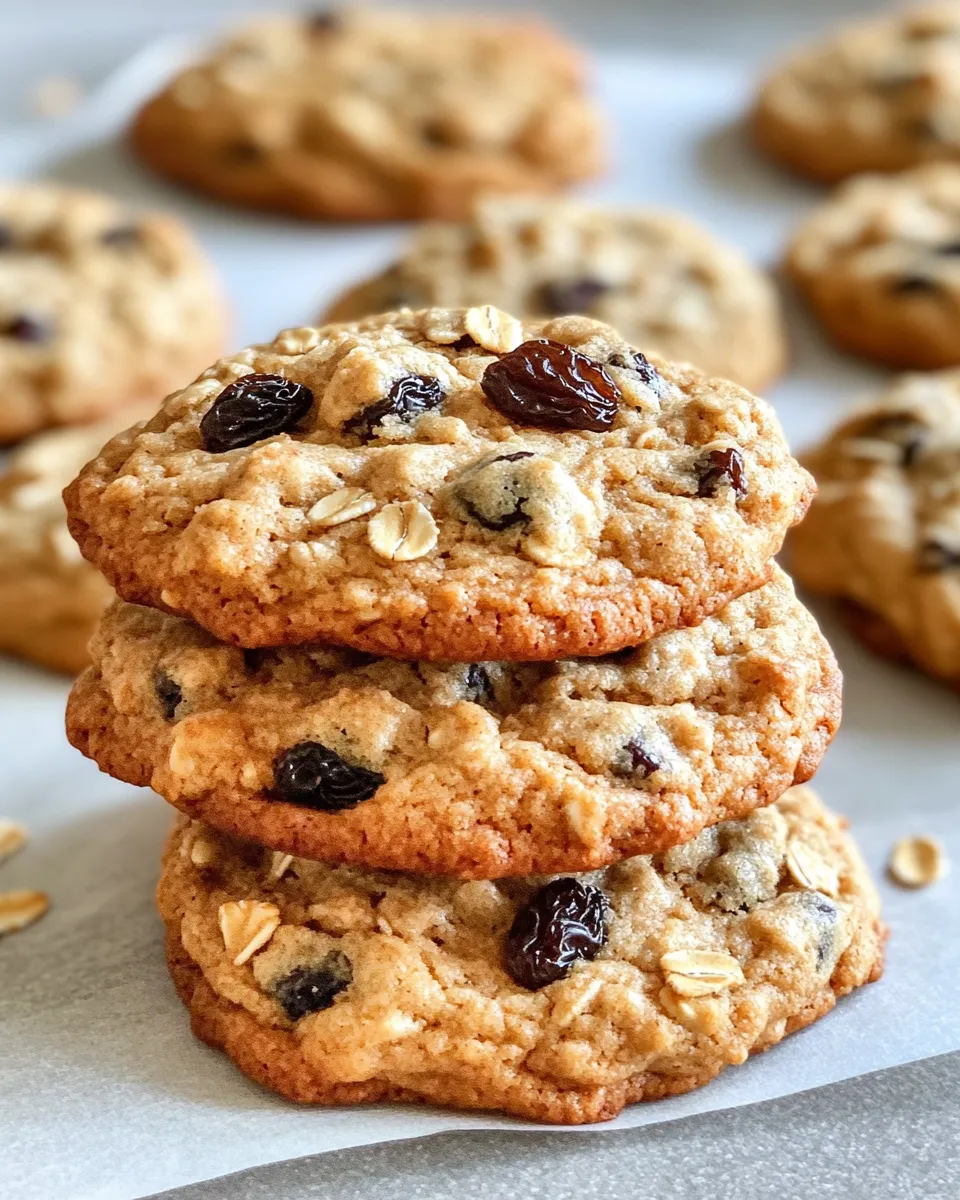
Oatmeal Raisin Cookies
Ingredients
Equipment
Method
- Preheat the oven to 350°F (175°C). Position a rack in the center of the oven and line a baking sheet with a Silpat or parchment paper.
- In a large bowl or in the bowl of a stand mixer, place 3/4 cup unsalted butter (room temperature), 3/4 cup light or dark brown sugar, and 1/4 cup sugar. Beat on medium-high for 3–5 minutes until the mixture is light and fluffy.
- Add 1 large egg (room temperature) and 2 teaspoons vanilla extract to the butter-sugar mixture. Beat on medium speed for about 1 minute, until fully combined.
- In a separate bowl, stir together 1 cup all-purpose flour, 2 cups old-fashioned oats, 1/2 teaspoon baking soda, 1/2 teaspoon kosher salt, and 1 teaspoon ground cinnamon until evenly mixed.
- Gradually add the dry ingredients to the wet ingredients and mix on low speed (or stir by hand) until just combined. Do not overmix.
- Fold in 1 cup raisins, dried cherries, or cranberries until evenly distributed.
- Using a 1-tablespoon scoop or spoon, drop rounded tablespoons of dough onto the prepared baking sheet, spacing cookies about 2 inches apart.
- Bake on the center rack for 12–14 minutes for chewier cookies, or 15–17 minutes for crisper cookies, until the edges are set and lightly golden.
- Remove the baking sheet from the oven and let the cookies cool on the sheet for 5 minutes. Transfer cookies to a wire rack to cool completely.