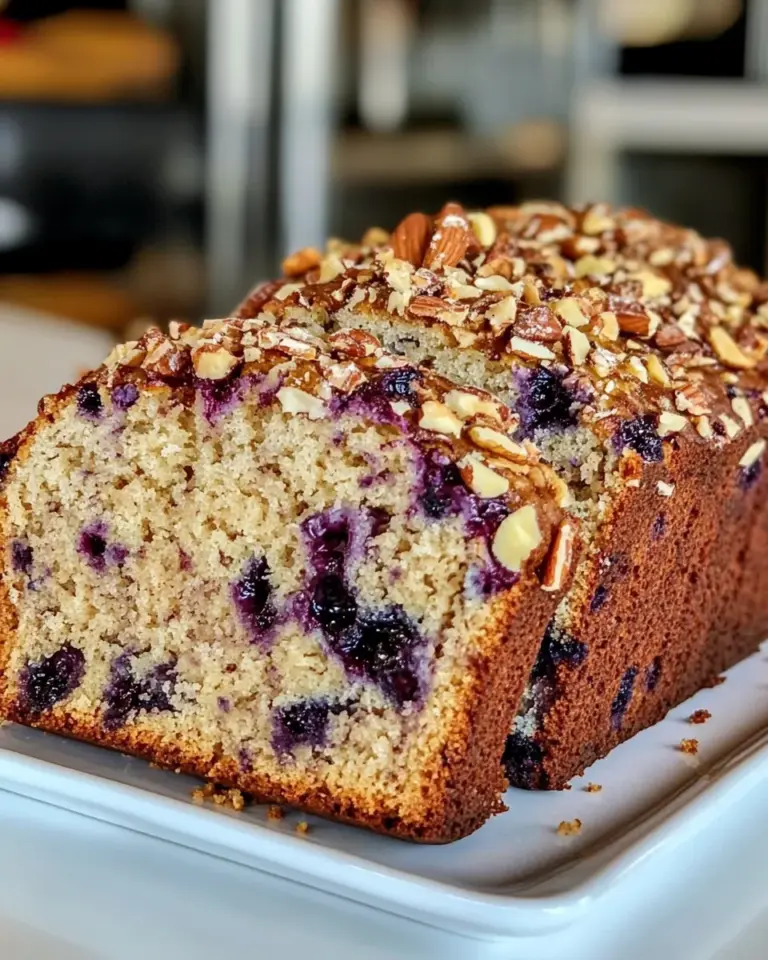
Olive Oil Pancakes
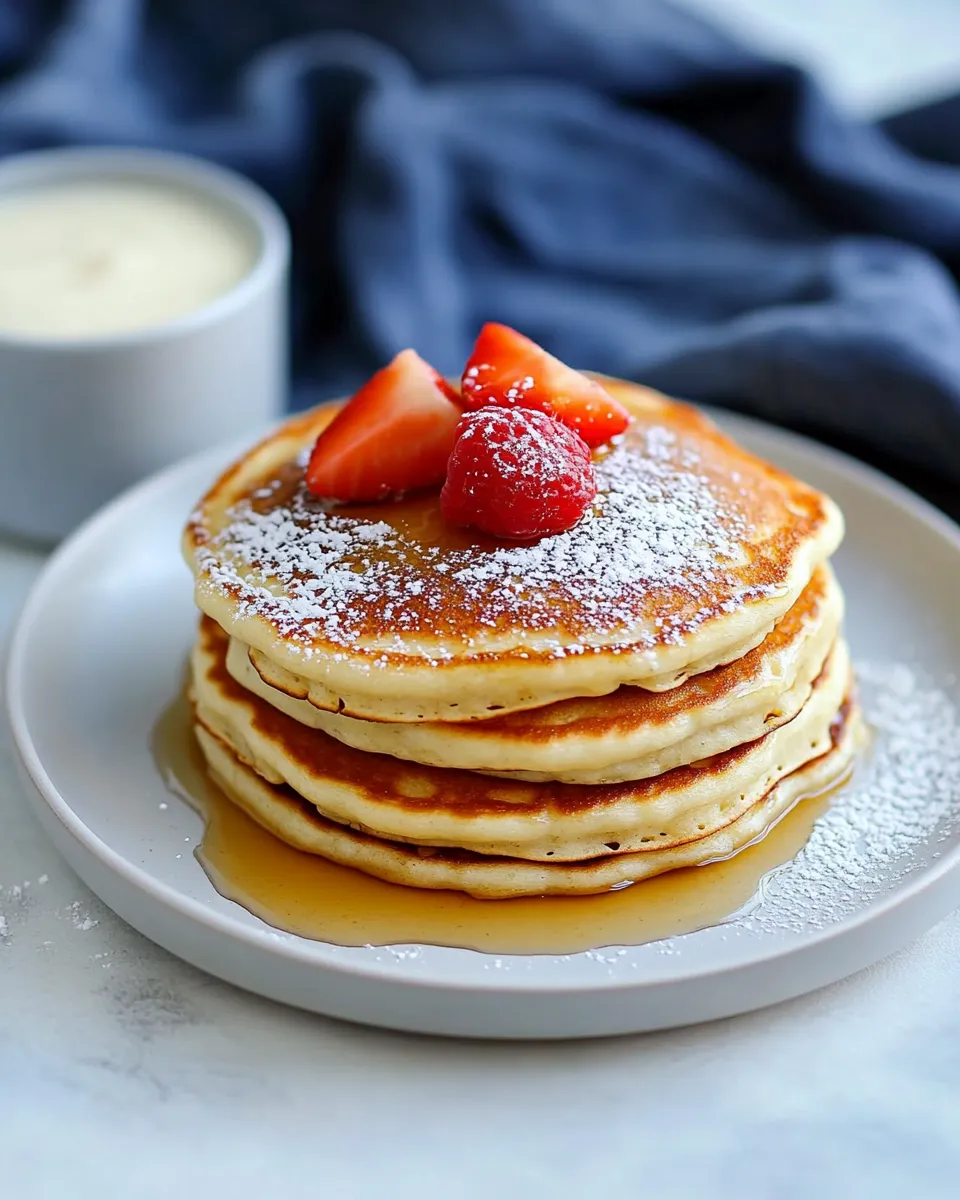
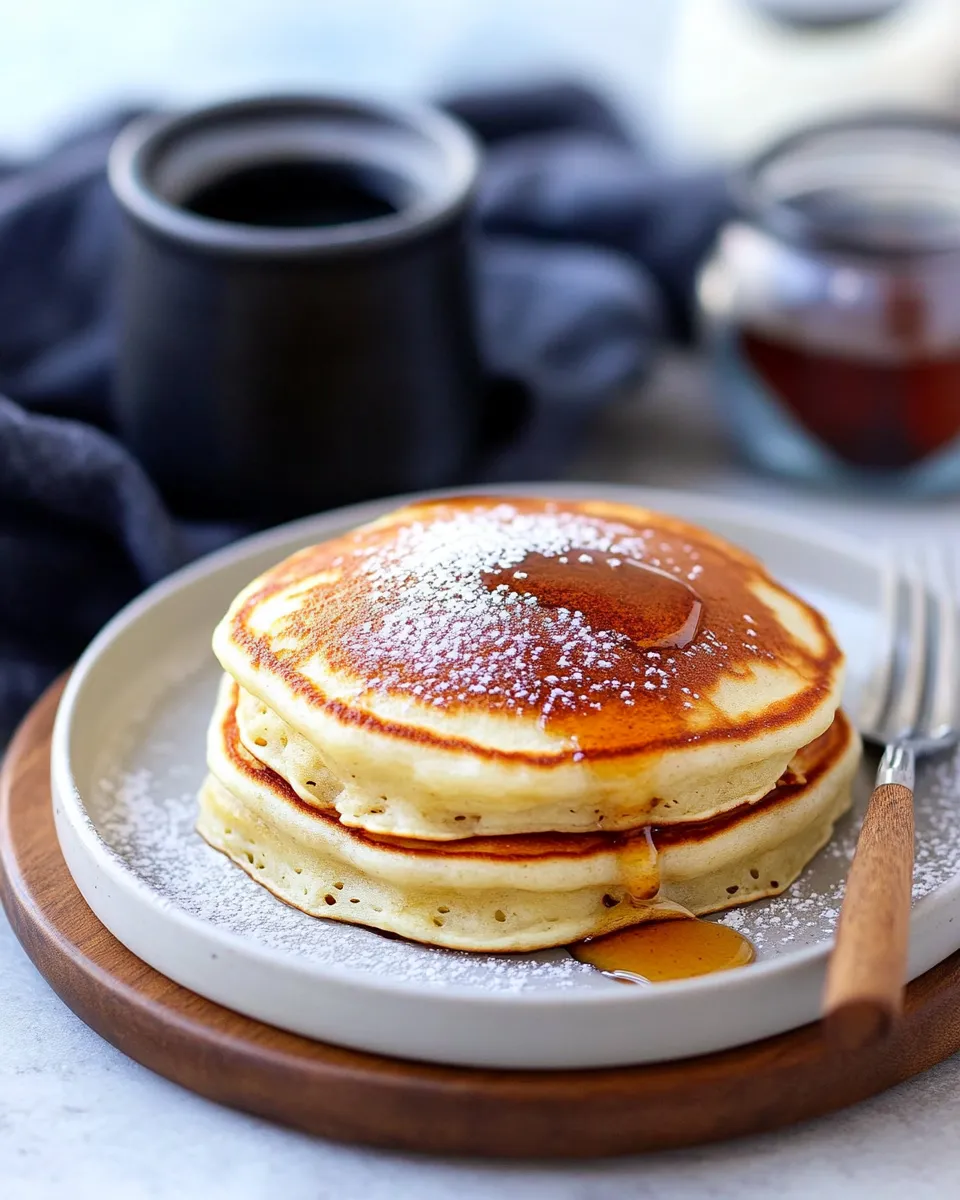
These olive oil pancakes are straightforward, forgiving, and quietly elegant. They rely on bright lemon zest and the fruity warmth of extra-virgin olive oil instead of butter, yielding pancakes that are tender with a subtle savory edge. They brown beautifully and finish with a soft interior when you follow the method below.
I keep this batter in regular rotation for weekend breakfasts and simple dinners. The technique emphasizes minimal mixing and controlled heat — the two moves that decide whether pancakes are fluffy or flat. The recipe uses buttermilk and a single egg for lift and structure, and the lemon and vanilla keep the flavor lively without overpowering the olive oil.
No complicated steps. No specialty flours. Just a good skillet, a steady eye on the heat, and a quick whisk. Read through the ingredients and the method once before starting and you’ll be flipping perfect rounds in minutes.
What to Buy
For this recipe, focus on three things at the store: a good extra-virgin olive oil you enjoy by taste, fresh buttermilk, and a lemon with fragrant skin. The olive oil is a main flavor here, so pick one that has a pleasant, slightly fruity profile. If you already have sifted all-purpose flour and basic leaveners, you’re almost there.
Buy regular grocery items rather than specialty pancake mixes. Fresh baking powder and baking soda make a noticeable difference when you want consistent rise. If your buttermilk is old or you don’t use it often, check the label date; fresh buttermilk gives the best tang and tender crumb.
Ingredients
- 1 ¼cup/156g all-purpose flour, sifted — the structure; sifting aerates and removes lumps for a lighter batter.
- 2 tablespoons/24g sugar — just enough to balance flavors and encourage browning.
- 1 ½ teaspoons baking powder — primary leavening for lift; make sure it’s fresh.
- ½ teaspoon baking soda — reacts with the buttermilk for extra lightness.
- ½ teaspoon fine sea salt — enhances flavor across the batter; use fine salt so it distributes evenly.
- 1 large egg — binds and adds richness; room temperature is easiest to incorporate.
- 1 cup/250g buttermilk — adds tang and tenderizes; contributes to rise with the baking soda.
- 3 tablespoons/42g extra virgin olive oil — keeps pancakes tender and adds savory depth; a fruity EVOO works well.
- 1 teaspoon finely grated lemon zest — brightens the batter; grate only the yellow skin, not the pith.
- ½ teaspoon vanilla extract — rounds the flavors and softens acidity from the lemon and buttermilk.
The Method for Olive Oil Pancakes
- In a large mixing bowl, whisk together the sifted all-purpose flour, sugar, baking powder, baking soda, and salt until evenly combined.
- In a small bowl or 2-cup measuring cup, whisk together the egg, buttermilk, extra-virgin olive oil, finely grated lemon zest, and vanilla extract until smooth.
- Pour the wet ingredients into the dry ingredients and whisk gently just until the batter is mostly combined. A few small lumps are fine; stop as soon as there are no large streaks or clumps of flour to avoid overmixing.
- Heat a nonstick skillet or griddle over medium heat until hot (about 3–5 minutes); the pan should be evenly heated. You can test readiness by flicking a few drops of water — they should dance and evaporate.
- Lightly grease the hot skillet with a thin film of extra-virgin olive oil using a folded paper towel or brush. Reapply a little oil between batches only if pancakes begin to stick.
- For each pancake, ladle about 3 tablespoons of batter onto the skillet, leaving space between pancakes. If the batter is thick, use the back of the scoop or spoon to gently spread each mound into roughly 4-inch rounds.
- Cook until the bottom is deep golden brown and bubbles form and begin to pop on the surface, about 2–3 minutes. Flip and cook the second side until golden and the center is cooked through, about 1–2 minutes more. If pancakes are browning too quickly, reduce the heat so centers have time to cook.
- Transfer cooked pancakes to serving plates or place them on a baking sheet in a 200°F oven to keep warm while you finish the rest. Serve the pancakes warm.
Why It’s My Go-To
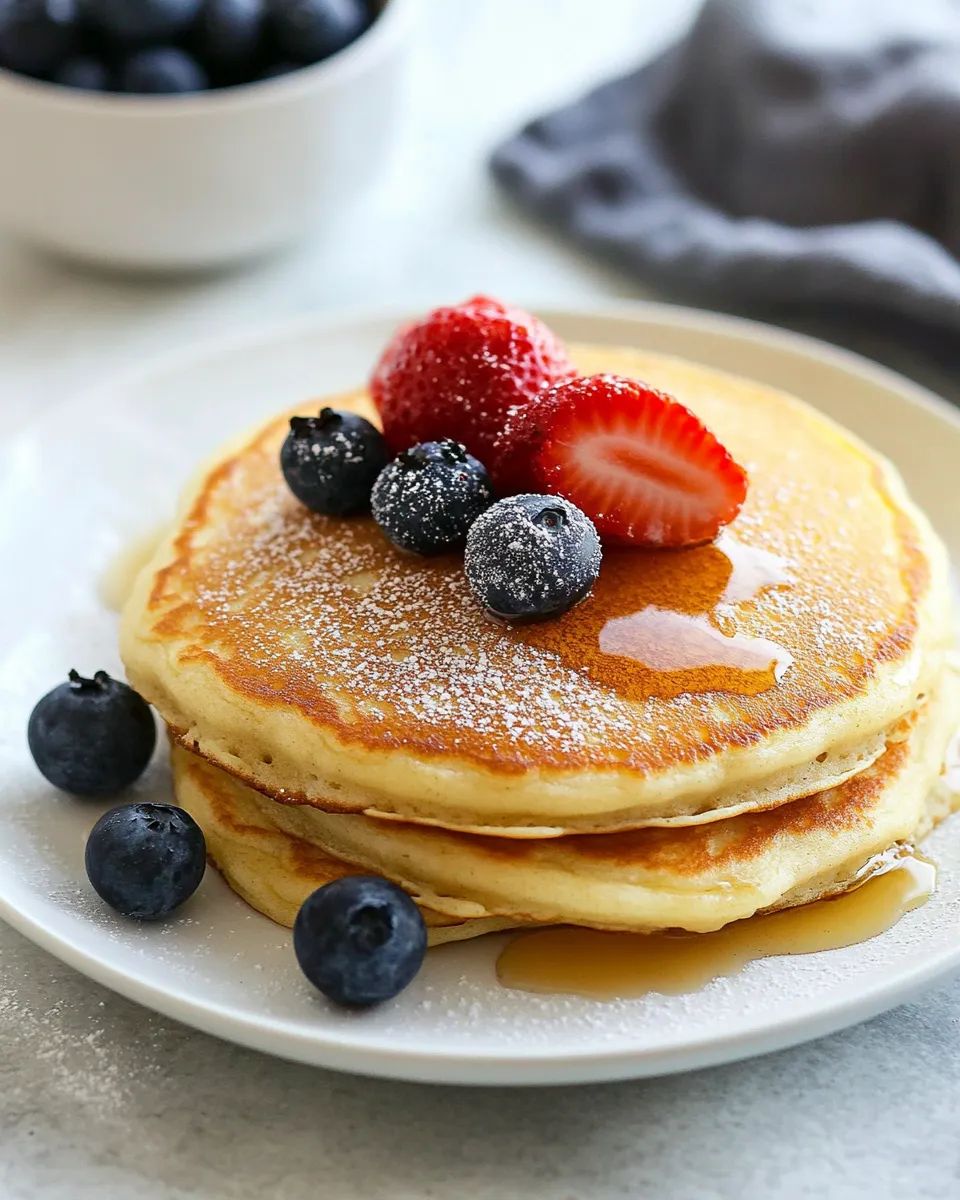
I turn to this recipe when I want something that feels both a little special and genuinely simple. The olive oil keeps the texture tender without needing butter, and the lemon zest keeps each bite lively. It’s a flexible base — sweet for brunch, savory with herbs and a fried egg for a quick dinner.
The method is forgiving: don’t overmix and pay attention to your pan temperature. Those two principles rescue many shaky mornings. And because the ingredient list is small and common, I rarely need to run to the store last minute.
Vegan & Vegetarian Swaps
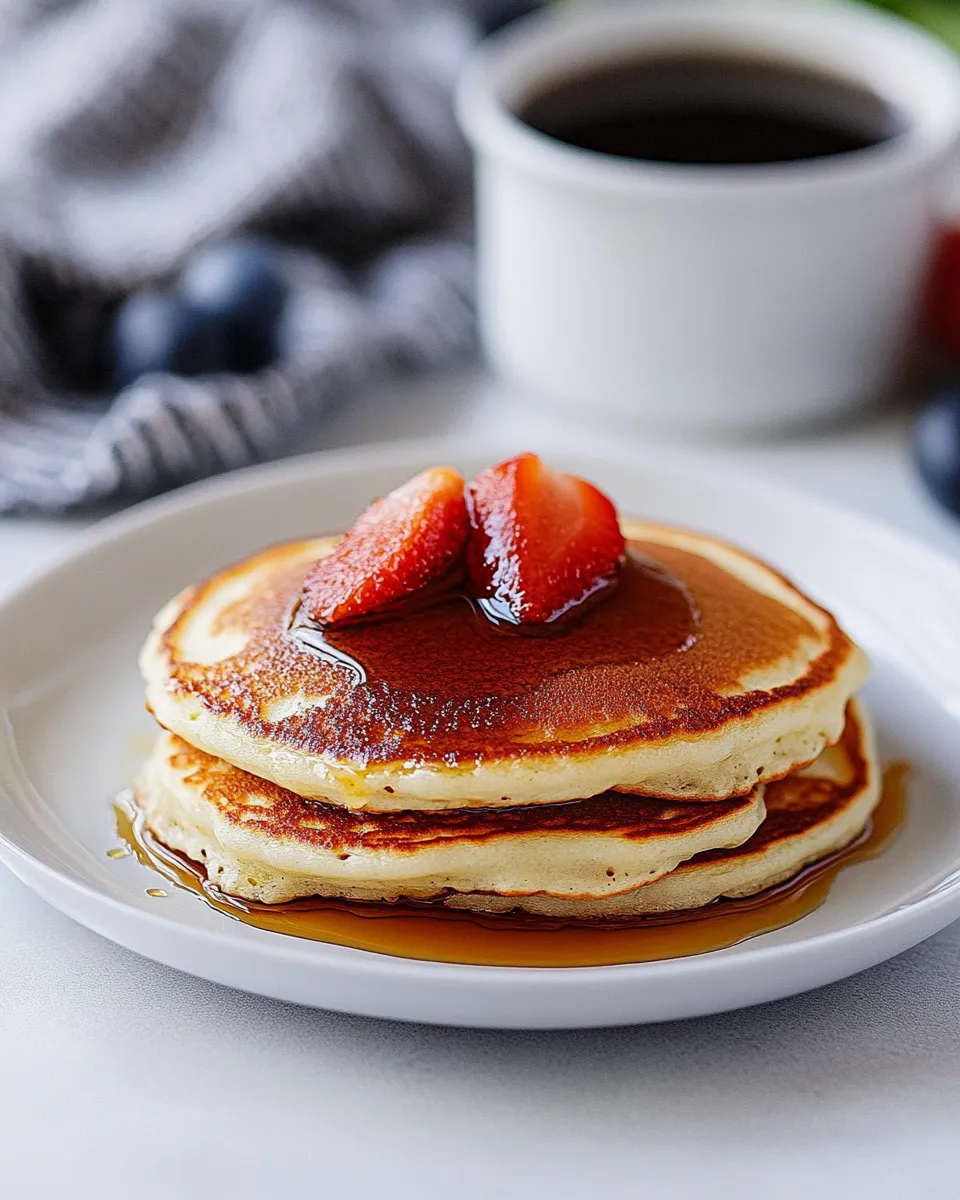
Vegetarians can use this recipe as written. For a vegan version, you’ll need two adjustments: the egg and the buttermilk. Replace the egg with a flax or chia “egg” (1 tablespoon ground flax or chia mixed with 2.5 tablespoons water, set to gel) or a commercial egg replacer. Substitute the buttermilk with plant-based milk soured with a splash of vinegar or lemon juice to mimic acidity — make the swap shortly before mixing so it thickens a bit.
Olive oil remains a perfect vegan fat here; it keeps pancakes tender without butter. If you prefer a more neutral oil, choose a mild vegetable oil, but expect a slightly different flavor profile.
Gear Up: What to Grab
- Nonstick skillet or griddle — an even-heating surface is essential; heavy-bottomed pans work well.
- Measuring cups and kitchen scale — the recipe lists both volume and weight for accuracy; use a scale when possible.
- Whisk and rubber spatula — whisk for the dry and wet mixes; spatula for scraping and gentle folding.
- Ladle or 3-tablespoon scoop — helps make consistent pancake sizes for even cooking.
- Zester or microplane — to get fine lemon zest without bitter pith.
Pitfalls & How to Prevent Them
Pitfall — flat, dense pancakes. Fix: don’t overmix. When wet hits dry, stir only until the big streaks of flour are gone. A few lumps are fine.
Pitfall — burned exterior, raw center. Fix: lower the heat. Olive oil-pancake batter browns quickly; if you see deep color before the centers are set, drop the heat by a notch and wait a minute between batches to stabilize pan temperature.
Pitfall — sticking to the pan. Fix: use a thin film of extra-virgin olive oil and brush or wipe the pan between batches. Even nonstick pans benefit from a light re-oil after several pancakes.
Warm & Cool Weather Spins
Warm weather: top the pancakes with fresh stone fruit or berries, a drizzle of honey, and a scattering of mint. The lemon zest plays nicely with ripe fruit and keeps the stack bright. Serve with cold brew coffee or a fruity iced tea.
Cool weather: make a warm compote on the stovetop (stewed apples or pears with a splash of citrus and a pinch of spice) and spoon it over the pancakes. A spoonful of yogurt or mascarpone adds comforting richness that complements the olive oil.
Cook’s Commentary
My favorite small trick is grating lemon directly into the wet mix, then tasting a tiny bit of batter. It sounds eccentric, but it helps me judge whether the lemon-olive oil balance feels right. If the lemon is shy, I add a whisper more zest; if it’s dominant, I rely on the vanilla to soften the edges.
Also, resist the temptation to crank the heat for speed. Real time savings come from a well-heated pan and consistent scoop size — not from high flames. These pancakes reward patience with a tender center and an even, golden crust.
Storing, Freezing & Reheating
Store leftover pancakes in an airtight container in the refrigerator for up to 3 days. To freeze, arrange cooled pancakes in a single layer on a baking sheet, freeze until firm, then stack with parchment between layers in a freezer bag for up to 2 months.
Reheat from refrigerated: a warm skillet over low heat or a 300°F oven for 5–8 minutes until warmed through. From frozen: reheat in a 350°F oven for 10–12 minutes, or toast them in a toaster oven. Avoid the microwave if you want to preserve texture; it heats fast but can make pancakes gummy.
Quick Q&A
- Can I make the batter ahead? — You can whisk the dry and wet components separately and combine just before cooking. Mixed batter is best used within an hour for best rise.
- Why both baking powder and baking soda? — Baking powder provides general lift, while baking soda reacts with the buttermilk for extra tenderness and browning.
- Is olive oil noticeable? — Yes, but it should be gentle. Use a fruity, not bitter, extra-virgin olive oil for a pleasant background flavor.
- Can I add mix-ins? — Berries or a scattering of chocolate chips work, but fold them in gently and don’t overwork the batter.
Final Thoughts
These Olive Oil Pancakes are an easy, tasteful shift from your standard stack. They’re forgiving, adaptable, and have a flavor profile that feels both rustic and refined. Follow the method, mind your heat, and you’ll get consistent results every time. Keep the lemons and a good bottle of olive oil on hand — you’ll be surprised how often this simple batter becomes the base for breakfasts, quick dinners, and last-minute guests.
Olive Oil Pancakes
Ingredients
Equipment
Method
- In a large mixing bowl, whisk together the sifted all-purpose flour, sugar, baking powder, baking soda, and salt until evenly combined.
- In a small bowl or 2-cup measuring cup, whisk together the egg, buttermilk, extra-virgin olive oil, finely grated lemon zest, and vanilla extract until smooth.
- Pour the wet ingredients into the dry ingredients and whisk gently just until the batter is mostly combined. A few small lumps are fine; stop as soon as there are no large streaks or clumps of flour to avoid overmixing.
- Heat a nonstick skillet or griddle over medium heat until hot (about 3–5 minutes); the pan should be evenly heated. You can test readiness by flicking a few drops of water — they should dance and evaporate.
- Lightly grease the hot skillet with a thin film of extra-virgin olive oil using a folded paper towel or brush. Reapply a little oil between batches only if pancakes begin to stick.
- For each pancake, ladle about 3 tablespoons of batter onto the skillet, leaving space between pancakes. If the batter is thick, use the back of the scoop or spoon to gently spread each mound into roughly 4-inch rounds.
- Cook until the bottom is deep golden brown and bubbles form and begin to pop on the surface, about 2–3 minutes. Flip and cook the second side until golden and the center is cooked through, about 1–2 minutes more. If pancakes are browning too quickly, reduce the heat so centers have time to cook.
- Transfer cooked pancakes to serving plates or place them on a baking sheet in a 200°F oven to keep warm while you finish the rest. Serve the pancakes warm.