One Pan Veggie Pasta
This is the kind of weeknight meal I reach for again and again — minimal fuss, maximum flavor, and only one pan to wash. One Pan Veggie Pasta is built around simple ingredients you probably already keep on hand, and it comes together in under 30 minutes. The method makes the pasta part of the sauce, so every strand picks up the bright tomato and basil notes and the gentle warmth of red chili flakes.
I love it because it’s forgiving. Missed a shallot? Use an onion. Out of basil? Finish with a pinch of dried herbs and lemon zest for brightness. The key moments — pushing the pasta under the liquid, adjusting the simmer, and finishing with lemon and Parmesan — are small, decisive moves that make everything sing.
Below I walk you through exactly what to gather, how to execute each step, and how to adapt this to your pantry and diet. Practical tips, troubleshooting, and storage advice are included so you can make this again and feel confident every time.
What You’ll Gather
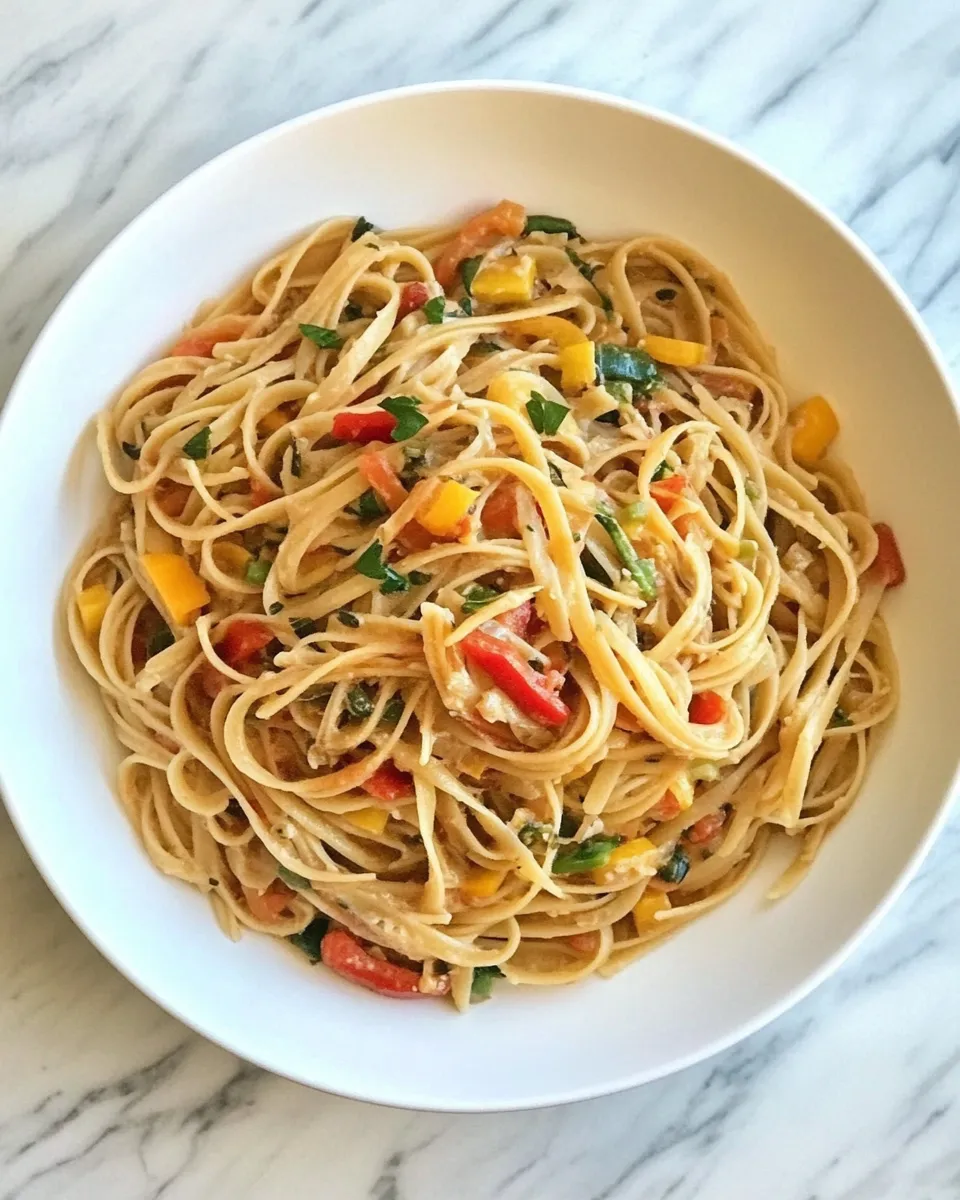
Ingredients
- 1 tablespoon olive oil — the cooking fat; heats quickly and prevents sticking while building flavor.
- 2 shallots (chopped) — add sweetness and depth; chop evenly so they soften at the same rate as the garlic.
- 4 garlic cloves (sliced thinly) — brings aromatics and pungency; thin slices brown faster than minced garlic.
- 1/4 teaspoon red chili flakes — a little heat; adjust to taste or omit for no spice.
- 2 1/2 cups low-sodium vegetable broth — the cooking liquid and base of the sauce; low-sodium lets you control seasoning.
- 2 cups quartered cherry tomatoes — provide sweet, saucy texture as they break down while the pasta cooks.
- 1 orange bell pepper (diced) — color and sweetness; dice small so it tenderizes quickly.
- 1 yellow bell pepper (diced) — same role as the orange pepper; adds visual contrast and flavor balance.
- 1 cup sliced mushrooms — earthy umami and meaty texture; slice to a consistent thickness.
- 1/2 pound whole wheat linguine or any other whole wheat pasta — whole grain pasta adds fiber and a nutty flavor; push it down so it hydrates evenly.
- 1 cup spinach (chopped) — quick-wilting green that adds color and a vitamin boost; chop so it distributes throughout.
- 1/3 cup basil (fresh, chopped) — bright finish; add off heat to preserve the fresh aroma.
- 1/2 lemon (juiced and zested) — zest for aroma, juice for brightness and acid to balance the dish.
- 1/2 teaspoon sea salt — baseline seasoning; start here and adjust after tasting.
- 1/2 teaspoon black pepper — freshly ground is best for aroma and bite.
- 1/3 cup Parmesan cheese (grated) — adds savory richness and helps thicken the sauce when melted into the hot pasta.
Cooking (One Pan Veggie Pasta): The Process
- Heat a wide, deep skillet or pot over medium heat. Add 1 tablespoon olive oil and heat until shimmering.
- Add 2 shallots (chopped), 4 garlic cloves (sliced thinly), and 1/4 teaspoon red chili flakes. Sauté, stirring, until the shallots soften and the garlic is fragrant, about 1–2 minutes.
- Pour in 2 1/2 cups low-sodium vegetable broth. Add 2 cups quartered cherry tomatoes, 1 orange bell pepper (diced), 1 yellow bell pepper (diced), 1 cup sliced mushrooms, and 1/2 pound whole wheat linguine. Push the pasta down so it is submerged; if any pasta is exposed, add more vegetable broth until everything is covered.
- Increase heat to medium-high and bring the mixture to a boil. Once boiling, reduce heat to a simmer and cook, stirring occasionally, until the pasta is nearly al dente, about 7–9 minutes.
- Add 1 cup chopped spinach, stir, and continue to simmer until the spinach wilts and the pasta is al dente, about 2–3 more minutes.
- Remove the pan from the heat. Add 1/3 cup fresh chopped basil, the zest and juice of 1/2 lemon, 1/2 teaspoon sea salt, 1/2 teaspoon black pepper, and 1/3 cup grated Parmesan cheese. Toss gently until combined and the cheese is melted into the sauce.
- Taste and adjust seasoning if desired, then serve immediately.
The Upside of One Pan Veggie Pasta
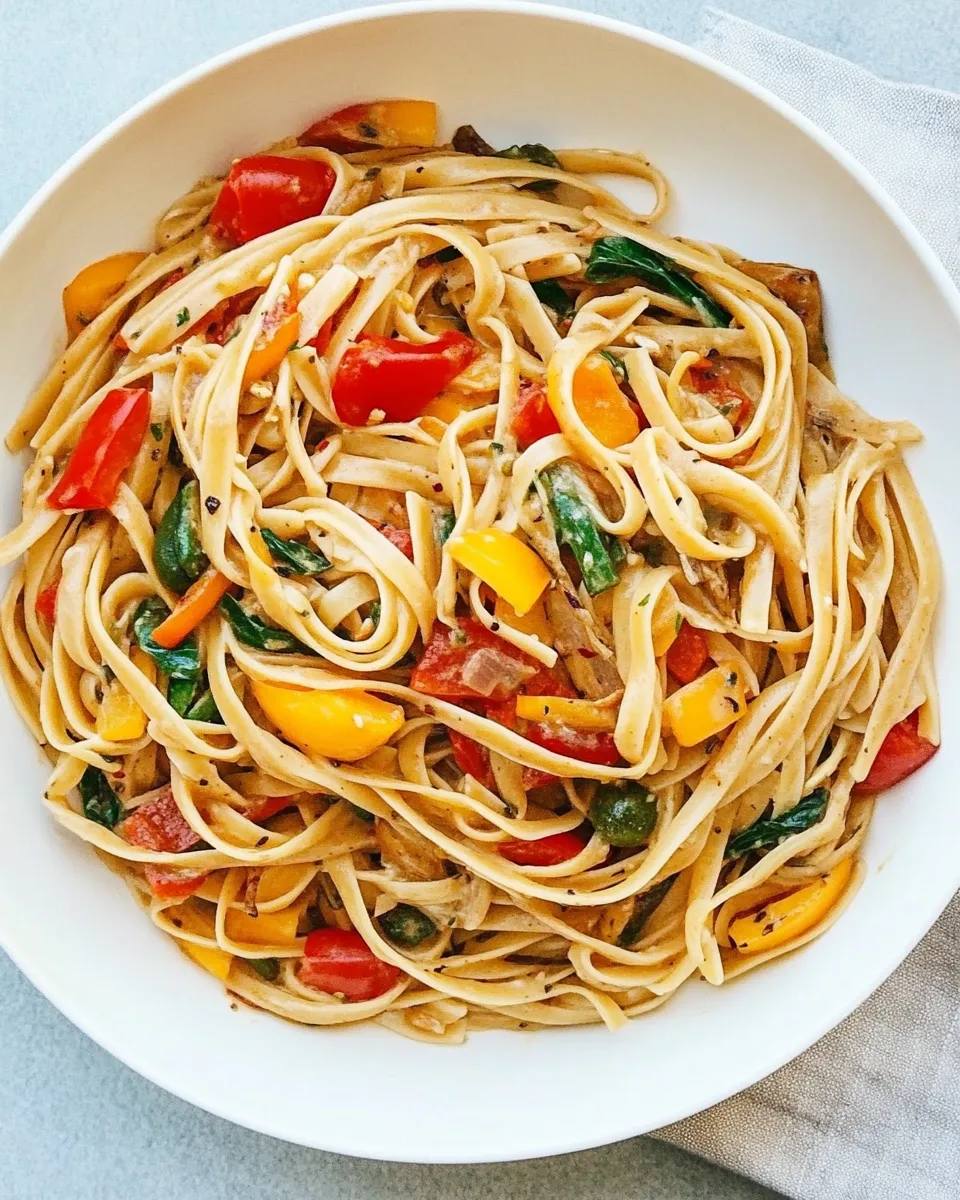
There are a few wins here that keep this recipe on repeat in my kitchen. First, cleanup is wildly simple. With everything cooked in one wide pan, you avoid boiling a separate pot of pasta and then transferring. That saves time and sinkscrubbing.
Second, the technique of cooking pasta directly in the broth and vegetables creates a built-in sauce. The pasta releases starch as it cooks, which helps thicken the cooking liquid and bind it to the vegetables. You end up with a saucy, not watery, final dish without extra cream or butter.
Finally, it’s flexible and balanced: whole wheat linguine gives you fiber, vegetables provide vitamins and texture, and a modest amount of Parmesan supplies savory depth. It’s a satisfying vegetarian main that feels complete but still light.
What to Use Instead
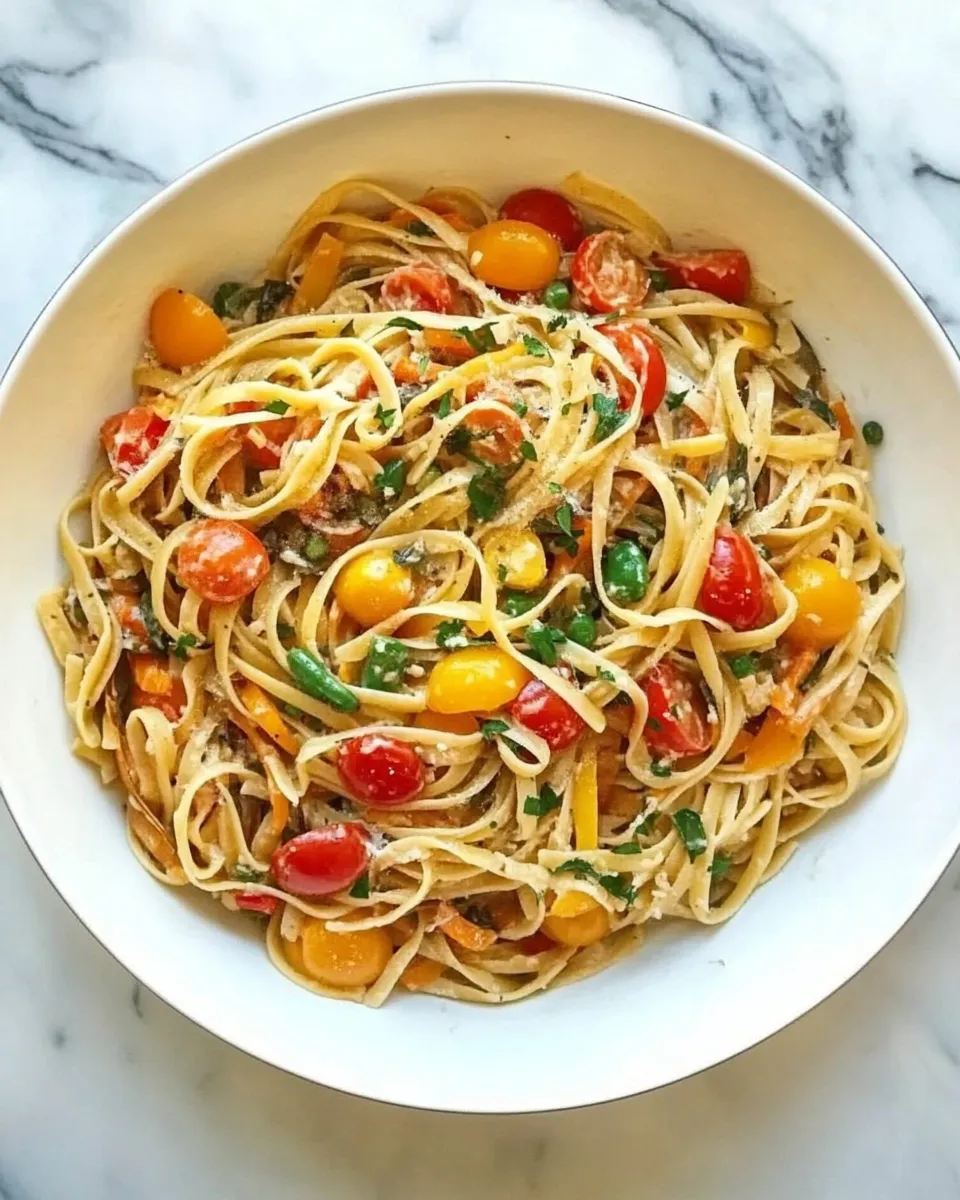
Swaps make this recipe resilient to whatever’s in your pantry.
- Pasta: Use regular linguine, spaghetti, or a short whole wheat pasta if you prefer. Cooking time may change slightly.
- Broth: If you don’t have vegetable broth, low-sodium chicken broth works fine for non-vegetarians; water plus a small extra pinch of salt also gets the job done.
- Greens: Swap spinach for baby kale or Swiss chard, but add them a minute or two earlier as they take slightly longer to soften.
- Cheese: If you’re out of Parmesan, Pecorino or a similar hard cheese will still deliver savory umami.
- Heat: Swap red chili flakes for a pinch of cayenne or omit altogether for no spice.
Essential Tools for Success
- Wide, deep skillet or sauté pan: Enough surface area and depth so the pasta and veggies can sit mostly flat and remain submerged in liquid.
- Sharp knife and cutting board: Uniform chopping helps vegetables cook evenly.
- Wooden spoon or heatproof spatula: For stirring without scratching your pan and for gently pushing pasta under the liquid.
- Measuring cups and spoons: To be precise with broth and seasonings on your first time through.
- Microplane or citrus zester: For getting fine lemon zest that distributes evenly.
- Grater: For fresh Parmesan so it melts smoothly into the sauce.
Problems & Prevention
Pasta sticks together or cooks unevenly
If the pasta isn’t fully submerged, it’ll cook unevenly and the exposed strands will remain firm. Always push the linguine down so it’s under the liquid. If needed, add a splash more broth to cover.
Liquid stays too thin or too much
If you end up with excessive liquid, simmer a little longer uncovered to reduce and concentrate flavors. If it’s too dry before the pasta is cooked, add small amounts of hot water or broth and stir.
Vegetables become mushy
Overcooking is usually the culprit. Keep an eye on timing and add quick-wilt greens like spinach near the end. Bell peppers and mushrooms should be diced or sliced so they cook alongside the pasta in the listed timeframe.
Underseasoned final dish
Always taste at the end before serving. The low-sodium broth gives control, so you may need a final pinch of salt or extra lemon juice to brighten things up. Parmesan also adds saltiness—add it and then taste.
Make It Diet-Friendly
This recipe adapts well to different dietary needs.
- Lower sodium: Use no-salt-added broth and skip or reduce the added sea salt; finish with lemon to compensate for flavor.
- Gluten-free: Substitute a gluten-free linguine and follow the same technique; cook time may vary based on the brand.
- Vegan: Swap the Parmesan for a vegan hard cheese or nutritional yeast for savory depth, and double-check that your pasta is egg-free.
- Higher protein: Stir in cooked beans or top with a can of drained chickpeas (heat through with the sauce) or serve with a side of grilled tofu.
Pro Perspective
Two small habits lift this from good to great. First, a single stir every few minutes is better than constant stirring. You want the pasta to release starch and the vegetables to sweat without breaking apart. Second, always finish off-heat with the basil, lemon, and Parmesan. The residual heat melts the cheese just enough and keeps the basil bright and aromatic.
Also, don’t be afraid to adjust the liquid. Depending on your pan and the exact pasta shape, you may need a splash more broth. I prefer slightly less liquid at first and add as needed — it’s easier to loosen a too-thick sauce than to fix a dried-out one.
Save for Later: Storage Tips
Store leftovers in an airtight container in the refrigerator for up to 3 days. The pasta will continue to absorb liquid as it sits, so undercook it by 30–60 seconds if you plan to save some; it’ll finish cooking when reheated.
Reheat gently on the stovetop over medium-low with a splash of water or broth to loosen the sauce, or microwave in short bursts, stirring between intervals. Freezing is possible but not ideal — the texture of the vegetables softens on thawing. If you must freeze, omit the spinach and add fresh greens when reheating.
One Pan Veggie Pasta FAQs
Q: Can I use shorter pasta shapes? A: Yes. Short shapes like penne or fusilli work, but they may require slightly less liquid and a different stirring rhythm — ensure they’re covered as they cook.
Q: My pasta was gummy. What went wrong? A: Gummy pasta usually means the starches weren’t diluted enough or the heat was too low to simmer the pasta properly. Make sure the broth is at a simmer after boiling and stir occasionally so starch disperses evenly.
Q: Can I prepare this ahead for meal prep? A: You can cook it and refrigerate as instructed. For best texture, reheat with a little extra liquid and refresh greens and basil when serving.
Q: How do I make it spicier? A: Add more red chili flakes during the initial sauté or finish with a drizzle of chili oil. Taste as you go so it doesn’t overpower the other flavors.
In Closing
One Pan Veggie Pasta is a weekday hero: fast, flexible, and forgiving. It teaches you how to coax lots of flavor from few ingredients and one pan. Once you get the hang of pushing the pasta under the broth and finishing off-heat with fresh basil and lemon, it’ll become a go-to for quick dinners, relaxed guests, or a nourishing solo meal.
Make it your own. Swap in whatever vegetables are in season, tweak the heat level, and adjust the cheese to your taste. Then sit down, fork in hand, and enjoy a simple, satisfying meal with minimal cleanup.
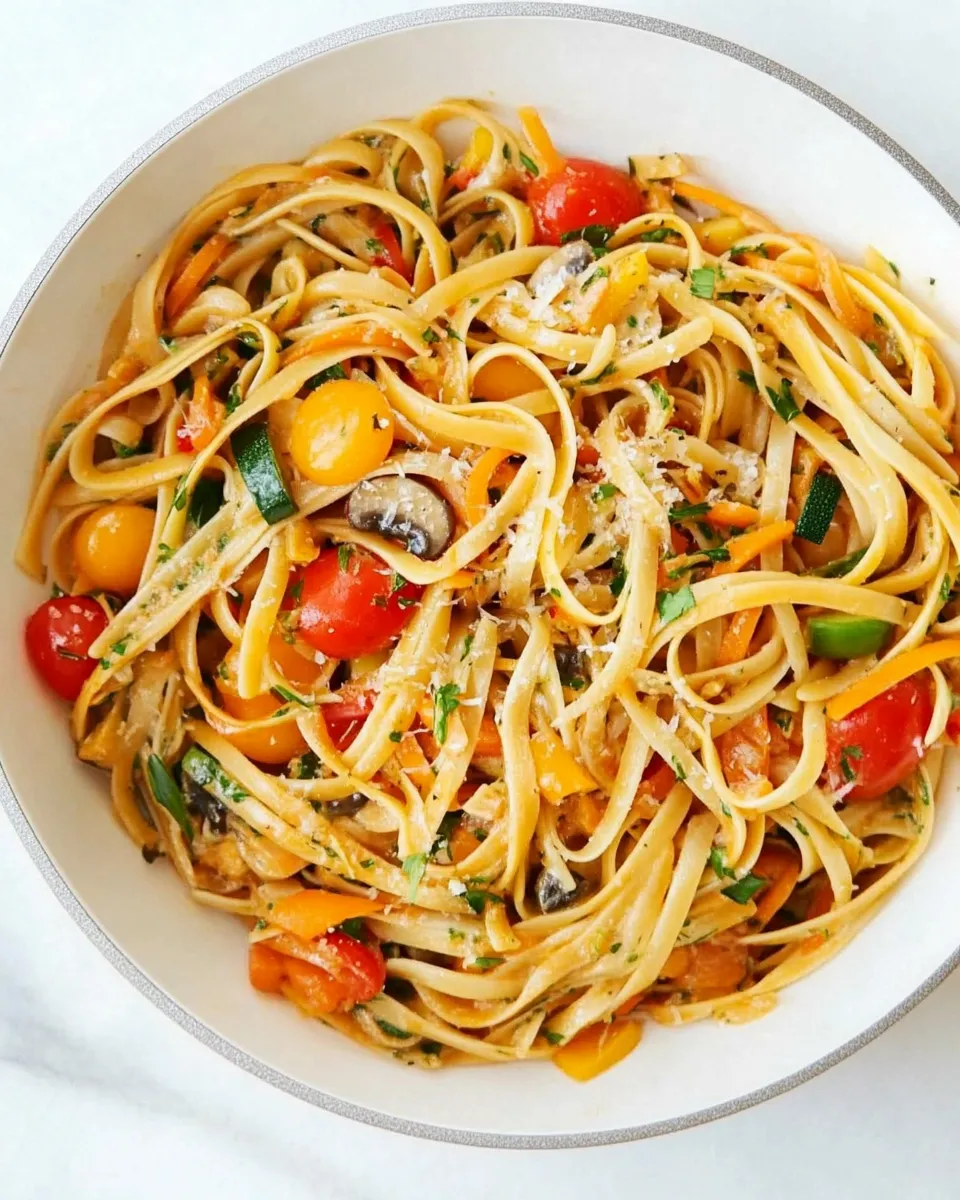
One Pan Veggie Pasta
Ingredients
Equipment
Method
- Heat a wide, deep skillet or pot over medium heat. Add 1 tablespoon olive oil and heat until shimmering.
- Add 2 shallots (chopped), 4 garlic cloves (sliced thinly), and 1/4 teaspoon red chili flakes. Sauté, stirring, until the shallots soften and the garlic is fragrant, about 1–2 minutes.
- Pour in 2 1/2 cups low-sodium vegetable broth. Add 2 cups quartered cherry tomatoes, 1 orange bell pepper (diced), 1 yellow bell pepper (diced), 1 cup sliced mushrooms, and 1/2 pound whole wheat linguine. Push the pasta down so it is submerged; if any pasta is exposed, add more vegetable broth until everything is covered.
- Increase heat to medium-high and bring the mixture to a boil. Once boiling, reduce heat to a simmer and cook, stirring occasionally, until the pasta is nearly al dente, about 7–9 minutes.
- Add 1 cup chopped spinach, stir, and continue to simmer until the spinach wilts and the pasta is al dente, about 2–3 more minutes.
- Remove the pan from the heat. Add 1/3 cup fresh chopped basil, the zest and juice of 1/2 lemon, 1/2 teaspoon sea salt, 1/2 teaspoon black pepper, and 1/3 cup grated Parmesan cheese. Toss gently until combined and the cheese is melted into the sauce.
- Taste and adjust seasoning if desired, then serve immediately.