Orange Cake Recipe
Bright, tender, and simply put — reliable. This orange cake leans on the gentle richness of sour cream and the fruity lift from orange zest and juice. It’s the kind of cake that feels special without the fuss, so you can serve it for guests or slice it for a weekday dessert.
My notes below walk you through every stage: what you need, exactly how to mix and bake it, and the small checks that make the difference between a dense cake and a light, moist one. I aim for practical steps you can follow in one go.
There are no complicated techniques here. You’ll find timing cues, quick fixes if the top browns too fast, and storage tips so leftovers stay just as good. Let’s get the oven on and make a dependable Orange Cake.
What We’re Using
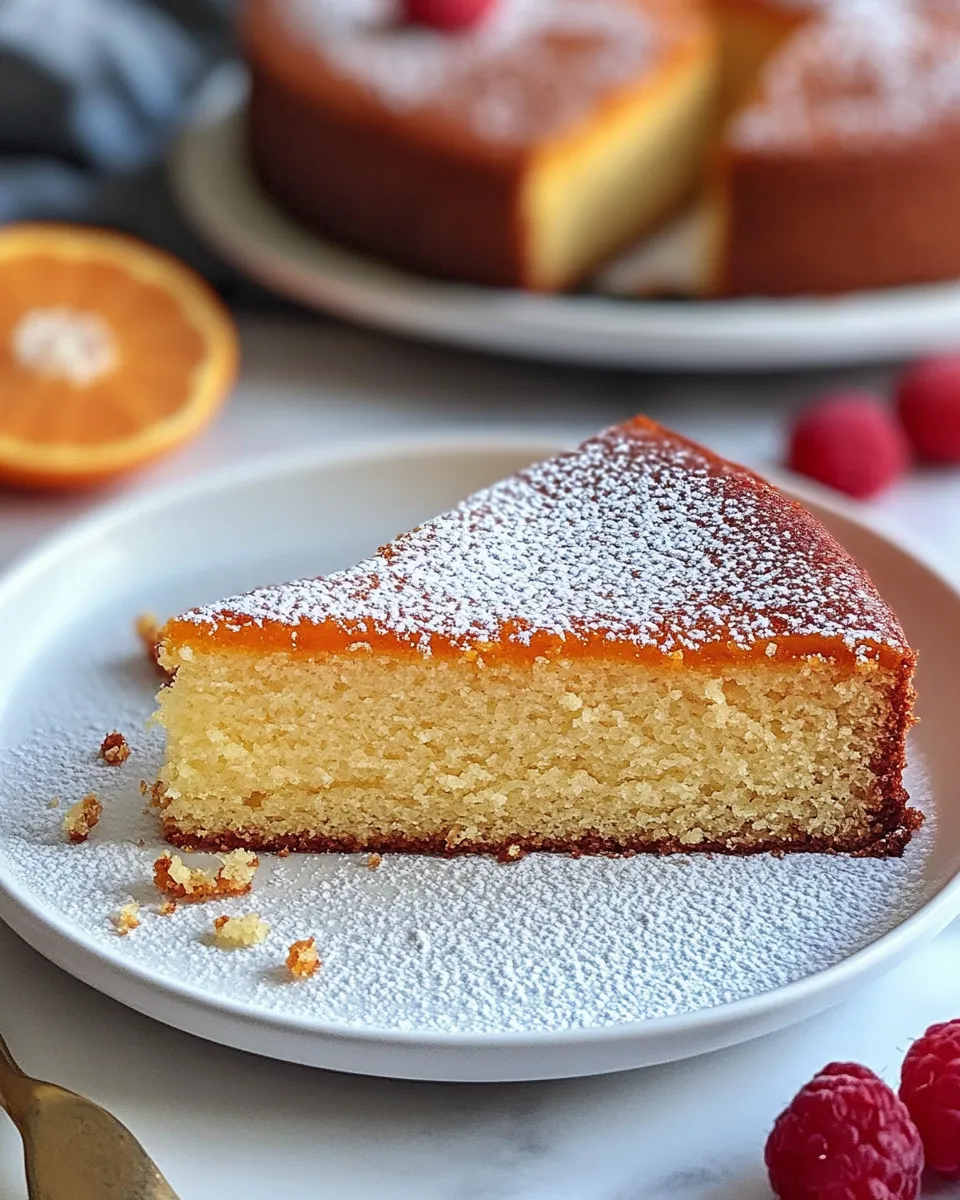
Simple tools and straightforward technique. A springform pan gives the cake an even edge and makes unmolding easier, and a whisk plus a spatula are all you need for mixing. Keep the eggs at room temperature and use a middle oven rack for steady heat.
Ingredients
- 1 3/4 cups sour cream or plain yogurt — provides moisture and tenderness; use room temperature for easier mixing.
- 1/2 cup extra virgin olive oil — adds fat and a subtle fruitiness; measure by volume.
- 1 1/2 cups sugar — sweetens and helps with structure and browning.
- 3 large eggs room temperature — binders that also help lift; bring to room temp for better emulsion.
- 1 tablespoon orange zest — concentrated orange flavor; zest before juicing.
- 2 tablespoons orange juice — brightens the batter; fresh is best.
- 1 teaspoon orange extract — amplifies orange aroma; a little goes a long way.
- 2 1/2 cups all-purpose flour — the main structure; measure with spoon-and-level or a scale.
- 2 1/2 teaspoons baking powder — primary leavening; make sure it’s fresh.
- 1/2 teaspoon baking soda — reacts with the sour cream for lift and tenderness.
- 1/4 teaspoon salt — balances sweetness and enhances flavor.
From Start to Finish: Orange Cake
- Preheat the oven to 350°F (175°C) and place the oven rack in the middle position.
- Butter the sides and bottom of a 9-inch springform pan and set the pan aside.
- In a medium bowl, whisk together 2 1/2 cups all-purpose flour, 2 1/2 teaspoons baking powder, 1/2 teaspoon baking soda, and 1/4 teaspoon salt.
- In a large bowl, whisk 1 1/2 cups sugar with 1 3/4 cups sour cream (or plain yogurt), 3 large room-temperature eggs, 1/2 cup extra virgin olive oil, 2 tablespoons orange juice, 1 tablespoon orange zest, and 1 teaspoon orange extract until fully combined and creamy.
- Add half of the dry ingredients to the wet ingredients and stir until just combined. Add the remaining dry ingredients and mix until the batter is smooth and no lumps remain; avoid overmixing.
- Pour the batter into the prepared springform pan and smooth the top with a spatula.
- Bake on the middle rack for 50–60 minutes, or until a toothpick inserted into the center comes out clean. If the top browns too quickly, tent the cake loosely with foil.
- Remove the cake from the oven and place the pan on a cooling rack. Cool in the pan for 15 minutes.
- Run a knife around the cake edge, release the springform, transfer the cake to the cooling rack, and cool completely before slicing and serving.
Why This Recipe Belongs in Your Rotation
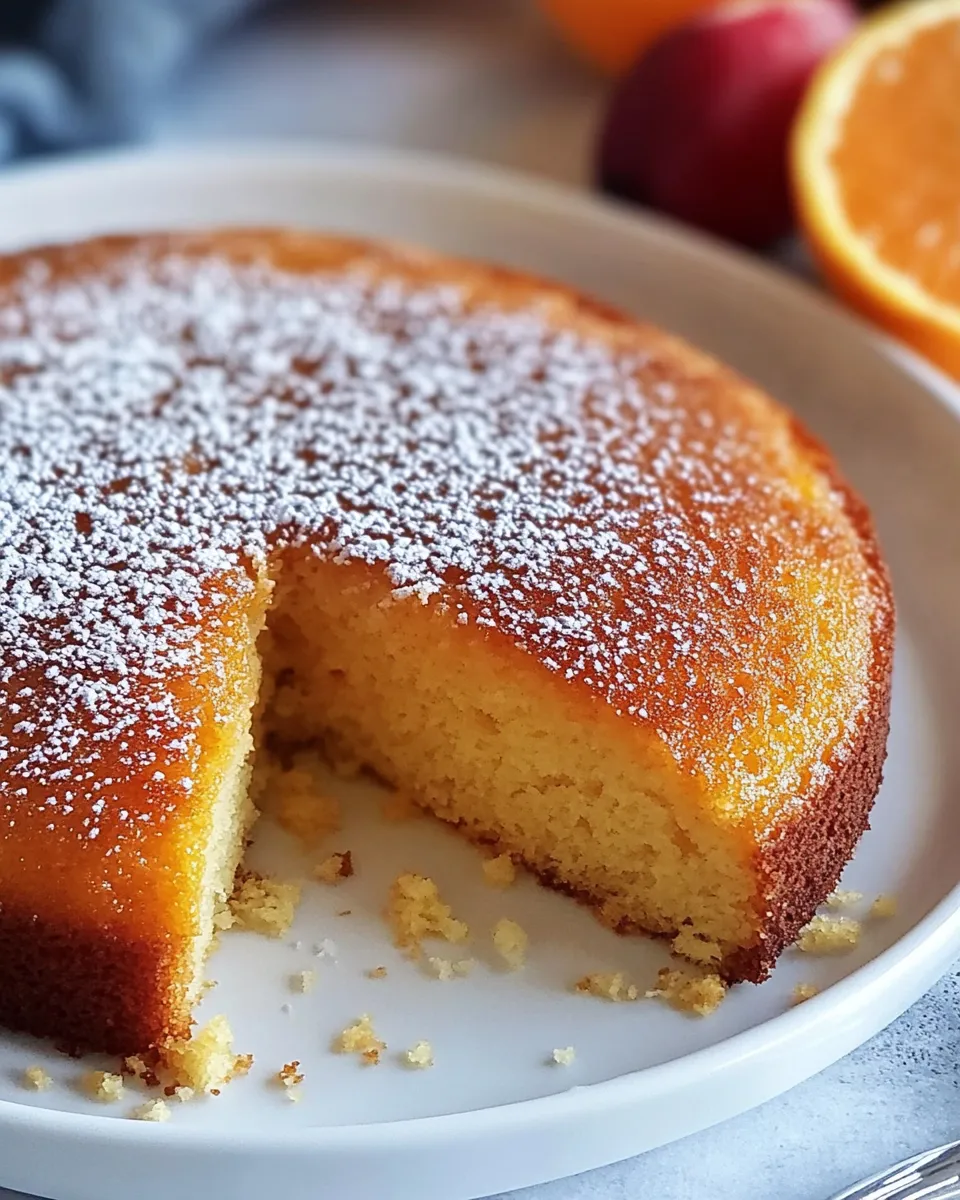
This cake is forgiving. The combination of sour cream and olive oil creates a moist crumb that keeps well for days, so you can make it ahead. It’s bright from the orange but not overwhelmingly sweet, which means it pairs beautifully with tea, coffee, or even a simple dollop of yogurt on the side.
It’s also scalable. Once you nail the method, the batter behaves predictably: modest mixing, gentle fold of dry to wet, and a steady bake. You’ll appreciate having this on hand for dinner guests, a weekend treat, or a last-minute celebration.
Texture-Safe Substitutions
Keep texture in mind when swapping ingredients. The goal is to preserve moisture and lift.
- Swap sour cream with plain yogurt (the recipe already allows this) — use full-fat for the best moist crumb.
- If you need a neutral oil instead of extra virgin olive oil, choose a light-flavored oil; avoid coconut oil unless you want coconut notes.
- For a slightly denser but still tender result, use Greek-style plain yogurt, thinning it with a tablespoon or two of milk if it’s very thick.
Equipment & Tools
- 9-inch springform pan — the recipe is written for this size for even baking and easy release.
- Oven with reliable temperature — use an oven thermometer if your oven runs hot or cold.
- Mixing bowls — one medium for dry, one large for wet.
- Whisk and spatula — whisk for wet ingredients; spatula for folding and smoothing batter.
- Cooling rack — allow the cake to cool completely for the best texture before slicing.
- Toothpick or cake tester — to check doneness at the center.
Frequent Missteps to Avoid
Small mistakes change texture quickly. Here are the ones I see most often and how to prevent them.
- Overmixing after adding flour — stops the cake from being tender. Stir only until combined.
- Using cold eggs — they won’t emulsify as well with the oil and sour cream. Let them come to room temp.
- Ignoring bake time range — ovens vary, so start checking at 50 minutes. A clean toothpick means done.
- Skipping the 15-minute rest in the pan — that short wait helps the cake settle so it won’t crack or break when you remove the ring.
- Baking on the wrong rack — the middle rack gives the most even heat exposure for this cake.
Seasonal Ingredient Swaps
The base is flexible for seasonal twists. Keep the citrus-theme and adjust boldly or subtly depending on the season.
- Winter: Add a touch of warmed spices (small pinch of cinnamon or a whisper of cardamom) if you like a cozy note.
- Spring: Swap some of the orange zest for lemon or grapefruit zest to brighten the profile.
- Summer: Use extra-fresh orange juice and a bit more zest when oranges are at their sweetest.
- Fall: Finish slices with a smear of lightly sweetened mascarpone or ricotta to pair with the warm tones of the season.
If You’re Curious
Why olive oil? It contributes to a soft crumb and keeps the cake moist longer than butter in many cases. The olive oil you choose does matter — extra virgin gives a gentle fruitiness, so pick one you enjoy by the spoonful.
Why both baking powder and baking soda? Baking powder provides most of the lift; baking soda reacts with the acidity in the sour cream, giving extra lift and helping the crumb brown correctly.
Can you add nuts or chocolate chips? Yes, but fold them in sparingly and consider slightly reducing sugar if add-ins are sweet. Toss nuts or chips in a tablespoon of flour before adding so they don’t sink.
Make-Ahead & Storage
Cool the cake completely before wrapping or storing. If you need to make it ahead:
- Room temperature: Store in an airtight container for up to 2 days.
- Refrigerator: Wrap tightly and refrigerate for up to 5 days — bring to room temperature before serving for best flavor.
- Freezer: Wrap in plastic and foil, freeze up to 2 months. Thaw overnight in the fridge, then bring to room temp before serving.
Orange Cake Q&A
Q: Can I halve the recipe?
Yes, but bake time will be shorter and you’ll need a smaller pan — check for doneness early and adjust the bake time based on the depth of the batter.
Q: My top browned much faster than the interior — what now?
Tent the cake loosely with foil as soon as you notice rapid browning. That shields the surface while the center continues to cook.
Q: The crumb was gummy — why?
Gummy crumbs come from underbaking or overmixing after the flour goes in. Double-check your oven temperature and stir just until smooth.
Q: Can I make this dairy-free?
You can experiment with dairy-free yogurt substitutes, but the texture will change. If you try one, pick a full-fat alternative and expect slightly different crumb and flavor.
Make It Tonight
Quick checklist before you begin: eggs at room temperature, zest the orange first, and preheat to 350°F (175°C). The hands-on time is short — mixing takes about 10 minutes. From there, the oven does the work: 50–60 minutes, a 15-minute rest in the pan, and then cool completely before slicing.
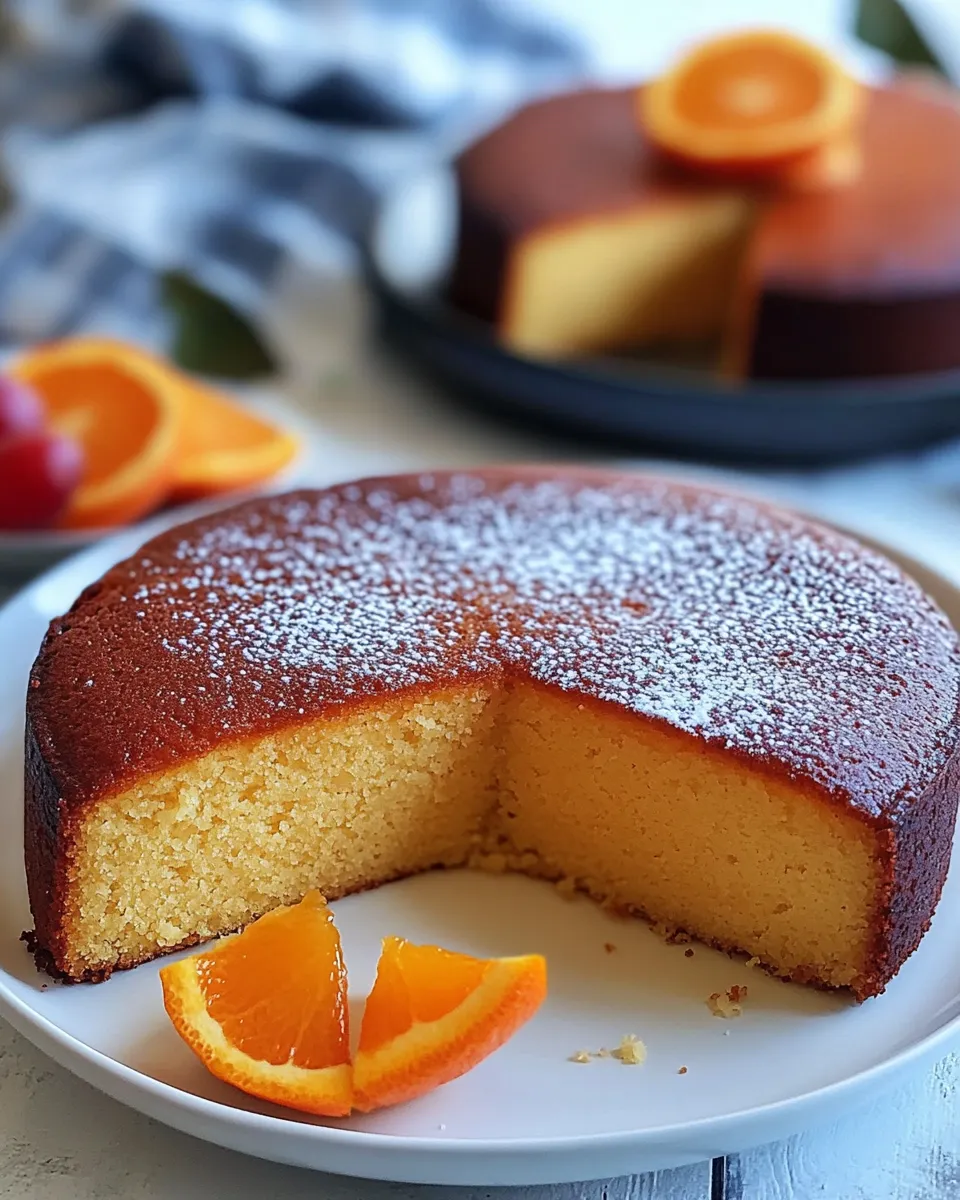
Serve plain, dusted with powdered sugar, or with a simple orange-scented glaze if you like a sweeter finish. Whatever you choose, this Orange Cake is dependable, tasty, and ready to become a regular in your baking rotation.
Orange Cake Recipe
Ingredients
Equipment
Method
- Preheat the oven to 350°F (175°C) and place the oven rack in the middle position.
- Butter the sides and bottom of a 9-inch springform pan and set the pan aside.
- In a medium bowl, whisk together 2 1/2 cups all-purpose flour, 2 1/2 teaspoons baking powder, 1/2 teaspoon baking soda, and 1/4 teaspoon salt.
- In a large bowl, whisk 1 1/2 cups sugar with 1 3/4 cups sour cream (or plain yogurt), 3 large room-temperature eggs, 1/2 cup extra virgin olive oil, 2 tablespoons orange juice, 1 tablespoon orange zest, and 1 teaspoon orange extract until fully combined and creamy.
- Add half of the dry ingredients to the wet ingredients and stir until just combined. Add the remaining dry ingredients and mix until the batter is smooth and no lumps remain; avoid overmixing.
- Pour the batter into the prepared springform pan and smooth the top with a spatula.
- Bake on the middle rack for 50–60 minutes, or until a toothpick inserted into the center comes out clean. If the top browns too quickly, tent the cake loosely with foil.
- Remove the cake from the oven and place the pan on a cooling rack. Cool in the pan for 15 minutes.
- Run a knife around the cake edge, release the springform, transfer the cake to the cooling rack, and cool completely before slicing and serving.