Pad See Ew (Thai Stir Fry Noodles)
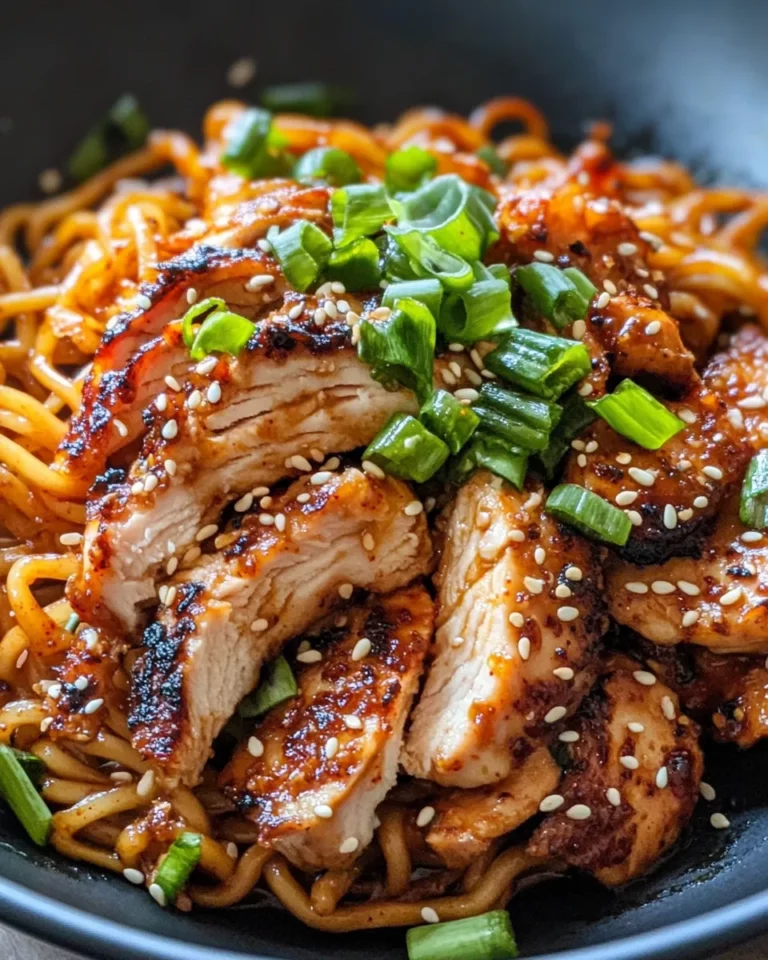
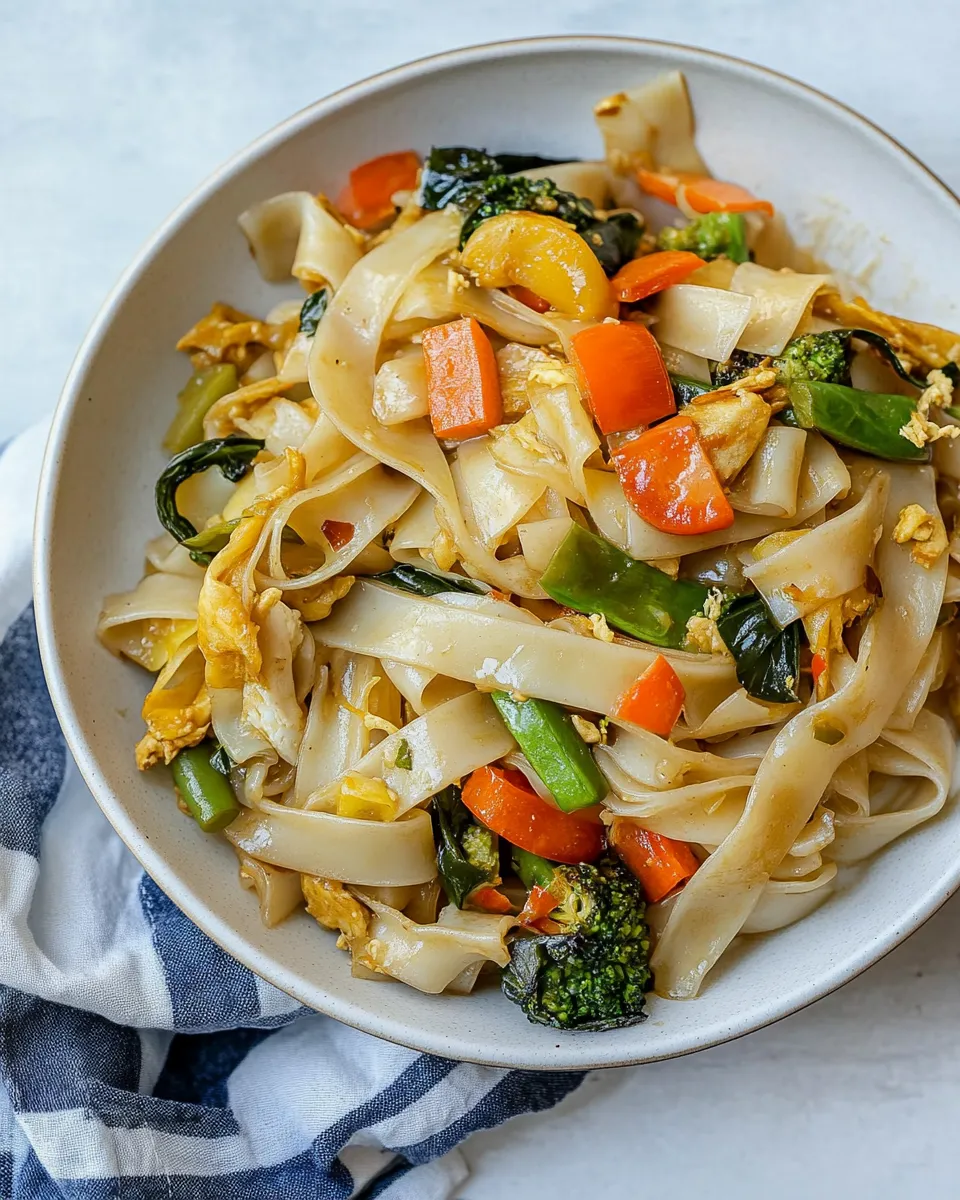
Pad See Ew is one of those weekday champions: quick to pull together, forgiving, and deeply satisfying. It’s the kind of stir-fry that sings when the noodles get a little char and the sauce clings to everything. No single step is finicky, but a few choices—noodle texture, heat, and timing—make the difference between good and great.
I cook this version often because it uses simple pantry items and everyday vegetables, and it produces a balanced sweet-savory finish without a long ingredient list. You can follow it exactly or use it as a template to adapt with whatever you have on hand. Read through the notes and tips below before you start; they make the cooking flow smoother.
Ingredient Notes
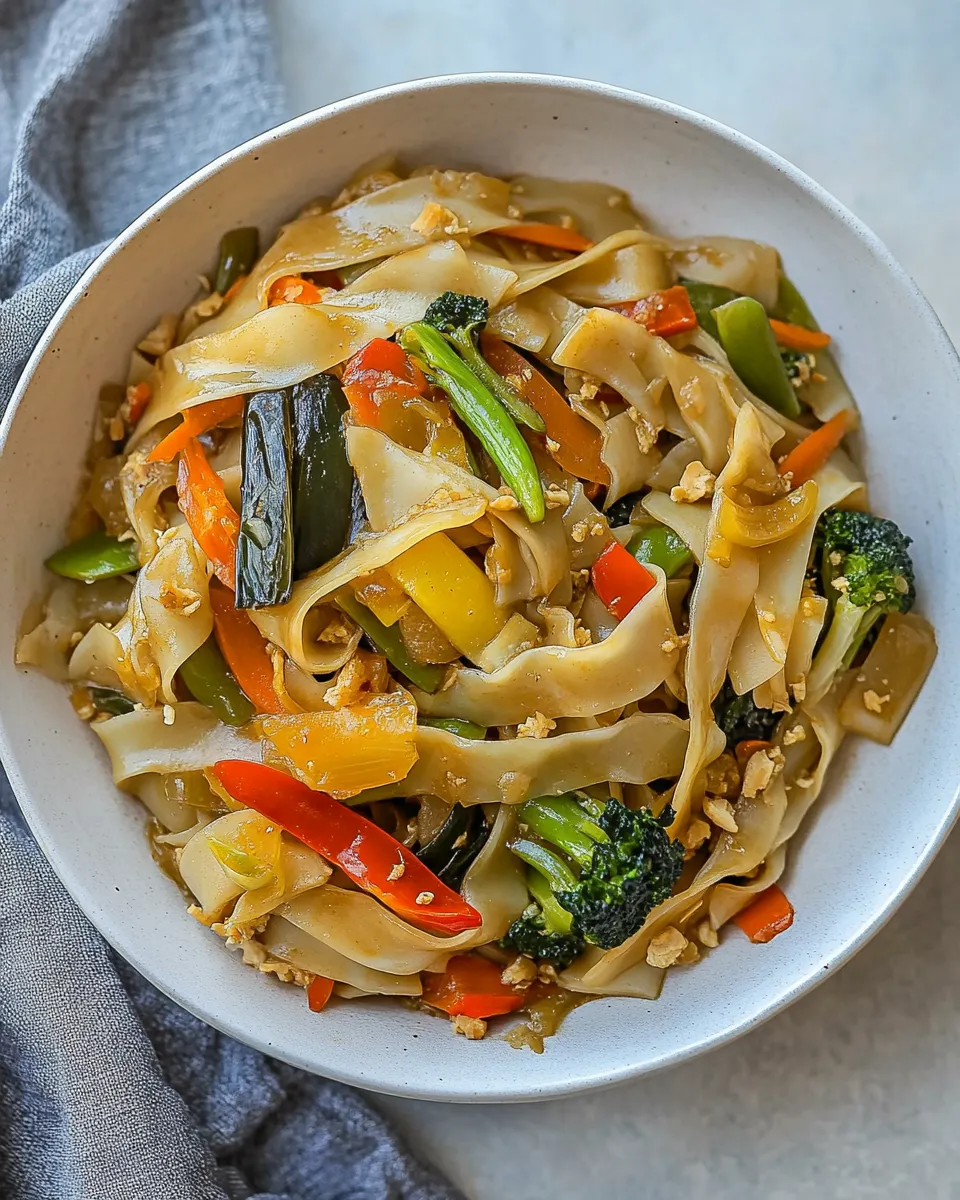
Before you reach for the wok, a quick orientation on the ingredients helps you get predictable results. The wide rice noodles are the foundation: they soak up sauce and show caramelization best when they’re not crowded. The sauce is built from coconut aminos and fish sauce for depth, with maple syrup for sweetness; keep those ratios if you want the same balance.
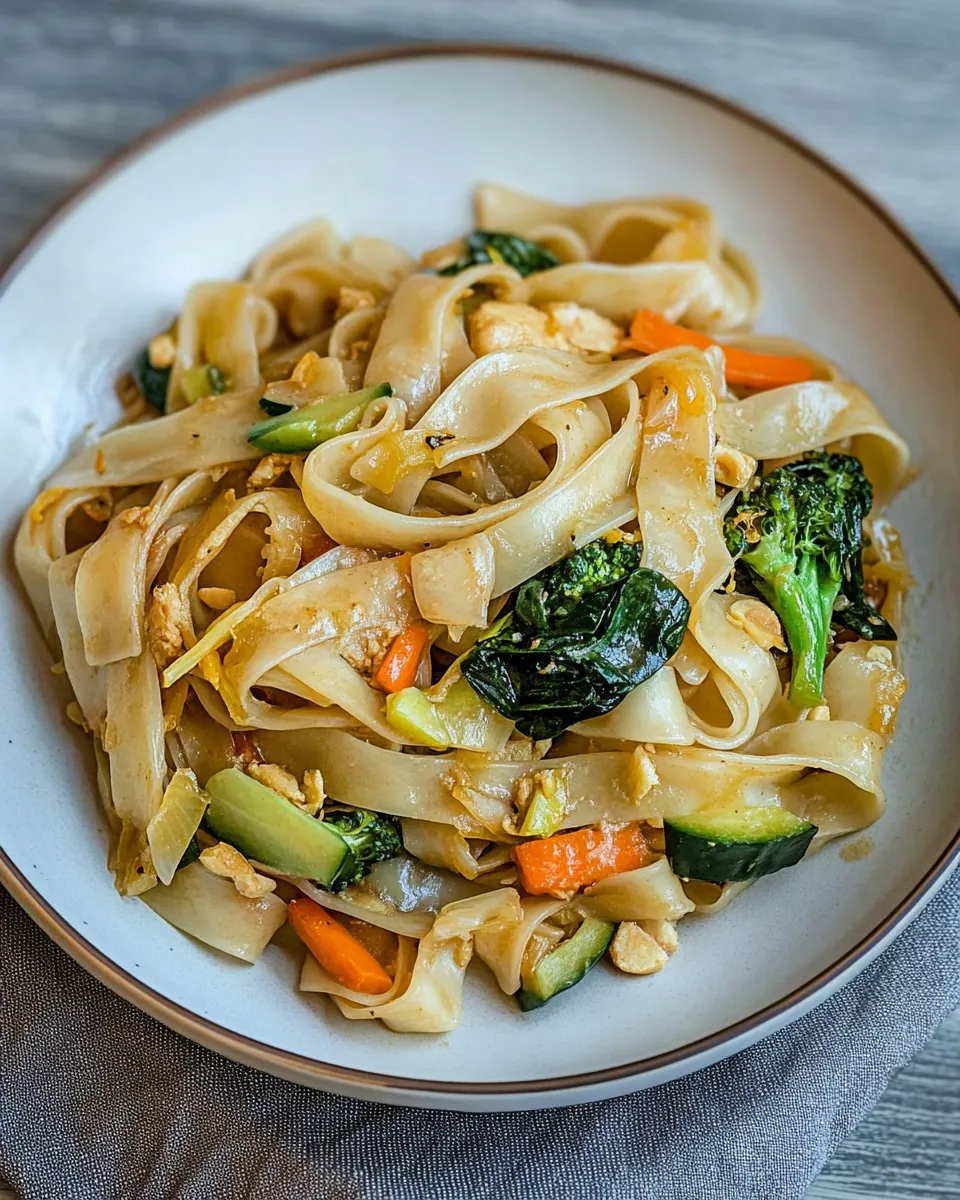
Vegetables in this recipe are flexible but chosen for texture contrast. Carrots and broccolini (or Chinese broccoli) provide bite while zucchini softens quickly and keeps the dish from drying out. Scrambling the eggs separately ensures you get soft pieces that fold into the noodles rather than melting into the sauce.
Ingredients
- 1 pound wide rice noodles — the main body of the dish; cook according to package for proper texture.
- 3 Tbsp avocado oil — neutral oil with a high smoke point for stir-frying.
- 4 cloves garlic — minced; gives aroma and a savory backbone.
- 1 bunch broccolini or 2 cups Chinese broccoli, chopped — provides crunch and a slightly bitter contrast.
- 2 large carrots — peeled and chopped; add sweetness and texture.
- 1 medium zucchini — chopped; cooks quickly and keeps the noodles moist.
- 1/3 cup coconut aminos — primary salty-sweet element; milder than soy.
- 1 Tbsp fish sauce — adds umami depth; a little goes a long way.
- 1 Tbsp sriracha — optional; for heat and brightness if you like spice.
- 2 tsp pure maple syrup — balances the savory elements with gentle sweetness.
- 3 large eggs — scrambled separately so they stay tender pieces in the final dish.
- 1 bunch green onion — chopped; folded in at the end for a fresh lift.
- 1 Tbsp sesame seeds — finish for nuttiness and a subtle crunch.
Pad See Ew — Do This Next
- Cook 1 pound wide rice noodles according to package instructions. Drain and set aside.
- In a small bowl, whisk together 1/3 cup coconut aminos, 1 Tbsp fish sauce, 1 Tbsp sriracha (optional), and 2 tsp pure maple syrup. Set the sauce aside.
- Heat 3 Tbsp avocado oil in a wok or large skillet over medium heat.
- Add 4 cloves garlic (minced), 1 bunch broccolini (or 2 cups Chinese broccoli, chopped), and 2 large carrots (peeled and chopped). Sauté, stirring occasionally, until the vegetables begin to soften, about 3–5 minutes.
- Add 1 medium zucchini (chopped) and continue cooking until the vegetables reach your desired doneness, about 2–3 more minutes.
- While the vegetables cook, scramble 3 large eggs in a separate small skillet until set. Remove from heat and keep warm.
- Add the cooked noodles to the wok, pour in the prepared sauce, and toss to combine. Spread the noodles in an even layer and cook, stirring occasionally, until the sauce reduces and the noodles begin to caramelize, about 8–10 minutes. Taste and add more fish sauce or coconut aminos if you want stronger seasoning.
- Stir the scrambled eggs and 1 bunch chopped green onion into the noodles and heat through, about 1 minute.
- Transfer to a serving platter and sprinkle with 1 Tbsp sesame seeds. Serve immediately.
Why It Works Every Time
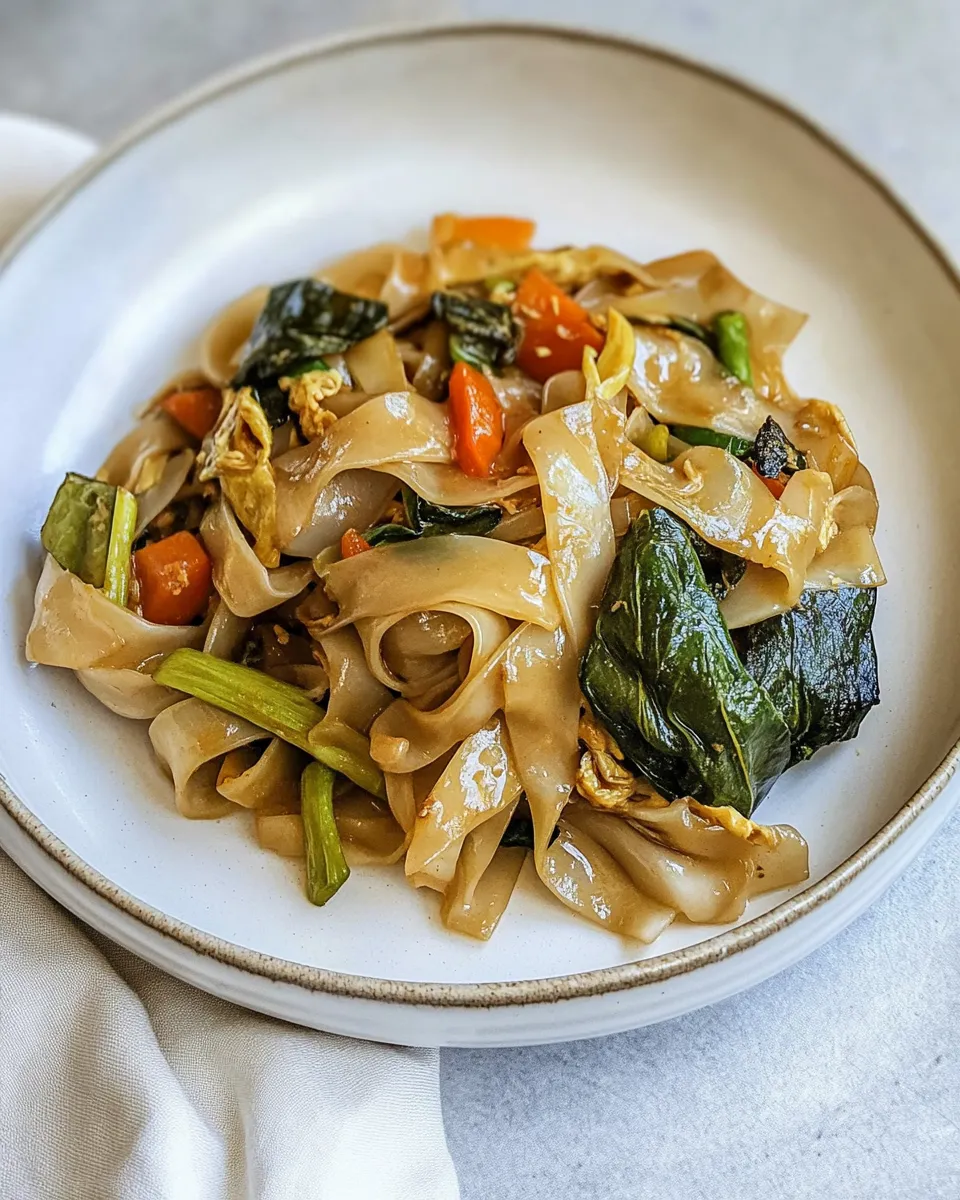
This recipe balances texture, heat, and flavor in straightforward ways. The wide rice noodles give you a broad surface for caramelization; that edge-char is where much of the dish’s flavor develops. Using coconut aminos and fish sauce together layers umami and salty notes without overpowering the maple syrup’s gentle sweetness.
Scrambling the eggs separately prevents overcooked rubbery bits and keeps them tender. Cooking the hearty vegetables first gives them a head start, so the zucchini—which cooks faster—won’t turn to mush. Finally, spreading the noodles and letting them sit in direct contact with the hot pan encourages that desirable caramelization instead of steaming everything.
Easy Ingredient Swaps
- Rice noodles: If you can’t find wide rice noodles, use the widest flat rice noodles available; expect a slightly different chew and shorter caramelization time.
- Coconut aminos: Substitute with light soy sauce or tamari if you don’t have coconut aminos; reduce added fish sauce slightly if you prefer less salt.
- Avocado oil: Any neutral high smoke point oil (like peanut or vegetable oil) works.
- Broccolini/Chinese broccoli: Use regular broccoli florets or bok choy stems if needed; adjust cooking time so they stay crisp-tender.
- Maple syrup: Honey or brown sugar can replace maple syrup, but flavor will shift slightly.
- Sriracha: Omit for no heat, or replace with another hot sauce or a pinch of red pepper flakes.
Hardware & Gadgets
- Wok or large skillet: A hot, wide surface is essential to get even caramelization and toss noodles easily.
- Spider or slotted turner: Helpful for lifting noodles without breaking them.
- Small bowl: For whisking the sauce together so it’s ready when you need it.
- Separate small skillet: For scrambling the eggs so they stay soft and separate from the main wok.
Slip-Ups to Skip
- Overcrowding the pan: Crowding traps steam and prevents caramelization. If your wok isn’t large enough, work in batches or use the widest pan you own.
- Undercooked or overcooked noodles: Follow package instructions; rinse or drain as directed. Too-soft noodles break apart when tossed; too-firm noodles won’t absorb sauce properly.
- Adding eggs too early: If you scramble the eggs directly in the wok with the vegetables, they can become dry. Keep them separate and fold in at the end.
- Rushing the sauce reduction: The 8–10 minutes to caramelize the noodles is intentional. Stir occasionally, but allow contact with heat for flavor depth.
Variations for Dietary Needs
- Vegetarian: This recipe is effectively vegetarian if you omit fish sauce and replace it with extra coconut aminos and a dash of mushroom soy or miso dissolved in water for umami.
- Vegan: Make it vegan by omitting the eggs or using scrambled tofu seasoned lightly; swap fish sauce as suggested above.
- Low-sodium: Use a reduced-sodium coconut aminos if available, cut the fish sauce to 1/2 Tbsp, and taste before adding more.
- Gluten-free: The base is already gluten-free if you use certified gluten-free coconut aminos and check your rice noodles’ label.
Insider Tips
Prep like a pro
Have everything chopped and measured before you heat the oil. Stir-fries move fast; when the wok is hot, you won’t want to pause to mince garlic. Keep the sauce whisked and nearby.
Texture control
For firmer vegetables, cut them slightly larger. For quicker cooking, slice thin. If you want more char on the noodles, spread them in a single layer and resist stirring too frequently—let the heat do the work.
Flavor boost
If the finished plate needs more oomph, a light splash of lime juice or a sprinkle of extra fish sauce (to taste) brightens it. A few drops of toasted sesame oil added off heat also works, but use sparingly.
Shelf Life & Storage
Leftovers will keep in an airtight container in the refrigerator for up to 3 days. Noodles will continue to absorb sauce and may soften further, so reheat gently in a skillet over medium heat with a splash of water or oil to loosen them up. Avoid microwaving for long periods, which can make rice noodles gummy.
For freezing, I don’t recommend it—rice noodles change texture and can become watery or mealy when thawed. If you must, freeze in a shallow, airtight container and reheat straight from frozen in a skillet with a little oil and water, but expect a textural change.
Reader Q&A
- Q: Can I use dried narrow rice noodles instead of wide ones? A: Yes, but narrow noodles caramelize less and cook faster. Adjust the cooking time and monitor texture closely.
- Q: My sauce is too salty—what now? A: Add a small splash of water and 1/2 tsp maple syrup, taste, and adjust. A squeeze of lime can also balance saltiness.
- Q: How do I stop the noodles from sticking together? A: Rinse or toss with a little oil after cooking and drain well before adding to the wok. Toss gently when combining, and give them room in the pan when caramelizing.
Make It Tonight
Read the recipe through once, gather your ingredients, and prep every vegetable before heating the wok. Cook the noodles per package, scramble the eggs in a separate pan, and whisk the sauce while the oil heats. Then follow the steps in order. In roughly 30–40 minutes from start to finish you’ll have a plate of Pad See Ew with glossy, caramelized noodles and vegetables that still have life.
Serve it hot, garnish with the sesame seeds, and taste before passing the soy or fish sauce at the table. Small adjustments after the first bite are normal—this recipe is forgiving and welcomes them. Enjoy the rhythm of stir-frying and the payoff: bold, balanced noodles that make weeknight dinner feel like a treat.
Pad See Ew (Thai Stir Fry Noodles)
Ingredients
Equipment
Method
- Cook 1 pound wide rice noodles according to package instructions. Drain and set aside.
- In a small bowl, whisk together 1/3 cup coconut aminos, 1 Tbsp fish sauce, 1 Tbsp sriracha (optional), and 2 tsp pure maple syrup. Set the sauce aside.
- Heat 3 Tbsp avocado oil in a wok or large skillet over medium heat.
- Add 4 cloves garlic (minced), 1 bunch broccolini (or 2 cups Chinese broccoli, chopped), and 2 large carrots (peeled and chopped). Sauté, stirring occasionally, until the vegetables begin to soften, about 3–5 minutes.
- Add 1 medium zucchini (chopped) and continue cooking until the vegetables reach your desired doneness, about 2–3 more minutes.
- While the vegetables cook, scramble 3 large eggs in a separate small skillet until set. Remove from heat and keep warm.
- Add the cooked noodles to the wok, pour in the prepared sauce, and toss to combine. Spread the noodles in an even layer and cook, stirring occasionally, until the sauce reduces and the noodles begin to caramelize, about 8–10 minutes. Taste and add more fish sauce or coconut aminos if you want stronger seasoning.
- Stir the scrambled eggs and 1 bunch chopped green onion into the noodles and heat through, about 1 minute.
- Transfer to a serving platter and sprinkle with 1 Tbsp sesame seeds. Serve immediately.
Notes
*You can also use fresh rice noodles instead of dry.
**You can also use liquid aminos or tamari