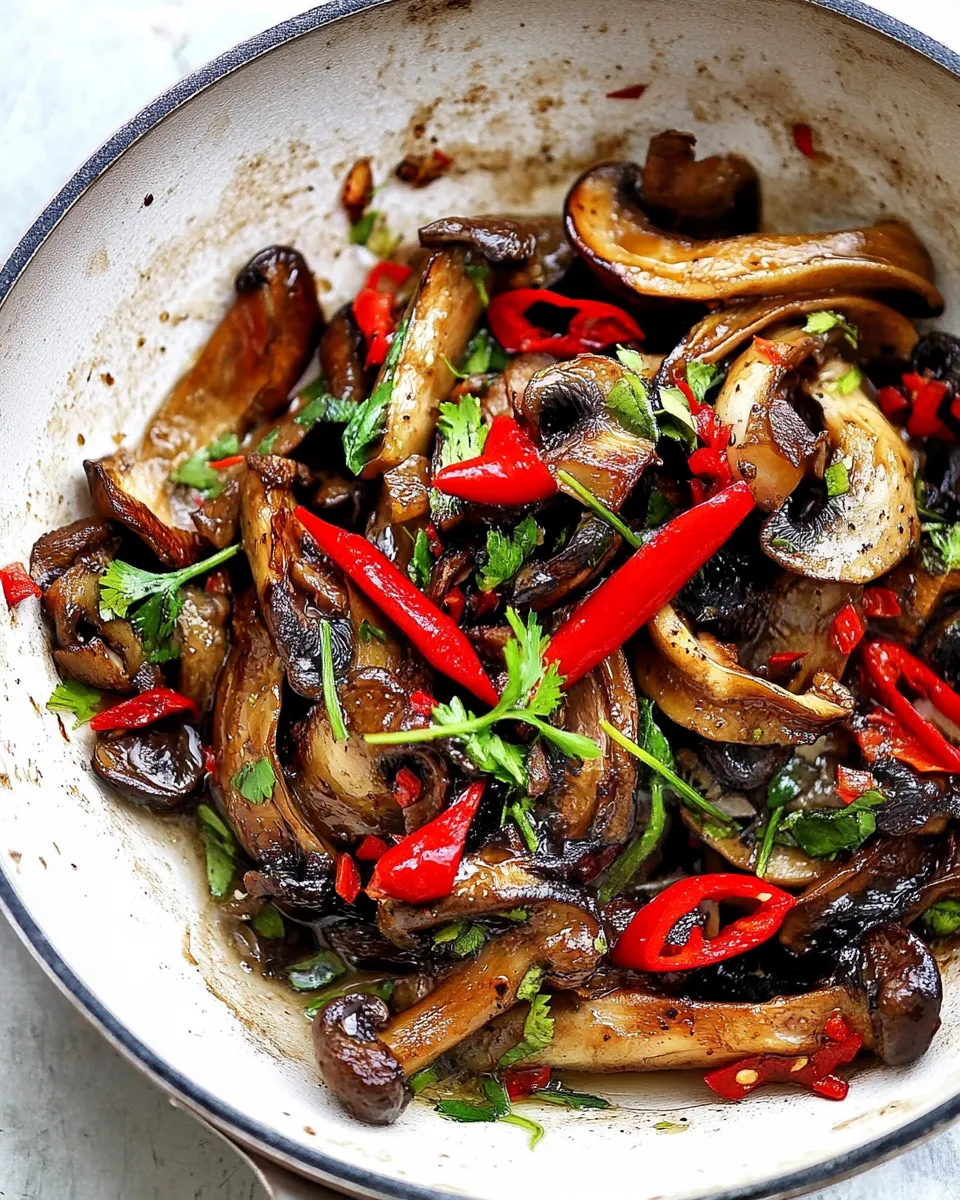
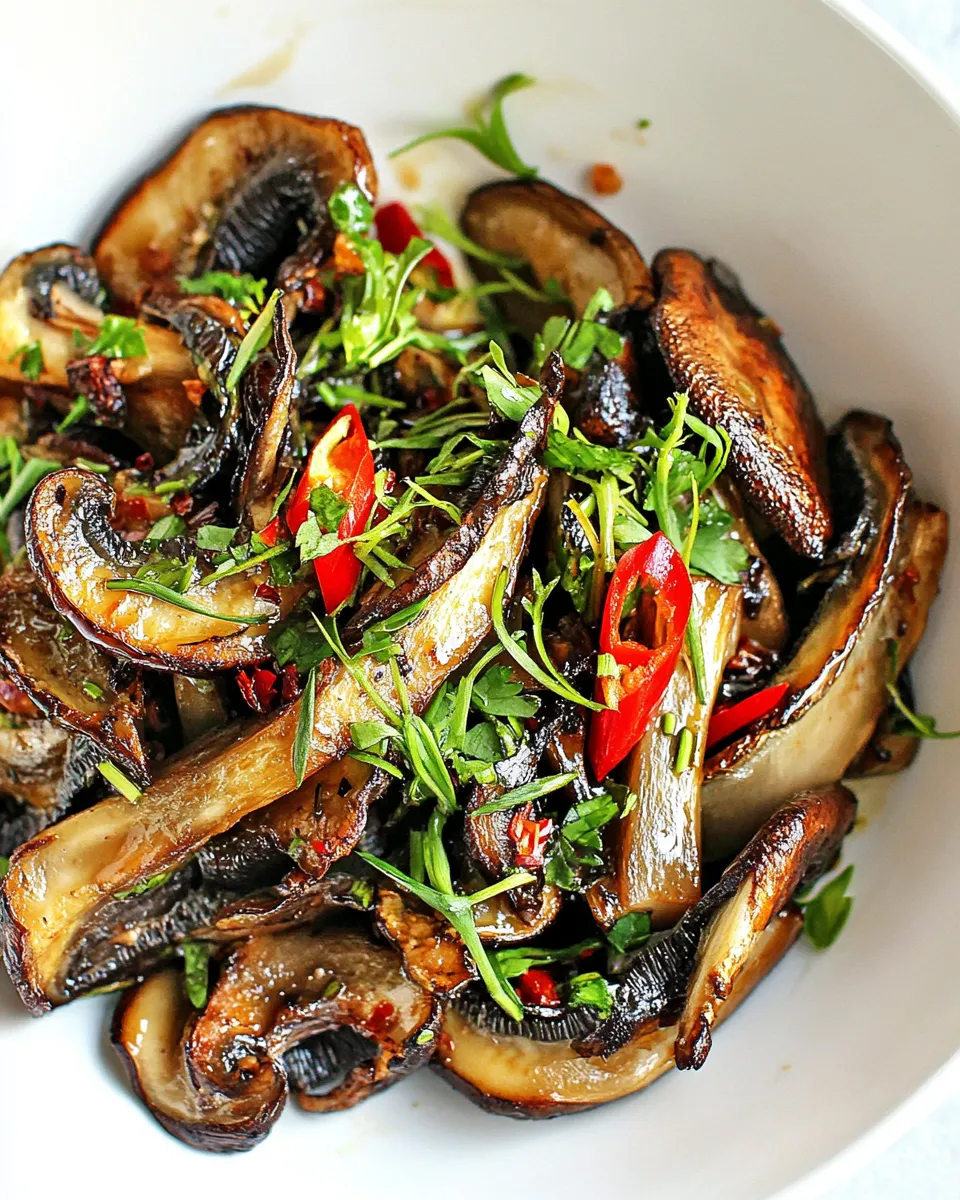
Pan-fried Green Herb Oyster Mushroom
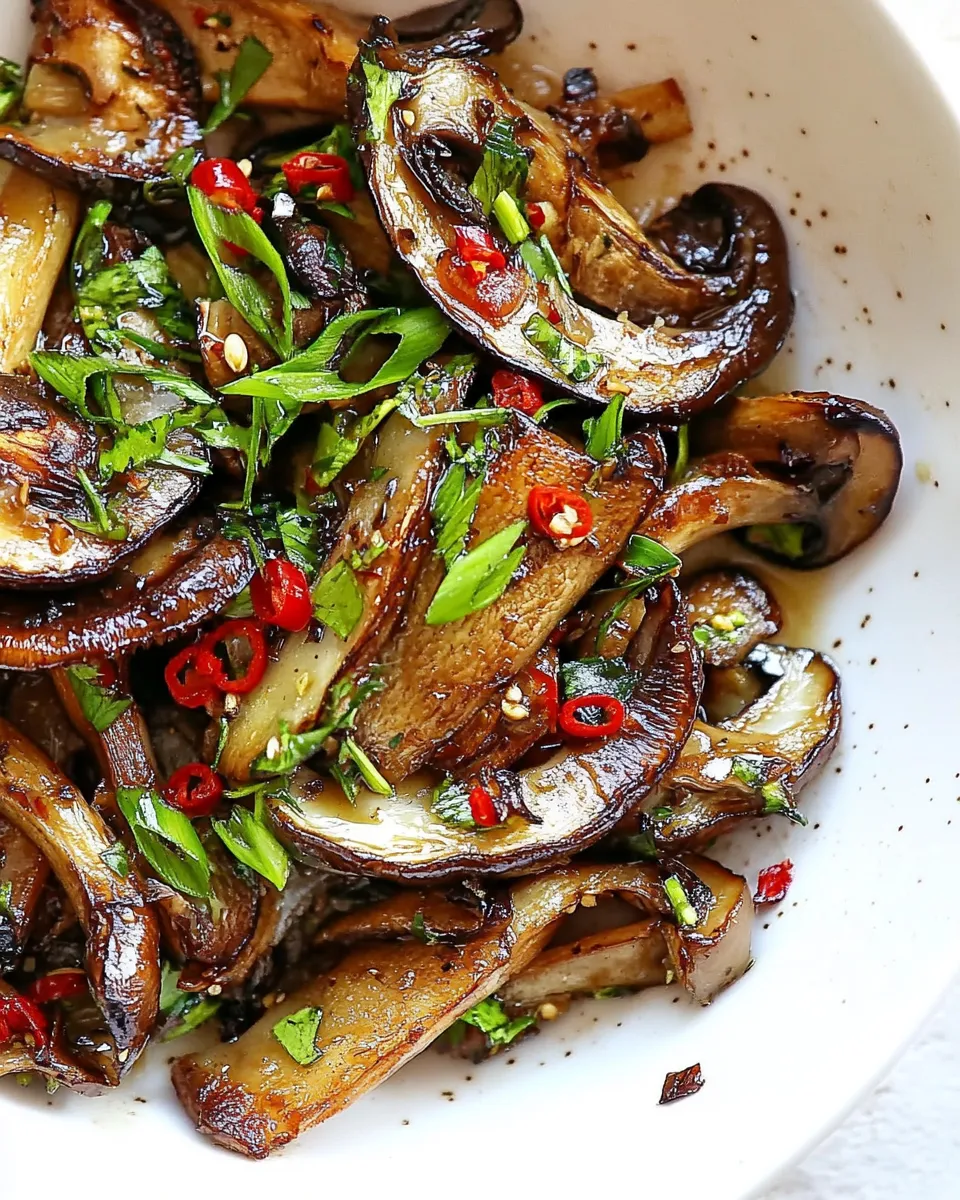
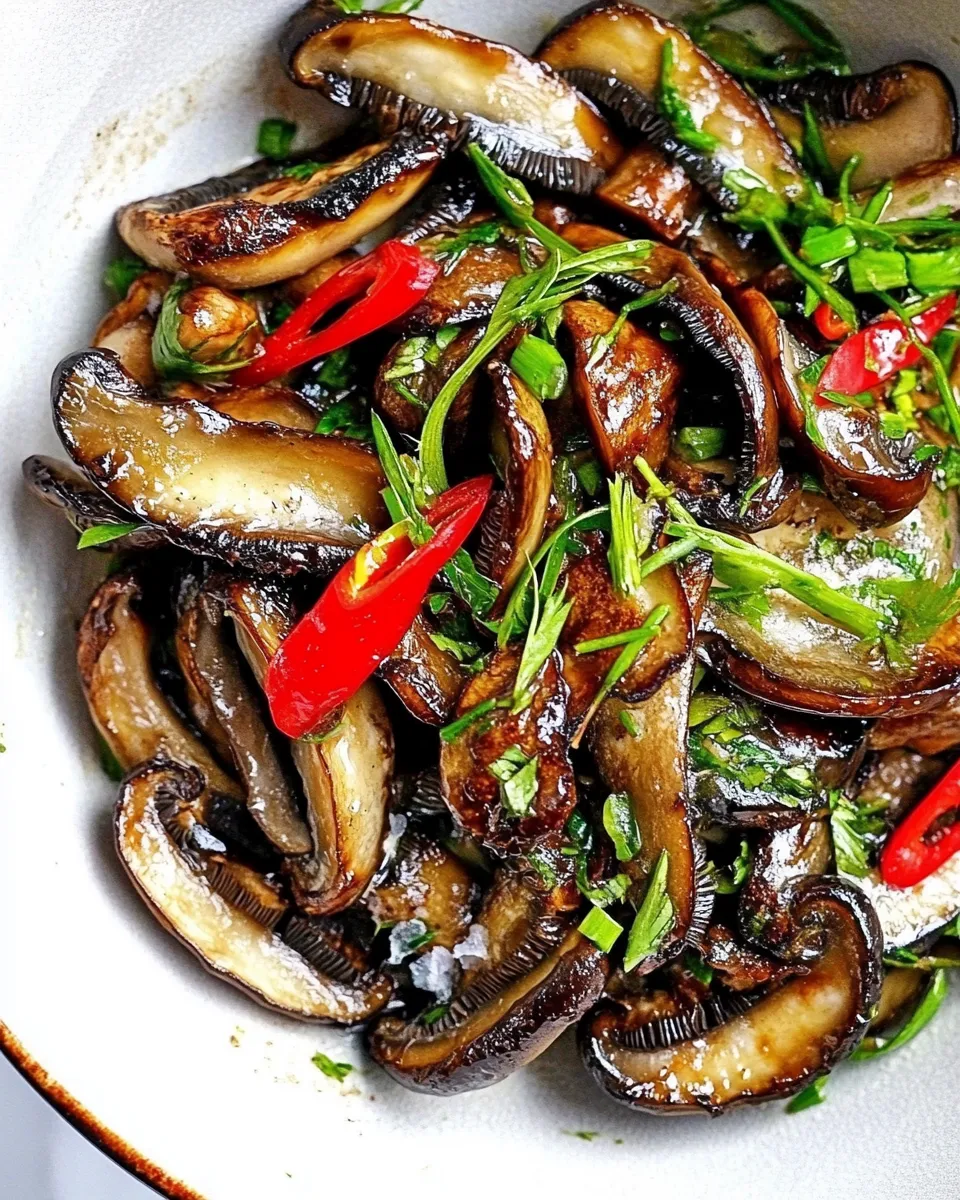
I cook because food connects us — and this pan-fried oyster mushroom recipe is exactly the kind of quick, reliable dish I reach for on weeknights. It brightens up a plate with fresh herbs, a little lemon, and the crunch that comes when oyster mushrooms meet a hot pan. No fuss, just technique and good timing.
You’ll find the flavor comes from a few small moves: toasting coriander seeds, getting the mushrooms browned, and finishing with lemon and herbs so they stay bright. The steps are short, but each one matters. Read through once, then follow the method and you’ll have a flavorful side or light main in under 20 minutes.
This post includes the exact ingredients and steps I use, plus practical swaps, equipment notes, storage tips, and answers to common questions. If you want to cook with confidence rather than guesswork, this is for you.
Gather These Ingredients
Ingredients
- 3 Tbsp olive oil — split into “most” and “remaining” to manage searing and gentle herb cooking.
- ½ tsp coriander seeds — lightly crushed to release aroma; act as a warm, citrusy accent.
- 9 oz oyster mushrooms — shredded into bite-sized pieces so edges crisp evenly.
- 3 cloves garlic — thinly sliced; adds fragrance without overpowering.
- ¼ red chili — thinly sliced; optional for heat (remove seeds for milder flavor).
- 1 Tbsp thyme (fresh, chopped) — contributes savory, slightly floral notes; add with garlic to avoid browning.
- 1 + ½ Tbsp parsley (fresh) — one tablespoon goes in during cooking, the extra half tablespoon for lift and color.
- 1 tsp lemon juice (freshly squeezed) — brightens and balances the oil and coriander.
- Salt and Pepper to taste — seasoning is adjusted at the end; salt enhances mushroom flavor, pepper adds bite.
The Method for Pan-fried Green Herb Oyster Mushroom
- Shred 9 oz oyster mushrooms with your fingers into bite-sized pieces; set aside.
- Lightly crush ½ tsp coriander seeds using the side of a knife on a cutting board or a mortar and pestle (no need to make a powder).
- Peel and thinly slice 3 cloves garlic; set aside.
- Wash and finely chop 1 Tbsp fresh thyme and 1½ Tbsp fresh parsley; set aside.
- Thinly slice ¼ red chili (remove seeds if you prefer less heat); this is optional—omit if you don’t want spice.
- Squeeze 1 tsp fresh lemon juice and set aside.
- Heat a cast-iron skillet or frying pan over medium-high heat until hot.
- Add most of the olive oil (about 2 Tbsp) and the crushed coriander seeds to the pan. Stir and fry the seeds for about 1 minute to release their aroma.
- Add the shredded oyster mushrooms to the pan, season with salt and black pepper to taste, and cook, stirring occasionally, for about 5–6 minutes until the mushrooms start to turn golden brown and get crispy edges.
- Reduce the heat to medium-low. Add the remaining 1 Tbsp olive oil, then add the sliced garlic, chopped thyme (1 Tbsp), chopped parsley (1½ Tbsp), and the sliced ¼ red chili (if using). Stir and cook for about 2–3 minutes until the garlic is fragrant and the herbs have wilted but not browned.
- Stir in the 1 tsp fresh lemon juice, taste, and adjust seasoning with additional salt and/or black pepper if needed. Remove from heat and serve.
Why This Recipe Is Reliable
Reliability here comes from clear, repeatable steps and a focus on temperature control. You heat the pan first to ensure a proper sear, then add most oil and the crushed coriander so that flavor blooms without burning. Shredding the oyster mushrooms by hand creates irregular pieces that brown at different rates, giving you more surface crunch than uniform slices.
The sequence matters: brown the mushrooms first, then finish on lower heat with the garlic and herbs. Garlic cooked on high will brown and turn bitter; herbs wilt quickly and are best added at the end. The lemon juice, added off heat, brightens the whole dish without cooking away volatile aromas.
Because the recipe uses a small set of ingredients and straightforward technique, the outcome depends more on attention than skill. Follow the timing cues and you’ll get consistent color, texture, and balanced flavor every time.
Ingredient Flex Options
If you don’t have every component on hand, you can still make this work. Keep these swaps functional rather than prescriptive so you don’t accidentally overwhelm the balance.
- Oil: Any neutral cooking oil with a medium-high smoke point will work in place of olive oil. The split-oil approach (most, then a finishing tablespoon) is the real technique to follow.
- Coriander seeds: If unavailable, omit them; the dish will lose that warm citrusy note but still be tasty. Crushing any whole spice will add aroma, but only do this if you already have it and like the flavor.
- Garlic and herbs: Fresh is preferable. If you only have dried herbs, use them sparingly and add earlier in cooking so they hydrate and release flavor without remaining chalky.
- Red chili: Omit entirely if you want no heat. If you want a different heat source, use a small pinch of a mild ground pepper substitute to avoid changing texture.
- Mushroom handling: Keep the ratio of mushroom pieces to pan surface similar so they can sear instead of steam. Crowding the pan reduces browning.
Equipment at a Glance
Few tools make this straightforward. Focus on heat control and a pan that conducts it evenly.
Must-have
- Heavy skillet or frying pan — cast iron is ideal for high, even heat and good browning.
- Sharp knife for slicing garlic and herbs, plus kitchen scissors or hands to shred mushrooms.
- Spoon or spatula — for stirring and scraping the pan without tearing the mushroom pieces.
Nice-to-have
- Mortar and pestle (or the side of a knife) to crush coriander seeds gently and release aroma.
- Citrus squeezer for the lemon, but a fork or hand squeeze works fine.
Common Errors (and Fixes)
Here are the mistakes I see most often and how to correct them quickly.
- Pan too cool — mushrooms steam rather than brown. Fix: preheat the pan over medium-high until it feels hot to the touch, then add oil.
- Too much crowding — prevents crisp edges. Fix: work in batches or use a larger pan so mushrooms sit in a single layer where possible.
- Adding garlic too early — garlic burns on high heat. Fix: add garlic only when you reduce heat to medium-low and are ready to wilt the herbs.
- Overworrying about uniform pieces — overly uniform slices brown at the same rate and can feel one-note. Fix: shred with your fingers for better texture and more caramelized edges.
- Underseasoning at the end — mushrooms can taste flat if salt isn’t adjusted after the lemon. Fix: always taste and correct salt/pepper just before serving.
Better-for-You Options
You can modestly reduce calories or sodium without changing the core technique.
- Use less oil: start with 1½–2 Tbsp instead of 3 Tbsp, adding a splash of water or broth if things stick; you’ll lose some crispness but still have good flavor.
- Reduce salt: rely on the lemon juice and herbs for brightness, then season lightly at the end. This gives the illusion of fuller flavor with less sodium.
- Boost fiber and volume: serve the cooked mushrooms over a bed of lightly dressed greens; they’ll add nutrition while keeping the mushroom as the star.
Author’s Commentary
I first learned to love oyster mushrooms for their silky texture and how well they take on aromatics. This particular preparation is a favorite because it’s quick and focused. Toasting coriander seeds at the start produces a subtle background note that lifts the whole dish without shouting. It’s a small detail, but when you’re cooking for the week, those details make the plate feel composed.
Technique notes I repeat to myself are simple: hot pan, dry-ish mushrooms, and low heat for the garlic and herbs. If I’m serving guests, I make sure to have the lemon ready to squeeze last; it’s the tiny bright moment that makes people ask what’s different about the dish.
Save for Later: Storage Tips
Store leftovers in an airtight container in the refrigerator for up to 3 days. The texture is best the day you make it, but reheating gently keeps it enjoyable.
- Reheat gently on low heat with a small splash of oil or water to prevent drying. High heat will over-crisp and can make the herbs bitter.
- Do not freeze cooked mushrooms if you want to preserve texture; they can become watery and lose the crisp edges on thawing.
Pan-fried Green Herb Oyster Mushroom FAQs
Below are concise answers to questions readers ask most often.
Can I use different mushrooms?
Yes. The technique works with other mushrooms, but watch moisture and size. Denser mushrooms may need a slightly longer sear to get golden edges.
Why crush coriander seeds instead of using ground coriander?
Crushing whole seeds releases essential oils and gives quick bursts of aroma without overwhelming the dish. Ground spices can be more intense and disperse differently through the oil.
What if the mushrooms release a lot of water?
When that happens, raise the heat to evaporate the liquid and encourage browning, and remove some liquid with a spoon if it pools too much. Avoid crowding the pan to let moisture escape.
How do I keep the herbs vibrant?
Add herbs at the lower heat stage for just 2–3 minutes so they wilt but don’t brown. Finish with lemon off the heat to preserve freshness.
Is this a side or a main?
It’s versatile. Serve it as a side, toss with pasta or grains for a light main, or pile it on toast for a simple meal. Portion accordingly.
Final Thoughts
This pan-fried green herb oyster mushroom recipe is about predictable technique and bright finishes. If you focus on heat, timing, and the final squeeze of lemon, you’ll have a dish that reads as thoughtful even on a busy night. It’s one of those recipes that rewards care but doesn’t demand perfection.
Try it once as written, then adapt the finishing herbs and serving style to your weeknight routine. You’ll be surprised how often this shows up on my table — and hopefully yours too.
Pan-fried Green Herb Oyster Mushroom
Ingredients
Equipment
Method
- Shred 9 oz oyster mushrooms with your fingers into bite-sized pieces; set aside.
- Lightly crush ½ tsp coriander seeds using the side of a knife on a cutting board or a mortar and pestle (no need to make a powder).
- Peel and thinly slice 3 cloves garlic; set aside.
- Wash and finely chop 1 Tbsp fresh thyme and 1½ Tbsp fresh parsley; set aside.
- Thinly slice ¼ red chili (remove seeds if you prefer less heat); this is optional—omit if you don’t want spice.
- Squeeze 1 tsp fresh lemon juice and set aside.
- Heat a cast-iron skillet or frying pan over medium-high heat until hot.
- Add most of the olive oil (about 2 Tbsp) and the crushed coriander seeds to the pan. Stir and fry the seeds for about 1 minute to release their aroma.
- Add the shredded oyster mushrooms to the pan, season with salt and black pepper to taste, and cook, stirring occasionally, for about 5–6 minutes until the mushrooms start to turn golden brown and get crispy edges.
- Reduce the heat to medium-low. Add the remaining 1 Tbsp olive oil, then add the sliced garlic, chopped thyme (1 Tbsp), chopped parsley (1½ Tbsp), and the sliced ¼ red chili (if using). Stir and cook for about 2–3 minutes until the garlic is fragrant and the herbs have wilted but not browned.
- Stir in the 1 tsp fresh lemon juice, taste, and adjust seasoning with additional salt and/or black pepper if needed. Remove from heat and serve.
Notes
Minced garlic vs garlic slices– Finely chopped garlic can get burnt easily and will taste bitter. Fried garlic slices are deliciously sweet while keeping the lovely garlic flavor.
Fresh vs dried herbs– You can use both, although fresh herbs tend to have stronger flavors.