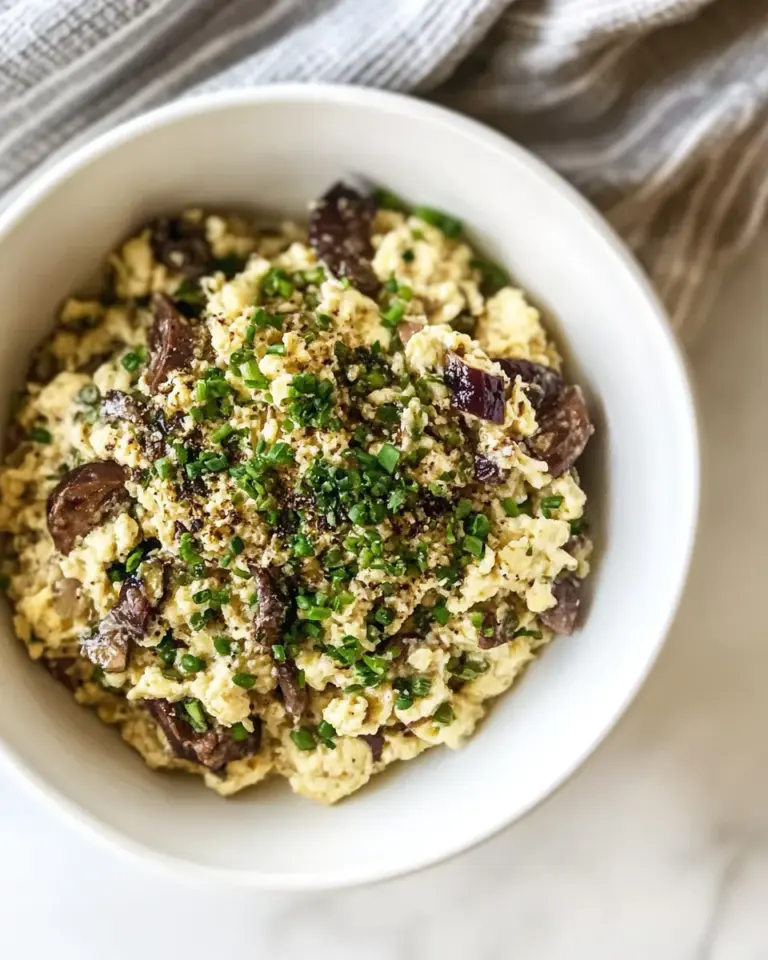
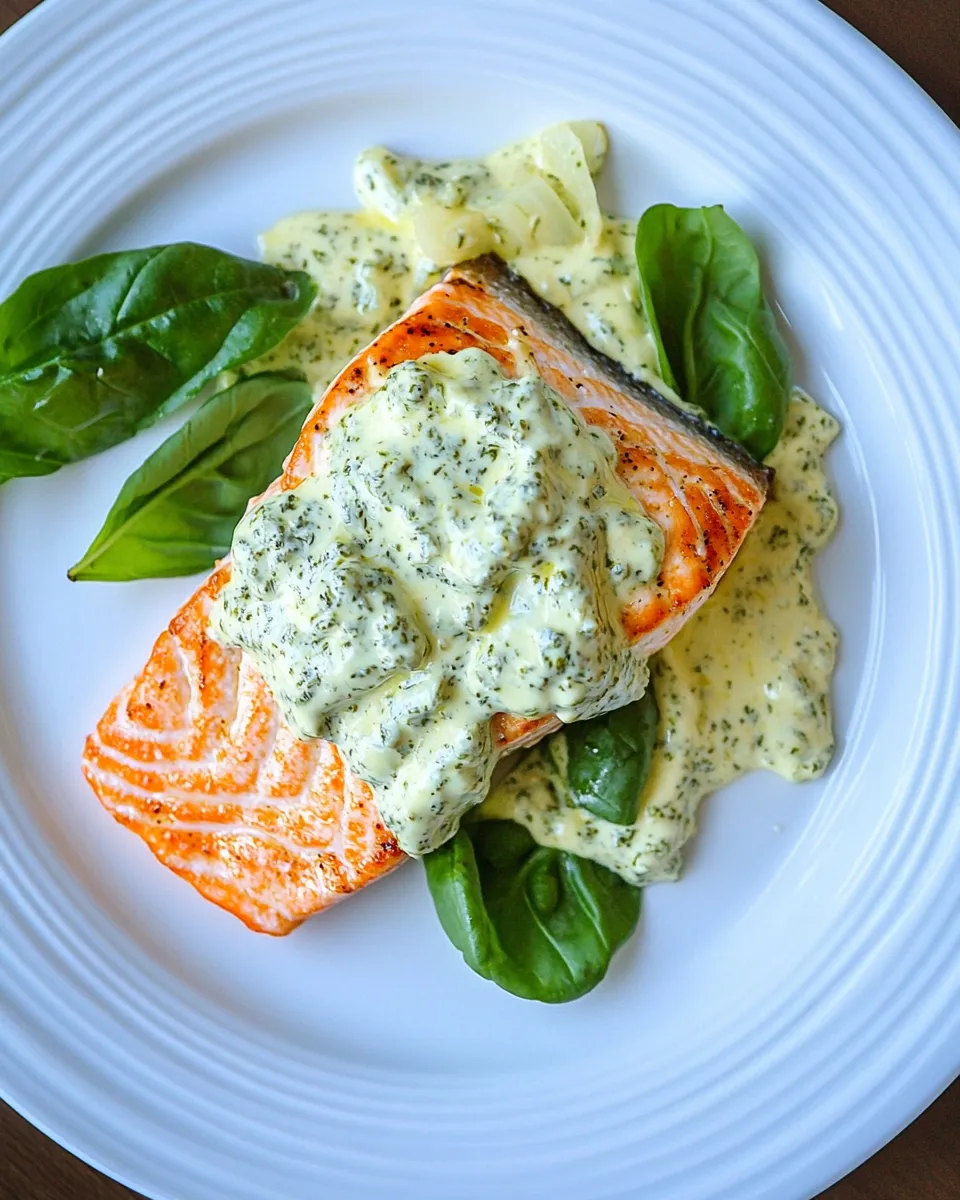
Pan Fried Salmon with Pesto Cream Cheese Sauce
This is a weekday-friendly salmon recipe that feels like something special. Pan frying gives the fish a quick, golden crust while keeping the interior tender. The pesto cream cheese sauce is silky and bright — it dresses the salmon without overwhelming it.
It’s straightforward enough to make any night, but elegant enough to serve to guests. The timing is short, the technique is forgiving, and the sauce comes together in one small pot while the fish cooks.
I like to think of this as a reliable go-to: a handful of pantry and fridge staples, a hot skillet, and a few minutes of attention. Below you’ll find the exact ingredients and steps, plus tips to avoid common missteps and ideas for swaps if you’re missing something.
What We’re Using
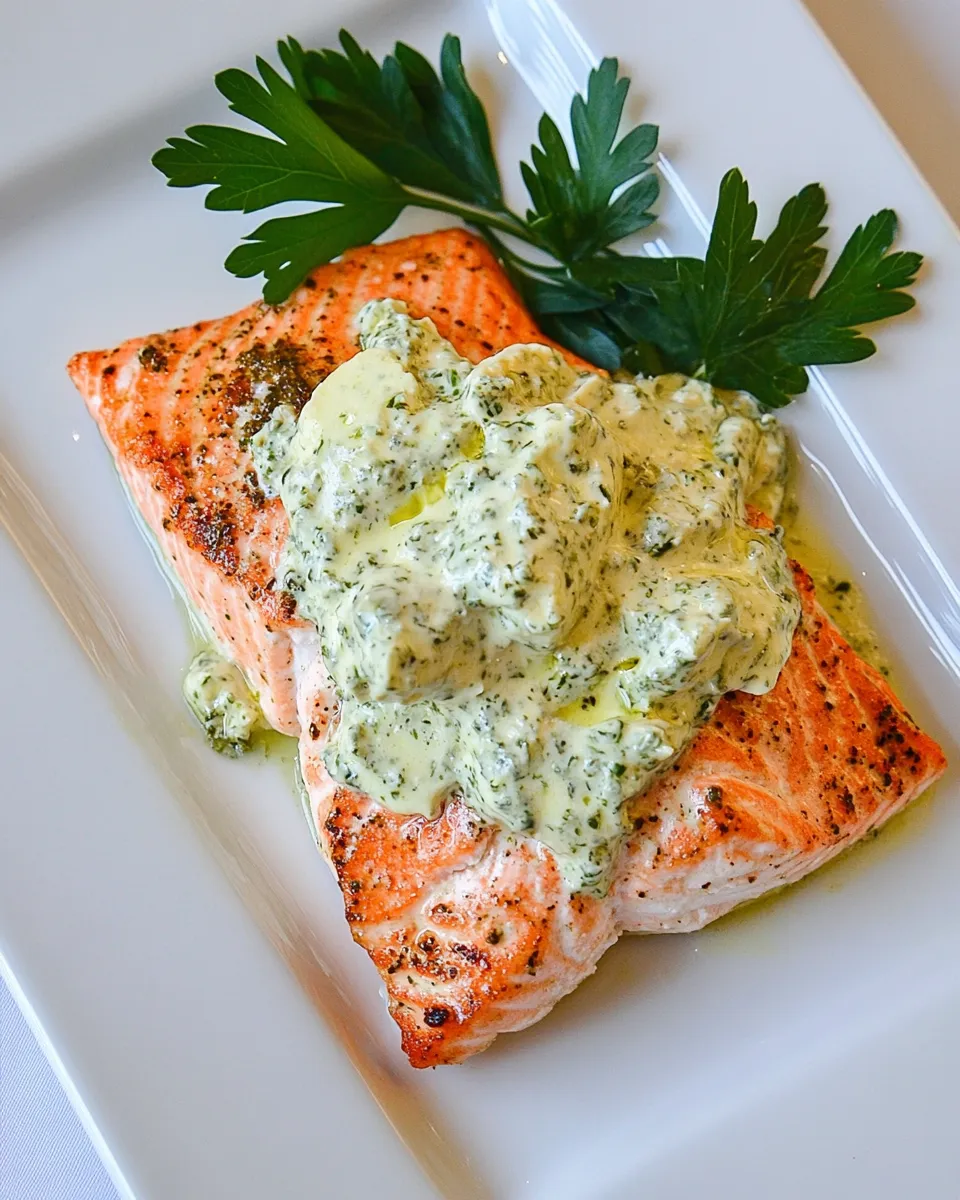
We keep the ingredient list tight: salmon, a little seasoning, olive oil for frying, and a simple, creamy pesto sauce. The approach is minimal — gentle heat for the sauce, a hot pan for the fish, and quick plating so the sauce stays warm and glossy.
Ingredients
- 1 pound salmon (cut into 4 pieces) — main protein; even-sized pieces cook more predictably.
- 1/2 teaspoon kosher salt — seasons the fish; use kosher for even coverage.
- 1/4 teaspoon ground black pepper — a touch of heat and contrast.
- 2 tablespoons olive oil — for pan frying; neutral-flavored olive oil works best for a clear, non-burnt crust.
- 8 ounces cream cheese — provides the creamy base for the sauce; cut into smaller pieces to melt evenly.
- 2 tablespoons half and half — thins the cream cheese to a spoonable consistency without watering it down.
- 2 tablespoons pesto — concentrated herb flavor and color; store-bought or homemade both work.
Method: Pan Fried Salmon with Pesto Cream Cheese Sauce
- Remove the 1 pound salmon (cut into 4 pieces) from the refrigerator about 15 minutes before cooking and pat each piece dry with paper towels.
- Season both sides of the salmon evenly with 1/2 teaspoon kosher salt and 1/4 teaspoon ground black pepper.
- Heat a large skillet over medium heat and add 2 tablespoons olive oil. Heat until the oil shimmers.
- Place the salmon pieces skin-side down (if they have skin) in the hot skillet. Cook undisturbed until the bottom is golden brown and the fish releases easily, about 3 to 4 minutes.
- Flip the salmon and cook the other side for about 3 to 4 minutes more, until the fish is cooked through to your liking.
- While the salmon cooks (or immediately after), make the sauce: in a small pot over low heat combine 8 ounces cream cheese (cut into smaller pieces to help melting), 2 tablespoons half and half, and 2 tablespoons pesto. Stir constantly over low heat until smooth and fully combined, keeping the sauce warm but not boiling.
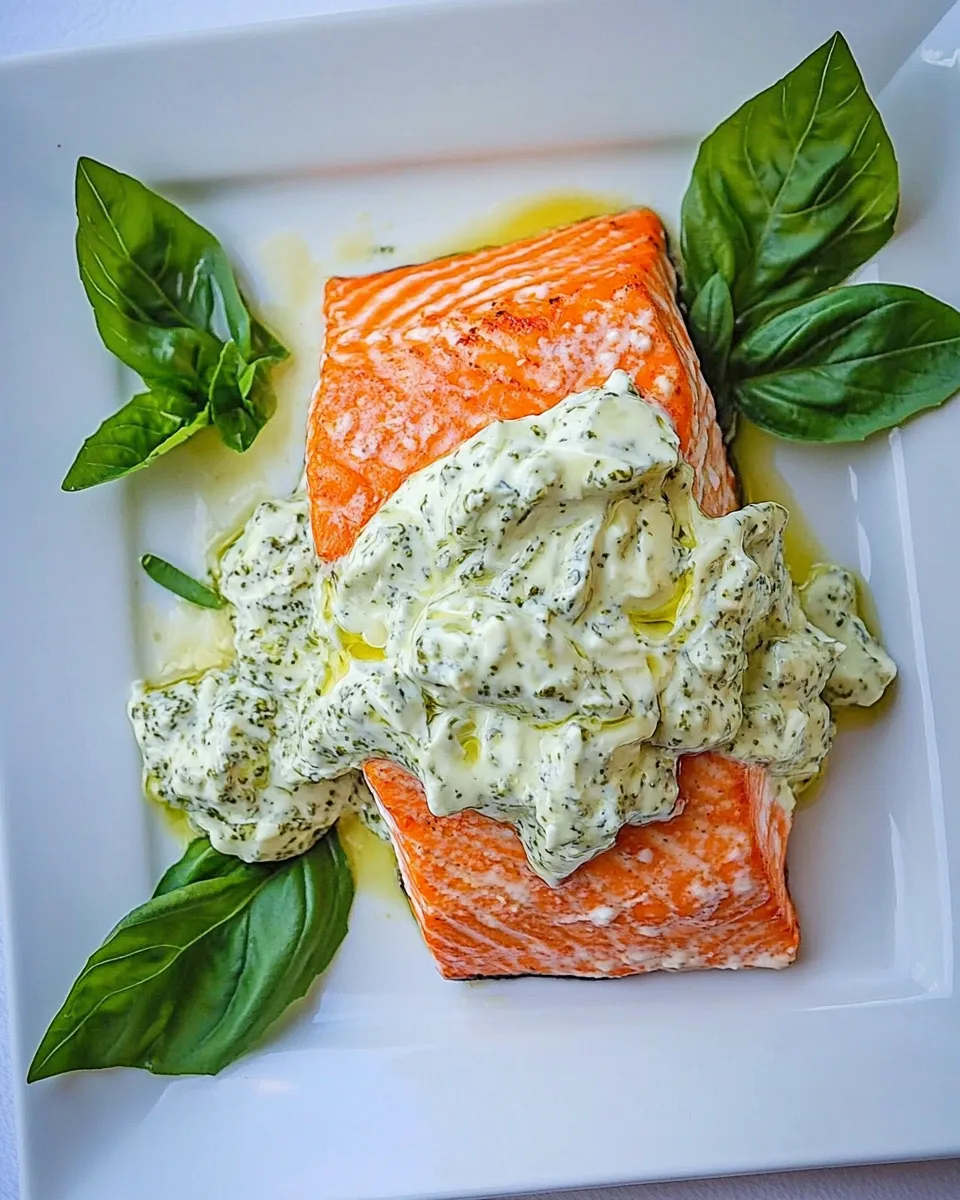
- Spoon about 2 tablespoons of the pesto cream cheese sauce over each piece of salmon and serve immediately.
Why It Works Every Time
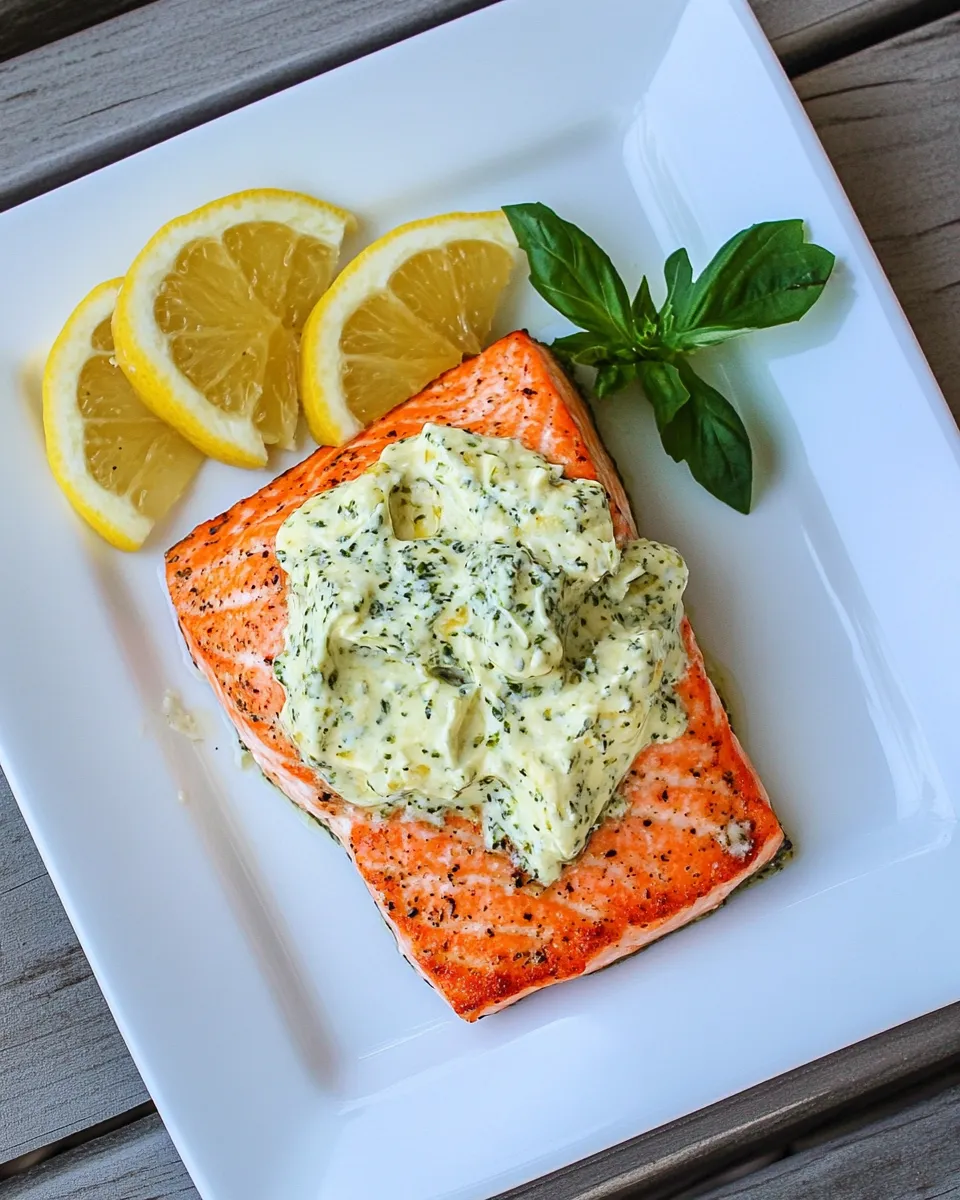
There are a few simple principles at play. Drying the salmon and resting it briefly before cooking removes surface moisture so the pan can do its job: create a golden crust. Seasoning both sides ensures flavor in every bite, not just on the surface. A hot skillet with shimmering oil gives you that quick sear without overcooking the interior.
The sauce is deliberately low-and-slow. Cream cheese needs gentle heat to melt smoothly; too hot and it separates or becomes grainy. Adding a little half and half loosens the texture so it spoon-coats the fish. Pesto adds an herbal lift that keeps the sauce from feeling heavy.
If You’re Out Of…
- If you’re out of olive oil — use any neutral oil with a high smoke point (canola, grapeseed) or a mild-tasting vegetable oil; you just need enough to coat the pan so the salmon doesn’t stick.
- If you don’t have pesto — mix a small amount of finely chopped fresh basil (or parsley) with a drizzle of olive oil and a pinch of salt; it won’t be as concentrated, so taste as you go.
- If you’re out of half and half — milk plus a little butter (about 1 tablespoon melted butter to 3 tablespoons milk) will mimic the fat content enough to loosen the cream cheese.
- If you only have frozen salmon — thaw it fully in the refrigerator overnight and pat very dry before cooking. You can also rinse briefly and dry, but avoid cooking from frozen for best texture.
What You’ll Need (Gear)
- Large skillet — a heavy-bottomed skillet (stainless steel or cast iron) holds heat and gives the best sear.
- Small pot or saucepan — for melting and combining the sauce ingredients gently.
- Spatula or fish turner — something thin enough to flip without tearing the fillet.
- Paper towels — to dry the salmon and help with a crisp exterior.
- Measuring spoons — to keep the salt and pepper amounts accurate.
- Optional: instant-read thermometer — if you prefer to check doneness precisely (salmon is usually 125–130°F for medium-rare to medium).
Missteps & Fixes
Salmon stuck to the pan
This happens when the surface wasn’t dry enough or the pan wasn’t hot enough. Fix: remove the fish if it’s tearing, increase heat slightly, add a little more oil, and wait until the fish releases naturally before attempting to flip. A properly seared piece will release easily.
Sauce is grainy or separated
That usually means the heat was too high. Move the pot off the direct heat and whisk in a splash more half and half or a tablespoon of warm water, stirring constantly until smooth. Keep the sauce warm but never let it boil.
Fish overcooked
Shorten the cooking by a minute per side next time or lower the final heat after flipping. For thicker pieces, pull from the pan at the lower end of your preferred doneness — carryover heat will continue to cook the salmon a bit while it rests.
Smart Substitutions
- Pesto: swap for sun-dried tomato paste mixed with a little olive oil for a different, but complementary flavor profile.
- Cream cheese: mascarpone or full-fat ricotta can be used; mascarpone will be closest in texture and richness.
- Half and half: heavy cream thinned with water or milk with a little melted butter works fine.
- Salmon: if you prefer a firmer fish, try arctic char or trout fillets; adjust cook time slightly for thickness.
- Salt: if using fine table salt, reduce the amount slightly (table salt is denser than kosher).
Testing Timeline
Timing is straightforward if you follow the recipe’s cues. Pull salmon from the fridge 15 minutes before cooking so it loses the chill. Heat the skillet and pan-fry the fish about 3–4 minutes per side depending on thickness; that range yields a golden exterior and tender interior. The sauce takes only a few minutes over low heat to come together, so plan to make it while the fish cooks or immediately after for the best texture.
Overall active time: about 15–20 minutes. From fridge to plate you can be done in 25 minutes if you prep quickly.
Shelf Life & Storage
Leftover cooked salmon: store in an airtight container in the refrigerator for up to 2 days. Reheat gently — a low oven (275–300°F) for 10 minutes or a skillet over low heat with a splash of water will warm it without drying.
Sauce: the pesto cream cheese sauce will keep in the refrigerator for up to 3 days in a sealed container. Reheat gently over low heat, stirring constantly and adding a little half and half or milk if it has thickened or lost silkiness. Do not boil.
Freezing: you can freeze the cooked salmon, but texture may change; freeze only if necessary. The sauce is not ideal for freezing — thawing and reheating can cause separation.
Questions People Ask
Can I cook the salmon in the oven instead?
Yes. For similar results, sear skin-side down in the skillet for 2 minutes, then transfer to a 400°F oven for 6–8 minutes, depending on thickness. Finish with the sauce as directed.
How do I know when salmon is done?
Look for an opaque color through most of the fillet with a slightly translucent center. An instant-read thermometer should read 125–130°F for medium doneness. The fish should flake easily but still be moist.
Can I make this dairy-free?
You can try a dairy-free cream cheese alternative and a splash of plant-based milk to thin, though texture and flavor will differ. Taste and adjust the pesto amount to balance the sauce.
Is it okay to use pre-made pesto?
Absolutely. Store-bought pesto is convenient and works well here. If it’s particularly oily or salty, measure and adjust to taste before adding to the cream cheese.
See You at the Table
This recipe is designed to deliver a simple, reliable weeknight meal with a touch of dinner-party polish. Keep the salmon pieces even, the pan hot, and the sauce gentle on the heat — those are the small details that make this come out great every time. Spoon the warm pesto cream cheese sauce over the salmon just before serving, pair it with a bright salad or quick sautéed greens, and enjoy.
Try it once as written, then make it yours: swap the pesto, adjust the seasoning, or serve over lemony couscous. It’s quick, forgiving, and consistently satisfying. See you at the table.
Pan Fried Salmon with Pesto Cream Cheese Sauce
Ingredients
Equipment
Method
- Remove the 1 pound salmon (cut into 4 pieces) from the refrigerator about 15 minutes before cooking and pat each piece dry with paper towels.
- Season both sides of the salmon evenly with 1/2 teaspoon kosher salt and 1/4 teaspoon ground black pepper.
- Heat a large skillet over medium heat and add 2 tablespoons olive oil. Heat until the oil shimmers.
- Place the salmon pieces skin-side down (if they have skin) in the hot skillet. Cook undisturbed until the bottom is golden brown and the fish releases easily, about 3 to 4 minutes.
- Flip the salmon and cook the other side for about 3 to 4 minutes more, until the fish is cooked through to your liking.
- While the salmon cooks (or immediately after), make the sauce: in a small pot over low heat combine 8 ounces cream cheese (cut into smaller pieces to help melting), 2 tablespoons half and half, and 2 tablespoons pesto. Stir constantly over low heat until smooth and fully combined, keeping the sauce warm but not boiling.
- Spoon about 2 tablespoons of the pesto cream cheese sauce over each piece of salmon and serve immediately.
Notes
Pat the salmon very dry before cooking
Don’t overcrowd the pan
Let the sauce simmer gently to prevent separation
Serve immediately for the best results