Pan-Fried Tilapia
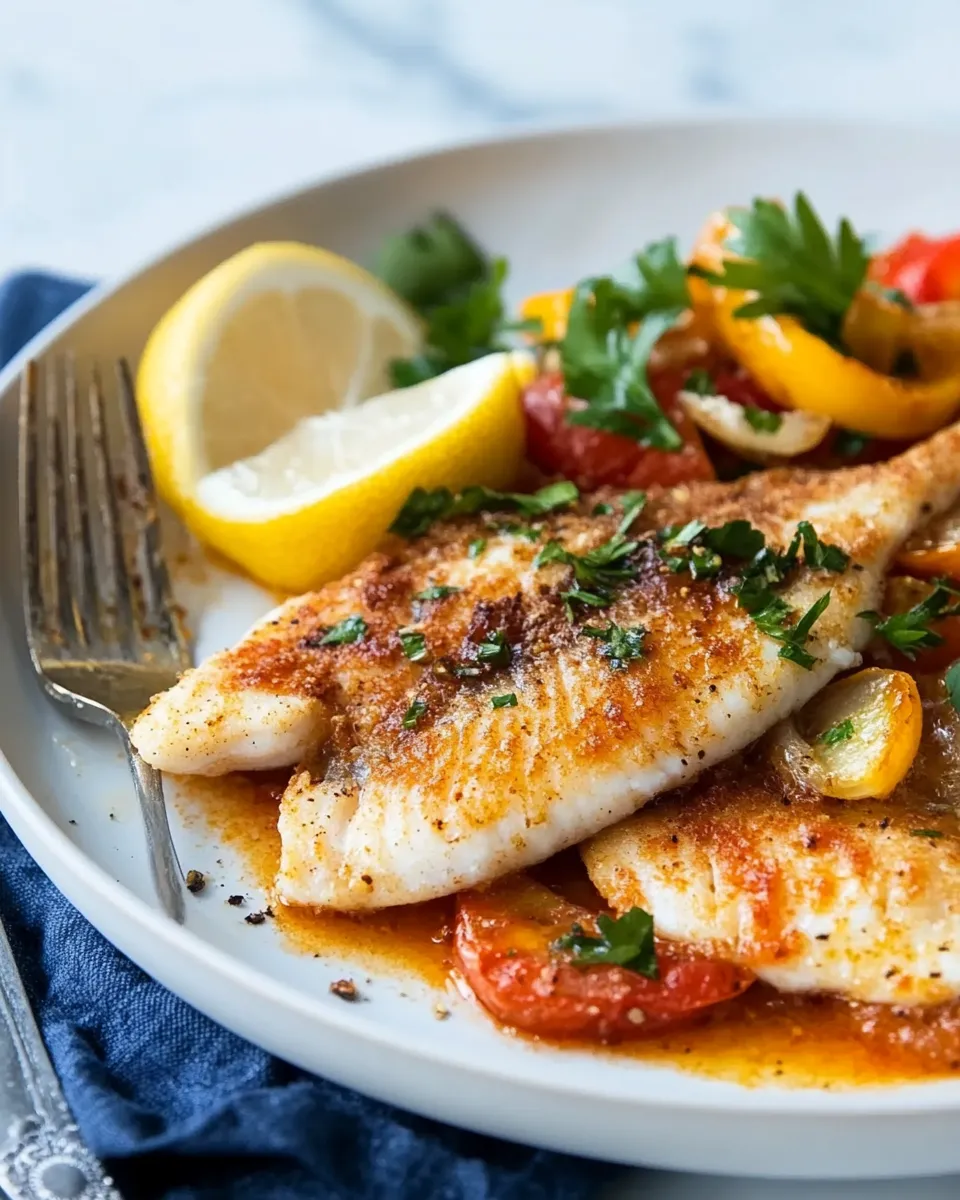
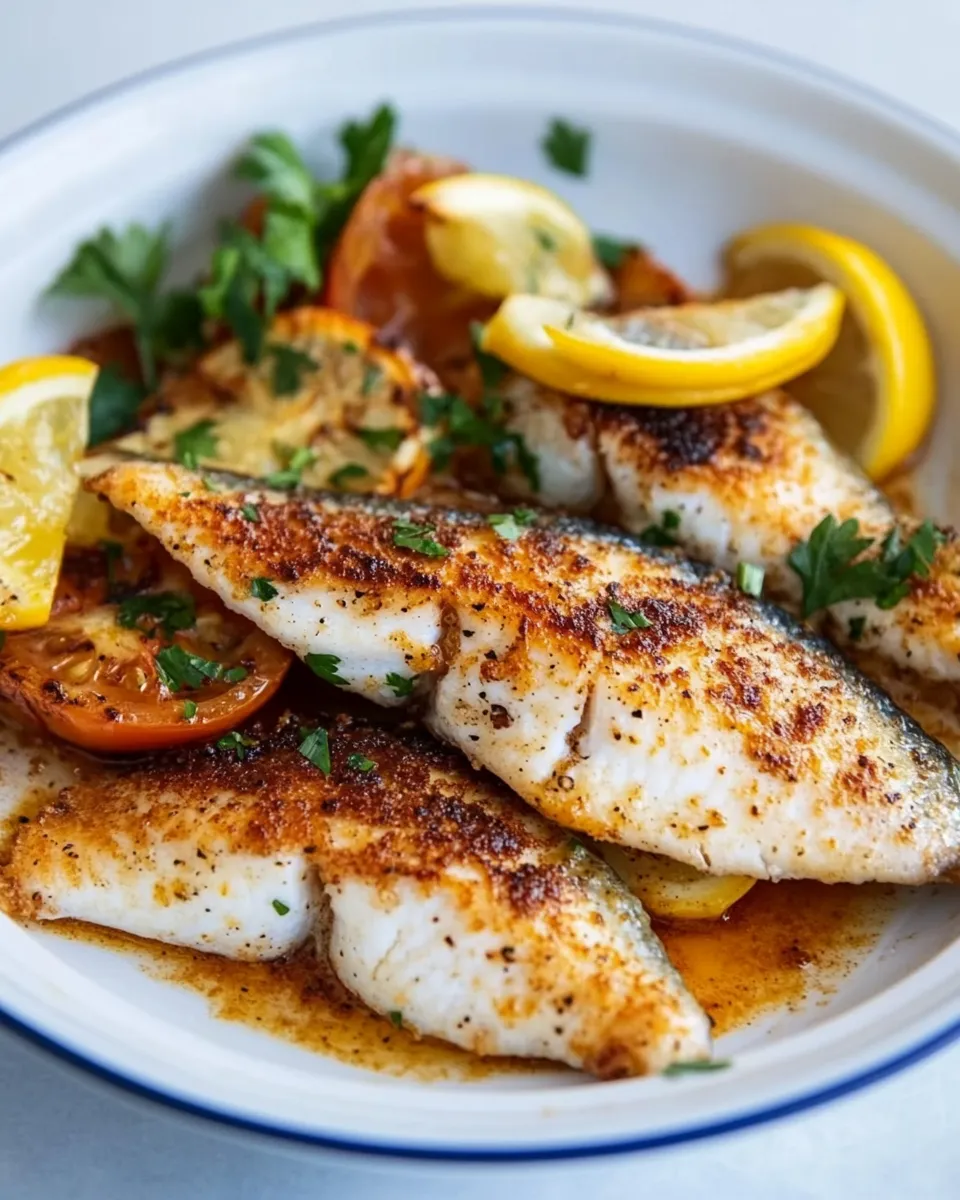
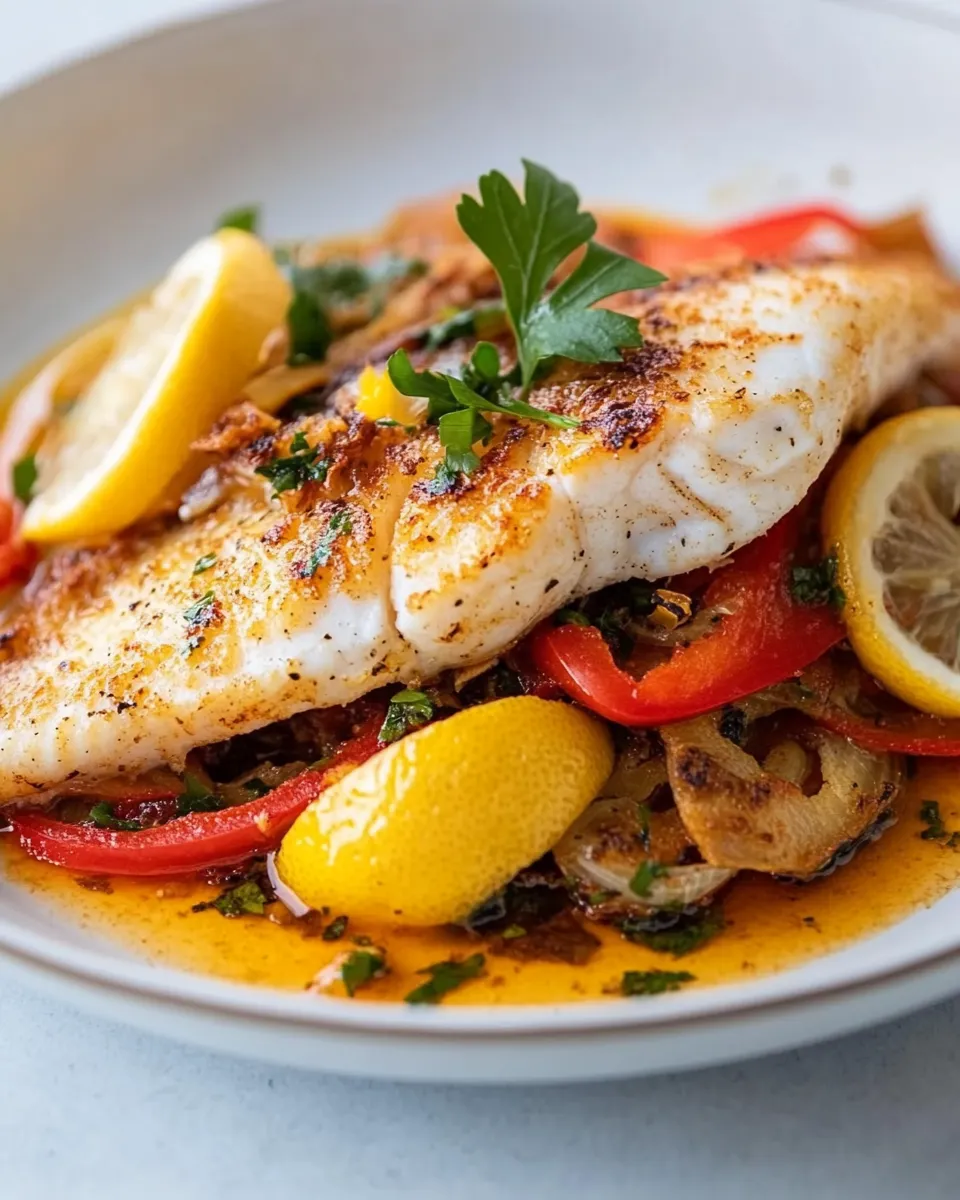
This pan-fried tilapia is my go-to when I want something fast, clean, and reliably delicious. It takes under 20 minutes of active cooking, but the flavor feels intentional: crisp-edged fish, a quick sauté of onion and peppers, briny capers and bright lemon tying everything together. No long marinades, no fuss—just straightforward technique and good timing.
I focus on texture first: patting the fillets dry, getting the oil hot enough to create a golden crust, and not crowding the pan. The sauce that follows is built right in the skillet, using the fond left behind by the fish so every bite carries the pan-roasted flavor. This is a practical weeknight dish that also plays nicely for guests.
Below you’ll find a tidy ingredient list with notes, the step-by-step method exactly as I follow it, and tips for swaps, storage, and reheating. If you want a reliable, forgiving fish dinner that still looks and tastes like effort, this is it.
Ingredient Rundown
Ingredients
- 4 (6-ounce) tilapia fillets thawed — Choose similar-sized fillets so they cook evenly; pat dry to help them brown.
- Salt and freshly ground black pepper — Simple seasoning that brings out the fish’s flavor; season both sides.
- 1/4 cup olive oil — Provides browning and prevents sticking; heat until shimmering before adding fish.
- 1 onion peeled, halved, and thinly sliced — Adds sweetness and body to the pan sauce; slice thin for quick cooking.
- 4 cloves garlic minced — Releases aroma quickly when sautéed; add after the fish to avoid burning.
- 2 bell peppers stemmed, seeded, and sliced — Color and mild sweetness; slice thin so they soften in a minute or two.
- 1 (14-ounce) candiced tomatoes drained — Adds acidity and texture to the sauce; drain to avoid excess liquid.
- 1/4 cup capers drained and rinsed — Briny pop that brightens the sauce; rinse to remove excess salt if packed in brine.
- 1 teaspoon minced fresh thyme or ¼ teaspoon dried — Herbaceous note; fresh gives a brighter finish, dried is fine in a pinch.
- 2 tablespoons lemon juice — Finishing acid that lifts the whole dish; add at the end to keep it vibrant.
Make Pan-Fried Tilapia: A Simple Method
- Pat the tilapia fillets dry with paper towels. Season both sides of each fillet with salt and freshly ground black pepper.
- Heat a large skillet over medium-high heat. Add the 1/4 cup olive oil and heat until the oil is shimmering.
- Working in batches if needed so the fillets fit in a single layer, add the fillets to the skillet. Cook without moving until the underside is crispy and golden brown, about 2 to 3 minutes.
- Carefully flip each fillet and continue cooking until the fish is opaque, flakes easily with a fork, and reaches an internal temperature of 145°F (about 2 to 4 minutes more, depending on thickness). Transfer the cooked fillets to a platter and tent loosely with foil to keep warm.
- To the same skillet (do not wash out), add the sliced onion and the minced garlic. Sauté, stirring, for about 1 minute.
- Add the sliced bell peppers to the skillet and continue to sauté until the peppers are softened, about 1 to 2 minutes.
- Stir in the drained candiced tomatoes, the drained and rinsed capers, and the minced fresh thyme (or dried thyme). Cook, stirring, until the mixture is heated through, about 1 to 2 minutes.
- Stir in the 2 tablespoons lemon juice and season the sauce with additional salt and freshly ground black pepper to taste.
- Return the tilapia fillets to the skillet. Spoon the sauce over the fillets to coat them, warming the fish for about 30 seconds to 1 minute (do not overcook). Serve immediately.
Why This Recipe Works
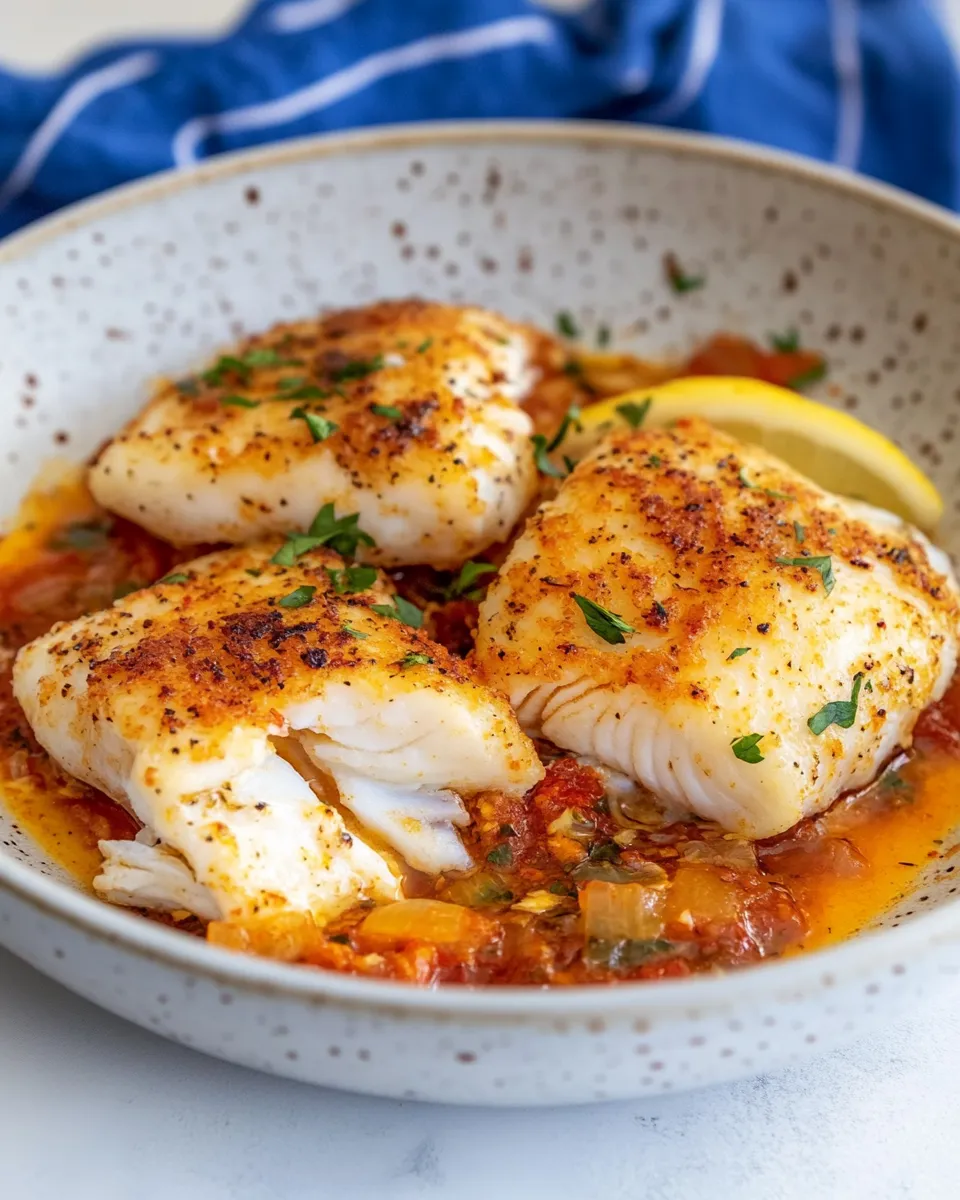
The success of this dish comes down to three things: dry fish, hot fat, and fast finishing. Patting the fillets dry removes surface moisture that would steam instead of sear; the result is a crisp, golden underside that gives texture contrast to the tender fish. Heating the oil until it shimmers ensures immediate contact browning rather than a pale sauté.
After the fish is briefly removed, the skillet carries concentrated flavor—little browned bits and fond from the fillets—into the vegetable-and-tomato sauce. The quick sauté of onion, garlic, and peppers softens them just enough to warm through without losing brightness. Capers and lemon juice add the acidic and briny notes that cut through the oil and lift the whole plate, making each bite balanced rather than heavy.
Swap Guide
- Oil: If you prefer a neutral oil, use canola or vegetable oil in place of olive oil for a subtler flavor.
- Onion: Shallots or scallions work if you want a milder, slightly sweeter profile.
- Bell peppers: Use any color—red, yellow, or green—depending on what you have; red will be sweeter, green more grassy.
- Capers: If you’re avoiding brine, a few chopped green olives offer briny depth without the burst of caper texture.
- Thyme: Swap for parsley or basil if you want a brighter, fresher herb finish (add basil at the end).
Cook’s Kit
- Large, heavy skillet (cast iron or stainless steel) — helps build a good sear and hold even heat.
- Tongs or a fish spatula — for flipping fillets gently without tearing.
- Instant-read thermometer — useful if you like precision; fish is done at 145°F.
- Paper towels — for drying fillets and blotting any excess moisture.
- Slotted spoon or spatula — to spoon sauce over fillets without adding excess liquid.
Errors to Dodge
Overcrowding the pan: crowding lowers the oil temperature and prevents browning. Work in batches if the fillets won’t fit in a single layer.
Skipping the pat-dry step: moisture equals steam, which blocks crisping. Even a little water on the surface will make the fillet stick and cook unevenly.
Cooking on too-low heat: low heat prolongs cooking and makes the fish rubbery. You want a medium-high sear so the outside browns quickly while the inside stays moist.
Overcooking while finishing in the sauce: when you return the fillets to the skillet, you’re only warming them and coating with sauce. One minute or less is enough—any longer and you’ll lose that delicate flake.
Smart Substitutions
If tilapia isn’t available, choose another mild, white-fleshed fillet that cooks quickly—look for similar thickness so the timing stays close. For a meatier texture, use a thicker fish and extend the flip-to-finish time by a minute or two while monitoring temperature.
If you’re reducing salt intake, rinse the capers more thoroughly and taste before adding additional salt. You can also reduce the caper amount and compensate with a tablespoon of lemon juice to maintain brightness.
To make the dish dairy-free or lighter, skip any butter finishes (not used here) and keep the recipe as written—the olive oil base already keeps it light and naturally dairy-free.
Chef’s Notes
Timing is everything. Bigger fillets will need the full 4 minutes on the second side; thinner ones will be done in 2. Use an instant-read thermometer if you’re unsure—145°F in the thickest part signals doneness without guessing.
Don’t wash the skillet between fish and sauce. The browned bits (fond) are flavor. After removing the fish, lower the heat only if the pan is smoking; the vegetables need a hot skillet but not a burnt oil flavor.
If you want extra crispiness, finish the fillets in a 425°F oven for 2–3 minutes after searing. That’s optional and not necessary for this pan-centered method, but it’s a useful trick when preparing many fillets at once.
Best Ways to Store
Refrigerate: Cool the fish and sauce to room temperature (no more than two hours out), then store in an airtight container in the refrigerator for up to 2 days. The fish will be best on day one; on day two the texture softens but the flavors remain solid.
Freeze: I don’t recommend freezing already-cooked fillets from this preparation because the sauce and peppers change texture. If you must, place the cooled fillets in a single layer on a tray, freeze until solid, then transfer to a freezer bag for up to 1 month. Thaw overnight in the refrigerator before reheating gently.
Reheating: Gently reheat in a skillet over medium-low heat with a teaspoon or two of oil, spooning sauce over the fillets until warm. Microwave reheating is faster but will soften the crust; if you go that route, use short bursts and rest between to avoid overcooking.
Pan-Fried Tilapia FAQs
Q: Can I cook this with frozen fillets without thawing? A: It’s better to thaw the fillets before cooking. Thawed fillets sear more evenly; cooking from frozen increases cooking time and risks a steamed, uneven result.
Q: How do I know the fish is done? A: The fish should be opaque through and flake easily with a fork. An instant-read thermometer in the thickest part should read 145°F.
Q: My capers were very salty—what can I do? A: Drain and rinse capers well under cold water to remove excess brine, then taste the sauce before adding more salt. A squeeze of lemon can balance remaining saltiness.
Q: Can I prepare the sauce ahead of time? A: You can prepare the vegetable-tomato-caper mixture ahead and reheat it in the skillet, but add the lemon juice and return the fish at the last minute to avoid overcooking.
Q: What side dishes pair well with this? A: Simple sides like steamed rice, quick lemon-herb couscous, or sautéed greens complement the dish without overwhelming it. Roasted potatoes or a crisp salad also work well.
Time to Try It
This Pan-Fried Tilapia is exactly the kind of recipe I make on busy evenings when I want something that looks like a proper dinner without a lot of steps. Follow the few technique points—dry the fish, heat the oil, don’t crowd the pan—and the rest falls into place quickly. The capers and lemon juice give the dish a finishing brightness that makes it feel restaurant-worthy while still being weeknight-simple.
Make it once as written, then adapt: different peppers, a handful of fresh herbs, or a side swap will give you new variations with the same basic method. If you try it, I’d love to know how your fillets turned out—did you get that golden crust? Share a photo or note what you swapped and how it went.
Pan-Fried Tilapia
Ingredients
Equipment
Method
- Pat the tilapia fillets dry with paper towels. Season both sides of each fillet with salt and freshly ground black pepper.
- Heat a large skillet over medium-high heat. Add the 1/4 cup olive oil and heat until the oil is shimmering.
- Working in batches if needed so the fillets fit in a single layer, add the fillets to the skillet. Cook without moving until the underside is crispy and golden brown, about 2 to 3 minutes.
- Carefully flip each fillet and continue cooking until the fish is opaque, flakes easily with a fork, and reaches an internal temperature of 145°F (about 2 to 4 minutes more, depending on thickness). Transfer the cooked fillets to a platter and tent loosely with foil to keep warm.
- To the same skillet (do not wash out), add the sliced onion and the minced garlic. Sauté, stirring, for about 1 minute.
- Add the sliced bell peppers to the skillet and continue to sauté until the peppers are softened, about 1 to 2 minutes.
- Stir in the drained candiced tomatoes, the drained and rinsed capers, and the minced fresh thyme (or dried thyme). Cook, stirring, until the mixture is heated through, about 1 to 2 minutes.
- Stir in the 2 tablespoons lemon juice and season the sauce with additional salt and freshly ground black pepper to taste.
- Return the tilapia fillets to the skillet. Spoon the sauce over the fillets to coat them, warming the fish for about 30 seconds to 1 minute (do not overcook). Serve immediately.
Notes
Yield:This fish recipe makes four servings, 1 (6-ounce) piece of fish each.
Storage:Store leftovers covered in the refrigerator for up to 4 days.