Panang Curry
This Panang Curry is the kind that feels like a warm hug on a weeknight: bright lime, creamy coconut, a smack of red curry heat, and a little nutty depth from peanut butter. It’s forgiving, fast, and built around pantry-friendly staples, so you can have a satisfying bowl without overthinking a grocery list.
I keep this recipe in heavy rotation because it balances bold flavors without being fussy. The ingredients play well together: sautéed peppers and onion give texture, red curry paste supplies concentrated spice and aromatics, and coconut milk brings everything together into a silky sauce. Baked tofu soaks it up beautifully, but the base works with almost any cooked protein.
Below you’ll find a clear ingredient list, exact step-by-step instructions, and practical tips for tweaking texture and heat. If you want a thicker, spoon-coating curry or prefer something lighter, there are small, controlled swaps and techniques to get you there.
What’s in the Bowl
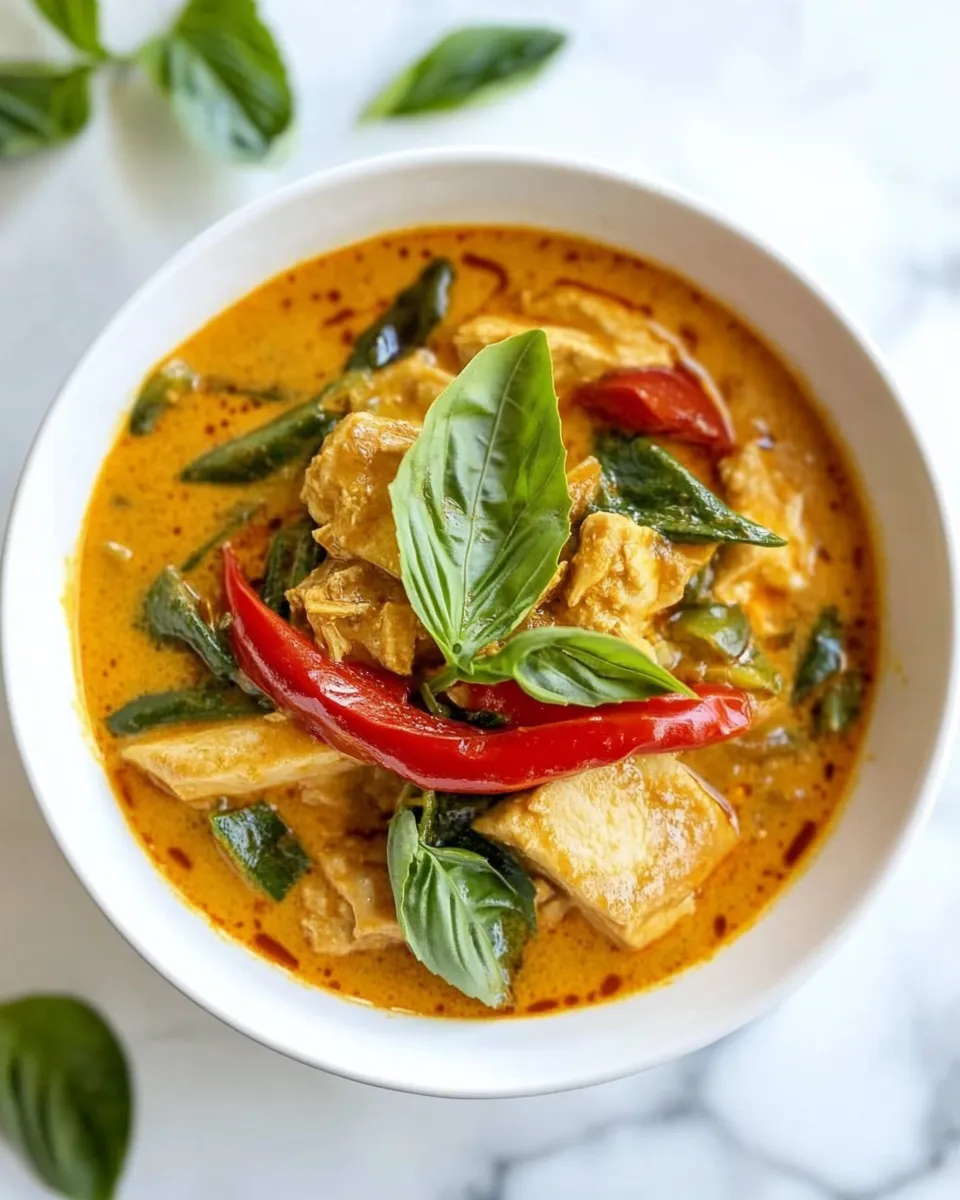
This Panang Curry is a layered, savory-sweet-spicy bowl. The sauce is predominantly coconut milk and red curry paste, rounded by peanut butter and maple syrup. Fresh lime juice and zest brighten the richness, and a bit of salt lifts the whole thing. Vegetables give crunch and color, while baked tofu (or your chosen protein) provides substance and soaks up the sauce.
Texture-wise, you get tender vegetables, a creamy sauce that can be adjusted from pourable to clingy, and a soft, chewy protein. The chopped peanuts on top finish the dish with a welcome crunch.
Ingredients
- 1 tablespoon olive oil — for sautéing the onion and peppers, prevents sticking and adds a mild fruitiness.
- ½ red onion, sliced — builds the aromatic base and adds sweetness as it softens.
- 2 bell peppers (any color) — provide texture, color, and a fresh counterpoint to the richness.
- 1 garlic clove, minced — sharp aromatic that deepens the savory profile.
- 1 inch knob fresh ginger, minced — adds warmth and a bright, peppery note.
- 4 teaspoons red curry paste (see notes) — concentrated flavor and heat; start here and adjust next time if you want it milder or bolder.
- 1 (15 ounce) can full-fat coconut milk — creates the creamy sauce and balances the spice.
- 1 heaping tablespoon peanut butter — gives body, nuttiness, and a touch of savory sweetness.
- 2 to 3 tablespoons maple syrup — balances heat and acid; start with 2 and add more if needed.
- 1 tablespoon fresh lime juice, plus the zest from the lime — brightens the dish and cuts through the richness.
- 1 teaspoon fine sea salt, plus more to taste — essential for rounding flavors; add gradually when tasting.
- 2 teaspoons arrowroot or cornstarch (optional thickener) — use only if you want a thicker, clingier sauce; make a slurry before adding.
- ¼ cup fresh cilantro or basil, chopped — adds freshness and herbaceous lift at the end.
- 1 pound baked tofu (or cooked protein of choice) — the main protein; baked tofu soaks up the sauce but swap as you like.
- chopped peanuts, for garnish — final crunch and additional nut flavor, optional but recommended.
Stepwise Method: Panang Curry
- Heat 1 tablespoon olive oil in a large, deep skillet over medium-high heat until shimmering.
- Add the sliced ½ red onion and the 2 bell peppers (sliced or chopped as you prefer). Sauté, stirring occasionally, until they begin to soften, about 3–5 minutes.
- Add the minced 1 garlic clove and the minced 1-inch knob of fresh ginger to the pan. Stir briefly, then add the 4 teaspoons red curry paste and cook, stirring, for about 1 minute until fragrant.
- Pour in the entire (15 ounce) can of full-fat coconut milk. Add the heaping 1 tablespoon peanut butter, 2 tablespoons maple syrup (start with 2; see step 8), the zest from the lime, 1 tablespoon fresh lime juice, and 1 teaspoon fine sea salt. Stir thoroughly, breaking up any visible clumps of curry paste or peanut butter.
- Bring the mixture to a gentle simmer, then reduce the heat to maintain a low simmer. Let it simmer 3–5 minutes to combine flavors.
- (Optional thickener) If you want a thicker sauce, scoop about 2 tablespoons of the hot coconut milk from the pan into a small bowl and whisk in the 2 teaspoons arrowroot or cornstarch until smooth. Pour this slurry back into the simmering sauce and stir until the sauce thickens, about 1–2 minutes. If you prefer a thinner sauce, skip this step.
- Add the 1 pound baked tofu (or other cooked protein of choice) and the ¼ cup chopped fresh cilantro or basil. Stir gently and cook just until the tofu is heated through and the herbs have wilted, about 2–3 minutes.
- Taste the curry and adjust sweetness and salt as needed. You may add up to 1 more tablespoon maple syrup (for a total of 2–3 tablespoons) and additional fine sea salt a pinch (about 1/4 teaspoon) at a time until it tastes right to you.
- Remove from heat. Serve immediately, garnished with chopped peanuts and extra chopped cilantro or basil if desired.
- Store any leftovers in an airtight container in the refrigerator for up to 5 days.
Why You’ll Keep Making It
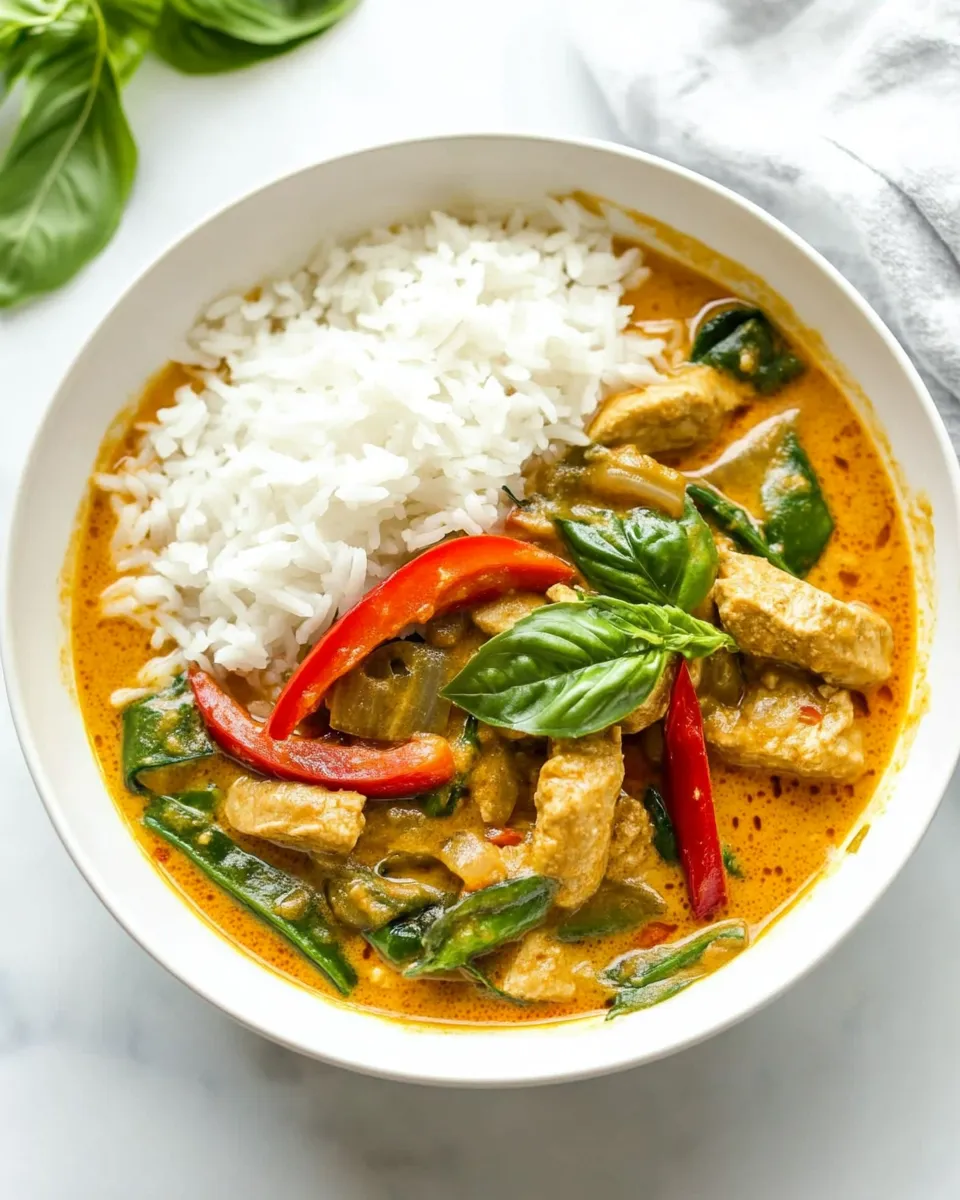
This recipe hits a sweet spot: bold flavor with minimal fuss. The sauce is impressive but forgiving — it comes together fast and adapts well to what’s in your fridge. Leftovers taste even better the next day because the flavors meld overnight. You can stretch the recipe by serving it over rice, noodles, or even roasted vegetables, which makes it practical for meal prep and family dinners.
It’s also extremely adaptable. Want more heat? Add extra curry paste or a sprinkle of chili flakes. Want less? Reduce the paste and increase coconut milk or lime. The base is a reliable framework once you understand how the elements — fat, acid, sweet, and salt — interact.
Vegan & Vegetarian Swaps
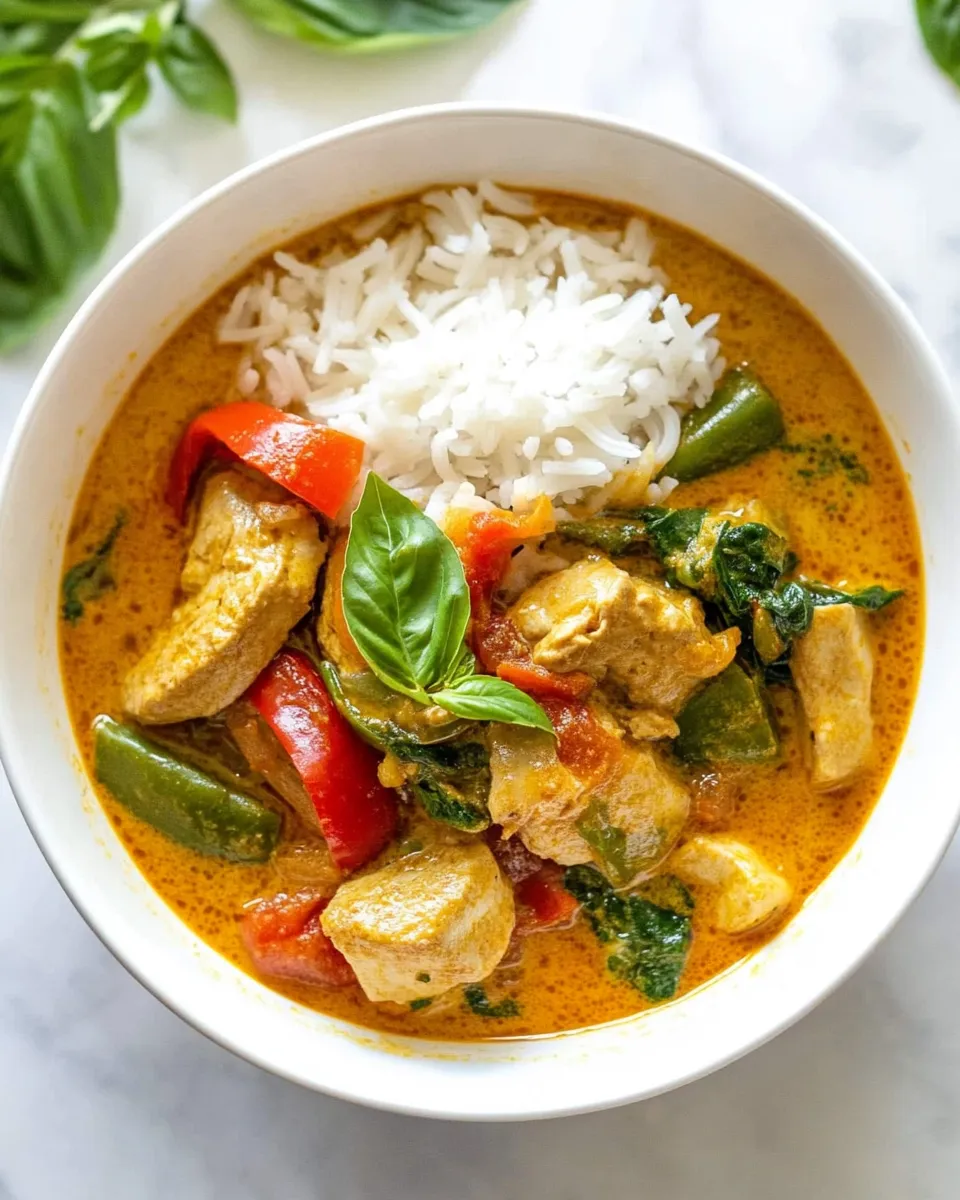
The recipe is already vegetarian and easily vegan (the maple syrup and peanut butter are vegan-friendly). If you need to switch proteins, try tempeh for nuttiness, seared mushrooms for a meaty texture, or chickpeas for convenience. If peanuts are an issue, sunflower seed butter or almond butter can replace the peanut butter; expect a slightly different flavor but similar body.
If you prefer to add more vegetables, folded-in spinach or snap peas toward the end will wilt quickly and add freshness. Cage the texture by roasting root vegetables separately and spooning the curry over them when serving.
What You’ll Need (Gear)
- Large, deep skillet — gives you room to sauté and simmer without spilling.
- Wooden spoon or silicone spatula — for stirring without scratching the pan.
- Can opener — for the coconut milk.
- Measuring spoons and cups — accuracy matters for balance, especially salt and maple syrup.
- Small bowl and whisk or fork — useful if you use the optional arrowroot/cornstarch slurry.
- Sharp knife and cutting board — for a clean slice on onion, peppers, herbs, and tofu.
Avoid These Traps
Burning the curry paste: Hot oil + paste = flavor, but keep it moving. Stir the paste for only about a minute until fragrant. If it sizzles too aggressively, lower the heat; burnt paste turns bitter fast.
Over-thickening: Arrowroot and cornstarch thicken quickly. Whisk them into cool liquid first, then add a little slurry at a time if needed. You can always thicken more, but you can’t go back once it’s too thick.
Under-seasoning: Coconut milk mutes a lot of flavors. Taste before serving and add small pinches of salt or another splash of lime until the balance is right. The instructions guide you to add salt and extra maple syrup incrementally for that reason.
Holiday & Seasonal Touches
Make this curry seasonal by swapping or adding vegetables. Late summer and early fall benefit from roasted butternut or sweet potato chunks—roast until caramelized and stir into the curry at the end. In spring, add blanched asparagus tips or tender peas at the last minute.
For a festive table, serve the curry in shallow bowls over coconut rice and garnish with extra chopped peanuts, thinly sliced red chilies, and a sprig of cilantro or basil. A wedge of lime on the side invites guests to brighten their bowls to taste.
Pro Perspective
Small adjustments change the profile: using full-fat coconut milk creates silkier mouthfeel; light coconut milk gives a thinner sauce but fewer calories. If you want a silkier, slightly sweeter finish, stir in a small pat of cold butter off the heat. Don’t skip the lime zest — it lifts the richness and adds an aromatic top note that juice alone can’t deliver.
When reheating, do it gently over low heat. Coconut milk can separate if boiled aggressively. Stir regularly and, if the sauce tightens too much, add a splash of water or a little extra coconut milk to smooth it out.
Save It for Later
Leftovers keep well in the fridge for up to 5 days in an airtight container. For longer storage, freeze portions in freezer-safe containers for up to 2 months. Thaw overnight in the fridge before reheating.
Reheat slowly on the stovetop over low heat, stirring to reincorporate any separated coconut fat. If the sauce feels too thick after refrigeration, add a splash of water, broth, or coconut milk while warming. Taste and adjust salt and lime before serving.
Questions People Ask
Q: Can I make this gluten-free? A: Yes. The recipe as written is naturally gluten-free if your red curry paste doesn’t contain soy or wheat additives. Check labels. Use tamari if you choose to add any soy-based seasonings.
Q: How spicy is this? A: It depends on your red curry paste. Four teaspoons gives a moderate kick for many palates. Swap to 3 teaspoons to tone it down, or add chili after tasting for more control.
Q: Can I skip the peanut butter? A: You can omit it, but the sauce will lose some body and nuttiness. Substitute almond or sunflower seed butter if you need a nut-free option.
Q: What rice pairs best? A: Jasmine rice is classic and fragrant. Coconut rice doubles down on the creaminess if you want an indulgent pairing.
Save & Share
If this Panang Curry becomes one of your weeknight go-tos, save the recipe where you keep your favorites. It’s a great template: once you learn the balance of curry paste, coconut milk, lime, and sweet, you can riff confidently. If you try a swap—different protein, a seasonal veg, or a thickening tweak—drop a note in the comments or share a photo. I love seeing how readers make a recipe their own.
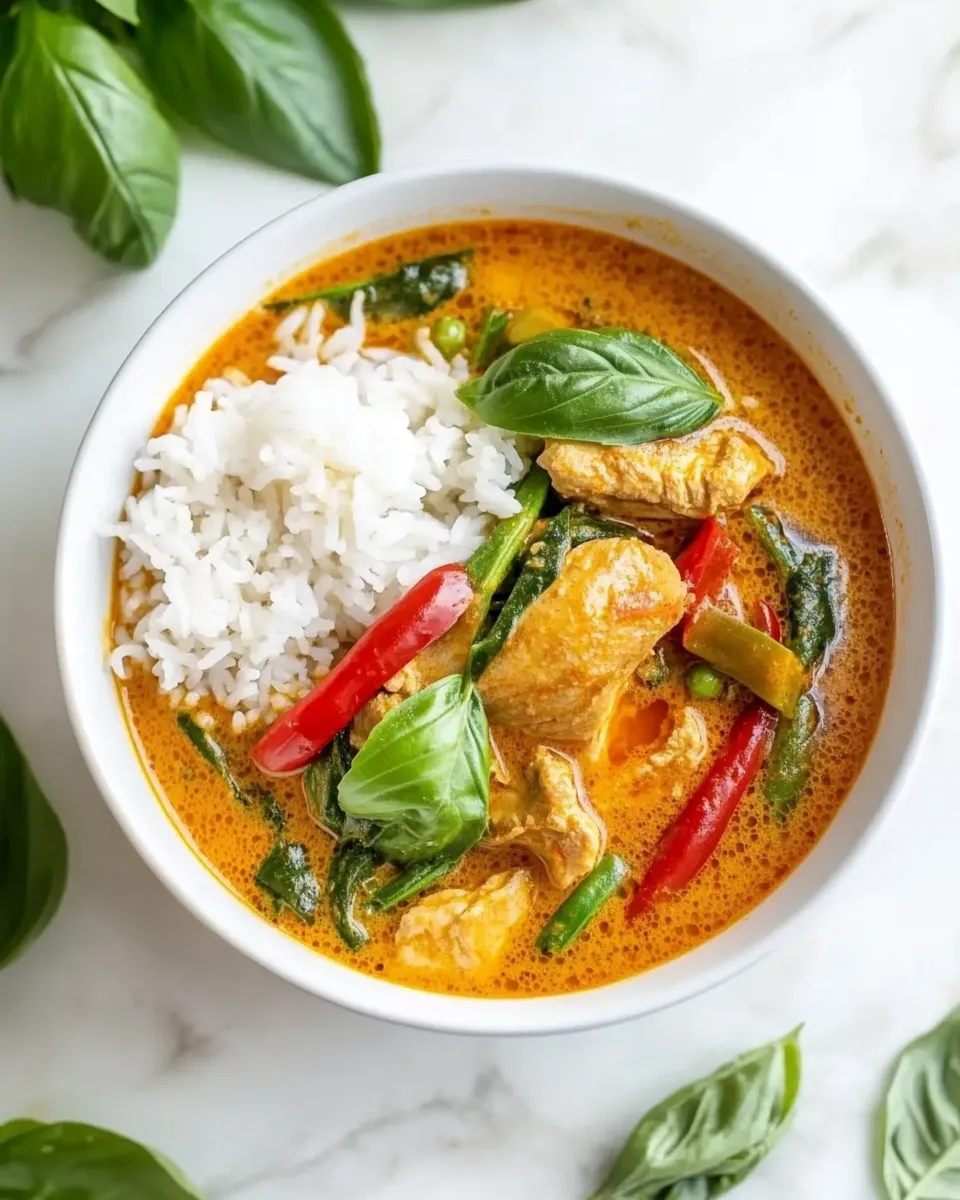
Panang Curry
Ingredients
Equipment
Method
- Heat 1 tablespoon olive oil in a large, deep skillet over medium-high heat until shimmering.
- Add the sliced ½ red onion and the 2 bell peppers (sliced or chopped as you prefer). Sauté, stirring occasionally, until they begin to soften, about 3–5 minutes.
- Add the minced 1 garlic clove and the minced 1-inch knob of fresh ginger to the pan. Stir briefly, then add the 4 teaspoons red curry paste and cook, stirring, for about 1 minute until fragrant.
- Pour in the entire (15 ounce) can of full-fat coconut milk. Add the heaping 1 tablespoon peanut butter, 2 tablespoons maple syrup (start with 2; see step 8), the zest from the lime, 1 tablespoon fresh lime juice, and 1 teaspoon fine sea salt. Stir thoroughly, breaking up any visible clumps of curry paste or peanut butter.
- Bring the mixture to a gentle simmer, then reduce the heat to maintain a low simmer. Let it simmer 3–5 minutes to combine flavors.
- (Optional thickener) If you want a thicker sauce, scoop about 2 tablespoons of the hot coconut milk from the pan into a small bowl and whisk in the 2 teaspoons arrowroot or cornstarch until smooth. Pour this slurry back into the simmering sauce and stir until the sauce thickens, about 1–2 minutes. If you prefer a thinner sauce, skip this step.
- Add the 1 pound baked tofu (or other cooked protein of choice) and the ¼ cup chopped fresh cilantro or basil. Stir gently and cook just until the tofu is heated through and the herbs have wilted, about 2–3 minutes.
- Taste the curry and adjust sweetness and salt as needed. You may add up to 1 more tablespoon maple syrup (for a total of 2–3 tablespoons) and additional fine sea salt a pinch (about 1/4 teaspoon) at a time until it tastes right to you.
- Remove from heat. Serve immediately, garnished with chopped peanuts and extra chopped cilantro or basil if desired.
- Store any leftovers in an airtight container in the refrigerator for up to 5 days.
Notes
Nutrition information is for 1 of 4 servings, assuming you use extra-firm tofu in the sauce. The protein per serving will be much higher if you use 1 pound of chicken, instead. This information is automatically calculated using generic ingredients, so it’s just an estimate, not a guarantee.
Curry Paste Note:
This recipe tastes best when you use
Mekhala red curry paste
. I found it at Whole Foods, but you can also order it online. Making this with Thai Kitchen’s red curry paste won’t be nearly as flavorful. See the full post above for the other curry paste I tested with this recipe.
Sweetener Note:
I use maple syrup to keep this recipe vegan and naturally sweetened. Brown sugar can be swapped, or you can use honey if you don’t need a vegan dish.