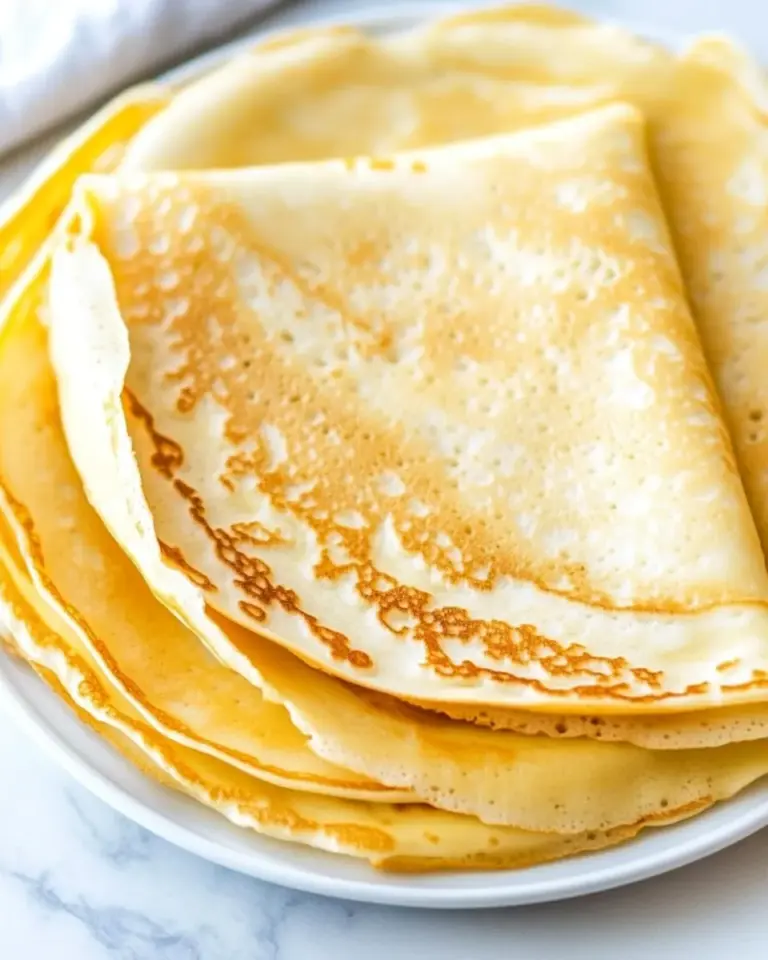
Pancakes For Two
These pancakes are my go-to when I want a cozy, quick breakfast for two without fuss. They’re hearty thanks to whole-wheat flour, tender from a short rest, and lightly sweetened with a touch of maple. You can get them on the table in under 30 minutes, and they feel intentionally made — like I bothered to care.
I test these proportions as a true scaling-down: small batch, big flavor. The batter is forgiving; a few lumps are expected and wanted. I’ll walk you through shopping, exact steps, swaps, and troubleshooting so you finish with two warm plates and a satisfied smile.
Keep this recipe handy for weekend mornings or a weekday lift. It’s practical, reliable, and kind to the pantry.
What to Buy

Before you start, collect the small list of ingredients so you don’t interrupt the flow. Aim for the full-fat or low-fat versions where called for — they change texture more than flavor here. If you buy one thing fresh, make it the maple syrup: the real stuff brightens these pancakes.
- Check your baking shelf for baking powder and baking soda — they lose strength over time.
- Whole-wheat flour gives structure and a nutty note. If your pantry is empty, see the swaps section below.
- Buttermilk is easiest if you pick up low-fat buttermilk; it reacts with the leaveners and keeps pancakes tender.
Ingredients
- 3/4cupwhole-wheat flour — provides structure and a nutty flavor; measure lightly and level the cup.
- 1teaspoonbaking powder — primary leavener for lift; make sure it’s fresh.
- 1/4teaspoonbaking soda — works with the buttermilk to add tenderness and a touch more rise.
- 1/4teaspoonsalt — balances sweetness and enhances overall flavor; don’t skip.
- 1large eggpreferably organic — binds and enriches the batter; room temperature is best for even mixing.
- 3/4cuplow-fat buttermilk — adds acidity and tenderness; it reacts with baking soda for lift.
- 2tablespoonsolive oilplus more, for greasing the pan — keeps pancakes moist and helps with browning; olive oil adds subtle savory notes.
- 1tablespoonmaple syrupplus more, for serving — sweetens the batter and layers flavor; use extra for serving if you like a sweeter finish.
Step-by-Step: Pancakes For Two
- In a medium mixing bowl, whisk together 3/4 cup whole-wheat flour, 1 teaspoon baking powder, 1/4 teaspoon baking soda, and 1/4 teaspoon salt.
- In a separate bowl, beat 1 large egg lightly. Stir in 3/4 cup low-fat buttermilk, 2 tablespoons olive oil, and 1 tablespoon maple syrup until combined.
- Pour the wet ingredients into the dry ingredients. Gently fold with a spatula until just combined; the batter should be slightly lumpy. Do not overmix.
- Let the batter rest at room temperature for about 10 minutes to hydrate the flour and allow the leaveners to start working.
- Preheat a nonstick skillet or griddle over medium heat. Lightly grease the surface with a little extra olive oil.
- Use a 1/4-cup measure to pour batter onto the hot skillet, spacing the pancakes apart.
- Cook until bubbles form across the surface and the edges look set, about 2–3 minutes. If the bottoms brown too quickly, reduce the heat slightly.
- Flip each pancake carefully and cook until the second side is golden brown and the pancake is cooked through, about 2 minutes more.
- Serve the pancakes hot, with additional maple syrup if desired.
Why I Love This Recipe
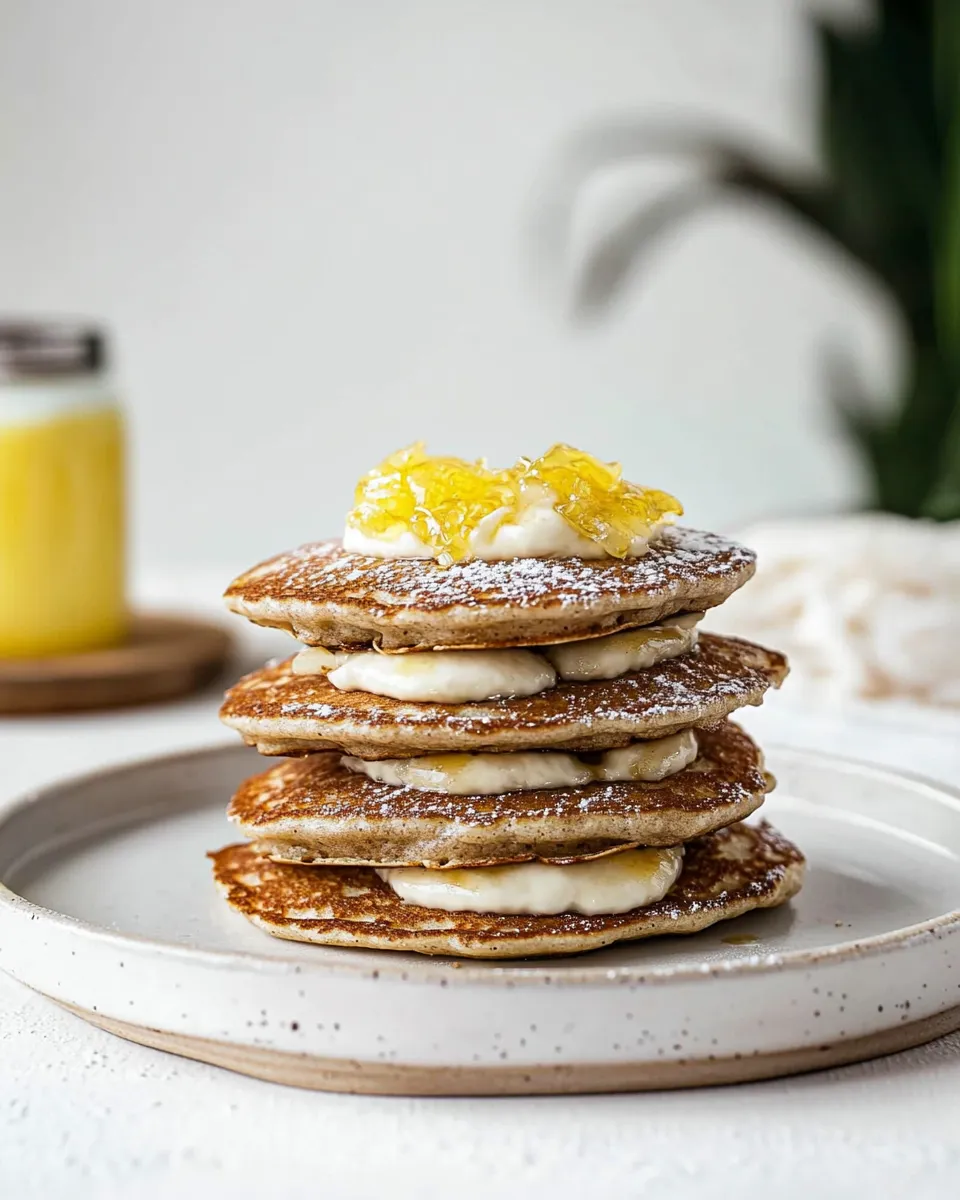
This recipe hits a sweet spot: it’s small-batch but not fiddly. Using whole-wheat flour gives the pancakes body and a pleasing chew that pairs well with sweet maple and tangy yogurt or fruit. The brief rest is a small, high-impact step — it allows the flour to hydrate and the batter to relax, producing a tender pancake even with whole grain.
It’s forgiving. The batter tolerates small temperature differences and slight over- or under-measuring. You don’t need special tools, and the flavor is honest. Two pancakes per person turns into a satisfying breakfast rather than an overeating situation, but the formula scales if you need more.
Easy Ingredient Swaps
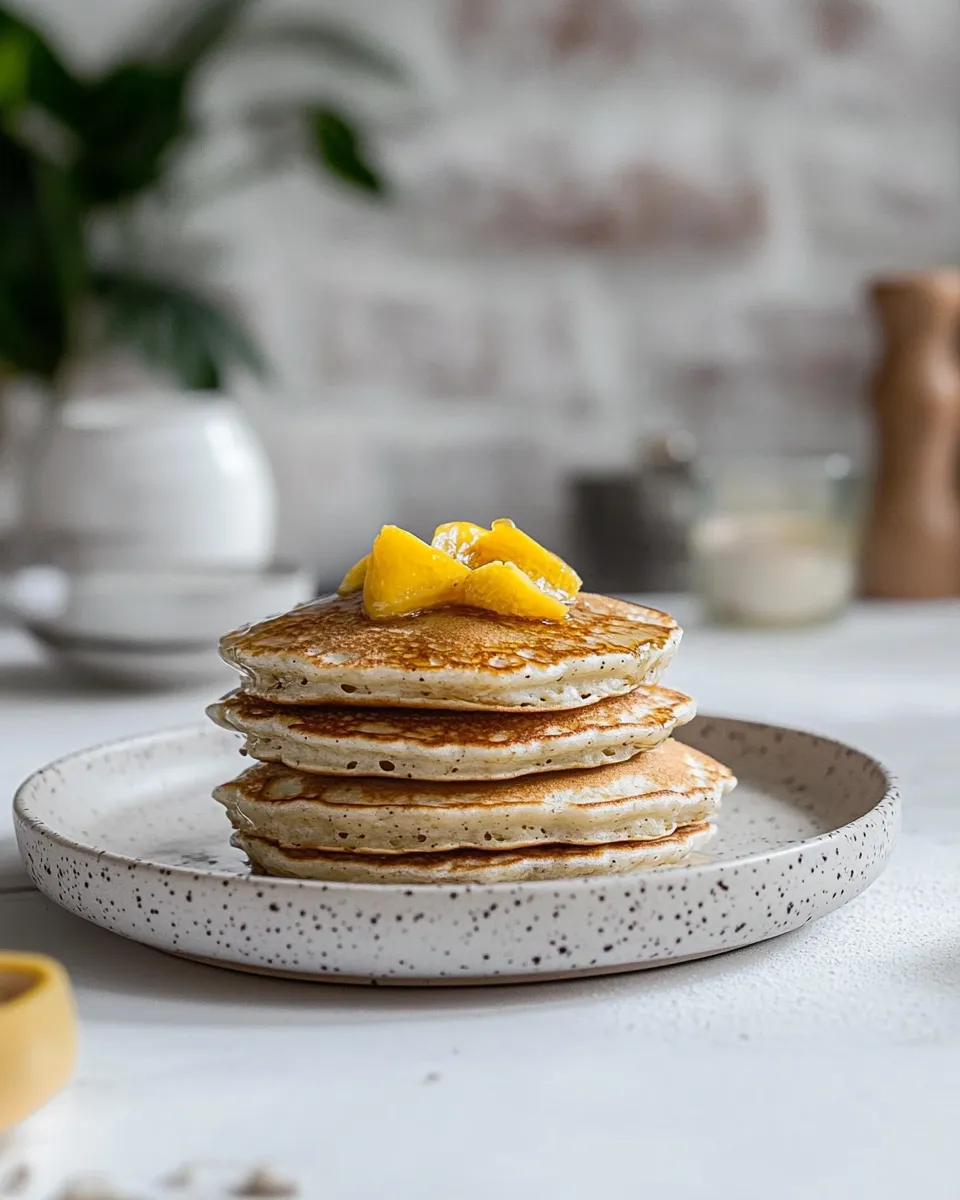
Running low on something? Here are straightforward swaps that won’t hurt the recipe.
- Whole-wheat flour — swap for all-purpose flour 1:1 for a lighter texture, but you’ll lose some nuttiness.
- Low-fat buttermilk — use regular buttermilk for richer flavor. If you have plain yogurt, thin it with milk or water to a pourable consistency and use as a 1:1 substitute.
- Olive oil — use melted butter or neutral oil (canola, vegetable). Butter adds flavor but brown carefully to avoid scorching.
- Maple syrup in batter — replace with honey or a mild liquid sweetener if needed; flavor will shift slightly.
- Egg — for a single-serve allergy swap, use a flax “egg” (1 tablespoon ground flaxseed + 3 tablespoons water) but expect a denser texture.
Must-Have Equipment
- Nonstick skillet or griddle — ensures easy flipping and even browning.
- 1/4-cup measure — keeps pancakes consistently sized so they cook evenly.
- Spatula — a thin, flexible turner makes flipping intact pancakes simple.
- Mixing bowls — one for dry, one for wet; a bowl with high sides helps when folding batter.
- Whisk and spatula — whisk for dry ingredients, spatula for gentle folding.
Pitfalls & How to Prevent Them
Common issues and quick fixes
- Too-thick batter — if your batter looks overly dense and won’t spread, give it a gentle stir and add a tablespoon of milk or water at a time until it pours easily. Avoid adding too much; aim for thick but pourable.
- Flat pancakes — old baking powder or baking soda loses power. If your pancakes don’t rise, check the age of your leaveners.
- Burned bottoms before the top sets — the pan is too hot. Reduce heat to medium-low and give it a minute between batches to stabilize.
- Overmixed batter — overmixing develops gluten and makes dense pancakes. Fold until just combined; lumps are fine.
- Sticking — if pancakes stick despite a nonstick pan, add a little more oil and wipe the surface with paper towel between batches to remove residue.
In-Season Flavor Ideas
Small seasonal additions make these pancakes feel special without extra work.
- Spring: toss in a handful of chopped strawberries or thinly sliced rhubarb (cook the rhubarb briefly with a little sugar beforehand).
- Summer: fold in blueberries or add a spoonful of lemon zest to the batter for brightness.
- Fall: stir in a pinch of cinnamon and a grated apple; serve with warm maple butter.
- Winter: top with poached pears or warm stewed fruit and a sprinkle of toasted nuts.
Testing Timeline
When I develop small-batch recipes I follow a simple timeline to make sure the pancakes are consistent each time. Here’s a practical testing schedule you can use for your kitchen runs:
- 0–5 minutes: Gather ingredients and tools. Pre-measure everything — this makes the rest relaxed and quick.
- 5–10 minutes: Mix dry ingredients and combine wet ingredients separately.
- 10–20 minutes: Fold batter and let it rest for about 10 minutes. Preheat the pan in the last 2–3 minutes of resting.
- 20–30 minutes: Cook pancakes in batches. Adjust heat after the first pancake if needed.
- 30+ minutes: Serve immediately. If you’re testing a tweak (different flour, extra sweetener), make small notes on texture and flavor after the first plate.
Cooling, Storing & Rewarming
If you’ve made more than you eat immediately, these simple steps preserve texture and flavor.
- Cooling: Let pancakes cool on a wire rack for a few minutes so they don’t steam and go soggy.
- Short-term storing: Stack pancakes with a sheet of parchment between each and keep in an airtight container in the fridge for up to 2 days.
- Freezing: Freeze in a single layer on a tray, then transfer to a freezer bag. They’ll last up to 2 months.
- Rewarming: Reheat frozen or refrigerated pancakes on a skillet over low-medium heat for 1–2 minutes per side, or toast them in a toaster oven. Microwaving works in a pinch but can make them soft.
Questions People Ask
Below are answers to the questions I get most when I share this recipe.
- Q: Can I make batter ahead? A: You can make batter and refrigerate it for up to 24 hours, but the leavening will be less active. For best lift, use fresh batter after the 10-minute rest.
- Q: Will these be gluten-free? A: Not as written. Use a gluten-free flour blend that can substitute 1:1 for whole-wheat flour, and check binders — texture will differ.
- Q: Can I double the recipe? A: Yes. Multiply amounts and follow the same steps; you may need to cook in more batches.
- Q: Why use olive oil instead of butter? A: Olive oil keeps the batter moist and won’t burn as quickly. Use melted butter if you prefer the flavor, but reduce heat slightly.
Make It Tonight
If you want pancakes tonight, here’s a compact plan: gather the ingredients, preheat your skillet, and set a 30-minute window. Mix dry, mix wet, combine, rest 10 minutes, then cook. Stack, drizzle with extra maple syrup, and savor them right away.
These Pancakes For Two are a small, reliable pleasure — uncomplicated to make and adaptable to what you have on hand. Keep the method in your back pocket, and you’ll have a warm, homemade breakfast any morning you want it.

Pancakes For Two
Ingredients
Equipment
Method
- In a medium mixing bowl, whisk together 3/4 cup whole-wheat flour, 1 teaspoon baking powder, 1/4 teaspoon baking soda, and 1/4 teaspoon salt.
- In a separate bowl, beat 1 large egg lightly. Stir in 3/4 cup low-fat buttermilk, 2 tablespoons olive oil, and 1 tablespoon maple syrup until combined.
- Pour the wet ingredients into the dry ingredients. Gently fold with a spatula until just combined; the batter should be slightly lumpy. Do not overmix.
- Let the batter rest at room temperature for about 10 minutes to hydrate the flour and allow the leaveners to start working.
- Preheat a nonstick skillet or griddle over medium heat. Lightly grease the surface with a little extra olive oil.
- Use a 1/4-cup measure to pour batter onto the hot skillet, spacing the pancakes apart.
- Cook until bubbles form across the surface and the edges look set, about 2–3 minutes. If the bottoms brown too quickly, reduce the heat slightly.
- Flip each pancake carefully and cook until the second side is golden brown and the pancake is cooked through, about 2 minutes more.
- Serve the pancakes hot, with additional maple syrup if desired.