Panda Express Beijing Beef
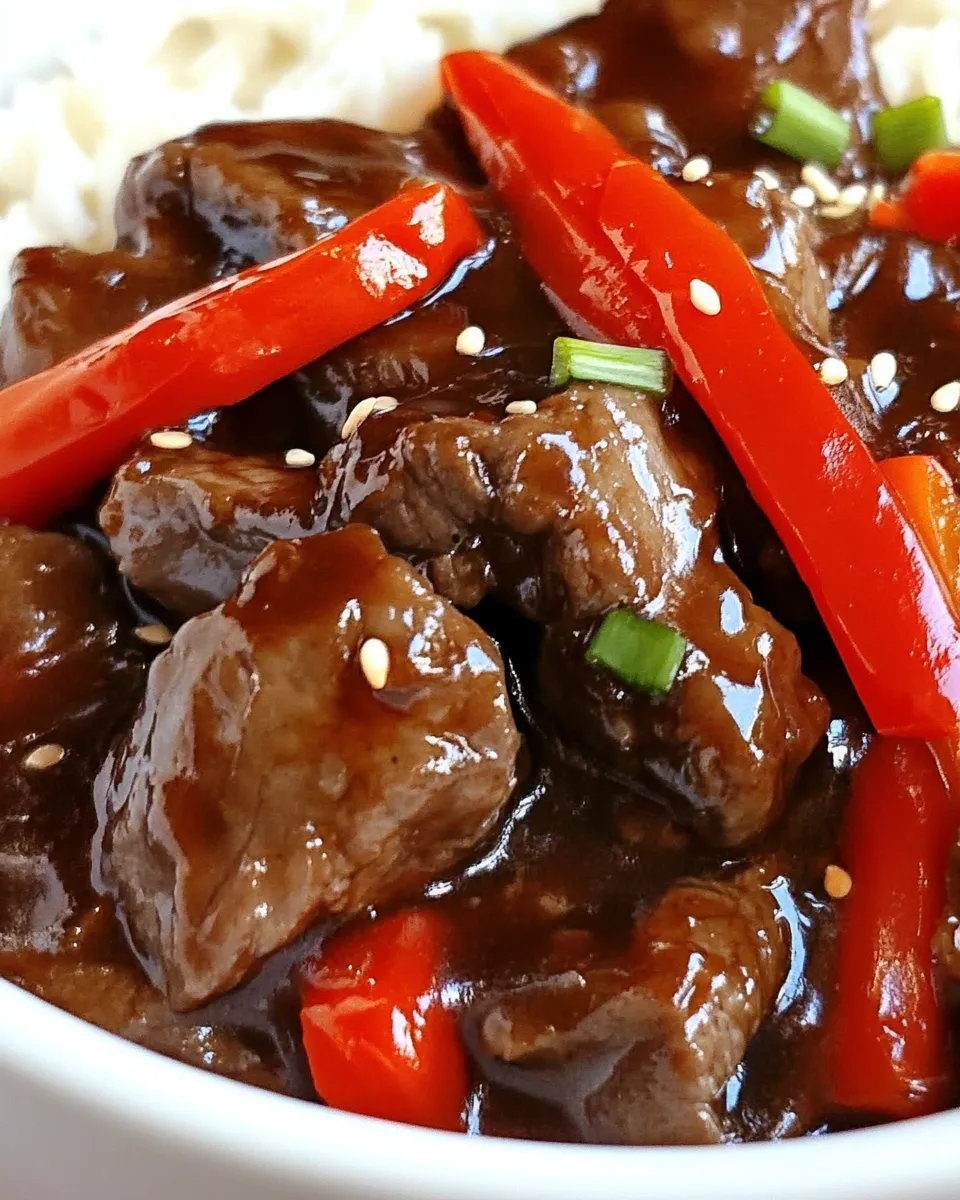
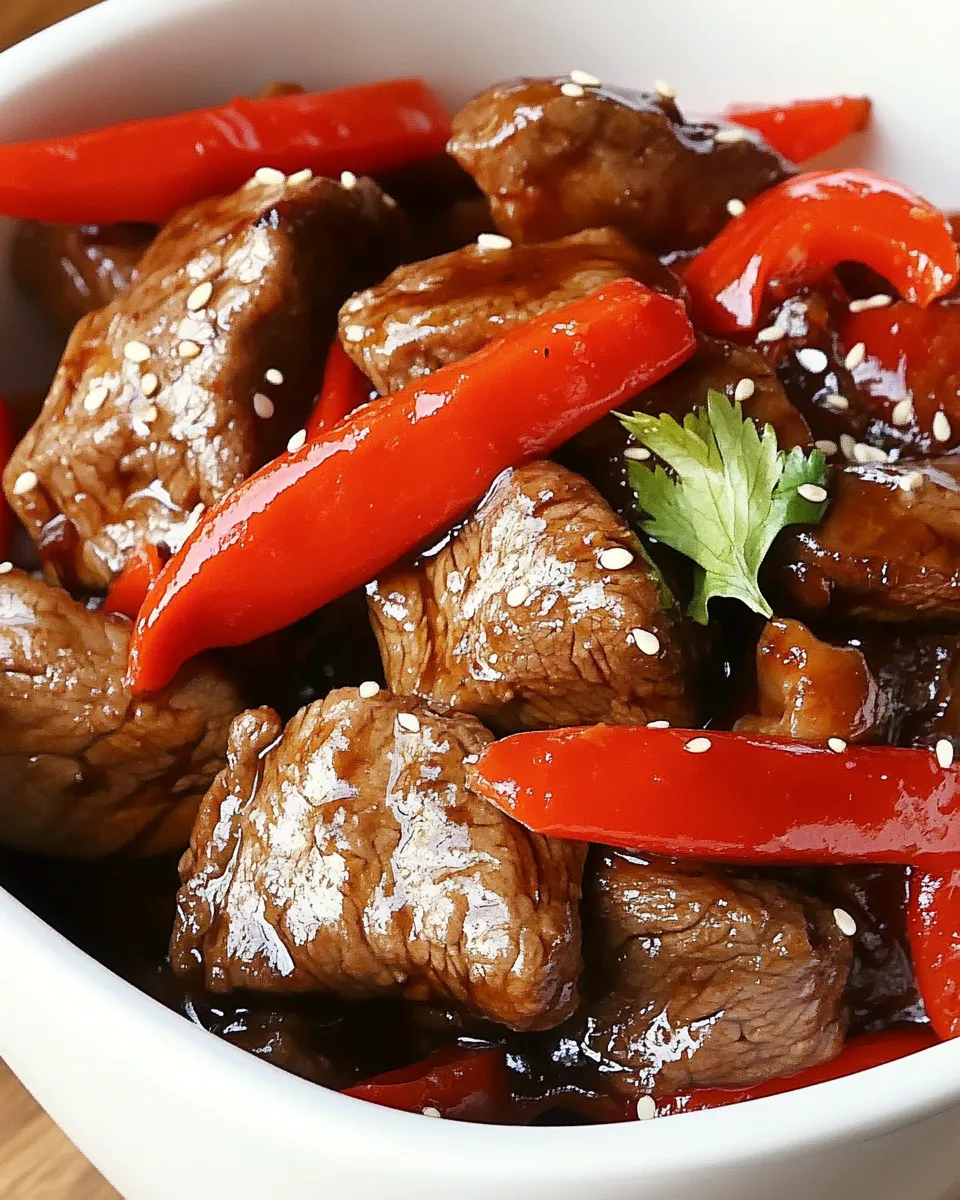
I cook a lot of copycat recipes on the blog, and Panda Express Beijing Beef is one of those dishes that repeatedly wins over guests. It balances crisp, fried beef with a sticky-sweet, tangy sauce and bright-sweet peppers and onions. The contrast between textures—crispy beef and tender vegetables—keeps every bite interesting.
This recipe follows a clear frying and saucing sequence that yields reliably crunchy beef and a glossy sauce that clings to every piece. The process is straightforward if you prep precisely and keep your stations organized: one bowl for the steak, one for the sauce, one for the cornstarch slurry, and a hot pan ready for vegetables and finishing.
I’ll walk you through the exact ingredient list the recipe uses, step-by-step cooking directions, common mistakes I see, substitutions for allergies, and practical storage tips. Read the ingredients, prep the mise en place, and you’ll have a restaurant-style plate at home.
Ingredients
- 1poundflank steak — the main protein; slice thinly against the grain for tenderness.
- 3tablespoonscornstarch — used to coat the steak for crispiness during frying.
- 1cupcanola oil — frying oil; neutral and heats well for deep frying.
- 4clovesgarlicminced — aromatics to build fragrance in the sauce and veggies.
- 1teaspoonfresh grated ginger — bright, spicy note that complements the sauce.
- 1yellow onionsliced — provides sweetness and texture; slice into even strips.
- 1red bell peppercut into 1″ — color and sweet crunch; cut into uniform pieces.
- 1/4cupcornstarchdivided — part went into the steak coating; part used as a slurry to thicken the sauce.
- 1/4teaspoonsalt — seasons the steak before the first cornstarch step.
- 1/2cupwater — mixed with cornstarch to create a smooth slurry for thickening.
- 1/4cupbrown sugar — brings caramelized sweetness and depth to the sauce.
- 2tablespoonketchup — adds acidity, tomato complexity, and body to the sauce.
- 6tablespoonsHoisin sauce — major flavor backbone; salty, sweet and savory.
- 2tablespoonslow sodium soy sauce — umami and a controlled saltiness.
- 1tablespoonoyster sauce — deepens the savory character of the sauce.
- 2tablespoonssweet chili sauce — sweet heat and a bit of texture.
- 1teaspoonscrushed red pepper flakes — adds a consistent gentle heat throughout the sauce.
- 2tablespoonsrice vinegar — acidity to brighten and balance the sauce’s sweetness.
Shopping List
Before you start, check your pantry for cornstarch, canola oil, and the sauces. If you’re missing hoisin or oyster sauce, plan a quick grocery run. Fresh flank steak is best for texture; don’t substitute with pre-sliced meat from the supermarket unless it’s sliced very thin against the grain.
Equipment aside, the key shopping priorities are: fresh flank steak, hoisin sauce, oyster sauce, and rice vinegar. Everything else is common pantry fare.
The Method for Panda Express Beijing Beef
- Slice the flank steak thinly, about 1/4 inch, against the grain. Place the slices in a medium bowl.
- Add 1/4 teaspoon salt and 1 tablespoon of the 3 tablespoons cornstarch to the steak, toss to coat, and let sit 30 minutes.
- In a small bowl, whisk together 1/4 cup brown sugar, 2 tablespoons ketchup, 6 tablespoons hoisin sauce, 2 tablespoons low-sodium soy sauce, 1 tablespoon oyster sauce, 2 tablespoons sweet chili sauce, 1 teaspoon crushed red pepper flakes, and 2 tablespoons rice vinegar. Set this sauce mixture aside.
- In a separate small bowl, whisk the 1/4 cup cornstarch with the 1/2 cup water until smooth; set this slurry aside.
- Heat 1 cup canola oil in a medium-small saucepan or deep skillet over medium-high heat until hot and shimmering. Meanwhile, toss the steak with the remaining 2 tablespoons of the 3 tablespoons cornstarch and shake off any excess.
- Fry the steak in small batches (do not overcrowd) for 2–3 minutes per batch, until crisp and browned. Transfer fried beef to a plate lined with paper towels to drain. When finished frying, pour off excess oil from the pan, leaving about 2 tablespoons of oil in the pan.
- Heat a large pan or wok over high heat and add the reserved ~2 tablespoons oil. Add the sliced onion and red bell pepper and cook 2–3 minutes, until edges begin to brown. Add the minced garlic and grated ginger and cook 15–30 seconds, until fragrant. Remove the vegetables to a plate and set aside.
- Return the pan to high heat, add the prepared sauce mixture, and bring to a simmer. Whisk the cornstarch slurry a little at a time into the simmering sauce until it thickens, about 1–3 minutes.
- Add the fried beef and the cooked vegetables to the thickened sauce and toss to coat. Cook 1–2 minutes more, until everything is hot and evenly coated.
- Serve immediately.
Reasons to Love Panda Express Beijing Beef
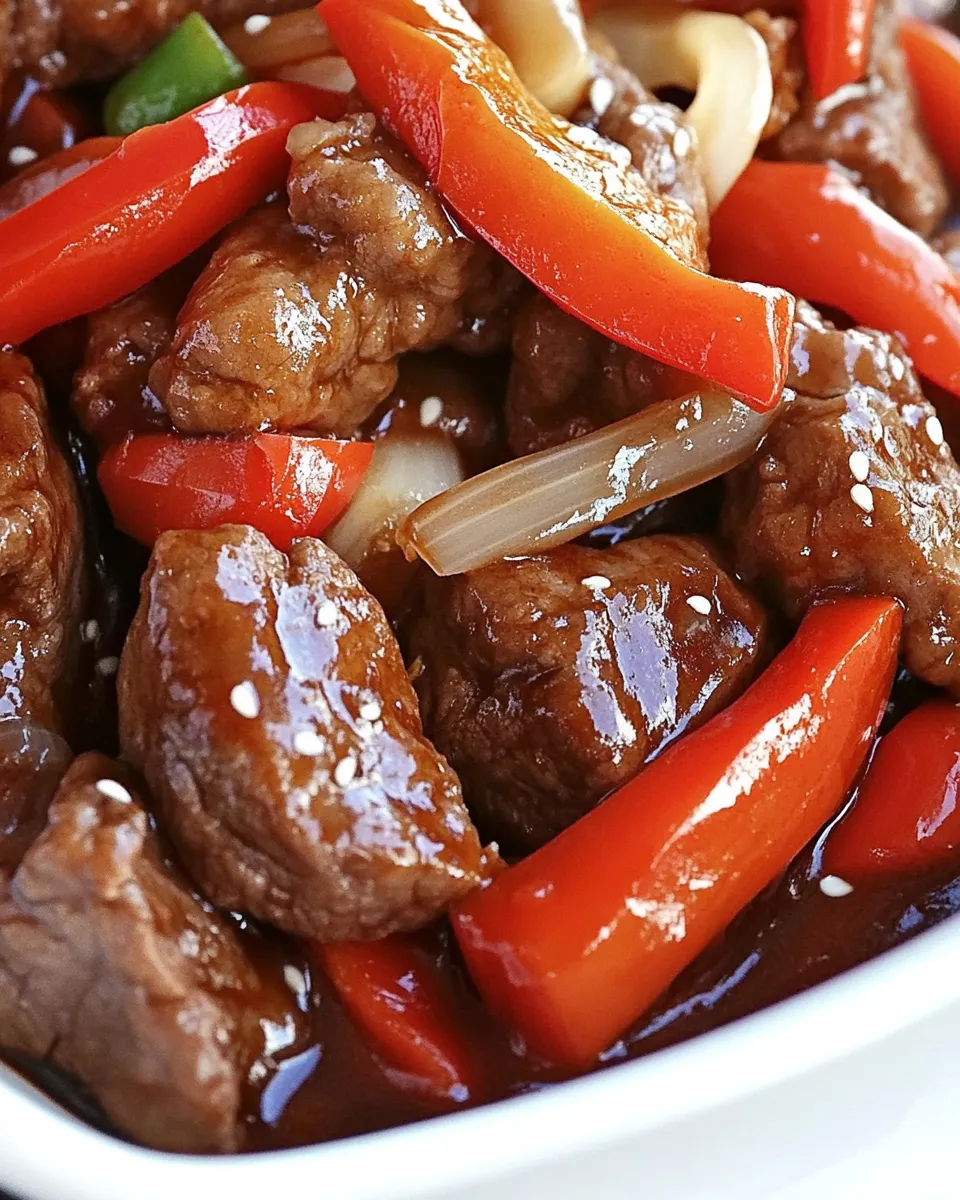
Crisp, saucy, and bright—this dish hits three satisfying textures and flavor notes in quick succession. The cornstarch fry gives the beef a crackly exterior that soaks up the sauce but doesn’t go soggy right away.
The sauce uses layered sweet, savory, and acidic ingredients: brown sugar and sweet chili sauce give sweetness, hoisin and oyster build savory depth, and rice vinegar cuts through with clean brightness. Garlic and ginger add aromatic lift. It’s a well-balanced profile that feels indulgent but familiar.
It’s also a speedy weeknight win when you organize your prep. While the steak rests with cornstarch, whisk the sauce and prepare the slurry. Frying goes quickly in batches, and the final toss takes only a couple of minutes. You get restaurant-like results without the takeaway price.
Allergy-Friendly Substitutes
Be mindful: this recipe includes soy-based sauces (hoisin, low-sodium soy sauce, oyster sauce) and uses wheat-containing products unless you select gluten-free options. Here are safe swaps if you or your guests have allergies.
- Gluten-free: Use gluten-free hoisin and tamari (instead of soy sauce) and ensure oyster sauce is labeled gluten-free or use a gluten-free mushroom-based stir-fry sauce as a replacement.
- Soy-free: Substitute coconut aminos for low-sodium soy sauce; for hoisin and oyster sauce, look for soy-free specialty sauces or use a mix of gluten-free molasses plus rice vinegar and a touch of fish sauce as an umami stand-in (if fish is acceptable).
- Shellfish allergy: Oyster sauce contains shellfish derivatives. Replace with extra hoisin and a splash more soy (or tamari) and a pinch of mushroom powder or miso for umami.
- Vegetarian: Swap flank steak for extra-firm tofu pressed and double-coated with cornstarch, or use thick seitan if not gluten-sensitive. Use vegetarian oyster sauce (mushroom-based).
Tools & Equipment Needed
- Sharp chef’s knife — for thin, clean slices of flank steak.
- Cutting board — large enough to spread and slice steak against the grain.
- Medium bowl(s) — for marinating the steak and mixing the sauce.
- Small bowl for slurry — to mix cornstarch with water and avoid lumps.
- Medium-small saucepan or deep skillet — for frying with 1 cup oil safely.
- Paper towels and a plate — to drain fried steak and keep it crisp.
- Large pan or wok — high heat for stir-frying vegetables and finishing the dish.
- Whisk and tongs or chopsticks — to mix sauce and toss final dish evenly.
Avoid These Mistakes
- Overcrowding the fryer: Fry in small batches. Crowding drops oil temperature and yields soggy beef.
- Skipping the against-the-grain cut: Cutting with the grain makes the meat chewier. Slice against the grain and keep slices around 1/4 inch thick.
- Adding the cornstarch slurry too quickly: Whisk it in a little at a time while simmering. Adding all at once can create clumps or overly thick sauce.
- Using cold sauce ingredients in the pan: A cold sauce put into a high-heat pan can misbehave. Bring it quickly to a simmer before thickening.
- Letting the fried beef sit too long: Transfer it to a warm plate, but don’t let it sit in moist conditions; that causes loss of crispness.
Seasonal Adaptations
This dish adapts well to seasonal produce. In spring, swap the bell pepper for julienned green beans or sugar snap peas for a bright snap. Summer’s tomatoes don’t pair as well here, but charred corn kernels could add sweetness and texture if you like experimentation.
In fall and winter, add thin slices of carrot or baby bok choy toward the end of the vegetable stir to bring color and nutrition. For a winter version, increase ginger slightly for warmth.
Notes from the Test Kitchen
Timing and heat
High heat is essential for the vegetable and sauce stages. It sears vegetables quickly and evaporates excess moisture so the sauce can thicken and cling. Keep your wok or pan screaming hot once you start the vegetable step.
Frying tips
We tested frying in both a deep skillet and a small saucepan. Temperature control matters more than vessel. Heat the oil until shimmering but not smoking. Use a thermometer if you have one; aim for a steady hot oil that will crisp the cornstarch coating in 2–3 minutes per batch.
Sauce balance
If your sauce tastes too sweet, add a teaspoon more rice vinegar. If it needs depth, a teaspoon of soy or a pinch of salt fixes it quickly. Because sauces vary by brand, taste once it reduces and adjust in small increments.
Serving suggestions
Serve over jasmine rice or with fried rice and steamed broccoli. A sprinkle of toasted sesame seeds or thinly sliced green onions adds a fresh finish.
Shelf Life & Storage
Store leftovers in an airtight container in the refrigerator for up to 3 days. The beef will soften as it sits; re-crisp briefly in a hot skillet with a touch of oil before combining with reheated sauce to revive texture.
For longer storage, freeze cooked Beijing Beef in a freezer-safe container for up to 2 months. Thaw overnight in the refrigerator then reheat gently on the stove. Note: texture will change after freezing—fresh is best if you care about crispiness.
Popular Questions
- Can I use a different cut of beef? Yes. Flank steak is lean and slices thin nicely, but skirt or flank’s close relatives work. Choose a cut you can slice thinly against the grain.
- Is deep-frying necessary? Frying delivers the signature crunch, but air-frying can be an alternative. Coat pieces lightly, air-fry until crisp, then toss in sauce—expect a slightly different texture.
- Can I make the sauce ahead? Absolutely. Make the sauce and slurry up to a day ahead. When ready to serve, reheat sauce to a simmer and whisk in slurry before adding beef and vegetables.
- My sauce split—what went wrong? Most splits happen if the sauce reduces too far or the heat fluctuates wildly. Remove from heat briefly and whisk in a small additional amount of water or slurry to re-emulsify.
- How spicy is it? The recipe uses crushed red pepper flakes and sweet chili sauce for a moderate heat. Reduce or omit the flakes to suit milder palates.
Save & Share
If you loved this copycat Panda Express Beijing Beef, save the post for your next stir-fry night. Take a photo of your finished plate and share it with friends or tag someone who needs a copycat win. The flavors hold up well for leftovers, and the method scales if you want to double the batch for a crowd.
Want more weekday-friendly Chinese-American recipes? Check the blog’s stir-fry archives for more sauces and quick-protein techniques. Happy cooking—and don’t forget to slice that steak against the grain.
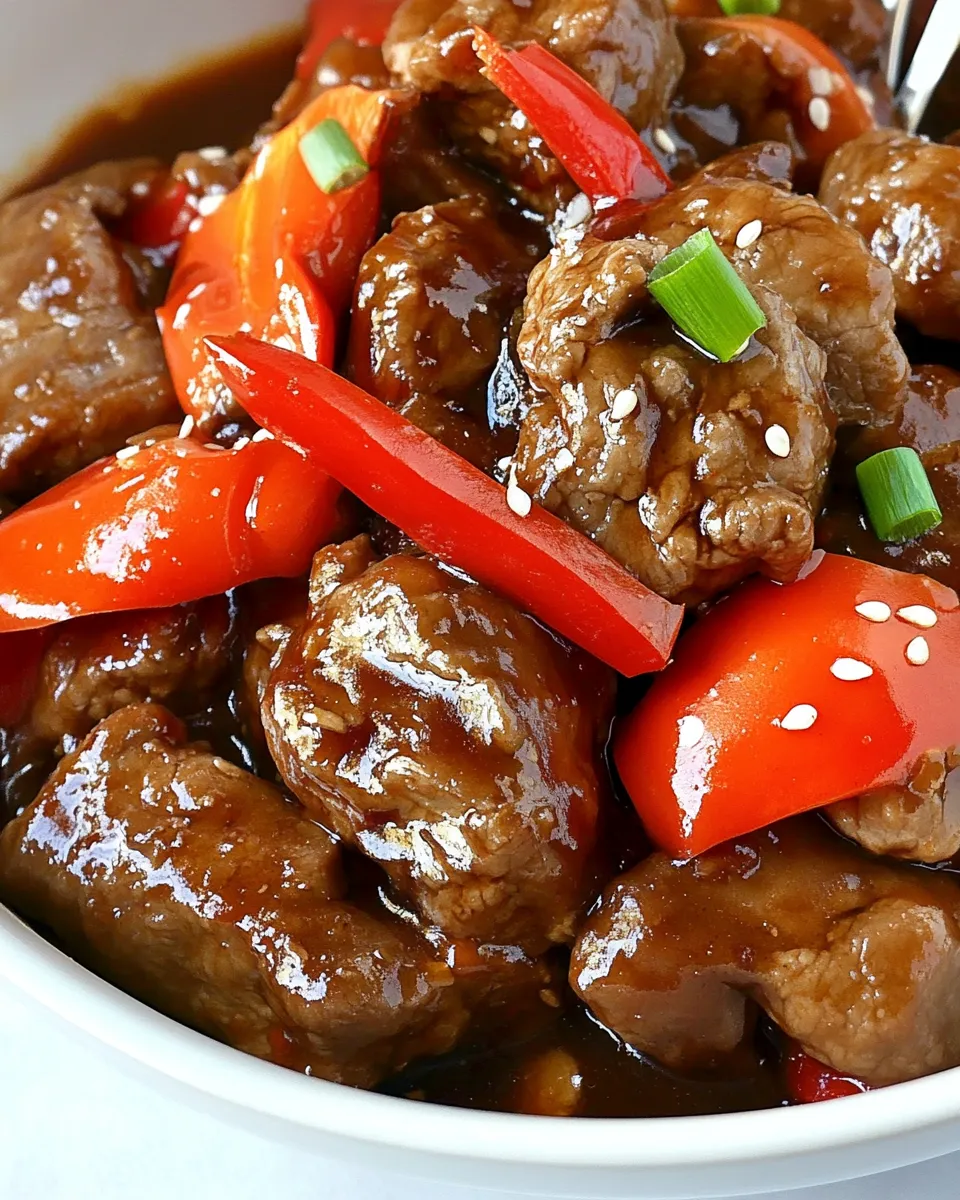
Panda Express Beijing Beef
Ingredients
Equipment
Method
- Slice the flank steak thinly, about 1/4 inch, against the grain. Place the slices in a medium bowl.
- Add 1/4 teaspoon salt and 1 tablespoon of the 3 tablespoons cornstarch to the steak, toss to coat, and let sit 30 minutes.
- In a small bowl, whisk together 1/4 cup brown sugar, 2 tablespoons ketchup, 6 tablespoons hoisin sauce, 2 tablespoons low-sodium soy sauce, 1 tablespoon oyster sauce, 2 tablespoons sweet chili sauce, 1 teaspoon crushed red pepper flakes, and 2 tablespoons rice vinegar. Set this sauce mixture aside.
- In a separate small bowl, whisk the 1/4 cup cornstarch with the 1/2 cup water until smooth; set this slurry aside.
- Heat 1 cup canola oil in a medium-small saucepan or deep skillet over medium-high heat until hot and shimmering. Meanwhile, toss the steak with the remaining 2 tablespoons of the 3 tablespoons cornstarch and shake off any excess.
- Fry the steak in small batches (do not overcrowd) for 2–3 minutes per batch, until crisp and browned. Transfer fried beef to a plate lined with paper towels to drain. When finished frying, pour off excess oil from the pan, leaving about 2 tablespoons of oil in the pan.
- Heat a large pan or wok over high heat and add the reserved ~2 tablespoons oil. Add the sliced onion and red bell pepper and cook 2–3 minutes, until edges begin to brown. Add the minced garlic and grated ginger and cook 15–30 seconds, until fragrant. Remove the vegetables to a plate and set aside.
- Return the pan to high heat, add the prepared sauce mixture, and bring to a simmer. Whisk the cornstarch slurry a little at a time into the simmering sauce until it thickens, about 1–3 minutes.
- Add the fried beef and the cooked vegetables to the thickened sauce and toss to coat. Cook 1–2 minutes more, until everything is hot and evenly coated.
- Serve immediately.