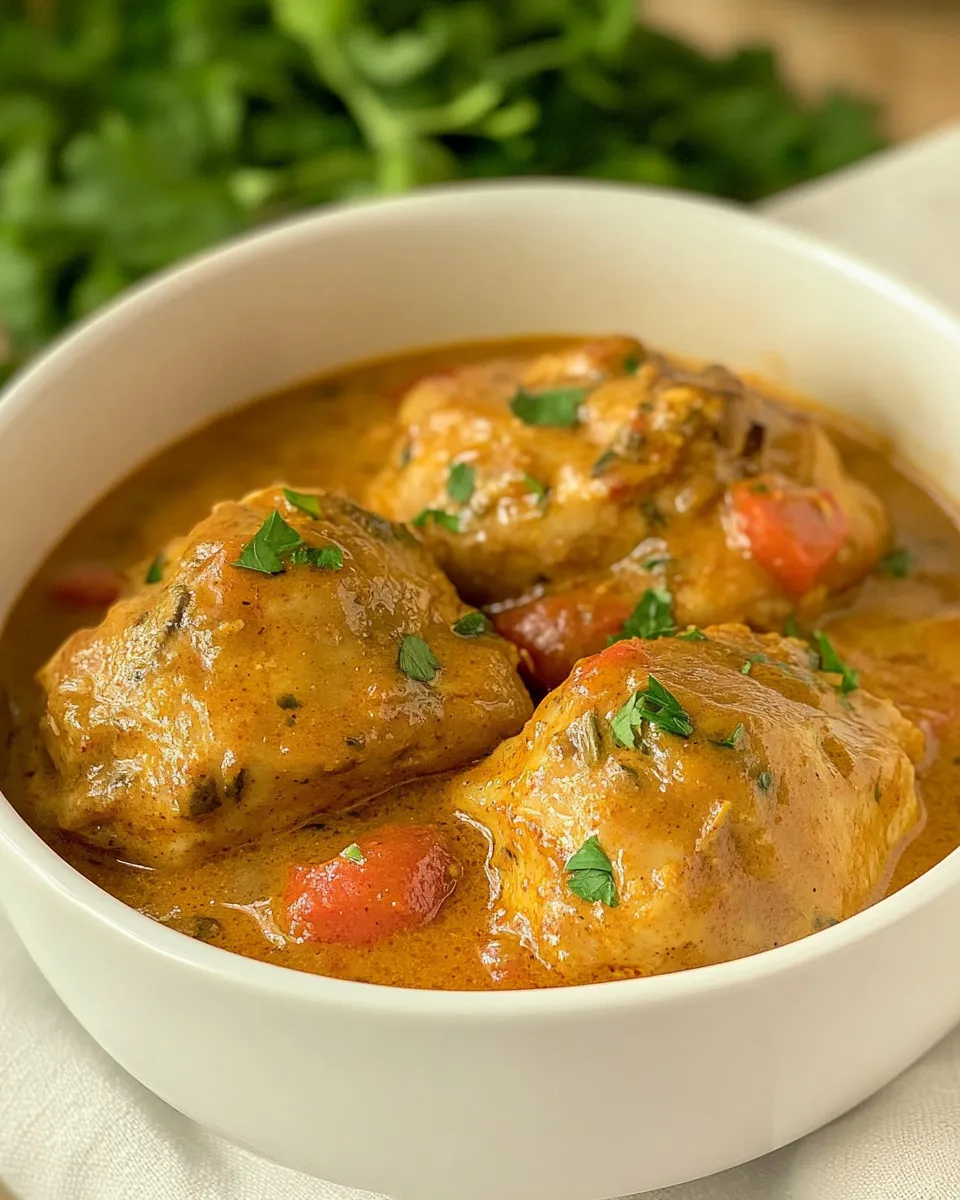
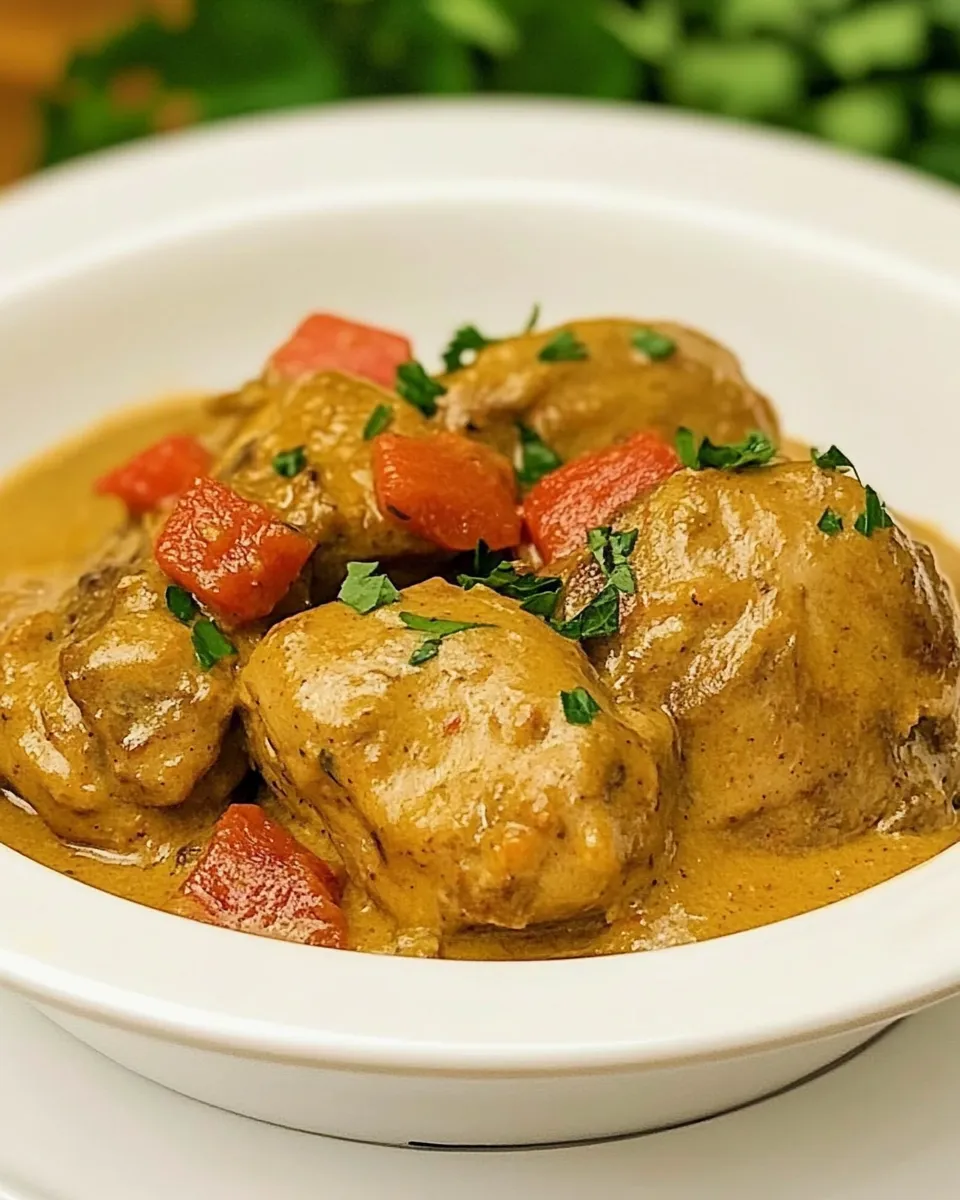
Paprika Chicken Recipe
I make this Paprika Chicken when I want comfort without a lot of fuss. It’s a one-skillet affair that builds flavor in stages: brown the chicken, soften the vegetables, bloom the spices, and finish with a tempered sour cream for silk. The method is straightforward and forgiving, which is why it’s become a weeknight favorite in my kitchen.
This version leans on canned pantry items and fresh peppers and onion, so you can pull it together quickly even on a busy evening. The secret is technique — reduce the broth, brown the chicken well, and temper the sour cream so the sauce stays smooth. Those small steps make a big difference.
Below you’ll find the exact ingredient list and the step-by-step directions I follow every time. After the method I’ll share smart swaps that stay within the recipe’s framework, common mistakes to avoid, tool picks, storage advice, and quick answers to questions readers often ask.
Ingredients at a Glance
- one 14.5 oz. can chicken broth (see notes) — reduced to concentrate flavor and form the base of the sauce.
- one 14.5 oz. can diced tomatoes, drained — adds acidity and body without watering down the sauce (drain to keep sauce thick).
- 1 small onion — softens and sweetens, providing aromatic balance to the paprika.
- 2 red bell peppers — give color, sweetness, and texture; cook until just tender for the best bite.
- 3 large boneless, skinless chicken breasts — cut into cubes to brown evenly and finish quickly in the sauce.
- 4 tsp. sweet paprika (see notes) — the backbone of the dish; adds warm color and a gentle pepper flavor.
- 1 tsp. hot paprika, sometimes called sharp paprika (see notes) — a controlled kick; adjust amount to taste if you prefer milder heat.
- 1/2 tsp. ground Caraway seed (optional) — a subtle, anise-like note if you choose to include it; optional for traditional flavor nuance.
- salt and fresh-ground black pepper (to taste) — season at the chicken stage and adjust at the end to taste.
- 1 T + 2 tsp. olive oil — used in two stages: to sear the chicken, then to soften the vegetables.
- 1 cup sour cream — finishes the sauce creamy and tangy; must be tempered to prevent curdling.
Paprika Chicken Cooking Guide
- Pour the 14.5 oz can of chicken broth into a small saucepan. Bring to a simmer over medium heat and cook until reduced to 3/4 cup. Set aside and keep warm.
- Drain the 14.5 oz can of diced tomatoes in a colander; set the drained tomatoes aside (you may reserve the juice if you like).
- Peel and cut the small onion into pieces about 1 inch square.
- Core and cut the two red bell peppers into pieces about 1 inch square.
- Trim any visible fat from the three chicken breasts and cut them into about 1-inch cubes.
- Season the chicken cubes with 1 teaspoon sweet paprika, salt, and fresh-ground black pepper to taste. Mix to coat.
- Heat 1 tablespoon olive oil in a large non-stick frying pan over medium-high heat. Add the seasoned chicken in a single layer and cook, turning as needed, until the pieces are nicely browned on all sides and barely cooked through, about 5 minutes. Transfer the chicken to a plate and reserve any juices.
- Add the remaining 2 teaspoons olive oil to the same pan. Add the onion and cook, stirring occasionally, until softened, about 4 minutes.
- Add the remaining 3 teaspoons sweet paprika, 1 teaspoon hot paprika, and 1/2 teaspoon ground caraway seed (if using). Cook, stirring, about 1 minute to bloom the spices.
- Add the red bell peppers and cook until they begin to soften when pierced with a fork, about 3–4 minutes.
- Add the drained diced tomatoes and cook about 2 minutes.
- Pour in the reduced chicken broth (3/4 cup) and bring to a gentle simmer. Cook 2–3 minutes, until the liquid is hot and bubbling.
- Return the browned chicken and any accumulated juices from the plate to the pan. Reduce heat to low and simmer just until the chicken is heated through, about 2–3 minutes.
- Turn off the heat and let the skillet sit 1–2 minutes so it stops simmering (this prevents the sour cream from curdling).
- Temper the sour cream: scoop out 2–3 tablespoons of the hot liquid from the pan into a small bowl, stir that into the 1 cup sour cream until smooth, then add the sour cream mixture back into the skillet and stir gently to combine. Do not allow the sauce to boil after adding the sour cream.
- Serve hot (as a stew or over rice or cauliflower rice, if you prefer). Store leftovers in the refrigerator for a few days; reheat gently over low heat (do not boil).
The Upside of Paprika Chicken
This dish delivers big flavor with relatively little hands-on time. Browning the chicken builds savory depth. Blooming the paprika in hot oil releases fragrance and rounds the sauce. Reducing the broth concentrates flavor so the final sauce doesn’t taste watered-down even though it’s saucy and spoonable.
It’s also adaptable to different dinner goals: portioned over rice it becomes a full meal; served with a green salad it’s lighter. The technique teaches control over dairy sauces — tempering keeps the texture silky and smooth. That alone is a useful skill to carry into other recipes.
Ingredient Flex Options
Work with what the recipe lists. If you prefer less heat, skip or reduce the 1 tsp. hot paprika. If you don’t want the caraway note, omit the 1/2 tsp. ground Caraway seed — it’s listed as optional for a reason. You can reserve the liquid from the canned tomatoes to add back in if you want a slightly looser sauce; the recipe drains the tomatoes to keep the sauce thick.
The method tolerates slight timing shifts. If your chicken pieces are smaller, they’ll brown faster; if larger, give them a touch more time in step 7 before transferring them to the plate. The important part is that you brown the chicken and keep the pan juices — those juices are flavor. The recipe’s core ingredients stay the same; small adjustments in handling are how you tailor the texture.
Essential Tools for Success
- Heavy-bottomed non-stick frying pan — for even browning and easier cleanup.
- Small saucepan — to reduce the chicken broth to the exact 3/4 cup called for.
- Colander or fine strainer — to drain the diced tomatoes cleanly.
- Sharp chef’s knife and cutting board — for uniform 1-inch cubes of onion, peppers, and chicken.
- Measuring spoons and cups — to confirm the paprika and oil amounts are precise.
- Small bowl — for tempering the sour cream before adding to the hot pan.
- Plate or shallow dish — to rest the browned chicken and keep pan space clear.
Mistakes Even Pros Make
Not browning the chicken long enough. You want color, not cook-through. Browned bits equal flavor in the sauce. Crowding the pan is another common error — if pieces overlap, they steam instead of brown. Work in batches if necessary.
Boiling after adding the sour cream. High heat will make it separate. Turn off the heat, temper the sour cream as instructed, then fold it in. If you boil, the texture becomes grainy.
Using undrained canned tomatoes. That extra liquid thins the sauce unexpectedly. The recipe drains them for a reason; if you reserve the juice, use it intentionally to thin the final sauce, not by accident.
Fresh Seasonal Changes
When red bell peppers are at peak season they’ll be sweeter and juicier; watch the cooking time so they stay tender-crisp rather than mushy. In late summer, if you want more fresh tomato character, reserve a little of the canned tomato juice and stir it in along with the reduced broth for a brighter note.
In cooler months, the caraway seed (optional) adds a warming, slightly earthy element that pairs well with the paprika. Keep the balance subtle — it complements rather than overwhelms.
Pro Tips & Notes
Paprika handling
Sweet paprika is the backbone: 4 tsp. total is split for seasoning and blooming, which layers flavor. The 1 tsp. hot paprika is there to lift the profile — reduce it if you’re sensitive to heat. Bloom the spices briefly in oil to unlock aroma; about a minute is all it needs.
Sour cream tempering
Tempering is simple but essential. Pull 2–3 tablespoons of hot liquid into the sour cream to warm it gradually, then return the mixture to the pan. This prevents curdling and keeps the sauce velvety. After adding the sour cream, never let the sauce return to a boil.
Keeping juices
When you transfer browned chicken to a plate, keep the juices — add them back to the pan later. Those juices carry concentrated flavor and prevent the finished dish from drying out.
Keep It Fresh: Storage Guide
Refrigerator: Store leftovers in an airtight container for up to 3–4 days. The sauce thickens as it chills; reheat gently over low heat and stir in a splash of reserved broth or water if needed to loosen it. Do not boil after reheating — that risks curdling the sour cream.
Freezing: The recipe contains sour cream, which can change texture after freezing and thawing. If you want to freeze, consider storing the browned chicken and tomato-broth base separately from the sour cream. Then thaw fully, reheat the base gently, and temper in fresh sour cream at the end.
Popular Questions
Can I use chicken thighs instead of breasts? The recipe as written uses chicken breasts. Thighs will work and are more forgiving, but they are not part of the source ingredient list.
Can I skip reducing the chicken broth? Reducing concentrates flavor and prevents a runny sauce. Skipping this step will make the sauce thinner and less flavorful.
What if my sauce splits? Stop heating immediately. Tempering the sour cream properly prevents splitting. If it does separate, a whisk and a little warm liquid can sometimes bring it back together, but prevention is much easier than repair.
Is the caraway seed necessary? No. The 1/2 tsp. ground Caraway seed is listed as optional and is included for a subtle aromatic layer if you like its flavor.
Let’s Eat
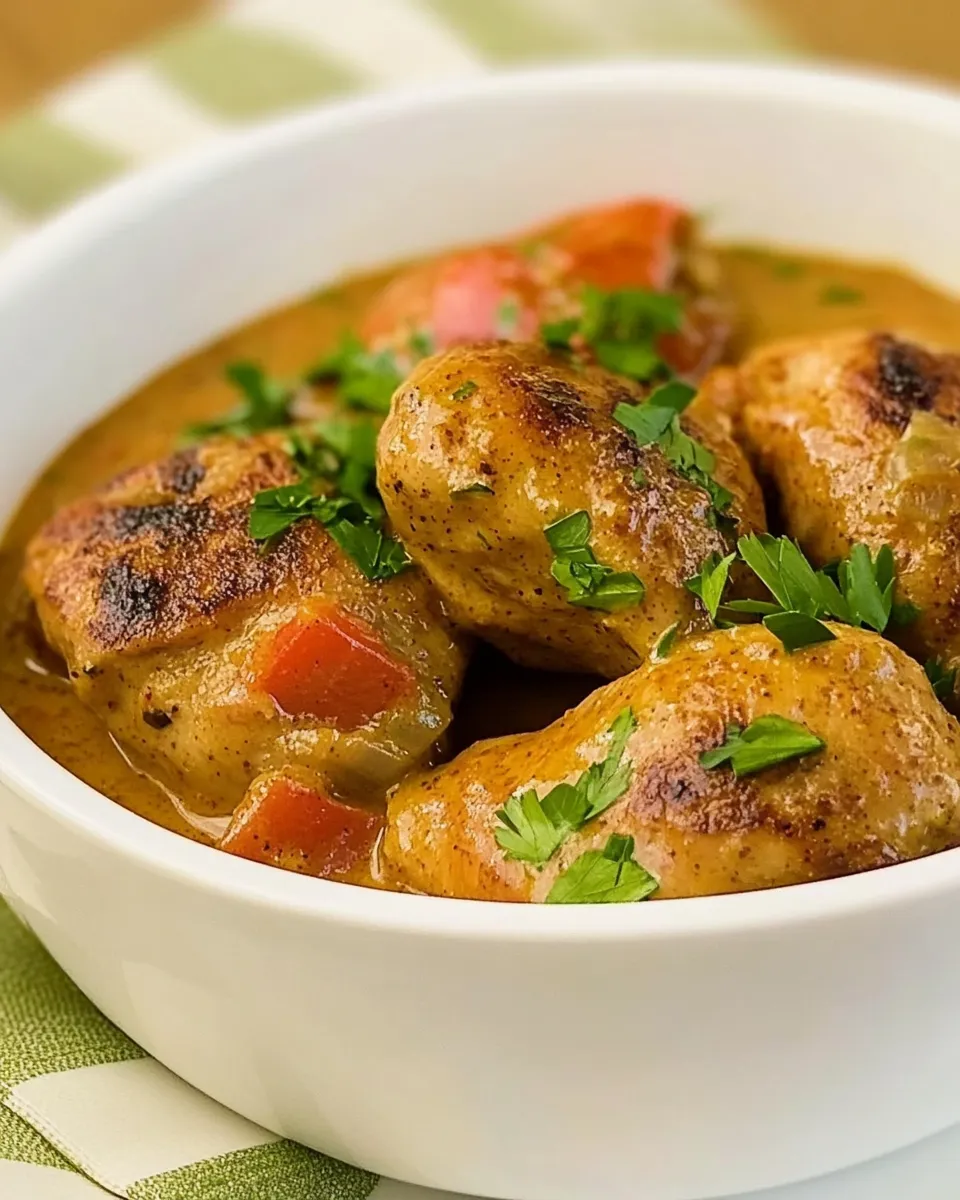
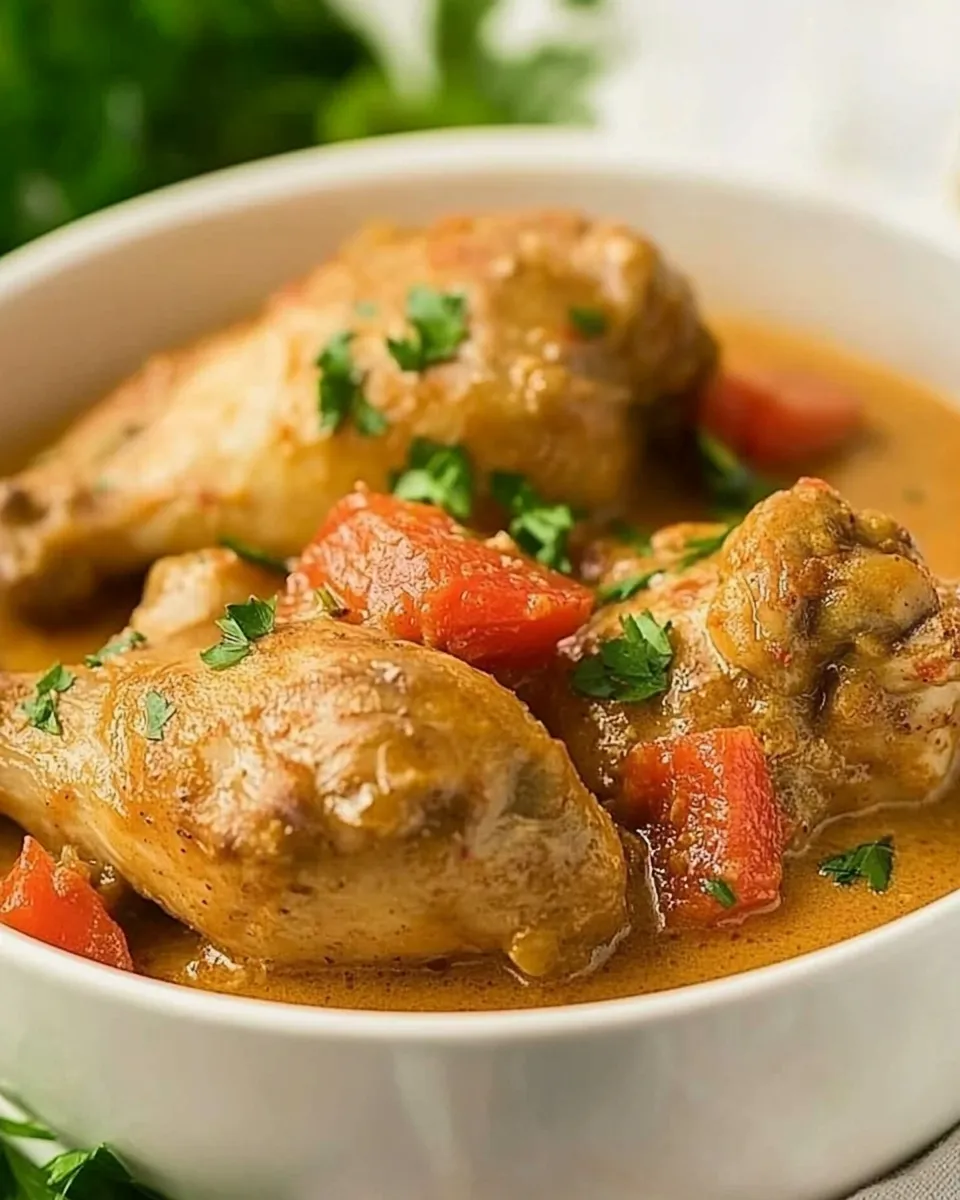
Serve this Paprika Chicken straight from the pan with a bed of rice or cauliflower rice to soak up the sauce. A simple green salad or steamed greens brightens the plate. Eat it warm and plan for leftovers — the flavors deepen overnight.
It’s a dependable, unfussy dish that rewards attention to a few key steps: brown well, bloom the spices, reduce the broth, and temper the sour cream. Follow those, and you’ll have a creamy, deeply flavored Paprika Chicken on the table with minimal stress.
Paprika Chicken Recipe
Ingredients
Equipment
Method
- Pour the 14.5 oz can of chicken broth into a small saucepan. Bring to a simmer over medium heat and cook until reduced to 3/4 cup. Set aside and keep warm.
- Drain the 14.5 oz can of diced tomatoes in a colander; set the drained tomatoes aside (you may reserve the juice if you like).
- Peel and cut the small onion into pieces about 1 inch square.
- Core and cut the two red bell peppers into pieces about 1 inch square.
- Trim any visible fat from the three chicken breasts and cut them into about 1-inch cubes.
- Season the chicken cubes with 1 teaspoon sweet paprika, salt, and fresh-ground black pepper to taste. Mix to coat.
- Heat 1 tablespoon olive oil in a large non-stick frying pan over medium-high heat. Add the seasoned chicken in a single layer and cook, turning as needed, until the pieces are nicely browned on all sides and barely cooked through, about 5 minutes. Transfer the chicken to a plate and reserve any juices.
- Add the remaining 2 teaspoons olive oil to the same pan. Add the onion and cook, stirring occasionally, until softened, about 4 minutes.
- Add the remaining 3 teaspoons sweet paprika, 1 teaspoon hot paprika, and 1/2 teaspoon ground caraway seed (if using). Cook, stirring, about 1 minute to bloom the spices.
- Add the red bell peppers and cook until they begin to soften when pierced with a fork, about 3–4 minutes.
- Add the drained diced tomatoes and cook about 2 minutes.
- Pour in the reduced chicken broth (3/4 cup) and bring to a gentle simmer. Cook 2–3 minutes, until the liquid is hot and bubbling.
- Return the browned chicken and any accumulated juices from the plate to the pan. Reduce heat to low and simmer just until the chicken is heated through, about 2–3 minutes.
- Turn off the heat and let the skillet sit 1–2 minutes so it stops simmering (this prevents the sour cream from curdling).
- Temper the sour cream: scoop out 2–3 tablespoons of the hot liquid from the pan into a small bowl, stir that into the 1 cup sour cream until smooth, then add the sour cream mixture back into the skillet and stir gently to combine. Do not allow the sauce to boil after adding the sour cream.
- Serve hot (as a stew or over rice or cauliflower rice, if you prefer). Store leftovers in the refrigerator for a few days; reheat gently over low heat (do not boil).