Peanut Butter Bundt Cake
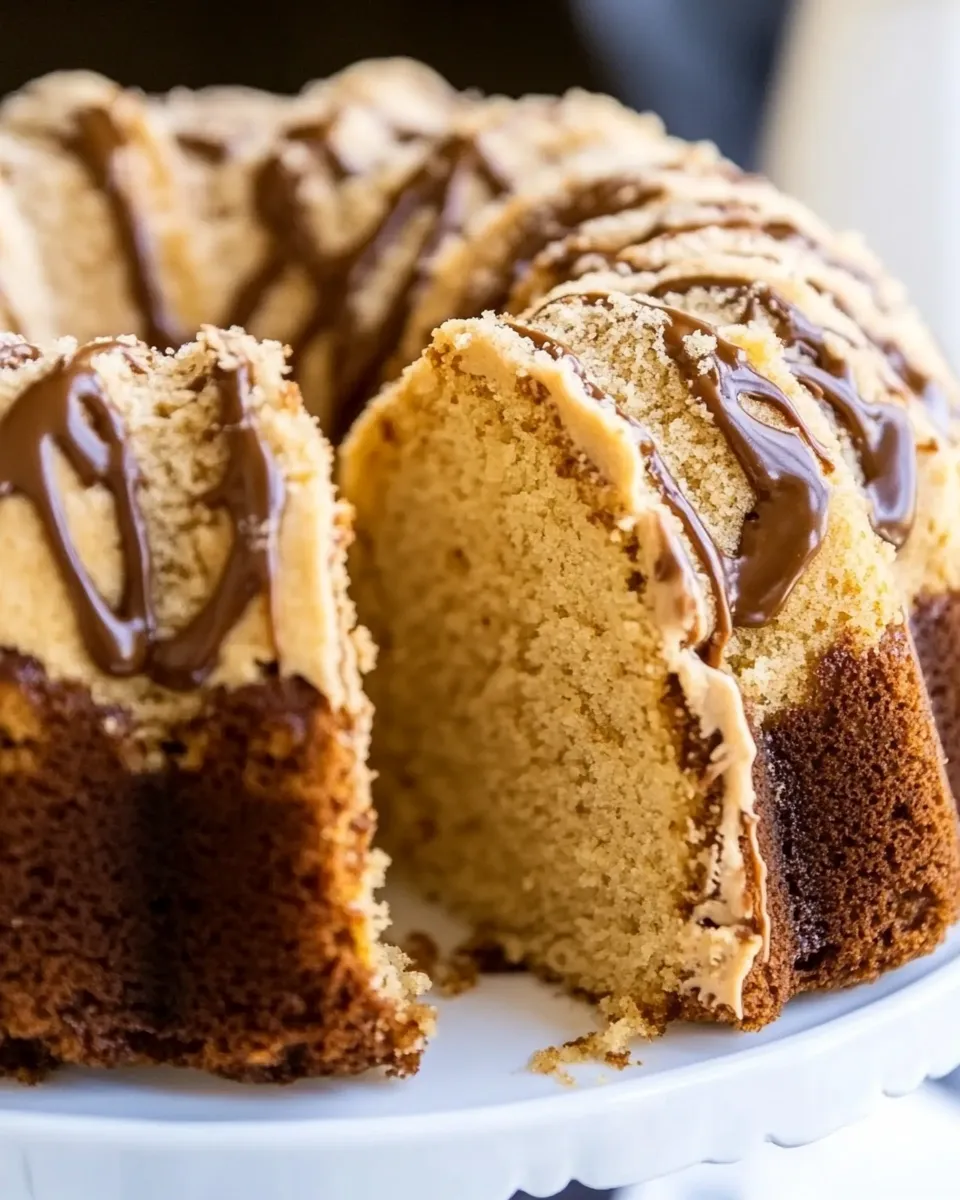
I bake a lot of cakes, and this Peanut Butter Bundt Cake is one I reach for when I want something comforting but not fussy. It’s sturdy enough to slice cleanly, tender inside, and carries a clear peanut butter personality that plays beautifully with a scatter of mini chocolate chips. If you like a familiar flavor with a little structure, this one delivers every time.
The recipe is straightforward, but timing and temperature matter. The batter is rich, so a lower oven temperature and a long bake give the cake an even crumb without drying the edges. I always let it cool in the pan for a short while before inverting — that gives the cake time to set and release cleanly.
There’s an easy peanut butter icing that’s just sweet enough to finish the cake without masking the flavor. It’s fast to make, spreadable, and forgiving: add a splash more milk if it’s too thick. I’ll walk you through ingredients, the exact steps I follow, common mistakes, and sensible swaps so you can adapt this for friends or dietary needs.
What Goes Into Peanut Butter Bundt Cake
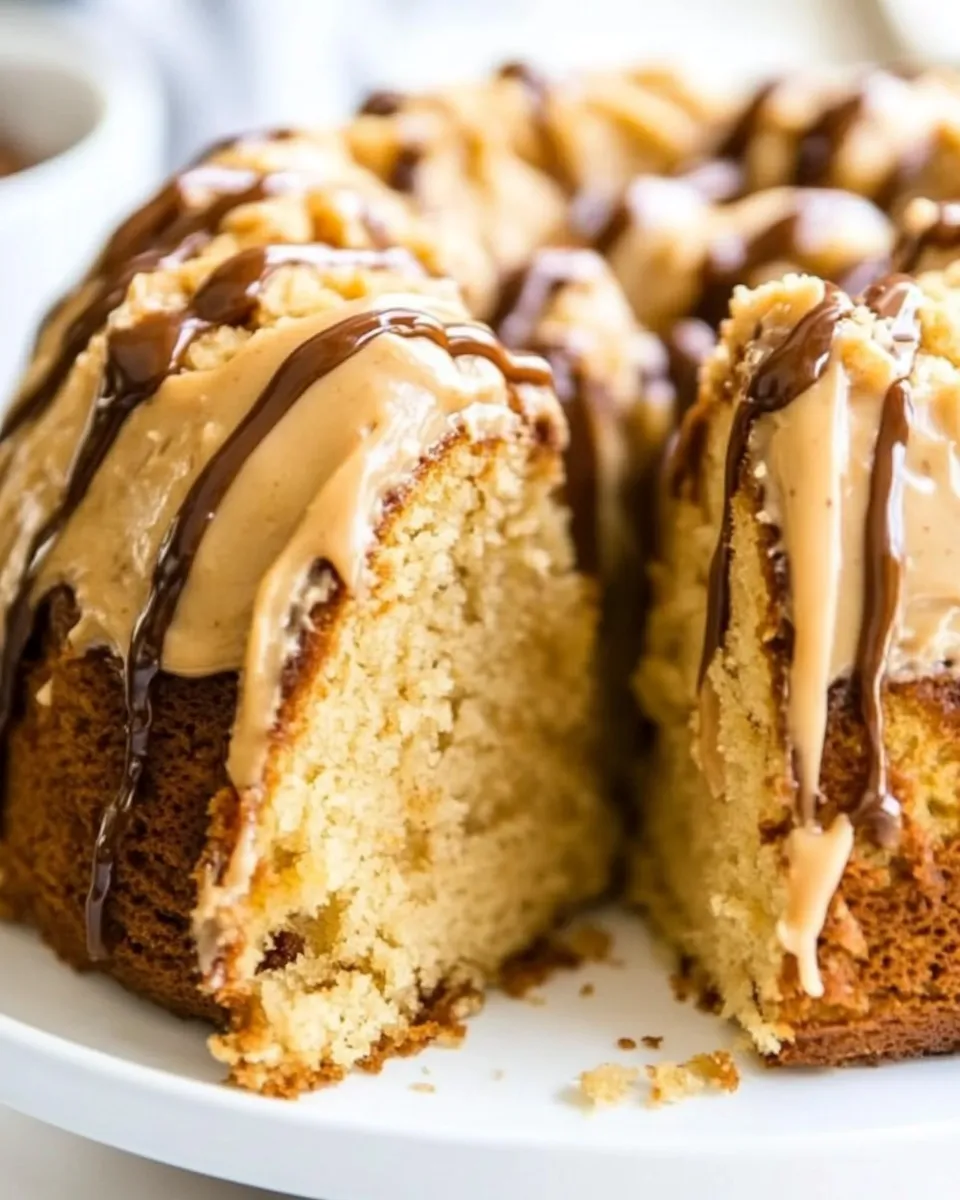
Below are the components that form the cake and the quick notes that help you understand each item’s role. Keep to the listed quantities for the balance the recipe depends on.
Ingredients
- 1 cup butter (salted), softened — adds fat for tenderness and flavor; room temperature makes creaming smooth.
- 1/2 cup creamy peanut butter — provides the cake’s peanut butter flavor and contributes fat and moisture.
- 1 cup granulated sugar — sweetens and helps create lift when creamed with butter.
- 1 cup packed light brown sugar — adds moisture and a subtle caramel note from the molasses.
- 5 large eggs, room temperature — structure and richness; room temperature eggs incorporate better.
- 1 tablespoon vanilla extract — rounds and brightens flavors.
- 3 cups all-purpose flour — the cake’s structure; measure by spooning into the cup and leveling for accuracy.
- 1/2 teaspoon salt — balances sweetness and enhances flavor.
- 1/2 teaspoon baking powder — provides lifting power.
- 1/4 teaspoon baking soda — works with brown sugar for a bit more rise and browning.
- 1 cup milk — hydrates the flour and adds tenderness; whole milk is ideal for richness.
- 1 cup mini chocolate chips — small chips disperse evenly and add chocolate contrast without large pockets.
- 1/4 cup butter (salted), softened — for the icing; gives body and sheen.
- 1/4 cup creamy peanut butter — for the icing; keeps the peanut butter flavor consistent from cake to finish.
- 2 cups confectioners’ sugar — sweetens and thickens the icing; sift if lumpy.
- 3 to 4 tablespoons milk — thins the icing to the right spreading consistency; add gradually.
Peanut Butter Bundt Cake — Do This Next
- Preheat oven to 325°F. Position a rack in the center. Grease and flour a 10-inch Bundt pan or spray it with baking spray that contains flour.
- In a large mixing bowl, use an electric mixer to beat 1 cup softened salted butter, 1/2 cup creamy peanut butter, 1 cup granulated sugar, and 1 cup packed light brown sugar until light and creamy, about 5 to 7 minutes.
- Add the 5 large eggs one at a time, beating well after each addition and scraping down the sides of the bowl as needed.
- Beat in 1 tablespoon vanilla extract until combined.
- In a medium bowl, whisk together 3 cups all-purpose flour, 1/2 teaspoon salt, 1/2 teaspoon baking powder, and 1/4 teaspoon baking soda.
- With the mixer on low, add the flour mixture to the batter in three additions, alternating with the 1 cup milk (beginning and ending with the flour). Beat just until each addition is incorporated; do not overmix.
- Fold 1 cup mini chocolate chips into the batter with a rubber spatula until evenly distributed.
- Transfer the batter to the prepared Bundt pan, smoothing the top. Bake for 60 to 70 minutes, or until a toothpick inserted into the center comes out clean or with a few moist crumbs.
- Cool the cake in the pan on a wire rack for 10 minutes. Invert the cake onto the rack or a serving platter and let it cool completely before frosting.
- To make the icing, beat 1/4 cup softened salted butter and 1/4 cup creamy peanut butter together until smooth.
- Add 2 cups confectioners’ sugar and 1 tablespoon milk and beat until smooth. Add additional milk, 1 tablespoon at a time (using a total of 3 to 4 tablespoons if needed), until the frosting is thin enough to spread.
- Spread the frosting evenly over the completely cooled cake. Allow the frosting to set briefly before slicing and serving.
Why This Peanut Butter Bundt Cake Stands Out
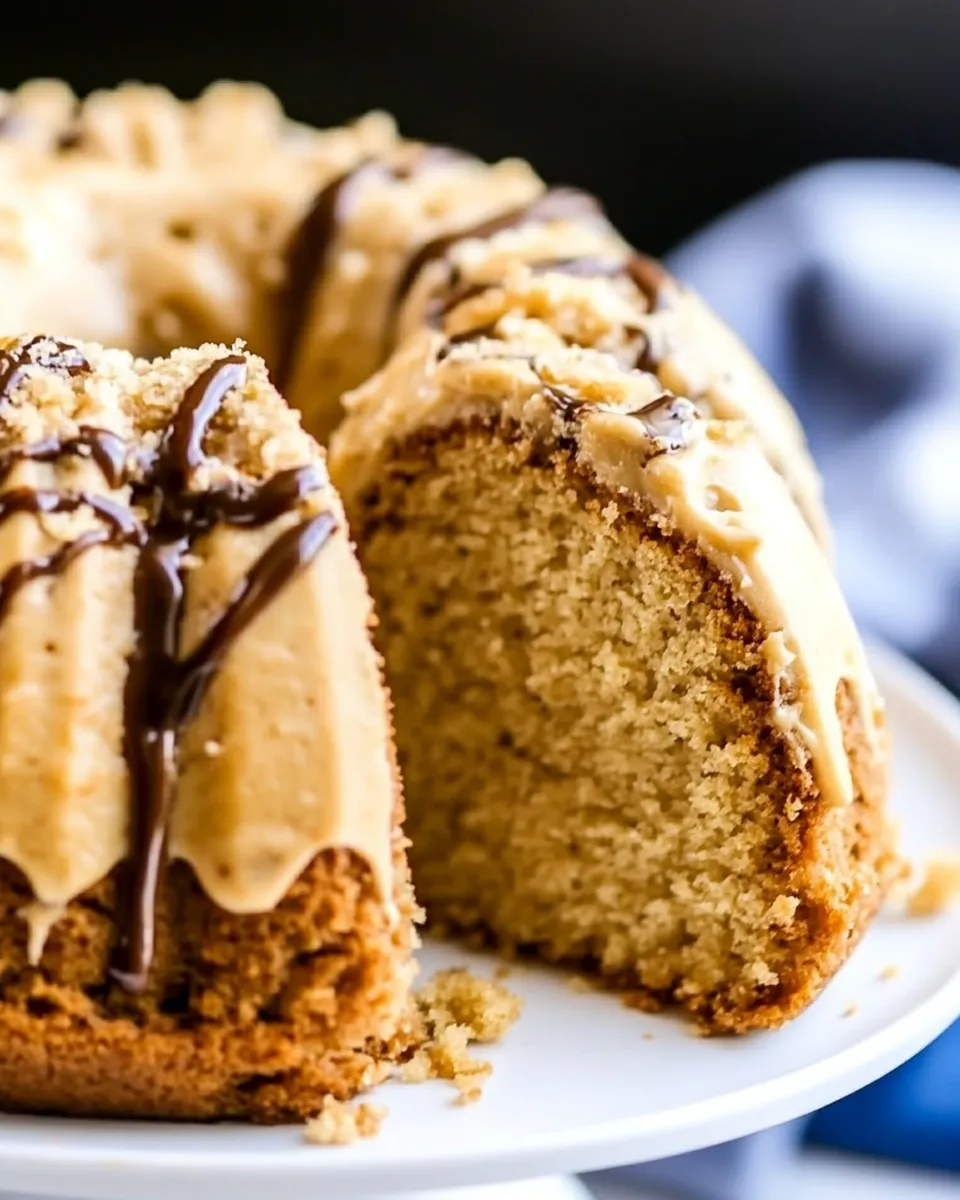
This cake hits a useful sweet spot: it’s rich without being heavy, and the peanut butter flavor is obvious but not cloying. The method uses creaming to incorporate air, then a moderate oven temperature and longer bake time to create an even crumb. Mini chocolate chips give small pockets of chocolate without weighing the cake down.
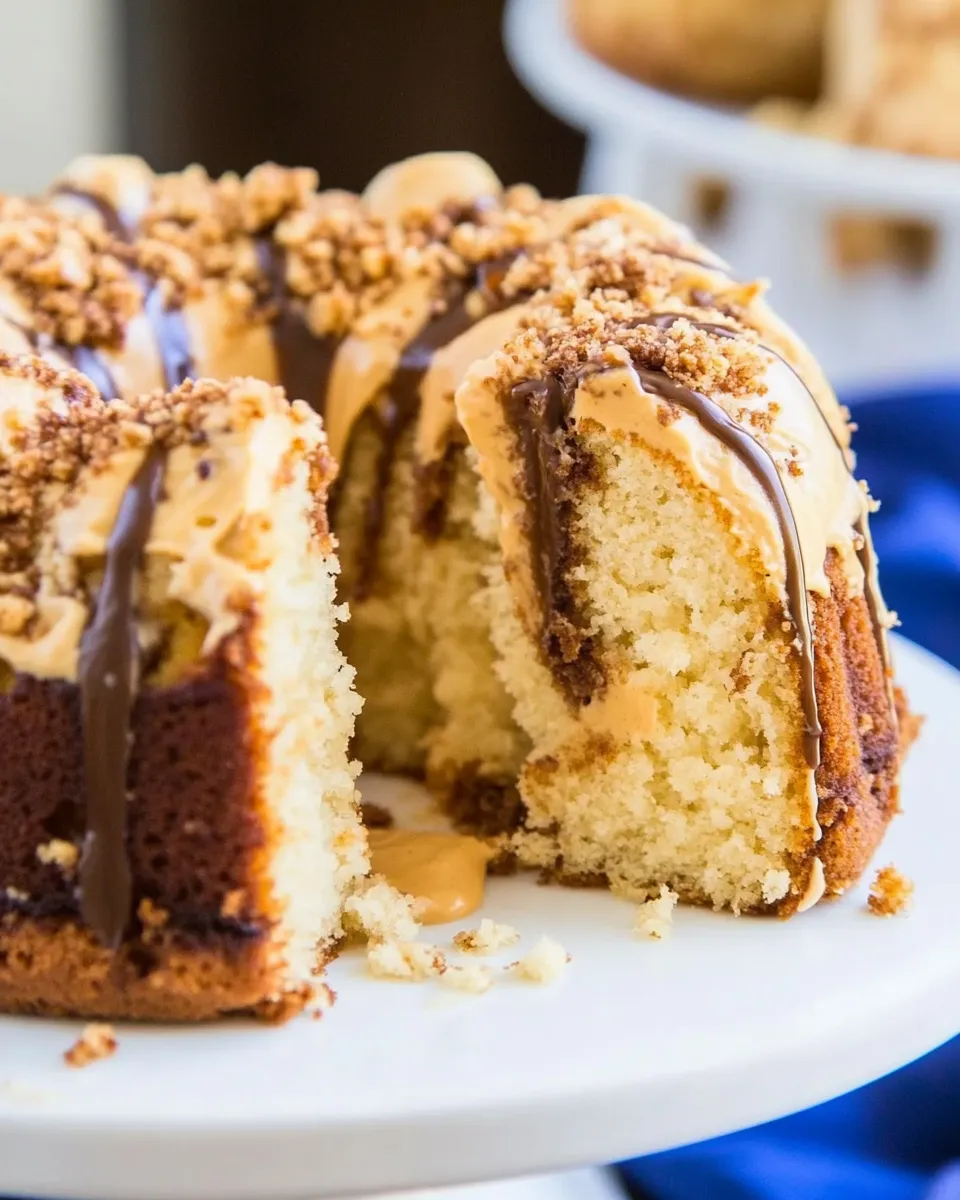
Two butter additions—one in the batter and one in the frosting—create continuity of flavor. And the icing is intentionally loose enough to drizzle and cling to the bundt’s curves, which makes for an attractive finish without much effort.
Dairy-Free/Gluten-Free Swaps
- Dairy-free: Swap both butter portions for an equal amount of a firm, plant-based baking stick that can be creamed. Use a non-dairy milk (soy or oat) in place of milk and choose dairy-free confectioners’ sugar if needed.
- Gluten-free: Use a 1:1 gluten-free all-purpose flour blend that contains xanthan gum. Because blends vary, watch texture and avoid overmixing. Bake time may shift slightly; check with a toothpick.
- Nuts/peanut allergy: Replace creamy peanut butter with sunflower seed butter and label accordingly if serving others.
Toolbox for This Recipe
- 10-inch Bundt pan (well-greased)
- Electric mixer (stand or hand)
- Large mixing bowl and medium mixing bowl
- Rubber spatula for folding
- Measuring cups and spoons
- Wire cooling rack
- Toothpick for doneness testing
Mistakes Even Pros Make
Underestimating the importance of a well-prepared pan is common. A richly flavored bundt with sticky batter needs a thorough grease-and-flour job or the right flour-containing spray. Otherwise it can cling and break when you invert it.
Overmixing the batter once the flour goes in is another frequent mistake. That develops gluten and makes the cake dense. Mix until just incorporated. Also, flipping the cake out of the pan too soon can cause it to crack or stick; a 10-minute rest in the pan helps it hold shape.
Dietary Swaps & Alternatives
If you want to lighten the cake slightly, you can substitute half the butter in the batter with an equal mass of plain Greek yogurt and reduce the milk by a tablespoon or two to keep the batter consistency. This will change texture and richness, so it’s a bit of a trade-off.
For a darker, toasted flavor, use natural peanut butter (stirred) instead of creamy commercial peanut butter. Note that natural peanut butter has more oil separation and can slightly change batter consistency, so watch the batter’s texture and don’t add extra liquid unless necessary.
Notes on Ingredients
Salted butter: The recipe specifies salted butter. I use it because the cake benefits from the small salt boost; if you only have unsalted, add an extra 1/4 teaspoon salt. Eggs: using room-temperature eggs helps the batter emulsify and rise more evenly. Brown sugar: packed brown sugar holds moisture, so press it into the measuring cup for accuracy.
Mini chocolate chips: they’re small for a reason here — larger chips sink and create uneven pockets. Confectioners’ sugar: if your sugar is clumpy, sift it before adding to the frosting to avoid lumps in the icing. Milk for the frosting: add it slowly. The frosting should be spreadable but not runny; 3 tablespoons is often perfect, but humidity and confectioners’ sugar brand can change the result.
Save It for Later
Store the cake covered at room temperature for up to 2 days. If your kitchen is warm, keep it in the fridge in an airtight container; bring slices to room temperature before serving for the best texture. The iced cake keeps well in the refrigerator for up to 5 days; loosely cover with plastic wrap to prevent the icing from absorbing fridge smells.
For longer storage, freeze un-iced slices wrapped tightly in plastic and foil for up to 2 months. Thaw overnight in the fridge then bring to room temperature before serving. If freezing a whole cake, freeze without the icing, then thaw and add frosting the day you plan to serve.
Popular Questions
Can I use crunchy peanut butter? Yes, but it will introduce small bits of peanuts into the crumb, which some people like. Crunchy peanut butter can change texture slightly.
Why bake at 325°F instead of 350°F? The batter is dense and rich. A lower temperature and longer bake time help the center cook through without over-browning the edges.
My cake stuck to the pan. How do I prevent that? Make sure you grease thoroughly and use a flour-containing baking spray or grease and dust with flour. Let the cake cool in the pan for the full 10 minutes before inverting, and give it a gentle tap if it won’t release immediately.
Can I halve the recipe? You can, but halving for a Bundt pan is awkward because of the pan’s size. If you halve, consider using a loaf pan and reduce baking time; test for doneness earlier.
In Closing
This Peanut Butter Bundt Cake is a dependable crowd-pleaser that balances straightforward technique with reliably great flavor. It’s forgiving, transportable, and adapts well to small changes. Follow the recipe quantities and the order of steps for best results, and don’t rush the cooling stage.
Make it for a casual get-together or a weeknight treat. Keep a note of any small tweaks you make—those are the touches that turn a recipe into your favorite. Happy baking.
Peanut Butter Bundt Cake
Ingredients
Equipment
Method
- Preheat oven to 325°F. Position a rack in the center. Grease and flour a 10-inch Bundt pan or spray it with baking spray that contains flour.
- In a large mixing bowl, use an electric mixer to beat 1 cup softened salted butter, 1/2 cup creamy peanut butter, 1 cup granulated sugar, and 1 cup packed light brown sugar until light and creamy, about 5 to 7 minutes.
- Add the 5 large eggs one at a time, beating well after each addition and scraping down the sides of the bowl as needed.
- Beat in 1 tablespoon vanilla extract until combined.
- In a medium bowl, whisk together 3 cups all-purpose flour, 1/2 teaspoon salt, 1/2 teaspoon baking powder, and 1/4 teaspoon baking soda.
- With the mixer on low, add the flour mixture to the batter in three additions, alternating with the 1 cup milk (beginning and ending with the flour). Beat just until each addition is incorporated; do not overmix.
- Fold 1 cup mini chocolate chips into the batter with a rubber spatula until evenly distributed.
- Transfer the batter to the prepared Bundt pan, smoothing the top. Bake for 60 to 70 minutes, or until a toothpick inserted into the center comes out clean or with a few moist crumbs.
- Cool the cake in the pan on a wire rack for 10 minutes. Invert the cake onto the rack or a serving platter and let it cool completely before frosting.
- To make the icing, beat 1/4 cup softened salted butter and 1/4 cup creamy peanut butter together until smooth.
- Add 2 cups confectioners' sugar and 1 tablespoon milk and beat until smooth. Add additional milk, 1 tablespoon at a time (using a total of 3 to 4 tablespoons if needed), until the frosting is thin enough to spread.
- Spread the frosting evenly over the completely cooled cake. Allow the frosting to set briefly before slicing and serving.
Notes
The frosting amount is just enough for a thin layer. If you want more frosting, double the ingredients.
You can use unsalted butter and add a pinch more salt.
Can be stored at room temperature for 4 days, in the refrigerator for 7 days, or frozen for up to 2 months.
Nutritional info is provided as an estimate only and will vary based on brands of products used. Not to be used for specific dietary needs.

![Homemade Poppy Chow [Chocolate & Peanut Butter-Covered Popcorn] photo](https://oventoasted.com/wp-content/uploads/2025/12/Poppy_Chow_Chocolate__Peanut_Butter-Covered_Popcorn-1-768x960.webp)