Pesto Ranch Chicken
This is a weeknight dinner that feels like something you’d order at a bistro — without the fuss. Bright basil pesto ties toasty herb notes into the tang of bottled ranch, and Worcestershire adds a savory, slightly smoky lift. The result is a marinade that makes plain chicken sing.
It’s forgiving. Pounding the breasts thin helps them cook evenly and quickly, and the marinade doubles as a quick sauce when you serve. Grill-marked edges, juicy centers, and a hit of garlic make this one you’ll want in rotation.
Below I’ll walk you through the ingredients, the exact method, sensible swaps, common mistakes and how to store leftovers. If you want a reliable crowd-pleaser that’s ready in under an hour of active time, this Pesto Ranch Chicken is it.
Ingredient Notes
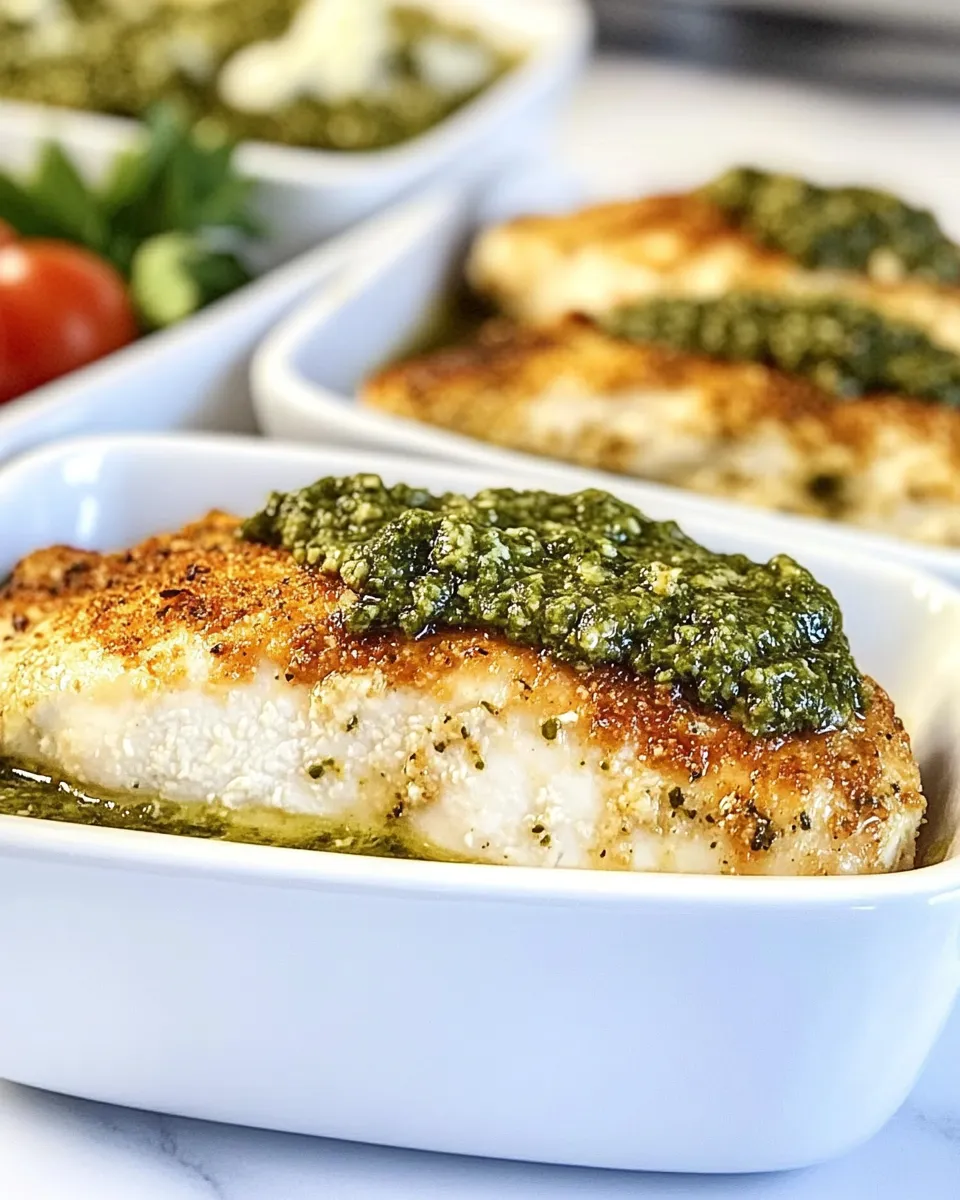
Each component in the marinade plays a clear role. Basil pesto brings herbaceous fat and texture; olive oil smooths the mix and helps transfer heat on the grill; bottled ranch gives tang, creaminess and a consistent flavor profile; Worcestershire deepens the umami and rounds out the richness; garlic brightens everything; salt and pepper balance. The chicken is best as boneless, skinless breasts that you pound thin so they cook evenly and stay juicy.
Use quality pesto if you can — it doesn’t have to be homemade, but fresher, brighter pesto will make the whole dish taste fresher. The bottled ranch dressing is the shortcut here; choose one you like straight from the jar because you’ll taste it in the finished chicken. And don’t skip the brief rest of the marinade; those five minutes let flavors marry before they meet the chicken.
Ingredients
- ½ cup basil pesto — herb backbone and fat; choose a flavorful jar or homemade for brighter results.
- ¼ cup olive oil — melds the marinade and helps the chicken sear without sticking.
- ½ cup bottled ranch dressing — adds tang, creaminess, and a consistent ranch flavor that shortcuts a made-from-scratch dressing.
- 3 Tbsp Worcestershire sauce — deepens savory notes and rounds out the marinade’s sweetness.
- 1 Tbsp minced garlic, or to taste — fresh garlic gives lift; reduce slightly if you prefer a milder bite.
- salt and pepper — to taste; salt helps the chicken retain moisture and seasoning at the end is key.
- 4 boneless skinless chicken breasts — pounded thin so they cook evenly and remain juicy.
The Method for Pesto Ranch Chicken
- In a medium bowl, whisk together ½ cup basil pesto, ¼ cup olive oil, ½ cup bottled ranch dressing, 3 Tbsp Worcestershire sauce, 1 Tbsp minced garlic (or to taste), and salt and pepper (to taste). Let the marinade sit for 5 minutes.
- Place each chicken breast between two sheets of plastic wrap and gently pound with a meat mallet (or a heavy pan) until evenly 1/4-inch thick.
- Put the pounded chicken breasts into a gallon-size zip-top bag. Pour the marinade into the bag, seal it, press out excess air, and gently massage the bag so the chicken is evenly coated.
- Refrigerate the sealed bag for at least 2 hours or up to overnight (several hours to overnight), turning the bag occasionally to redistribute the marinade.
- When ready to cook, preheat the grill to medium-high. Remove the chicken from the refrigerator about 10–15 minutes before grilling to take the chill off (optional). Remove chicken from the bag and discard the used marinade.
- Grill the chicken 8 to 12 minutes total, flipping once halfway through, until the internal temperature reaches 165°F and the chicken is no longer pink in the center and the juices run clear.
The Upside of Pesto Ranch Chicken
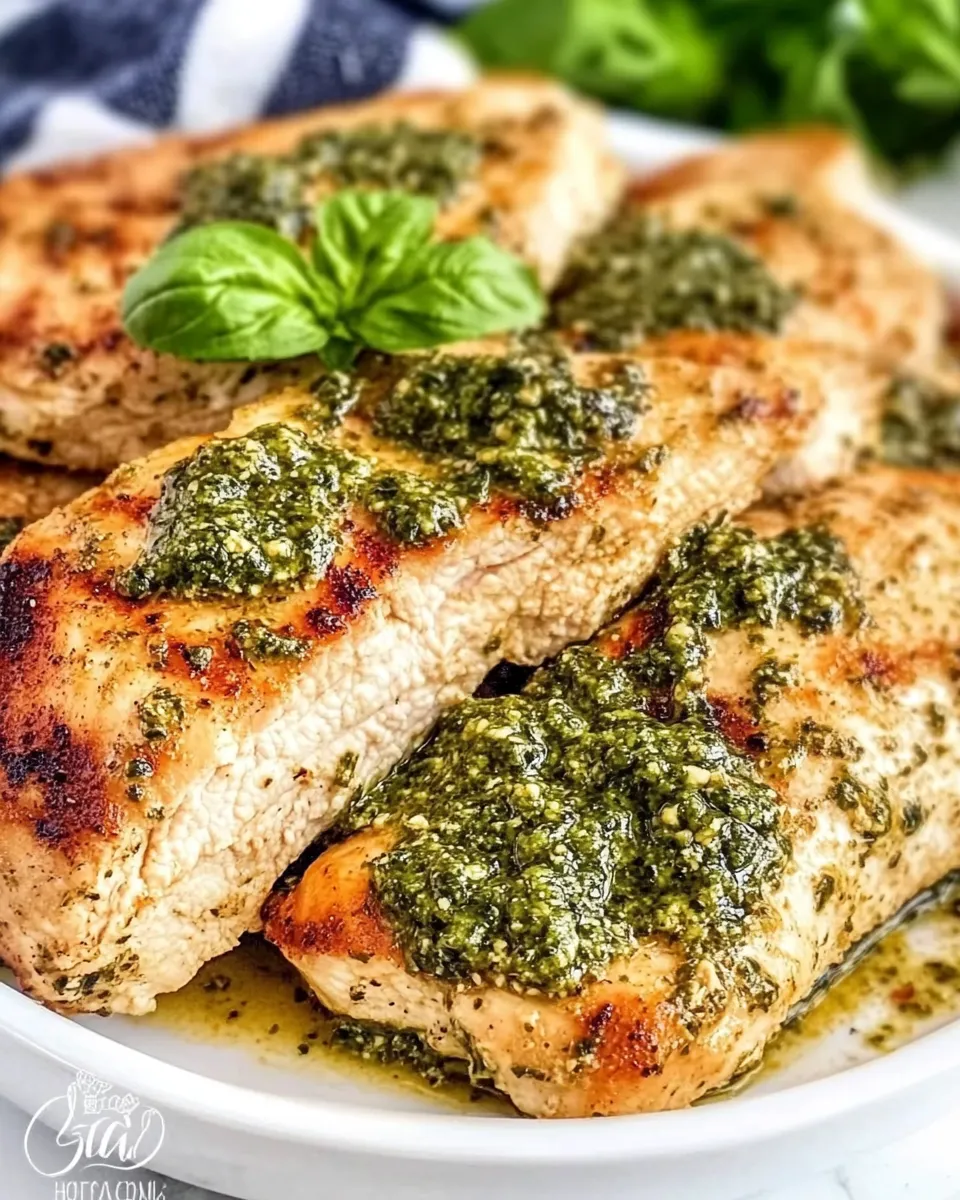
This dish hits several practical marks. First, it’s fast to prepare: the active work is mostly pounding and whisking, and the marinade does the rest. Second, it’s scalable — multiply the ingredients and use a cooler or a large shallow pan for marinating when you’re feeding a crowd. Third, the flavors play well with a wide range of sides: roasted vegetables, a simple green salad, pasta, or grilled bread.
It’s forgiving in timing. If you can’t grill right at the two-hour mark, the chicken can rest in the fridge overnight without losing structure. The thin pounded breasts cook quickly and evenly, which reduces the risk of drying out compared with thick breasts.
Dairy-Free/Gluten-Free Swaps
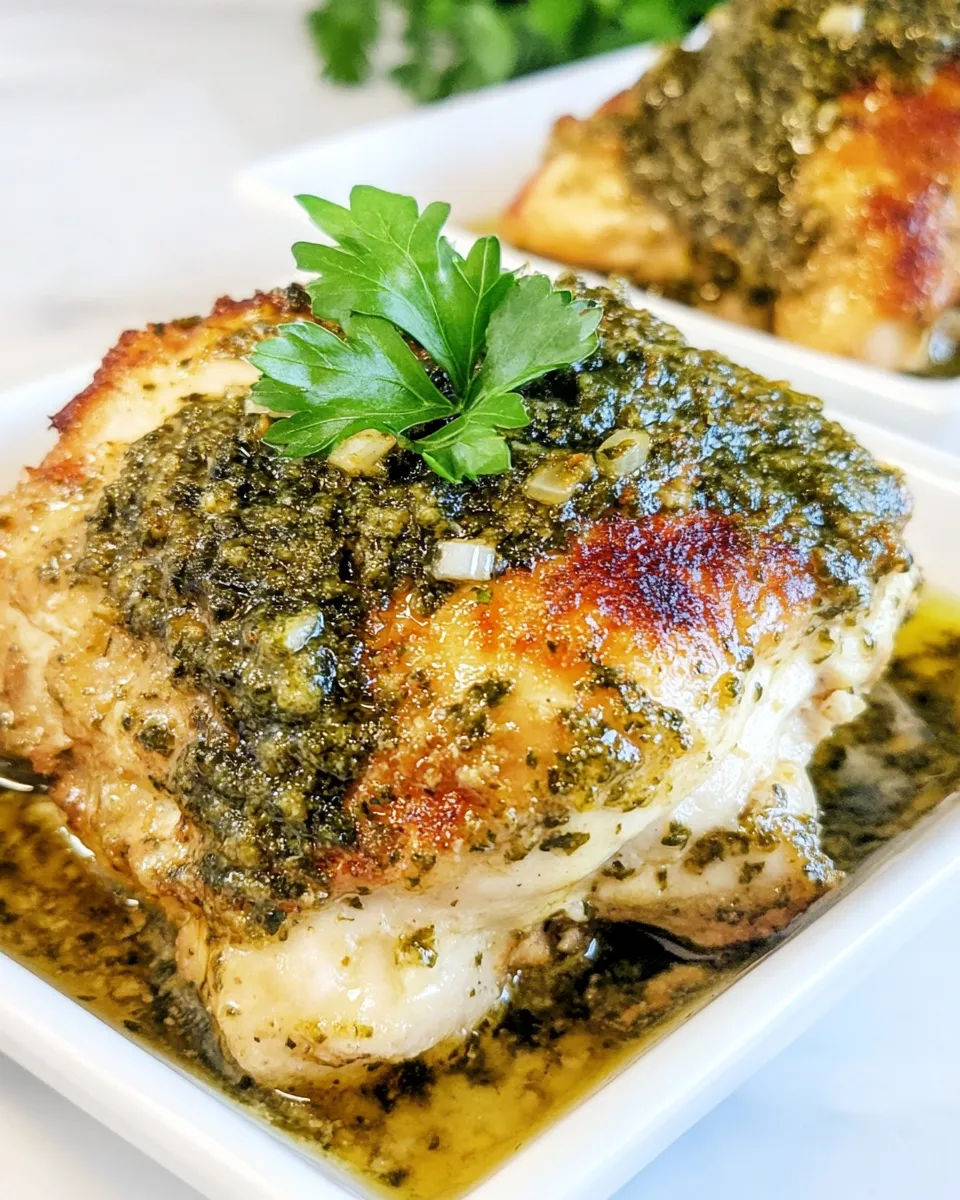
Gluten-free: The recipe as written is naturally gluten-free if your bottled ranch and Worcestershire are labeled gluten-free. Read labels—Worcestershire sometimes contains malt or other gluten sources depending on brand.
Dairy-free: Traditional pesto and ranch often contain dairy (Parmesan and buttermilk). Use a dairy-free pesto (made with nutritional yeast or without cheese) and a dairy-free ranch dressing. Many stores carry vegan ranch dressings made from plant-based mayo and dairy-free milk or yogurt alternatives. You lose a bit of creaminess when you swap, but the overall herb-forward profile remains.
Before You Start: Equipment
Here’s what I use and why it matters:
- Meat mallet or heavy pan — for pounding breasts to an even 1/4-inch; even thickness prevents overcooking.
- Gallon-size zip-top bag — easy, tidy marinating and makes turning the chicken effortless.
- Medium bowl and whisk — to blend the marinade so flavors emulsify and distribute evenly.
- Grill (gas or charcoal) — gives a quick sear and those classic char marks. A grill pan or cast-iron skillet works if you don’t have an outdoor grill.
- Instant-read thermometer — the most reliable way to know the chicken is done: 165°F internal temperature.
Mistakes Even Pros Make
1) Not pounding the chicken thin enough. Thick spots finish cooking later and dry out surrounding meat by the time the center reaches 165°F. Aim for even 1/4-inch thickness across each breast.
2) Skipping the discard of used marinade. Reusing raw marinade risks foodborne illness. If you want extra sauce, reserve a portion before it touches raw chicken.
3) Turning the grill too often or moving the chicken prematurely. You’ll lose good sear and caramelization. Flip once halfway through.
4) Over-salting early. Salt in the marinade is important, but if your pesto or ranch is already salty, start lighter and finish with a pinch after cooking if needed.
In-Season Swaps
When basil is abundant and fragrant in summer, reach for a fresh, vibrant pesto — that brightness will carry through even after grilling. In cooler months, a high-quality jarred pesto still delivers strong flavor; look for one with visible basil flecks and real olive oil.
If tomatoes are in season, serve sliced heirloom tomatoes dressed simply with olive oil, salt and a squeeze of lemon alongside the chicken. Grilled summer vegetables — zucchini, bell peppers, eggplant — pair beautifully with the herb-forward marinade.
Flavor Logic
Why these ingredients work together: pesto is fatty and herbaceous. The olive oil in the marinade keeps the mixture smooth and helps the chicken sear without sticking. Ranch provides acidity, creaminess and a tang that brightens the pesto. Worcestershire adds a deep umami backbone that cuts the sometimes one-note herbal flavor of pesto and ties the entire profile together. Garlic is the aromatic bridge — it wakes up the pesto and the ranch.
Marinating both seasons and tenderizes lightly; pounded breasts absorb surface flavors more thoroughly while still retaining juiciness when cooked properly. The balance of fat, acid, herb, and umami is what makes this marinade both simple and compelling.
Shelf Life & Storage
Cooked chicken: Refrigerate in an airtight container within two hours of cooking. It will keep 3 to 4 days. Reheat gently — slices warmed in a moderate oven or in a skillet over low heat with a splash of water keep moisture better than the microwave.
Marinated raw chicken: If you’ve marinated the chicken in the zip-top bag, cook it within 24 hours if kept in the refrigerator. The directions allow up to overnight; extended marinating beyond 24 hours can begin to change texture as the acids in the dressing work on the meat.
Freezing: You can freeze cooked slices for up to 3 months in a freezer-safe container. Thaw in the refrigerator overnight before reheating. For raw marinated chicken, freeze immediately after assembling in a sealed bag, then thaw in the refrigerator before grilling.
Ask the Chef
Q: Can I use thighs instead of breasts?
A: Yes. Boneless skinless thighs are forgiving and stay juicy. They may take a few minutes longer on the grill. Because thighs are darker meat, the flavor will be richer; monitor internal temperature to reach 165°F.
Q: Can I bake instead of grill?
A: Absolutely. Preheat the oven to 425°F and bake on a sheet pan for 12–20 minutes depending on thickness, or until internal temperature reaches 165°F. Finish under the broiler for 1–2 minutes if you want a bit of char.
Q: Do I need to add more sauce when serving?
A: If you liked the flavor intensity of the marinade, reserve some before it touches raw chicken and use that as a finishing drizzle. Otherwise, a spoonful of extra pesto or ranch on the plate complements the chicken well.
Before You Go
Make this for a weeknight dinner when you want something simple but special, or double the marinade and use it on a larger batch for a weekend barbecue. The technique—pound, marinate, grill—translates to other flavor profiles as well, so once you’re comfortable with the steps you can experiment confidently.
One final tip: let the chicken rest for 3–5 minutes after it comes off the grill. That short rest locks in juices and makes slicing cleaner. Serve warm with a wedge of lemon if you like an extra bright lift. Enjoy — this one’s a keeper in my rotation for busy nights and casual dinners alike.
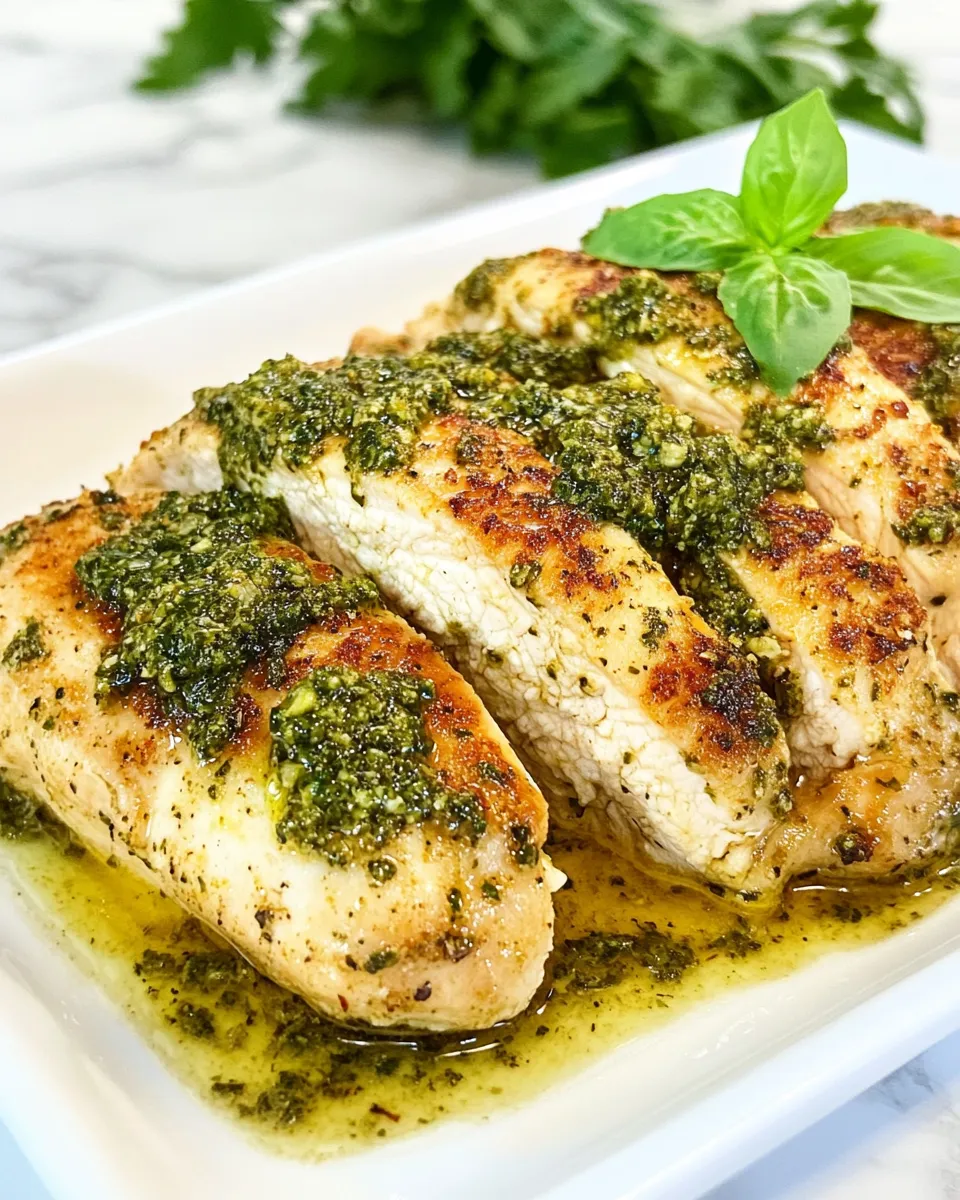
Pesto Ranch Chicken
Ingredients
Equipment
Method
- In a medium bowl, whisk together ½ cup basil pesto, ¼ cup olive oil, ½ cup bottled ranch dressing, 3 Tbsp Worcestershire sauce, 1 Tbsp minced garlic (or to taste), and salt and pepper (to taste). Let the marinade sit for 5 minutes.
- Place each chicken breast between two sheets of plastic wrap and gently pound with a meat mallet (or a heavy pan) until evenly 1/4-inch thick.
- Put the pounded chicken breasts into a gallon-size zip-top bag. Pour the marinade into the bag, seal it, press out excess air, and gently massage the bag so the chicken is evenly coated.
- Refrigerate the sealed bag for at least 2 hours or up to overnight (several hours to overnight), turning the bag occasionally to redistribute the marinade.
- When ready to cook, preheat the grill to medium-high. Remove the chicken from the refrigerator about 10–15 minutes before grilling to take the chill off (optional). Remove chicken from the bag and discard the used marinade.
- Grill the chicken 8 to 12 minutes total, flipping once halfway through, until the internal temperature reaches 165°F and the chicken is no longer pink in the center and the juices run clear.
Notes
You can use boneless or bone-in chicken. Adjust the cooking time to ensure an internal temperature of 165ºF.
I suggest pounding the chicken breast to an even thickness. We put the chicken in a ziplock bag and use a flat meat mallet to pound out the hump carefully. This ensures that the chicken cooks evenly and you don’t have juicy chicken and half-dry chicken.
I don’t have a grill. Can I cook the chicken in the oven or skillet? Yes! To cook the chicken breasts inside, pan-sear it for 3 to 4 minutes per side over medium-high heat. Place in a baking dish. Bake at 400ºF for 10 minutes.
Here is our recipe for Homemade Ranch Dressing:https://www.plainchicken.com/copycat-outback-ranch-dressing/You can also make your own ranch dressing with ranch seasoning packets.Here is our recipe for Homemade Ranch Mix:https://www.plainchicken.com/homemade-ranch-dressing-mix/
You can also make your own ranch dressing with ranch seasoning packets.Here is our recipe for Homemade Ranch Mix:https://www.plainchicken.com/homemade-ranch-dressing-mix/
Here is our recipe for Homemade Ranch Mix:https://www.plainchicken.com/homemade-ranch-dressing-mix/
My favorite store-bought pesto is Rao’s.
For an extra indulgent meal, top the chicken with mozzarella cheese and/or parmesan cheese.
Can I freeze Pesto Chicken? Yes! You can freeze the chicken uncooked or cooked.Prepare the marinade. Place the chicken in a freezer bag and pour the marinade over the chicken. Seal the bag and freeze. When ready to cook, thaw in the refrigerator overnight and cook.To freeze cooked chicken, cool completely and place in a freezer bag and freeze. Thaw and reheat in the microwave.Store leftover chicken in an airtight container in the refrigerator.
Prepare the marinade. Place the chicken in a freezer bag and pour the marinade over the chicken. Seal the bag and freeze. When ready to cook, thaw in the refrigerator overnight and cook.
To freeze cooked chicken, cool completely and place in a freezer bag and freeze. Thaw and reheat in the microwave.
Store leftover chicken in an airtight container in the refrigerator.
Store leftover chicken in anairtight containerin the refrigerator.Leftovers are great tossed with al dente pasta or in a salad.
Leftovers are great tossed with al dente pasta or in a salad.